Omiš travel guide
Complete guide to Omiš — Croatia's adventure capital with Cetina River rafting, cliff jumping, a medieval pirate fortress and beaches at the canyon mouth.
Omis: Half-day Cetina river rafting tour
Quick facts
- Best time
- May–Sep for rafting; Jun–Aug for beach
- Days needed
- 1–2 days
- Getting there
- Bus from Split (40 min, €4)
- Budget per day
- €45–€110
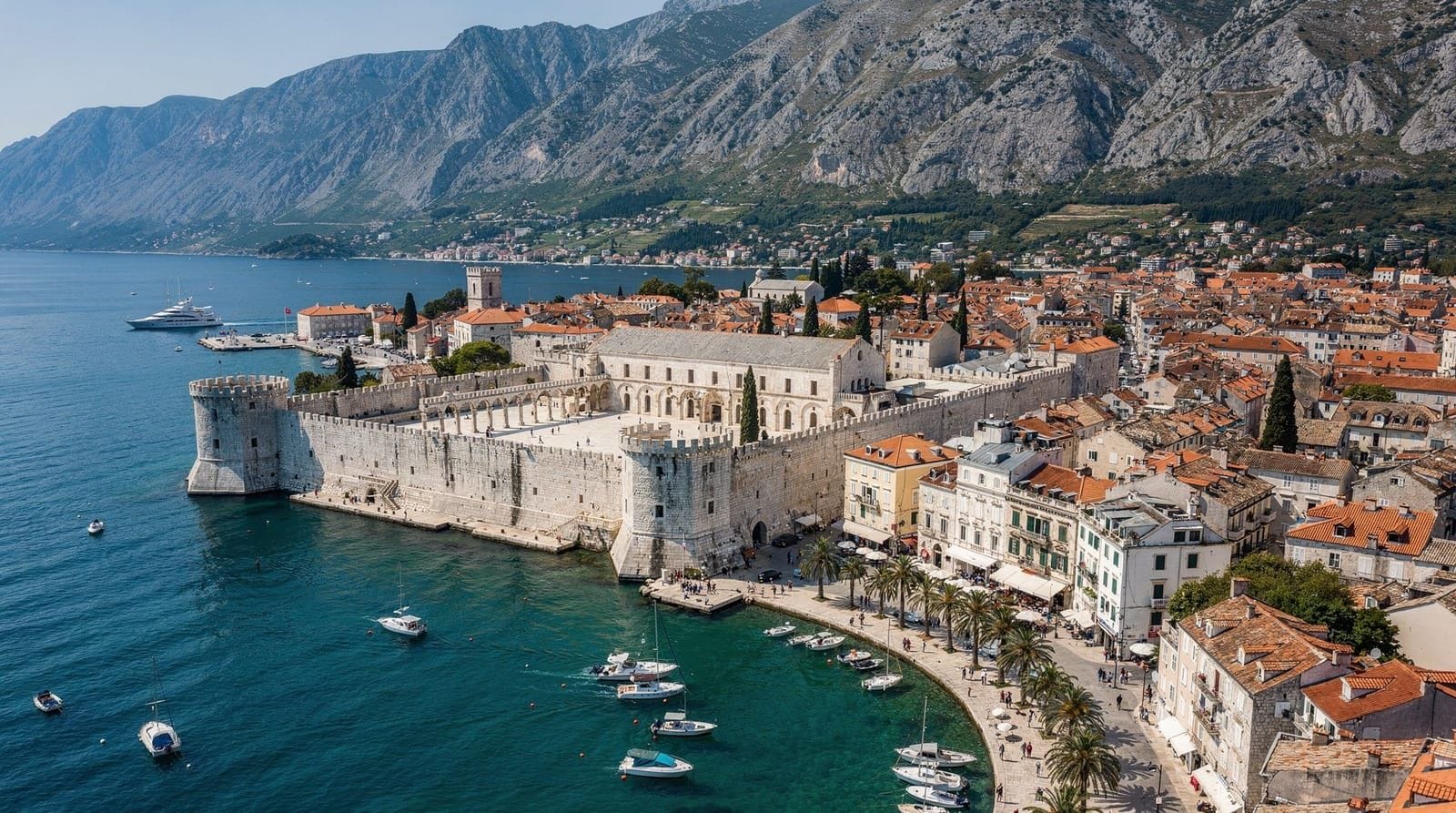
Omiš (pronounced OH-meesh) sits where the Cetina River breaks through a narrow gorge in the coastal limestone and spills into the Adriatic — one of the most dramatic natural settings on the Dalmatian coast. The town has a medieval pirate history (the Omiš pirates controlled coastal shipping for two centuries, defying Venice itself) and two cliff-top fortresses that still watch over the gorge entrance. For modern visitors the canyon offers Croatia’s most popular rafting route, cliff jumping, zip-lining, and hiking, all within an hour of Split.
| Where | Cetina River mouth, 25km southeast of Split |
| Cost | around €45–110/day; rafting €30–45 self-organised, €55–90 as a tour from Split |
| Time needed | 1–2 days; easily a half-day trip from Split |
| Getting there | Bus from Split (40 min, ~€4) |
| Best time | May–September for rafting; June–August for beach |
Getting to and around Omiš
By bus from Split: The most convenient option. Local buses run frequently (every 30–60 minutes, 40 minutes, €4). The bus drops you on the Omiš promenade, steps from the river.
By car: 25 km southeast of Split on the coastal road. Parking is available near the beach and river mouth.
Within Omiš: The town is small and walkable. The canyon trailhead and rafting company offices are 10–15 minutes’ walk from the bus stop.
What to see and do in Omiš
Cetina River rafting
The Cetina canyon rafting route is Croatia’s most popular river activity and for good reason: the canyon walls rise 200–300 metres above the river, the water is cold and clear, the current provides enough white water to be exciting without being dangerous, and the setting is genuinely spectacular. Most tours run the lower 10 km section (2.5 hours), passing waterfalls, rock faces, and medieval mill ruins. Rafting season runs April–October; water levels are highest in spring after snowmelt.
The half-day Cetina river rafting tour is Omiš’s signature experience and Croatia’s most popular adventure activityCliff jumping at Gubavica waterfall (8 km up the canyon) is possible independently or as part of an organised adventure package. Heights range from 5 to 15 metres; guides assess safety conditions on the day.
Mirabela and Fortress Starigrad
Mirabela is the round tower visible from the promenade, reached by a 15-minute steep staircase from the town centre. The views over the river mouth and beaches are excellent; the tower itself is modest inside. Starigrad (Old Town Fortress) is further up the canyon wall, a 45-minute hike on a marked trail — less visited, more dramatic, with better canyon views.
Canyon hiking
A marked walking trail follows the Cetina from Omiš upstream through the gorge, passing the Čikola stream confluence and Radmanove Mlinice (historic mill restaurant) at the 4 km mark. The canyon walk is possible in any direction — an out-and-back to Radmanove makes a 3-hour round trip. The canyon provides shade even in summer heat, making midday walking tolerable.
Beaches
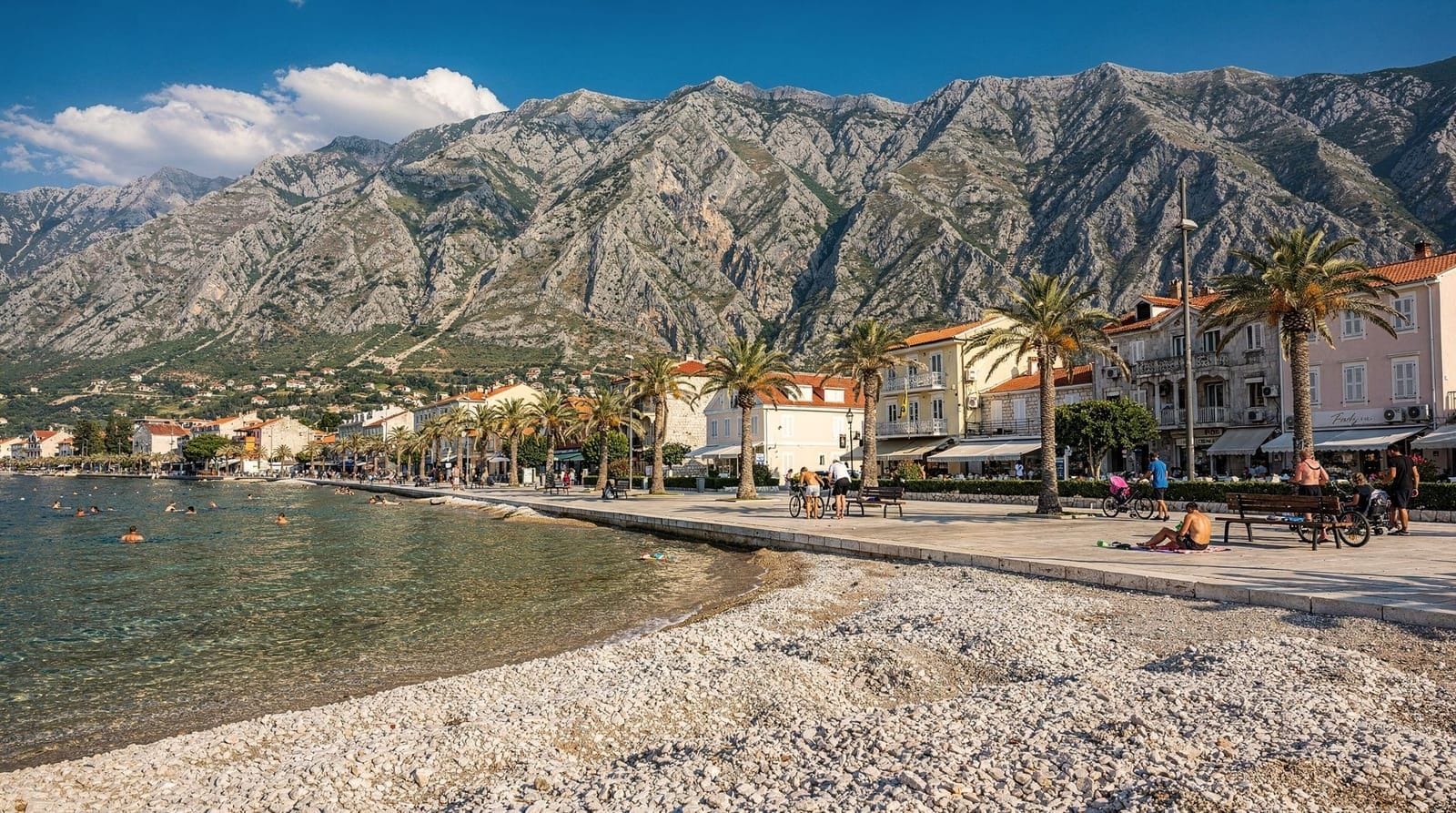
Two beach areas flank the river mouth: the main Omiš beach (pebble, north side, backed by cafes) and Duće beach (pebble and sand, 3 km north, more exposed, popular with families). Both have clear water; the pebble beaches require water shoes on sensitive feet.
Where to stay in Omiš
Most visitors visit as a day trip from Split. For overnight stays:
Villa Dvor (Mosorska cesta bb): Clifftop villa-hotel above the river with panoramic canyon views; doubles from €120–€200 in season.
Hotel Villa Dalmacija: Mid-range option near the beach with good sea views. Doubles from €80–€130.
Private rooms and apartments: The best-value option; numerous families rent rooms from €40–€65 per night. Book through local agencies or direct.
Omiš town and its heritage
The old town of Omiš is small but worth an hour’s exploration beyond the rafting-launch point. The main street (Kneza Trpimira) leads from the river mouth inland through a narrow medieval core with stone houses and the occasional baroque church. The Church of the Holy Spirit (Crkva Svetog Duha), a 17th-century baroque structure, is the most significant building; the small old town square (Trg Petra Kružića) is the social centre.
Omiš hosts the Festival of Dalmatian Klapa (Omišani klapa festival) in late June/early July — a significant competition showcasing a cappella Dalmatian choral singing (klapa), a UNESCO-listed intangible heritage tradition. Performances take place outdoors on the town square and in the fortress; the event attracts participants from across Dalmatia and beyond. Timing your visit around this event adds considerable cultural depth.
The Pirate Festival (Omiška gusarska noć) in August recreates the medieval pirate tradition with theatrical battle re-enactments, fireworks, and evening events. Family-friendly and genuinely atmospheric.
Cetina canyon beyond rafting
The Cetina is Croatia’s longest river (105 km) and the canyon section from the sea to the source village of Cetina provides a remarkable range of non-rafting activities.
Zip-line: An 800-metre zip-line above the canyon provides a different perspective on the gorge walls. Operated from a platform accessible by 4WD transfer from Omiš; combined packages with rafting are available.
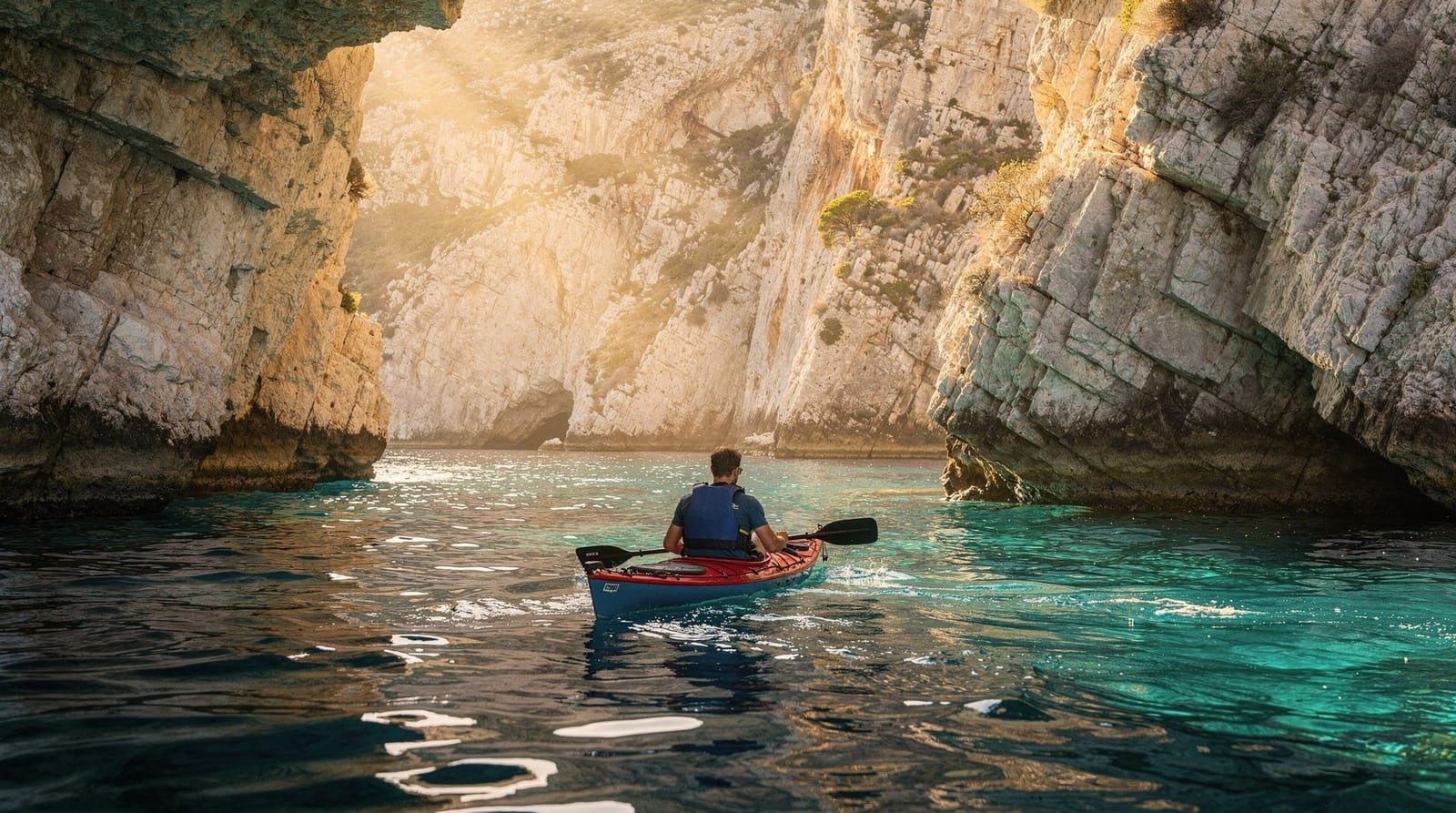
Canyon kayaking: A calmer alternative to rafting, single or double kayaks are available for independent hire on the lower canyon section (life jackets included).
Hiking and cycling: The Cetina canyon trail (see main text above) extends far beyond Radmanove Mlinice for serious walkers; the 30 km one-way trail to Trilj at the canyon’s upper section is a serious day hike requiring transport arrangement at both ends.
Freshwater swimming: The Cetina’s pools above the main rapids are popular with local families for swimming and cliff-jumping (natural, not organised). The water temperature (around 16–18°C) is refreshing on a 35-degree coast day.
Where to eat in Omiš
Konoba Ribarska Kuća (near the fish market): Reliable fresh fish and grilled seafood at local prices.
Radmanove Mlinice (Cetina canyon, 4 km from Omiš): A historic mill restaurant set beside a waterfall in the canyon. The peka dishes (lamb, veal) need 24-hour notice; the grilled fish and river trout are excellent without pre-ordering. The setting is the best in the area — best reached on foot via the canyon trail or by boat.
Gradska Kafana (town centre): Good-value Dalmatian cooking for breakfast and lunch.
Konoba Barba Niko (harbour, near the river mouth): Fresh seafood, outdoor seating, good house wine — the most reliable of the harbour restaurants at honest prices.
Pivnica Vrandol (Kneza Domagoja): Local beer hall and grill popular with Croatian visitors for grilled meats and draught beer.
Best time to visit Omiš
April–June: Rafting at its most exhilarating (high water from spring snowmelt), canyon hiking in cool temperatures. The Cetina Festival (folklore, June) adds local colour.
July–August: Busiest period; rafting tours run multiple times daily, book ahead. Beach fills up but the canyon provides a cooler alternative. Sea temperature peaks at 26–27°C.
September–October: Excellent; rafting still runs, beaches quiet, canyon walks comfortable. The chestnut and fig harvest along the canyon is an autumnal bonus.
Omiš for independent travellers vs. organised tours
The Cetina rafting is available both as an organised tour from Split (collected from your hotel, transported, equipped, guided, and returned — around €55–€65 total) and as a self-organised activity from Omiš itself (bus to Omiš, walk to the operator office, rafting, return by bus — around €35–€45). The self-organised version requires more logistics but costs 30–40% less and gives you the freedom to explore Omiš before or after the activity.
Self-organised Omiš day from Split:
- Bus from Split to Omiš (7:30 am departure, 40 minutes, €4)
- Walk along the canyon trail to Radmanove Mlinice for coffee/breakfast (1 hour)
- Walk back and book afternoon rafting at one of the operator offices on the main square (rafting: 2–3 pm, 2.5 hours, €30–€45)
- Post-rafting swim or explore the fortresses
- Bus back to Split (last bus around 9 pm)
This makes a full and satisfying day with the minimum spend.
Photography in the Cetina canyon
The Cetina canyon is exceptional for photography: the contrast between the white limestone walls, the emerald river, and the Mediterranean vegetation on the cliffs produces images that require no post-processing. The best light is morning (7–10 am) when the canyon bottom receives direct sunlight; after midday the canyon floor is in shadow.
Best viewpoints:
- From the canyon trail looking downstream toward the sea (best 30 minutes after entering the canyon)
- From the Mirabela tower above Omiš (panoramic, wide lens)
- From rafting boats looking up at the canyon walls (supplied gopro mounts or waterproof phone cases recommended)
- Radmanove Mlinice waterfall (medium telephoto, morning light)
Omiš budget and cost guide
Omiš is one of the more affordable destinations on the Dalmatian coast, partly because it’s primarily domestic-tourist oriented and partly because it lacks a developed luxury hotel sector.
Accommodation: Private rooms €35–€60 per night; apartments €50–€90; mid-range hotels €80–€130. Camping at Ribica Campsite (directly on the beach, 2 km from town) from €15 per person per night.
Eating: A restaurant meal in Omiš costs 30–40% less than in Split or Dubrovnik. A fish lunch at a harbour konoba runs €20–€30 per person with wine. Market-shopping and self-catering is very affordable: fresh fish at the morning market €10–€15/kg, local vegetables €1–€3/kg.
Rafting cost breakdown (self-organised): Bus Split–Omiš return €8 + rafting €30–€40 + lunch €15 = approximately €55–€65 total for the day. Organised tour from Split runs €65–€90 but includes transfer from accommodation.
Omiš weather and seasonal planning
Spring (April–May): Cetina River at highest water levels after winter snowmelt — best rafting, most dramatic canyon scenery. Air temperature 15–22°C; sea still cool (16–18°C) but swimmable for the committed.
Early summer (June): Ideal. River water still lively, sea warming rapidly (21–23°C), not yet peak-season crowds.
Peak summer (July–August): Very hot (33–36°C); the canyon provides natural shade during rafting. Beaches fill; book rafting ahead. The Klapa Festival (July) adds cultural interest.
Autumn (September–October): The best period for hiking in the canyon and surrounding hills; swimming remains excellent (sea 22–24°C in September); rafting operators run through October.
Day trips from Omiš
Split is the natural base for visiting Omiš; the 40-minute bus ride makes it straightforward. Makarska is 30 km south (45-minute bus) for beach extension. Brač island is reachable via Split ferry. The Krka National Park day tour from Split can be combined with an Omiš morning.
Omiš practical planning
Booking rafting in advance: In July–August, popular rafting operators fill up by midday for that day’s afternoon departure. Book at least 24–48 hours ahead during peak season. Several operators allow online booking. The three main operators (Dalmatia Adventures, Raftrek, and several smaller companies) all run comparable quality; price differences are minimal (€30–€45 per person for a half-day).
What to bring: Swimwear, water shoes or old trainers (provided by some operators, check in advance), sunscreen, a change of dry clothes for after. Waterproof bags for phones and cameras are available from operators; bring your own dry bag if you have one.
Combination packages: Several operators offer combined rafting + climbing or rafting + zip-line packages that cover two activities in a full day, which is excellent value and makes the most of the canyon setting.
Omiš as a Croatia base
Omiš is worth considering as a base for 2–3 nights rather than a day trip from Split. Its position between Split (25 km) and Makarska (30 km) makes it convenient for day trips in both directions, and the town itself is pleasant and significantly cheaper than either city.
From Omiš, the following are easy day trips:
Split: 40 minutes by bus, every 30–60 minutes. Diocletian’s Palace and the island ferries (Hvar, Brač) are within day-trip range.
Makarska Riviera: 45 minutes by bus. Biokovo Skywalk, Brela beach, and the riviera towns.
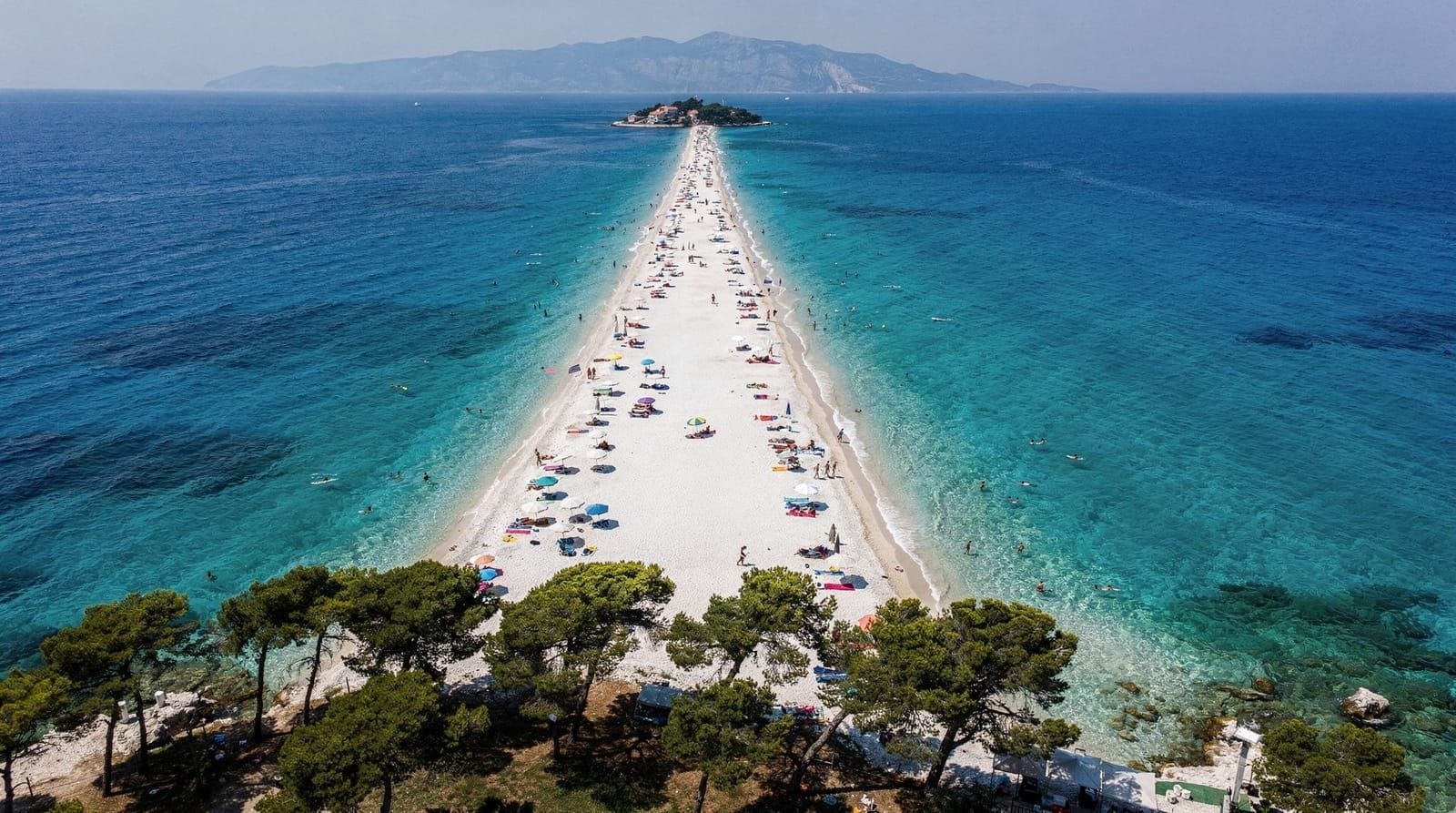
Brač island: Via Split ferry (50 minutes from Split to Supetar). Zlatni Rat beach and Bol are easily reachable.
Inland Dalmatia: The Cetina canyon provides access to the inland karst landscape — a completely different Croatia from the coastal strip.
History of the Omiš pirates
The Omiš pirate tradition deserves more than a paragraph. The Kačić clan, a Croatian noble family based in the Cetina canyon, developed the Omiš pirate fleet in the 12th century and controlled it through the 14th. At their peak, the Omiš pirates had over 100 ships and raided coastal shipping with enough frequency and success that Venice launched six military expeditions against them (1221, 1240, 1242, 1270, 1278, and 1310), none definitively successful.
The pirates’ tactical advantage was their base: the narrow Cetina gorge, invisible from the sea until a ship was already committed to the approach, with fortifications at the canyon entrance making a frontal attack suicidal. The pirate ships were fast and shallow-drafted; they could withdraw into the canyon where deep-keeled Venetian warships could not follow.
The tradition ended through diplomacy more than warfare — the Kačić family were eventually brought into the Croatian-Hungarian political system and given noble status and land rights, after which piracy became economically unnecessary. The two fortresses were built subsequently against a different enemy: the Ottoman threat of the 15th–17th centuries.
Omiš vs Trogir as a Split day trip
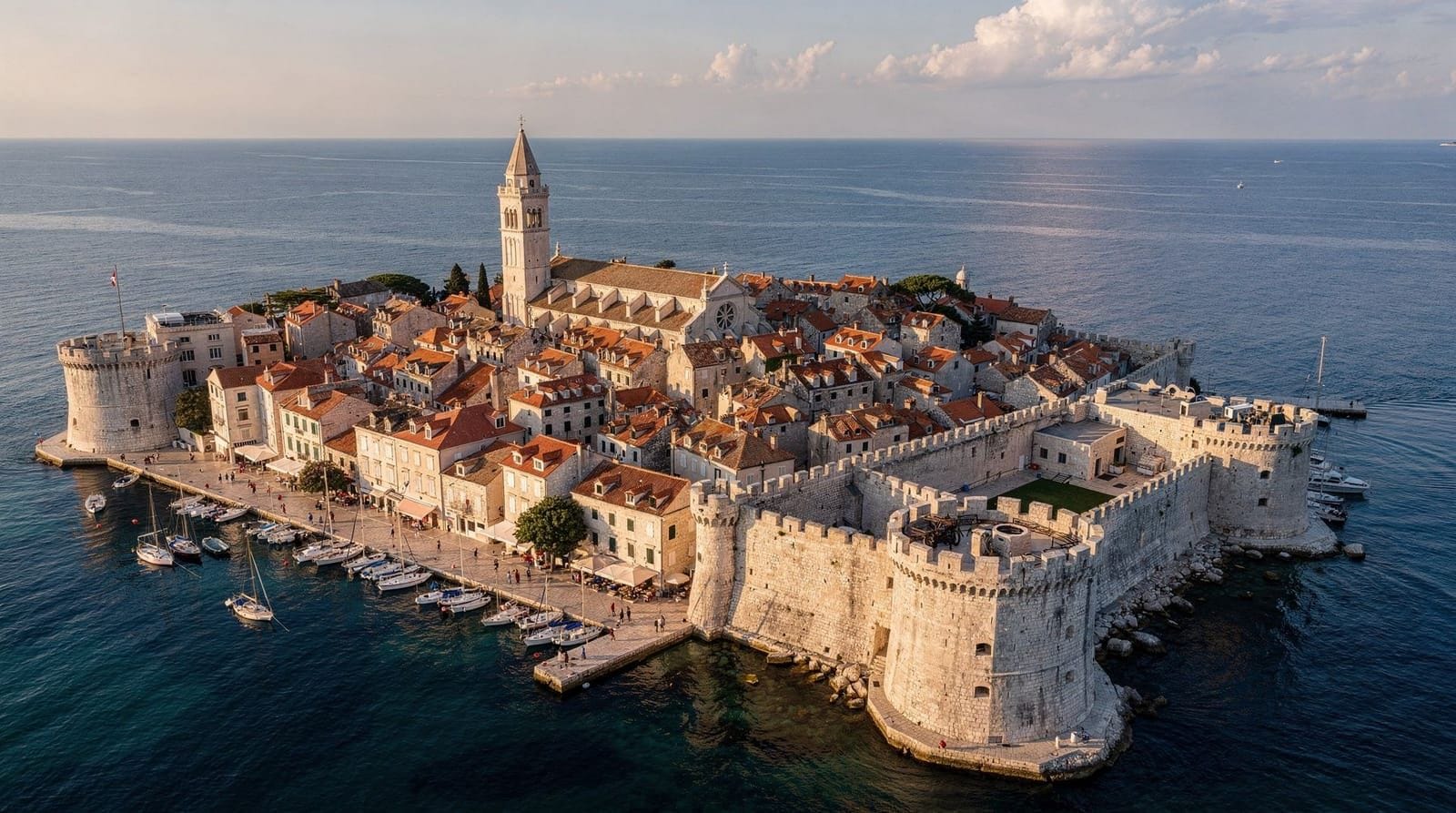
Split-based travellers choosing between Omiš and Trogir for a half-day trip are choosing between two very different experiences. Trogir is a UNESCO-listed medieval walled town, compact and easily walkable, best for those who want architecture and history in a short visit. Omiš is about the canyon and adventure activity — rafting, cliff jumping, hiking — with a much smaller old town. Both are around 30–40 minutes from Split by bus. If you only have one half-day and want to relax and sightsee, Trogir is the easier choice; if you want to be active and see genuinely dramatic scenery, Omiš wins. Many visitors do both on separate days rather than choosing.
Frequently asked questions
Do I need rafting experience to do the Cetina canyon trip? No. The Cetina rafting route is graded for beginners — the current provides enough movement to be exciting without technical white-water skill, and guides handle the safety briefing and steering calls. Children from around age 7–8 (weight and operator-dependent) can usually join family-friendly departures; check the specific operator’s minimum age.
Is Omiš worth an overnight stay or is a day trip from Split enough? A day trip covers rafting plus a look at the old town and fortresses comfortably. An overnight stay is worth considering if you want to combine rafting with the zip-line or canyon hiking without rushing, or if you’re using Omiš as a cheaper base for exploring both Split and Makarska without paying Split’s higher accommodation prices.
Top experiences
Bookable activities with verified prices and instant confirmation on GetYourGuide.
Top-rated experiences in Omiš travel guide
Best-rated activities across GetYourGuide and Viator.

Blue cave, Mamma Mia and Hvar, 5 islands speedboat tour
- Viator

Blue Cave and Hvar Tour - 5 Islands Tour from Split and Trogir
- Viator

Blue cave, Mama Mia and Hvar, 5 Island Speedboat Tour from Trogir
- Viator

From Split: Plitvice Lakes National Park Guided Tour
- Viator

Krka Waterfalls Day Tour with Boat Ride from Split and Trogir
- Viator

Plitvice Lakes National Park Guided Day Tour from Split
- Viator