Zagreb travel guide
Zagreb is Croatia's capital — a year-round city break with café culture, world-class museums, award-winning Advent markets, and easy access to…
Zagreb: Walking tour with funicular ride
Quick facts
- Best time
- April–June, September–October; December for Advent
- Days needed
- 2–3 days
- Getting there
- ZAG airport (15 min to centre); buses from Split (5 h) and Dubrovnik (10 h)
- Budget per day
- €60–€130
Zagreb is the least-visited capital in Central Europe for its size, which is precisely what makes it worth visiting. While most tourists fly into Zagreb and immediately take a bus to Split or Dubrovnik, a growing number are discovering that the city itself repays two or three days: a genuine Central European cultural capital with excellent museums, a thriving café scene, a medieval upper town of cobblestones and Gothic spires, and the sort of authentic daily life that coastal resorts, by definition, cannot offer.
The city sits on a continental climate — four distinct seasons, green parks, and snow possible in December. It functions as a year-round destination in a way that the Dalmatian coast does not, which makes it a valuable anchor for shoulder-season or winter Croatia trips.
Upper Town (Gornji Grad)
The historic upper town is the oldest part of Zagreb, reached most memorably by the funicular (Uspinjača) — the world’s shortest public funicular at 66 metres — or via the stone steps of Strossmayer Promenade with views south over the lower city. The ride is quick and costs around €0.70.
St Mark’s Church, with its famous mosaic-tiled roof bearing the coats of arms of Croatia and Zagreb, is the visual icon of the upper town. The church dates to the 13th century; the colourful tiles were added in the 1880s. The Croatian Parliament and the Presidential Palace occupy the square alongside it.
The Zagreb Cathedral — technically in the lower town but visible from almost everywhere — is the tallest building in Croatia at 108 metres. Its neo-Gothic twin spires are under near-constant scaffolding restoration, but the interior (Romanesque nave, treasury, Archbishop’s Palace) is accessible and impressive.
Lotrščak Tower guards the upper town’s southern gate. For €1–2, you can climb to the top for a panoramic view, and at noon every day a cannon is fired from the tower — a tradition since 1877.
The Museum of Broken Relationships on Ćirilometodska Street is Zagreb’s most celebrated contemporary museum, and one of the more original in Europe: a collection of objects and the stories behind them donated by people from around the world, all linked by love and loss. Genuinely moving and often unexpectedly funny.
Lower Town (Donji Grad) and parks
The lower town’s grid of late 19th-century Austro-Hungarian buildings, parks, and cultural institutions forms the “Green Horseshoe” — a series of connected squares and parks designed by Milan Lenuci in the 1880s. Walking through it, the Central European parallels with Vienna and Budapest are unmistakable.
Ban Jelačić Square (Trg bana Josipa Jelačića) is the central meeting point of the city — pedestrianised, ringed by café terraces, and home to the equestrian statue of Governor Jelačić. The tram network radiates from here.
Dolac Market just north of the main square is the city’s open-air produce market, operating every morning. The red-umbrella stalls sell vegetables, fruit, flowers, and local dairy; an enclosed fish market operates beneath. Arrive by 9am for the best atmosphere.
Tkalčićeva Street is the city’s most popular pedestrian bar-and-café strip — lined with terrace cafés that fill up from morning coffee to late-night drinks. Zagreb’s café culture is as serious as Vienna’s; the špica (lunchtime Saturday coffee-and-gossip ritual on the terraces) is a local institution.
Zrinjevac Park and Maksimir Park (Zagreb’s answer to Central Park, with Zagreb Zoo) provide green escapes.
Museums
Zagreb is disproportionately well-endowed with museums for a city of its size.
Museum of Broken Relationships — already mentioned, essential.
Croatian Museum of Naïve Art — an unusually strong collection of Croatian naïve and self-taught artists, particularly the Hlebine school. Genuinely interesting even without prior knowledge of the genre.
Mimara Museum — over 3,700 objects spanning from Egyptian to Impressionist works in a Habsburg-era building.
Museum of Contemporary Art — out of the centre but worth the tram ride for its rotating exhibitions in a striking new building.
Nikola Tesla Technical Museum — for science enthusiasts; includes a working demonstration of Tesla coils.
Zagreb food scene
Zagreb is one of the best cities in Croatia to eat well on any budget. The food culture draws on Central European, Mediterranean, and specifically Croatian traditions.
Central Market area: Dolac market for fresh produce, and the surrounding streets for everything from traditional burek (flaky pastry with meat or cheese) to craft beer bars.
Konoba and restaurant highlights: Zagreb has too many good options to prescribe a short list. In the upper town, Konoba Didov San and Šestinski Lagvić serve traditional dishes. In the lower town, the streets around Tkalčićeva and Petra Preradovića Square (Cvjetni trg, “Flower Square”) offer everything from casual pizza to high-end modern Croatian cuisine.
Craft beer: Zagreb has an active craft beer scene — look for Zmajska Pivovara and Pan Brewery products in bars across the city.
Getting to Zagreb
By air: Zagreb Airport (ZAG) is 15 km south of the centre. Airport buses connect to the main bus station in around 30 minutes (€4–5). There are direct international connections from most European cities.
By bus from Dalmatia: From Split, around 5 hours (€15–25); from Dubrovnik, around 10 hours by bus or faster via Split transfer.
By car from Austria/Slovenia: Zagreb is 1.5 hours from Ljubljana and 3.5 hours from Vienna via the A2/A4 motorways.
By train: Good connections from Vienna, Graz, Budapest, and Ljubljana. Within Croatia, the train is slower than buses for reaching the coast.
Day trips from Zagreb
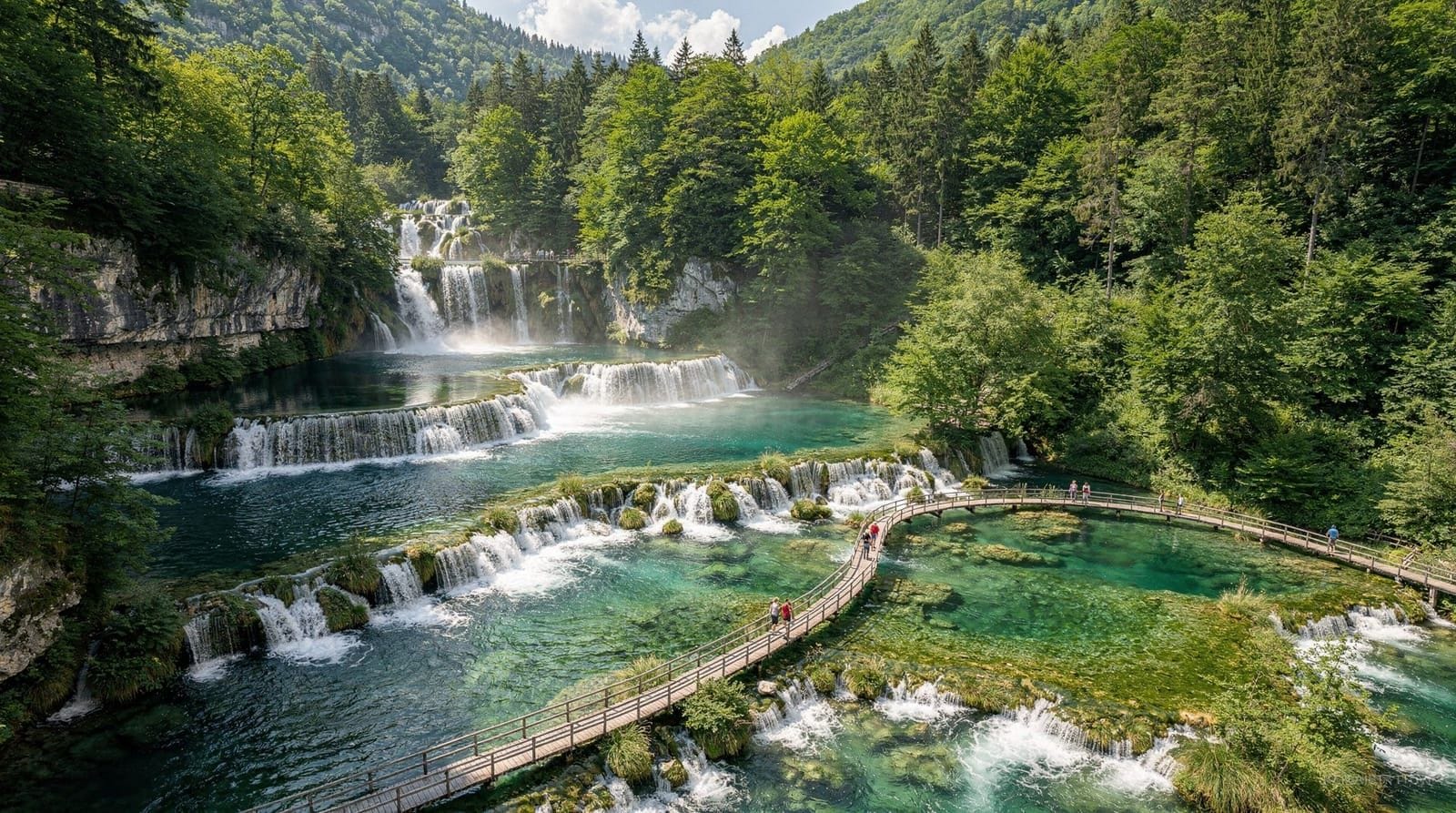
Plitvice Lakes National Park — the most popular day trip from Zagreb, around 2 hours south. Guided tours from Zagreb make the logistics easy.
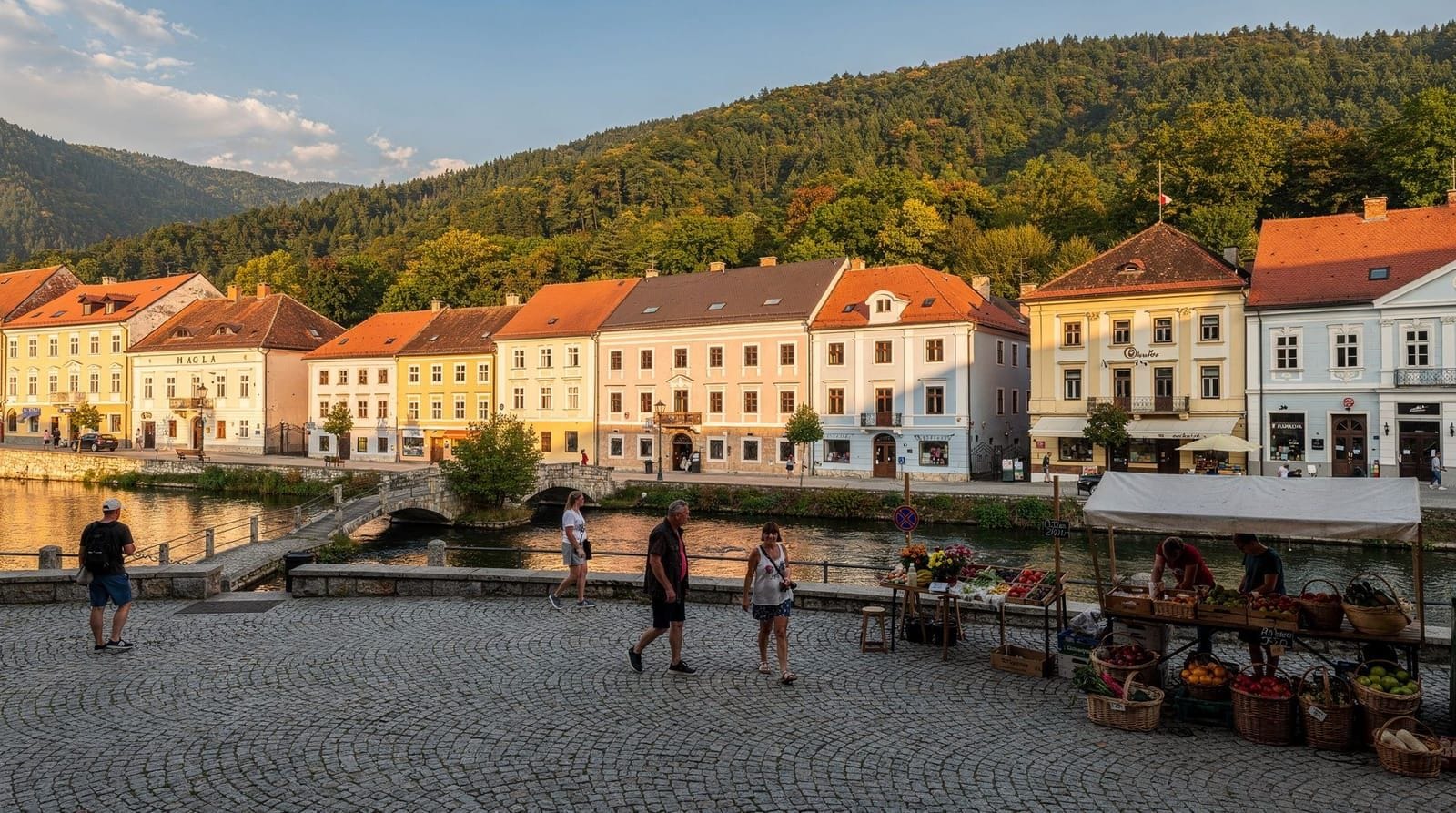
Samobor — 30 minutes west, a charming small town famous for its mustard and cream cakes (kremšnite). See the Samobor guide.
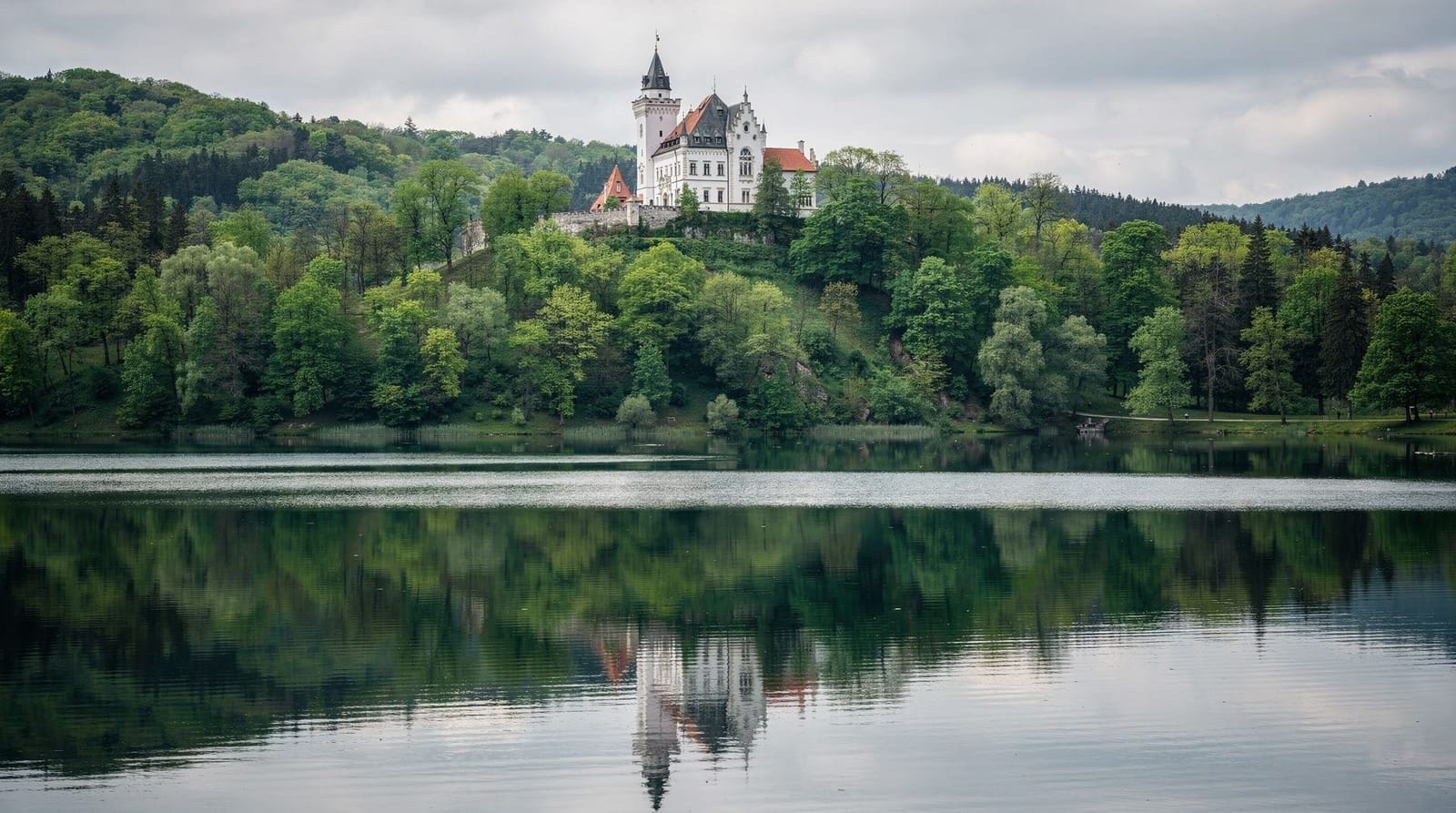
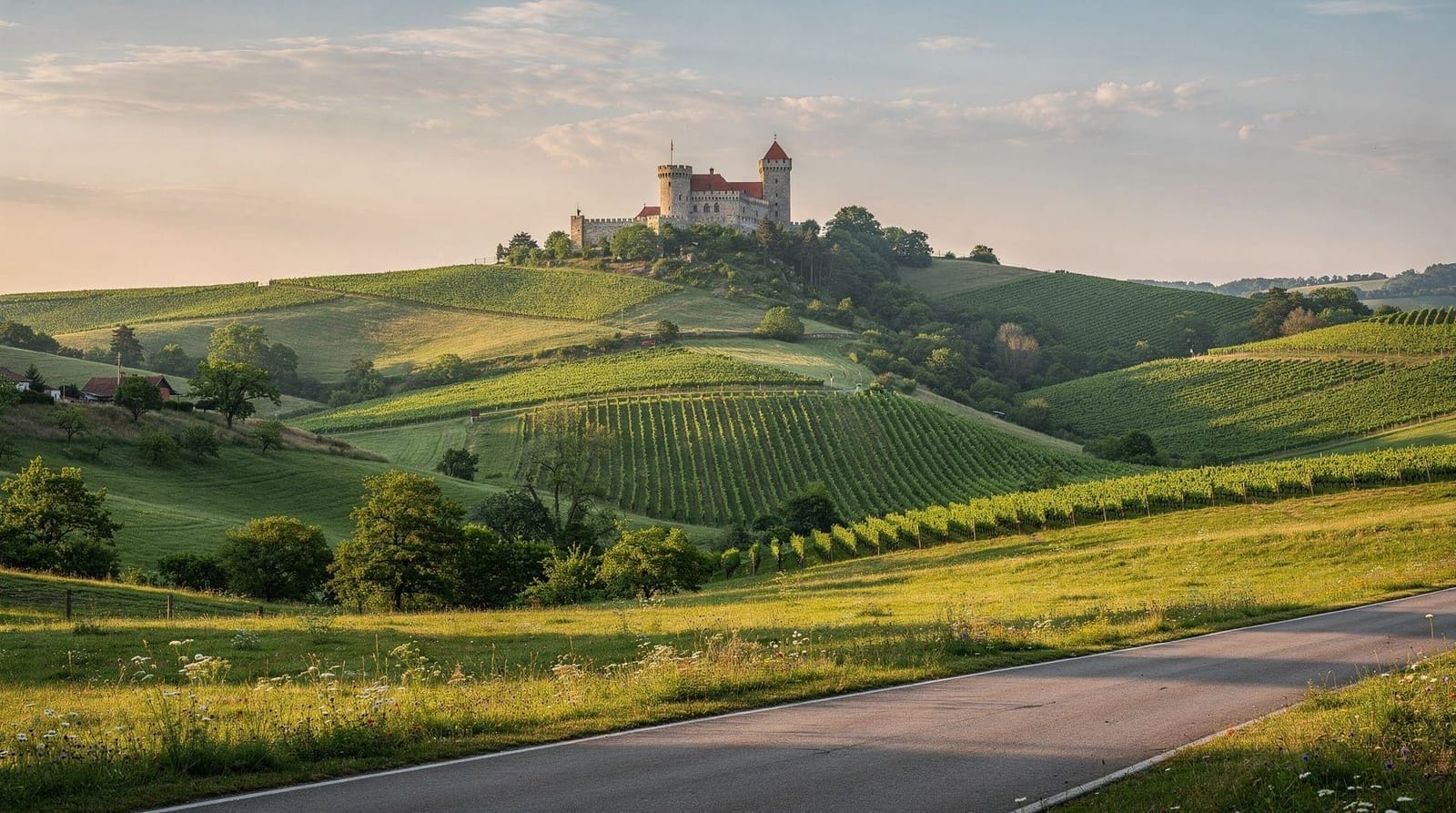
Zagorje and Trakošćan Castle — 1 hour north, rolling hills and vineyards with a perfectly preserved Gothic castle. See the Zagorje-Trakošćan guide.
Ljubljana and Lake Bled — 1.5–2 hours to Ljubljana, 2.5 hours to Lake Bled by car. A two-country day trip that many travellers do from Zagreb heading for or from Slovenia.
Zagreb Advent market
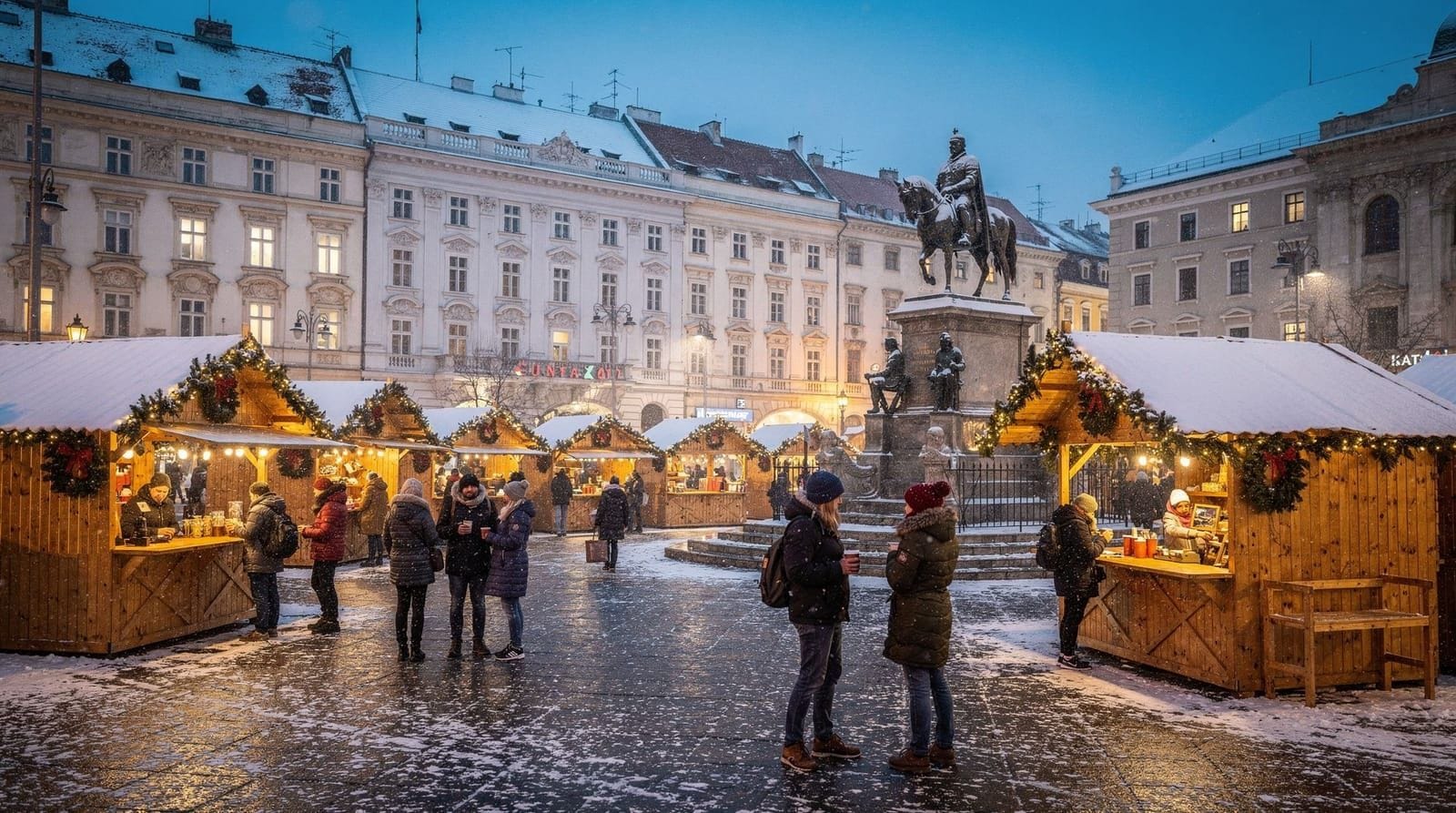
Zagreb’s December Advent market has won “Best Christmas Market in Europe” multiple times — a remarkable achievement for a city often overlooked on European city-break itineraries. Markets spread across multiple squares and parks, with mulled wine (kuhano vino), roasted chestnuts, traditional handicrafts, and concerts running from late November through early January. See the Zagreb Advent guide.
Getting around
Zagreb’s tram network is excellent and covers all the main areas of the city. A single ticket costs around €0.53 (bought in advance from kiosks or newsagents). Taxis and ride-share apps (Uber, Bolt) are also cheap by Western European standards.
History in brief
Zagreb is one of Central Europe’s more unusual capitals — it emerged from two entirely separate medieval settlements sitting on adjacent hilltops above the Sava River plain: Gradec (now the core of Upper Town, established by royal charter in 1242 after the Mongol invasion) and Kaptol (the ecclesiastical settlement around the Cathedral, also 13th century). The two communities coexisted in rivalry — sometimes violent rivalry, including a battle over a mill stream in 1267 that is remembered as the “Bloody Bridge” incident — until they were administratively unified in 1850.
The 19th century reshaped Zagreb decisively. The Lower Town (Donji Grad) was built on the Vienna-Budapest model between roughly 1860 and 1914: broad boulevards, Habsburg-style apartment buildings, the Green Horseshoe park system, theatres, museums, and the railway station that turned Zagreb into a hub rather than a backwater. The population grew from around 10,000 in 1850 to 65,000 by 1910.
After the Yugoslav period (1945–1991) — during which Zagreb was the second city of Yugoslavia after Belgrade, with significant industrial development but also cultural vitality (the Zagreb Animation School produced internationally celebrated work in the 1950s–1970s) — the city became capital of independent Croatia in 1991. The war that accompanied independence mostly bypassed Zagreb; the JNA (Yugoslav Army) fired rockets at the city centre in May 1991 but did limited damage.
Zagreb is now a city of around 800,000 (metropolitan area), with a significant university population, a growing tech sector, and a tourism industry that remains far smaller than its cultural resources would justify.
Expanded where to eat
Zagreb’s food scene has expanded dramatically in the 2010s and is now genuinely interesting across all price points. The key areas are the streets around Tkalčićeva, the market area around Dolac, and the increasingly good neighbourhood around Ilica Street heading west from Ban Jelačić Square.
Traditional Croatian restaurants:
- Konoba Didov San in Upper Town — reliable traditional cooking in an atmospheric old-town setting; roštilj (grill), slow-cooked pork, and good local wine.
- Šestinski Lagvić in the Šestine neighbourhood (20 minutes by tram) — an institution for roast lamb and the Zagreb version of the štrukli (pastry filled with cottage cheese and cream).
For štrukli: The Zagreb štrukli is the city’s emblematic dish — a thin dough parcel filled with cottage cheese and cream, either baked or boiled, and served as a starter or dessert. Stari Fijaker 900 on Mesnička Street is the most famous address for it.
Modern Croatian / bistro scene:
- Mundoaka Street Food near the market — creative street-food approach to Croatian and international influences; queue expected at lunchtime.
- Vinodol — a Zagreb institution in a vaulted cellar, serving solid Central European–Croatian dishes (veal, lamb) at mid-range prices.
- Restoran 404 — for a more contemporary approach, this understated restaurant near the Art Pavilion does the best modern Croatian tasting menu in the city at moderate prices.
Coffee and café culture: Zagreb’s café culture rivals Vienna’s in seriousness. Kavkaz (near Dolac, traditional), Eli’s Caffe (specialty coffee on Ilica), and the many terrace bars on Tkalčićeva are all part of the same deep-rooted coffee tradition.
Neighbourhoods to explore
Gornji Grad (Upper Town): The medieval core — St Mark’s, the funicular, the Lotrščak Tower, the Museum of Broken Relationships. Quieter in the evenings after day-trippers leave; the streets between the main sights are worth aimless wandering.
Tkalčićeva: The city’s main bar and café street, pedestrianised, lively from morning to past midnight. Mix of tourist-facing and local bars; the stretch nearest the lower town is more authentic.
Ilica: Zagreb’s main shopping street heading west from Ban Jelačić Square. Lined with shops, craft coffee bars, and some of the city’s best bakeries. Walk west beyond the tourist zone for local daily-life atmosphere.
Medvednica: The forested mountain behind Zagreb rises to 1,035 m at Sljeme peak. A cable car (when operating) and hiking trails from the northern suburbs provide accessible forest hiking. Medvedgrad castle — a 13th-century fortress on the hillside — is reachable on foot and gives fine views over the city.
Nightlife and entertainment
Zagreb has a thriving nightlife scene that operates year-round, unlike coastal towns. The Tkalčićeva area is busiest; the Šalata neighbourhood and Savica area have younger, more local bar scenes.
Clubs: Boogaloo (concert venue and club), KSET (student club near the Faculty of Electrical Engineering, legendary for live music), and the summer “beach clubs” that set up on the Sava River banks in July–August.
Live music: The Croatian National Theatre (HNK) on Trg Maršala Tita has a serious programme of opera and ballet. The Vatroslav Lisinski Concert Hall is the main classical music venue. The Zagreb Summer Festival runs outdoor performances in Upper Town in July–August.
Top experiences
Bookable activities with verified prices and instant confirmation on GetYourGuide.
Top-rated experiences in Zagreb travel guide
Best-rated activities across GetYourGuide and Viator.

Old Zagreb Private Tour
- Viator

Plitvice Lakes National Park Admission Ticket
- Viator

Kayaking Mreznica Waterfalls close to Plitvice Lakes
- Viator

Zagreb Unveiled: Private walking tour with a local guide
- Viator

Kayaking on Upper Mreznica River - Slunj, Croatia
- Viator

Experience Zagreb with a local - Private Walking Tour
- Viator