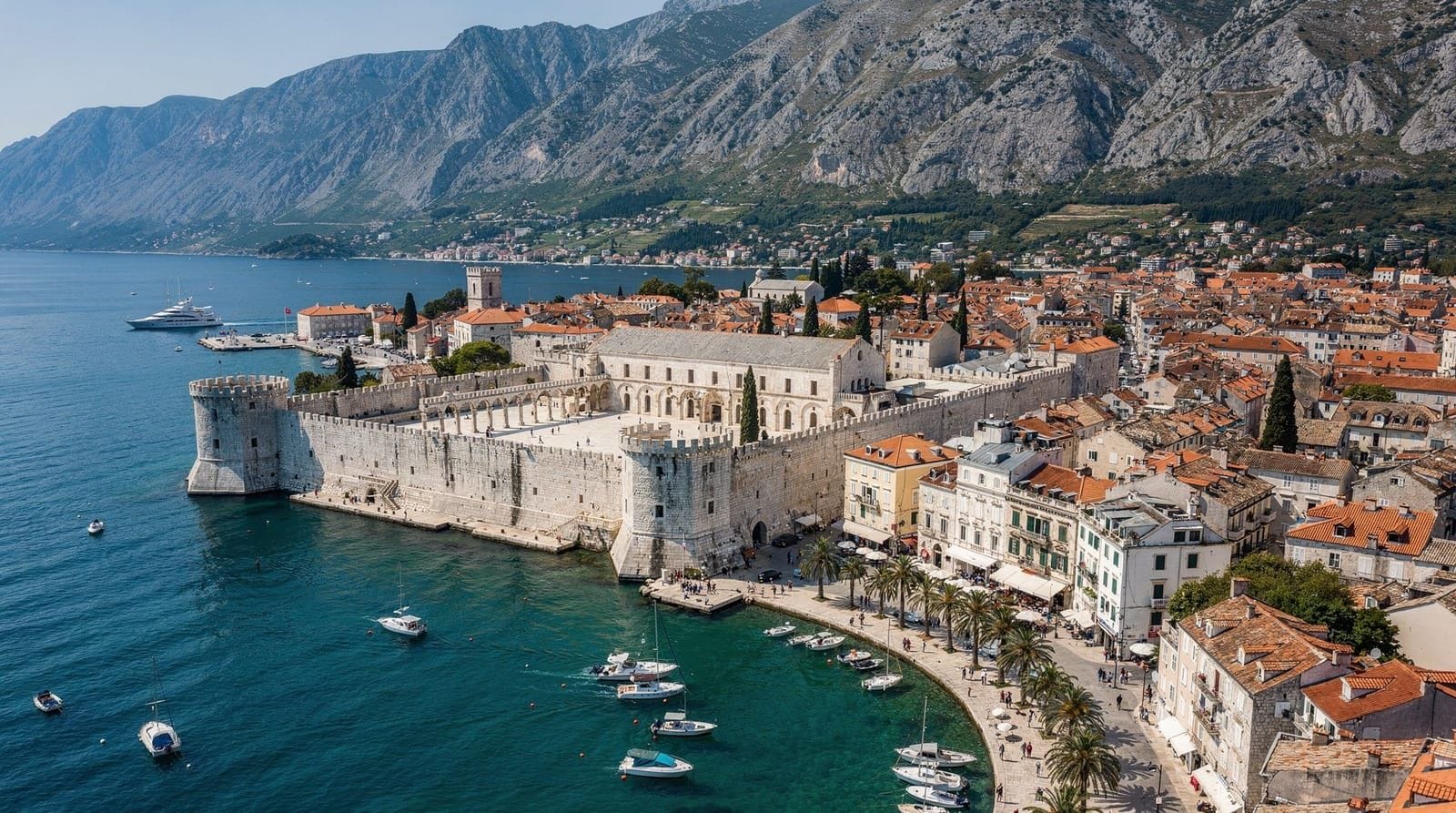
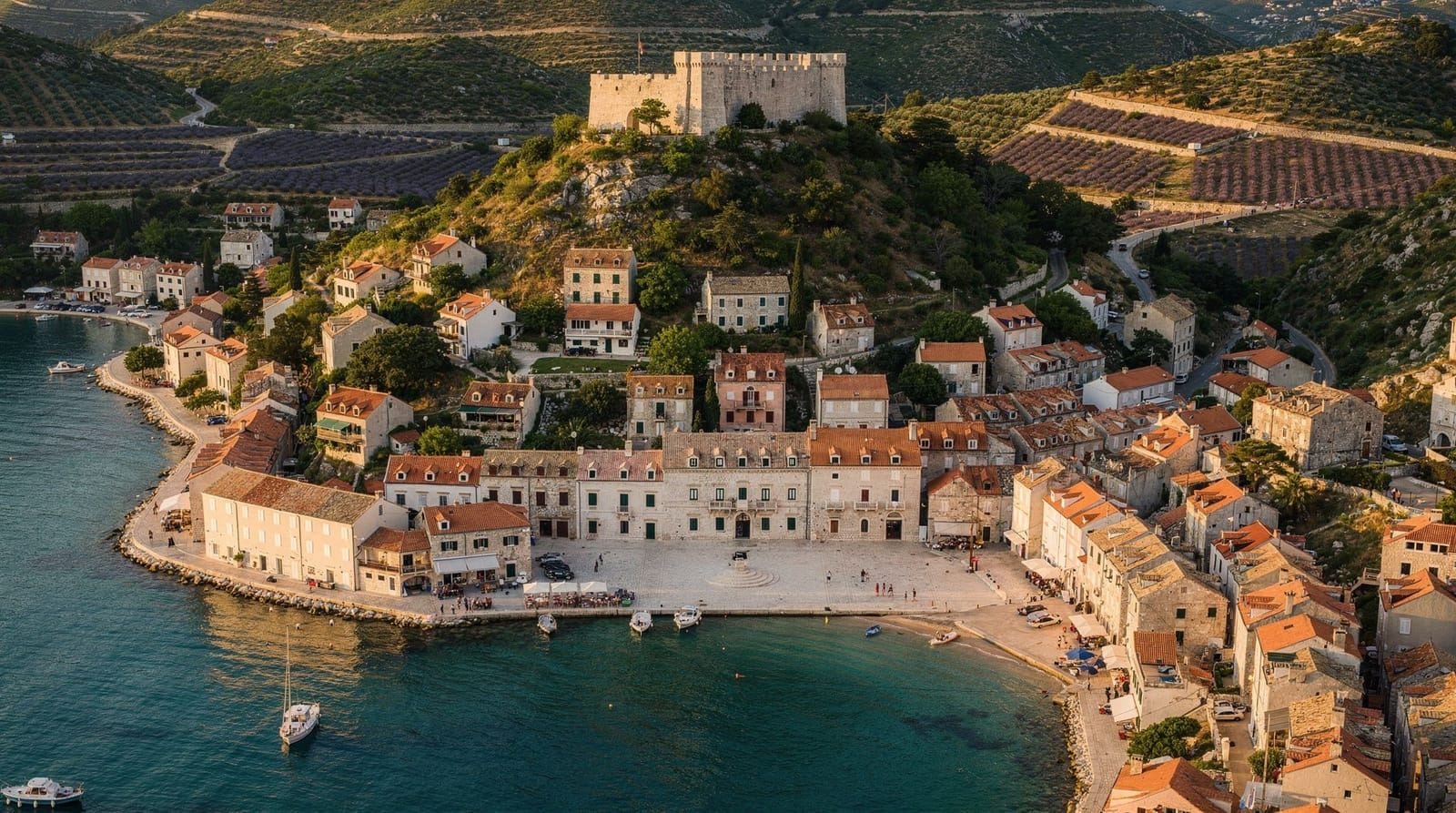
Dubrovnik travel guide
Complete guide to Dubrovnik — city walls, Game of Thrones sites, beaches, boat trips and honest tips to beat the crowds on the Dalmatian coast.
Dubrovnik: City walls walking tour
Quick facts
- Best time
- May–Jun & Sep–Oct
- Days needed
- 3–4 days
- Getting there
- Dubrovnik Airport (DBV), 20 km south
- Budget per day
- €65–€180
Is Dubrovnik worth the hype? Yes — and also no. The old town is genuinely one of Europe’s most spectacular medieval cityscapes, a seamless ring of limestone walls hovering above an electric-blue Adriatic. The problem is that 1.5 million visitors a year now squeeze through streets designed for 5,000 inhabitants. Come in July or August without a plan, and you’ll spend your holiday shuffling shoulder-to-shoulder through the Stradun in 35-degree heat. Come in May, June, or September and the city reveals itself: quiet dawn mornings on the walls, fish still salty from the morning catch, a dignified beauty that justifies every superlative ever written about it.
| Where | Southern Dalmatian coast |
| Cost | Around €65–€180/day |
| Time needed | 3–4 days |
| Getting there | Dubrovnik Airport (DBV), 20 km south |
| Best time | May–June and September–early October |
Getting to and around Dubrovnik
By air: Dubrovnik Airport (DBV) sits 20 km south of the old town near Čilipi. A taxi costs roughly €35–€45; the Atlas bus shuttle (about €6) drops you at the Pile Gate. Budget carriers including easyJet, Ryanair, and Vueling link Dubrovnik to a dozen European hubs from April to October.
By bus: Croatia’s intercity bus network connects Dubrovnik to Split (4.5 hours, €15–€22), Zadar (6–7 hours), and Zagreb (9 hours). International buses also run to Sarajevo, Kotor, and Split year-round. The main bus station is in Gruž, 3 km from the old town.
By ferry and catamaran: The Jadrolinija coastal ferry calls at Dubrovnik on its Split–Bari route, but the faster option for island hops is the Krilo or Nona Ana catamaran — Split to Dubrovnik in 3.5 hours with stops at Hvar and Korčula (around €40 one-way). Hydrofoils to the Elaphiti Islands depart from the Gruž harbour year-round.
Within the city: The old town is entirely pedestrian. Outer areas (Lapad, Gruž) connect via bus line 6. Taxis and ride-share apps work, but traffic on the single coastal road can be brutal in summer. Ferries to Lokrum Island depart from the old harbour every 30–60 minutes.
Honest warning: Dubrovnik operates an overtourism cap. Cruise ships are limited to two per day, and the old town gets noticeably calmer after 6 pm when day-trippers leave. Book accommodation inside or just outside the walls for the best experience.
What to see and do in Dubrovnik
The City Walls
Walk the 2 km circuit at dawn or dusk — the midday sun bakes the exposed limestone mercilessly. The walls date mostly from the 14th and 15th centuries and reach up to 25 metres in height. The single entry point at Pile Gate or St Luke’s Tower costs €35 per adult (2026 prices). The views over the old town rooftops and the Adriatic beyond are the defining image of the entire Croatian coast.
Join a guided city walls tour to understand the fortifications in depthStradun and the old town core
The Stradun (Placa) is Dubrovnik’s marble-paved main artery, polished to a near-mirror sheen by centuries of foot traffic. Side streets climb steeply toward the walls and hide the real city: quiet squares, baroque churches, konobas with no English menu, the Franciscan monastery with its 14th-century pharmacy. The Cathedral treasury holds a Titian painting often overlooked in favour of the walls. The Rector’s Palace offers a strong introduction to the medieval Republic of Ragusa, which held off the Ottomans and Venetians for five centuries through diplomacy and trade.
Tourist trap alert: Restaurants directly on the Stradun charge 30–40% more than comparable spots two streets uphill. Avoid them unless you’re paying for the location consciously.
Game of Thrones sites
Dubrovnik doubled as King’s Landing for eight seasons of Game of Thrones, and the filming locations are remarkable for being genuinely beautiful places in their own right. Fort Lovrijenac (the Red Keep exterior) offers the best panoramic view of the old town walls. The Jesuit stairs (the “Walk of Shame” steps) lead up to a baroque church. Trsteno Arboretum, 18 km north, served as the Red Keep gardens and is a lovely excursion even for non-fans.
The ultimate Game of Thrones walking tour covers every major King’s Landing locationBeaches
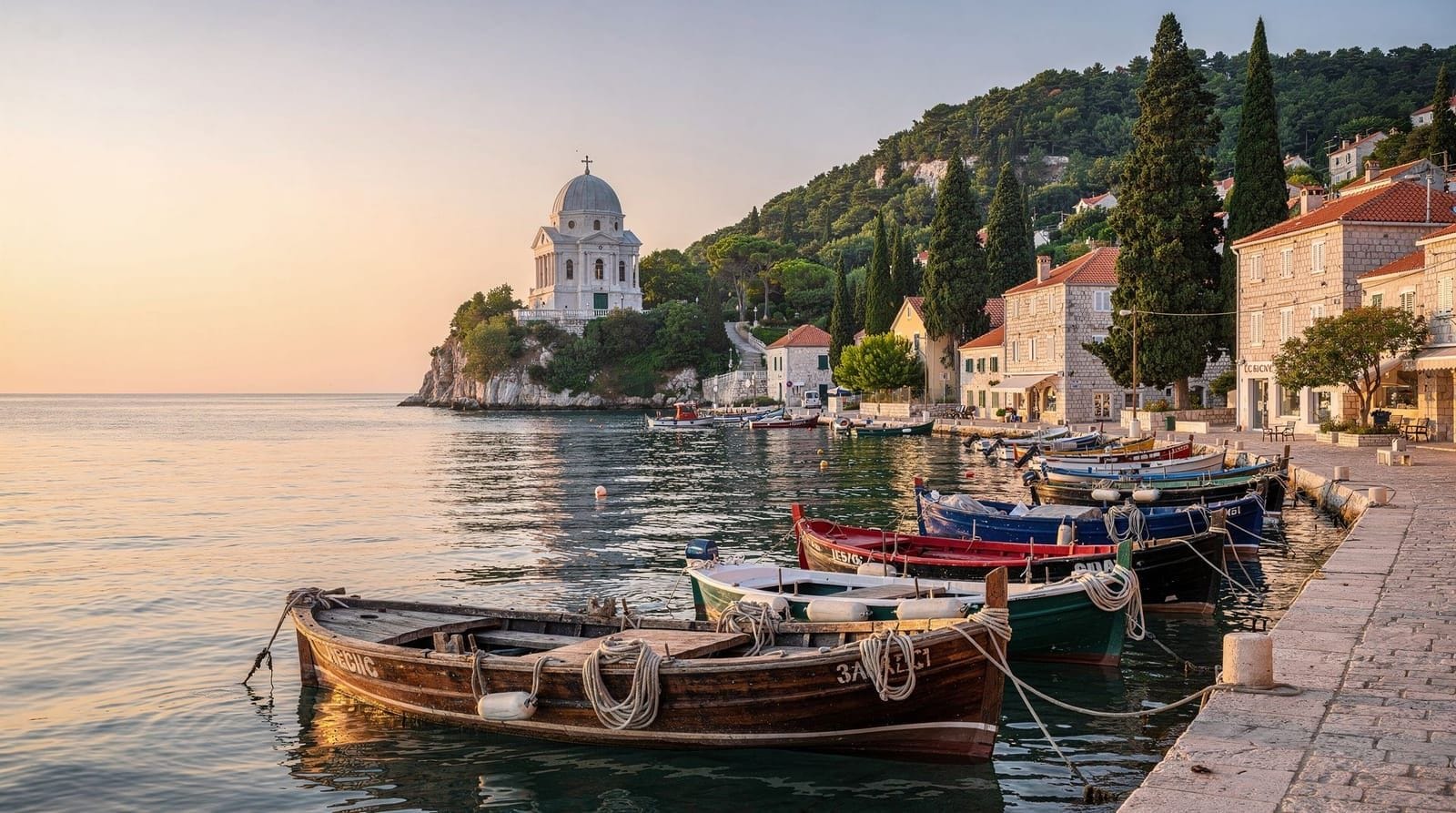
Banje Beach (east of Pile Gate) is the most central and most crowded, with sunbeds and a beach club. Sv. Jakov (15-minute walk east) is smaller and calmer. For real swimming, take the ferry to Lokrum Island (10 minutes, €4 each way) — a protected nature reserve with a saltwater lake, peacocks wandering the pine forest, and multiple rocky swimming spots. The Elaphiti Islands (Šipan, Lopud, Koločep) offer calmer sandy beaches and are reached by ferry from Gruž.
Boat trips
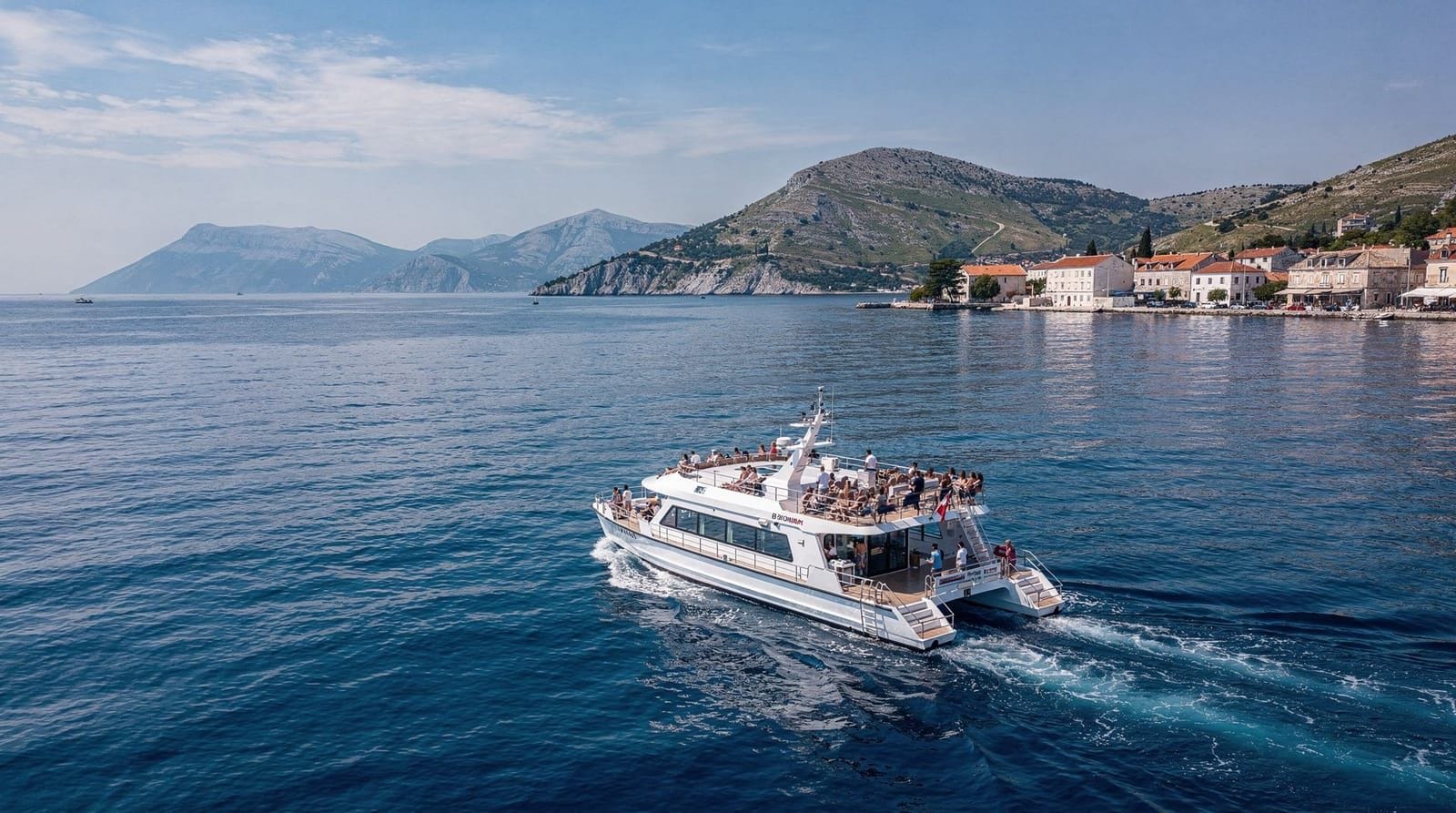
A day cruise to the Elaphiti Islands is the most popular half-day excursion, combining swimming stops and a light lunch. More ambitious trips run to the Blue Cave on Biševo island, though the journey from Dubrovnik (4+ hours each way) makes this better suited to departures from Split.
A full-day Elaphiti Islands boat tour is the best way to escape the city crowdsWhere to stay in Dubrovnik
Inside the walls: Hotels here are small (most under 20 rooms), atmospheric, and expensive. Hotel Stari Grad (Stjepana Gradića 4) is one of the few genuine old-town hotels; doubles from €200. Apartments rented through local agencies are often better value.
Lapad peninsula: The main resort strip, 3 km from the old town, offers mid-range chain hotels and apartment complexes. Hotel Kompas and Hotel Ariston both have pools and easy bus access to Pile Gate.
Ploče (east of the old town): A quieter neighbourhood within walking distance of Banje Beach. Villa Orsula and Hotel Excelsior occupy dramatic clifftop positions with Adriatic views; rates from €280–€500.
Budget: Private rooms in Gruž and along the bus lines run €50–€90 per night. Hostels cluster in Lapad and around Pile Gate.
Where to eat in Dubrovnik
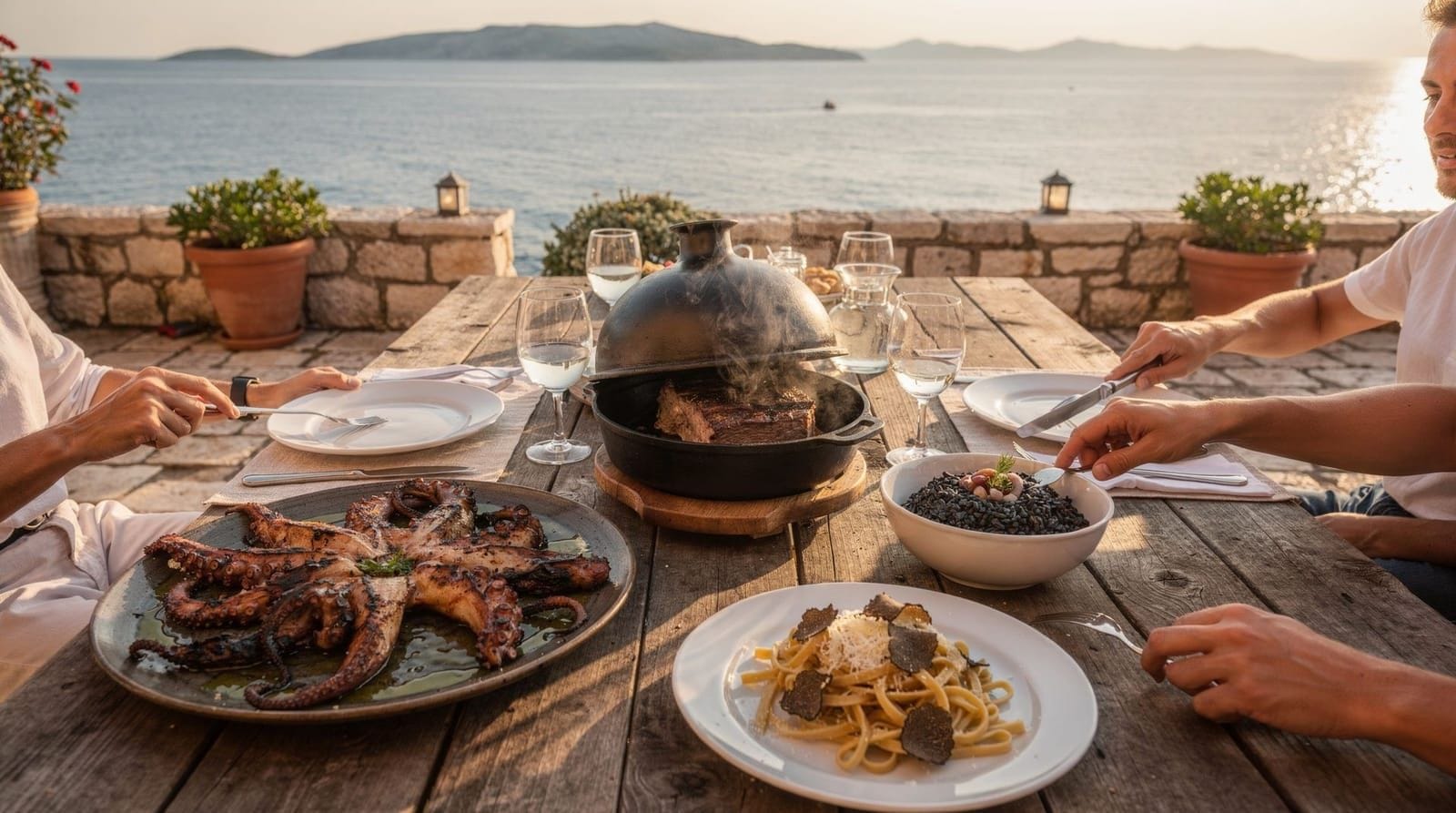
Konoba Lokanda Peskarija (near the old harbour): The best value sit-down restaurant in the old town, serving grilled fish, black risotto, and prstaci (date mussels) at honest prices. Queue early or book ahead.
Restaurant 360 (City Walls): The finest-dining option in Dubrovnik, set into the city walls with a terrace over the harbour. Tasting menus at €100–€140 per person. Reserve well in advance.
Nishta (Prijeko ulica): Surprisingly good vegetarian restaurant in the old town; the only non-seafood option that genuinely holds its own.
Konoba Kolarin (Zrinsko-Frankopanska 15, outside the walls): Dalmatian home cooking — peka dishes slow-cooked under the bell, grilled meats, local wine at half the old-town prices.
Kamenice (Gundulićeva Poljana): Oysters and seafood in the market square; small, informal, delicious.
Avoid: Any restaurant posting laminated menus with photographs near the Stradun. The food is adequate but overpriced by 40–60%.
Best time to visit Dubrovnik
May and early June are the sweet spot: swimming water is already warm (20–22°C), boat tours are running, but cruise ships haven’t yet hit peak frequency. Accommodation costs 20–30% less than July rates.
July and August bring peak heat (33–36°C), wall-to-wall crowds, and prices at a maximum. The famous cruise-ship moratorium (two per day) still leaves several thousand day-trippers in the old town by 10 am. If you must visit in high summer, start your day at 7 am on the walls and be back at your accommodation by noon.
September and early October are arguably the best month: the Adriatic holds summer warmth (24–25°C), crowds drop by 40%, and the light is spectacular for photography.
November to March: The old town becomes a genuine local city again. Most boat tours don’t operate, but the restaurants serve their best food of the year and rooms cost a fraction of peak rates.
Day trips from Dubrovnik
Cavtat
The charming resort town of Cavtat lies 18 km south, easily reached by local bus (line 10, 45 minutes, €3) or boat from the old harbour (30 minutes). Quieter than Dubrovnik, with a lovely Renaissance mausoleum by sculptor Ivan Meštrović and several good konobas on the harbour.
Mostar
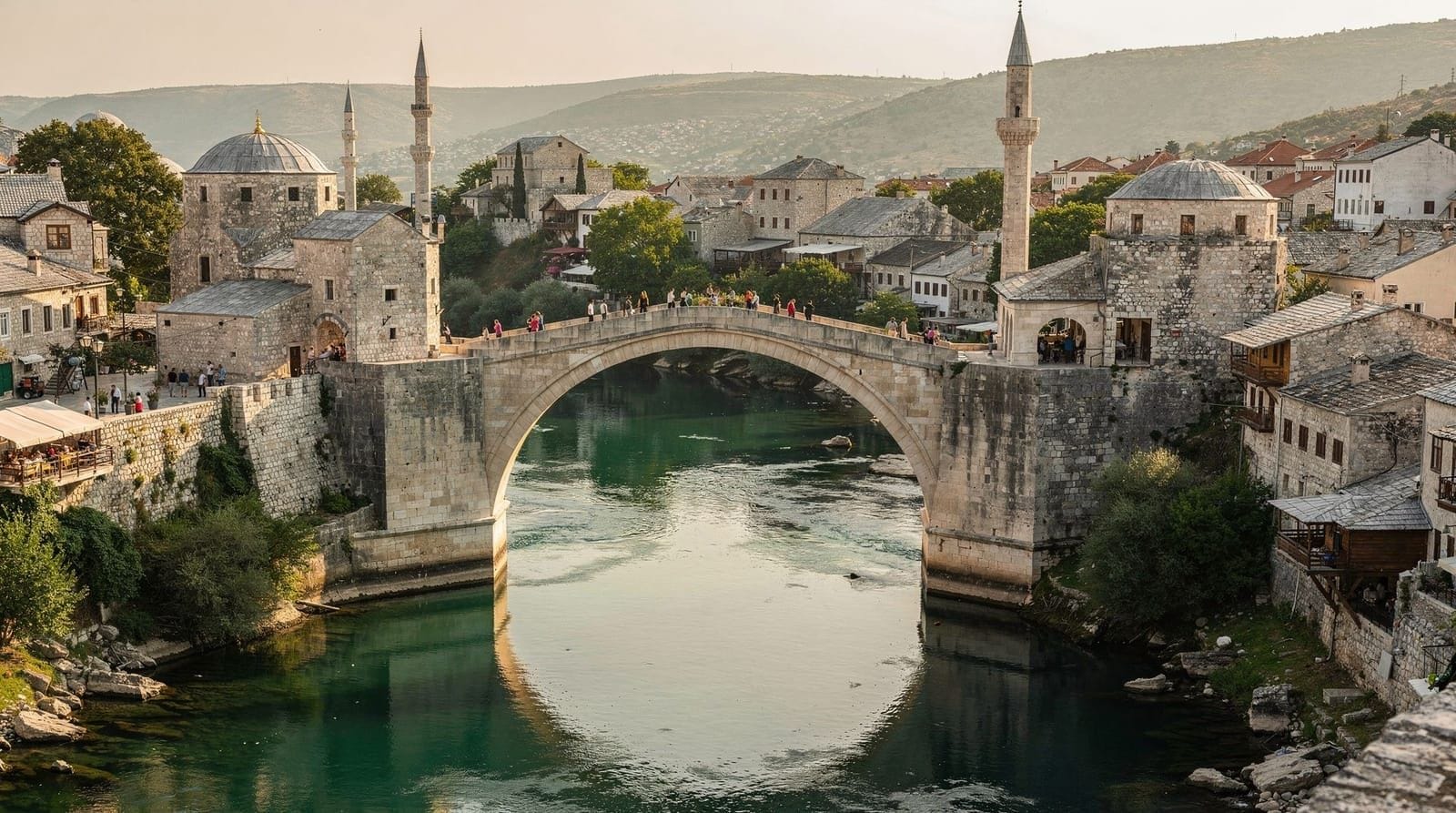
Bosnia and Herzegovina’s showpiece city is 2.5 hours by bus or organized tour. The reconstructed Stari Most bridge, the bazaar, and the Old Town mosque quarter offer a completely different cultural texture from the Croatian coast. See the Mostar destination guide for full details.
Kotor
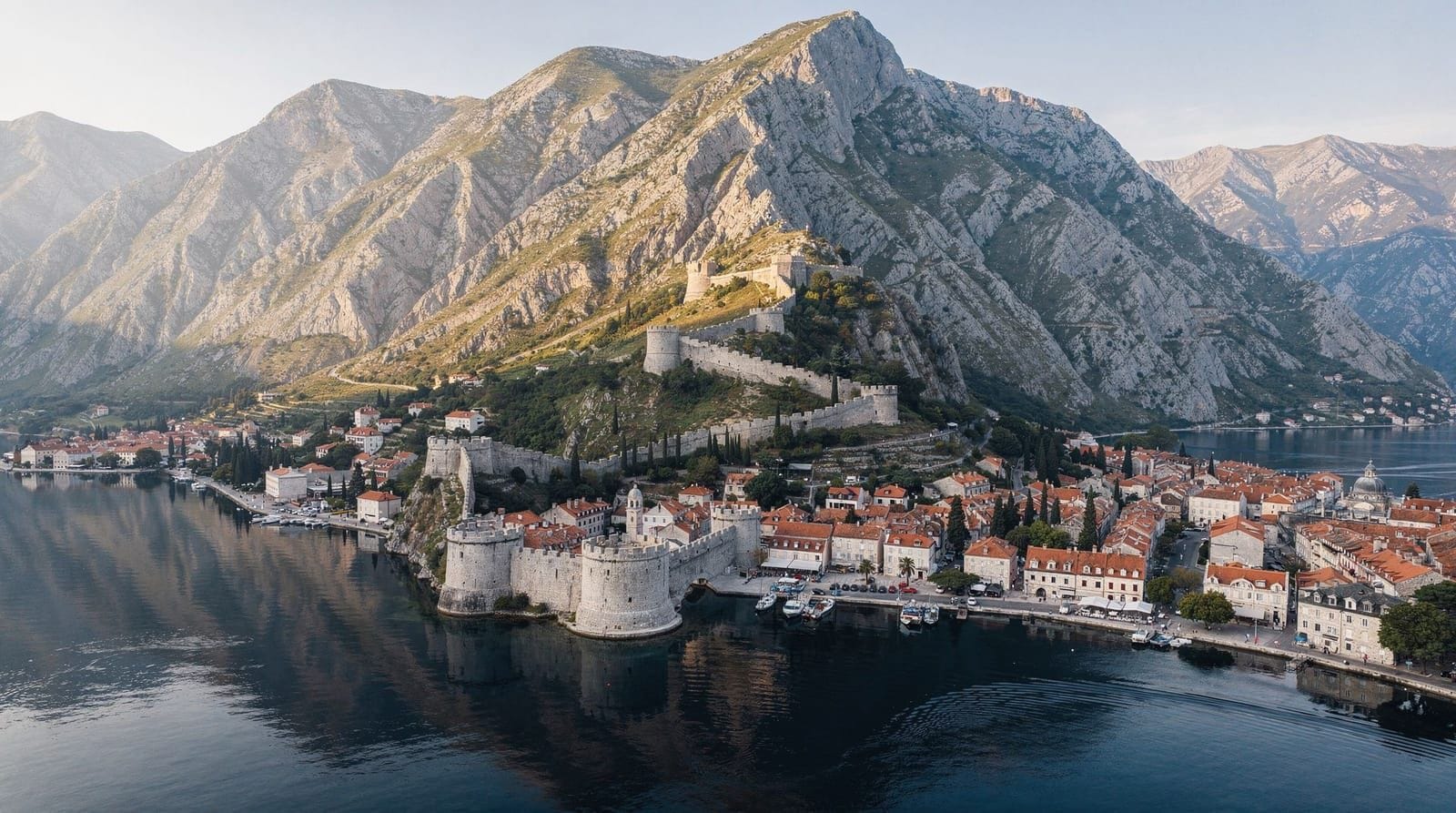
Montenegro’s walled city sits 2.5 hours south by car. A guided day trip including a boat cruise on Kotor Bay is the most popular excursion from Dubrovnik. See the Kotor guide for what to expect.
Pelješac Peninsula and Ston
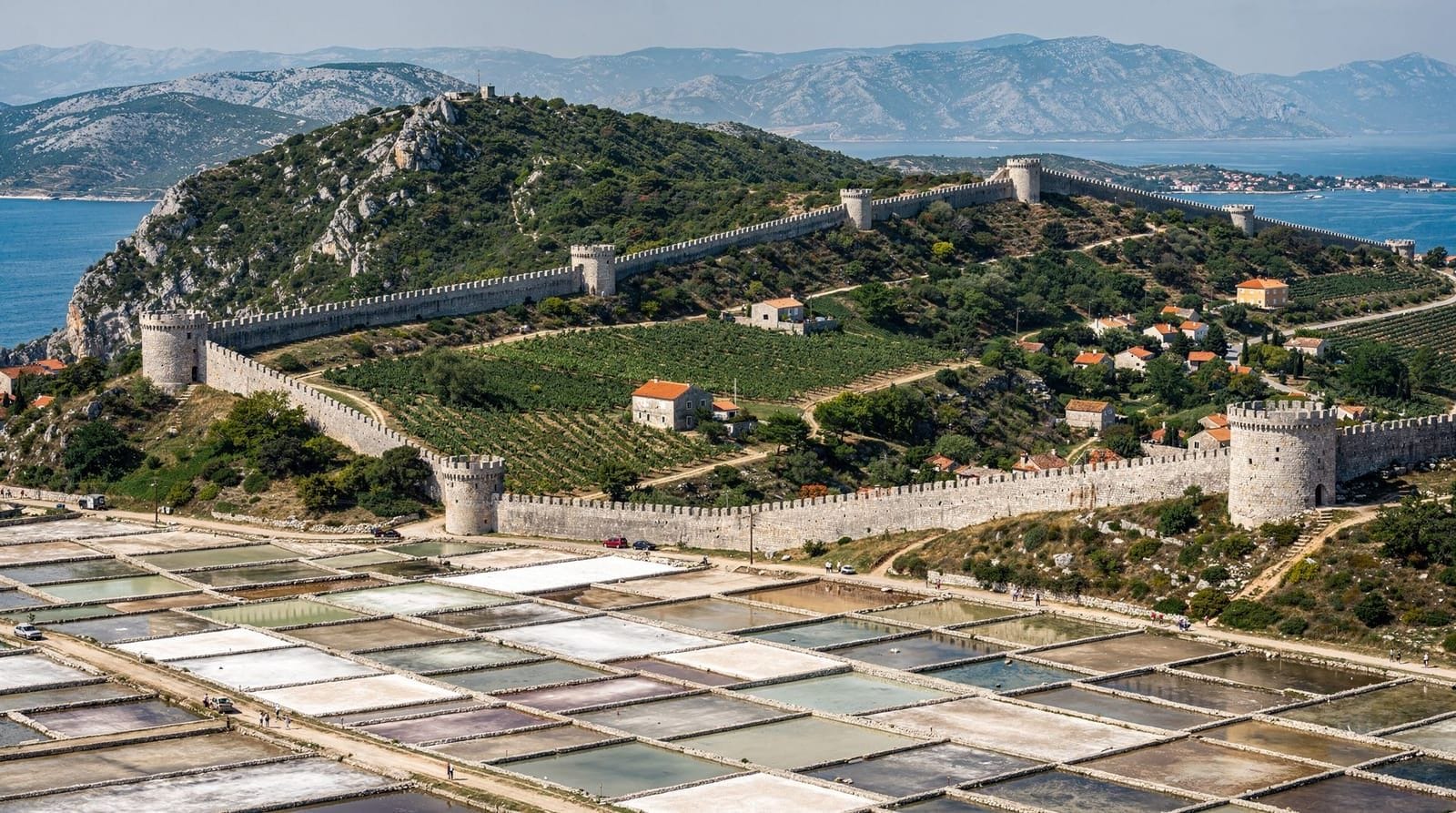
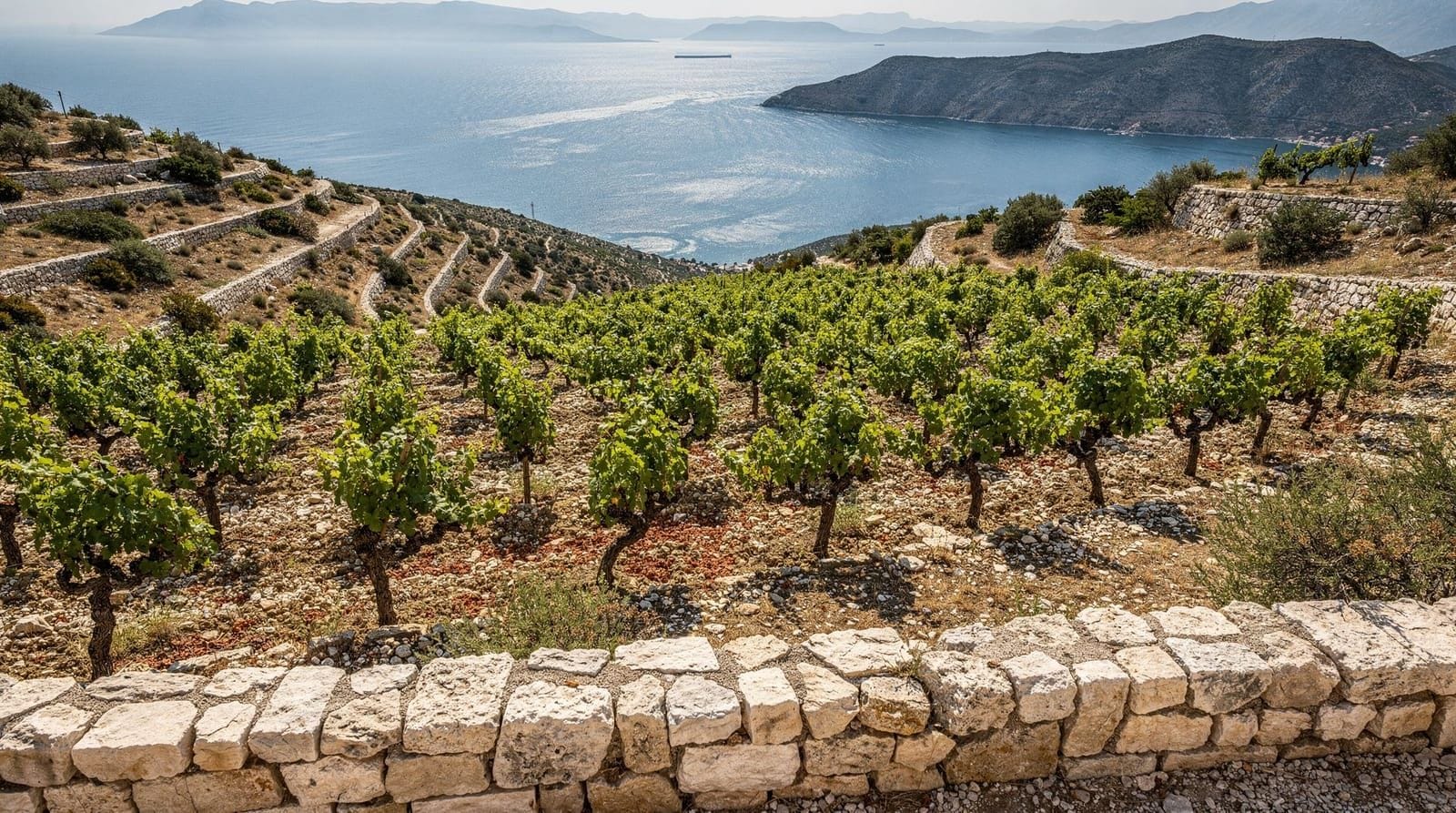
The Pelješac wine road, accessible via the Pelješac Bridge (opened 2022), passes through vineyards producing some of Croatia’s finest Plavac Mali red wines. Ston at the peninsula’s base has the world’s second-longest medieval walls. Day trips from Dubrovnik take 4–5 hours return by organized minivan.
Korčula Island
The island town of Korčula, accessible by fast catamaran (1.5 hours from Dubrovnik), is sometimes called “Little Dubrovnik” for its stone-built old town. It’s a relaxed, beautiful alternative that fewer visitors reach.
Dubrovnik’s history: the Republic of Ragusa
Understanding Dubrovnik requires understanding the Republic of Ragusa (1358–1808), the independent city-state that built and maintained these walls through an astonishing combination of diplomatic agility, commercial sophistication, and institutional stability. Ragusa managed to remain independent for 450 years by playing the great powers against each other — paying tribute to the Ottomans while trading with Christian Europe, maintaining cordial relations with Venice while legally remaining outside its empire, and developing a merchant fleet that, by the 16th century, was among the largest in the Mediterranean.
The city abolished slavery in 1416 (one of the first polities anywhere to do so formally), established a public health quarantine system during the plague years of the 14th century (the world’s first organised quarantine was in Ragusa, 1377), and maintained a social welfare system with an orphanage, a home for the elderly, and a public pharmacy (the Franciscan Monastery pharmacy, still operating). These achievements are not incidental footnotes — they explain why Dubrovnik is remarkable beyond its visual spectacle.
The Republic ended when Napoleon’s troops occupied it in 1808 and incorporated it into the French Illyrian Provinces. The walls never needed to hold an attacker; diplomacy always prevailed before force was required.
Practical Dubrovnik logistics
Dubrovnik Card: The Dubrovnik Pass (available online and at tourist offices) bundles city wall entry, unlimited city bus rides, and free entry to several museums. The 1-day pass (around €35) typically pays for itself if you visit the walls, one or two museums, and use the bus. The 3-day version is the best value for a longer stay.
Luggage storage: Available at the Pile Gate tourist information centre and at several private operations on the approach road. €4–€7 per bag per day. Useful if you have a late check-out and want to spend the afternoon at the beach or old harbour.
Internet and connectivity: Free Wi-Fi throughout the old town (Dubrovnik Free Wi-Fi network). All hotels provide Wi-Fi; most restaurants offer it as well. Croatian SIM cards (HT, A1, Telemach) available at the airport and in town; EU roaming applies for European SIMs without extra cost.
Medical: The Dubrovnik General Hospital (Opća bolnica Dubrovnik, Dr Roka Mišetića 2) handles emergencies. Several private clinics offer English-language consultations. Emergency number 112 or 194 (medical only).
Accessibility: The old town has significant steps and uneven marble surfaces that are challenging for wheelchairs and mobility aids. The cable car and several attractions offer accessibility; contact the tourist board in advance for the most current information.
Dubrovnik’s food and wine culture in depth
Dubrovnik’s traditional cuisine draws on the same Dalmatian DNA as the rest of the coast, but with specific local character shaped by the republic’s trading connections.
Plavac Mali is the dominant red wine from the nearby Pelješac Peninsula — big, tannic, with blackberry and leather character. Pošip (from Korčula) is the finest indigenous white wine: floral, textured, mineral. Grk (another Korčula white) is rarer and even more interesting with food. The Dubrovnik Konavle valley produces a distinctive amber Malvasija worth seeking at local wine bars.
Rozata (Dubrovnik’s version of crème caramel, flavoured with rosé liqueur from the Rožalin plant) is the city’s signature dessert — found in konobas throughout the old town and riviera.
Anchovies from Ston: The small anchovies from the Pelješac coast are cured with local sea salt and olive oil; extraordinary with bread as a starter. Available in Dubrovnik’s covered market and specialty food shops.
Sea kayaking and water sports
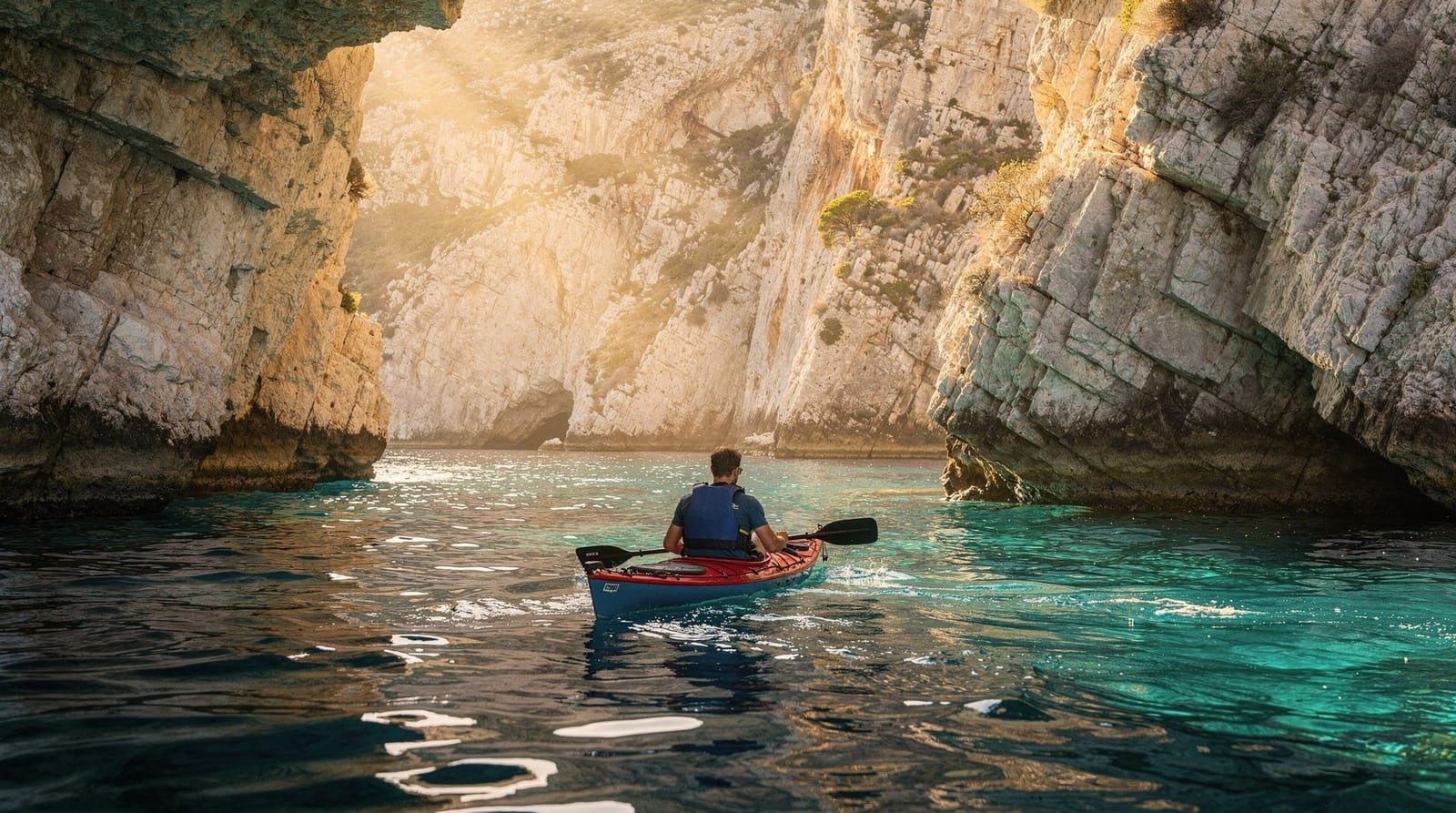
The waters around Dubrovnik’s old town walls are remarkably accessible by kayak — and the view of the city from sea level is completely different from any land perspective. Early morning kayaking (departing before 8 am) allows you to paddle past the walls before the day-trip boats arrive.
Sea kayaking around Dubrovnik’s walls is the most unexpectedly beautiful way to see the cityScuba diving is also well-developed around Dubrovnik, with several dive centres offering courses and guided dives on the reefs south of the city. The underwater visibility (often 30+ metres) and the relatively undisturbed marine life make this one of the Adriatic’s better diving destinations.
Money, SIM cards, and daily costs
Dubrovnik is Croatia’s most expensive city, and it’s worth budgeting accordingly: expect city-centre restaurant mains to run €20–35 and a coffee on the Stradun to cost noticeably more than the same cup two streets uphill. Cards are accepted almost everywhere in the old town, though small konobas and market stalls in Gruž often prefer cash. The Croatia daily costs guide breaks down realistic budgets by travel style, and the money in Croatia guide covers tipping norms and where ATMs charge the least.
For connectivity, Croatian SIMs are available at the airport, but an eSIM set up before you fly (see the Croatia eSIM guide) means you land with data working — useful for navigating the old town’s maze of lanes on your first afternoon.
How many days does Dubrovnik really need?
Two full days covers the essentials: the walls, the old town core, and one boat trip or Game of Thrones tour. Three to four days is the sweet spot for most travellers, allowing an unhurried pace, a day trip to Cavtat or Kotor, and enough slack to avoid rushing the walls in midday heat. See the how many days in Croatia guide for how Dubrovnik fits into a wider itinerary, and the Dubrovnik long weekend itinerary for a tightly planned shorter visit.
Accessibility and getting around with limited mobility
Dubrovnik’s old town presents real challenges for wheelchair users and anyone with limited mobility: the Stradun itself is flat and marble-paved, but nearly every side street climbs in steps, and the city walls require a full circuit on uneven, occasionally steep stone. That said, the city has made genuine improvements — the cable car to Mount Srđ is fully accessible, several museums have step-free entrances, and staff at the Pile Gate tourist information point can advise on the most manageable routes through the old town on a given day. Contact the tourist board ahead of a visit for the most current accessibility information, particularly around the cathedral and Rector’s Palace, where entrances vary in step-free access.
For travellers managing mobility with children in strollers, the same logic applies: the Stradun and the harbour-level streets are manageable, but the lanes climbing toward the walls are not stroller-friendly. A baby carrier is the more practical choice for a full day exploring beyond the main street.
Top experiences
Bookable activities with verified prices and instant confirmation on GetYourGuide.
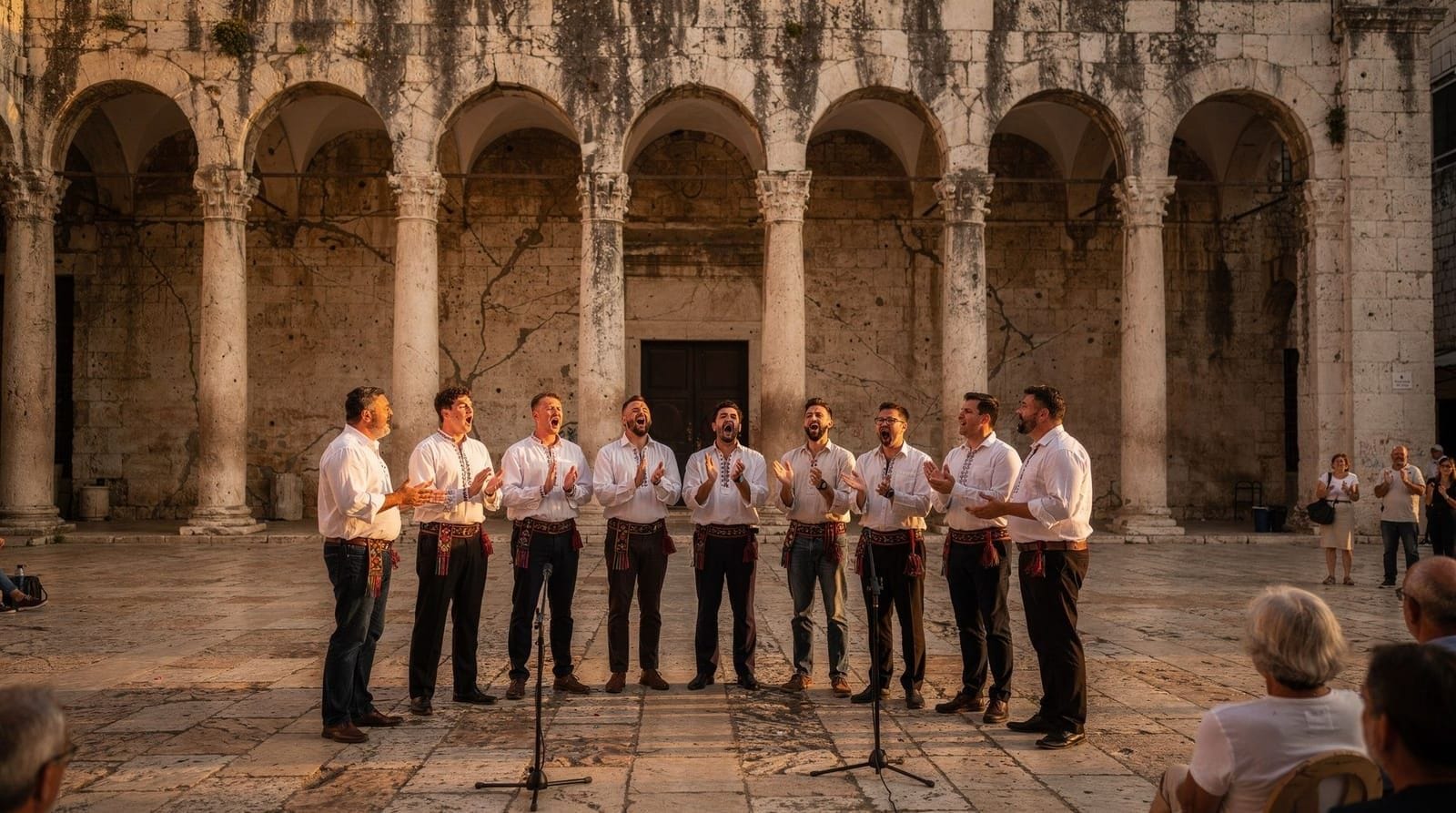
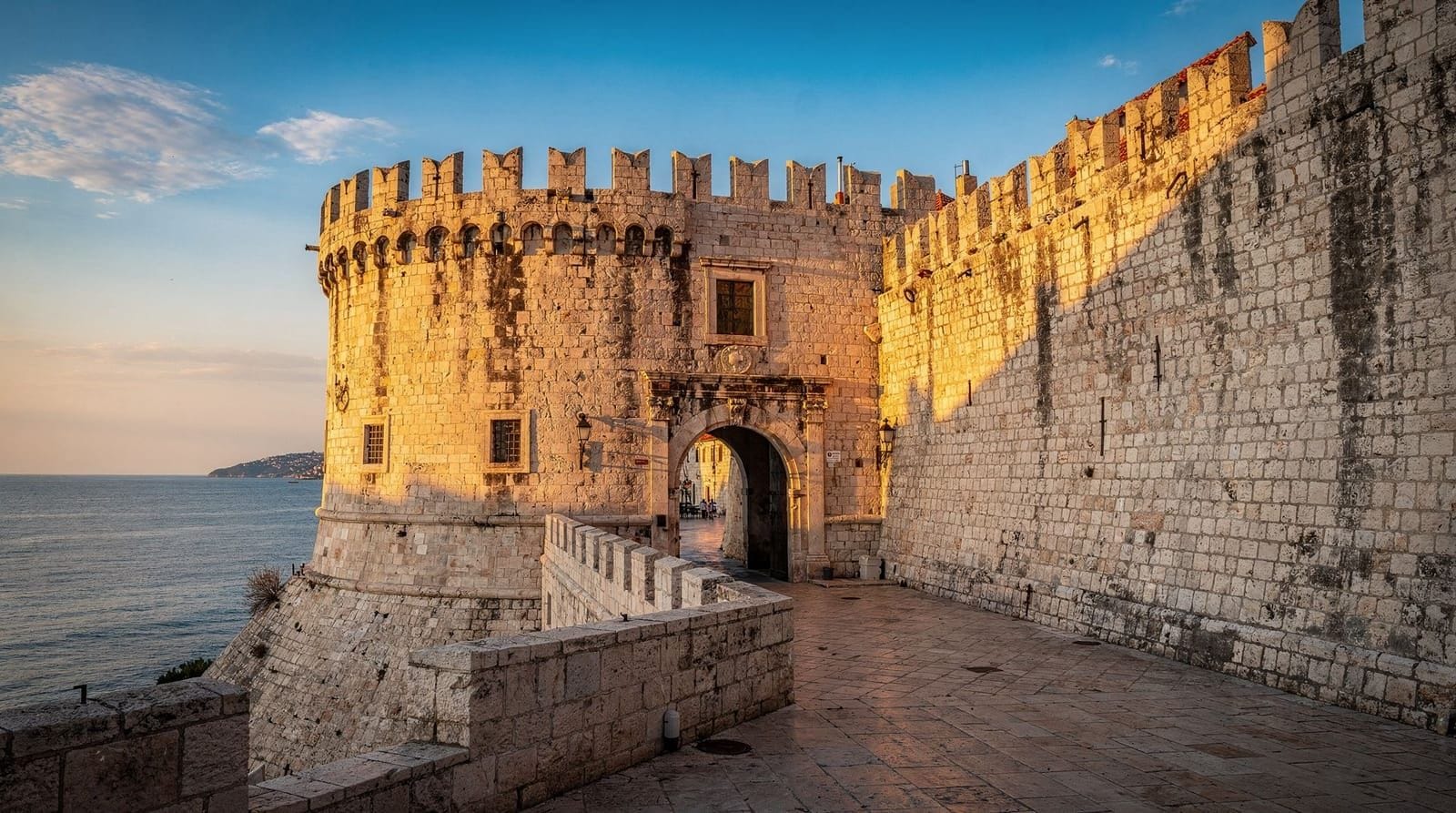
Top-rated experiences in Dubrovnik travel guide
Best-rated activities across GetYourGuide and Viator.

Blue cave, Mamma Mia and Hvar, 5 islands speedboat tour
- Viator

Blue Cave and Hvar Tour - 5 Islands Tour from Split and Trogir
- Viator

Blue cave, Mama Mia and Hvar, 5 Island Speedboat Tour from Trogir
- Viator

From Split: Plitvice Lakes National Park Guided Tour
- Viator

Krka Waterfalls Day Tour with Boat Ride from Split and Trogir
- Viator

Plitvice Lakes National Park Guided Day Tour from Split
- Viator