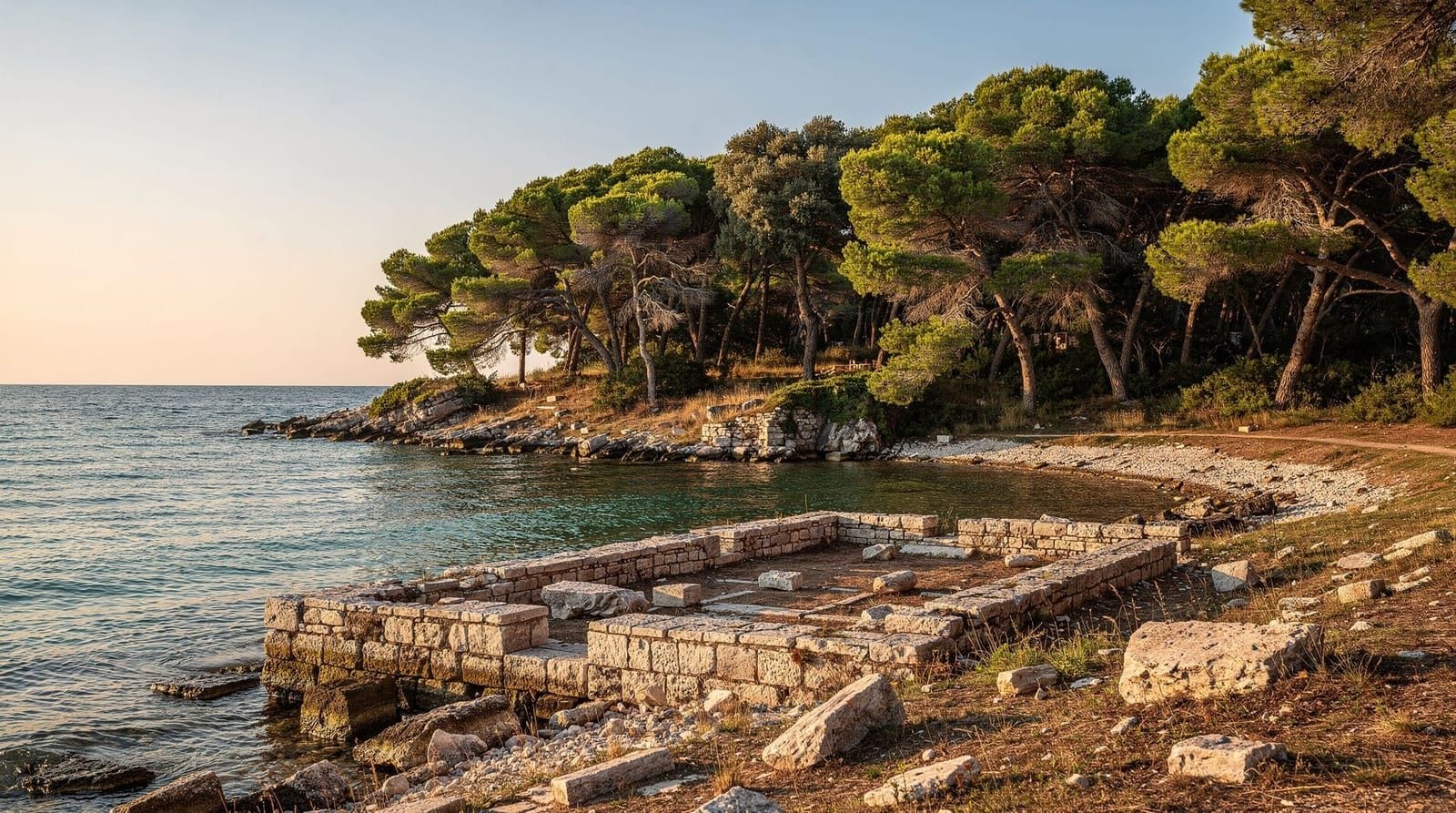
Pula travel guide
Discover Pula: the magnificent Roman amphitheatre, Brijuni National Park, sea kayaking, and the best bases for exploring Istria's peninsula.
Pula: Amphitheater guided tour with entry ticket
Quick facts
- Best time
- May–June, September–October
- Days needed
- 2–3 days
- Getting there
- Pula airport (PUY); or bus from Zagreb (5 h) / Rijeka (2.5 h)
- Budget per day
- €65–€150
Pula is Istria’s largest city and its main gateway — home to a Roman amphitheatre so well-preserved that it hosts summer concerts and film festivals to this day. The Arena, as it’s universally known, is arguably the finest intact Roman amphitheatre in the world after the Colosseum in Rome. Beyond this headline attraction, Pula is a real, working Croatian city with a genuinely impressive concentration of Roman monuments in its centre, a vibrant cafe culture, an excellent restaurant scene anchored in Istrian ingredients, and proximity to both the Brijuni National Park and Rovinj to the north.
Getting to Pula
By air: Pula Airport (PUY) is Croatia’s best-positioned airport for Istria — located 7 km northeast of the city centre. Ryanair, EasyJet, Wizz Air, and various national carriers operate seasonal routes from major European cities. Bus and taxi connections to the city centre take 15–20 minutes (bus €2, taxi €15–€20).
By bus: Regular services from Zagreb (5–6 hours), Rijeka (2.5 hours), and Rovinj (1 hour). The main bus station is near the old town.
By car: From Rovinj (35 km, 35 min); from Poreč (57 km, 50 min); from Zagreb (290 km, about 3 hours on the A6/A7 motorway via Rijeka).
By train: Pula is connected by regional train to Rijeka, but the service is slow and infrequent — bus is generally faster and more practical.
What to see and do in Pula
The Pula Arena (Roman Amphitheatre)
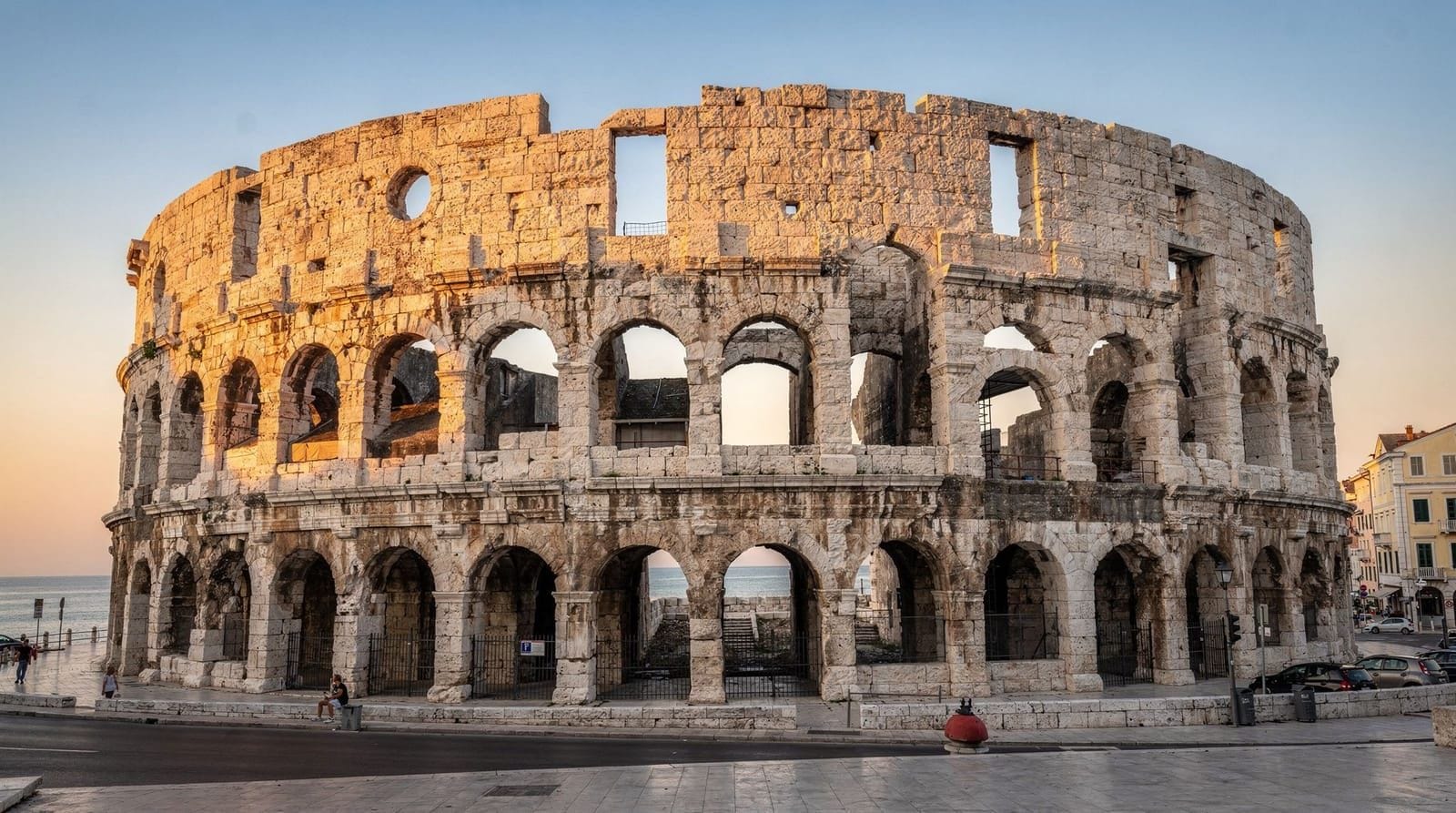
The Arena is the reason most people visit Pula — and it does not disappoint. Built in the 1st century AD during the reign of Augustus (or Vespasian — exact dating is disputed), it is the sixth largest Roman amphitheatre in the world and the only one with all four side towers intact. Capacity was originally 20,000 spectators.
Entry costs approximately €17 for adults (2026), including access to the Arena’s interior and underground corridors (which house a museum of ancient olive oil production). A guided tour adds context that significantly enhances the visit.
The Arena is used year-round for events — in summer it hosts the Pula Film Festival (July), classical concerts, and various performances. Attending an evening concert in a 2,000-year-old Roman amphitheatre under the stars is a remarkable experience. Check the annual programme when planning your visit.
The structure was built almost entirely from local Istrian limestone — a dense, pale-gold stone quarried from the Istrian peninsula that is comparable in hardness and quality to the Brač limestone used in the construction of Diocletian’s Palace in Split. This material has proven remarkably durable over two millennia of coastal exposure. Originally designed to host gladiatorial games, the Arena fell into a very different use after the fall of Rome: during the medieval period it served partly as a storage facility and was systematically quarried for building material by successive rulers. Much of its seating and interior structure was dismantled over the centuries. The building came perilously close to complete destruction in the 17th century, when Venetian authorities proposed dismantling it stone by stone and shipping the material back to Venice to construct a new theatre. It was the intervention of the Venetian senator Gabriele Emo that prevented this fate — Emo argued passionately for the Arena’s preservation as a monument of universal value, and his argument prevailed. The structure has stood undisturbed ever since, and Emo is commemorated with a plaque inside the Arena to this day.
Triumphal Arch of the Sergii (Slavoluk Sergijevaca)
A beautifully preserved 1st-century BC triumphal arch in the city centre, erected by the wealthy Sergia family. Smaller than Rome’s most famous arches but in exceptional condition. It stands at the head of what was the Roman forum and is now the main commercial street (Sergijevaca).
Roman Forum and Temple of Augustus
Pula’s ancient Forum occupies its original location in the heart of the modern city. The Temple of Augustus (Augustov Hram), dedicated to the first Roman emperor, is one of the best-preserved Roman temples in the world outside Italy — its Corinthian columns still stand to full height. It was used variously as a church, granary, and now serves as a small museum. Entry around €5.
Byzantine Chapel (Kaptolska)
Near the amphitheatre, a small early-Christian oratory (6th century) retains some of the original mosaic floor — a fragment of Byzantine Pula before Venetian dominance.
Cathedral of Our Lady of the Assumption
Built on the site of a Roman temple, with a facade from the 16th century and an ancient sarcophagus (reportedly containing relics of various Roman martyrs, including a king of France) serving as the high altar. Free entry.
Sea Kayaking and Cave Tours
The coastline around Pula is dramatic — sea caves, limestone cliffs, and clear water. Sea kayaking tours explore the cave systems along the Verudela Peninsula south of the city, including a memorable transparent-kayak evening tour through lit cave interiors.
Brijuni National Park
The Brijuni archipelago — 14 islands offshore from Pula — is one of Croatia’s less-visited national parks, and that’s a surprise given what it offers. The main island (Veliki Brijun) was the personal residence of Yugoslav leader Tito for several decades and retains his villas, a wildlife safari park (with animals given as gifts by foreign leaders — elephants, zebras, giraffes — some still living), Roman ruins, and a golf course.
Boat tours from Fažana (7 km from Pula) combine a crossing to the park with a guided island tour by electric train. The contrast between Tito-era infrastructure, Roman ruins, and free-roaming animals is genuinely surreal and fascinating. See the Brijuni National Park guide for the full visiting logistics.
Pula’s Roman Monuments: Self-Guided Walk
For deeper background on the Roman city beneath modern Pula, see the Roman Pula guide. Pula’s concentration of Roman monuments within a compact historic centre makes a self-guided walking circuit genuinely rewarding. Allow 1.5 to 2 hours for the route below, not including time spent inside individual sites.
Start at the Arena. The amphitheatre is best approached from the waterfront promenade, where the full exterior elevation is visible across an open plaza. Allow at least 45 minutes inside, including the underground corridors. Entry approximately €17.
Walk up Flavijevska street from the Arena’s northern end heading uphill into the old town. After about 400 metres you reach the Twin Gates — known in Croatian as Dvojna vrata. Dating from the 2nd century AD, this double-arched gate was one of the principal entrances to the Roman city and was subsequently incorporated into the medieval city walls, which is why it survives so well. There is no entry fee; the gates stand in situ on the street.
Continue west to the Forum and Temple of Augustus. The Forum is still Pula’s central public square, and the Temple of Augustus stands on its north side as it has for two thousand years. The Corinthian columns and entablature are essentially intact. The small museum inside is worth the €5 entry, especially if you have an interest in Roman epigraphy — several inscribed stones from across the city are gathered here.
Walk south along Sergijevaca — the old Roman cardo and now Pula’s main pedestrian shopping street — to reach the Triumphal Arch of the Sergii at the street’s southern end. The arch is free to view; at busy times it can be crowded, so morning visits (before 10 am) are quieter.
Detour east along the old city wall line to locate a corner of the Little Roman Theatre — in Croatian, Mali Amfiteatar. This smaller venue, used for theatrical performances rather than gladiatorial contests, is largely buried beneath later construction and is not formally open to visitors, but a substantial curved stone wall section is visible from the street. It is a reminder that the Roman city of Pola was far more extensively built than what survives above ground today.
End at the Cathedral on Kandlerova street, which closes the loop back toward the waterfront. The cathedral exterior, with its Renaissance facade set against much older underlying fabric, and the curious use of a 3rd-century Roman sarcophagus as the high altar inside, make it worth five minutes of your time. Entry is free.
Pula’s Food and Wine Scene
Among all of Istria’s cities, Pula offers the broadest and most consistent dining experience across different price levels. Rovinj has several excellent restaurants but prices are noticeably higher, reflecting its tourist premium. Poreč has some good options but the quality is patchier. Pula, as a working city with a substantial local population, supports a genuine restaurant culture that does not depend entirely on seasonal tourism.
The Pula market — Tržnica — is worth building a morning around. Located near the old town, it operates daily and sells local produce of a quality that reflects Istria’s agricultural richness: Istrian prosciutto (air-dried, milder than its Dalmatian counterpart), cheeses including the sharp ovčji sir from local sheep, seasonal vegetables, and olive oil. The oil deserves particular attention. Istrian olive oil has in recent years emerged as one of the finest in the world — a claim that is not marketing hyperbole but is backed by consistent results at international competitions. The oils from the Buje area in northern Istria, and in particular those from producers such as the Gargaleševi family, regularly win gold medals at the Flos Olei guide and comparable international awards. Pula’s better restaurants use these oils extensively, and buying a bottle at the market is one of the more worthwhile food souvenirs you can take home from Istria.
The city has a strong konoba culture — the traditional Istrian/Croatian tavern format, typically family-run, with seasonal menus and an emphasis on local ingredients prepared without excessive elaboration. A good konoba will serve you hand-rolled fuži pasta with truffle or game sauce, grilled fish caught that morning, and a carafe of local Malvazija wine at prices that feel almost anachronistic given the quality. Several of Pula’s best konobas are in the surrounding villages rather than the city centre itself — worth the short drive. See the Istrian Malvazija guide for background on the region’s white wine, and the Istrian truffles guide for the food that defines the interior.
Beaches near Pula
Pula’s beaches are mostly rocky and pebbly, the water exceptionally clear.
Verudela Peninsula: The main recreational beach area south of the centre, with several small coves and beach clubs. Most accessible by bicycle or taxi.
Galaija Beach (Punta Verudela): A popular pebbly beach with clear water and a beach bar. About 4 km from the city centre.
Ambrela Beach: A large beach complex with organised facilities (loungers, bar, snorkelling equipment hire), south of the city.
Havajska Beach: Rocky platforms popular with local swimmers and younger visitors who come for cliff-jumping and diving.
Kaiser Beach (Šišan/Medulin): About 15 km south of Pula, the Medulin Riviera has several sandy beach options — a short drive from the city.
Exploring Istria from Pula
Pula is an excellent base for the whole Istrian peninsula.
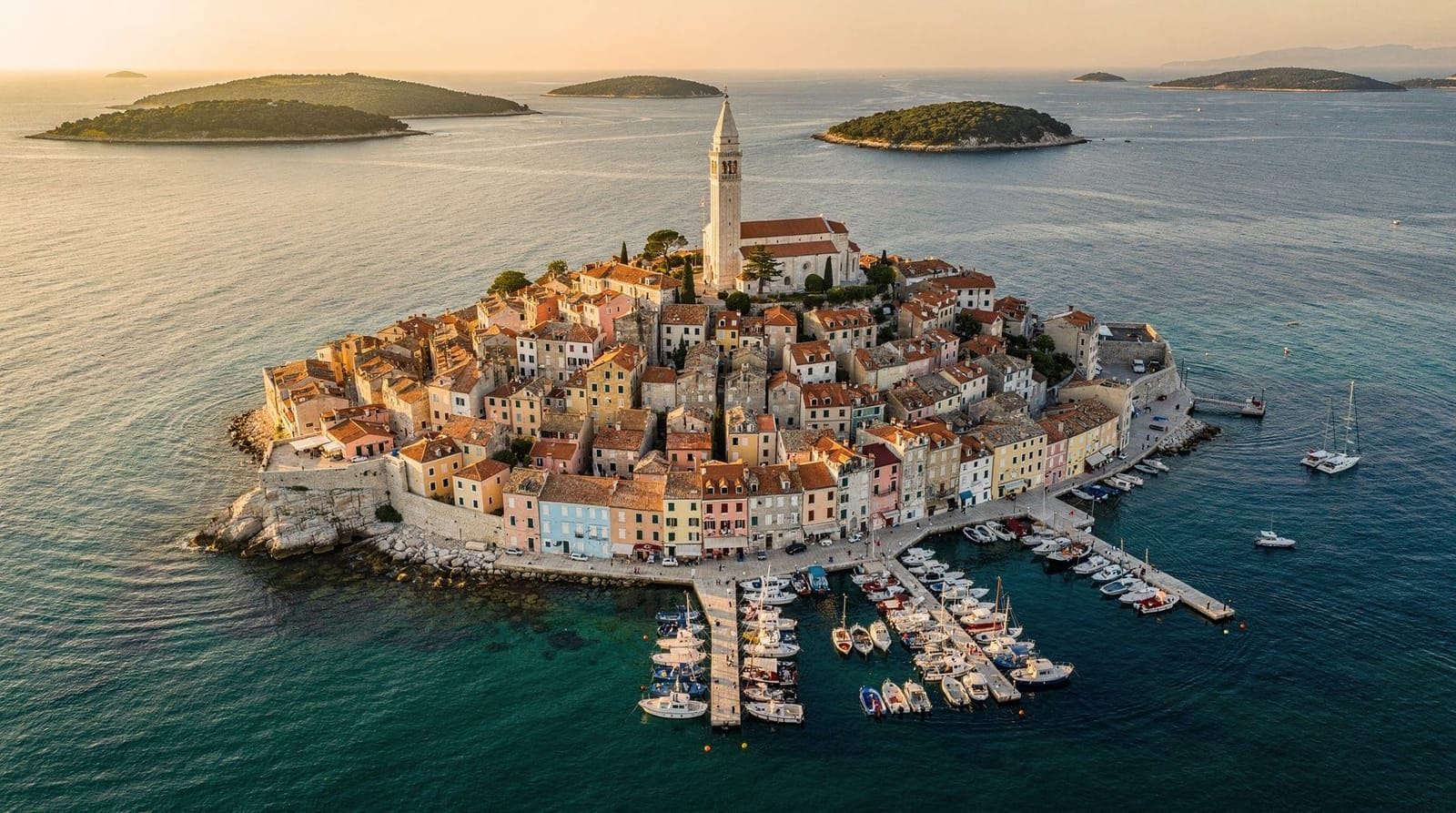
Rovinj (35 km north) is a 35-minute drive — combine it easily with a day or evening in Rovinj’s old town. See the Rovinj guide.
Poreč (57 km north) and the Euphrasian Basilica are feasible as a half-day excursion. See the Poreč guide.
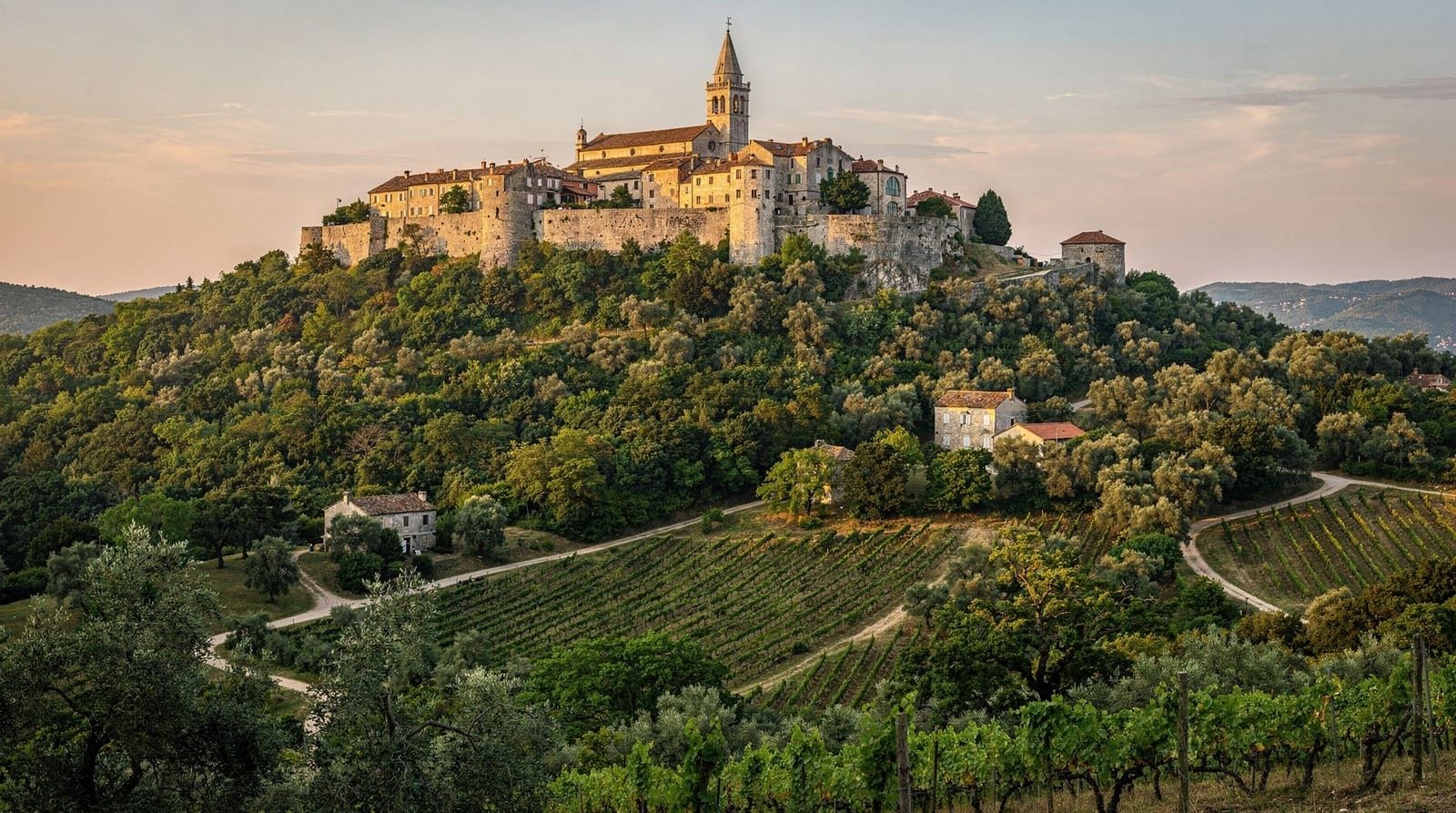
Motovun (70 km north into the interior) is a 1-hour drive — combine it with truffle hunting or wine tasting in the Mirna Valley. See the Motovun guide.
Medulin and Cape Kamenjak (15 km south): Cape Kamenjak is a nature reserve on Istria’s southern tip with wild, unmarked coves, clear water, and no development beyond a seasonal beach bar or two. One of the best wild swimming spots in Istria. The road in is unpaved and some sections require a careful driver.
Where to stay in Pula
City centre: The most convenient for Roman monuments and restaurants. Several boutique hotels have opened in recent years inside the historic urban fabric. Hotel Teatro (boutique, good position) and Hotel Galija are solid mid-range options.
Verudela Peninsula: Resort hotels south of the city, with beach access. Larger, more family-oriented. Generally better value than city-centre boutique options.
Private apartments: Wide range €50–€150/night. Good-value options within walking distance of the Forum area.
Where to eat in Pula
Konoba Batelina (Banjole, south of Pula): Possibly the finest fish restaurant in Istria — a fishing family restaurant that serves what was caught that morning, prepared with extraordinary skill. Book well in advance. No set menu; you eat what’s fresh.
Konoba No Name (city centre): Excellent Istrian small-plate menu — truffles, prosciutto, Malvazija, seasonal vegetables. One of Pula’s most consistent performers.
Restaurant Zigante Tartufi (Pula): The Zigante truffle brand’s restaurant — high quality and accessible, serving truffle dishes year-round. Better value than comparable restaurants in Rovinj.
Restaurant Farabuto (old town): Creative modern Istrian cooking in a converted old town building. One of the better fine-dining options in the city.
Pula Market (Tržnica): The morning market near the old town sells excellent local produce — prosciutto, cheese, olive oil, seasonal vegetables. The best way to start a Pula day.
Best time to visit Pula
May–June: The Roman monuments look magnificent in spring light, crowds are moderate, and the city is at its most pleasant for walking. The film festival in July is preceded by a generally good June programme of events.
September: Post-peak season. The Arena events programme continues into September. Sea temperature peaks at ~24°C.
October: Truffle season begins. Quieter, cooler, ideal for a food-focused itinerary combining Pula with Motovun and the interior.
July–August: Hottest and busiest. The Pula Film Festival in July is worth attending but accommodation must be booked months ahead.
Winter: The Arena is open year-round. Pula is a liveable year-round city — quieter but not dead in winter. Good base for Istrian wine and truffle exploration.
FAQ
How much time do I need in Pula itself? A full day covers the Arena, the self-guided Roman walk, and a market visit; 2–3 days lets you add Brijuni National Park and a beach day at Verudela without rushing.
Is Pula or Rovinj a better base for exploring Istria? Pula has the airport, the Roman monuments, and Brijuni access; Rovinj has more old-town charm but fewer practical transport links. Many visitors base in Pula for logistics and day-trip to Rovinj and Poreč.
Top experiences
Bookable activities with verified prices and instant confirmation on GetYourGuide.
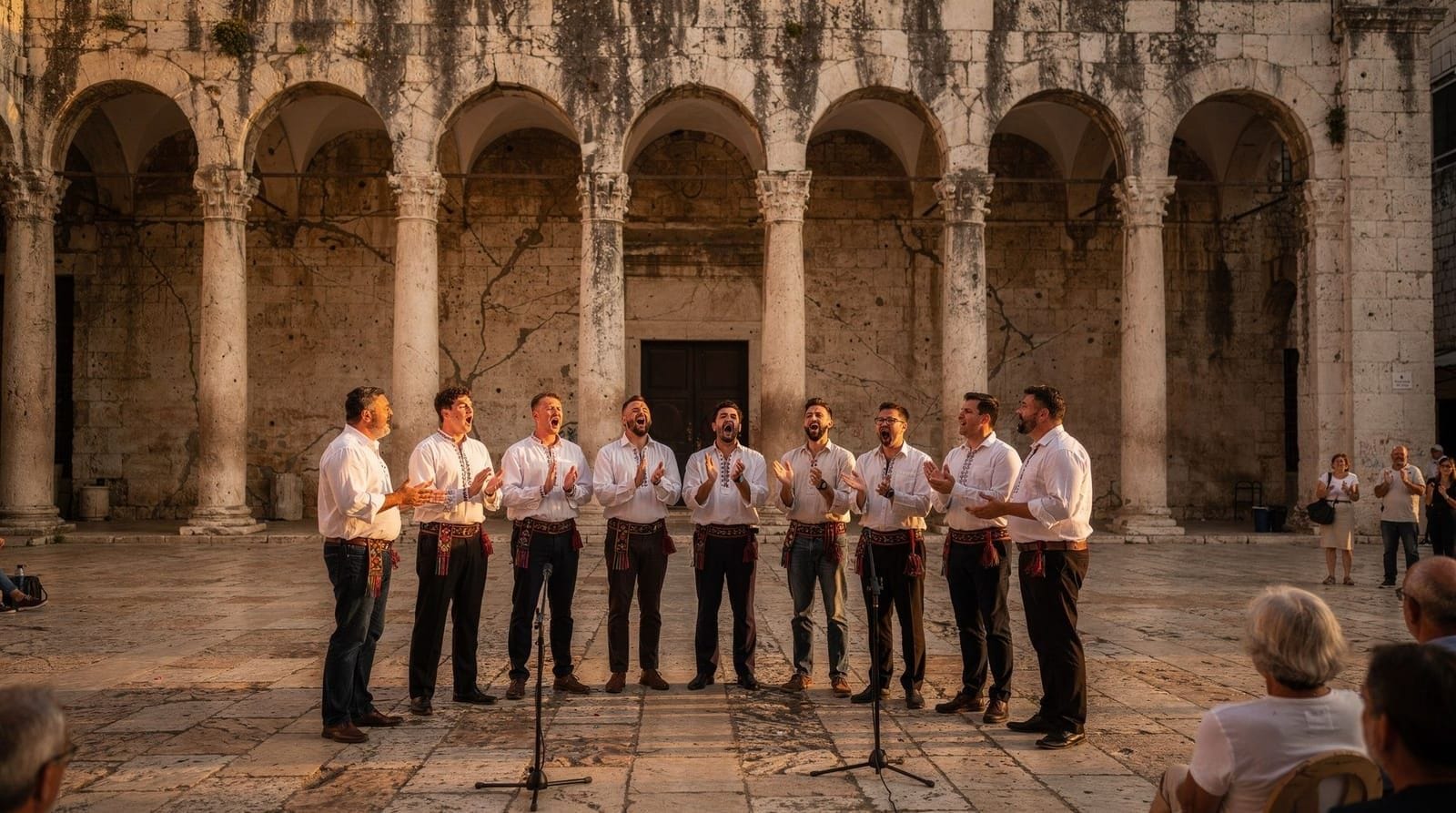
Pula: Amphitheater guided tour with entry ticket
Pula: Arena entry ticket and guided tour
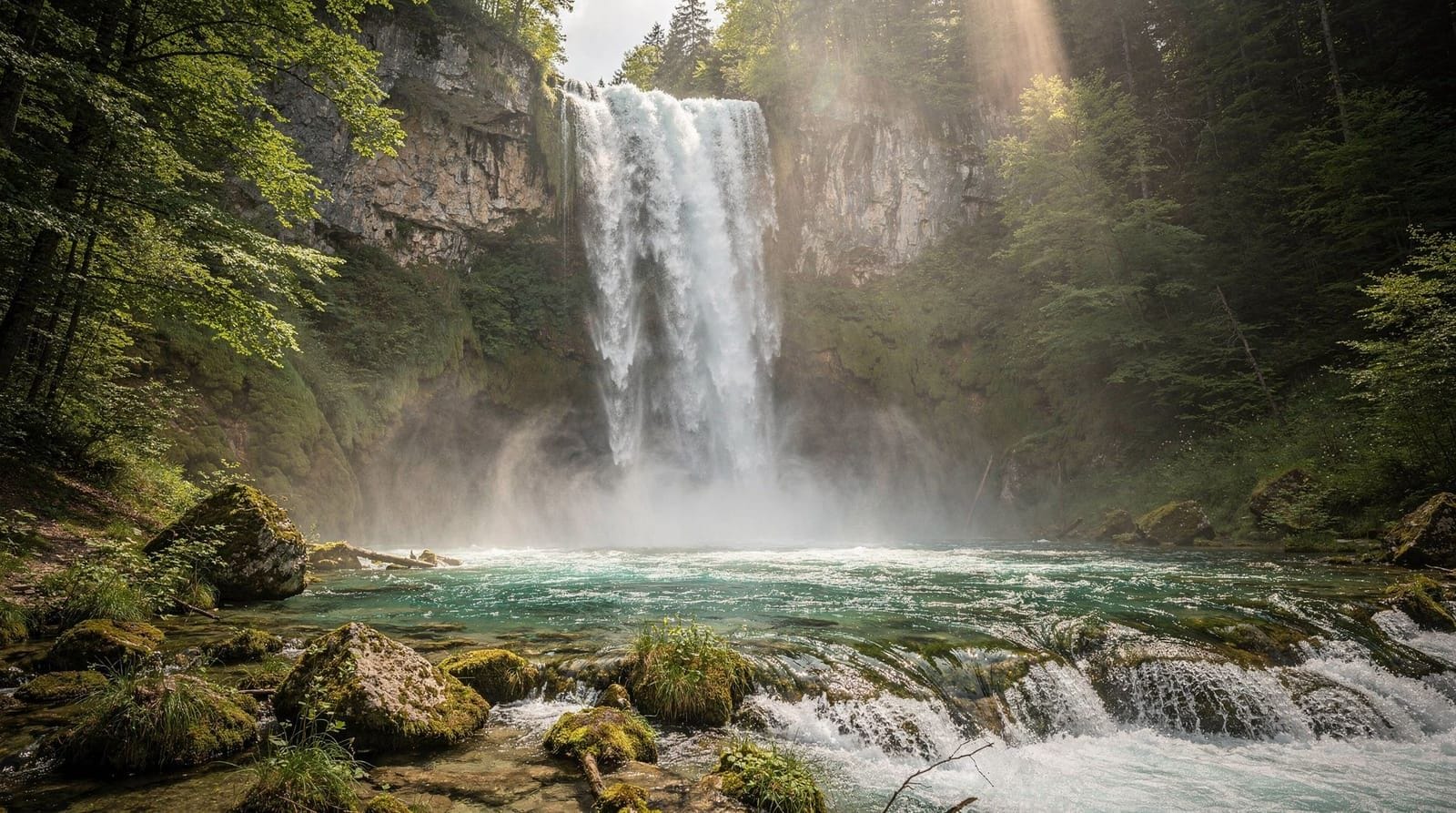
Pula: Brijuni National Park tour with island visit
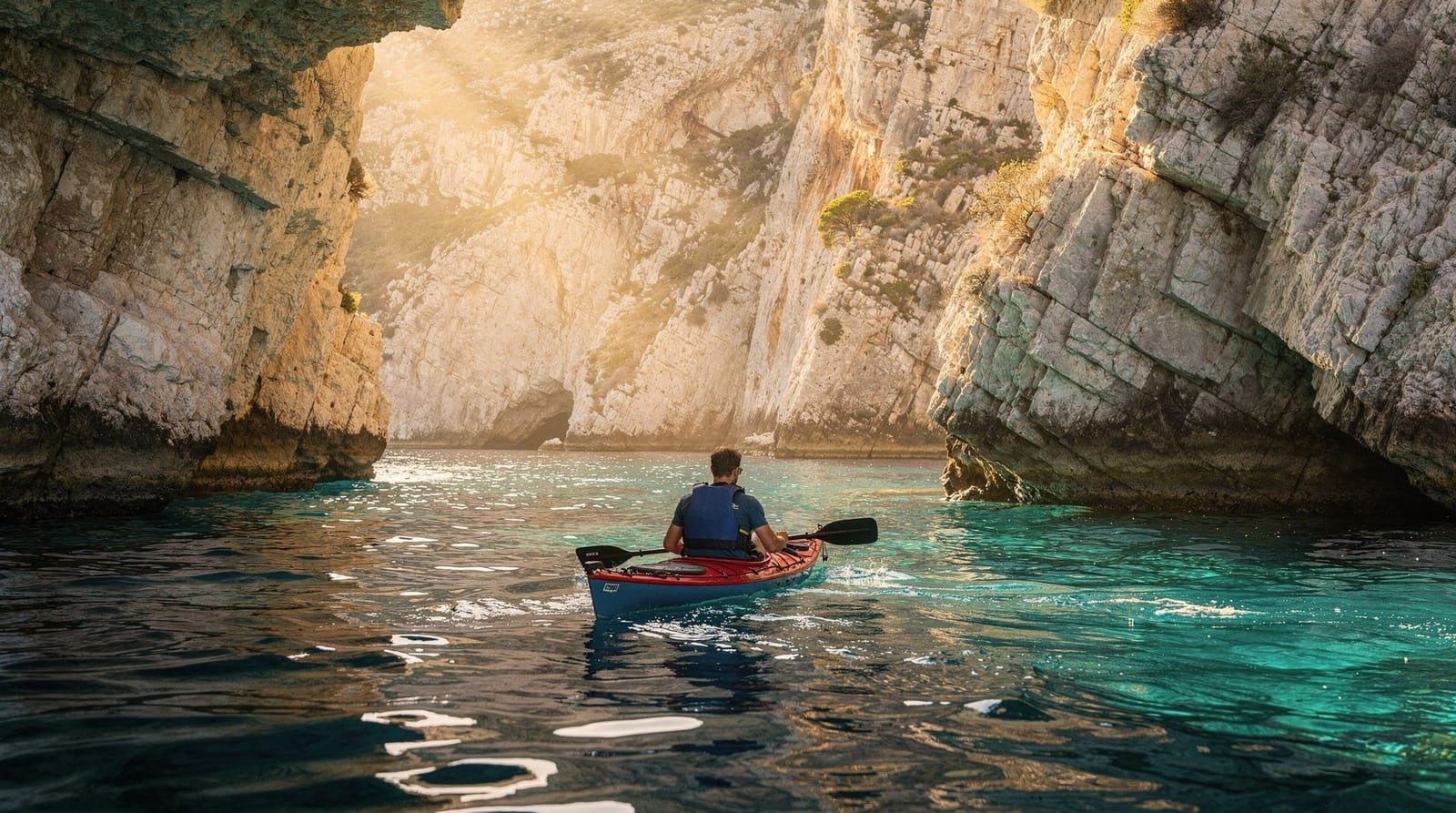
Pula: Kayaking and snorkeling sea cave exploration tour
Pula: Sea kayak tour with cave and cliff jumping
Pula: Cave sunset and night tour in a transparent kayak
Top-rated experiences in Pula travel guide
Best-rated activities across GetYourGuide and Viator.