Kornati Boat Tours: What to Know Before You Book
Zadar: Trip to Kornati National Park
| Where | Kornati National Park, boats from Zadar, Murter, Biograd na Moru or Šibenik |
| Cost | around €70-110 per person, national park fee ~€30 often extra |
| Time needed | full day, 10-12 hours including transit |
| Getting there | no ferry — boat tour only, departure between 7:30-9am |
| Best time | late June, early July, or September for clearer water and fewer boats |
The Kornati Archipelago: What Makes It Unlike Any Other Island Group in Croatia
You could spend a week island-hopping Croatia’s Dalmatian coast — Brač, Hvar, Korčula, Vis — and encounter landscapes of olive groves, pine forests, stone villages, lavender fields, and pristine coves. All of it is beautiful. None of it prepares you for the Kornati.
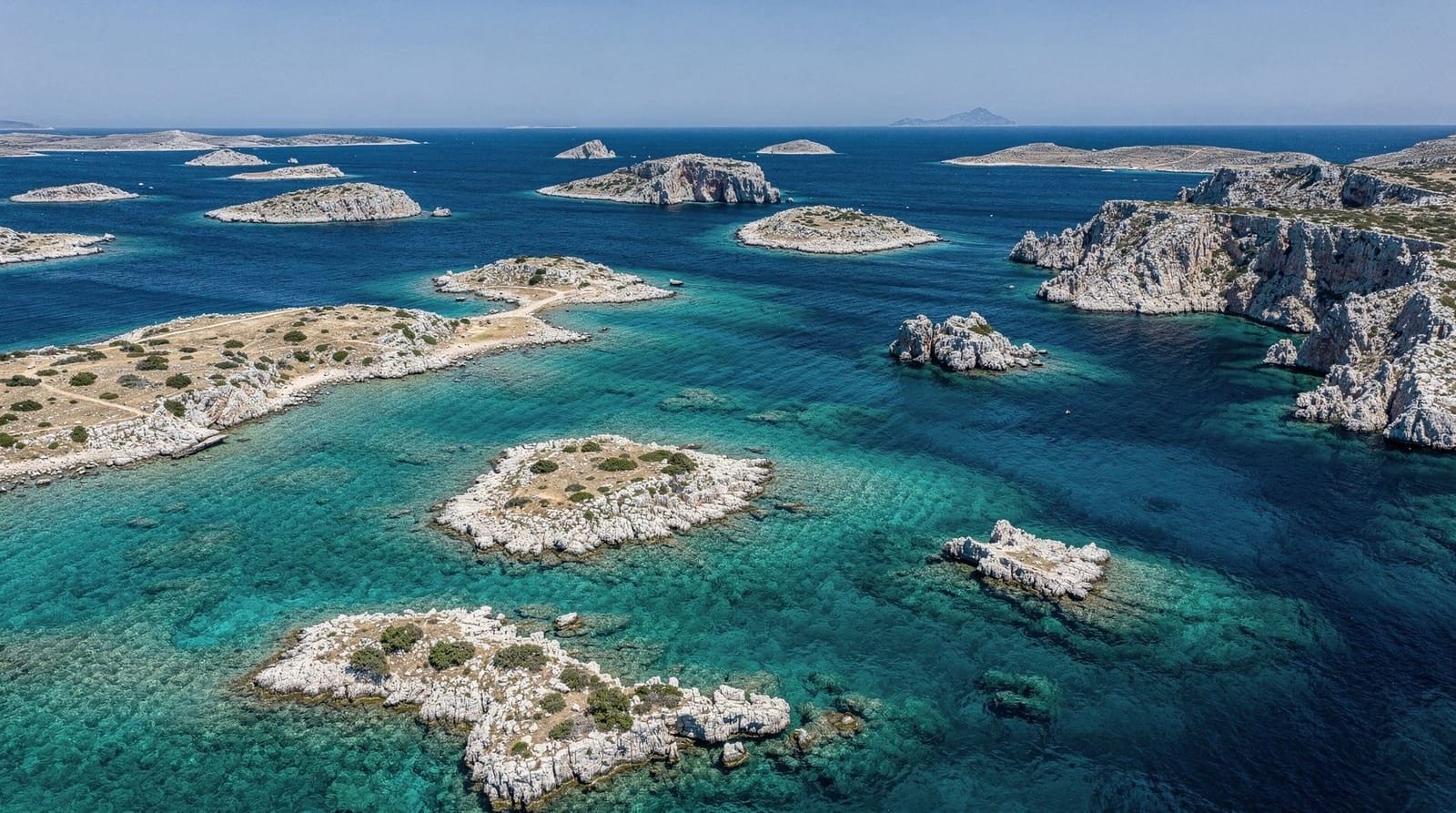
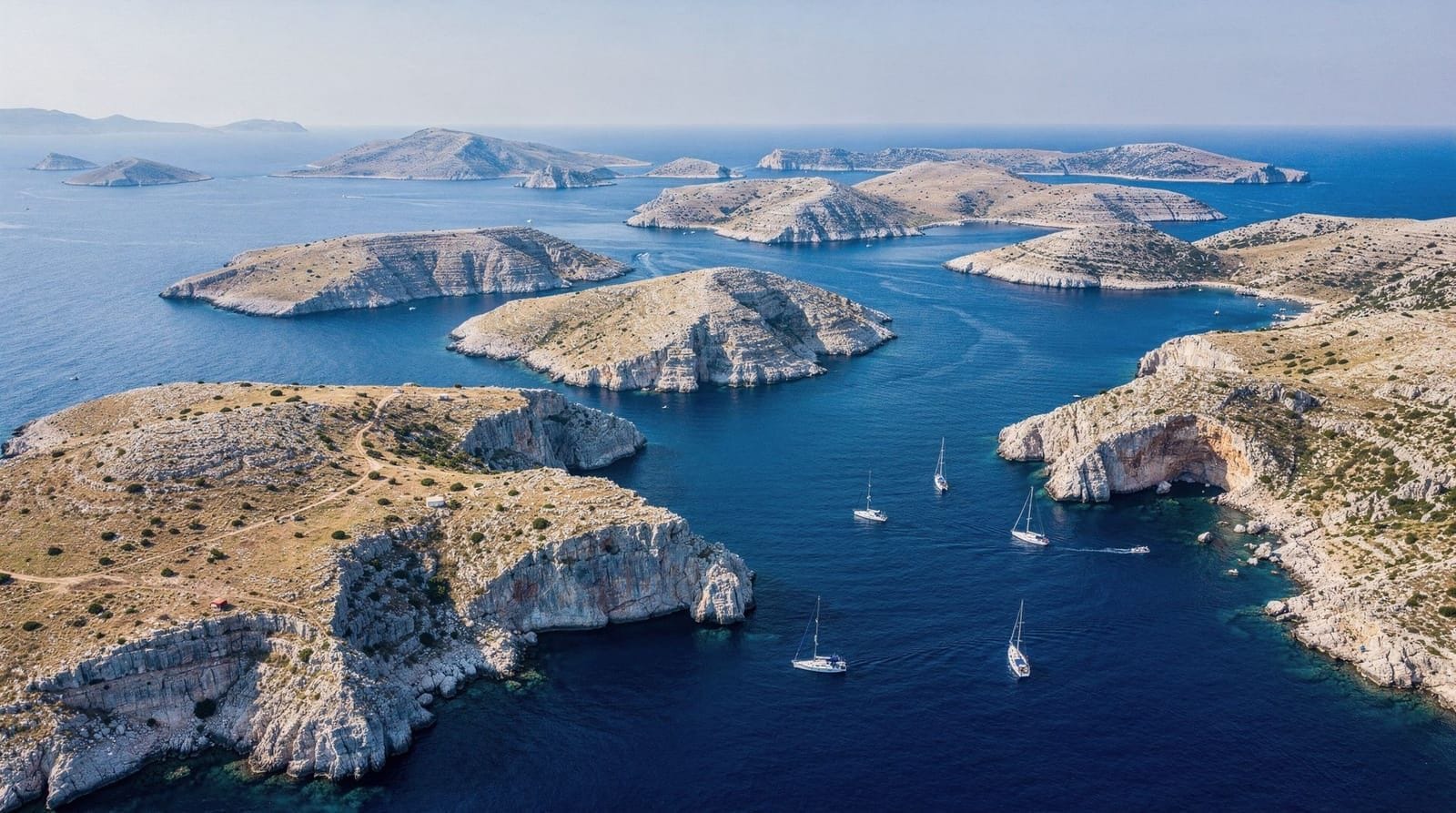
The Kornati archipelago is something else entirely. The 140 or so islands, islets, and reefs that make up the group are composed almost entirely of bare limestone karst. Vegetation covers roughly 11% of the surface. The remaining 89% is pale grey-white rock, sculpted over millennia by wind and sea into ridges, plateaus, sea cliffs, and sinkholes. George Bernard Shaw famously wrote — or was said to have written — that God completed creation on the last day with the Kornati, exhausted after everything else, from his tears and stars. Whether or not he actually wrote it, the sentiment is the right one.
The national park, which covers 89 of the islands and a large area of sea, protects this stark and extraordinary landscape. There are no permanent inhabitants in the park, though fishermen have maintained ancient stone-walled fish farms along the coasts for centuries, and a handful of family restaurants operate in sheltered bays, serving fish caught that morning.
For visitors, the Kornati experience is almost always a full-day boat tour. There is no ferry service. You board a boat from Zadar, Murter, Biograd na Moru, or Šibenik, and you are taken into an archipelago that has no roads, no shops, no accommodation, and no infrastructure beyond the konobe (traditional restaurants) that survive on the seasonal trade.
This guide covers what you need to know before booking, how to choose between the variables that actually matter, and what to expect when you get there.
What the Kornati Landscape Is Actually Like
The single most important thing to understand before visiting is that the Kornati do not look like other Croatian islands. First-time visitors who arrive expecting the green-and-blue Mediterranean landscapes of Hvar or Brač are sometimes genuinely surprised.
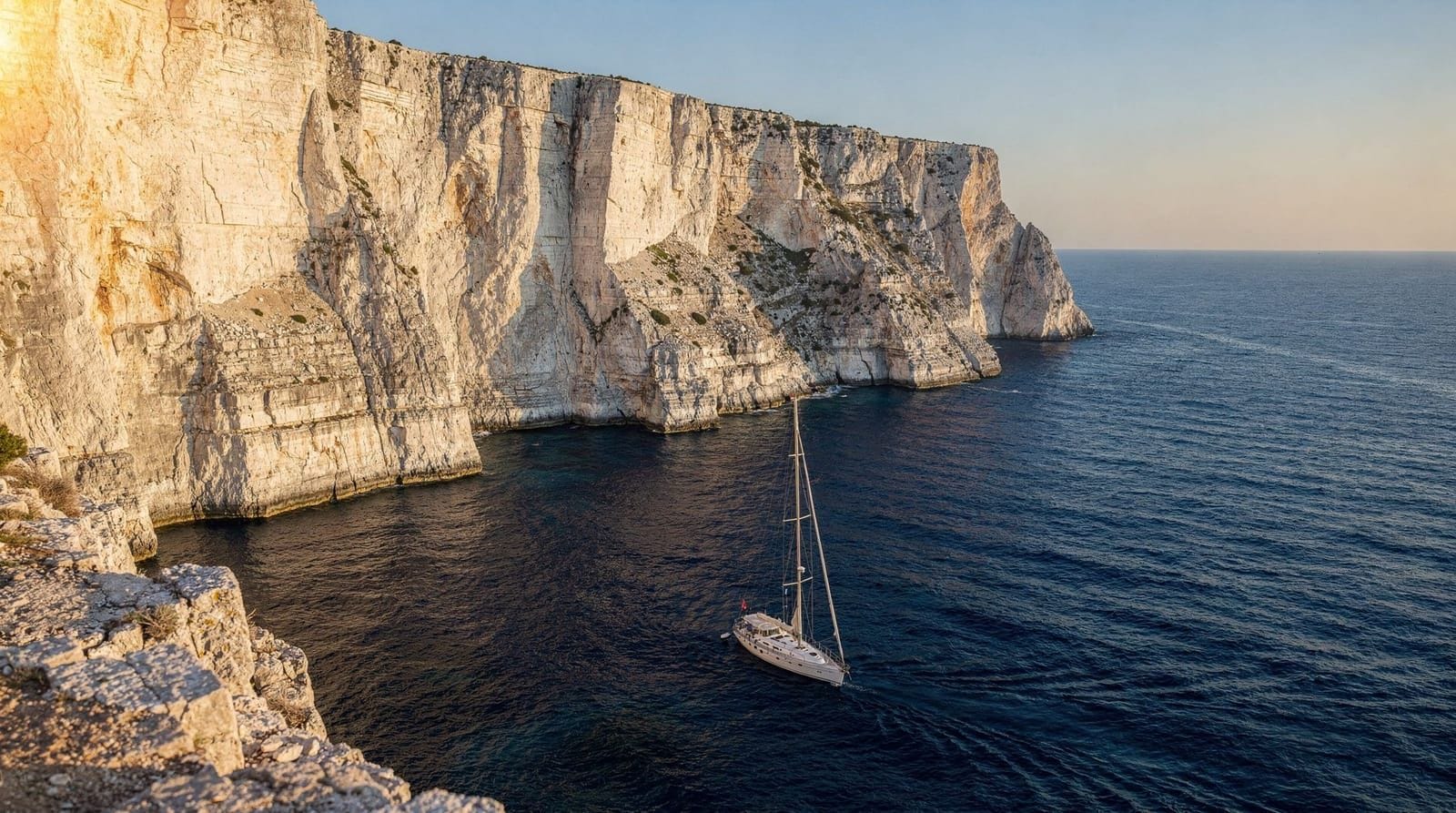
The plateau surfaces of the islands are pale, treeless, and almost lunar in their emptiness. Sheep graze on the sparse vegetation — there are reportedly more sheep than people who have ever lived in the Kornati — and the stone walls built to enclose them centuries ago are the only human marks visible across the interior. From the sea, the islands rise as dramatic cliffs on their western (exposed) faces, dropping sharply into deep water. The eastern sides are gentler, with sheltered bays, transparent water, and the occasional wooden boat at anchor.
It is not for everyone. Some visitors find it austere. Some find it the most beautiful thing they have seen in Croatia. The reaction tends to be strong in one direction or the other.
The sea, however, is universal. The water quality in the national park is among the best in the Adriatic. Clarity of 30-40 metres is normal. Colour runs from pale turquoise in the shallows to deep blue in the channels between islands. If you swim anywhere in Croatia, swim here.
See the full-day Kornati National Park boat tour from ZadarWhat Is Typically Included on a Kornati Boat Tour
A standard Kornati full-day tour runs 10-12 hours. Departure is usually between 7:30am and 9am, return in the early evening. The day includes:
Transit by boat from the departure point to the national park boundary — this ranges from under an hour (from Murter) to 1.5-2 hours (from Zadar). Time spent in transit is not time exploring the islands, which is a relevant consideration when comparing tours.
Multiple stops in the national park for swimming and snorkelling. Boats typically anchor in two or three bays across the day. The water is shallow enough in the bays to snorkel comfortably, and some boats carry masks and fins for guests.
A fish lunch at a konoba on one of the islands — this is often the highlight of the day. The restaurants in the Kornati are basic in infrastructure and exceptional in quality. You eat whatever was caught that morning, usually grilled simply, outdoors at wooden tables. Wine is Croatian and local. The setting — a stone building in a narrow bay with no other development in sight — is unlike anything on the mainland coast.
National park entry is required for all visitors. The fee is approximately €30 per adult and is collected either at the park boundary by warden boat or pre-arranged through the tour operator. This is the cost variable most frequently obscured in advertised tour prices — confirm whether it is included before booking.
Weather, Sea Conditions, and What to Pack
The Kornati is exposed open sea with almost no shelter from wind on the western sides of the islands, so conditions matter more here than on a sheltered coastal trip. The bura (a cold northeasterly wind) can occasionally shut down tours entirely, usually with little notice, particularly in spring and autumn. Summer conditions are generally stable and calm, with the occasional afternoon breeze that most boats handle without issue. If your tour is cancelled for weather, treat it as the operator taking safety seriously rather than an inconvenience — the alternative is a genuinely unpleasant, potentially unsafe crossing.
Pack as you would for a full day at sea with no shade infrastructure: a hat, reef-safe sunscreen reapplied through the day, sunglasses with a strap, a light cover-up for the boat ride, and a swimsuit worn under your clothes to save changing. The limestone plateaus reflect heat and glare strongly, so more sun protection than you think you need is the right amount. Bring cash in small denominations for the national park fee if it is not prepaid, and for the konoba if drinks or extras are not included in the tour price. Deck shoes or sandals with a secure strap are more useful than flip-flops on a moving boat.
Choosing Between Departure Points: Zadar, Murter, Biograd
The departure point is the variable with the greatest practical impact on your Kornati day.
Tours from Murter are the most efficient. Murter is an island connected by a short bridge to the mainland, roughly equidistant between Zadar and Šibenik. It sits immediately adjacent to the northern edge of the Kornati archipelago — from Murter harbour to the first national park islands is approximately 30 minutes by boat. This means more time in the park and less time in transit.
The drawback is access: Murter is not a city. Visitors staying in Zadar, Split, or Šibenik need to get themselves to Murter by car or organised transfer. Some tour operators running from Murter include transfers from nearby towns — check whether this applies to your situation.
Tours from Zadar work well for visitors based in Zadar, which is an excellent base city with its own considerable attractions. Transit time to the park is longer — 1.5-2 hours each way — which is 3-4 hours of the day on the water before reaching the islands. The boat journey is pleasant and the Zadar archipelago (Ugljan, Pašman) is attractive, but it eats into national park time.
Tours from Biograd na Moru, a small coastal resort town between Zadar and Šibenik, offer an intermediate option — shorter transit than Zadar, easier to reach by car than Murter.
For visitors based in Šibenik, tours departing from Šibenik or Vodice exist and are similarly well-positioned geographically.
| Departure point | Transit to park | Best for |
|---|---|---|
| Murter | around 30 min | most time in the park, needs a car or transfer to reach |
| Biograd na Moru | intermediate | easier road access than Murter, shorter transit than Zadar |
| Zadar | 1.5-2 hours each way | visitors already based in Zadar, less time in the park |
| Šibenik/Vodice | intermediate | pairing with a Krka waterfalls day trip on a different day |
If you are deciding where to sleep before a Kornati day, our day trips from Zadar guide covers the wider set of excursions the city works as a base for, and the Croatia sailing guide is useful background if you are weighing a boat tour against a longer sailing trip.
What to Look For When Comparing Tours
Since there is a single primary GYG offering for the Kornati from Zadar, comparison is less about choosing between competing structured products and more about understanding what makes a good Kornati tour generally.
The key variables, in rough order of importance:
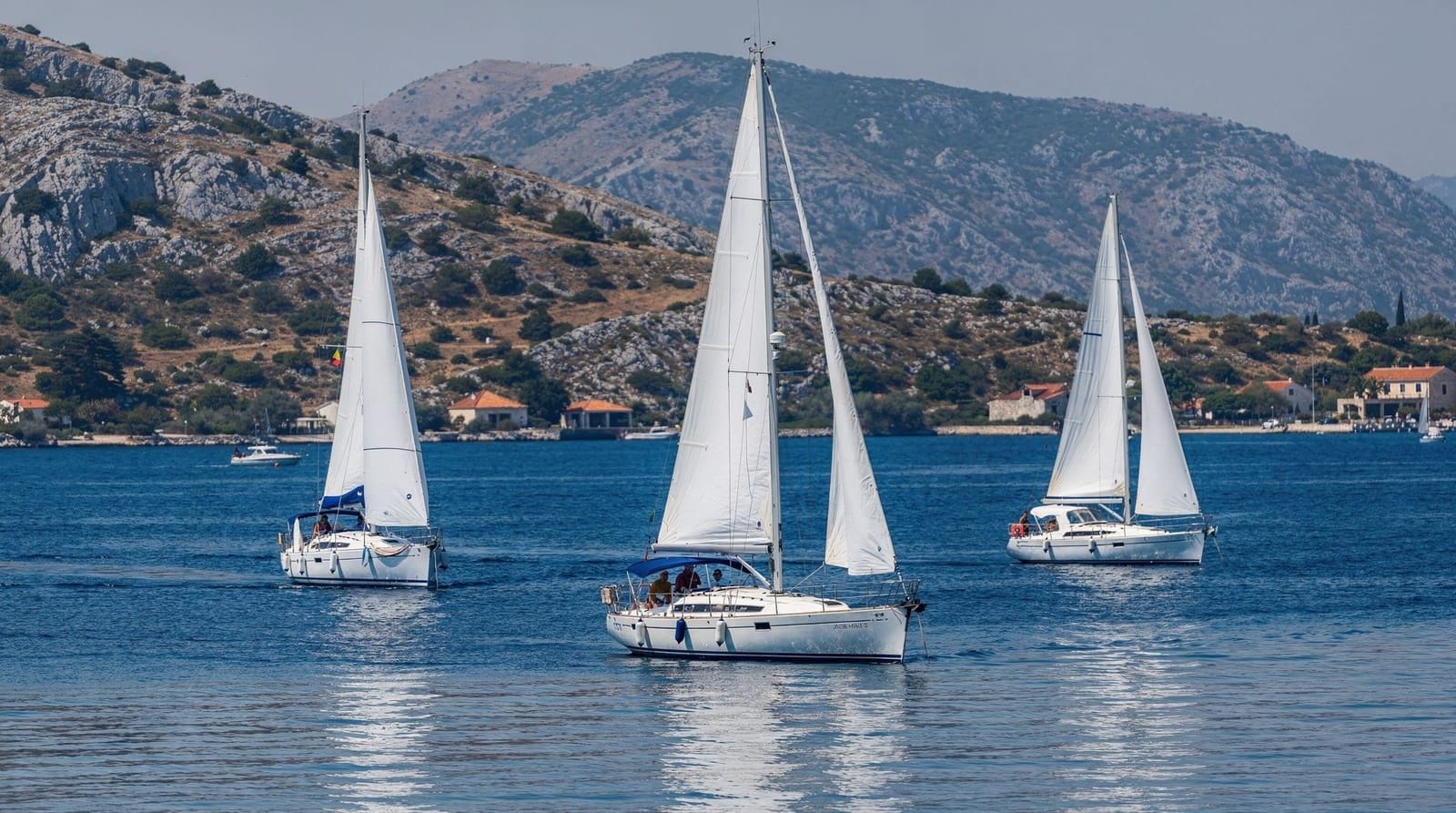
Boat type. Traditional wooden boats are slower but quieter and more atmospheric. Speedboats reach the outer islands and can cover more ground. For a first visit, either works. For returning visitors or those particularly interested in the sailing experience, the traditional boat format is worth seeking out.
Group size. Kornati boat tours range from private charters (2-8 people) to larger group tours of 20-40 passengers. Larger boats can feel crowded at anchor stops and the swimming areas become less pleasant. Tours with groups under 20 tend to be more enjoyable. Private tours or small-group options cost more but give you significantly more freedom over the day’s itinerary.
Lunch inclusion. A fish lunch at a Kornati konoba is genuinely one of the better meals you will eat in Croatia. Tours that include it are preferable to those that do not, and worth the premium.
National park fee transparency. Any tour that does not explicitly state whether the park fee is included should be asked about directly before booking.
Skipper/guide quality. The Kornati are navigable and well-charted but local knowledge matters — knowing which bays are sheltered at different times of day, where the water is clearest, and which konoba to visit makes a real difference to the day. Reviews mentioning a knowledgeable or engaging skipper/guide are a positive signal.
Honest Expectations: The Kornati Is Not for Everyone
The Kornati is one of the most singular landscapes in the Mediterranean. It is also genuinely austere, and some visitors find a full day of bare limestone and open sea monotonous after the first few hours.
If your ideal Croatian day involves village exploration, historic architecture, wine tasting in a village square, or the energy of a busy island harbour, the Kornati is probably not your best choice of full-day excursion. Those elements simply do not exist in the national park.
If you are a swimmer, snorkeller, sailor, or someone who responds to stripped-back natural landscapes, the Kornati is among the finest experiences in Croatia. The silence inside the park — no roads, no cars, no development — is complete except for the sea and the birds.
Peak August is the one time the silence is least intact. The Kornati are popular with yachts, and the busiest anchorages in July and August can have dozens of boats at anchor simultaneously. This does not ruin the experience but it does dilute the sense of complete isolation that makes the park extraordinary. Late June and September are meaningfully better in this respect.
Prices, Duration, and Booking
Full-day Kornati tours range from €70 to €110 per person, depending on the departure point, boat type, group size, and what is included. Tours from Murter with a basic speedboat and no included lunch sit at the lower end. Private or semi-private tours with traditional boats, included lunch, and park fees are at the upper end.
Duration is typically 10-12 hours including transit. Plan for a full day and arrange your evening accordingly — you will return tired, salt-dried, and probably very happy.
Booking in advance is advisable from June through September, particularly for smaller group tours and private charters. The Zadar-based tour, being a more accessible departure point, tends to have more availability.
Look for operators offering free cancellation 24-48 hours before departure. Weather in the Kornati can change quickly, and responsible operators will cancel if conditions are genuinely poor. Most offer a rebooking option rather than a refund in case of weather cancellation.
Combining Kornati with Other Dalmatian Destinations
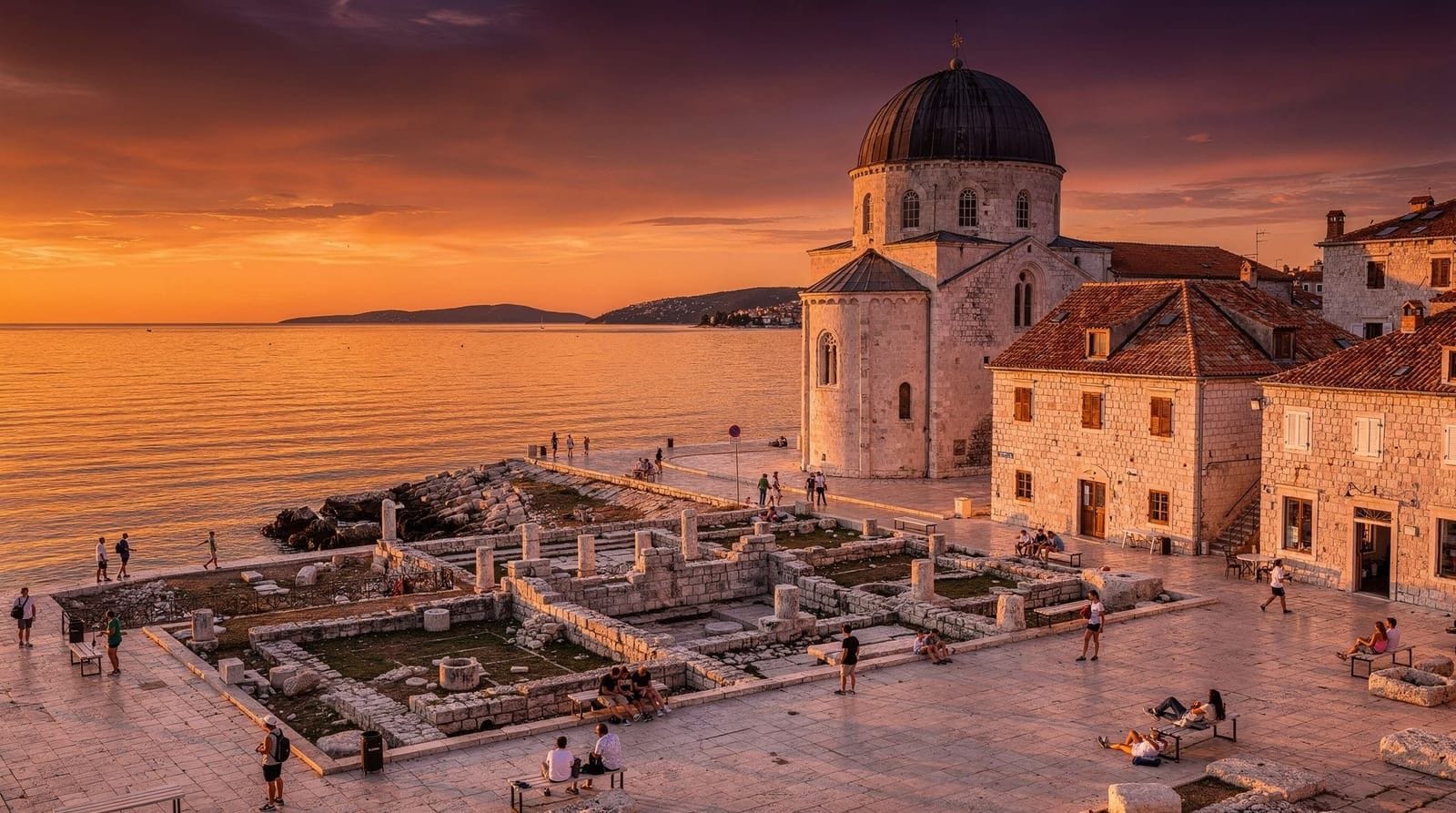
The Kornati sits geographically in a central position on the Dalmatian coast. Zadar, to the north, is worth a full day in its own right — the Roman Forum, the Sea Organ, the Greeting to the Sun installation, and the famously beautiful sunset from the old town promenade. A two-night base in Zadar, using one day for the Kornati and one for the city itself, is an efficient and excellent structure.
Šibenik, to the south, is the gateway to both the Kornati (from the Šibenik direction) and to Krka National Park’s waterfalls. The national parks and waterfalls route along this stretch of coast is one of the best drives in Croatia.
The route connecting Plitvice Lakes (inland), Zadar, Šibenik, and the Kornati creates one of the more compelling inland-coast itineraries in the country — varied landscape, genuine national park experiences, and the contrast between the lush waterfalls of Plitvice and the bare limestone of Kornati that encapsulates something essential about Croatian geography. If you only have time for one Croatian national park and are weighing waterfalls against open sea, our Plitvice vs Krka comparison covers the inland option in detail, and the Kornati islands guide has more on the archipelago itself beyond the boat-tour logistics covered here.
Frequently asked questions about Kornati Boat Tours
Is the Kornati national park entry fee included in the tour price?
Not always. The national park entry fee is approximately €30 per adult and is sometimes listed separately from the advertised tour price. Read the inclusions section carefully before booking — look specifically for 'national park fee included' or 'park entrance not included' in the description.What is the best departure point for Kornati — Zadar, Murter, or Biograd?
Murter is the closest point to Kornati and tours from there are typically cheaper and shorter in transit time. Zadar tours work well if you are staying in Zadar or coming from Split or Šibenik direction. Biograd na Moru is another option for visitors staying on the northern Dalmatian coast. All options reach the same islands — the difference is transit time and cost.Is a meal included on Kornati boat tours?
Many full-day tours include a fish lunch at a konoba (traditional restaurant) on one of the islands, usually at Lavsa bay or a similar sheltered anchorage. This is a genuine island dining experience and worth choosing for. Some tours offer lunch as an optional extra — confirm before booking if this matters to you.How many islands does the Kornati archipelago actually have?
The Kornati archipelago comprises around 140 islands, islets, and reefs. The national park covers 89 of them. The total land area is relatively small — the islands are narrow and elongated — but the sea surface covered is approximately 320 square kilometres.Is snorkelling possible on the Kornati tour?
Yes. The water quality in the Kornati National Park is exceptional — clear, warm from June through September, and excellent visibility. Most boats include snorkelling stops at designated bays. Bring your own mask and fins if you have them; some tour operators provide equipment on request.What is the difference between a speedboat and a traditional wooden boat for the Kornati tour?
Speedboats cover more ground and can reach the outer islands faster, giving more time at anchor. They are louder and less comfortable for the transit portions. Traditional wooden lateen-rigged boats (gajeta or similar) are slower, more atmospheric, and significantly quieter — the journey itself becomes part of the experience. The wooden boat format is worth choosing if you have the time and want the authentic feel.When is the best time to visit Kornati?
Late June, early July, and September offer the best conditions — warm enough for swimming, clear seas, and fewer boats than peak August. Mid-July through mid-August sees the highest traffic in the national park and the most crowded anchorages. Shoulder season (May, early June, October) sees fewer visitors but water temperature is cooler.