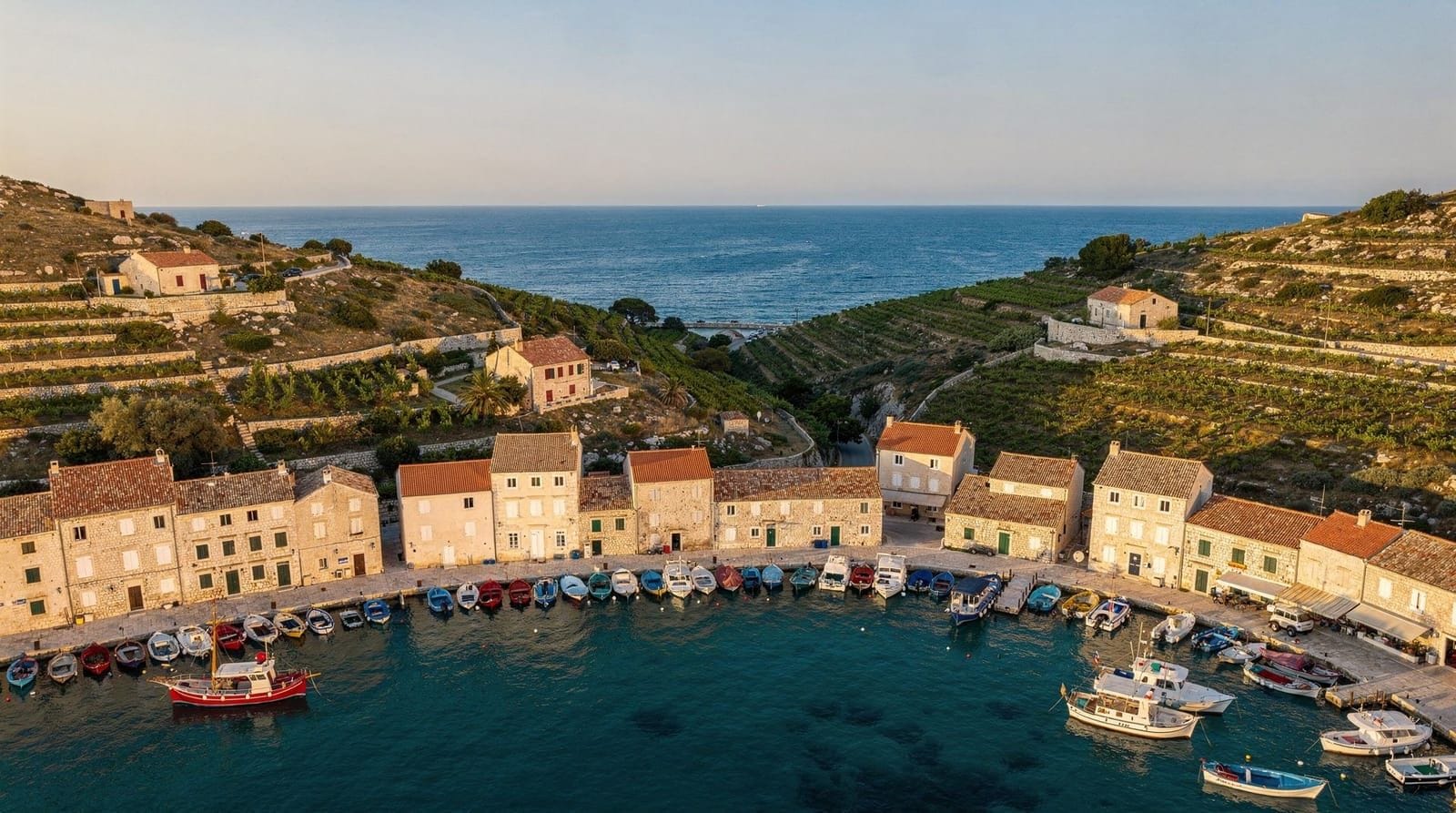
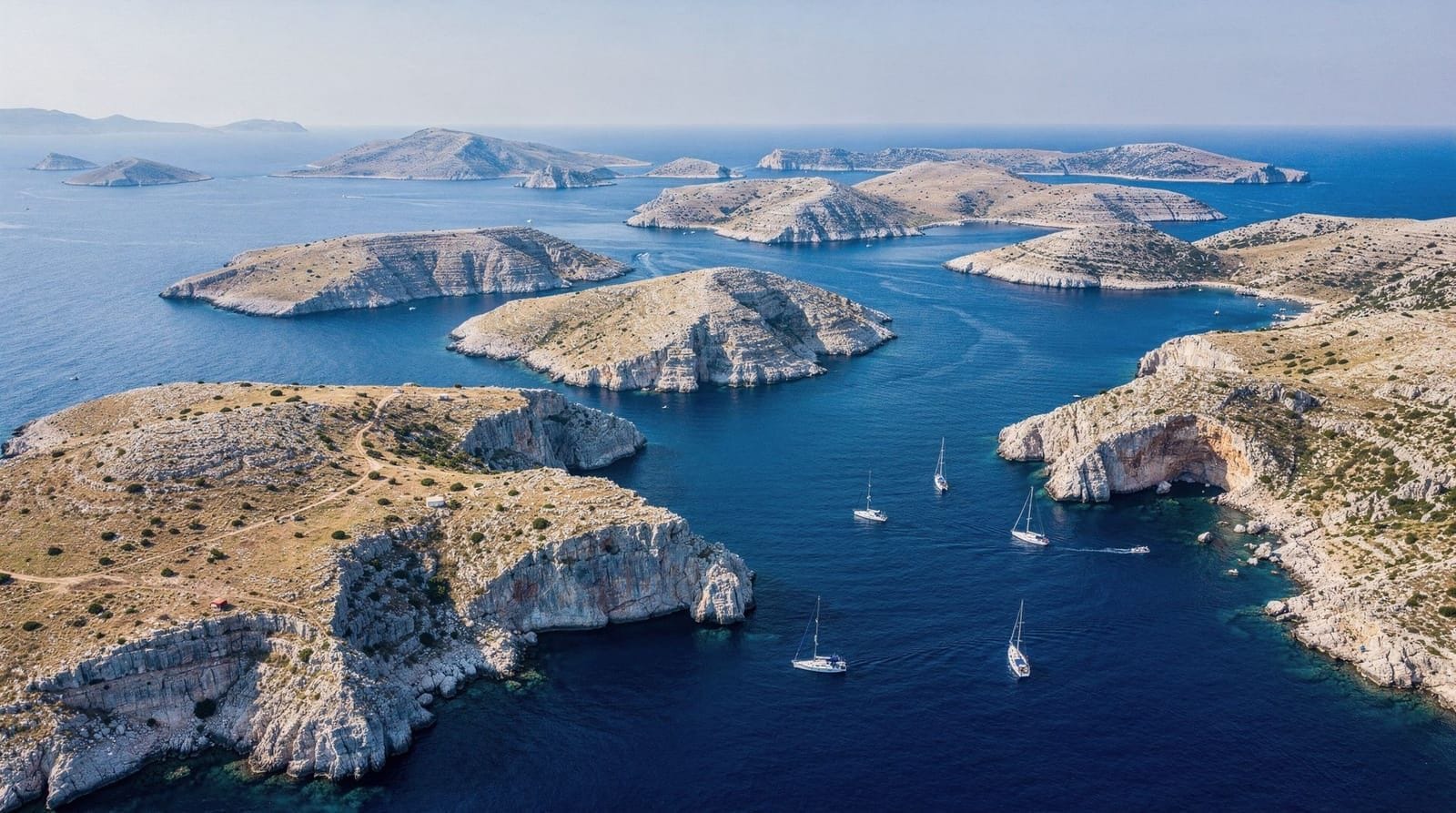
Croatia Sailing Guide — Everything You Need to Plan a Sailing Holiday
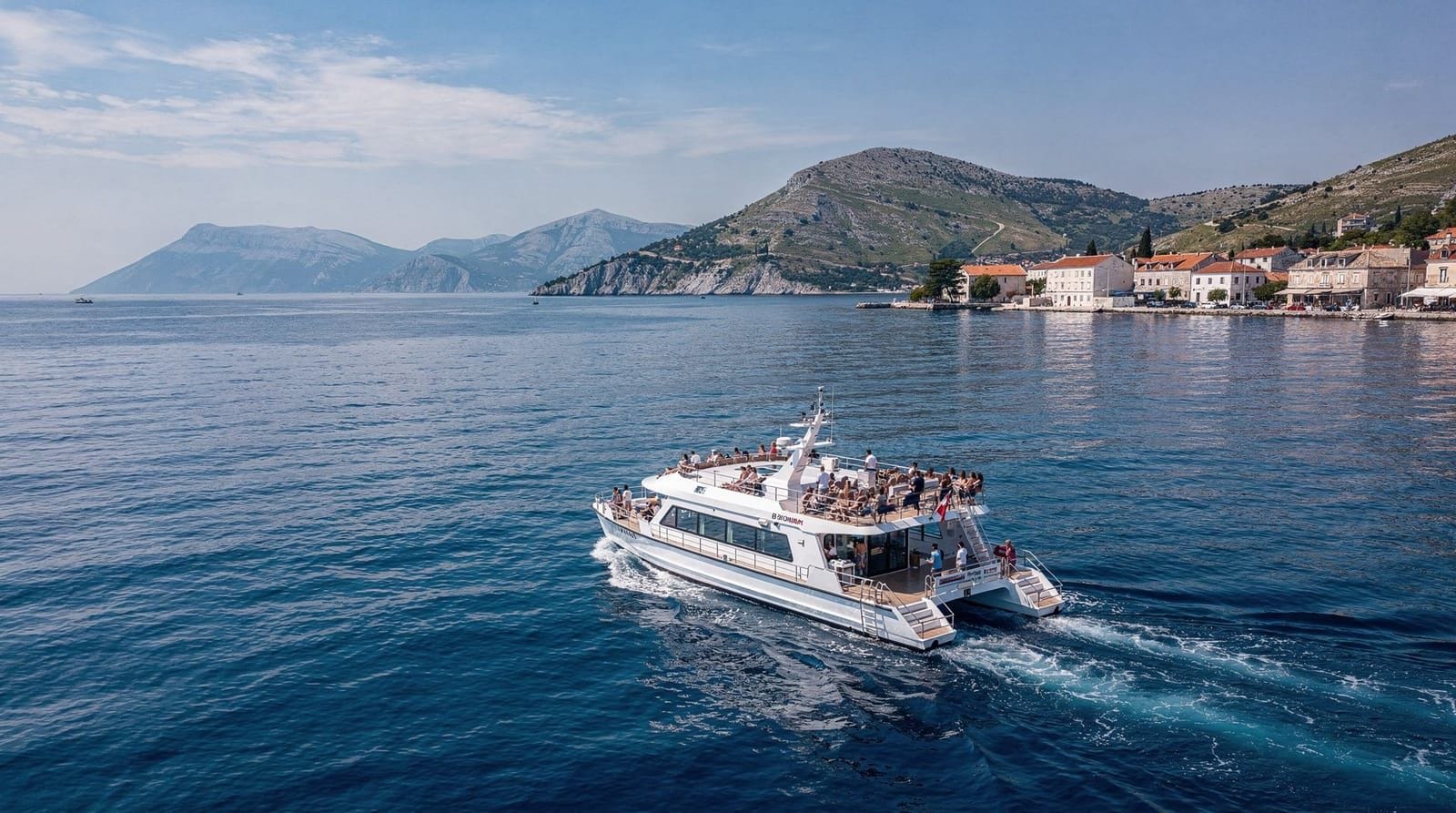
Split: Half-day sailing tour with swim stop, snacks and wine
When is the best time to sail in Croatia?
Late May to mid-June and September to early October are the best sailing windows — reliable winds, warm water, fewer boats and lower charter prices than peak. July and August are perfectly sailable but marinas fill up, anchorages get crowded and charter costs peak. The Adriatic sailing season runs roughly May to October.
| Best sailing window | late May–mid June, September–early October |
| Season | early May to late October |
| Bareboat cost (35–40ft) | around €1,500–4,500/week depending on season |
| Licence needed | ICC or equivalent + VHF SRC |
| Dominant summer wind | maestral (NW afternoon sea breeze) |
| Best base | Split |
Why the Adriatic Is Europe’s Premier Sailing Destination
Croatia’s Adriatic coastline has built a reputation as one of the finest sailing destinations in the world, and the reasons are structural rather than marketing. More than 1,200 islands, islets and reefs create an archipelago of sheltered channels, hidden coves and natural anchorages. The summer sailing winds are reliable and generally benign — the maestral (northwest afternoon sea breeze) powers afternoon passages without creating dangerous conditions. The marinas are numerous and well-equipped. The navigation is straightforward. The fish restaurants are excellent.
The volume of yachts in Croatian waters has grown substantially over the past two decades. This is worth knowing upfront: the marinas in Hvar and popular anchorages in the Pakleni Islands are genuinely crowded in July and August. This is not a secret undiscovered sailing paradise. It is a mature, well-developed sailing destination that rewards planning and timing.
Sailing Season
The practical sailing season runs from early May to late October. The shoulder windows on either side of peak summer offer the best conditions:
May to mid-June: Water temperature climbing from 18°C to 22°C. Marinas at 30–50% capacity. Charter prices at annual lows. The maestral is establishing itself but can be variable early in the season. Light rain possible. The islands are green and flowers are out.
Late June to August: Peak season. Warm water (23–25°C), reliable afternoon maestral, long days. Everything is open and operating. Marinas fill daily; anchorages in popular spots (Palmižana on the Pakleni Islands, Vinogradišće on Mljet) require early arrival. Charter prices peak. The sailing itself is excellent; the logistics require more planning.
September to mid-October: Best-kept secret of Adriatic sailing. Water still at 23–24°C (warmest of the year in September), crowds thinning rapidly, marinas quieter, charter prices dropping. The maestral remains reliable through September. October brings more variable conditions — still excellent weeks but also the possibility of south winds and rain.
November to April: Not the sailing season. Some die-hard winter sailors venture out, but most marinas operate on reduced services, anchorage facilities are minimal and the bura (cold north wind) can be severe.
The Winds
Understanding Croatian sailing winds is fundamental to planning routes.
Maestral: The dominant summer sailing wind. A thermal sea breeze generated by the difference in air temperature between the sea and the heated land. Typically begins mid-morning to noon and builds through the afternoon, reaching force 3–4 (15–20 knots). Dies around sunset. Direction: northwest to west. The maestral makes afternoon passages from Split southward towards Hvar and Vis excellent sailing — beam or broad reach for most routes.
Bura (Bora): A cold, katabatic wind blowing from the northeast off the mountains. In summer, the bura is usually light and manageable. In autumn, winter and spring it can reach force 6–8 and above, sometimes arriving with little warning. Gusts in the channels between islands can be significantly stronger than open-sea readings suggest.
Jugo (Sirocco): South-to-southeast warm, humid wind. Brings swell into the open Adriatic and can make southward anchorages uncomfortable. In summer it is relatively rare and usually short-lived.
Tramontana: Northerly wind from the mountains, cooler than maestral. More common in spring and autumn.
The practical advice: plan passages for morning departure, sailing before the maestral builds, or afternoon departure riding the maestral. The leg from Split to Hvar, for instance, is best done mid-afternoon sailing with the northwest wind behind you.
Main Sailing Routes from Split
Split is the primary charter base for Dalmatian sailing — the largest ACI marina in Croatia, the most charter companies and the best supply infrastructure.
The Classic Central Dalmatian Loop (7 days)
Day 1: Split → Šolta (Maslinica or Rogač), 15–20 nm. Easy shakedown passage, good fish restaurant on arrival.
Day 2: Šolta → Hvar Town, ~20 nm. Afternoon maestral passage, arrive Hvar Town marina or stern-to on the riva. Busy in summer; book marina berth ahead.
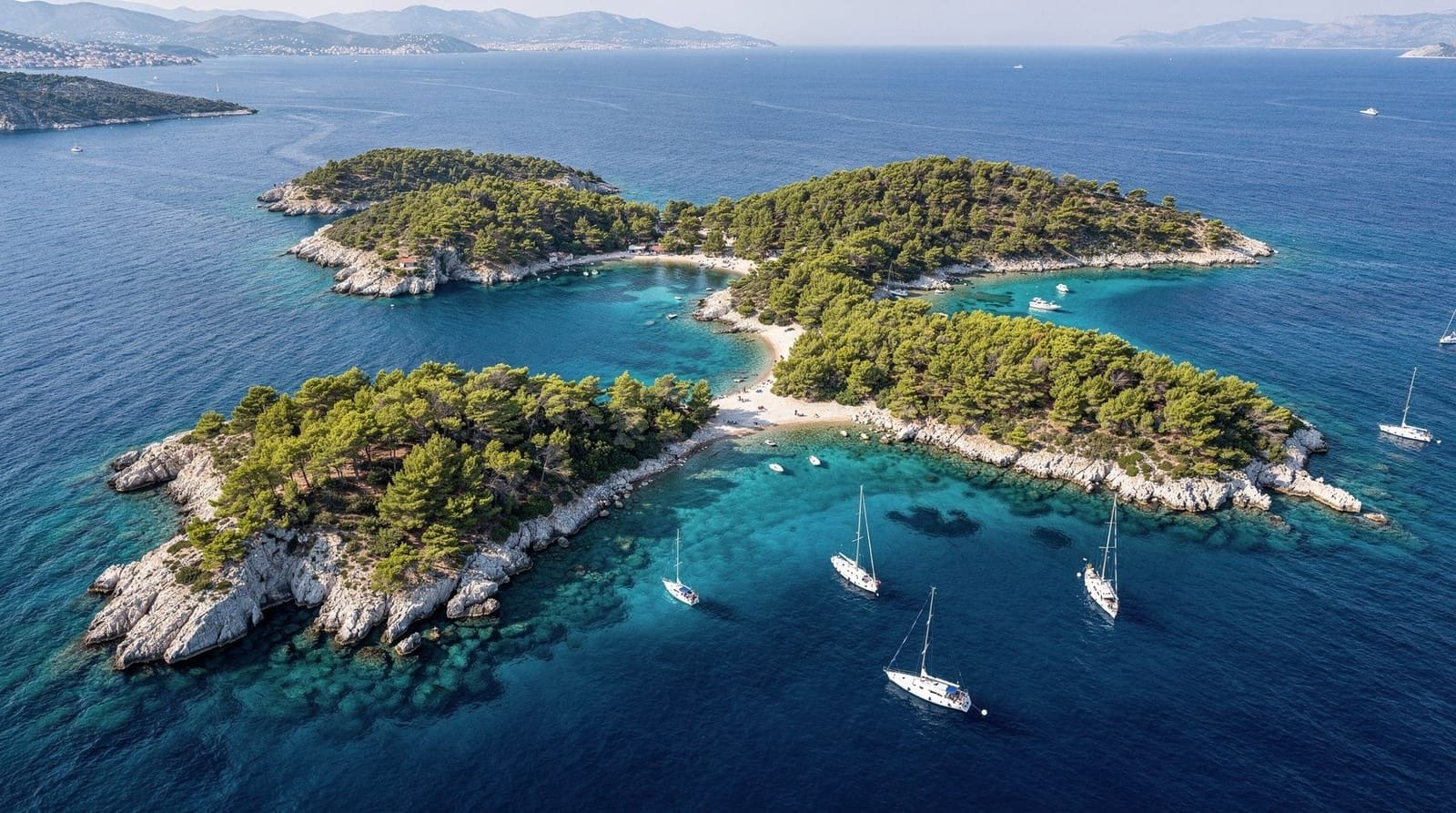
Day 3: Hvar Town → Pakleni Islands anchorage (Palmižana, Vinogradišće or Stipanska). Day at anchor — swim, snorkel, water taxi to Hvar for evening.
Day 4: Pakleni → Vis Town or Komiža, ~25 nm. Longer passage through open water; maestral makes this a good sail. Anchor or marina.
Day 5: Explore Vis — Blue Cave day trip from Komiža if conditions allow, beaches, konobas.
Day 6: Vis → Bol (Brač), ~20 nm. Overnight in Bol with Zlatni Rat beach.
Day 7: Bol → Split, ~25 nm. Morning departure to beat afternoon maestral into the harbour.
Total: approximately 120–130 nm. Comfortable for a week with a 35–40 ft bareboat.
Extended Southern Route (10–14 days)
Extend the above by continuing from Vis to Korčula, Lastovo (the most remote inhabited island), Mljet National Park and then north to Dubrovnik before returning to Split by catamaran or repositioning the charter. This covers the breadth of Dalmatian sailing and includes some of the least-visited anchorages in Croatia.
Northern Route (Šibenik and Kornati)
From Split north to Trogir (6 nm), then Šibenik, then into the Kornati Islands archipelago. The Kornati are 147 islands and reefs inside a national park — anchoring requires a park permit but the sailing among the bare limestone islets is extraordinary. See the Kornati guide for details. This route is less infrastructure-rich than the southern islands but more dramatic in landscape.
Southern Route from Dubrovnik
Not every Croatia sailing trip starts in Split. A Dubrovnik-based charter suits travellers whose flights or wider itinerary are anchored there, and it opens a different, quieter stretch of coast. A typical week: Day 1 Dubrovnik → Elaphiti Islands (Šipan or Lopud), a short shakedown sail. Days 2–3 onward to Mljet National Park for the saltwater lakes, then Korčula town. Days 4–5 Pelješac Peninsula anchorages and Pelješac wine estates accessible by dinghy from the water, then Lastovo for the most remote leg of the route. Days 6–7 return via Mljet or the Elaphiti Islands to Dubrovnik. This route has fewer charter companies and a smaller marina network than Split, so book earlier and expect slightly higher provisioning costs on the more remote islands.
Charter styles compared
| Style | Best for | Cost vs bareboat | Licence needed |
|---|---|---|---|
| Bareboat | Experienced sailors wanting full control | Baseline | ICC + VHF SRC |
| Skippered | No licence, want the experience without responsibility | +25–40% | None |
| Sailing school week | Learning to sail while on a real itinerary | +15–30% | None to start |
| Cabin charter (shared boat) | Solo travellers, budget-conscious groups | Often cheaper per person | Varies |
Marina Costs and Anchorage Fees
Croatian marinas range from ACI (the national chain with 22 marinas along the coast) to private marinas of varying quality. Marina costs vary significantly by location and season.
ACI Split: In peak season (July–August), a 35 ft boat costs approximately €80–120 per night including electricity. Shower and laundry facilities are good.
ACI Hvar: Similar to Split but demand is higher — book ahead in peak season. The marina fills by afternoon in summer.
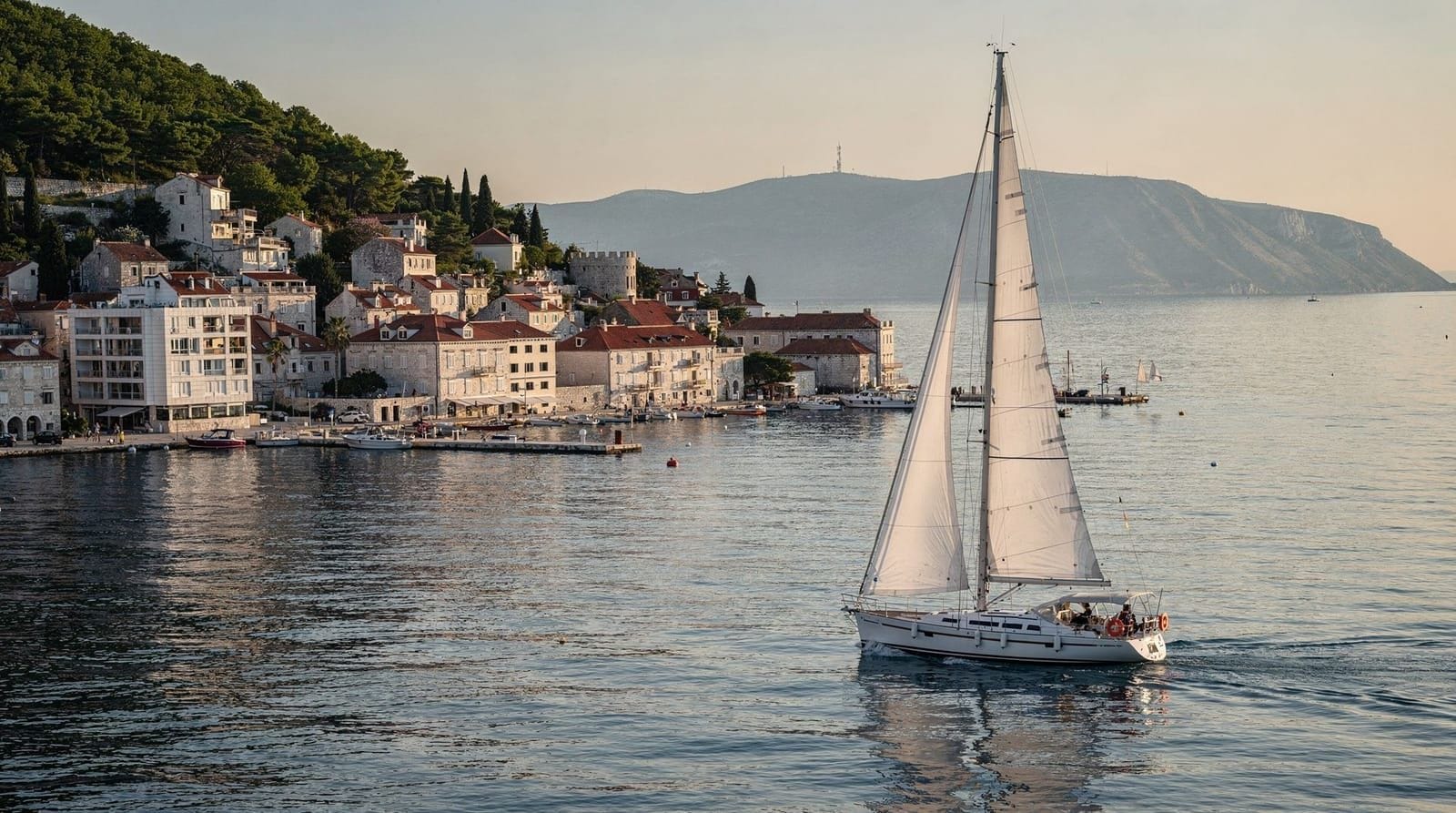
Town quays (riva): In many small ports, boats tie stern-to the town quay with a fee collected by the harbourmaster. Rates are typically €20–50 per night depending on location and season — cheaper than ACI but with fewer facilities.
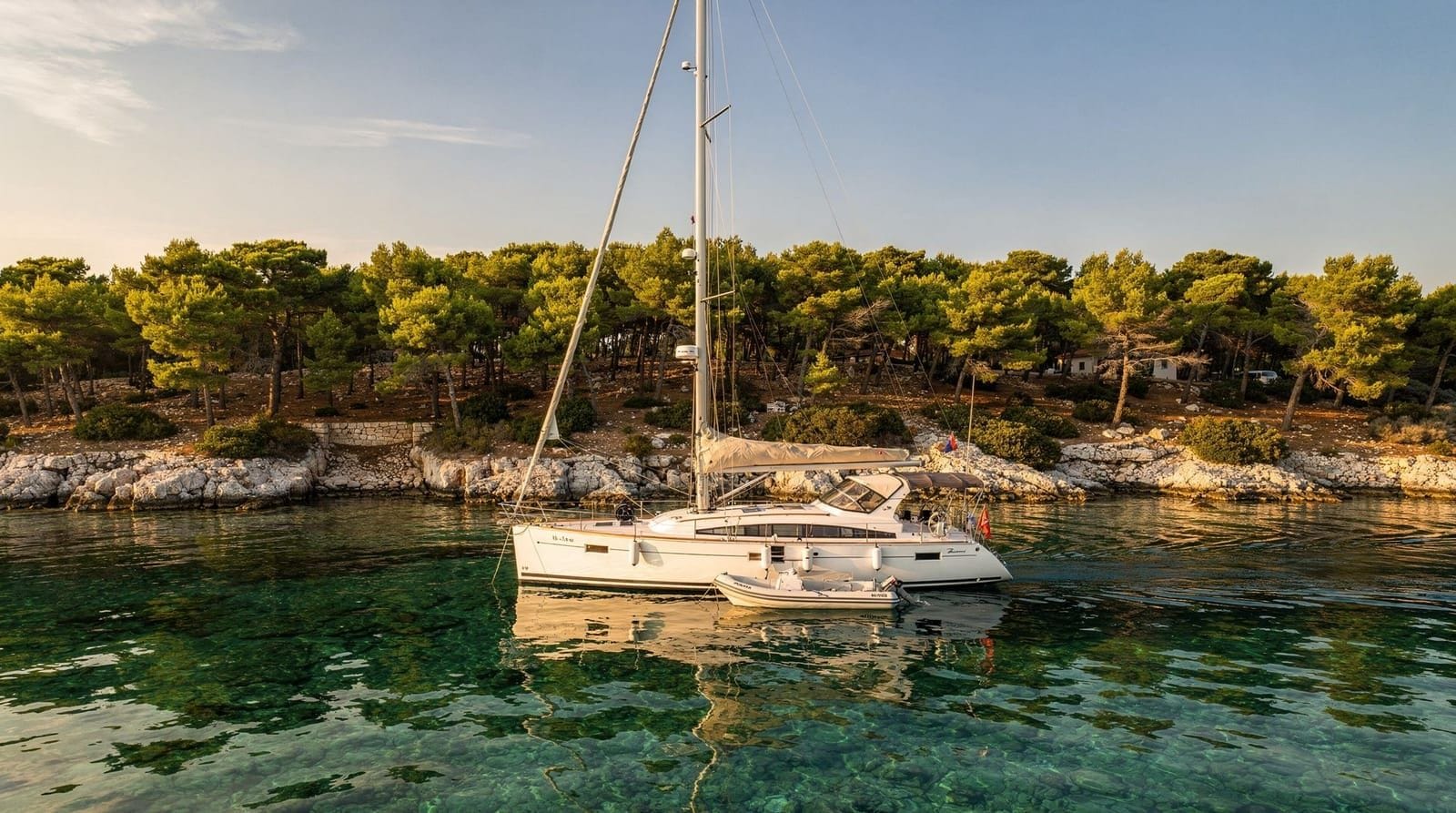
Anchorages: Free anchoring is permitted in most locations outside national parks. Inside national parks (Kornati, Mljet, Lastovo Nature Park), fees apply. The park fees for boats entering Kornati run approximately €15–30 per day depending on boat length and season.
Fuel: Diesel is available at most marinas and at some dedicated fuel stations along the coast. Prices are similar to mainland Croatia (around €1.50–1.80 per litre in 2026). Carry enough fuel for the planned passage if mooring at remote anchorages.
Bareboat vs Skippered Sailing
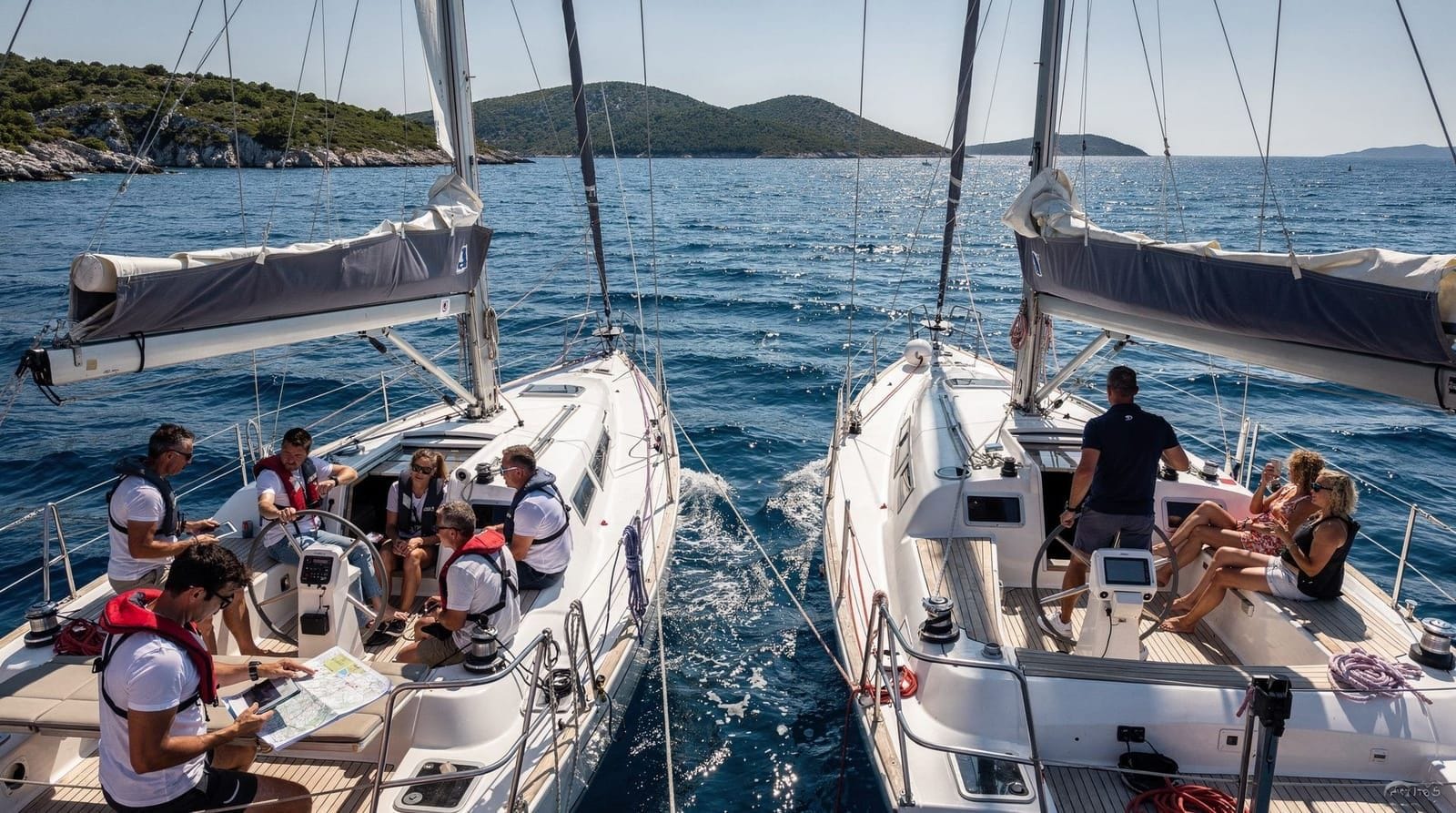
The choice between sailing your own chartered bareboat and hiring a boat with a professional skipper is fundamental. See the dedicated bareboat vs skippered guide for a full comparison.
In brief: bareboat gives full flexibility and control but requires a valid ICC licence, offshore experience and the confidence to handle Mediterranean sailing conditions. Skippered charters are ideal for those who want the sailing experience without the responsibility — the skipper handles navigation, weather decisions and marina manoeuvres.
A middle option: hire a sailing school week where an instructor sails with you and teaches as you go. Several charter companies in Split and Trogir offer these, particularly in May and June.
Essential Paperwork and Regulations
Licence: ICC (International Certificate of Competence) or equivalent national certificate. Checked at charter handover and potentially by harbour police.
VHF licence: Required for operating the boat’s VHF radio. A Short Range Certificate (SRC) is the minimum. Channel 16 is the distress and calling channel; Croatian harbourmasters monitor this.
Crew list (popis posade): Required by Croatian maritime law. Charter companies provide the form; you submit the names and passport details of all crew before departure.
Croatian nautical travel permit (Plovidbena dozvola): Issued by the charter company with the boat — this is the vessel’s permission to navigate Croatian waters.
National park fees: Pay at designated fee points or accept rangers will find you and levy fines.
Coastal radio communication: Harbour authorities broadcast weather forecasts on VHF at scheduled times. In Croatian — learn to interpret the standard wind forecasts or download Croatian Meteorological Service (DHMZ) updates.
What to Know Before You Go
Book marinas in advance: ACI marinas can be reserved online. In peak season, arrive before 4 pm if you want a good berth. Hvar is the hardest to get into.
Provision in Split or Trogir: Large supermarkets near Split harbour stock everything you need. Provisioning on the islands is possible but more expensive and limited in choice.
Water taxis on the Pakleni Islands: Useful for shuttling between your boat and Hvar Town. The taxi runs regularly in season from Palmižana — approximately €4–6 per person each way.
Mediterranean anchoring etiquette: Drop your anchor, let out enough chain (3:1 ratio minimum, more in depth), and check it sets before going ashore. Do not anchor on top of posidonia seagrass (protected, also provides poor holding).
Check-in and check-out: Most Croatian marinas operate a system where you check in with the harbourmaster, receive a quay stamp and pay on departure. Keep your receipt.
Weather planning day to day: Most experienced Croatia skippers check the forecast twice daily in summer — morning before departure and again mid-afternoon before committing to an overnight anchorage, since the maestral’s strength and the risk of an evening jugo shift can both change the calculus for where to spend the night. Apps like Windy and the DHMZ site are the standard references; VHF broadcasts remain the official source and are worth learning to interpret even if you rely on apps day to day.
What to pack for a sailing week: Non-marking deck shoes or sailing sandals, quick-dry clothing, a light waterproof layer even in summer (evening passages can be cool and spray is real), reef-safe sunscreen, a dry bag for phones and cameras, and seasickness tablets even for those who don’t normally suffer — the motion at anchor in a swell surprises people who are fine underway. Most charter boats have basic safety equipment aboard by law, but bring your own first-aid basics for minor cuts and scrapes.
For a practical itinerary built around sailing, see the sailing week from Split itinerary.
Frequently asked questions about Croatia Sailing Guide
Do I need a sailing licence to charter a boat in Croatia?
Yes. Croatia requires a valid sailing licence (ICC — International Certificate of Competence — or equivalent national certificate) plus a VHF radio operator licence for any charted vessel. You also need a crew list (popis posade) filed with harbour authorities. Bareboat charter companies check these before handover.What is the best sailing route from Split?
The classic Split-based circuit goes south: Šolta (overnight), Hvar Town, Pakleni Islands anchorages, Vis, Komiža, then return via Brač. A week is comfortable for this circuit. For longer trips, extending to Korčula, Lastovo and back covers some of the most remote Dalmatian sailing.How much does a bareboat charter cost in Croatia?
A mid-size bareboat (35–40 ft) runs approximately €1,500–2,500 per week in May/June and September, and €2,500–4,500 per week in peak July–August. Prices vary by boat age, equipment and charter company. Add marina fees, fuel, APA (advance provisioning allowance) and park entrance fees for a realistic budget.What are the main Croatian sailing winds?
The maestral is the dominant summer sailing wind — a reliable afternoon sea breeze blowing from the northwest to west, typically force 3–4, making afternoon passages comfortable. The bura is a cold, gusty north-northeast wind that can be strong and sudden, particularly in winter and spring. The jugo (sirocco) blows from the south and brings humid, sometimes rainy conditions. In summer the maestral is your main companion.Do I need to pay national park fees when sailing in Croatia?
Yes. Entering Kornati National Park, Mljet National Park or the Lastovo Nature Park requires a park fee (approximately €15–30 per vessel per day depending on the park and season). Fees are typically collected at the park entrance points or by rangers on patrol. Anchoring within park boundaries without paying is a fineable offence.What is APA on a sailing charter?
APA stands for Advance Provisioning Allowance — an amount (typically 20–30% of the charter fee) paid upfront to cover running costs including fuel, marina fees, park entrance fees and tourist taxes. Unused APA is refunded at the end of the charter; if costs exceed the APA the balance is settled on return.Is Croatia good for beginner sailors?
The central Dalmatian islands offer some of the most forgiving sailing in Europe — sheltered channels between islands, predictable summer winds and a dense network of marinas and anchorages. Complete beginners should take a skippered charter or sailing school course first. Intermediate sailors with basic offshore experience will handle most of the central Dalmatian routes comfortably.
Top experiences
Bookable activities with verified prices and instant confirmation on GetYourGuide.
Top experiences
Best-rated activities across GetYourGuide and Viator.

Blue cave, Mamma Mia and Hvar, 5 islands speedboat tour
- Viator

Blue Cave and Hvar Tour - 5 Islands Tour from Split and Trogir
- Viator

Blue cave, Mama Mia and Hvar, 5 Island Speedboat Tour from Trogir
- Viator

Medulin-Kamenjak 5h boat trip ALL-INCLUSIVE drinks on Sandra Boat
- Viator

Medulin: All-Inclusive Kraken Boat Tour to Kamenjak Cave & Levan
- Viator

3Hour ALL-INCLUSIVE Sunset Dolphin Watching from Medulin onSandra
- Viator