Zagreb Advent Guide: Christmas Markets, Events and What to Eat
| Dates | Late November to 7 January |
| Best weeks | 2nd–3rd week of December |
| Weather | 0–5°C, occasional snow |
| Cost | Free to wander; food/drink around 3–8 EUR/item |
| Getting there | Direct flights to Zagreb; trains from Vienna, Budapest, Ljubljana |
Zagreb’s Advent has been voted Europe’s best Christmas market multiple times — a distinction awarded by a European Christmas Markets association, which gives it genuine credibility even accounting for the promotional enthusiasm with which Croatia’s tourism board deploys the title. The Advent runs from late November through January 7th (Orthodox Christmas), and for those weeks Zagreb becomes a different city: lit, cold, smelling of mulled wine and štrukli, and considerably more festive than its usual central European sobriety would suggest.
This guide covers what the Advent actually consists of, where the main markets are, what to eat and drink, and how to organise a visit.
What the Zagreb Advent is
The Advent is not one market but a network of events spread across the city’s central districts. The main concentrations are on Ban Jelačić Square (the central square), in Zrinjevac Park (the 19th-century park running south from the square), in Strossmayer Square further south, and in the Upper Town (Gornji Grad) around Saint Mark’s Church. Each area has its own atmosphere and offer.
The events run from late November — typically the first Sunday of Advent — through January 7th, with peak activity in the weeks before Christmas (December 18-25) and around New Year.
Ban Jelačić Square: the centrepiece
The main square is transformed into the primary market hub: wooden stalls selling food, hot drinks, craft goods and regional products encircle the equestrian statue of the ban Jelačić and extend into the streets branching off the square. The scale is larger than most visitors expect. The quality of the food stalls varies — some are tourist-oriented; others are genuinely good local producers.
What to drink here: the mulled wine (kuhano vino) is competent if not exceptional; the hot punch (punč) is a more local choice. The roasted chestnuts are better bought from the street vendors along the adjacent streets than from the market stalls themselves.
Zrinjevac Park: the prettiest section
Zrinjevac is the most photogenic part of the Advent. The park’s double row of plane trees are strung with lights, and the wooden stalls along the central path sell food and drinks in a setting that is genuinely more charming than the main square. A bandstand hosts live music throughout the season. The atmosphere in the early evening — dark enough for the lights to be effective, not so late that it gets bitterly cold — is excellent.
The ice rink in Zrinjevac is a popular feature; it operates throughout the Advent period and is well-suited for families. Equipment rental is available.
King Tomislav Square (King Tom): skating and spectacle
King Tomislav Square, at the southern end of the Green Horseshoe (the chain of parks running through the city), hosts the main ice rink, which is consistently the largest outdoor rink in Croatia. The neoclassical Art Pavilion facing the square provides an architectural backdrop for the market stalls. This area tends to be slightly less crowded than the main square and has a more local clientele.
Gornji Grad (Upper Town): atmospheric quiet
The Upper Town, reached by funicular from the lower city, has its own smaller Advent concentration around Saint Mark’s Church and the surrounding streets. The market here is quieter and more artisan-focused; the Christmas lights on the medieval streets have a different character from the commercial energy of the main square. The Lotrščak Tower offers views over the lit city below.
What to eat at the Zagreb Advent
The food is one of the most compelling reasons to visit. Zagreb Advent markets offer an unusual concentration of regional Croatian food that visitors rarely encounter elsewhere:
Štrukli: baked or boiled pastry filled with fresh cheese — the definitive Zagreb comfort food. Both versions are available at the markets; the baked version (pečeni štrukli) with a golden crust is the better choice in cold weather.
Medenjaci: Croatian gingerbread, made with honey and spices and decorated in the traditional style (red lacquered with mirror inserts — these are traditionally not eaten but kept as decorations). The eating version is softer and available plain.
Spit-roasted meats: roasted lamb (janjetina) and pork (odojak) are a winter Advent staple, particularly at the Strossmayer Square market. The smell is part of the experience.
Kobasice: grilled sausages from regional producers, served with mustard and bread. Quality varies by stall; look for stalls indicating the specific county of origin (Slavonia and the Zagorje region produce the best).
Fritule: small sweet fritters, similar to Italian zeppole, dusted with powdered sugar and sometimes filled with raisins or citrus. More associated with Dalmatia but increasingly present at Zagreb markets.
Kuhano vino and punč: mulled wine and hot punch are the standard drinks. Some stalls offer regional variations with Pelješac wine or Istrian Malvazija as the base.
Zagreb food tour — includes traditional Christmas-season specialtiesBeyond the markets: Zagreb in December
The Advent coincides with Zagreb’s museums, galleries and theatres operating at full schedule. The Croatian National Theatre on Marshal Tito Square stages productions throughout December and New Year; booking in advance is advisable for popular performances. The Museum of Arts and Crafts (Muzej za umjetnost i obrt) has excellent permanent collections and is an ideal indoor option in bad weather.
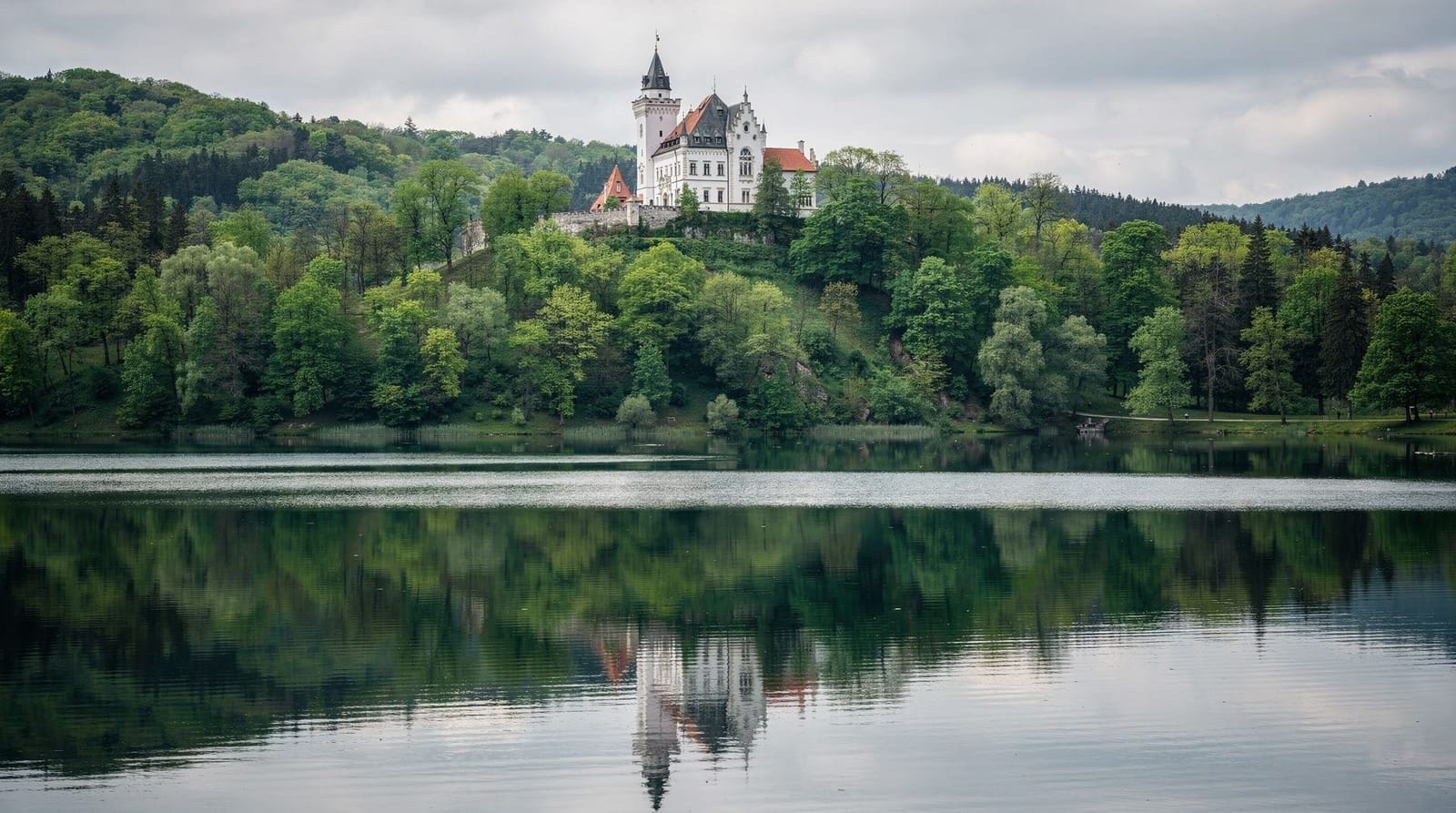
The Zagorje region north of Zagreb is worth a day trip in December: the Trakošćan castle, a 13th-century fortification reflected in a lake, is atmospheric in winter and usually covered in snow from December. The village of Marija Bistrica is a major pilgrimage site with a Christmas market of its own.
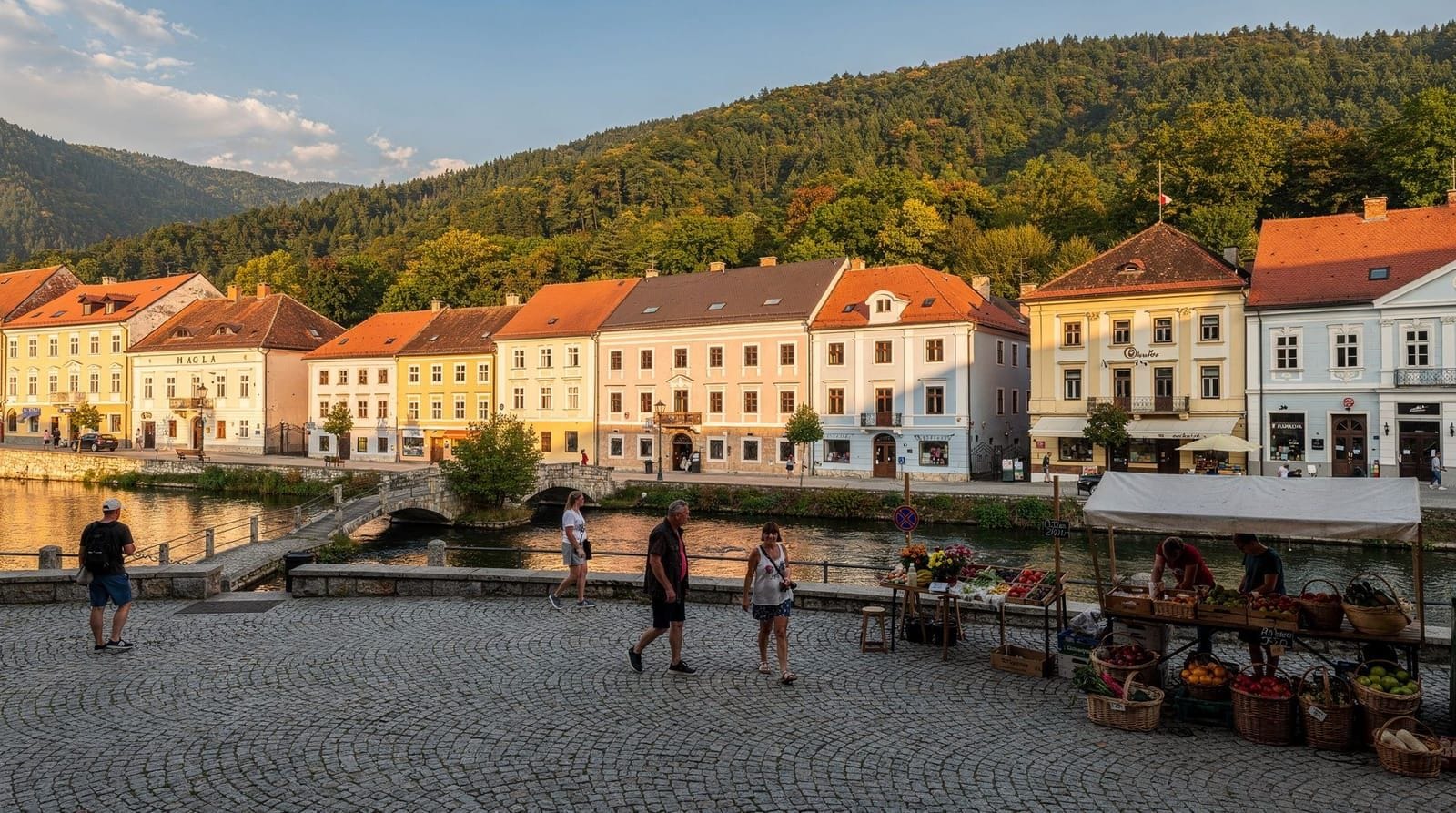
Samobor, a small Baroque town 25 kilometres west of Zagreb, has its own well-regarded Advent market and is the origin of kremšnita (a cream pastry cake) and the Samoborski mustard — both worth seeking out. The Samobor Advent is smaller and more local than Zagreb’s and a good half-day option.
Where to Stay and How Long to Give It
Two nights is the practical minimum to see the Advent properly without rushing — one evening for the main square and Zrinjevac, a second for the Upper Town and King Tomislav Square, with daytime hours left for museums or a day trip to Samobor or the Zagorje castles. Staying in or near the Lower Town, within walking distance of Ban Jelačić Square and Zrinjevac, removes the need for taxis or trams late at night when the markets are at their most atmospheric and the streets are busiest.
Three nights allows a more relaxed pace: one evening per major market area, a full day trip to Zagorje or Samobor, and a spare morning for the museums that get overlooked in the market rush — the Museum of Arts and Crafts and the Mimara Museum both reward an hour or two, particularly on a cold or wet morning when an indoor option is welcome.
A Note on Doing the Advent Well
The Zagreb Advent rewards patience more than most Christmas markets — it’s genuinely spread across a city rather than concentrated in one square, and visitors who stick to Ban Jelačić Square alone see perhaps a third of what’s on offer. The best version of an evening here involves starting at the main square for the initial buzz, moving to Zrinjevac as the crowds thin slightly, and finishing in the Upper Town, where the funicular ride up and the quieter streets around Saint Mark’s Church provide a natural wind-down before heading back for a late dinner.
Locals tend to treat the Advent as a series of small evening outings across several weeks rather than one big visit, which is worth keeping in mind if planning a short trip — you’re compressing what Zagreb residents spread across a month into two or three nights, and pacing yourself matters more than trying to see everything on night one.
Practical notes for visitors
When to visit: the second and third weeks of December are optimal for atmosphere and weather. Christmas Eve and Christmas Day are quieter — markets may have reduced hours. New Year’s Eve in Zagreb is well-organised with outdoor events, but also very crowded.
Weather: Zagreb in December averages 0 to 5°C with occasional snow. Snow transforms the Advent into something genuinely magical; check forecasts for the week you intend to visit.
Accommodation: Zagreb hotels are well-priced compared to coastal Croatia. December accommodation is generally available without extreme advance booking, unlike summer on the coast.
Getting there: Zagreb is accessible by direct flights from most European cities. Train connections from Vienna (about 6 hours), Budapest (3 hours) and Ljubljana (2 hours) make it viable for a short break from neighbouring countries.
Currency: Croatia adopted the EUR in January 2023. No currency exchange required from Eurozone countries.
The Zagreb Advent is a genuine event rather than a manufactured tourism product. It has grown significantly in the past decade, which has brought some commercial standardisation to the market stalls, but the core — the food, the music, the lights on Zrinjevac’s plane trees, the štrukli steam rising in the cold air — remains worth the trip.
Choosing your market area
| Area | Atmosphere | Best for |
|---|---|---|
| Ban Jelačić Square | Big, commercial, central | First-timers, food stalls |
| Zrinjevac Park | Photogenic, tree-lit, live music | An unhurried evening |
| King Tomislav Square | Ice rink, less crowded | Families, skating |
| Gornji Grad (Upper Town) | Quiet, artisan-focused | A calmer finish to the evening |