Croatia Road Trip: 12-Day Self-Drive Itinerary
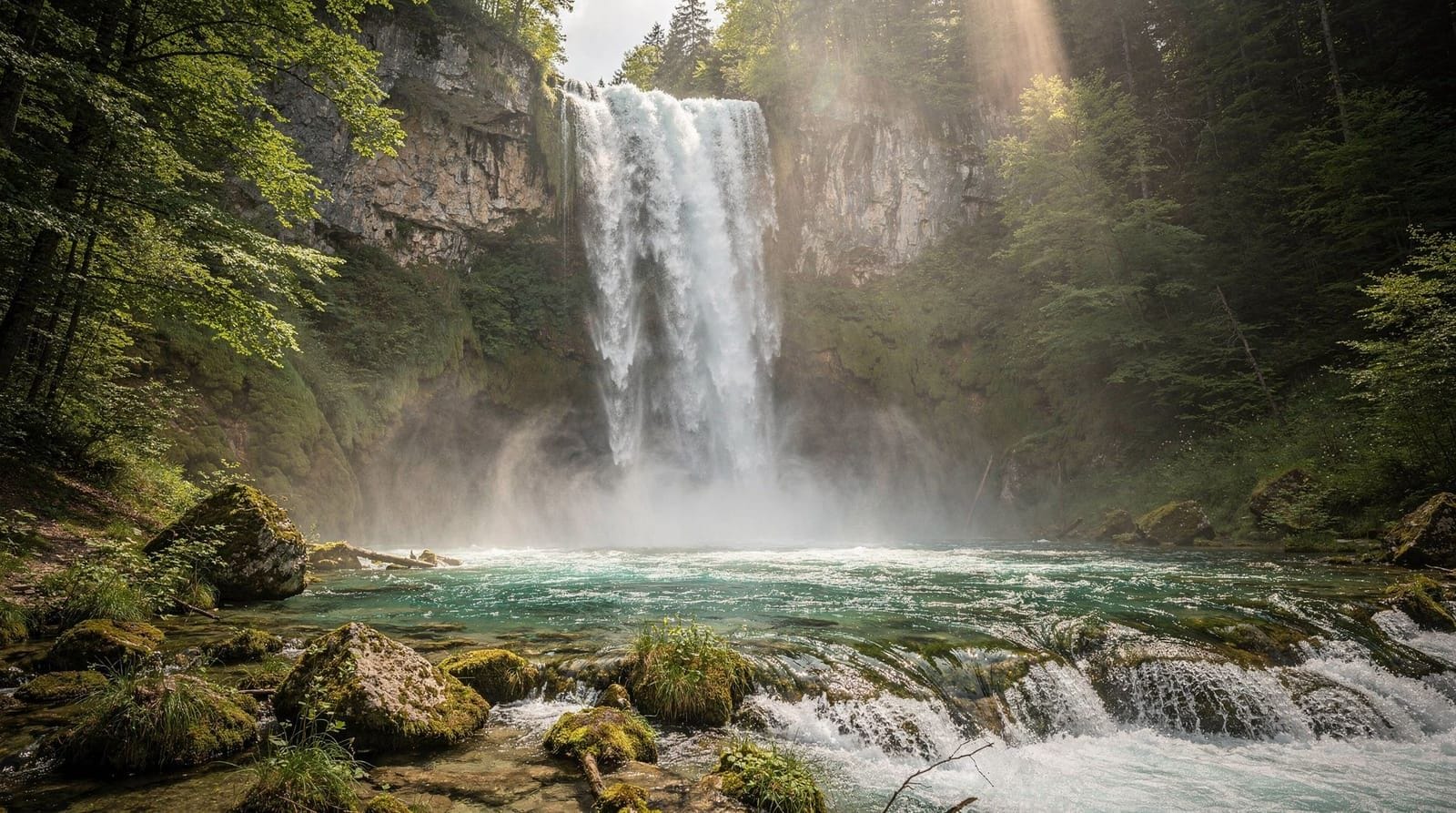
Split: Krka waterfalls day trip with wine tasting
Driving Croatia: what you need to know first
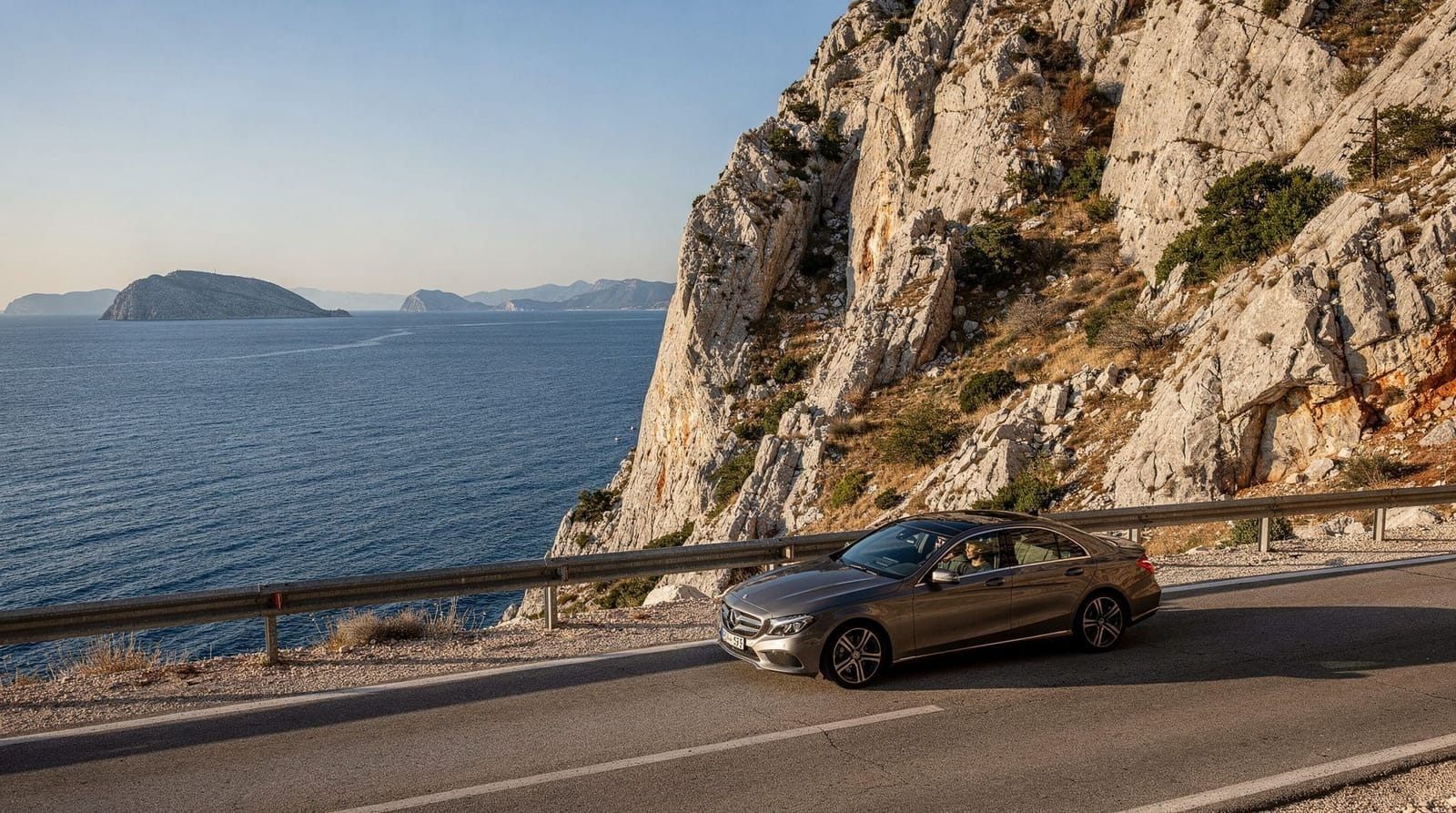
Croatia’s road network is excellent by Balkan standards — the A1 motorway (Autocesta) runs from Zagreb to Split in a fast, efficient 4-hour corridor, and a separate toll road serves the Istrian peninsula. The coastal road (Jadranska Magistrala), where you leave the motorway, is one of the most scenic drives in Europe but is significantly slower and congested in summer.
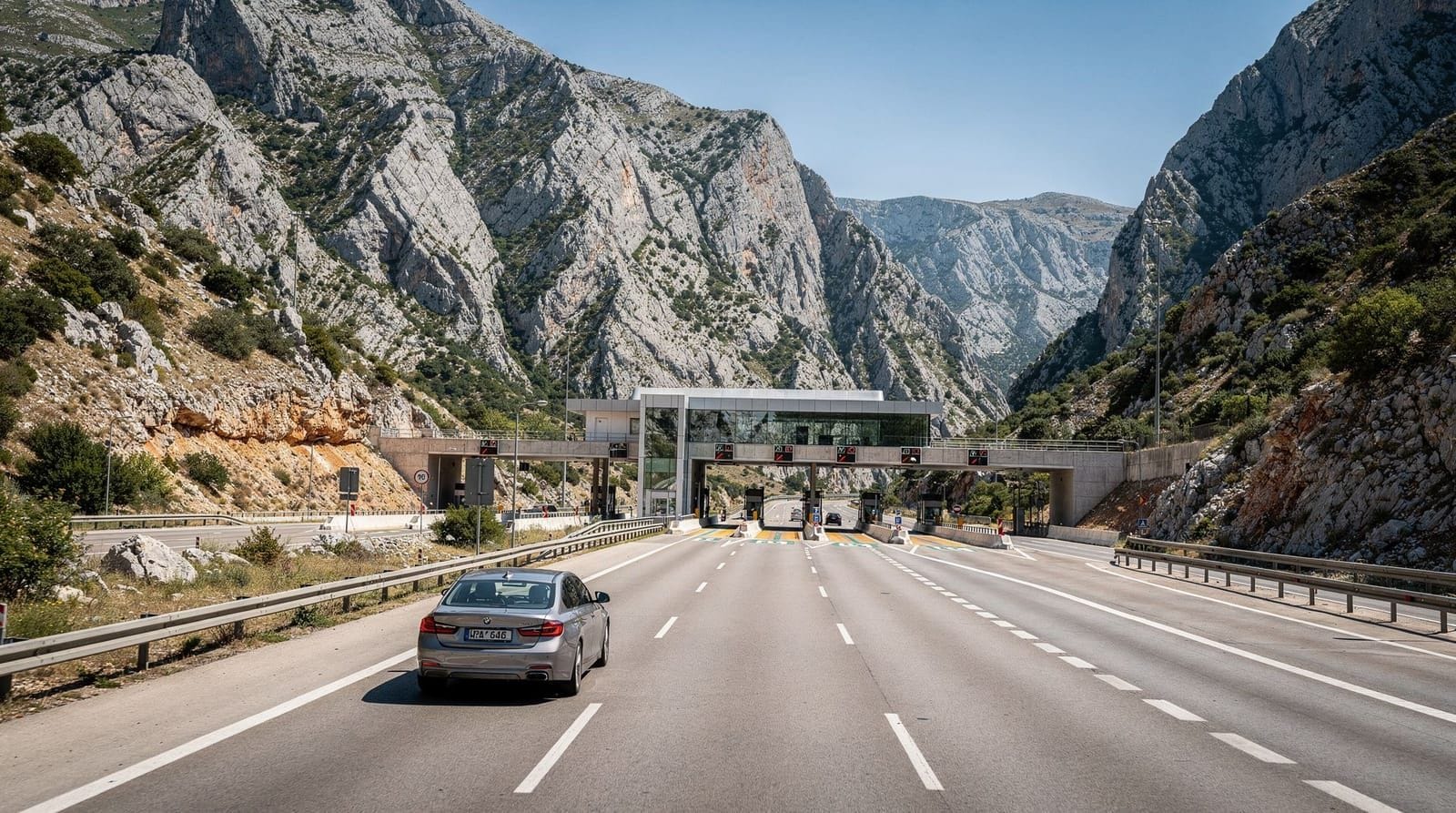
Toll system: Croatia uses a point-to-point toll system (not a vignette). You take a ticket on entry and pay on exit. Typical costs: Zagreb–Split ≈ €26; Zagreb–Zadar ≈ €18. Keep change (coins or card) ready at toll booths, though most accept contactless.
Driving in summer: The coastal road (D8/Jadranska Magistrala) between Zadar and Split, and again between Split and Dubrovnik, slows dramatically in July and August. Leave early (07:00–08:00), drive the key stretches before midday, and avoid the coastal road on Saturday afternoons (peak changeover day for weekly rentals).
Parking: Split’s old town has no tourist parking inside; use the Garaža gradska (underground) near the bus station. Dubrovnik’s Old Town is inaccessible by car — park at the Ilijina glavica car park above the Pile Gate (expensive in summer: €1–3/hour) or in Lapad. Driving in Croatia has more detail.
| Route | Zagreb → Plitvice → Zadar → Split → Makarska → Ston → Dubrovnik |
| Car needed | Yes, entire route, one-way rental |
| Cost | around €1,400–2,100 per person, flights extra |
| Tolls + fuel | around €115–155 total for the route |
| Best time | June or September |
For a car-free version of most of this route, see the 10-day Dalmatia itinerary, which skips Zagreb, Plitvice and Zadar in favour of ferries between the islands. Renting a car in Croatia covers insurance, one-way fees and what to check before booking.
Day 1: Zagreb — arrive and explore the capital
Fly into Zagreb Airport (ZAG). Pick up your rental car at the airport — this is a one-way rental (Zagreb pickup, Dubrovnik drop-off); confirm the drop-off fee when booking, as one-way fees vary significantly between companies.
Do not drive anywhere today. Zagreb deserves a full first day. The Upper Town (Gornji Grad), Dolac market, St. Mark’s Church, and the Museum of Broken Relationships are all within walking distance of the Stradun area. The Lower Town has trams, café culture, and the excellent Mimara Museum.
Evening: dinner in the Upper Town lanes, where locals eat. Zagreb is significantly cheaper than the coast.
Where to sleep (Zagreb, 1 night): Hotel Jägerhorn (boutique, Upper Town), Hilton Zagreb (central, comfortable mid-range), or a guesthouse in the Gradec area.
Day 2: Zagreb to Plitvice Lakes (2.5 hours)
Leave Zagreb on the A1 south toward Karlovac, then exit onto the older road through Slunj to Plitvice. The drive takes about 1.5–2 hours from Zagreb.
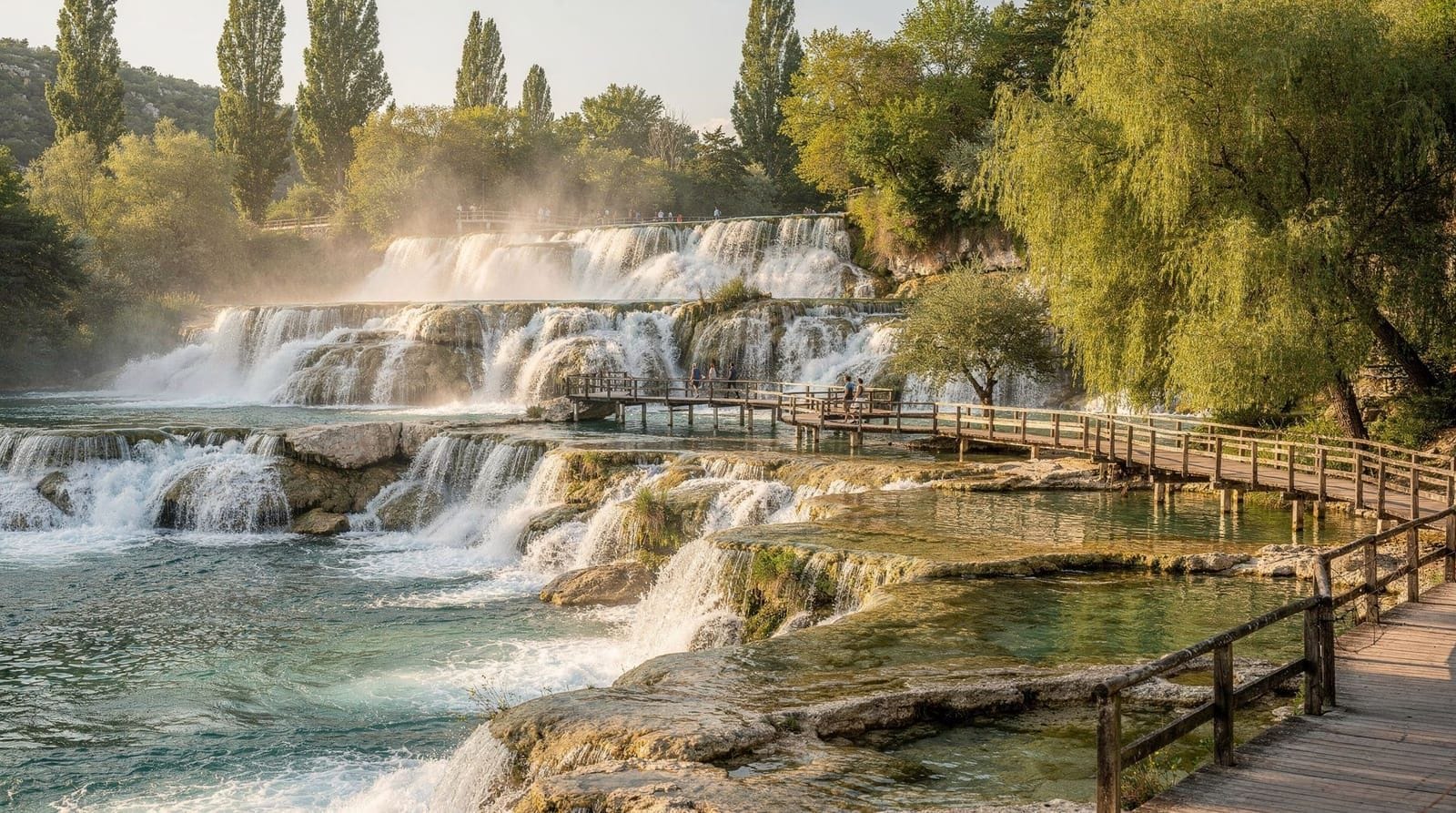
Arrive at Plitvice Lakes National Park by 09:00. This is Croatia’s most-visited sight — 16 terraced lakes connected by waterfalls on boardwalks — and it earns every visitor. Spend 4–5 hours: the Lower Lakes for the most dramatic waterfalls, the boat across Kozjak for a slower interlude, and the Upper Lakes for space and quiet.
Drive from Plitvice to Zadar in the afternoon (130 km, 1.5 hours on the winding road through Gračac, or 2 hours on the A1 motorway and coastal road). Arrive in Zadar by early evening.
Where to sleep (Zadar, 1 night): Hotel Bastion (boutique, midtown), Almayer Art and Heritage Hotel, or apartments in the old town.
Day 3: Zadar — Roman ruins, Sea Organ, Kornati access
Zadar’s old town is a compact peninsula with a surprising density of Roman, Byzantine and Venetian layers. The Forum (1st-century AD) and the round Church of St. Donatus (9th century) sit side by side. The Roman column is still there; the archaeological museum has context.
Walk to the western waterfront at sunset for the Sea Organ — Nikola Bašić’s installation where wave action generates music through perforated steps — and the Greeting to the Sun (a circular solar installation that glows at dusk). Zadar’s sunsets are spectacular; the setting on the open Adriatic with islands in the distance is as good as anywhere in Dalmatia.
Drive to Split in the afternoon (160 km, 1.5–2 hours on the A1 motorway).
Day 4–6: Split — palace, Trogir, Krka
Three nights in Split — long enough to do the city justice and make two day trips without feeling rushed.
Day 4: Full day in Split. The Diocletian’s Palace in the morning — cellars, Cathedral of St. Domnius, Peristyle courtyard, the Mestrović Galleries in the afternoon.
Day 5: Krka National Park day trip (75 km north, 1.5 hours). The Skradinski Buk waterfall sequence is the headline; the boat to Visovac monastery island is the refined bonus.
Day 6: Trogir morning (30 minutes from Split, park at the main car park and walk across the bridge) and a boat trip to the Blue Lagoon in the afternoon. Trogir’s Romanesque cathedral portal is the finest carving in Croatia; the medieval town takes 2 hours to explore.
Parking in Split: The old town has no tourist parking inside the palace walls. The best car park is the Garaža gradska underground car park near the bus station (overnight rates are reasonable). Many apartment hosts have parking arrangements; ask when booking.
Where to sleep (Split, 3 nights): Apartments inside or near the palace walls for the full experience. Hotel Peristil for a mid-range hotel with old town access. For parking convenience: hotels with private parking in the Meje or Zvončac neighbourhoods.
Day 7: Split to Makarska (75 km, 1.5 hours)
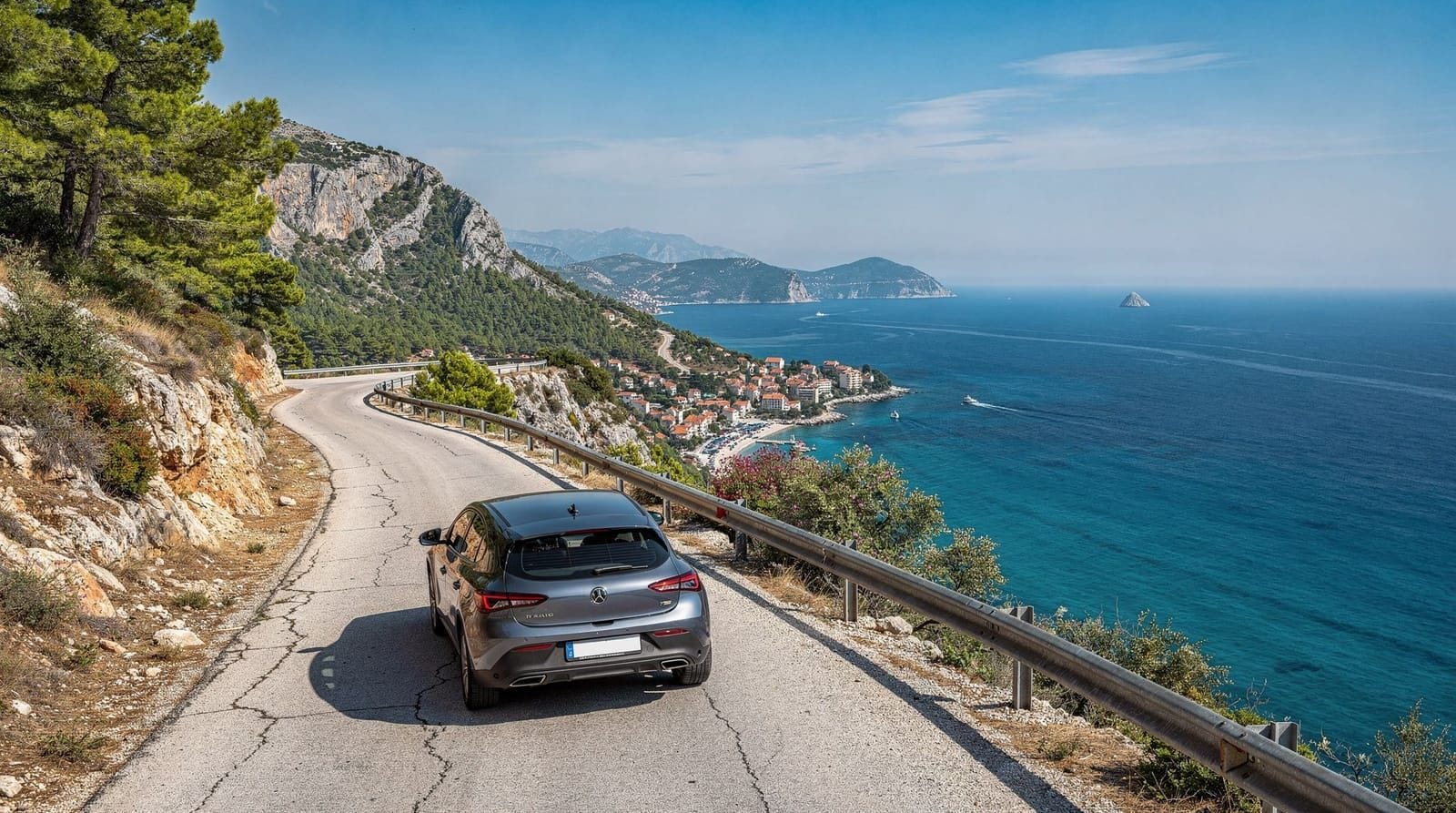
The drive south along the Makarska Riviera is one of the most scenic sections of the coastal road — limestone mountains rising sheer from the sea, a series of beach towns facing the long island of Brač across the water.
Makarska is a pleasant, relatively affordable beach resort — not as polished as Split or Dubrovnik, but with a long pebble beach, a old town framed by the Biokovo mountains, and a good selection of mid-range accommodation. The Biokovo Nature Park skywalk (1,700 m altitude, 30 minutes above Makarska by car on a steep road) has extraordinary views. Not for vertigo sufferers.
Where to sleep (Makarska, 1 night): Hotel Biokovka, Hotel Park, or guesthouses on the promenade. Makarska is significantly cheaper than Split.
Day 8: Makarska to Pelješac and Ston (100 km, 2 hours)
Drive south along the coast, cross the Pelješac Bridge (opened 2022, bypassing the Bosnian Neum corridor that used to interrupt the coastal road — no longer any border crossing needed), and arrive on the Pelješac peninsula.
Ston is the first town on Pelješac and one of the most historically interesting: the medieval defensive walls (the longest in Europe after the Great Wall of China) and the Mali Ston bay oyster farms. Eat a dozen oysters at the waterfront — they are extraordinary.
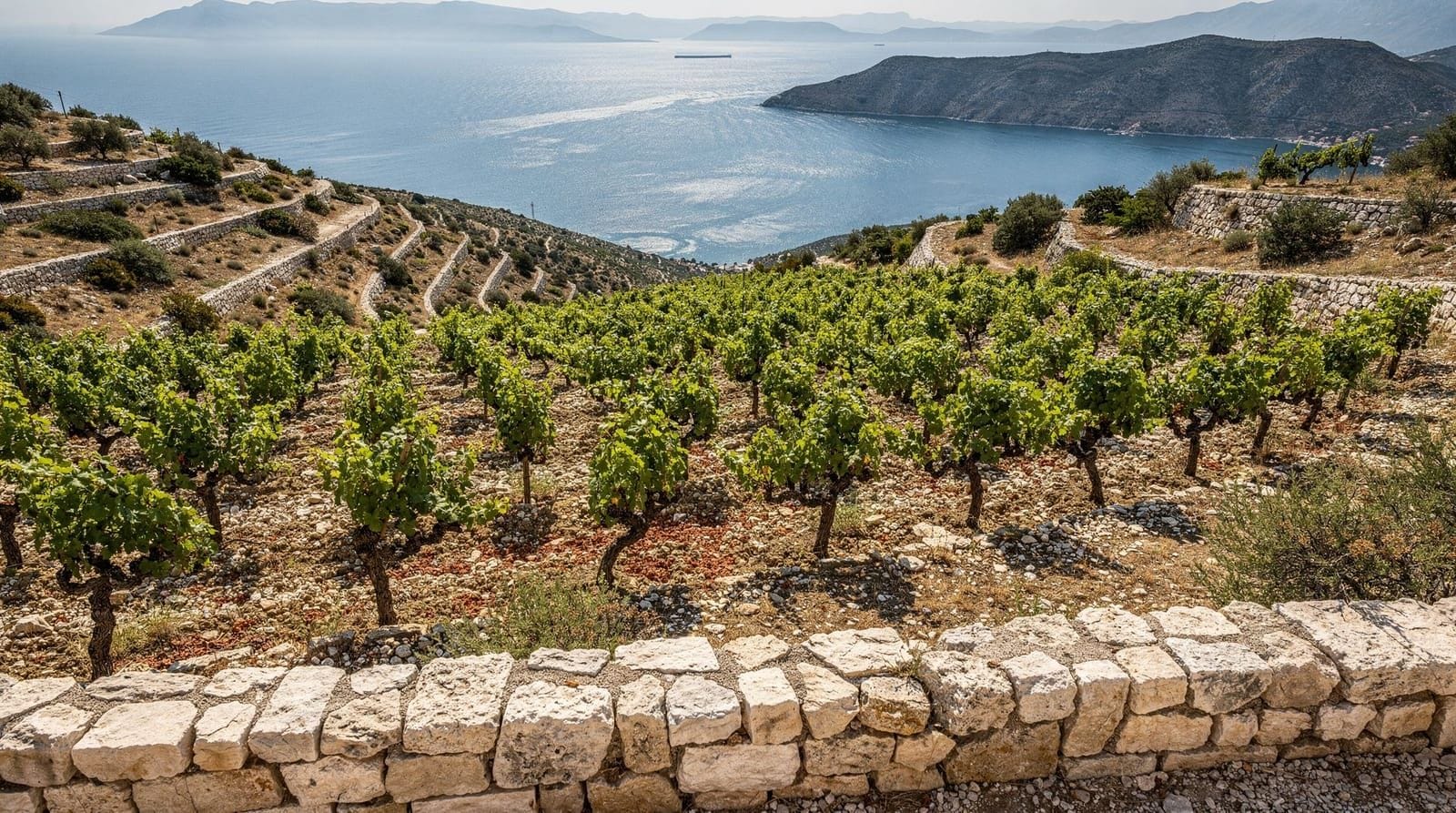
Drive the length of the Pelješac peninsula (50 km) through the wine villages of Potomje (gateway to the Dingač vineyards), Trstenik and Orebić, before taking the ferry to Korčula (20 minutes from Orebić to Korčula Town) — or continue directly south toward Dubrovnik via the coastal road.
Where to sleep: Either a night in Korčula Town (recommended for a character-filled detour) or continue 2 hours south to Dubrovnik.
Day 9: Korčula Town (optional) or Dubrovnik
If you stayed in Korčula: explore the medieval old town in the morning, have lunch in Korčula, and drive to the ferry for Orebić. From Orebić, the drive to Dubrovnik takes about 2 hours on the coastal road (or 3–3.5 hours including stops).
If you drive directly from the south: arrive Dubrovnik and check in. Park in the Ilijina glavica car park above Pile Gate (expensive in summer) or at Gruž (further, but cheaper). For a Lapad hotel, most have their own car park.
Dubrovnik parking note: Do not try to drive into the Old Town; pedestrian zones are enforced. Once parked, use local buses (very good) or walk for all Old Town visits.
Day 10–12: Dubrovnik — three days in the Old Town
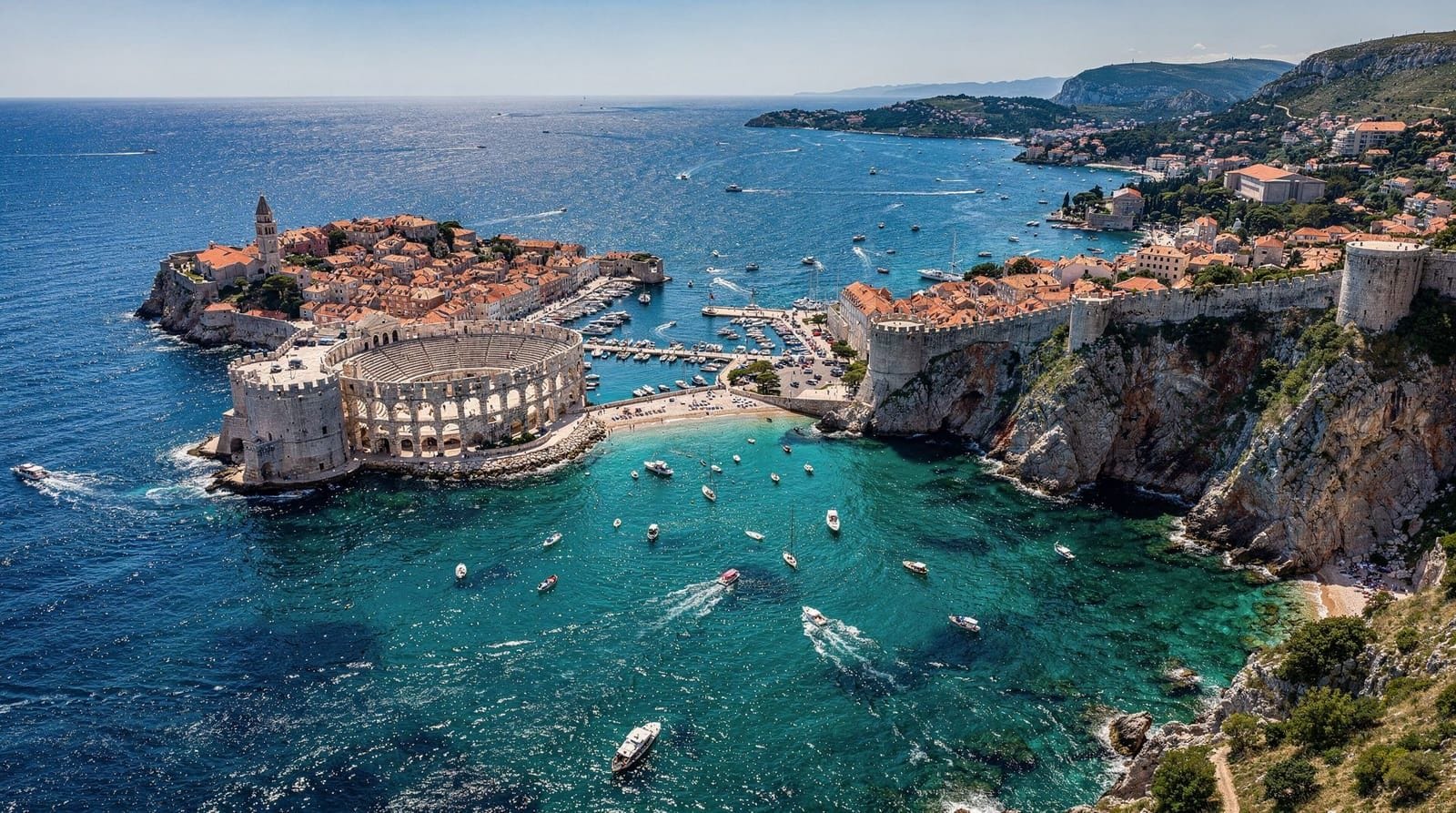
Three full days in Dubrovnik allows you to cover the essential sights without rushing and to have one relaxed day.
Day 10: City Walls circuit (2 km, 1.5 hours) — the non-negotiable first activity. Fort Lovrijenac, Rector’s Palace, Dominican Monastery.
Day 11: Lokrum Island (10-minute ferry from Old Harbour; ~€20 return). The island has a botanical garden, a medieval monastery, a saltwater lake, and filming locations from Game of Thrones. Cable car up to Mount Srđ at sunset.
Day 12: Elaphiti Islands boat cruise in the morning. Return the rental car at Dubrovnik Airport (20 km south) and depart.
Returning the car: Most rental companies have a desk at Dubrovnik Airport. Return by the time specified in your contract. One-way fee from Zagreb applies; budget €50–150 for this depending on company and season.
Day-by-day summary
| Day | Base | Highlight |
|---|---|---|
| 1 | Zagreb | Upper Town, arrival |
| 2 | Zadar | Drive via Plitvice Lakes |
| 3 | Zadar | Roman ruins, Sea Organ, drive to Split |
| 4–6 | Split | Palace, Krka day trip, Trogir |
| 7 | Makarska | Coastal drive, Biokovo skywalk |
| 8 | Korčula or Dubrovnik | Pelješac Bridge, Ston oysters |
| 9 | Dubrovnik | Arrival or Korčula morning |
| 10–12 | Dubrovnik | City Walls, Lokrum, Elaphiti Islands, depart |
Choosing which stretches to drive versus skip
Not every traveller wants twelve days behind the wheel. The Zagreb–Plitvice–Zadar stretch (days 1–3) is hard to replicate without a car and is the strongest reason to choose this itinerary over a ferry-only alternative. The Split–Makarska–Ston stretch (days 7–8), by contrast, largely parallels ferry and bus routes that also work well — if driving fatigue is setting in by Split, it is reasonable to drop the car there and finish the trip on public transport and organised tours instead, similar to the back half of the 10-day itinerary. Getting around Croatia compares driving against buses and ferries stage by stage.
Combining with Bosnia and Montenegro
Because the Pelješac Bridge removed the old Neum border crossing, this route no longer requires entering Bosnia and Herzegovina at all — worth knowing if your rental agreement or insurance restricts cross-border driving. If you do want to add Mostar or Kotor, however, cross-border driving permission needs confirming with the rental company in advance; see Pelješac Bridge and Neum for the full logistics, and the Dubrovnik–Mostar–Kotor circuit for a dedicated route if you have 2–3 extra days at the end.
Split or Omiš Cetina River rafting tripIf you want an active detour rather than another beach day, the Cetina River gorge near Omiš (a short drive south of Split) offers whitewater rafting through dramatic limestone canyon scenery — a good half-day add-on to days 4–6 if the pace allows.
FAQ
Is a rental car necessary for this itinerary, or could I do it by bus and ferry? A car is genuinely useful for days 1–3 (Zagreb, Plitvice, Zadar), where bus connections are slower and less frequent. From Split onward, most of the same stops are reachable by bus and ferry, so if driving isn’t appealing, consider dropping the car in Split and finishing the trip using the 10-day Dalmatia itinerary as a guide for the southern half.
Do I need to cross into Bosnia and Herzegovina on this route? No. The Pelješac Bridge (opened 2022) lets you drive the entire coastal route from Split to Dubrovnik without touching Bosnian territory at Neum, which used to interrupt the coastal road.
Road trip practicalities
Total driving distance: Approximately 850–950 km Zagreb to Dubrovnik via this route.
Total toll costs: Approximately €45–65 (A1 Zagreb–Split stretch is the main one; the coastal road is toll-free; Pelješac Bridge is currently toll-free).
Fuel: Around €70–90 for the full route at 8 L/100 km. Fill up before the coastal sections; petrol stations thin out on Pelješac.
Best time: June or September. July–August means coastal road congestion and parking nightmares in Dubrovnik.
Top experiences
Bookable activities with verified prices and instant confirmation on GetYourGuide.