Croatia in winter
Is Croatia worth visiting in winter?
Yes, if you know where to go. Zagreb's award-winning Advent market (December–early January) is one of Europe's best. Dubrovnik, Split and Rovinj work as quiet winter city breaks. The coast and islands largely close, but inland Croatia and Plitvice in snow have their own magic.
| Coast temp | around 5–12°C, mild but wet |
| Zagreb temp | often below 0°C, continental |
| Sea temp | around 12–13°C, no swimming |
| Best for | Zagreb Advent, Plitvice in snow, quiet city breaks |
| What’s closed | most island businesses, beach infrastructure, catamarans |
| Prices | annual floor on the coast, Dec premium in Zagreb |
Two Croatias in winter
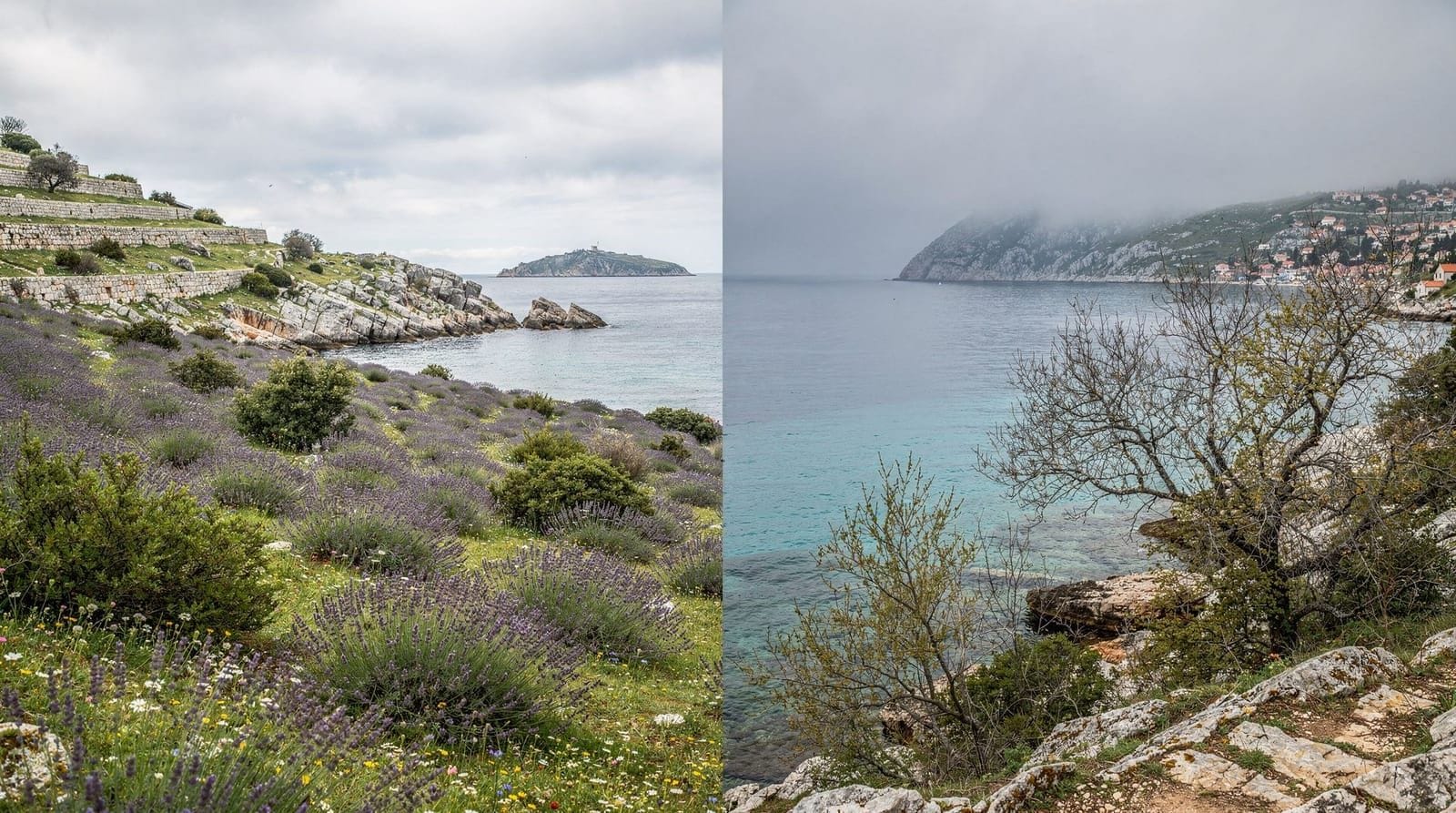
There is the coastal and island Croatia most people picture — Adriatic blue, stone harbours, summer ferries — and there is inland Croatia, centred on Zagreb, operating on a completely different logic.
In winter, coastal Croatia is largely dormant. Zagreb is very much alive.
If you understand this distinction, winter travel to Croatia can be genuinely rewarding. If you arrive at a closed-up island town in January expecting a working restaurant, you will be disappointed.
What closes in winter
Islands. Most businesses on smaller islands — restaurants, accommodation, tour operators, boat trips — close between October/November and April/May. The inhabited islands continue to function for residents, and ferries run, but a visitor arriving on Hvar, Vis or Korčula in February will find a beautiful but largely shuttered place.
Catamaran services. Many passenger catamaran routes stop entirely in winter or reduce to 2–3 sailings per week. Car ferries to major islands continue year-round, less frequently.
Beach infrastructure. Water taxis, sunbed rentals, beach bars: closed from October/November.
Tour operators. Most activity operators (sea kayaking, diving, boat excursions, cycling tours) are closed from November through April.
What stays open
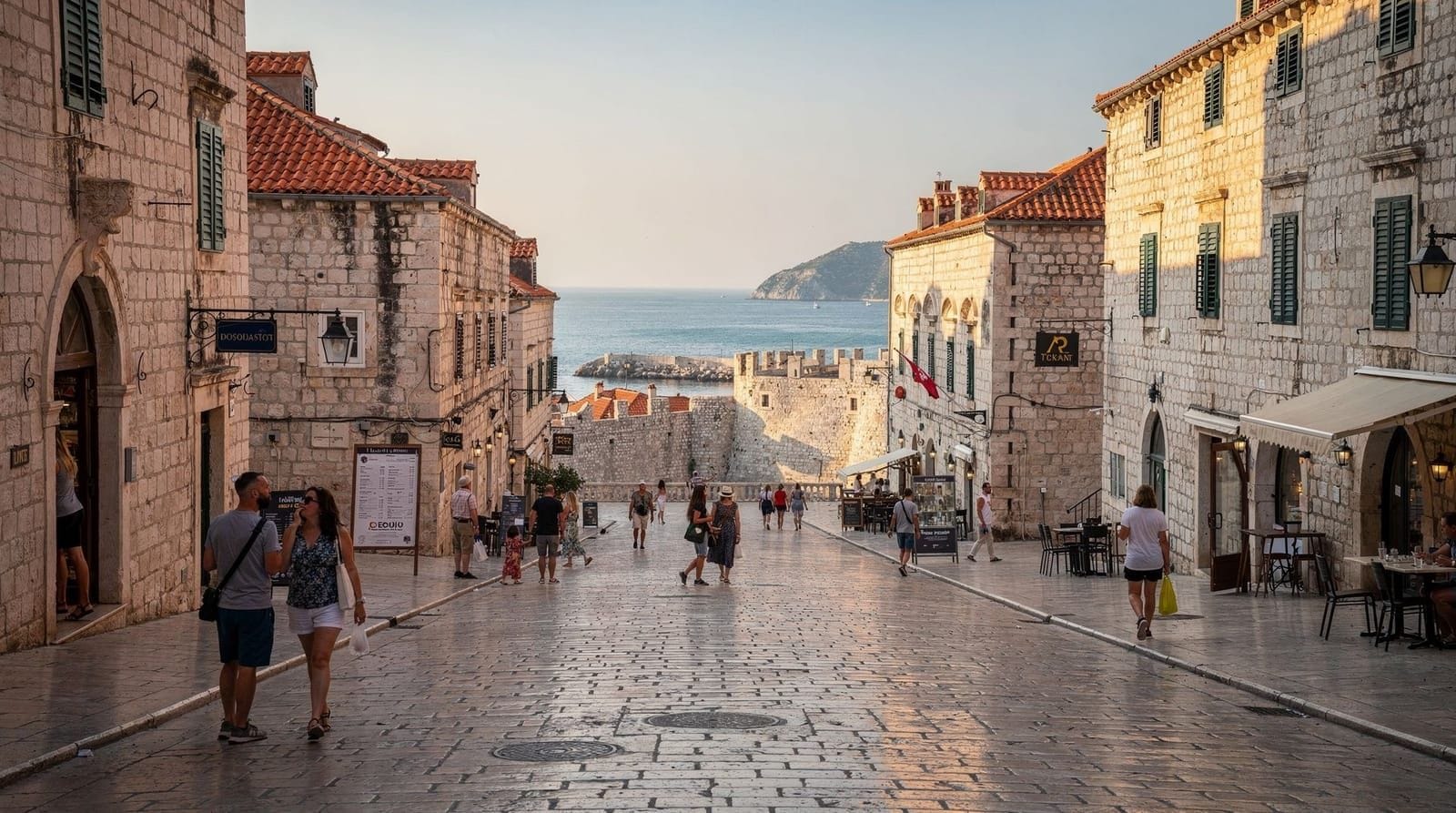
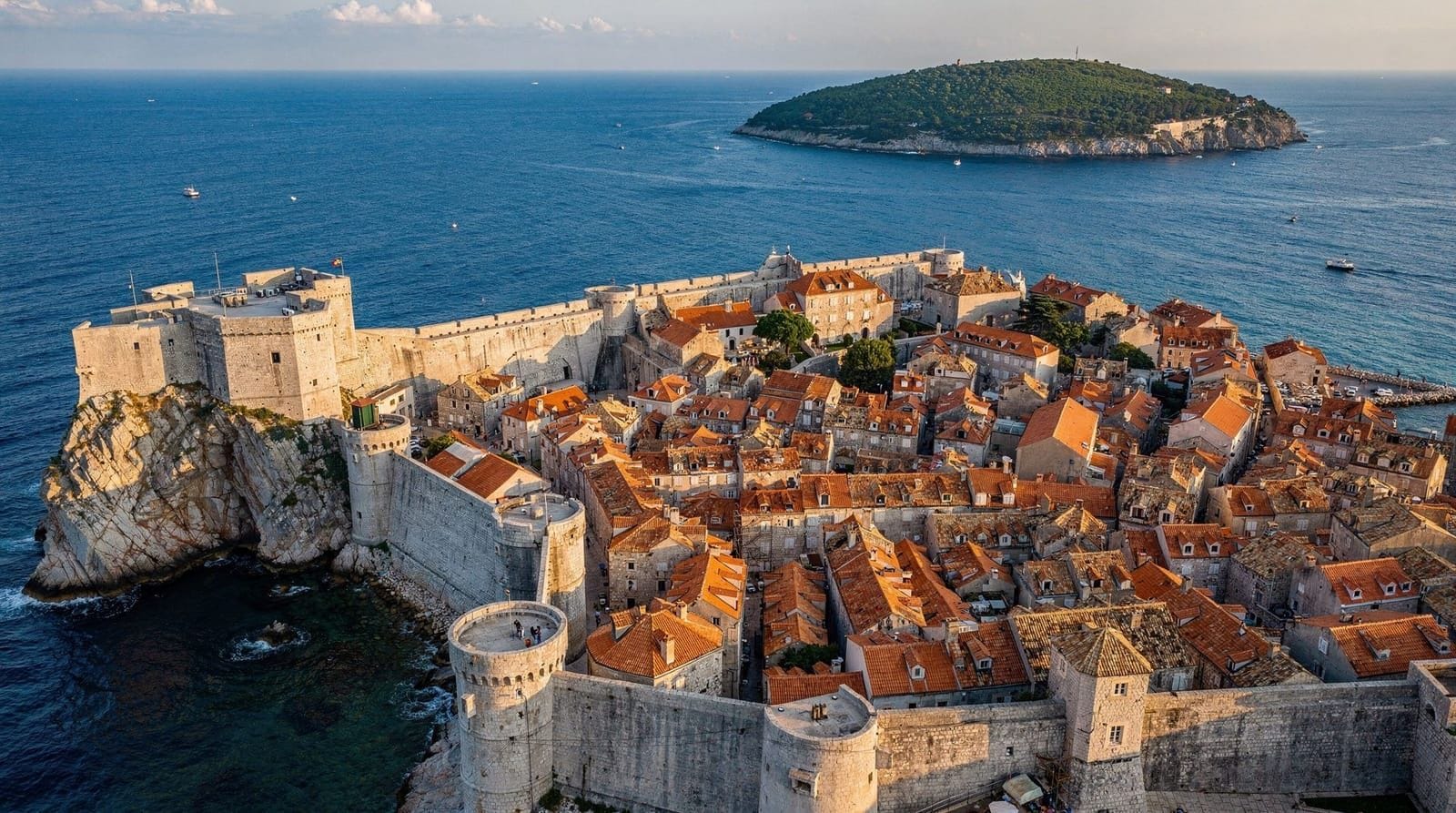
Dubrovnik remains fully functional in winter. Hotels, restaurants and the Old Town itself are open. The city walls are open year-round. Cruise ships still call occasionally. Visitor numbers are a fraction of summer — the city has an atmospheric, quiet quality that many travellers find more appealing than the August crowd.
Split is Croatia’s second city and an active working town. Diocletian’s Palace is lived-in year-round; restaurants, bars and coffee shops function normally. The ferry terminal is busy connecting the mainland to the islands.
Rovinj in Istria is one of the coast’s most photogenic winter destinations. The old town on its peninsula is stunning in grey winter light, and the town remains pleasantly functional through the cold months.
Plitvice Lakes stays open year-round. Winter — particularly January–February — can produce extraordinary conditions: icy waterfalls, frosted boardwalks, the entire park in near-silence. Entry tickets are cheap and plentiful. Check weather forecasts and the park website for conditions; heavy snowfall can close some trails.
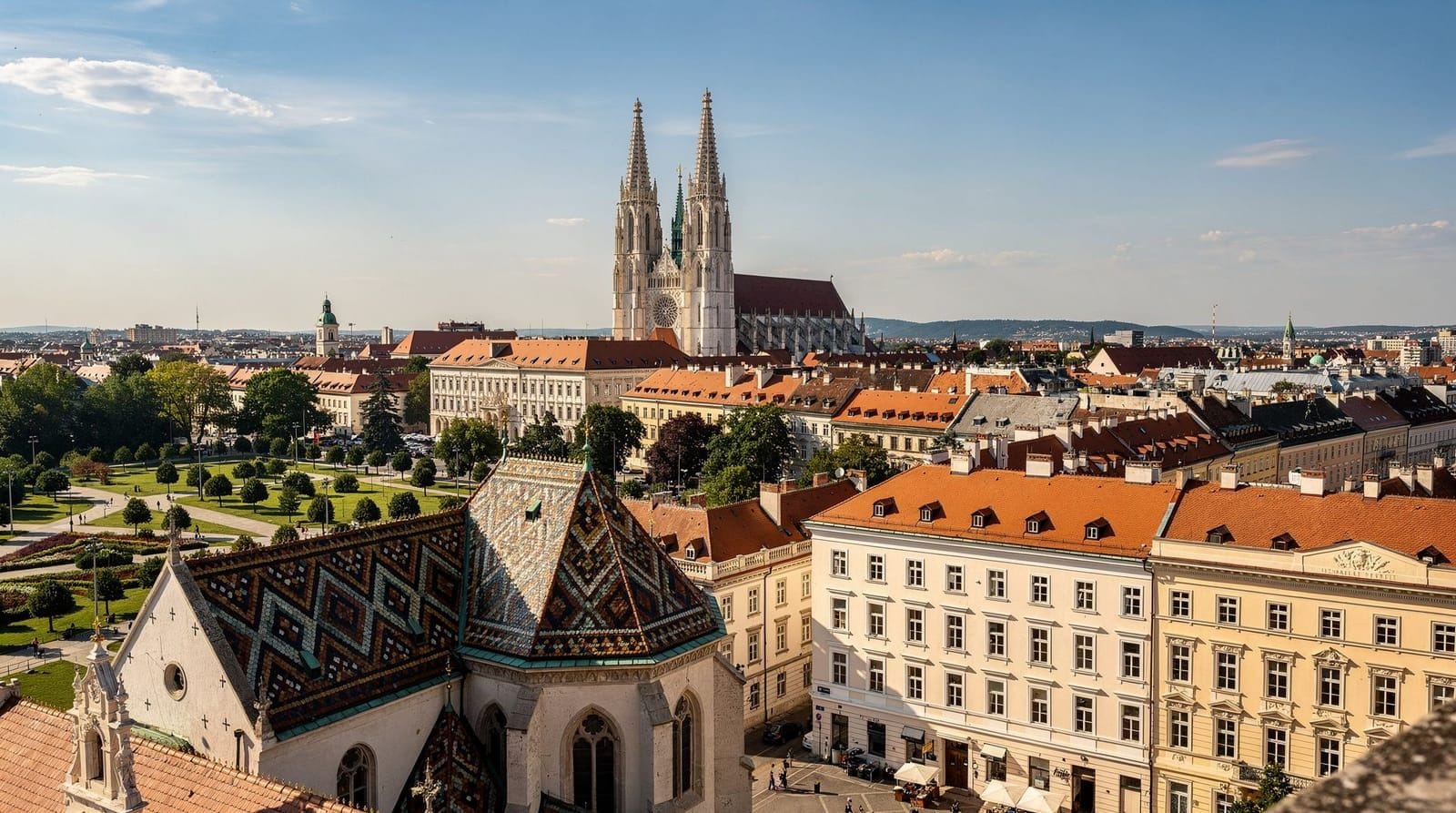
Zagreb is fully alive year-round. Croatia’s capital has a genuine metropolitan cultural calendar: museum openings, theatre, live music, market halls. In December, it transforms into one of Europe’s most celebrated Advent destinations.
Zagreb in winter: the main event
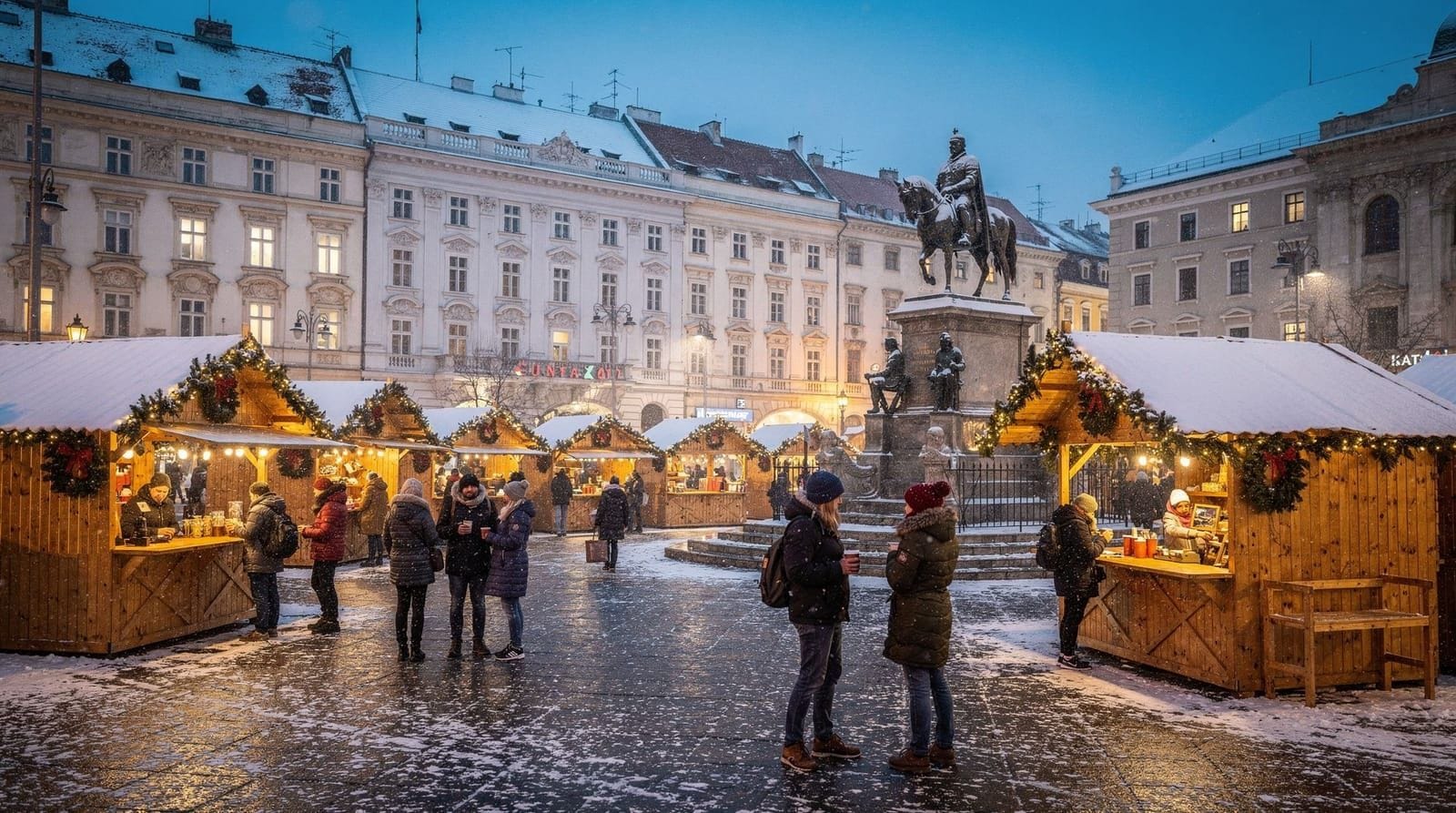
Zagreb’s December Advent market is not a tourist gimmick — it is a genuine European cultural event. The market runs from late November through early January, centred primarily on Ban Jelačić Square and extending into Zrinjevac Park and the Upper Town (Gornji Grad).
What makes it stand out. Unlike many Christmas markets that have become interchangeable pan-European events, Zagreb’s market retains a distinct Croatian character. The mulled wine (kuhano vino), štrukli (baked cheese pastry), čvarci (crispy pork rinds), grilled lamb and regional rakija reflect actual Croatian food culture rather than tourist confection.
The market has been awarded the title of Europe’s best Advent market by Shortlist readers — and previous readers of the now-defunct Shortlist City Guide awards — multiple times. Rival European cities have noticed and Zagreb’s December reputation has grown substantially.
Upper Town in December. The funicular to the Upper Town (Gornji Grad) runs through winter; the St. Mark’s Square area with its famous tiled church roof and the Croatian Parliament building is beautiful in a light dusting of snow. The Lotrščak Tower is worth the climb.
Practical December Zagreb. Book accommodation early — December attracts visitors from across Europe for the market. Prices are higher in December than the rest of winter but still well below summer coastal rates. The city is fully walkable; use trams to cover distances.
For a detailed guide, see Zagreb Advent.
Dubrovnik in winter: the quiet version
Dubrovnik in winter has a quality that summer visitors never experience. The Old Town — a UNESCO-listed medieval city cram-packed with 10,000 cruise passengers on an August afternoon — is navigable at human pace. You can linger at Onofrio’s Fountain without a crowd, walk the walls in near-solitude, and have a restaurant table with a view of the port without planning a week ahead.
Sea temperature: 12–13°C — cold, nobody is swimming. But the sea still gleams in winter light.
What’s open: Most restaurants and hotels in the Old Town operate year-round. Museum entry is easier. Tours still run, including walking tours of the Old Town.
What’s closed: Day trips to the Elaphiti Islands and longer boat excursions are mostly suspended. The cable car to Mount Srđ runs on reduced winter hours; check before going.
Costs: December–February accommodation prices in Dubrovnik can be 50–60% below the August peak. A city that feels unaffordable in summer becomes a genuinely reasonable short break in winter.
Plitvice Lakes in winter
Plitvice in winter is one of Croatia’s genuine surprises. The cascading lakes system — normally seen in the context of boardwalk-queues and summer heat — in January or February looks like a different place entirely.
When temperatures drop below freezing (roughly December–February), the upper lakes can develop ice, and the smaller cascades freeze partially or entirely. The lower lakes tend to remain flowing, creating dramatic contrasts of rushing turquoise water and iced-over banks.
The absence of crowds makes the experience intimate in a way that summer simply cannot replicate. You can stand at a viewpoint without waiting for twenty smartphones to get out of the shot.
Practical winter Plitvice visit:
- The park is open year-round; reduced entry hours in winter (check the national park website)
- Entry tickets are significantly cheaper in winter and available without advance booking
- Some wooden boardwalk sections close during heavy snowfall or ice
- Dress in proper layers; the park is 600–800m altitude and significantly colder than the coast
- The shuttle boats and park train also run year-round, though less frequently
A day trip from Zagreb to Plitvice in January or February — a roughly 2-hour drive — is one of the more unusual and memorable things you can do in Croatia. For a longer winter itinerary combining Zagreb, Plitvice and a coastal city, see the Croatia itinerary planning guide — winter’s shorter days and reduced facilities mean a slower, more deliberate pace works better than a summer-style itinerary crammed with stops.
Winter destinations compared
| Destination | What’s open | Vibe | Best for |
|---|---|---|---|
| Zagreb | Fully open, December Advent market | Festive, metropolitan | December city break, Christmas markets |
| Dubrovnik | Old Town restaurants/hotels, walls | Quiet, atmospheric | Off-season city break, photography |
| Split | Fully functional working city | Local, everyday Croatia | Base for Plitvice or Krka day trips |
| Rovinj | Old town partially open | Photogenic, low-key | A quiet coastal weekend |
| Plitvice Lakes | Open year-round, reduced hours | Silent, sometimes frozen | Nature, uncrowded photography |
Rijeka Carnival: February’s other headline event
Alongside Zagreb’s Advent, Rijeka’s Carnival is winter’s other genuine cultural draw. One of Europe’s oldest and largest carnival celebrations, it builds through January and peaks with the International Carnival Parade the week before Ash Wednesday — thousands of costumed participants, brass bands and elaborate floats through the city centre. It’s a completely different winter experience from Zagreb’s Advent calm: loud, theatrical and street-level. Combine a February trip with a day or two in Zagreb or a detour to Opatija on the Kvarner coast, a short drive from Rijeka.
Month-by-month winter breakdown
November
The coast winds down fast in November. Restaurants in Split and Dubrovnik remain open; most island businesses close by mid-month. Zagreb moves into its autumn cultural programme. Plitvice is excellent — autumn colour fading into bare trees, waterfalls well-fed from October rains, minimal visitors.
December
Zagreb dominates December. The Advent market, the Christmas atmosphere, the museums and food scene — it is the country’s winter headline event. Dubrovnik has a quiet charm, and Split offers a working Croatian city break with the palace as backdrop. The coast is cool but mild (8–12°C).
January
The quietest month on the coast. Many businesses are closed. Prices at their annual floor. Zagreb is cold (often below 0°C) but functional. Plitvice in winter conditions is exceptional if the weather cooperates.
February
Similar to January. Rijeka’s Carnival is the February highlight: one of the region’s oldest and most theatrical carnival celebrations, with historical roots going back centuries, usually peaking in the week before Ash Wednesday.
March
The very beginning of the thaw. Some coastal businesses start reopening. Zagreb moves into spring mode — café terraces cautiously emerge. Plitvice begins its pre-spring surge (snowmelt waterfalls are imminent). A mild March week on the Dalmatian coast — Dubrovnik or Rovinj — is quiet but pleasant.
Practical winter planning
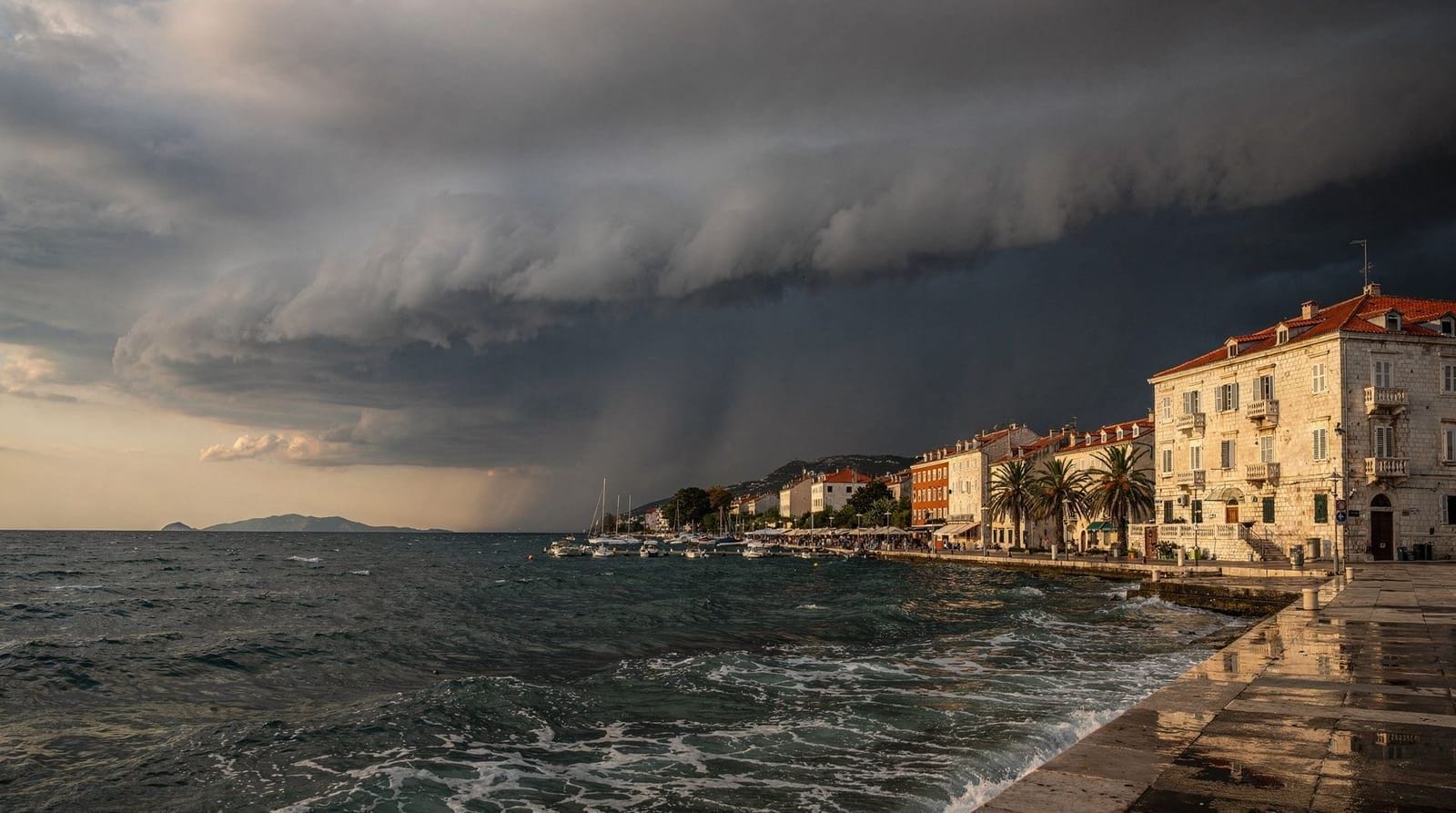
Clothing: Layers are essential. Coastal Croatia in winter is mild but can be wet; the Bura (cold northeast wind) can make it feel colder than the temperature suggests. Zagreb in January–February requires proper winter clothing. Good waterproof shoes are more useful than sandals.
Driving: In winter, snow chains or winter tyres are legally required in Croatia when driving in mountain areas (Gorski Kotar, Velebit approaches). Check conditions before driving to Plitvice from the coast via the mountain road.
Transport: Buses between cities (Zagreb–Split–Dubrovnik) run year-round and are comfortable. Trains work well for Zagreb and the interior. Coastal ferries continue on reduced timetables.
Accommodation: Book Dubrovnik and Zagreb in December — even in winter, these cities attract visitors and good options sell out. January–February on the coast, anything goes; you have negotiating power.
Opening hours: Museums, galleries and cultural sites typically run year-round in major cities; many reduce their hours slightly. Always check in advance for smaller sites.
Is winter good for a budget trip? Yes — the coast hits its cheapest prices of the year in January–February, and even December Zagreb is well below summer coastal rates. See the Croatia on a budget guide for a fuller cost breakdown, and pair a winter trip with the Croatia itinerary planning guide to sequence Zagreb, Plitvice and a coastal city sensibly.
Frequently asked questions about Croatia in winter
What is Croatia like in winter?
The Dalmatian coast and islands go quiet: many hotels and restaurants close, ferry services run minimal timetables, and sea temperatures drop to 12–13°C. Zagreb and interior Croatia remain fully open and vibrant, particularly in December for the Advent market.When is Zagreb Advent?
Zagreb's Advent market typically runs from late November through early January, centring on Ban Jelačić Square and spreading across the Upper Town. It has been voted the best Advent market in Europe multiple times by Shortlist readers.Can I visit Plitvice Lakes in winter?
Yes, and it can be stunning — frozen waterfalls and snow-dusted boardwalks with almost no crowds. The park stays open year-round (reduced winter entry hours). Check current conditions on the park website before visiting; heavy snowfall occasionally closes some routes.Is Dubrovnik open in winter?
Yes. Dubrovnik is a year-round city with a solid restaurant and cultural scene even in December–February. Visitor numbers are a fraction of summer. Hotel rates are significantly lower. It is an excellent winter city break destination.How cold does Croatia get in winter?
The Dalmatian coast rarely drops below 5°C even in January, with averages of 8–12°C. Zagreb is colder — continental winters can drop below 0°C, with occasional snow. The mountains (Velebit, Gorski Kotar) can be genuinely snowy and cold.Are ferries running in winter?
Yes, but on reduced timetables. Main car ferries between Split and the inhabited islands (Hvar, Brač, Korčula, Vis) continue year-round, but less frequently. Some catamaran services stop entirely or reduce to 2–3 sailings per week. Many island businesses are closed regardless.What is the cheapest time to visit Croatia?
January–February are the cheapest months on the coast, with accommodation prices at their annual floor. However, many facilities are closed. December is good value in Zagreb (Advent brings visitors but not the summer premium). April and October offer the best balance of low prices and facilities being open.
Top experiences
Bookable activities with verified prices and instant confirmation on GetYourGuide.
Top experiences
Best-rated activities across GetYourGuide and Viator.

Mostar and Herzegovina Tour with Kravica Waterfall from Split & Trogir
- Viator

3Hour ALL-INCLUSIVE Sunset Dolphin Watching from Medulin onSandra
- Viator

Dolphin Watching & Sunset Boat Tour With Drinks & optional Dinner
- Viator

Fantastic DOLPHIN & SUNSET TOUR with dinner ( Pula-NP BRIJUNI )
- Viator

Medulin :All-Inclusive Pirate Boat Dolphin Watching Sunset Cruise
- Viator

Mostar & Kravice waterfalls full-day guided tour from Split
- Viator