Cavtat travel guide
Complete guide to Cavtat — Dubrovnik's quieter neighbour with a Renaissance mausoleum, harbour promenade, Adriatic swimming and easy boat or bus…
Dubrovnik: Half-day wine tasting and Cavtat city tour
Quick facts
- Best time
- May–Oct
- Days needed
- Half to 1 day
- Getting there
- Bus from Dubrovnik (45 min, €3) or boat (30 min)
- Budget per day
- €50–€130
Why visit Cavtat when Dubrovnik is 18 km away? Because Dubrovnik in July has 10,000 tourists per day in a walled town built for 5,000 inhabitants, and Cavtat has a palm-lined harbour, several excellent konobas, and the most extraordinary mausoleum in Dalmatia — all without the crowds. Cavtat was a significant Greek and Roman settlement (ancient Epidaurum) long before Dubrovnik existed; its medieval successor became the hometown of the 17th-century painter Vlaho Bukovac, and its 20th-century connection is Ivan Meštrović’s Račić Mausoleum, considered one of the sculptor’s finest works.
| Where | Dubrovnik Riviera, 18 km south of Dubrovnik |
| Cost | Around €50–€130/day |
| Time needed | Half to 1 day |
| Getting there | Bus from Dubrovnik (45 min, ~€3) or boat (~30 min) |
| Best time | May–June and September–October |
Getting to and around Cavtat
By bus from Dubrovnik: Local bus line 10 runs from the Dubrovnik bus station (Gruž) via Pile Gate to Cavtat every 30–40 minutes (45 minutes, €3). This is the most convenient and cheapest option.
By boat from Dubrovnik: Boats depart from Dubrovnik’s old harbour multiple times daily in season (April–October), arriving at Cavtat’s main waterfront in 30 minutes. The boat ride along the coast is scenic; the return can be taken by bus. One-way boat ticket approximately €10.
By car from Dubrovnik Airport: Cavtat is 5 km from the airport — many visitors spend their first or last night here rather than in Dubrovnik itself, avoiding the airport transfer to the city.
Within Cavtat: The town is built around two bays on a small peninsula; everything is walkable in 20–25 minutes.
What to see and do in Cavtat
Račić Mausoleum
This is Cavtat’s singular masterpiece and a work of art that would be more widely celebrated if it were anywhere but the shadow of Dubrovnik. Built in 1922 by sculptor Ivan Meštrović for a wealthy Cavtat shipping family, the white stone mausoleum stands on a cypress-covered hilltop at the tip of the Cavtat peninsula. The exterior combines classical and art nouveau elements; the interior holds bronze reliefs, marble carvings, and stained glass that together represent one of Meštrović’s most complete and emotionally powerful ensembles. Entry approximately €5. Open most days May–October.
Rector’s Palace and Bukovac House
Cavtat’s small Rector’s Palace (Knežev dvor) holds a museum of local history and the remarkable paintings of Vlaho Bukovac (1855–1922), Croatia’s most significant 19th-century painter and a figure of international reputation in his lifetime. Bukovac House (his birthplace, Bukovčeva 5) has been preserved as a museum of his life and atelier; the frescoed rooms are unexpectedly fine.
Harbour promenade and beaches
Cavtat’s Riva (harbour front) runs in a curve around the main bay and provides the best people-watching in the southern Dubrovnik Riviera. Cafes, restaurants, and a small boat harbour line the promenade. The two beaches flanking the peninsula — Tiha Beach (sheltered, popular with families) and Rat Beach (longer, slightly more exposed) — have clear water and reasonable pebble/concrete platforms.
Wine and coast
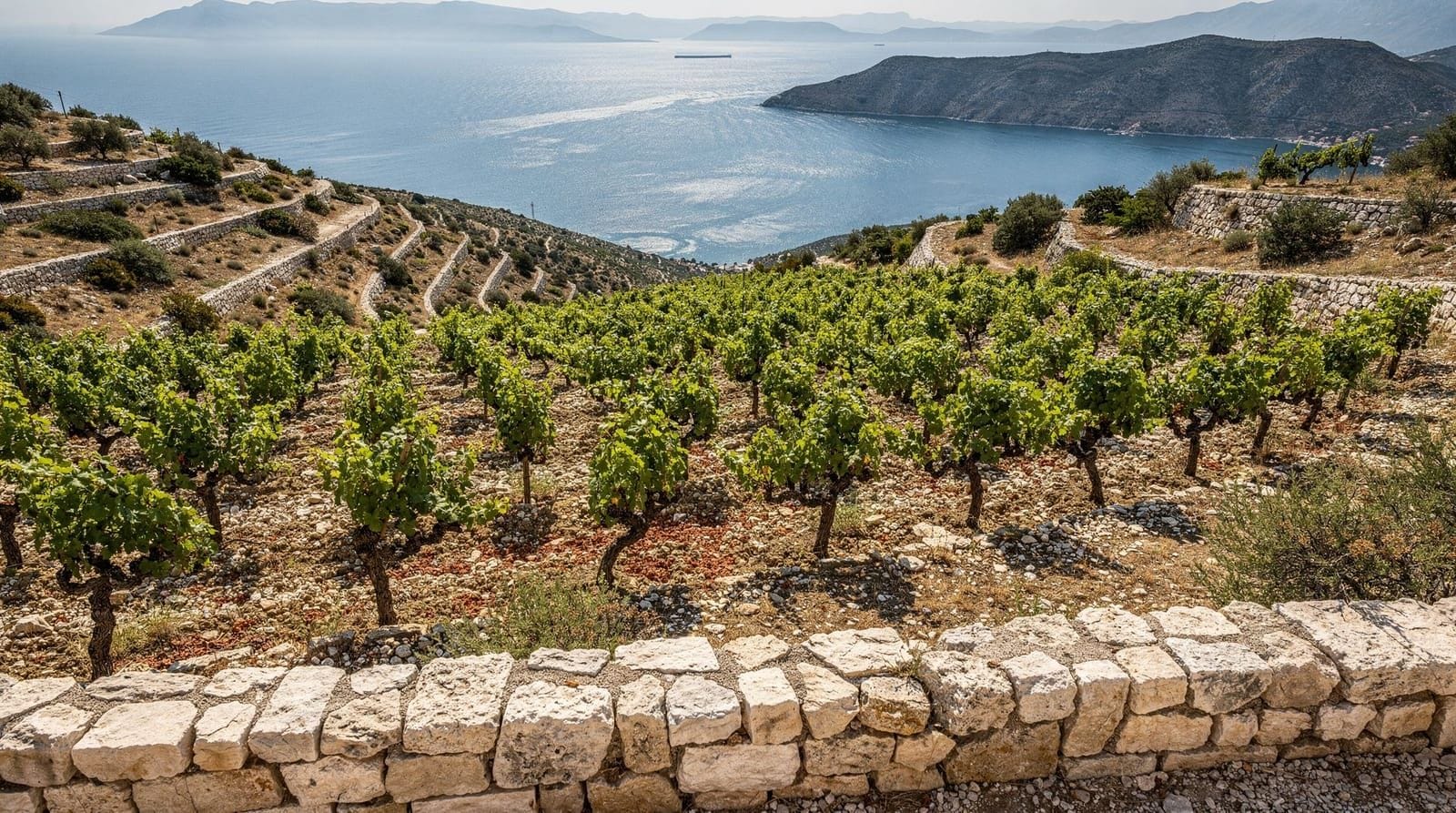
A combined Cavtat and Konavle Valley wine-tasting half-day is an efficient use of a Dubrovnik afternoonThe Konavle Valley immediately south of Cavtat is one of Croatia’s quietest wine-growing areas, producing distinctive white wines (Dubrovačka Malvasija) and local spirits. Several wine estates offer tastings by appointment; organised half-day tours from Dubrovnik often combine Cavtat with a Konavle winery visit.
Cavtat’s ancient history
Before Dubrovnik existed, Cavtat was one of the most significant settlements on the eastern Adriatic. Ancient Epidaurum (founded by the Greek city of Issa, now Vis, in the 3rd century BC) became a Roman municipium of considerable importance. The town was largely abandoned after Avar raids in the 7th century — and its refugees founded Ragusa (Dubrovnik). The Roman street plan is still faintly visible in Cavtat’s layout; fragments of Roman building are embedded in later walls throughout the old town. The Archaeological Collection (Zbirka arheoloških nalaza, housed in the Rector’s Palace) displays coins, glassware, and pottery from the Epidaurum period.
The Konavle Valley
Cavtat is the gateway to the Konavle Valley — Croatia’s southernmost region, a narrow fertile plain between Biokovo’s coastal spur and the Montenegrin border. The valley is largely off the tourist radar, which makes it ideal for those wanting authentic encounters with Dalmatian rural life.
Konavle wine: The valley produces Dubrovačka Malvasija (a distinctive amber-coloured white wine) and other local varieties. Several estate cellars offer tastings by appointment. Organised half-day Konavle wine tours from Dubrovnik or Cavtat typically visit two or three cellars and include a countryside drive with mountain views.
Watermills and heritage: The Konavle villages contain well-preserved stone watermills and traditional farmhouses. The village of Čilipi is known for its Sunday folk costume display on the church square (in summer) — genuine local tradition, not a tourist performance.
Horseback riding: Several Konavle equestrian centres offer guided rides through the valley — one of the few places in Croatia where horseback countryside exploration is well-organised and accessible.
Vlaho Bukovac and Croatian art
Cavtat is the birthplace of Vlaho Bukovac (1855–1922), unquestionably Croatia’s most celebrated 19th-century painter and a figure of genuine international standing during his lifetime. After training in Paris and exhibiting widely across Europe, Bukovac returned to Croatia and spent his later career in Split and Prague. Bukovac House (Bukovčeva 5) preserves his birth home with original furnishings and frescoed rooms; the collection includes early sketches, portraits, and the remarkable frescoed ceiling of the main reception room, painted by Bukovac himself at age 25.
The Rector’s Palace collection holds additional Bukovac works alongside historical artefacts, making Cavtat an unexpected pilgrimage for anyone interested in Croatian art history.
Where to stay in Cavtat
Staying in Cavtat (with bus access to Dubrovnik) is a genuine alternative to Dubrovnik accommodation for those wanting lower prices and quieter evenings.
Hotel Croatia (Frankopanska 10): Large beachfront hotel on the peninsula, with pools, beach club, and full facilities; doubles from €130–€220 in season.
Hotel Supetar (Obala Ante Starčevića 27): Smaller, harbour-side, charming four-star; doubles from €110–€180.
Private apartments: The best value option; Cavtat has excellent apartment stock at 30–50% below Dubrovnik prices.
Where to eat in Cavtat
Konoba Kolona (Put Tihe 2): The best restaurant in Cavtat; creative seafood, excellent local wine, beautiful terrace. Booking essential in high season.
Restaurant Croatia (hotel restaurant, Frankopanska 10): Reliable and well-positioned for hotel guests; good grilled fish.
Leut (Obala Ante Starčevića 9): Pleasant harbour-front restaurant with solid Dalmatian standards — octopus salad, black risotto, grilled sea bass.
Konoba Ante (a short walk uphill from the harbour): Local favourite serving simple home-cooking and draught wine; prices significantly below the harbour strip.
Galija (Put Tihe 9): Pizzeria and casual restaurant with a terrace; good for families, relaxed atmosphere.
Water sports and outdoor activities in Cavtat
Cavtat’s sheltered bay position makes it excellent for water sports, with calmer conditions than the open coast.
Diving: Cavtat is one of the better diving bases on the southern Dalmatian coast, with a dive centre operating from the harbour. The wrecks and reefs offshore offer visibility that frequently exceeds 30 metres. The wreck of the Taranto (a World War I Austro-Hungarian cruiser) at 38 metres depth is the premium dive; a 14-metre shallow reef is suitable for beginners. Course packages available for non-certified divers.
Sea kayaking: Guided kayak tours explore the headlands south of Cavtat and the rocky coast toward the Montenegro border — a route largely inaccessible by land and very quiet. 2–3 hour morning tours are the standard format.
Sailing: Several charter companies operate from Cavtat marina, which is well-positioned for exploring the southern Dalmatian islands and the Montenegro coast. Day trips to Elaphiti Islands depart from Cavtat (or more conveniently from Dubrovnik harbour).
Tennis: Hotel Croatia operates the largest tennis facility on the southern riviera — 10 courts including clay, with coaching available.
Cavtat for families
Cavtat is consistently better-suited to families than Dubrovnik itself: less crowded, calmer beaches, shorter distances between key sights, and a harbour promenade where children can safely wander. The Tiha Beach is the safest for young children (very shallow entry, gradual slope). The Meštrović mausoleum is accessible but may hold limited interest for under-10s; the Bukovac House is better appreciated by children interested in art.
Cavtat has several good gelaterias and an excellent ice cream tradition; the harbour promenade evening passeggiata with gelato is the ideal end to a family day.
The harbour is also one of the better spots on the southern Dubrovnik Riviera for watching the sunset — the bay’s curve means the light falls directly along the water rather than behind buildings, and the promenade cafes fill up accordingly around dusk. For more sunset-watching spots along the coast, see the Croatia sunsets guide.
Best time to visit Cavtat
May–October is the full season. Cavtat is at its best in May–June and September–October when it’s warm, fully operational, and significantly quieter than Dubrovnik’s peak period. In July–August, day-trippers from Dubrovnik arrive by boat and the harbour fills, but the overall volume is still a fraction of Dubrovnik’s.
Cavtat’s food culture and local restaurants in depth
Cavtat’s restaurant scene rewards exploration beyond the harbour strip. The best eating is found by walking uphill from the waterfront toward the Račić Mausoleum and beyond, where family konobas serve food that has nothing to do with the tourist economy.
What to eat in Cavtat:
- Škampi na buzaru: Adriatic prawns cooked in white wine, garlic, parsley, and breadcrumbs — the standard test of any Dalmatian seafood restaurant; Cavtat versions use fresh local prawns at lower prices than Dubrovnik equivalents.
- Hobotnica ispod peke: Octopus slow-cooked under the bell, tender, with local olive oil and rosemary; must be ordered 24 hours ahead at any konoba offering it.
- Prstaci: Date mussels (now protected; ask specifically, as some still serve them illegally). The legal alternative is the Konavle small mussel, farm-raised in Mali Ston Bay.
- Dubrovačka rožata: The local version of crème caramel, flavoured with rožarin (rosemary liqueur); more aromatic than the Venetian original.
Wine in Cavtat: The Konavle Malvasija (Dubrovačka Malvasija) is the local white wine — amber-coloured, with oxidative notes, unusual in the context of crisp coastal whites. Several producers in the Konavle Valley make it; ask specifically at konobas for “domaće vino” (house wine) to try the local versions rather than the commercial Dalmatian wines.
Cavtat off-season
Cavtat works well outside the summer season in a way that Dubrovnik doesn’t. October–November is excellent for the Konavle Valley’s olive and pomegranate harvests; several estates open for agritourism. Spring (March–May) sees the first boat services starting, reasonable accommodation prices, and pleasant hiking on the Konavle hillsides.
The town maintains its residential character year-round; local cafes and konobas serve coffee and lunch regardless of tourist numbers. The Meštrović mausoleum is accessible throughout the year (check hours seasonally).
Day trips from Cavtat
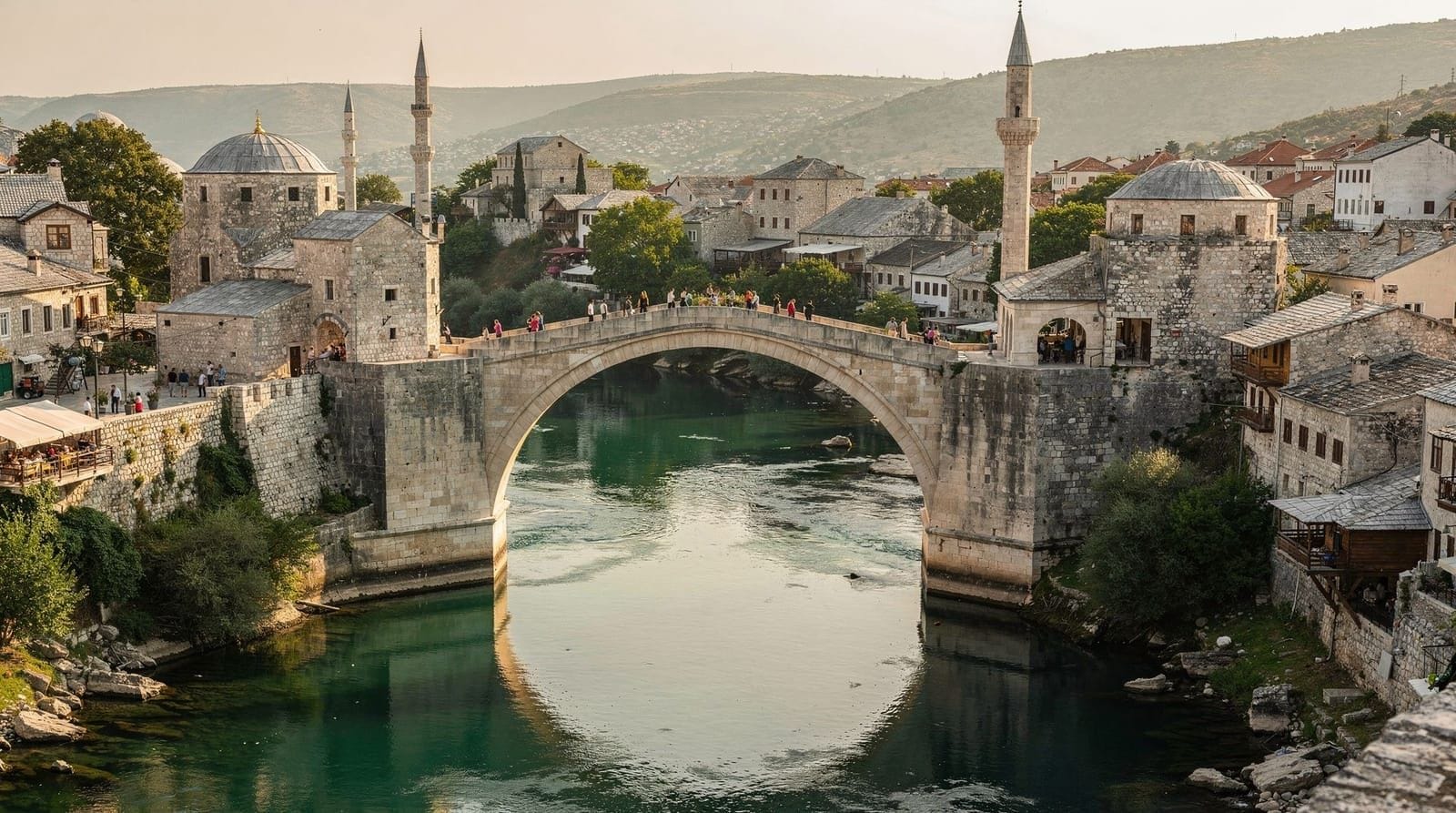
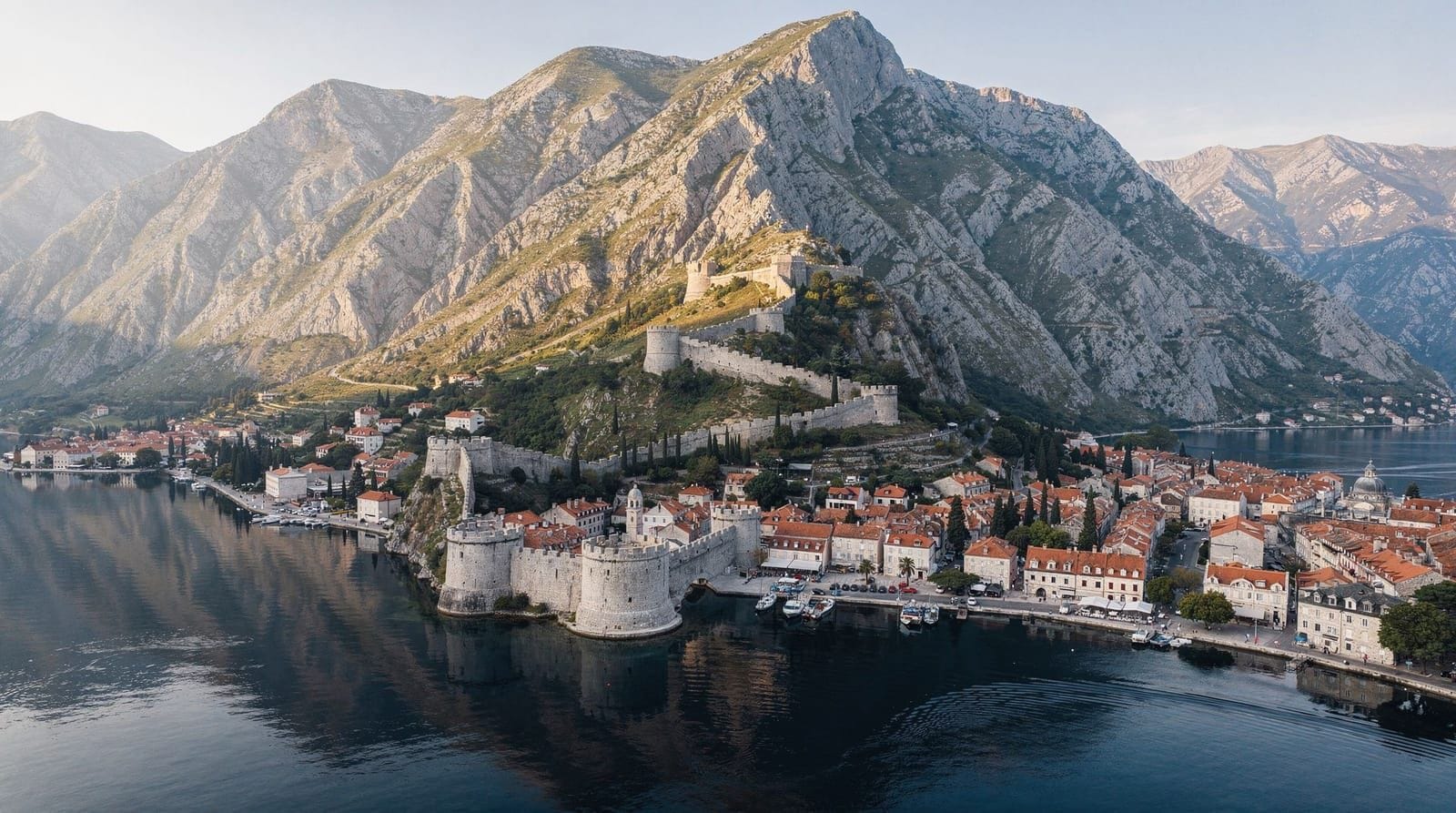
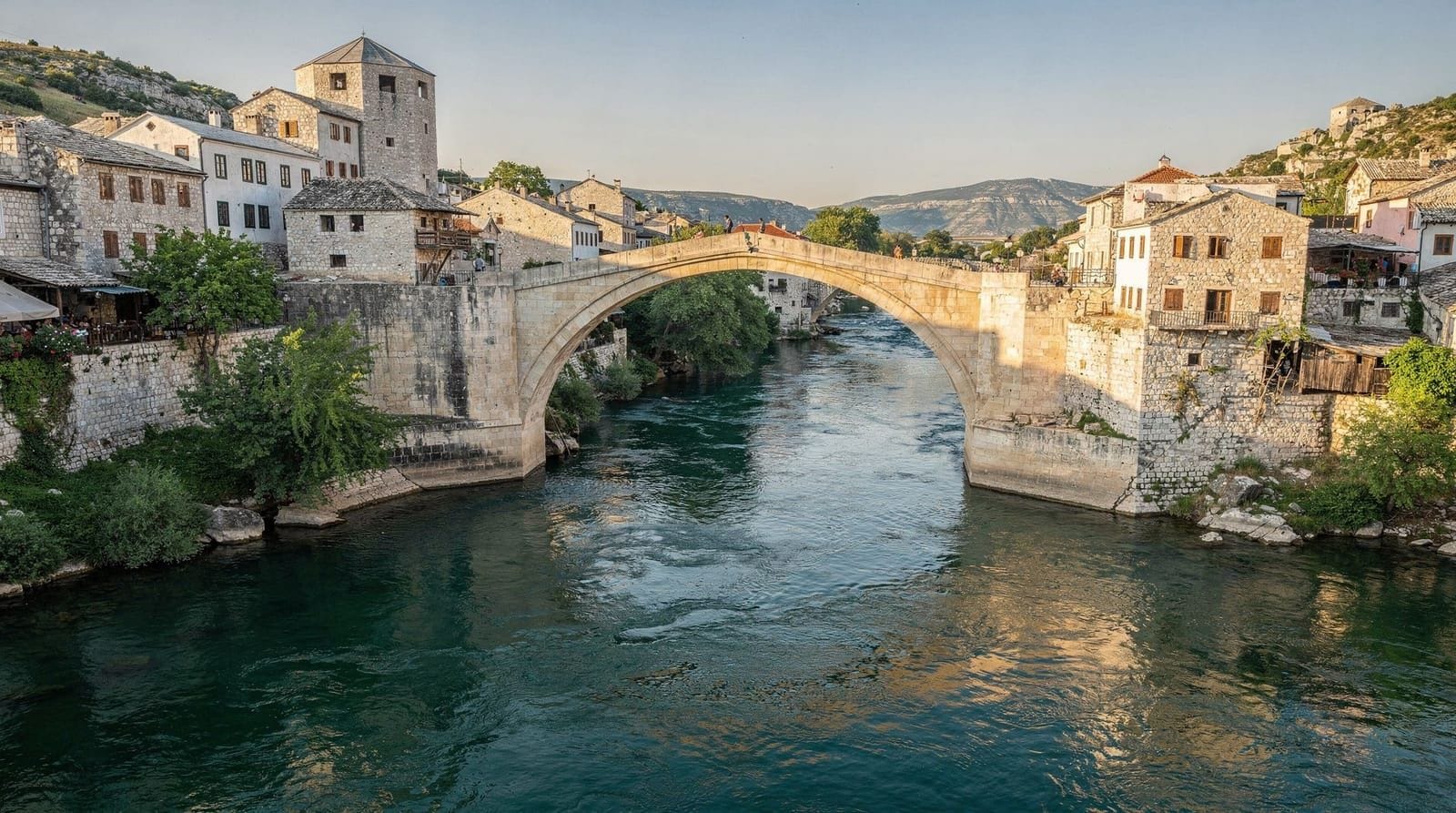
Dubrovnik (45 minutes by bus or 30 minutes by boat) is the obvious primary excursion. Kotor (Montenegro) is accessible by organised day trip via Dubrovnik (2.5 hours). Mostar day trips also depart from Cavtat (organised tours available). The beautiful Konavle Valley immediately south, with its restored watermills and local wine producers, makes a pleasant half-day excursion.
Practical Cavtat for travellers
Getting around: Cavtat is small enough to walk end to end in 25 minutes. The Meštrović mausoleum (15-minute uphill walk from the harbour), the Bukovac House, and the Rector’s Palace are the three must-see sites. A systematic visit covering all three, including a harbour lunch, takes 4–5 hours.
Boat and water taxis: In summer, boat taxis run between Cavtat and Dubrovnik old harbour (30 minutes, around €10 one-way). The same service connects to Dubrovnik Riviera beaches including Župa Dubrovačka and Mlini. Scheduled Jadrolinija ferry services are less frequent but cheaper.
Accommodation strategy: For those wanting to be near Dubrovnik but paying Cavtat prices (typically 30–40% lower), the bus line 10 makes the transfer straightforward. Note that the last bus from Dubrovnik to Cavtat runs at around 11 pm — late enough for dinner in Dubrovnik followed by a comfortable return.
The Dubrovnik Riviera south of Cavtat
The coastal strip between Cavtat and the Montenegro border encompasses a series of small settlements, each with its own character.
Molunat (20 km south of Cavtat): A tiny fishing village on a sheltered inlet near the Montenegro border; almost no tourist infrastructure, remarkable for its isolation within an hour of Dubrovnik. The only accommodation is private rooms and one small pension.
Vitaljina and Konfin: The border zone villages on the very southern tip of Croatian territory, characterised by olive groves and complete quiet. A few kilometres away, Montenegro begins.
Župa Dubrovačka (between Dubrovnik Airport and Cavtat): A series of villages (Mlini, Srebreno, Plat, Kupari) with beaches, small hotels, and easy access to Dubrovnik. The ruins of the Kupari resort complex — four Yugoslav-era hotels abandoned since 1991 — are a striking and melancholy ruin that attract photographers and urban exploration enthusiasts.
Ivan Meštrović and Croatian sculpture
The Račić Mausoleum is the finest work in Cavtat, but Ivan Meštrović (1883–1962) requires context to appreciate. Born into a peasant family in Vrpolje (Slavonia), Meštrović trained in Vienna under Otto Wagner and emerged in the early 20th century as one of the most celebrated sculptors in Europe — exhibited alongside Rodin in Paris in 1907, compared favorably to Michelangelo by critics at his 1915 Victoria and Albert Museum exhibition. His monumental style — combining classical anatomy with expressive power and Croatian national themes — brought him international recognition while simultaneously making him a symbol of South Slav cultural aspiration.
Major Meštrović works in Croatia:
- Meštrović Gallery, Split (Šetalište Ivana Meštrovića 46): His former Split studio, converted to a museum with his largest collection.
- Church of the Holy Redeemer, Cavtat region: Several works in the surrounding churches.
- Račić Mausoleum, Cavtat: Described above; his most complete and personally designed single work.
- Tomb of the Unknown Soldier, Avala (Serbia): Outside Croatia but the most famous public monument.
For anyone interested in 20th-century sculpture, planning a Croatian itinerary around Meštrović’s sites — particularly the Split gallery and the Cavtat mausoleum — produces an unexpectedly rich experience.
Cavtat vs Dubrovnik — which base makes more sense?
Travellers deciding between a Cavtat and a Dubrovnik base should weigh a straightforward trade-off: Dubrovnik puts you inside the old town’s atmosphere but at premium prices and amid the crowds; Cavtat gives you 30–40% lower accommodation costs, calmer beaches, and a genuinely relaxing evening, at the cost of a 30–45 minute bus or boat transfer each time you want the old town’s nightlife or the full range of restaurants.
For a first Croatia trip focused on ticking off Dubrovnik’s sights, base in or near the old town. For a repeat visit, a family trip, or anyone prioritising beach time and a quieter pace with easy access to the city, Cavtat is the better call — especially paired with the airport’s proximity, which makes it a sensible first or last-night stop regardless of where you stay for the rest of the trip.
Practical money and connectivity notes
Cavtat’s restaurants and hotels take cards widely, but smaller konobas away from the harbour and Konavle Valley wine cellars often prefer cash — bring euros for these stops. See the money in Croatia guide for the country-wide picture on costs, tipping, and cards. Mobile coverage is solid throughout the town and along the Konavle road; if you’re arriving on a foreign SIM, setting up a Croatia eSIM before you land (see the Croatia eSIM guide) saves hunting for a local shop on your first day.
Walking routes around Cavtat
Beyond the harbour and the mausoleum hill, Cavtat has several pleasant walking routes that most day-trippers never take. A coastal path runs south from Rat Beach toward the edge of the peninsula, passing pine woods and quiet rocky swimming spots with views back across the bay toward Dubrovnik’s Elaphiti-facing coastline. Allow about 40 minutes round trip at an easy pace.
Inland, a network of gravel tracks connects Cavtat to the lower Konavle villages — walkable in around an hour each way, passing dry-stone walls, olive terraces, and the occasional working farmhouse. These routes see almost no tourist traffic even in August, and they’re the best way to get a sense of the Konavle countryside without a car or an organised tour. Good shoes and water are sufficient; there’s little shade on the inland stretches, so an early morning or late afternoon start is worth it in summer.
Top experiences
Bookable activities with verified prices and instant confirmation on GetYourGuide.
Top-rated experiences in Cavtat travel guide
Best-rated activities across GetYourGuide and Viator.

Blue cave, Mamma Mia and Hvar, 5 islands speedboat tour
- Viator

Blue Cave and Hvar Tour - 5 Islands Tour from Split and Trogir
- Viator

Blue cave, Mama Mia and Hvar, 5 Island Speedboat Tour from Trogir
- Viator

From Split: Plitvice Lakes National Park Guided Tour
- Viator

Krka Waterfalls Day Tour with Boat Ride from Split and Trogir
- Viator

Plitvice Lakes National Park Guided Day Tour from Split
- Viator