Brijuni National Park: Tito's islands and what they offer today
Fazana: Brijuni National Park scenic boat tour
What is Brijuni National Park?
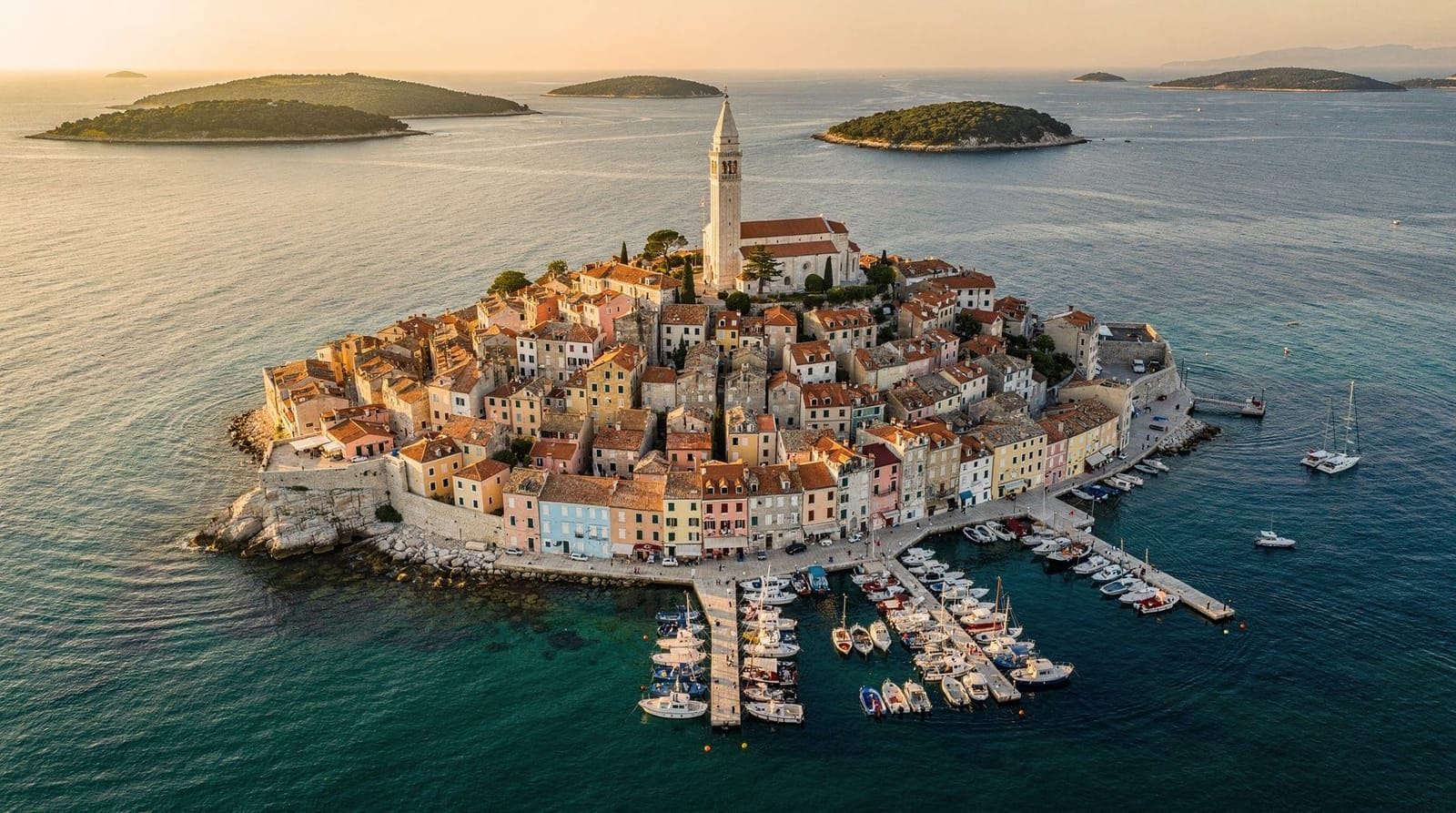
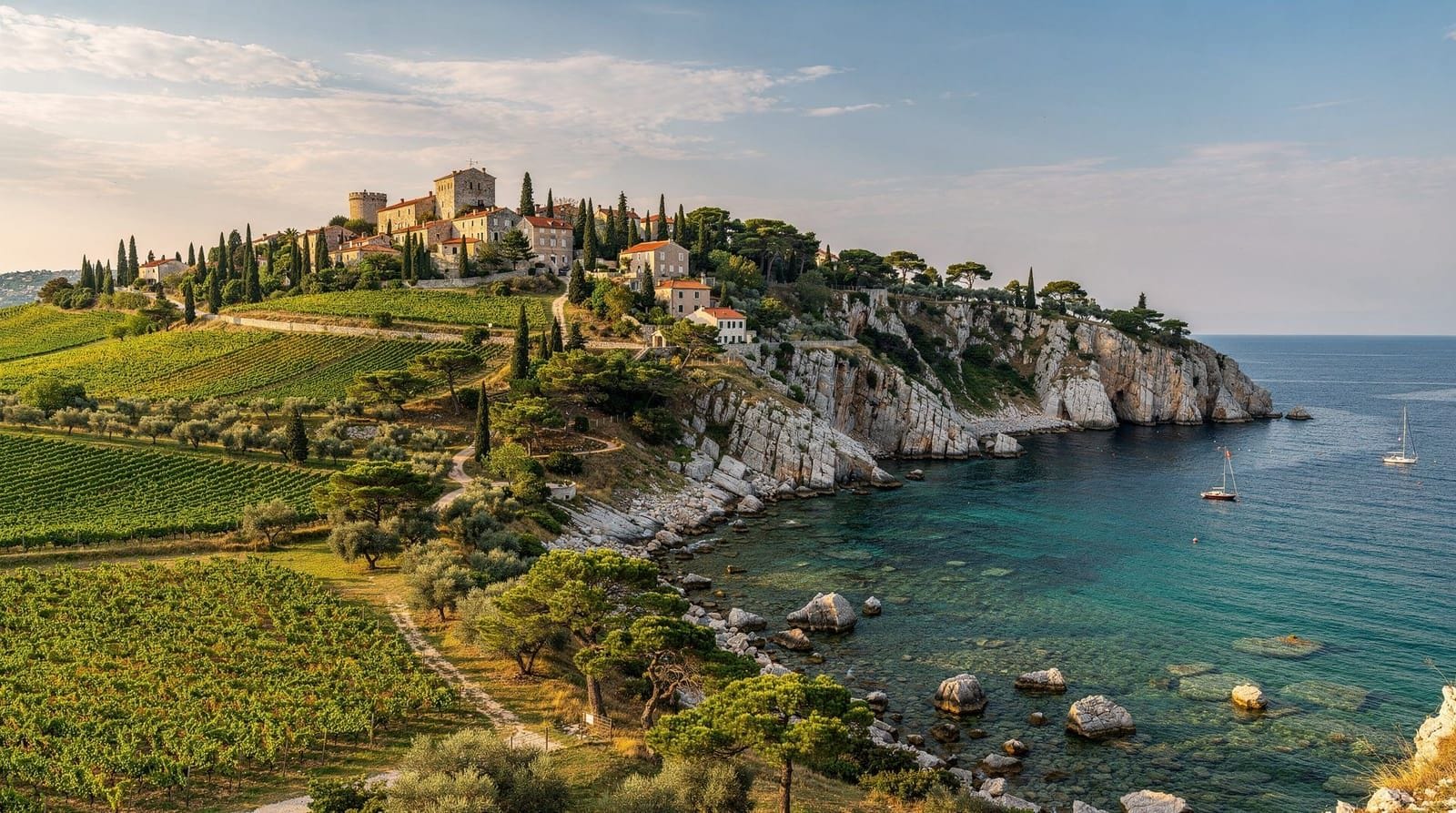
Brijuni (Italian: Brioni) is an archipelago of 14 islands off the Istrian coast near Pula. It was the private summer residence of Yugoslav leader Josip Broz Tito for nearly 30 years, and today operates as a national park with a unique combination of Roman ruins, Austro-Hungarian villa architecture, a safari park with Tito's original diplomatic gifts, archaeological sites and excellent birdlife.
The Brijuni archipelago occupies a peculiar place in Croatian geography and history. Physically, it is a small cluster of islands a short boat ride from Pula, embedded in Istria’s western coast. Historically, it was one of the most significant private retreats in 20th-century European politics — the summer residence of Yugoslavia’s Marshal Tito, where he hosted heads of state, shaped non-aligned movement diplomacy and kept a private zoo stocked with animals given as diplomatic gifts.
Today, Brijuni is a national park that carries the weight of all this history alongside its genuine natural beauty. It is probably Croatia’s most unusual protected area: part archaeological site, part Cold War museum, part safari park, part pristine Adriatic island.
| Where | Off Fažana, 8 km north of Pula, Istria |
| Cost | ~€30–45/adult, boat + park entry |
| Time needed | 3–4 hours on Veli Brijun |
| Getting there | Park ferry from Fažana only — no independent boat access |
| Best time | May, June, September for mild weather and thinner crowds |
Getting to Brijuni: the boat from Fažana
Independent access to the Brijuni islands by private boat is restricted — the park authority controls arrivals strictly. All visitors must use the park’s official ferry service from Fažana, a small fishing village about 8 km north of Pula on the Istrian coast.
The boat crossing takes about 15 minutes to Veli Brijun (the main island). Multiple departures run through the day in season; in winter the schedule is reduced but services continue.
Park boat tickets include the ferry crossing and park entry. In high season (July–August), book ahead — tours can sell out, particularly for afternoon departures.
What to see on Veli Brijun
The Roman complex occupies the island’s northeast. The Kastrum (Byzantine fortress rebuilt on older Roman foundations), the fish pond (piscina), villa mosaics and the outline of what was a substantial estate are preserved within the park grounds. Guided tours cover the main sites in about an hour. The scale of the Roman occupation — spanning at least five centuries — is impressive.
The Tito Museum and villa complex: The museum in the old Austro-Hungarian era hunting villa houses an exhibition on Tito’s use of the islands, with archival photographs, diplomatic gifts on display and documentation of the famous visitors who passed through — from Nehru to Haile Selassie to Elizabeth Taylor. The museum is genuinely interesting as Cold War history and arguably more honest about its subject than many such commemorative spaces.
The safari park: The descendants of Tito’s diplomatic animals — zebras, fallow deer and various other species — roam a section of the island. A safari train circuit tours the area. This is not a wildlife experience in the Kenya sense; it is a curiosity with significant historical backstory. Children tend to enjoy it regardless of the politics.
The botanical collections: Brijuni has a long horticultural history, with specimen trees and plant collections established during the Austro-Hungarian period. The island’s mild microclimate (warmer than the mainland) supports species that would not survive inland Istrian winters.
Golf: The park maintains a small golf course dating from the Austro-Hungarian era — one of the few golf courses inside a national park in Europe. Available to visitors in season.
Beach and swimming: Brijuni has sheltered coves with reasonably clear Adriatic water. Swimming is permitted from designated areas. The island’s position in the Fažana channel means the water is somewhat less clear than open-sea Dalmatian locations, but perfectly adequate.
The other islands
The Brijuni archipelago contains 13 other islands besides Veli Brijun, most of them uninhabited and accessible only to private yachts with park permission (overnight mooring fees apply). Mali Brijun, the second-largest island, contains a small Austrian fortress and is occasionally visited on extended park tours.
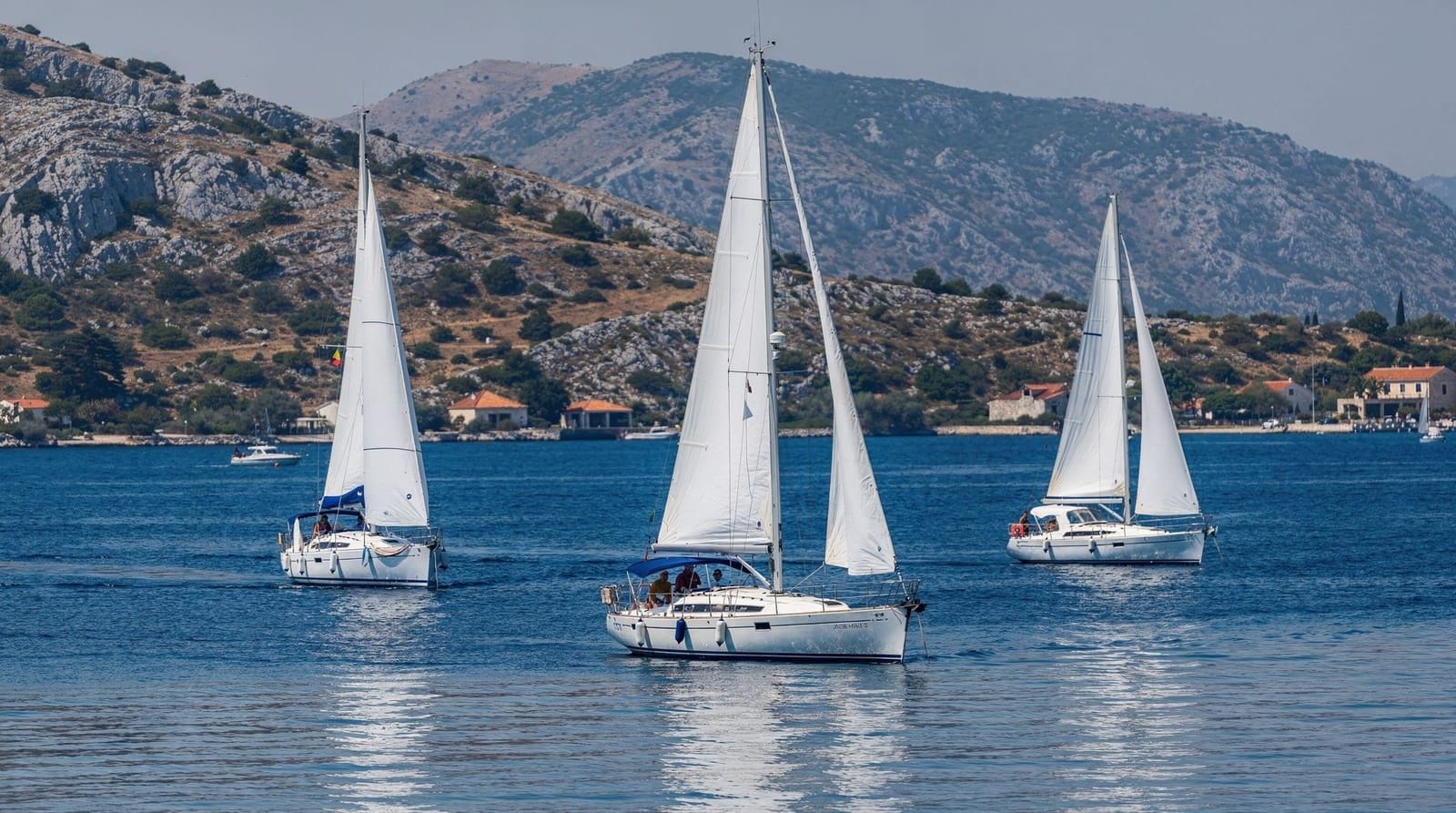
Sailors who want to anchor in the Brijuni channel and explore by dinghy should contact the park authority in Fažana for moorings and permits.
Practical information
Getting to Fažana: By car from Pula (8 km, 15 minutes), by local bus from Pula, or as part of an organised day trip from Rovinj or other Istrian bases (Pula is a common inclusion on Istrian day circuits).
Tour duration: Standard tours last approximately 3–4 hours on the island, not including boat transfers. Private tours and longer themed tours (with cycling, golf or extended archaeological access) can be arranged in advance.
Entry prices (2026): The boat-and-park package runs approximately €30–45 per adult; check current prices at np-brijuni.hr. Children receive discounted rates. Private tours cost more but offer flexibility.
What to bring: Sun protection, comfortable walking shoes, a camera and if possible a small pair of binoculars (the birdlife is excellent). In summer, a hat is essential — the island has shade but the open areas are exposed.
Birdwatching at Brijuni
The islands lie on a major Adriatic migration route. The combination of forest, coastal scrub and the small wetland areas in the island interior concentrates migrating passerines in spring and autumn. White-tailed eagles, peregrine falcons and various waders are recorded regularly. Winter brings significant waterfowl. The park authority works with ornithological groups and can provide checklists and hide access for dedicated visitors.
Brijuni versus the Kornati
Travellers comparing Brijuni and Kornati sometimes frame this as the Istria vs Dalmatia question. They are very different parks. Kornati is wilder, more maritime and more appropriate for sailors — the landscape is stone and sea and the experience is elemental. Brijuni is more accessible, historically layered and suited to those who want their nature with cultural context. Neither substitutes for the other. For the broader regional comparison, see Istria vs Dalmatia.
See the Kornati National Park guide for a comparison.
Combining Brijuni with the rest of Istria
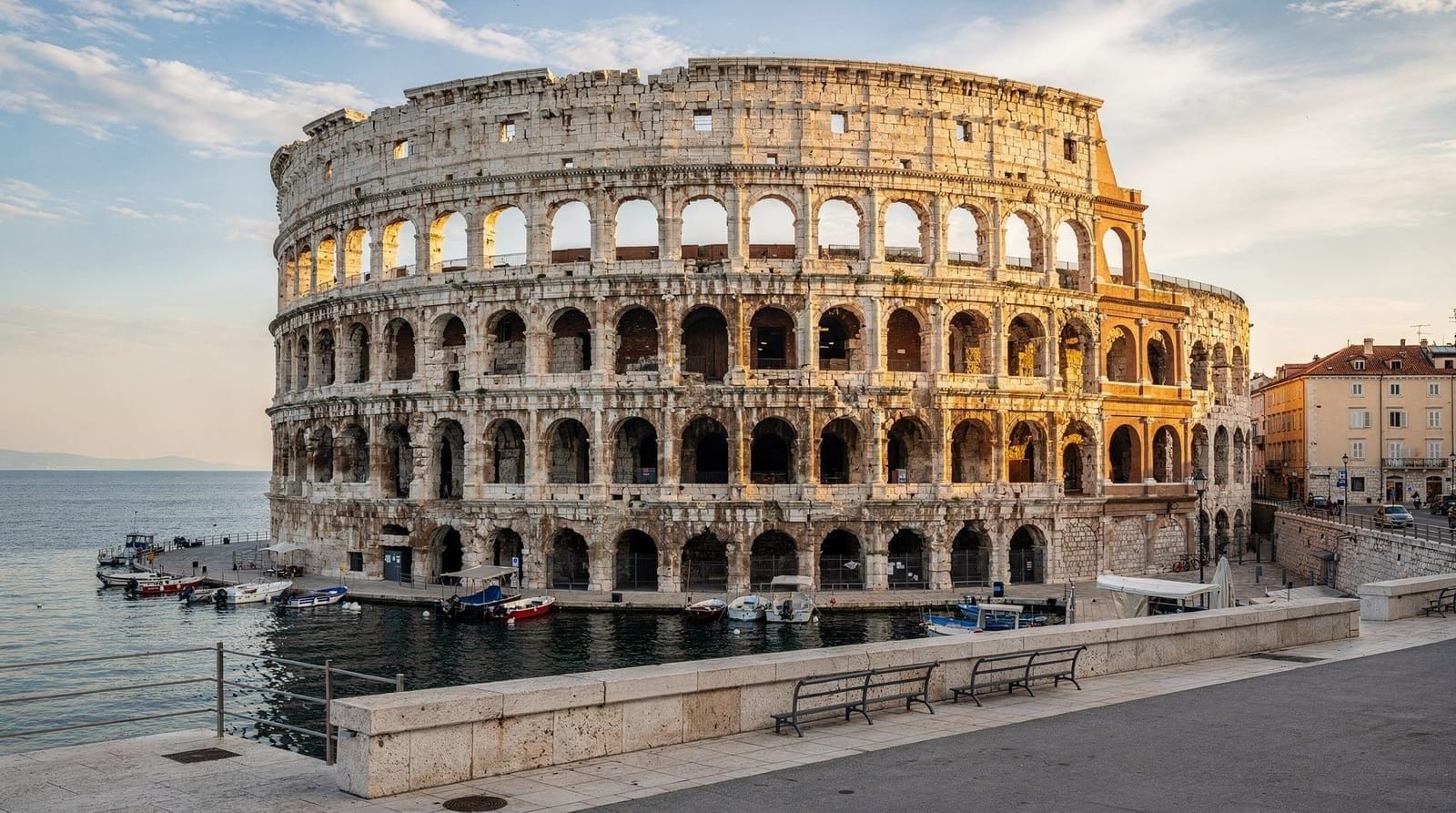
Brijuni works best as a half-day addition to a wider Istrian itinerary rather than a full-day destination on its own. Pula’s Roman amphitheatre is a short drive away, and travellers based in Rovinj can combine Brijuni with a coastal day trip — see day trips from Rovinj for how the timing works. Families splitting time between beach days and cultural stops often slot Brijuni in as the “history morning” of an Istrian week, followed by an afternoon on the coast.
Frequently asked questions about Brijuni National Park
How do you visit Brijuni National Park?
The only way to visit is by park boat from Fažana, a small fishing village 8 km from Pula. The park operates its own ferry service; independent access by private boat is not permitted without park permission. Most visitors take one of the organised island tours that depart from Fažana and last 3–4 hours on the main island (Veli Brijun).How much does Brijuni National Park cost?
The boat-and-park package from Fažana costs approximately €30–45 per adult, including the ferry crossing and park access. Children typically receive significant discounts. Different tour options are available — standard tours, private tours and themed tours. Book through the park's official operator or third-party tour platforms.What is the safari park on Brijuni?
Tito received animals as diplomatic gifts from visiting heads of state in the 1950s–70s — Indian elephants, African zebras, antelopes, llamas and others. The descendants of some of these animals still live in a park area on the main island. A safari train circuit provides access. It is a curiosity rather than a wildlife-first experience.Is Brijuni National Park worth visiting?
Yes, particularly if you have an interest in 20th-century European history or want a different kind of Istrian experience beyond Roman ruins and medieval towns. The island is beautiful, the boat journey pleasant, the Roman site (Kastrum) substantial, and the Tito Museum genuinely interesting. It is not primarily a nature park in the wild sense.What Roman sites are on Brijuni?
Veli Brijun contains the remains of a substantial Roman villa complex (1st century BC–6th century AD) including a large fish pond, a temple, mosaics and the Kastrum Byzantine fortress. The site spans much of the island's northeast and constitutes one of the better-preserved Roman coastal villa complexes in the Adriatic.When is the best time to visit Brijuni?
May, June and September offer pleasant temperatures without the peak July–August congestion. Brijuni is open year-round; winter visits (when bird migration peaks) appeal to ornithologists. Summer tours run more frequently and some island activities (golf, swimming) are only available in the warmer months.Can Brijuni be combined with Pula or Rovinj in one day?
Yes, and it usually should be — a standard Brijuni tour lasts 3–4 hours on the island plus transfers, leaving a half day free. Pula's Roman amphitheatre is 15 minutes from Fažana by car; Rovinj is around 40 minutes further north. Most visitors treat Brijuni as a morning activity and pair it with Pula's old town in the afternoon.
Top experiences
Bookable activities with verified prices and instant confirmation on GetYourGuide.
Top experiences
Best-rated activities across GetYourGuide and Viator.

From Split: Plitvice Lakes National Park Guided Tour
- Viator

Krka Waterfalls Day Tour with Boat Ride from Split and Trogir
- Viator

Plitvice Lakes National Park Guided Day Tour from Split
- Viator

Krka National Park Tour with tour Guide & Wine tasting from Split & Trogir
- Viator

From Zadar: Plitvice Lakes with Boat Ride & Zadar Old town tour
- Viator

Mostar and Herzegovina Tour with Kravica Waterfall from Split & Trogir
- Viator