Istria vs Dalmatia: which part of Croatia is right for you?
Pula: Arena entry ticket and guided tour
Should I visit Istria or Dalmatia on my Croatia trip?
Dalmatia if iconic walled cities, island-hopping and the classic Croatia imagery are your goal. Istria if slower-paced hill towns, world-class food and wine, cycling through olive groves and a less crowded Adriatic are what you're after. They're not in competition — they're genuinely different regions of the same country. If you have 10+ days, do both.
Two Croatias
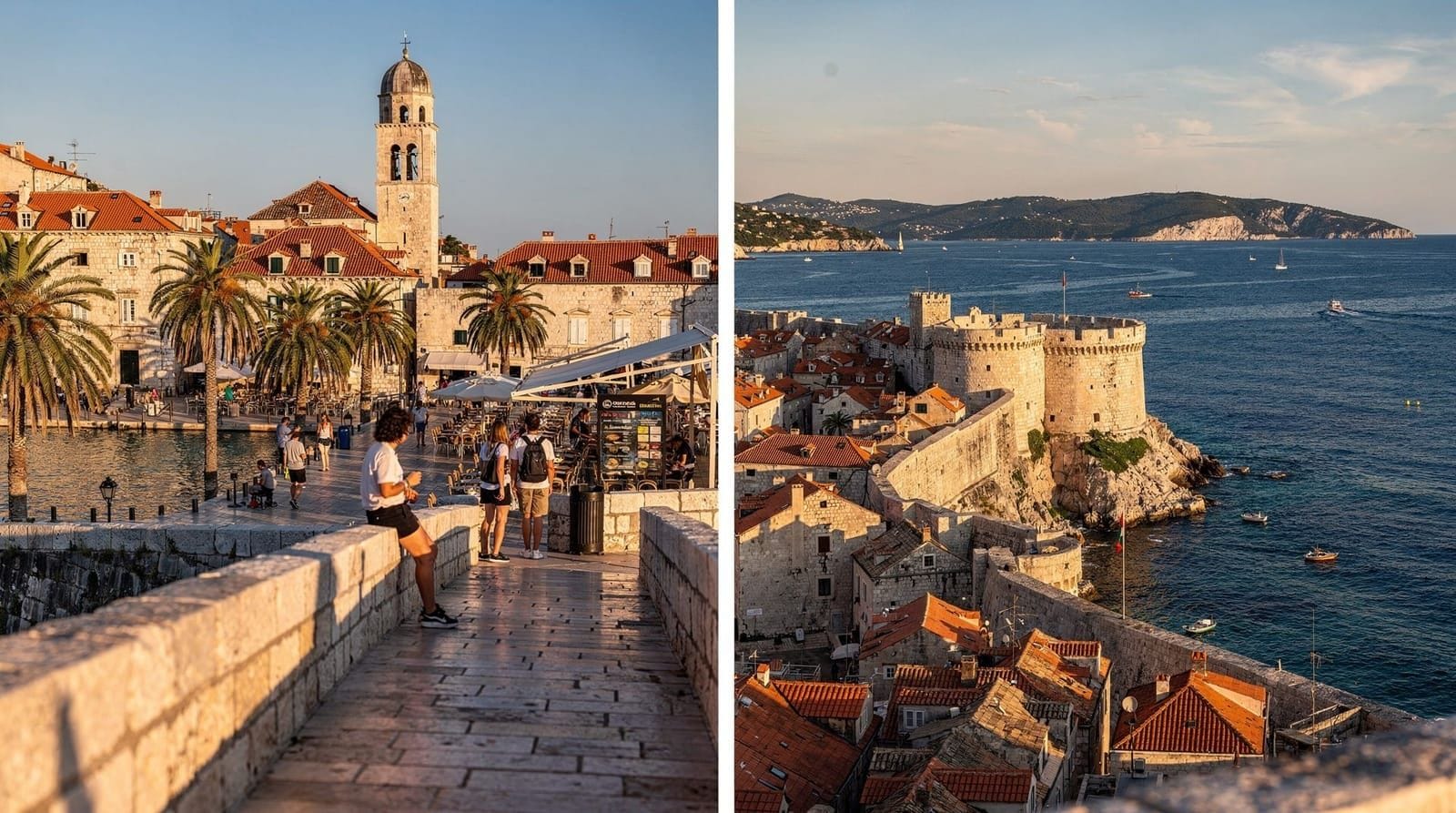
The postcard image of Croatia — turquoise sea, walled city, island on the horizon — is Dalmatia. But Croatia has another face: a triangular peninsula in the northwest where Venetian bell towers rise above truffle-hunted forests, Roman amphitheatres bookend harbour waterfronts, and wine estates spill down south-facing slopes toward the sea.
Istria and Dalmatia are both part of Croatia. They share a coastline, a language (with strong Italian influence in Istria), and the Adriatic. But they are genuinely different travel experiences with different rhythms, different food cultures, different crowd levels and different versions of what a Croatian holiday can be.
| Best for | Istria: food, wine, cycling — Dalmatia: islands, walled cities |
| Distance apart | ~4.5–5.5hrs by road (via Zagreb or the coastal route) |
| Crowds | Istria consistently calmer than peak Dalmatia |
| Cost | Istria mid-range; Dalmatia ranges budget (Zadar) to expensive (Dubrovnik) |
| Combine both | Allow 10+ days, with Plitvice Lakes as the natural bridge |
Istria: the peninsula
Istria is shaped like a triangle, with its apex at Cape Kamenjak in the south (near Pula) and its base running east-west across the Italian and Slovenian borders. The peninsula is small enough to drive across in two hours — yet it packs several distinct landscapes.
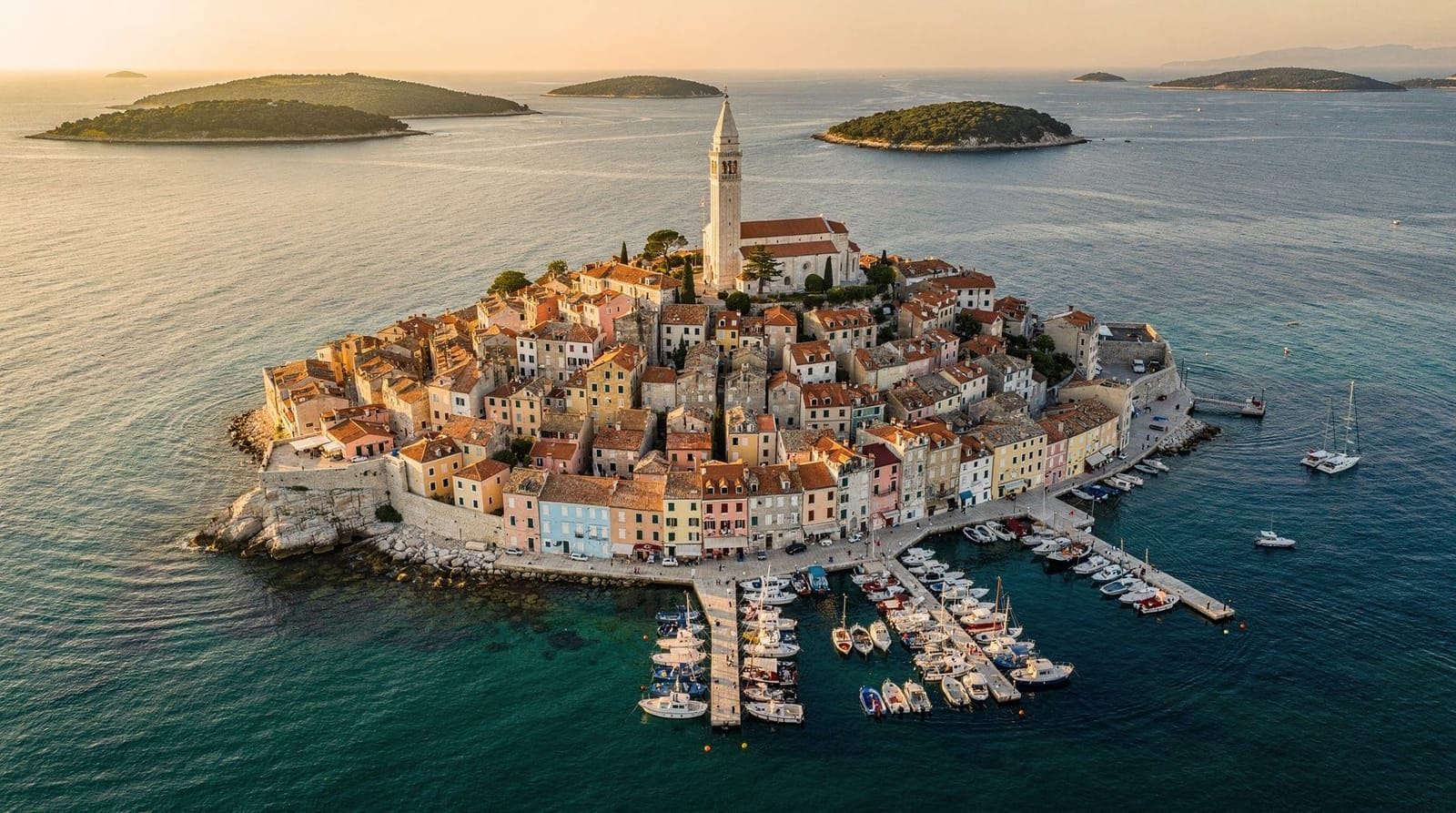
The coast. Rocky coves, protected bays and pine-forest headlands. Rovinj is the undisputed star: a circular hilltop island-turned-peninsula with a medieval campanile visible for miles. The old town lanes are genuinely beautiful — narrow, steep, winding up to the Cathedral of St Euphemia. The coves around the Rovinj peninsula and the Zlatni Rt (Golden Cape) forest park are among the best swimming spots in northern Croatia.
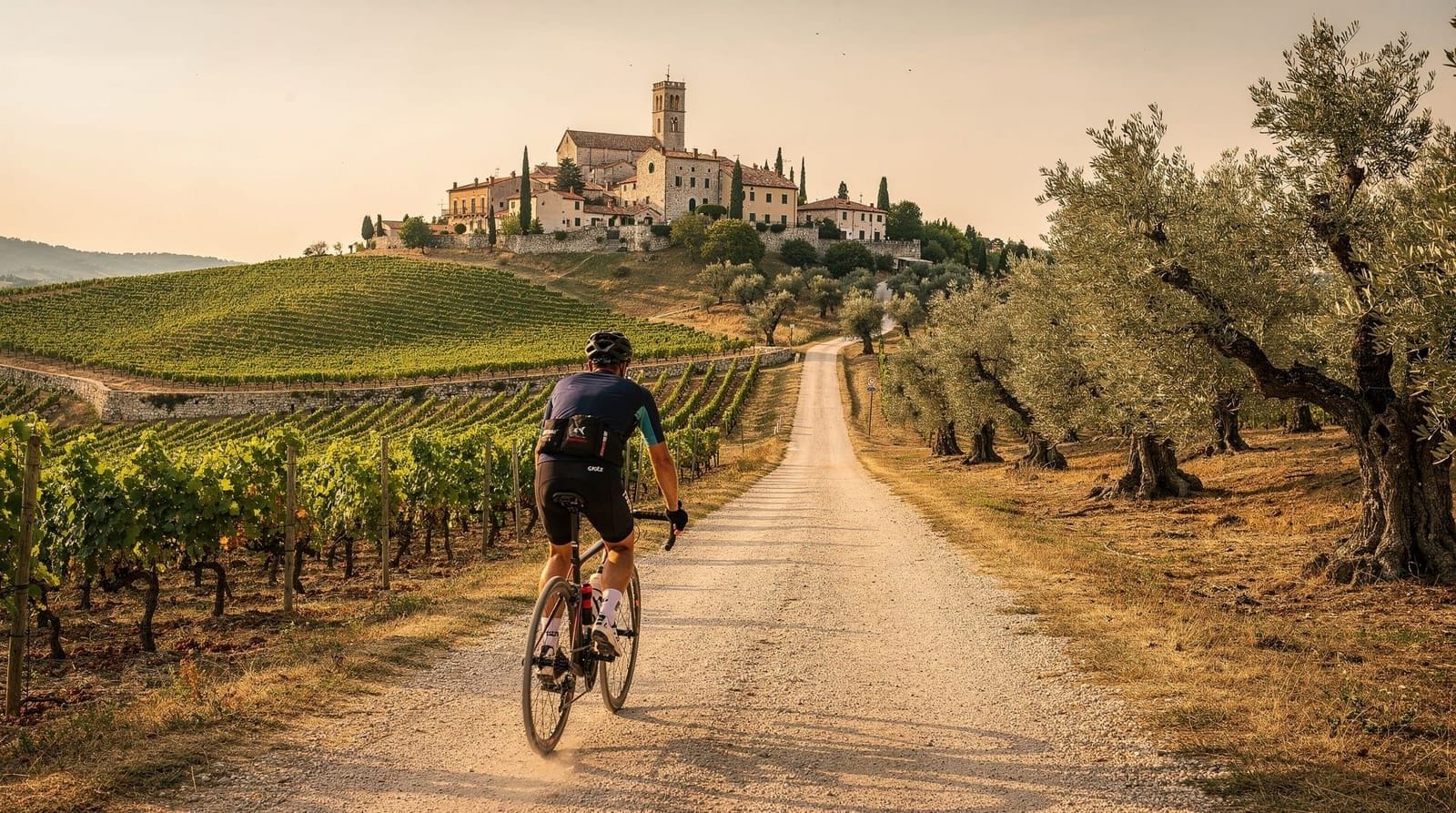
The interior. Istria’s most distinctive character. Hilltowns like Motovun, Grožnjan, Oprtalj and Buje sit on limestone ridges above the Mirna river valley. The roads between them pass through vineyard country, oak forest (where truffles grow) and olive groves. The Parenzana cycling trail connects the hilltowns along a former railway bed.
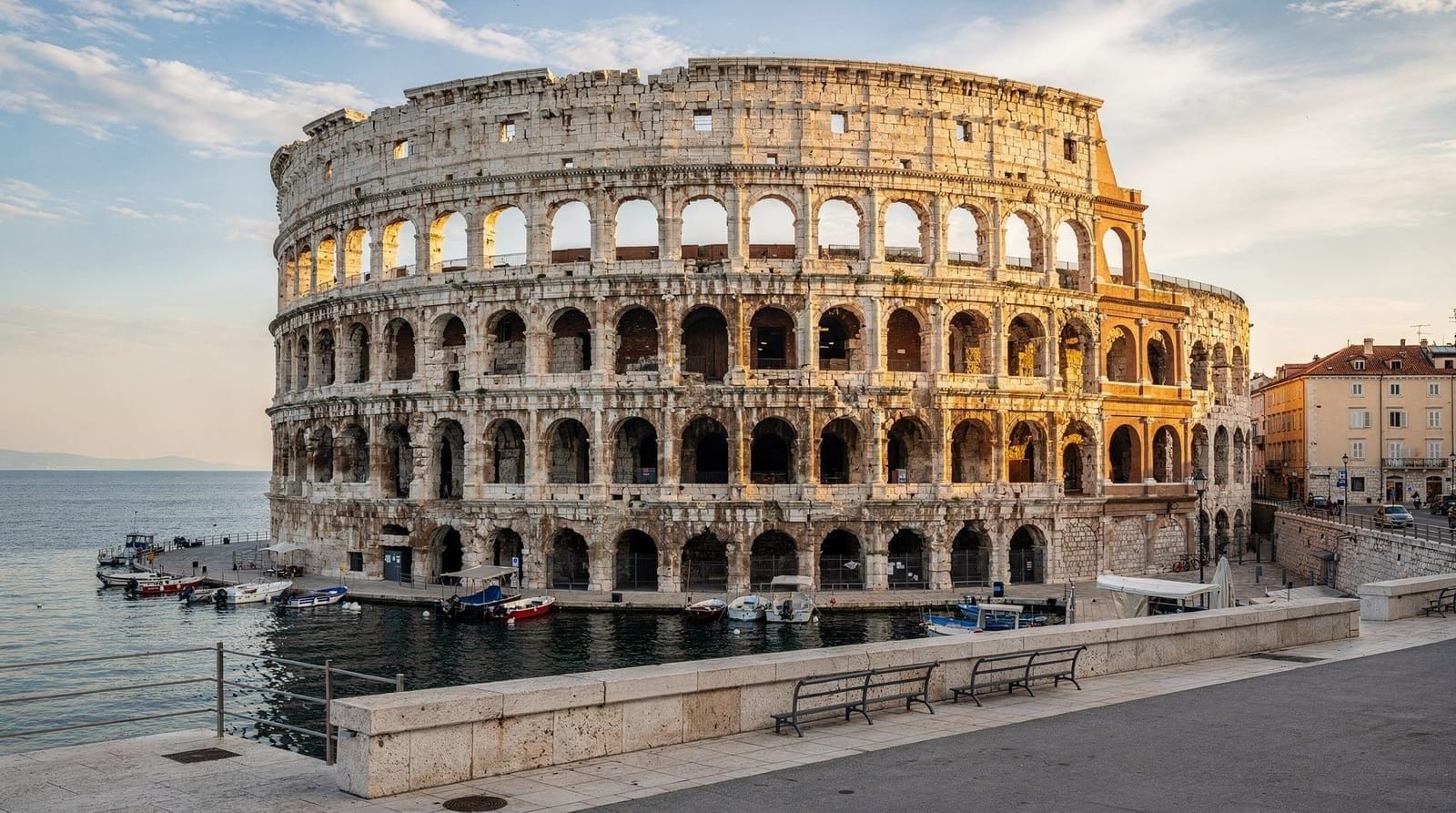
The towns. Pula anchors the south — a real working city of 60,000 people, home to one of the world’s best-preserved Roman amphitheatres (the Arena), still used for concerts. Poreč has the UNESCO Euphrasian Basilica and Croatia’s most developed beach resort infrastructure. Umag and Novigrad round out the main coastal centres.
Pula Arena entry ticket and guided tourBeyond the Arena, boat trips from Pula and Fažana reach Brijuni National Park, a small archipelago once used as Tito’s summer residence, now a protected park with Roman ruins and safari-park grounds open to day visitors.
Dalmatia: the coast
Dalmatia stretches 400 km from Zadar in the north to Dubrovnik in the south, with the islands completing the picture offshore. It is Croatia’s historical, cultural and tourism core — the region that puts the country on the travel map.
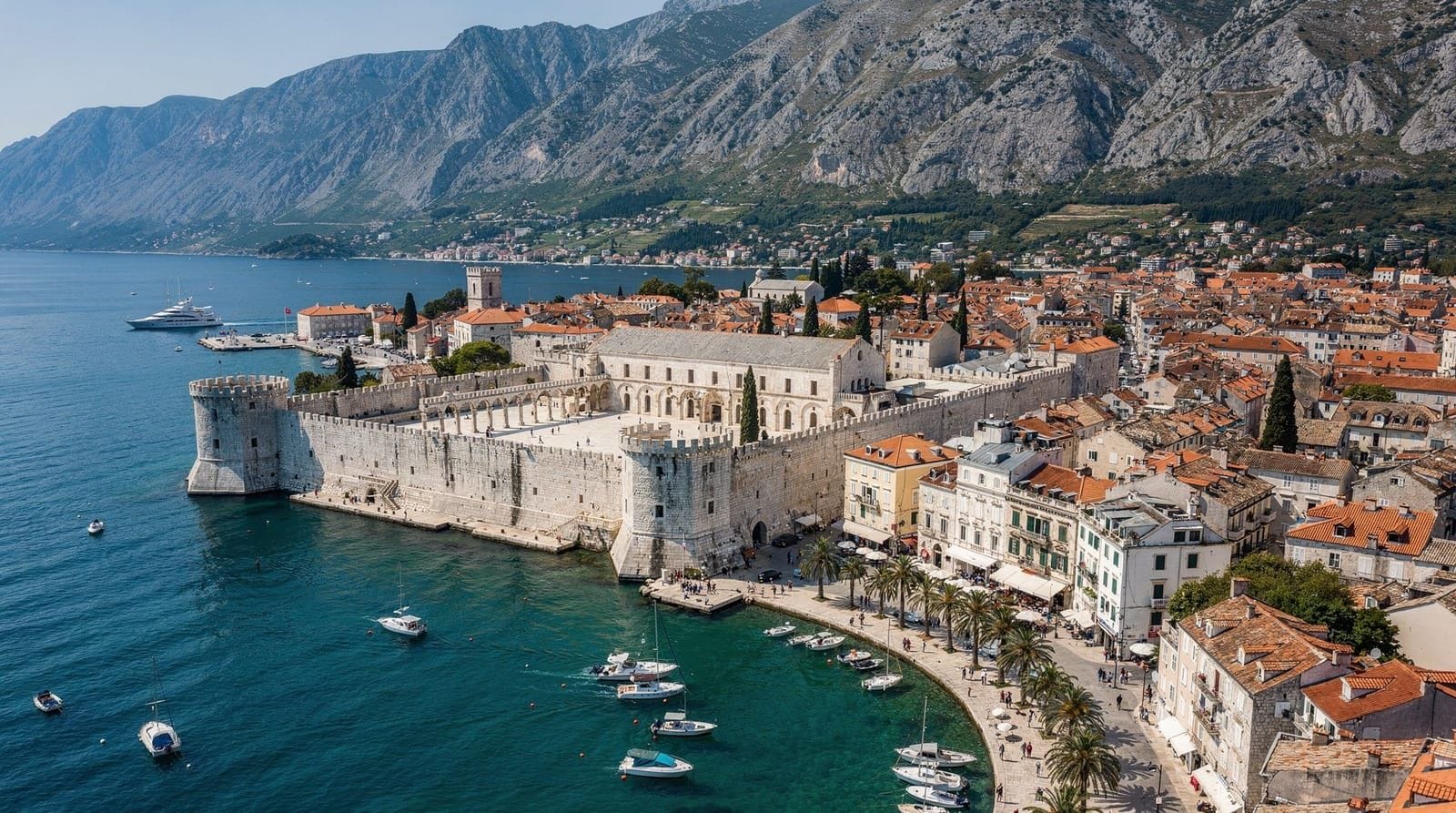
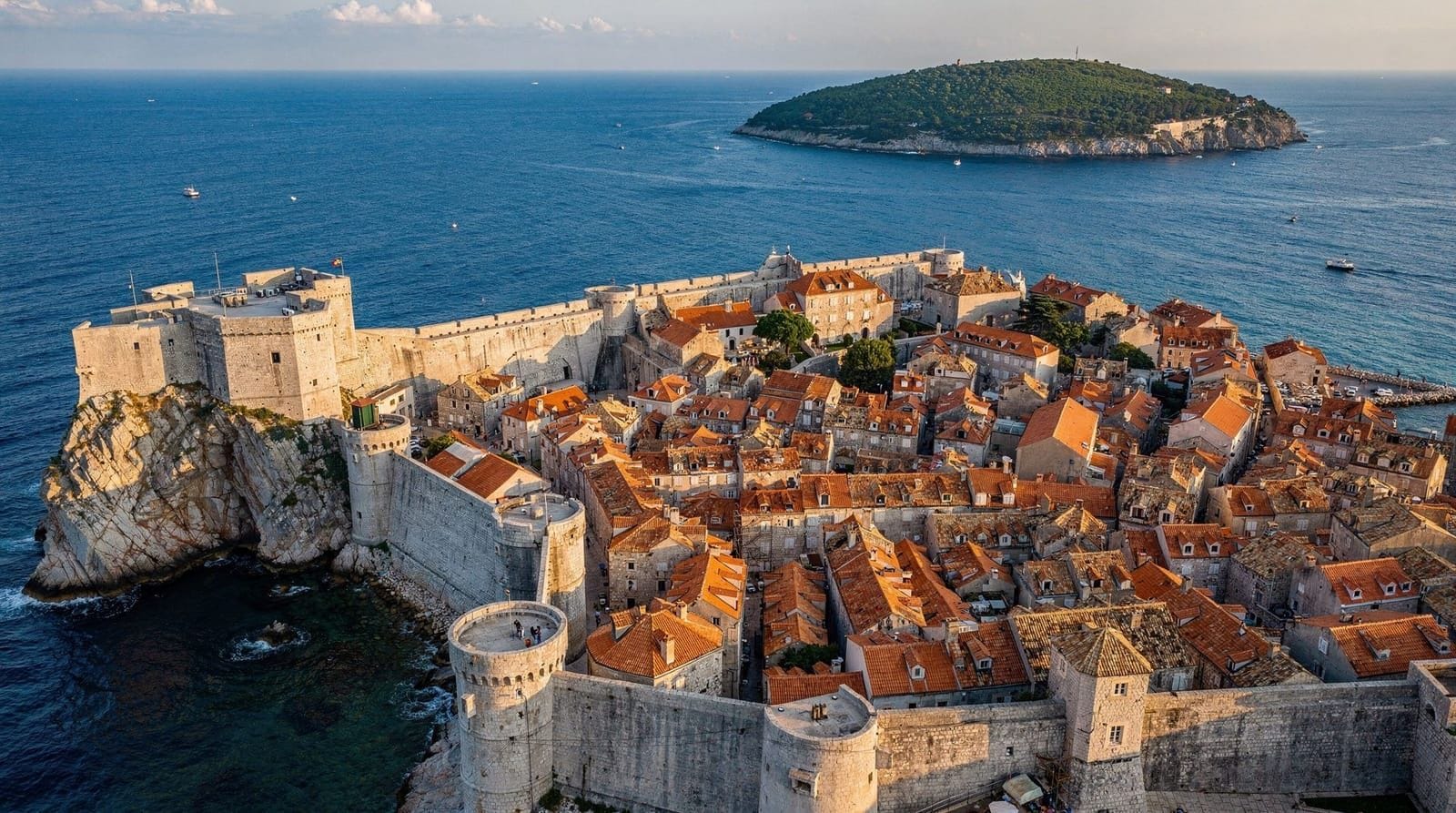
The cities. Zadar (underrated — Roman forum, sea organ, excellent food scene), Šibenik (UNESCO cathedral, gateway to Krka), Split (Diocletian’s Palace as a living city, best day-trip hub in Croatia) and Dubrovnik (the walled city of postcards and superlatives).
The islands. Hvar, Brač, Korčula, Vis, Mljet — and dozens more. Island-hopping by ferry is one of Croatia’s signature experiences, and Dalmatia’s island network is simply better than anything in Istria (which has smaller, less developed islands).
The national parks. Krka National Park (travertine waterfalls, boat cruise, swimming historically allowed — now restricted), Kornati (bare limestone islands rising from deep blue, spectacular for sailing and diving), and within reasonable day-trip distance, Plitvice Lakes.
Side-by-side comparison
| Factor | Istria | Dalmatia |
|---|---|---|
| Character | Italian-influenced, food-focused, slower | Mediterranean, historical, island-hopping |
| Crowds | Low–moderate (even in peak season) | High, especially Dubrovnik and Hvar in August |
| Food | Outstanding — truffle, Malvazija, seafood | Excellent — seafood, Plavac Mali, peka |
| Beaches | Good but fewer | Excellent variety (Zlatni Rat, Stiniva, coves) |
| Islands | Few and small | Many and varied (Hvar, Brač, Vis, Korčula…) |
| Cycling | World-class (Parenzana, wine hills) | Limited (mainly coastal) |
| History | Pula Arena (Roman), Poreč Basilica (UNESCO) | Diocletian’s Palace, Dubrovnik walls, Šibenik |
| Nightlife | Quiet | Strong (Split, Hvar) |
| Cost | Mid-range | Wide range (budget at Zadar; expensive at Dubrovnik) |
| Adventure | Cycling, kayaking near Pula, diving | Rafting, kayaking, hiking, ziplining |
| Best base | Rovinj | Split |
The food argument: why Istria pulls ahead
This is where Istria’s case is clearest. Croatian truffle hunting is world-class — both black (autumn) and white (October–January), and the annual Livade white truffle often rivals Alba for quality and market price. The Malvazija Istarska grape produces one of the Mediterranean’s most versatile white wines — dry and mineral, it pairs with everything the sea provides. Olive oil from the Istrian peninsula is entering international competitions and winning.
Dalmatia’s food is excellent — Adriatic seafood, the peka slow-cooking method, Plavac Mali wine from Pelješac, Dubrovnik’s upscale restaurant scene. But it is a more straightforward Mediterranean-coastal food culture. Istria’s gastronomy has the kind of particularity — a specific truffle-and-wine identity — that turns food travellers into advocates.
Choosing by traveller profile
Istria is better for:
- Food and wine enthusiasts (truffles, Malvazija, olive oil)
- Cyclists (Parenzana trail, wine hills)
- Cultural travellers wanting Roman and Venetian heritage without crowds
- Travellers who find Dalmatia’s summer crowds overwhelming
- Couples wanting a slower-paced, intimate coastal experience
- Visitors who want the Croatian coast without the split-vs-dubrovnik dilemma
Dalmatia is better for:
- Island-hopping (the central Dalmatian island network is unmatched)
- Those with Dubrovnik or Game of Thrones on their bucket list
- Beach holiday seekers (Zlatni Rat, Stiniva, Pakleni coves)
- Adventure travellers (rafting, kayaking, Biokovo, Paklenica)
- First-time visitors who want Croatia’s headline experiences
- Sailors and yachting travellers (Dalmatia is Europe’s sailing mecca)
Getting between Istria and Dalmatia
The two regions are further apart than the map suggests. The coastal road from Rovinj to Split takes approximately 4.5–5.5 hours with no stops — it goes inland through Rijeka and along the coast, or via the motorway through Zagreb (faster). The most logical connection:
Zagreb as hub. Fly into Zagreb (ZAG), spend a day in the capital, then either head northwest to Istria (2 hours to Pula/Rovinj) or south to Dalmatia (4 hours to Split). This gives you both regions in a 10–14 day trip.
Plitvice Lakes as bridge. Located roughly between the two regions, Plitvice Lakes National Park is a natural and logical stop when driving between Istria and Dalmatia. It sits on the Zagreb–Zadar road and can be visited as a full day between the two regions without significant detour.
Flight. Pula Airport (PUY) has direct connections from the UK, Germany and other European origins in summer. This allows you to base entirely in Istria without the Drive through Dalmatia.
A realistic split for a 10-14 day trip
If you have the time to do both properly, the sequencing matters more than the exact day count. Front-loading Istria works well because the pace is gentler — three to four days easing into the trip with truffle hunting, wine tastings and short coastal drives, before the more demanding logistics of Dalmatia’s ferries and island transfers. A workable frame: 3–4 days Istria (Rovinj as base), 1 day Plitvice Lakes en route, then 6–9 days in Dalmatia split between Split, the islands and Dubrovnik. Doing it the other way round — Dalmatia first, Istria as a wind-down — also works and arguably suits travellers who want the islands’ energy early and a slower finish.
For readers who have already narrowed things down to Dalmatia specifically, the Split vs Dubrovnik guide is the natural next comparison once you know which region you’re prioritising.
Split day trip to Hvar and Brač with Zlatni Rat beachFrequently asked questions about Istria vs Dalmatia
What is the main difference between Istria and Dalmatia?
Istria is a triangular peninsula in northwest Croatia with strong Italian cultural influence — hilltop towns, truffles, Malvazija wine, Roman ruins (Pula Arena) and a quieter, food-focused travel experience. Dalmatia is the 400-km Adriatic coast from Zadar to Dubrovnik, with walled cities, dozens of islands, the national park waterfalls of Plitvice and Krka, and Croatia's flagship destinations (Split, Dubrovnik, Hvar).Is Istria or Dalmatia more expensive?
Dubrovnik and Hvar in Dalmatia are among the most expensive places in Croatia. Split and Zadar are more affordable. Istria is generally mid-range — more expensive than interior Croatia but cheaper than Dubrovnik. Rovinj and the main Istrian towns are priced comparably to Split. Food in Istria is typically higher quality and slightly more expensive than equivalent-level restaurants in Dalmatia, reflecting the truffle and wine culture.Which has better beaches — Istria or Dalmatia?
Dalmatia wins for beach variety and quality. Zlatni Rat (Brač), Stiniva (Vis), the Pakleni Islands (Hvar) and the hundreds of coves along the Dalmatian coast represent the best of Croatian beach culture. Istria has good beaches — Cape Kamenjak near Pula, the coves around Rovinj — but fewer of them and generally smaller. For a classic Adriatic beach holiday, Dalmatia is the destination.Which region has better food?
Istria is Croatia's most acclaimed food region. Black and white truffles (among Europe's finest), Malvazija white wine, Teran red, indigenous olive oils, fresh pasta (fuži, pljukanci), prosciutto (pršut), oysters from the Lim Fjord — Istrian gastronomy is a serious destination in itself. Dalmatia has excellent seafood, Plavac Mali wine, lamb from the islands, and Dubrovnik's upscale dining scene. Both are excellent; Istria is more distinctive.Which is less crowded — Istria or Dalmatia?
Istria is significantly less crowded than Dubrovnik and July–August Dalmatia. Even in peak season, Rovinj's streets are manageable (versus Dubrovnik's Old Town, which implements visitor limits). Pula, Poreč and the inland towns are genuinely uncrowded. Northern Istrian hilltowns (Motovun, Grožnjan, Oprtalj) have very low tourism volumes year-round. For a less-crowd experience of Croatia's coast, Istria is a far better choice than Dubrovnik.Is Istria better for culture or Dalmatia?
Dalmatia has more UNESCO sites, more ancient history on display and more iconic cultural set-pieces (Diocletian's Palace, Dubrovnik walls, Šibenik Cathedral). Istria has the Pula Arena (one of the best-preserved Roman amphitheatres in the world), the Euphrasian Basilica in Poreč (UNESCO), significant Venetian-period architecture in Rovinj and the hilltowns, and a living craft-artisan culture in the inland villages. Both are culturally rich; Dalmatia has the headline names.Can you visit both Istria and Dalmatia on one trip?
Yes, but they are further apart than many visitors realise. Rovinj to Split is approximately 4.5–5 hours by road; Rovinj to Zadar is 3.5–4 hours. A practical itinerary: fly into Zagreb (central position), spend 3–4 days in Istria, drive south through Plitvice Lakes (excellent stop between the regions) to Split and then Dalmatia. This covers both regions in a logical geographical sweep. Allow at least 10 days for this format.
Top experiences
Best-rated activities across GetYourGuide and Viator.

Blue cave, Mamma Mia and Hvar, 5 islands speedboat tour
- Viator

Blue Cave and Hvar Tour - 5 Islands Tour from Split and Trogir
- Viator

Blue cave, Mama Mia and Hvar, 5 Island Speedboat Tour from Trogir
- Viator

From Zadar: Plitvice Lakes with Boat Ride & Zadar Old town tour
- Viator

Hvar, Brač & Pakleni islands cruise with lunch & drinks from Split & Trogir
- Viator

Blue Cave & Vis Island speedboat tour from Hvar
- Viator