Croatia's national parks: all eight explained and compared
Zagreb: Plitvice Lakes full-day guided tour
How many national parks does Croatia have?
Croatia has eight national parks: Plitvičke jezera (Plitvice Lakes), Krka, Kornati, Paklenica, Mljet, Brijuni, Risnjak and Sjeverni Velebit (North Velebit). The two most visited are Plitvice and Krka. All eight are worth knowing before planning — they cover very different terrain.
Croatia’s eight national parks cover a remarkable spread of terrain — karst lake systems, sea archipelagos, limestone canyons, sub-Mediterranean islands and alpine wilderness — and together represent some of the most significant protected landscapes in southeastern Europe. For travellers planning a trip, the challenge is not whether to include a national park but which ones fit the itinerary and what each one actually offers. This guide compares all eight.
| Most visited | Plitvice Lakes |
| Best from Split | Krka (~1 hour) |
| Best from Dubrovnik | Mljet (~1.5 hours by catamaran) |
| Boat-only access | Kornati, Brijuni |
| Least crowded | Risnjak, North Velebit |
| Typical entry | around €4–40 depending on park and season |
All eight parks compared
| Park | Region | Best for | Access | Typical entry |
|---|---|---|---|---|
| Plitvice Lakes | Lika | Lakes, waterfalls, families | Car/bus | €10–40 |
| Krka | Near Šibenik | Easy day trip from the coast | Car/bus | €10–35 |
| Kornati | Central Dalmatia | Sailing, boating, snorkelling | Boat only | ~€20–25/day |
| Paklenica | Near Zadar | Hiking, rock climbing | Car/bus | €7–15 |
| Mljet | Island of Mljet | Quiet island nature, kayaking | Catamaran | €10–20 |
| Brijuni | Near Pula | History, safari park, families | Park boat | ~€30–45 |
| Risnjak | Gorski Kotar | Serious hikers, wildlife | Car | €4–8 |
| North Velebit | Northern Velebit | Experienced mountain hikers | Car | €4–8 |
1. Plitvičke jezero (Plitvice Lakes National Park)
Region: Lika, central Croatia
Distance from Zagreb: 130 km (about 2 hours)
Distance from Split: 240 km (about 3.5 hours)
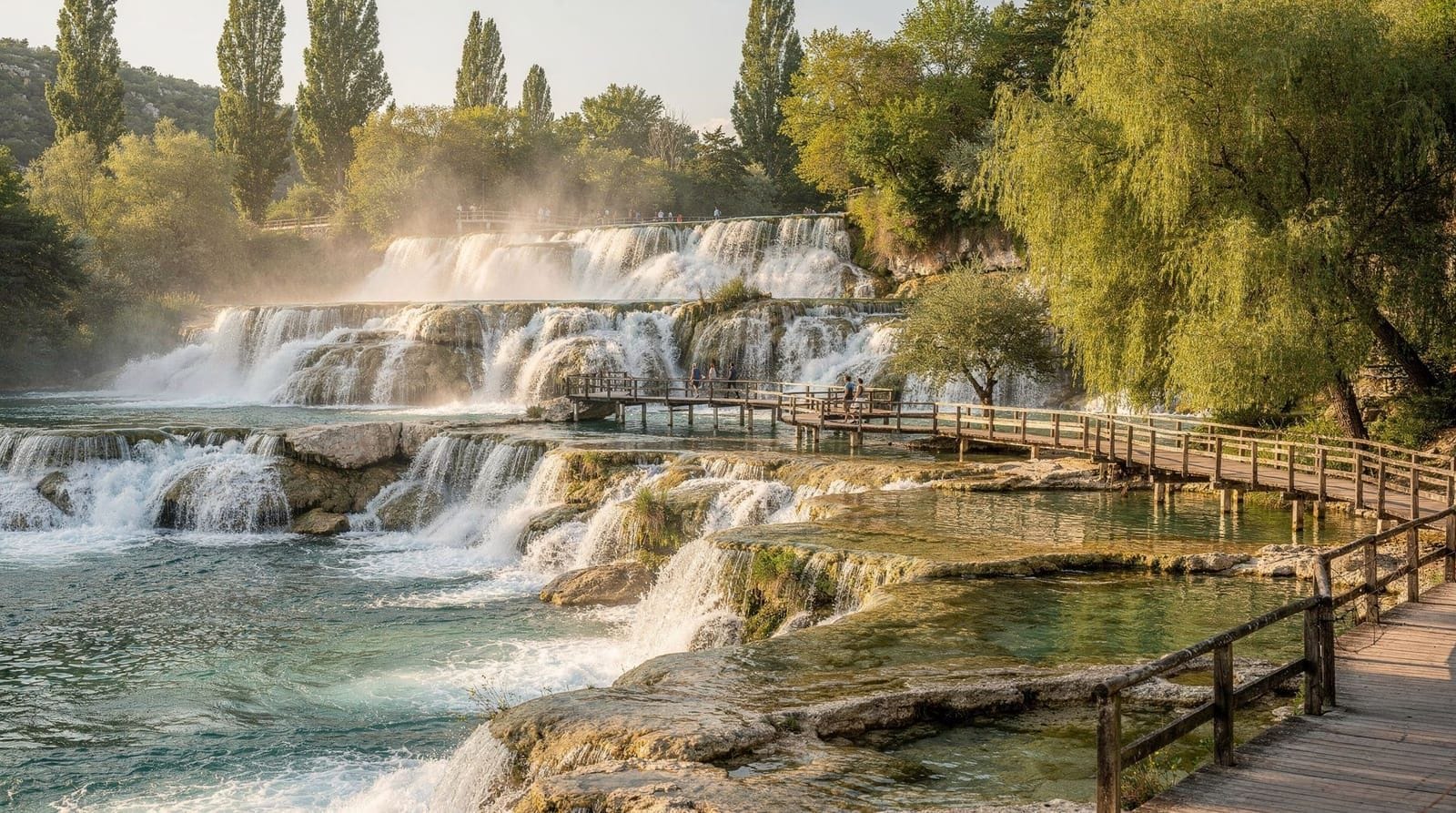
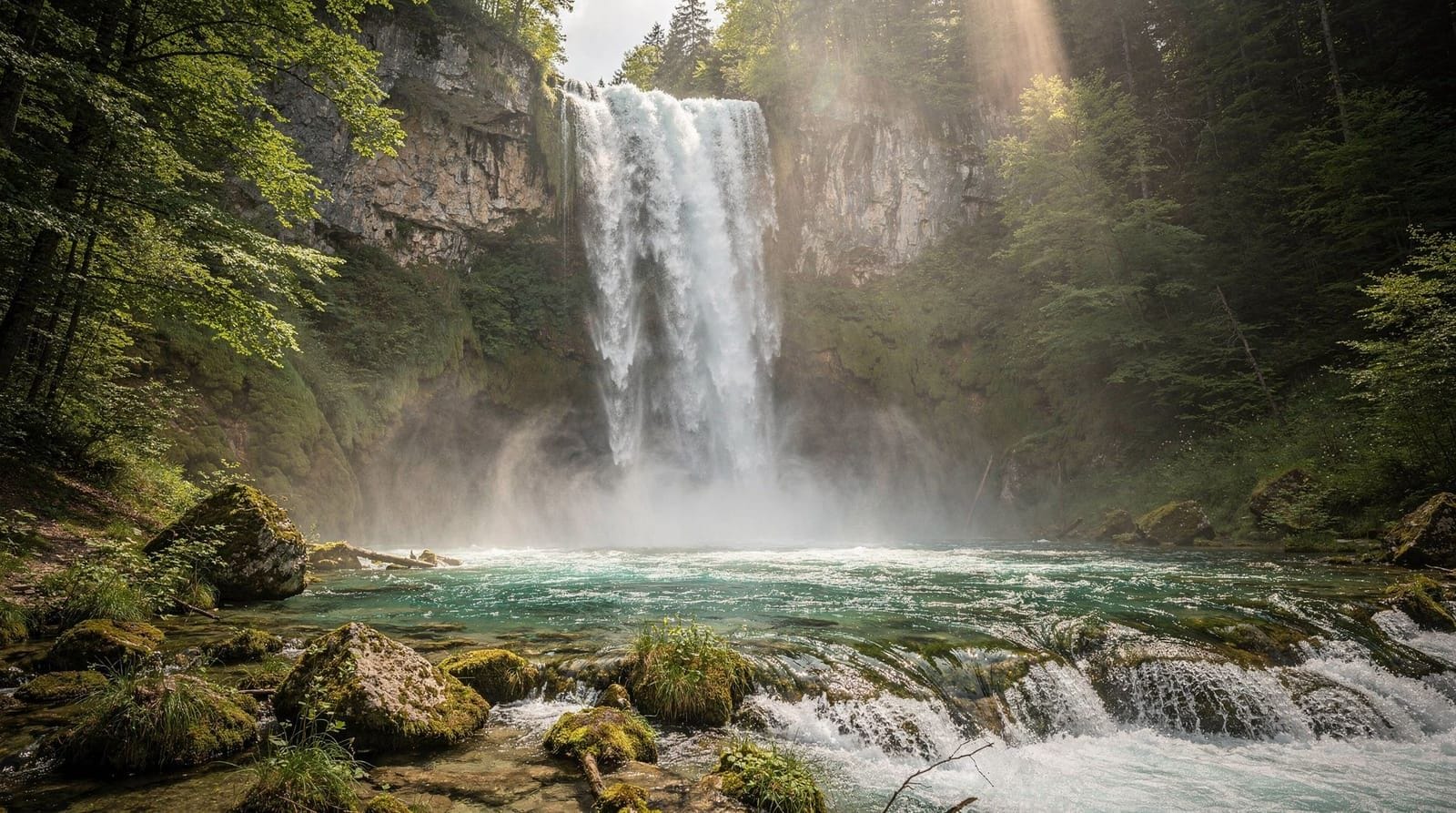
Croatia’s most visited park and its only UNESCO World Heritage natural site. Plitvice Lakes contains sixteen terraced lakes connected by waterfalls, set in a forested karst valley. The boardwalk system takes visitors along and across the water; the electric boat crossing of Kozjak lake is included in the ticket.
Best for: First-time visitors to Croatia’s nature, families, photography
Peak season warning: Extremely busy July–August; book online weeks ahead
Entry (2026): €10–40 depending on season
Read the full Plitvice Lakes guide.
2. Krka National Park
Region: Dalmatia, near Šibenik
Distance from Split: 90 km (about 1 hour)
Distance from Zadar: 80 km (about 1 hour)
The Krka river canyon contains seven cascades, the showpiece being Skradinski Buk — a 800-metre wide complex of seventeen travertine falls near the historic town of Skradin. Swimming at the main falls is now restricted; the park experience is visual rather than aquatic. A boat trip to Visovac island and Roski Slap can be added with an all-sites ticket.
Best for: Coastal visitors wanting a half-day or day park visit, combinations with Šibenik
Swimming note: Permitted in designated areas downstream, not at the main falls
Entry (2026): €10–35 high season; all-sites ~€60
Read the full Krka National Park guide.
3. Kornati National Park
Region: Central Dalmatia, between Zadar and Šibenik
Access: By boat only — day trips from Zadar, Šibenik, Biograd and Murter
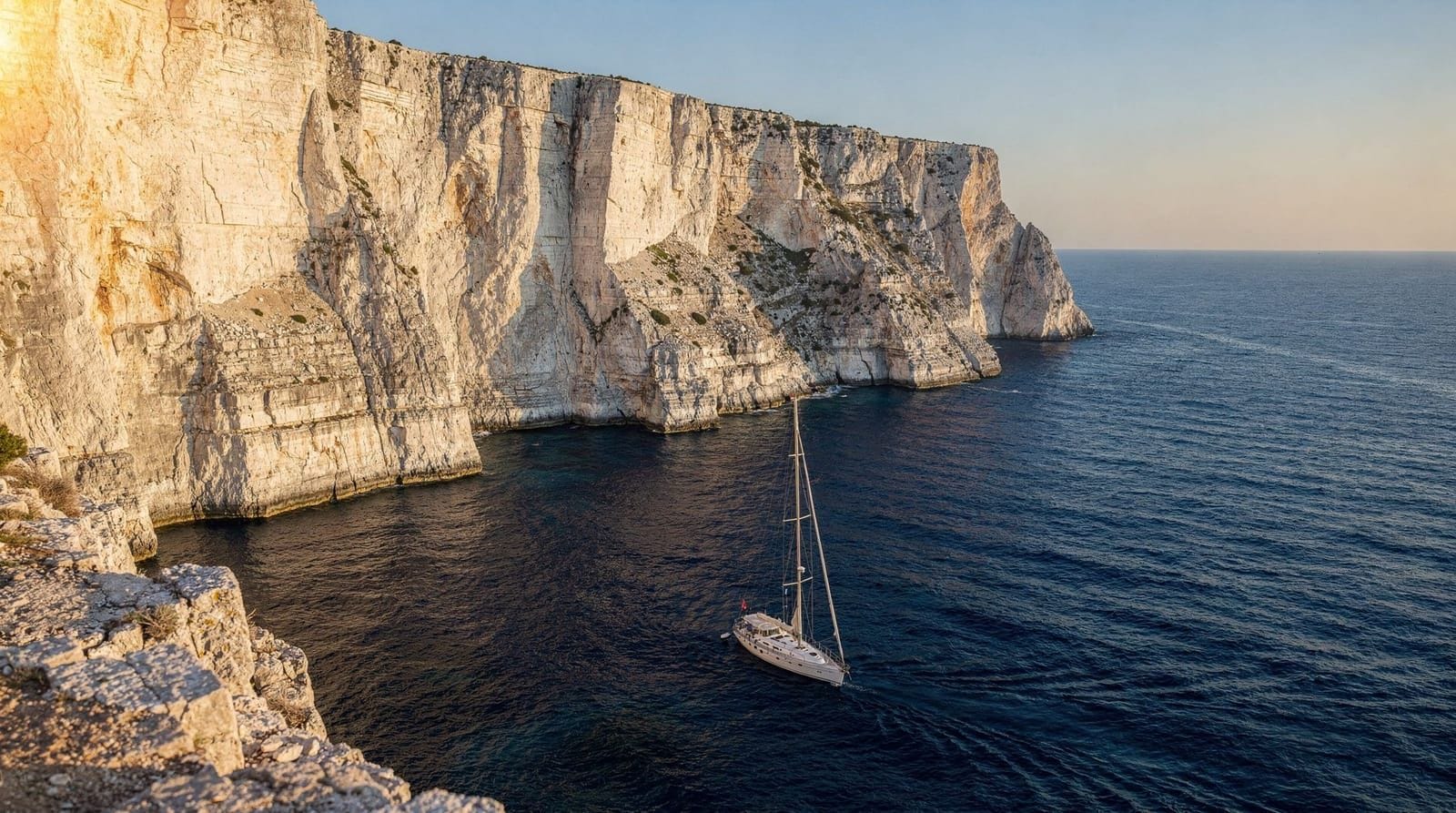
The densest archipelago in the Mediterranean: 89 islands, islets and reefs covering 220 km², with no roads, no mains water and almost no permanent population. The seaward cliff systems (Krune cliffs) are among the most dramatic in the Adriatic. This is primarily a sailing and boating park — crystal-clear water, exceptional snorkelling and small traditional fish restaurants (konobe) inside the park.
Best for: Sailors, boating enthusiasts, divers, those seeking dramatic emptiness
Entry: Included in day-trip prices; private boats pay approximately €20–25 per person per day
Read the full Kornati National Park guide.
4. Paklenica National Park
Region: Northern Dalmatia, south of Zadar (near Starigrad-Paklenica)
Distance from Zadar: 43 km (about 45 minutes)
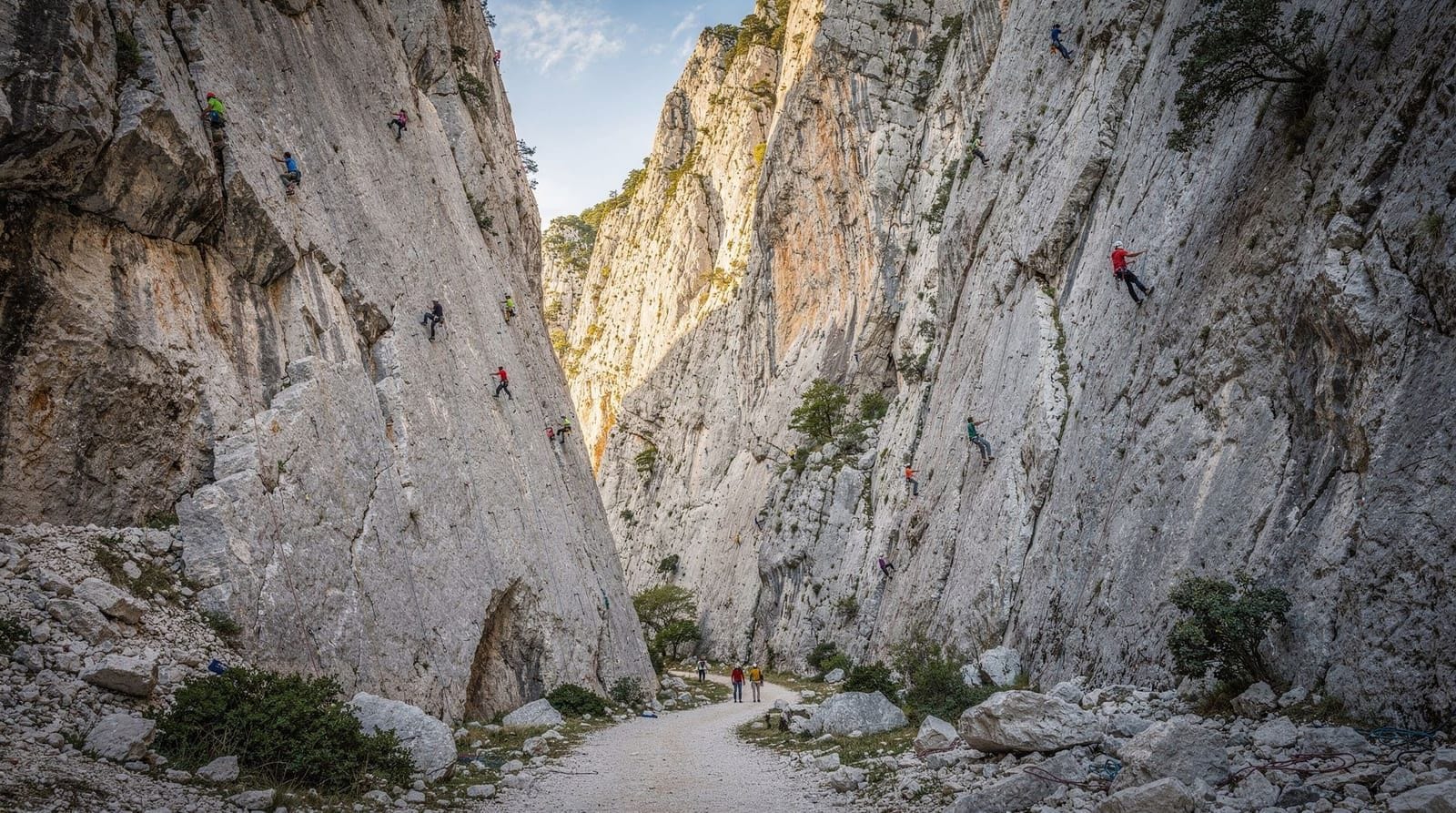
Two limestone canyons cut into the southern Velebit massif: Velika Paklenica, with a well-marked trail through a spectacular gorge, and the wilder Mala Paklenica for experienced hikers. The park is Croatia’s premier rock-climbing destination, with over 400 routes on the Anića Kuk wall. Trails lead to Vaganski Vrh (1,757 m), the highest peak in the park.
Best for: Hikers, rock climbers, those wanting genuine mountains close to the coast
Entry (2026): €7–15 depending on season
Read the full Paklenica National Park guide.
5. Mljet National Park
Region: Island of Mljet, Dalmatia
Access: By catamaran from Dubrovnik (about 1.5 hours) or ferry from Pelješac
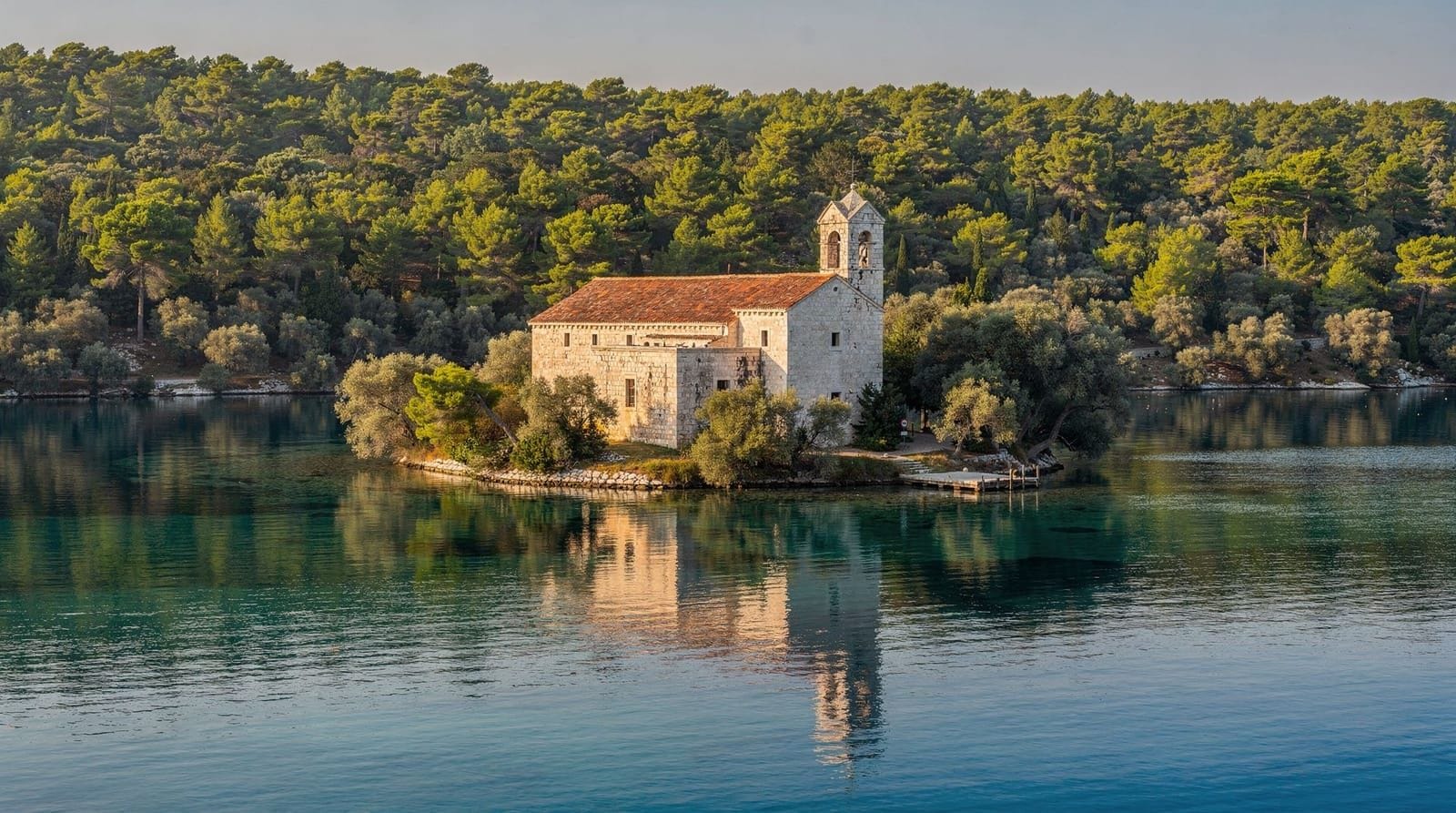
Mljet is one of Croatia’s greenest and most serene islands. The national park covers its western third, including two saltwater lakes (Malo and Veliko jezero), a pine-forested interior, and the island monastery of St. Mary on a tiny islet in the large lake. Kayaking, cycling and swimming in the lakes are the main activities. Mljet is the antithesis of Dubrovnik’s crowds — quiet, green and unhurried.
Best for: Couples, those wanting island nature with swimming, day trips from Dubrovnik
Entry (2026): €10–20 in season (includes the lake ferry to St. Mary’s island)
Read the full Mljet National Park guide.
6. Brijuni National Park (Brijuni)
Region: Istria, near Pula and Fažana
Access: By park boat from Fažana (included in park ticket)
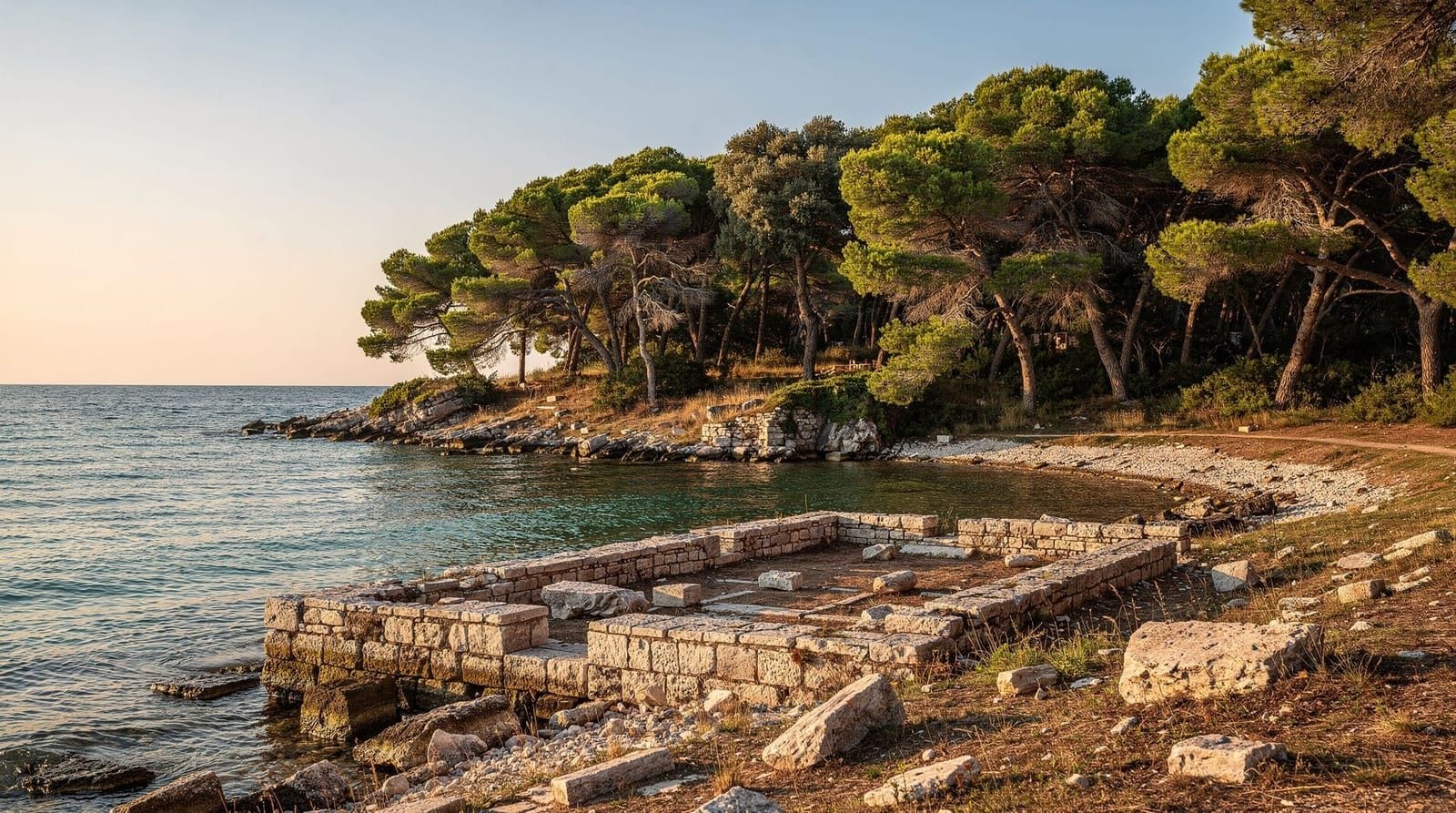
An archipelago of fourteen islands off the Istrian coast, Brijuni (Brioni in Italian) was the private retreat of Yugoslav leader Josip Broz Tito, and his era is still palpable in the safari park, the 1920s-era villas and the wildlife he received as diplomatic gifts (the safari animals are descendants of those gifts). The main island has Roman ruins, a Byzantine castle, a golf course and exceptional bird life.
Best for: History, a different kind of island experience, families who enjoy the quirky safari element
Entry: Boat ticket plus park entry; approximately €30–45 per adult including the boat from Fažana
Read the full Brijuni National Park guide.
7. Risnjak National Park
Region: Gorski Kotar, near Čabar and Delnice (inland from Rijeka)
Distance from Rijeka: About 50 km
Distance from Zagreb: About 120 km
Croatia’s least visited national park and one of its most genuinely wild. Risnjak covers the Gorski Kotar mountains between the coast and the continental interior — a landscape of beech and fir forests, karst sinkholes, mountain meadows and the headwaters of the Kupa river. The park takes its name from the lynx (ris in Croatian), which inhabits the area along with brown bear and wolf.
Best for: Serious hikers, wildlife, those wanting genuine solitude in nature
Entry (2026): €4–8
Nearest gateway: Town of Čabar; the Leska educational trail is the most accessible starting point
Read the full Risnjak National Park guide.
8. Sjeverni Velebit (North Velebit National Park)
Region: Northern Velebit massif, Lika and Kvarner
Distance from Senj: About 20 km inland
Distance from Zadar: About 130 km
The northern section of the Velebit range — one of the most dramatic karst mountain systems in Europe — is protected as Croatia’s youngest national park (established 1999). The Hajdučki kukovi and Rožanski kukovi rock formations are spectacular; the Lukina jama cave system reaches over 1,400 metres depth and is among the deepest caves in the world. The Velebit Botanical Garden at Zavižan is accessible by the mountain road from Krasno.
Best for: Experienced mountain hikers, cavers, botanists
Entry (2026): €4–8; mountain hut accommodation requires separate booking
Read the full Velebit Nature Park guide for the broader range context.
Which parks to combine in a single trip
One-week coastal trip from Split: Krka (day trip), Mljet (day trip from Dubrovnik end of trip), optional Kornati from Zadar en route.
One-week northern itinerary from Zagreb: Plitvice (1–2 days), Paklenica (1 day from Zadar area), optional Risnjak or North Velebit for serious hikers.
Two-week full Croatia circuit: Risnjak or North Velebit (from Rijeka), Plitvice, Paklenica, Kornati (from Zadar), Krka (from Šibenik or Split), Mljet (from Dubrovnik end). This covers six of the eight parks in a sensible geographic arc.
See the national parks and waterfalls route itinerary for a structured approach.
Best time to visit each park
Timing matters more for some parks than others. Plitvice is at its most dramatic in spring (April–May) when snowmelt maximises waterfall volume, and least comfortable in peak August heat with entry-cap pressure. Krka follows a similar logic but with less snowmelt dependency — May, June and September are the reliable sweet spot. Kornati and Brijuni, both boat-access parks, are best May through September when tour boats run full schedules; winter access is minimal to nonexistent. Paklenica rewards spring and autumn hiking when summer heat isn’t radiating off the limestone gorge walls. Mljet is a summer park by nature — swimming in the saltwater lakes is the point, so June–September is when it delivers fully. Risnjak and North Velebit are genuinely alpine and best from late spring through early autumn; snow can close higher trails outside that window. See Croatia month by month for the country-wide seasonal picture these parks sit within.
Combining a national park with the coast
Most visitors don’t dedicate a whole trip to national parks — they slot one or two into a coastal itinerary. Krka and Kornati both work as day trips that don’t disrupt a Split or Zadar base. Mljet fits naturally at the tail end of a Dubrovnik stay. Plitvice is the outlier: far enough from the coast (2.5–3.5 hours from Split or Zagreb) that it deserves either a dedicated overnight or a genuinely long day-trip day. Trying to combine Plitvice with a full coastal day in the same 24 hours from Split usually means rushing both. See the Croatia itinerary planning guide for how to sequence a national park into a wider trip.
Frequently asked questions about Croatia's national parks
Which Croatian national park is best for families?
Plitvice Lakes for the boardwalk lakes experience; Krka National Park for easy access from the coast and a boat component. Mljet is excellent for families who want a relaxed island setting with a saltwater lake. Brijuni suits families interested in history, nature and a safari-style ride around the islands.Can you visit multiple Croatian national parks in one trip?
Yes — an itinerary combining Plitvice (inland) with Krka, Kornati or Mljet (coastal) is entirely feasible in 7–10 days. The national parks waterfalls route itinerary links several parks in a single circuit. Paklenica and North Velebit suit dedicated nature travellers with more time.Which Croatian national park is the least crowded?
Risnjak and North Velebit (Sjeverni Velebit) are the least visited parks — they attract hikers and wildlife specialists rather than mass tourism. Brijuni is accessible but small and manageable. Kornati is busy in peak sailing season but spread across 89 islands so rarely feels overcrowded.Do you need a car to visit Croatia's national parks?
A car makes visiting Plitvice, Paklenica and Risnjak much easier but is not essential — buses serve all three. Krka is accessible by bus from Split to Skradin. Kornati, Mljet and Brijuni require boat access regardless. Brijuni boat tickets are sold at Fažana on the Istrian coast.Which Croatian national park is closest to Dubrovnik?
Mljet National Park, which covers the western third of Mljet island, is reachable from Dubrovnik by catamaran in about 1.5 hours. It is the logical park visit from a Dubrovnik base.What is the entrance fee for Croatian national parks?
Fees vary by park and season. Rough 2026 estimates: Plitvice €10–40, Krka €10–35, Kornati (boat tours include entry), Paklenica €7–15, Mljet €10–20, Brijuni (boat tour plus park), Risnjak €4–8, North Velebit €4–8. All parks charge less in low season and offer discounts for children.
Top experiences
Bookable activities with verified prices and instant confirmation on GetYourGuide.
Top experiences
Best-rated activities across GetYourGuide and Viator.

From Split: Plitvice Lakes National Park Guided Tour
- Viator

Krka Waterfalls Day Tour with Boat Ride from Split and Trogir
- Viator

Plitvice Lakes National Park Guided Day Tour from Split
- Viator

Krka National Park Tour with tour Guide & Wine tasting from Split & Trogir
- Viator

From Zadar: Plitvice Lakes with Boat Ride & Zadar Old town tour
- Viator

Mostar and Herzegovina Tour with Kravica Waterfall from Split & Trogir
- Viator