Best Family Beaches in Croatia — Safe, Shallow and Kid-Friendly
Split: Day trip to Hvar and Brac islands with Zlatni Rat beach
Which are the best family beaches in Croatia?
Nin Lagoon near Zadar is the top pick for toddlers — extremely shallow, warm and sandy. Sakarun on Dugi Otok is the best sandy beach for older children. Bačvice in Split has very shallow pebble/shingle water. Rajska plaža on Rab is long and sandyish. For organised facilities with calm water, look at Lopar (Rab) and Brela (Makarska Riviera).
What Families Need on a Croatian Beach
Croatia’s beaches are genuinely beautiful, but most require more preparation for families than a typical sandy Mediterranean resort beach. Understanding what to expect — and which beaches have been chosen specifically for family conditions — makes the difference between a wonderful day and an exhausting one.
The key criteria for a family beach in Croatia: gradual, shallow entry into the water (so children can wade without plunging into depth); reasonably comfortable surface underfoot (fine pebble or sand); access to shade; facilities nearby (toilets, changing rooms, somewhere to buy water); and manageable getting-there logistics.
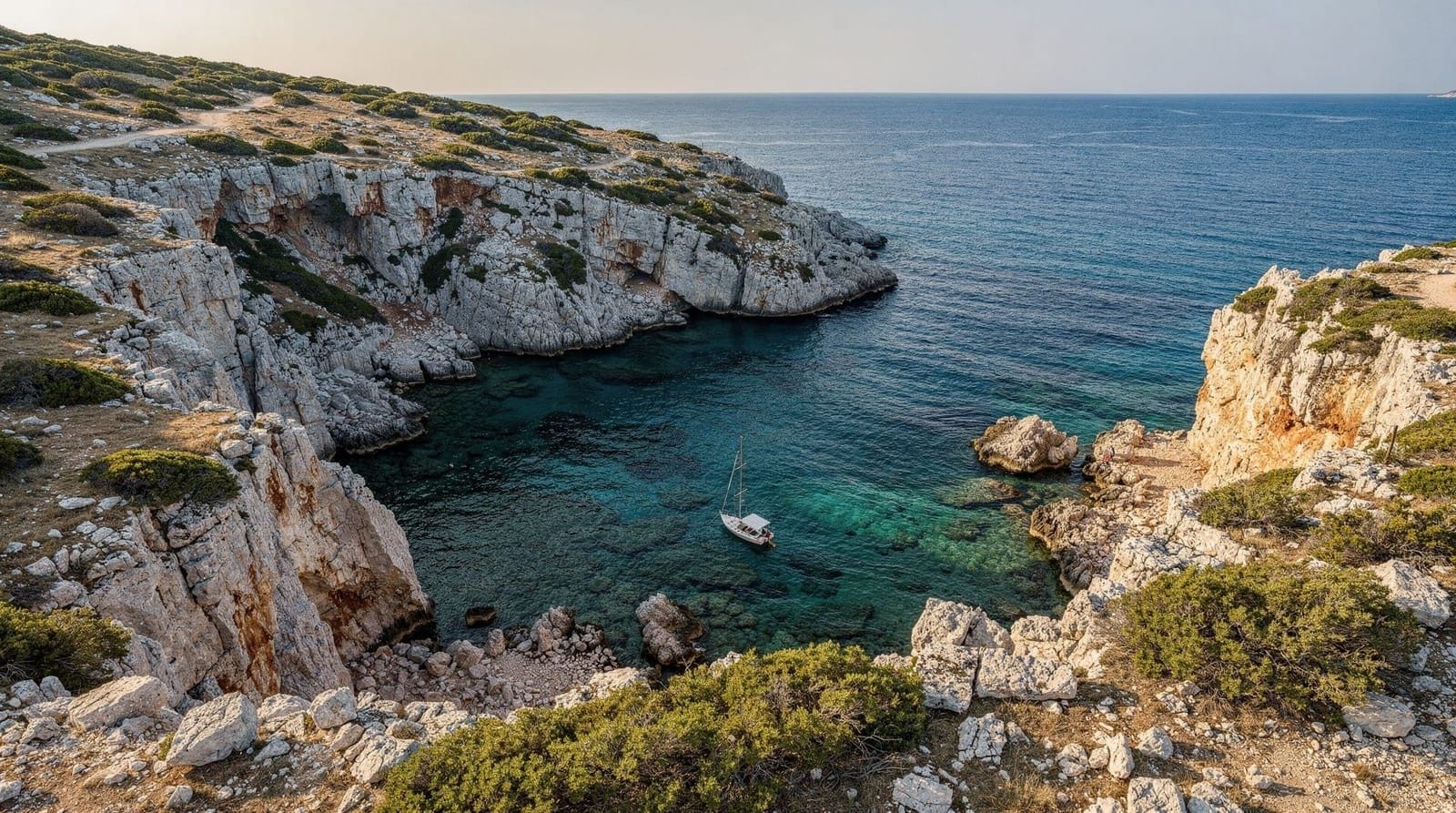
Most of Croatia’s famous “photogenic” beaches are not optimised for families. Stiniva on Vis is spectacular but accessed by a steep 40-minute hike and has a deep, cliff-enclosed entry — unsuitable for young children. Zlatni Rat at Bol is more manageable but still pebble with a crowd problem in peak season. The beaches below score better on all the practical family criteria.
| Beach | Entry type | Best for | Facilities |
|---|---|---|---|
| Nin Lagoon | Sandy, extremely shallow | Toddlers, non-swimmers | Basic, parasol hire |
| Sakarun (Dugi Otok) | Sandy, gradual | Ages 4–10 | Limited — bring supplies |
| Bačvice (Split) | Fine shingle, shallow | Split-based families | Full city-beach infrastructure |
| Rajska Plaža (Rab) | Fine shingle, gradual | Island stays with kids | Good, multiple beach sections |
| Brela (Makarska) | Fine pebble | Mainland-based families | Full resort infrastructure |
Nin Lagoon — Best for Toddlers and Young Children
The Nin salt lagoon beach, 15 km north of Zadar, is arguably Croatia’s single best beach for very young children. The lagoon is protected and extremely shallow — knee-deep for a very long distance — with a sandy bottom of pale-grey fine sand. Water temperatures climb to 28–30°C in July and August because the shallow lagoon heats quickly.
The therapeutic mud from the lagoon bed is a local tradition: people scoop the grey silt, apply it to skin, and let it dry in the sun before rinsing off in the sea. Children love this. The beach has facilities, parasol hire and a few beach bars. The town of Nin itself (2 km away) is worth exploring — it’s one of Croatia’s oldest towns with a tiny circular church and Roman remains.
Who it’s perfect for: Toddlers (1–3 years), non-swimmers, children nervous about deep water.
Getting there: Bus from Zadar to Nin (25 min), then walk to lagoon. Easy by car or taxi. €5–10 taxi from central Zadar.
Sakarun Beach, Dugi Otok — Best Sandy Beach for Older Children
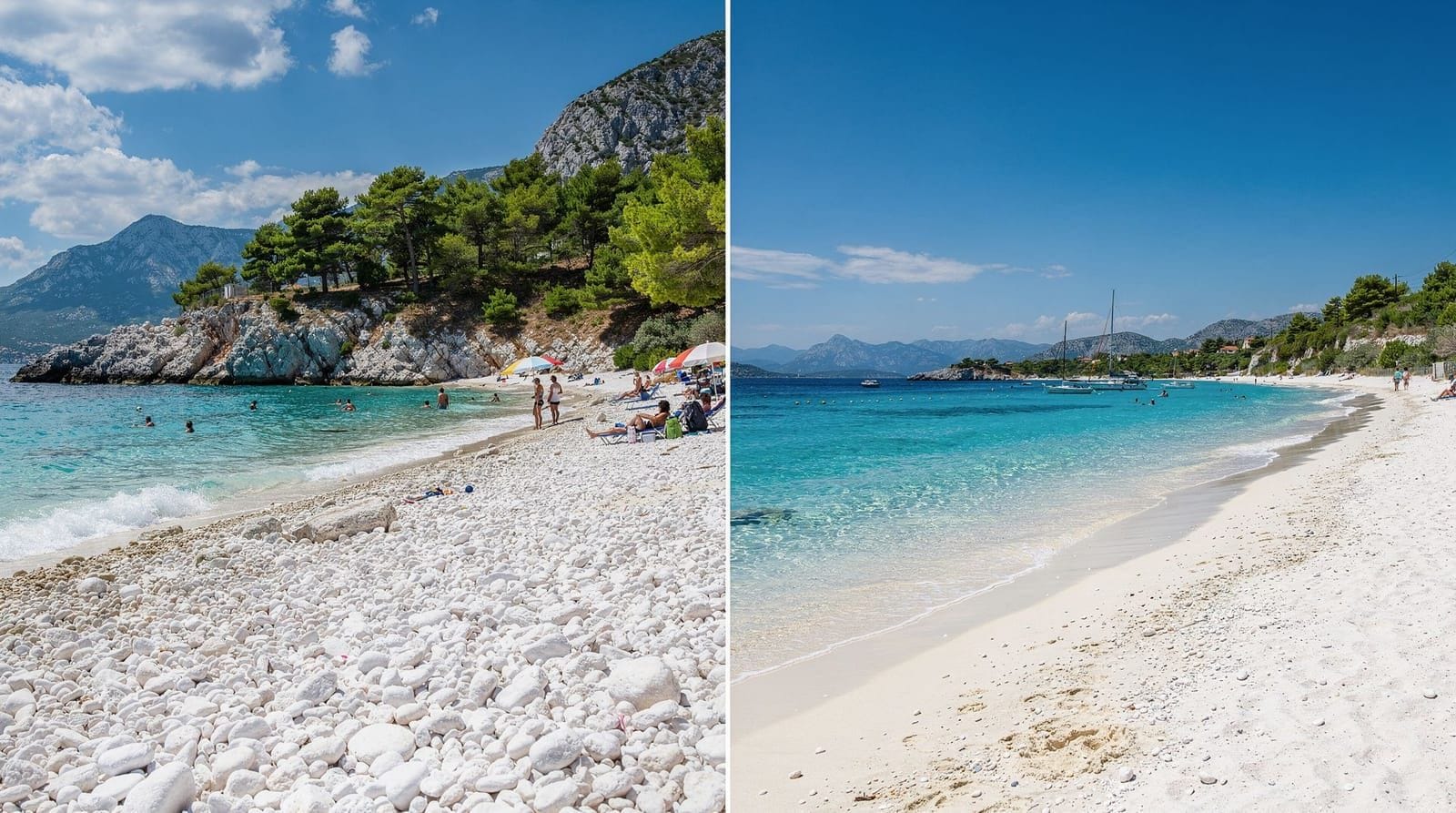
Sakarun is Croatia’s finest genuinely sandy beach — a horseshoe bay on the largely undiscovered island of Dugi Otok, northwest of Zadar. The sand is pale and fine, the entry gradual enough for children to walk in slowly, and the turquoise water is shallow for 50–100 metres before dropping off. The colour and clarity are exceptional.
The beach requires some effort to reach — catamaran from Zadar to the island (1–1.5 hours), then transport across the island (~20 km by car or taxi). But this effort keeps the crowds manageable even in August. There are basic facilities in summer (a beach bar) but bring supplies.
Who it’s perfect for: Families with children aged 4–10 who want a true sandy beach experience.
Getting there: Jadrolinija or G&V Line catamaran from Zadar to Sali or Brbinj, then taxi or car hire on the island.
Bačvice, Split — The City Beach Classic
Bačvice is Split’s famous city beach, positioned in a sheltered bay 10 minutes’ walk south of the old town. The beach is fine shingle (between pebble and sand), and more importantly the water stays very shallow — knee-to-thigh deep — for a significant distance out. This is the beach where locals play picigin, a traditional Croatian wading game involving a small rubber ball, played standing in knee-deep water.
For families based in Split, Bačvice is an obvious and convenient choice: good public transport, changing rooms, beach bars and the full infrastructure of a city beach. It gets crowded in peak season but remains lively rather than overwhelming. The shallow water means young children can safely splash without entering swimming depth.
Who it’s perfect for: Families staying in Split who want an easy, walk-to beach. Good for children who can wade but not necessarily swim.
Getting there: 10 minutes’ walk south from Diocletian’s Palace in Split centre.
Rajska Plaža (Paradise Beach), Rab Island — Family Classic
Rajska plaža at Lopar on the northern tip of Rab island is Croatia’s longest and most famous “sandy” beach — relatively sandy by Croatian standards, with fine-ish shingle that’s significantly more comfortable than typical pebble. The beach faces a sheltered bay and the entry is gradual. There are multiple beaches in the Lopar area, some with gentler conditions than others.
Rab island is accessible by ferry from Jablanac on the mainland (15 min crossing, very short and child-friendly) or from Rijeka. The island has a beautiful medieval old town worth exploring.
Who it’s perfect for: Families wanting an island experience with family-friendly beaches and an attractive town.
Getting there: Ferry from Jablanac (mainland) to Mišnjak on Rab (15 min, frequent). Bus or taxi within the island to Lopar.
Brela, Makarska Riviera — Beautiful and Accessible
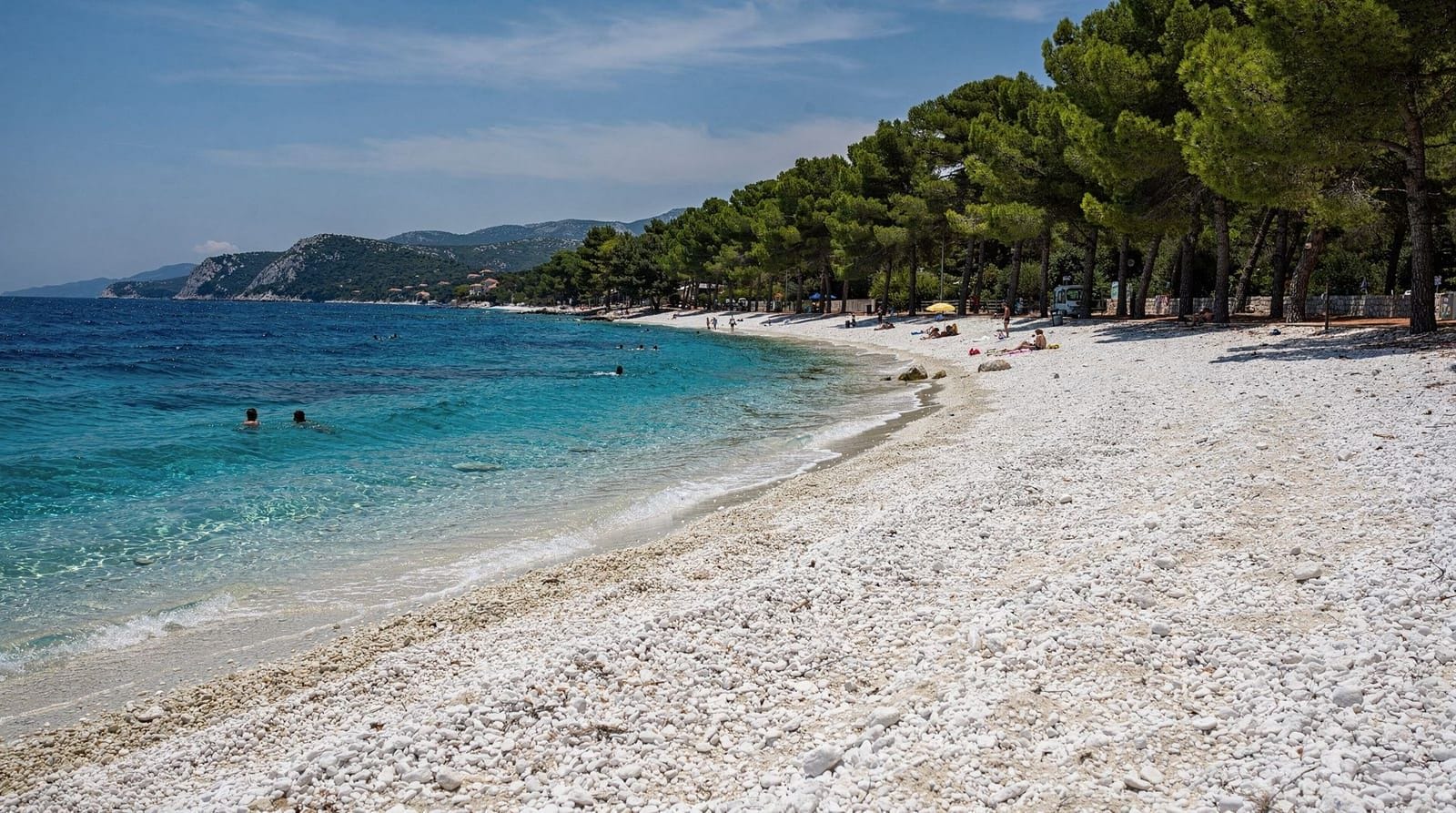
Punta Rata near Brela on the Makarska Riviera is consistently ranked among Croatia’s most beautiful beaches — a long stretch of fine pebble backed by pine trees, with the famous Brela Stone (a small rock topped by a lone pine) just offshore. The beach is wide, the water entry is relatively gradual, and the pine wood provides genuine shade.
Brela itself is a pleasant, small resort with family-appropriate restaurants and hotels. The Makarska Riviera (Brela, Baška Voda, Makarska town) is less frenetic than the islands and remains a genuine family resort area with good infrastructure.
Who it’s perfect for: Families who want a classic Dalmatian coast experience without island ferry logistics. Fine pebble is more comfortable than typical beach, though water shoes still needed.
Getting there: Bus from Split to Brela (~1.5 hours, frequent). Drive via the coastal D8 road.
Uvala Vira, Brač — Quiet and Calm
Brač island has many beaches beyond the famous Zlatni Rat. Uvala Vira, on the island’s northern coast between Supetar and Milna, is a sheltered bay with calm, clear water and a gradual pebble entry. It’s quieter than Bol (which gets the day-tripper boats) and feels more like a local beach.
The northern coast of Brač generally has calmer water than the southern (where Zlatni Rat faces the Hvar channel). In a northern breeze, the south-coast beaches can get choppy; the north stays sheltered.
Who it’s perfect for: Families who have taken the ferry to Brač and want a quiet alternative to Zlatni Rat.
Getting there: Ferry Split–Supetar (50 min), then rental car or taxi to various northern bays.
Opatija and Kvarner — Rocky Platforms with Infrastructure
The Kvarner coast (Opatija, Lovran, Crikvenica, Krk island) has a different character from Dalmatia — more old-fashioned riviera, rocky platforms with steps into the sea, and well-developed beach infrastructure from the Habsburg era. For families who don’t need sand, the rock platform beaches along the Lungomare promenade at Opatija have changing rooms, shade, restaurants and calm water.
Krk island’s Baška town has a shingly beach in a sheltered bay that’s extremely popular with families from Zagreb and Slovenia — one of the more developed family beach resorts in Croatia.
Who it’s perfect for: Families in northern Croatia or passing through from Slovenia/Istria. Good rail/road access from Zagreb.
What to Pack for a Croatian Beach Day with Children
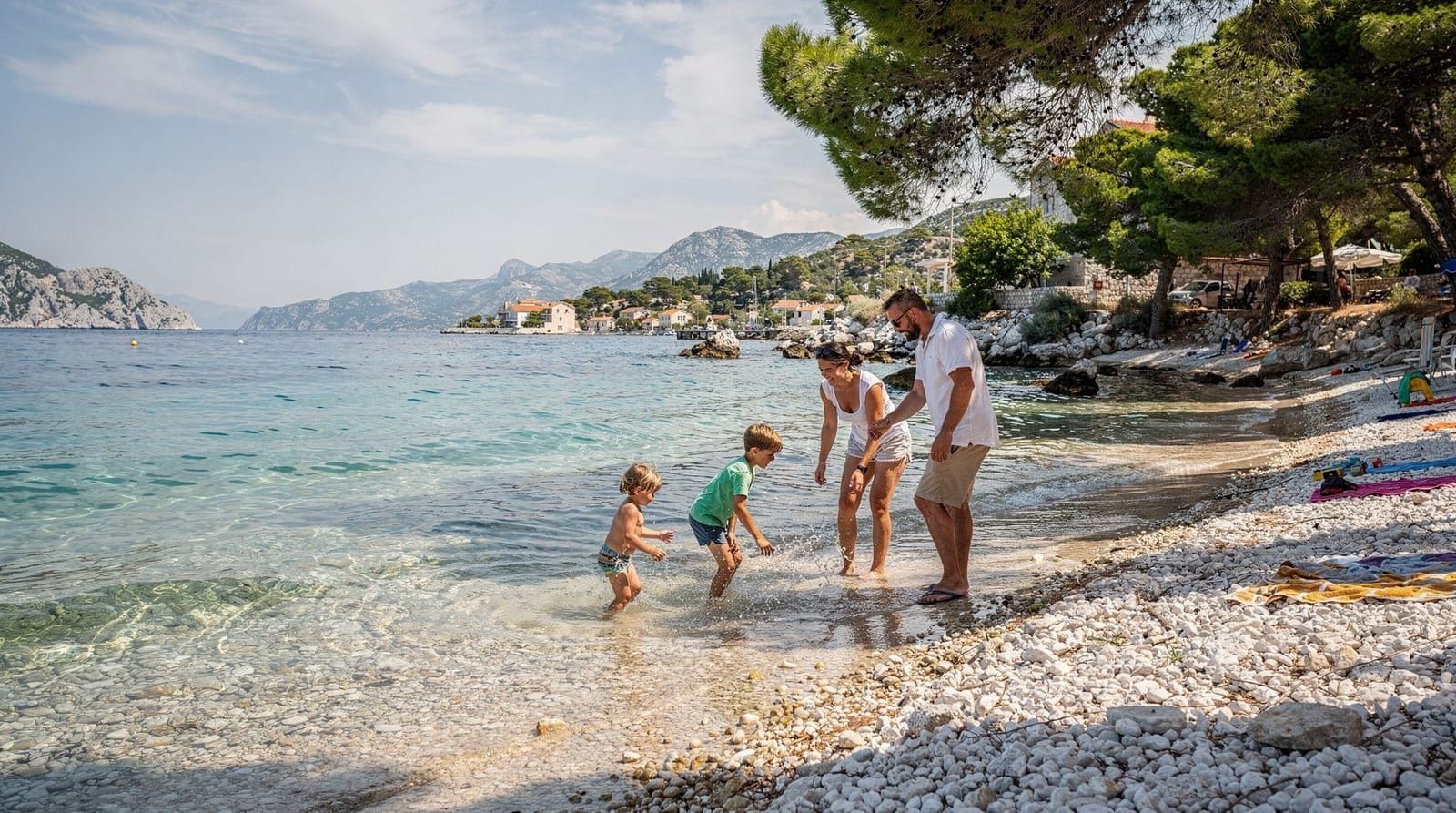
Water shoes for every child. Non-negotiable. Buy them before departure or from any shop in Croatia (€5–10 for children’s sizes). Sea urchins are real and painful. Children should wear these whenever walking on pebble or near rock.
Inflatable beach mat or roll mat. Lying or sitting on pebble is uncomfortable for extended periods. A lightweight inflatable mat weighs very little in luggage.
High-SPF sunscreen. SPF 50 for children in summer. The Adriatic sun reflects off pale pebble and water — sunburn happens faster than expected. Reapply after swimming.
Snorkelling set for older children. The clear water makes snorkelling exceptional even for beginners. Aim for a quality mask (not cheap blow-up versions) — fogging is the main complaint.
Shade: A portable beach umbrella if your children burn easily. Shade structures at most organised beaches are rentable for €5–10, but Dalmatian beaches in direct sun between 11am–4pm are brutal.
Water and food. Beach bar prices are high (€3–5 for a water bottle, €5–8 for a snack). Pack a cool bag with drinks and sandwiches.
Safety Notes for Children on Croatian Beaches
Sea urchins (ježinci): Black, spiny and common on rocky submarine surfaces throughout Dalmatia. A spine in a child’s foot is painful and requires removal (either pop out or tweak with tweezers). The prevention is simple: water shoes.
Jellyfish: Occasional seasonal blooms, mostly August–September. Mauve stingers are the most common. If stung, rinse with seawater (not freshwater) and apply ice wrapped in cloth. Seek a pharmacy (ljekarna) for antihistamine cream. Not dangerous but unpleasant.
Sun and dehydration: The main genuine risk. Start beach days early, take a midday break (11am–4pm) in shade or back at accommodation, reapply sunscreen constantly, drink water regularly.
Rock edges and cliff platforms: Keep young children away from unguarded rock edges. Organised beaches are safer; remote coves may have dramatic cliff entries unsuitable for young children.
Life jackets: Available for children on most boat tours. If booking a boat trip, confirm life jackets in the appropriate size are available.
For more family planning, see our croatia family guide, family itinerary croatia, and family-friendly islands guides.
Choosing a base near the right beach
Where you base yourself matters as much as which individual beach you pick, since Croatian families often visit two or three beaches during a stay rather than one. Split puts you within reach of Bačvice and a short ferry to Brač’s calmer bays, covered in the family-friendly islands guide. Zadar puts you close to Nin Lagoon and the Sakarun ferry. If you’re planning a full family trip rather than a single beach day, see the family itinerary Croatia guide for how these beaches slot into a realistic multi-day schedule, and pebble vs sand beaches for the broader picture of why most of the coast isn’t sandy in the first place.
If a lagoon or shallow bay isn’t enough
Older children who are confident swimmers may want more than a shallow entry — snorkelling, kayaking or a boat day add variety to a beach-focused trip. See sea kayaking around Dubrovnik for an active add-on that works well for families with children aged 8 and up.
When to go for the calmest water
Sea conditions vary more than most visitors expect. The Adriatic is at its calmest and warmest from June through early September, but the northern winds (bura) that occasionally sweep the coast can make even sheltered bays choppy for a day or two — check the forecast rather than assuming every day will be lagoon-calm. Shoulder-season visits (late May, September) trade slightly cooler water for consistently thinner crowds at every beach on this list.
Frequently asked questions about Best Family Beaches in Croatia
Are Croatian beaches safe for children?
Generally yes. The Adriatic is calm in summer with no significant tides. The main hazards are sea urchins on rocky entries (always wear water shoes on children) and slippery rocks. Avoid rock platforms for toddlers — they have no gradual entry. Choose beaches with organised facilities and lifeguards for small children.Do children need water shoes in Croatia?
Yes — for any pebble or rocky beach, water shoes are essential for children. Sea urchins on underwater rocks can cause painful injuries. Water shoes for children cost €5–10 in any seaside resort town. They're the single most important purchase for a Croatia beach holiday with kids.Which Croatian beaches have shallow water for toddlers?
Nin Lagoon (extremely shallow, sandy, very warm water), Sakarun on Dugi Otok (very gradual entry), Rajska plaža on Rab (Lopar, shallow sandy approach), Bačvice in Split (pebble/shingle but very shallow for long distance — local tradition of the wading game picigin). Avoid steep-entry rocky coves for toddlers.What age is Croatia suitable for with children?
Croatia is excellent from about age 4–5 upward. Toddlers (1–3) require more planning — focus on sandy, shallow beaches like Nin and avoid long walks on pebble. The islands are manageable for most ages if you stay on the mainland or in well-connected coastal towns. National parks like Plitvice have boardwalks suitable for older children.What should I bring to Croatian beaches with children?
Water shoes for every family member (essential), high-SPF sunscreen, inflatable beach mat or mats (lying on pebble), snorkel sets for older children, waterproof bags for phones, plenty of water and snacks (beach bar prices are high), and a shade structure if your children burn easily. The Adriatic sun is strong.Are the Croatian islands suitable for families?
Yes — several islands are excellent for families. Brač is popular (easy ferry from Split, Zlatni Rat beach, calm northern bays). Korčula is calmer than Hvar and has good swimming near town. Krk in Kvarner is very family-friendly with accessible beaches and good facilities. Avoid Hvar Town itself in peak season — the nightlife vibe and summer prices are not family-oriented.Are there water parks near Croatian beach resorts?
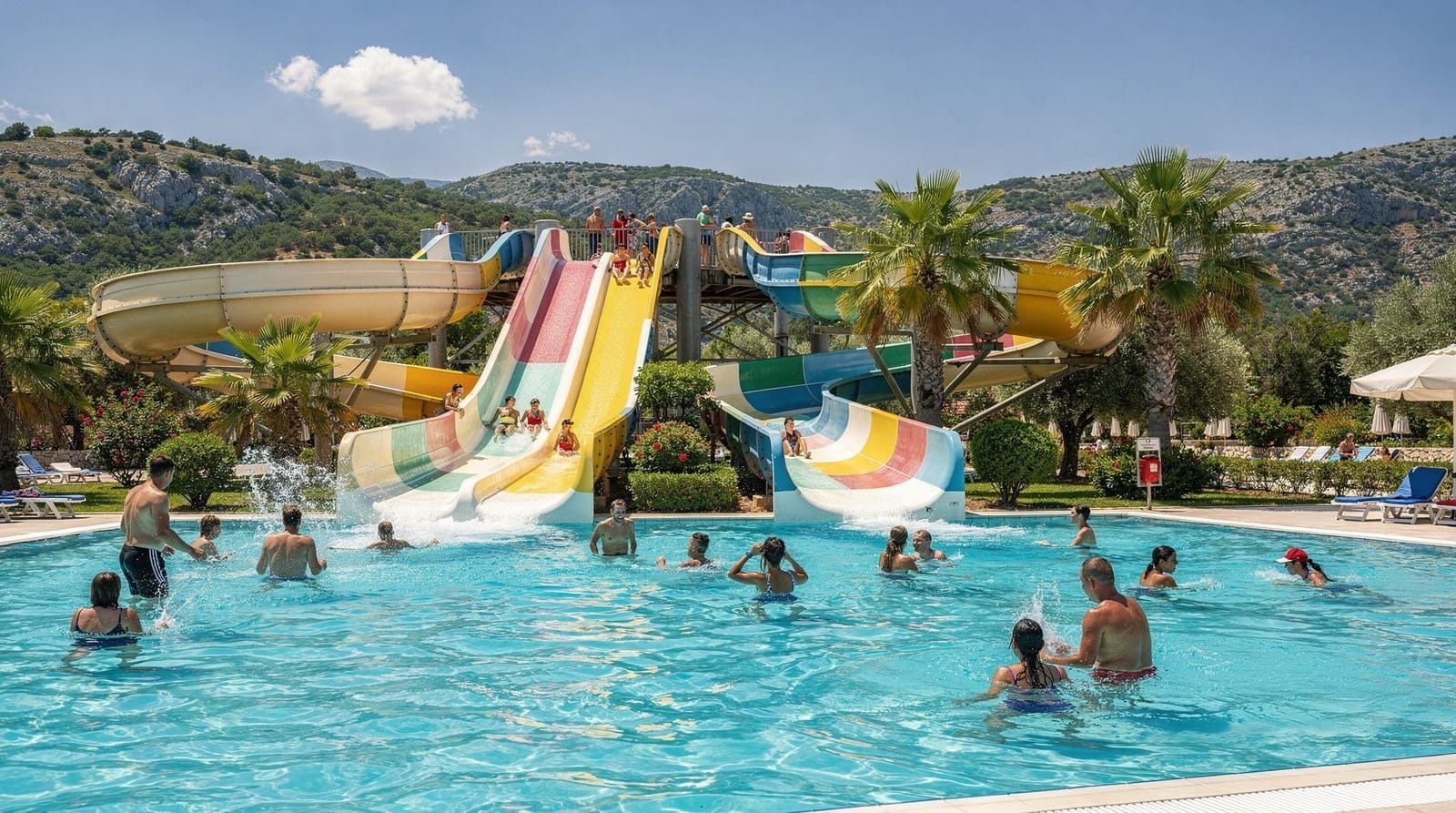
Yes. Aquapark Istralandia near Novigrad in Istria is the largest. Aquapark Biograd near Zadar has water slides. These are covered separately in our Croatia water parks guide. Note these are separate commercial parks, not beach facilities.
Top experiences
Bookable activities with verified prices and instant confirmation on GetYourGuide.
Top experiences
Best-rated activities across GetYourGuide and Viator.

Blue cave, Mamma Mia and Hvar, 5 islands speedboat tour
- Viator

Blue Cave and Hvar Tour - 5 Islands Tour from Split and Trogir
- Viator

Blue cave, Mama Mia and Hvar, 5 Island Speedboat Tour from Trogir
- Viator

Hvar, Brač & Pakleni islands cruise with lunch & drinks from Split & Trogir
- Viator

Blue Cave & Vis Island speedboat tour from Hvar
- Viator

KAYAK ADVENTURE! Wild Coast Exploring - Snorkeling & Cliff Jumps
- Viator