Sea kayaking in Dubrovnik: routes, tours and what to expect
Dubrovnik: Sea kayaking half-day tour
Is sea kayaking in Dubrovnik worth it?
Absolutely. Paddling beneath the city walls from sea level is one of Dubrovnik's most distinctive perspectives — and one no bus tour or cable car delivers. Half-day morning tours are the best-value option; sunset tours are more romantic but busier. Book a guided group tour for beginners; rent independently only if you have solid open-water kayaking experience.
The city walls from sea level
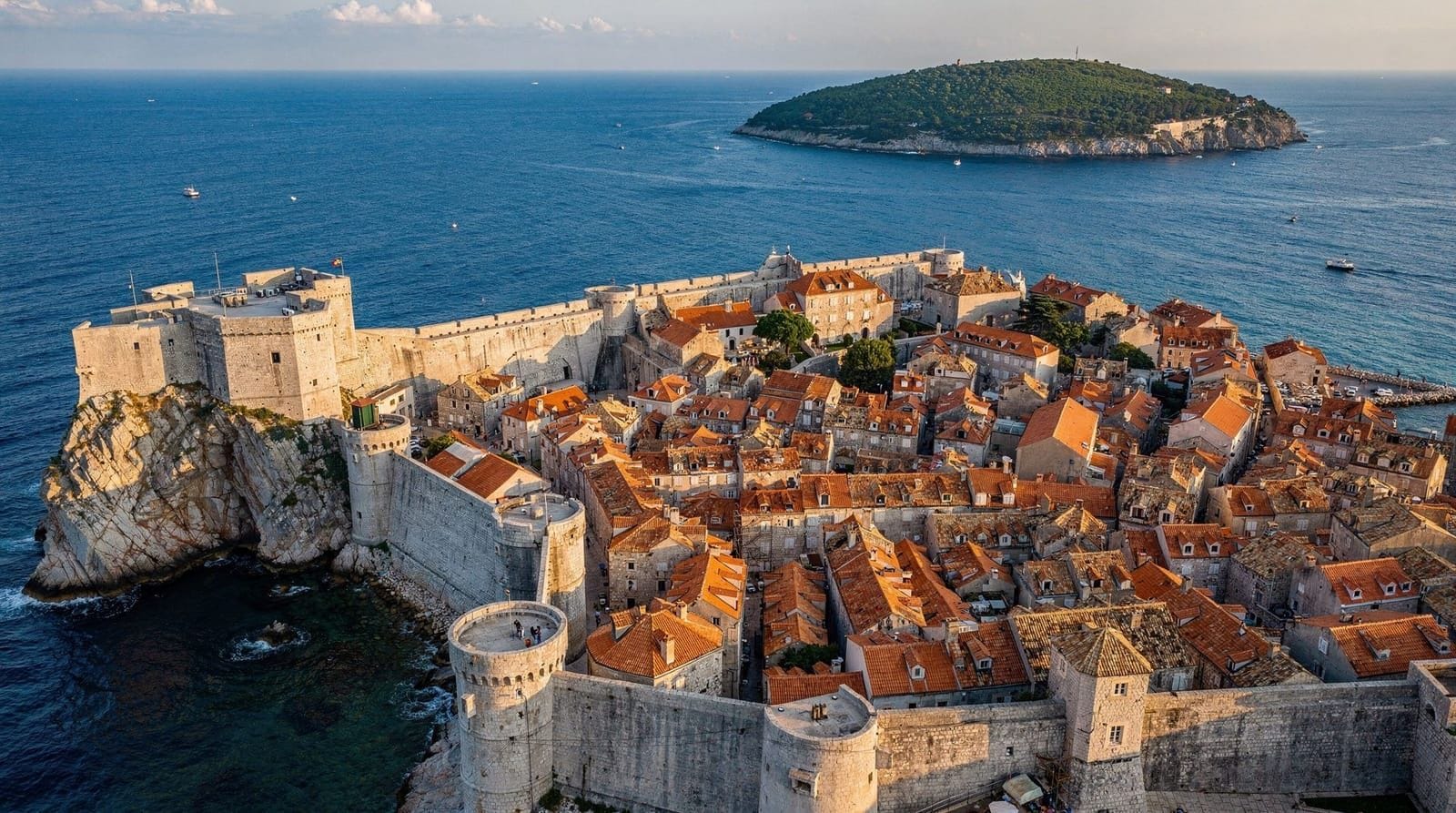
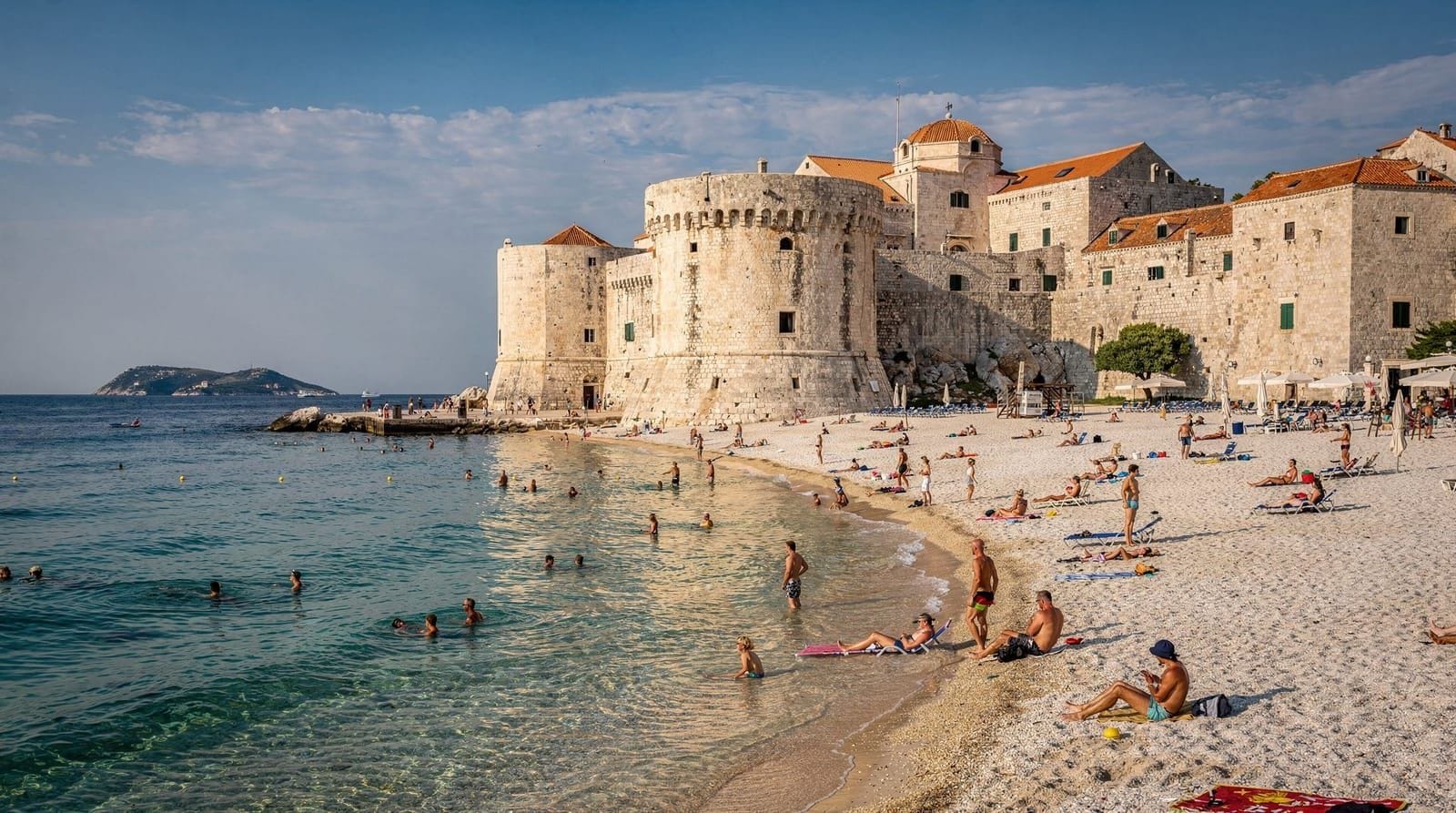
Dubrovnik from the land is magnificent. Dubrovnik from the sea is something else entirely — the Baroque stone walls rise directly from the Adriatic, their ochre towers reflected in water so clear you can watch fish moving fifteen metres below your hull. Sea kayaking is the only way to experience this perspective at a human pace, close enough to feel the cold of the stone.
| Where | Banje Beach / Pile area, Dubrovnik |
| Cost | Around €35–55/person for a half-day guided tour |
| Time needed | 2–3 hours on the water |
| Getting there | Walkable from the Old Town / Pile Gate |
| Best time | Morning (07:30–09:00) for calm water; May, June, September overall |
The area around the Old Town of Dubrovnik has been a paddling hub since the 1990s, and the guided tour offer today is sophisticated. You can choose between dawn sessions on glassy water, midday snorkeling paddles, and sun-drenched sunset tours. What you cannot do — not safely, at least — is rock up at the waterfront and improvise. The area sees more boat traffic per square kilometre than almost anywhere else in the Adriatic.
What a guided kayak tour looks like
Most Dubrovnik sea kayaking tours follow a roughly similar arc, with variations depending on duration and time of day.
Meeting point and briefing. Tours typically begin at Banje Beach (east of the Old Town, a 10-minute walk from the Ploce Gate) or from kayak centres near Pile. Your guide briefs the group on paddle technique, hand signals and safety protocol. Expect 15–20 minutes before you touch water.
The wall section. You paddle westward below the southern city walls — the most dramatic stretch, where the fortifications run directly along the rocky shoreline. This is the section most guides emphasise, and rightly so: the walls loom overhead, seagulls wheel between the towers, and the water takes on a deep emerald where the rock drops away. You stay outside the prohibited zone (motor vessels must maintain distance from the walls) but close enough for proper photography.
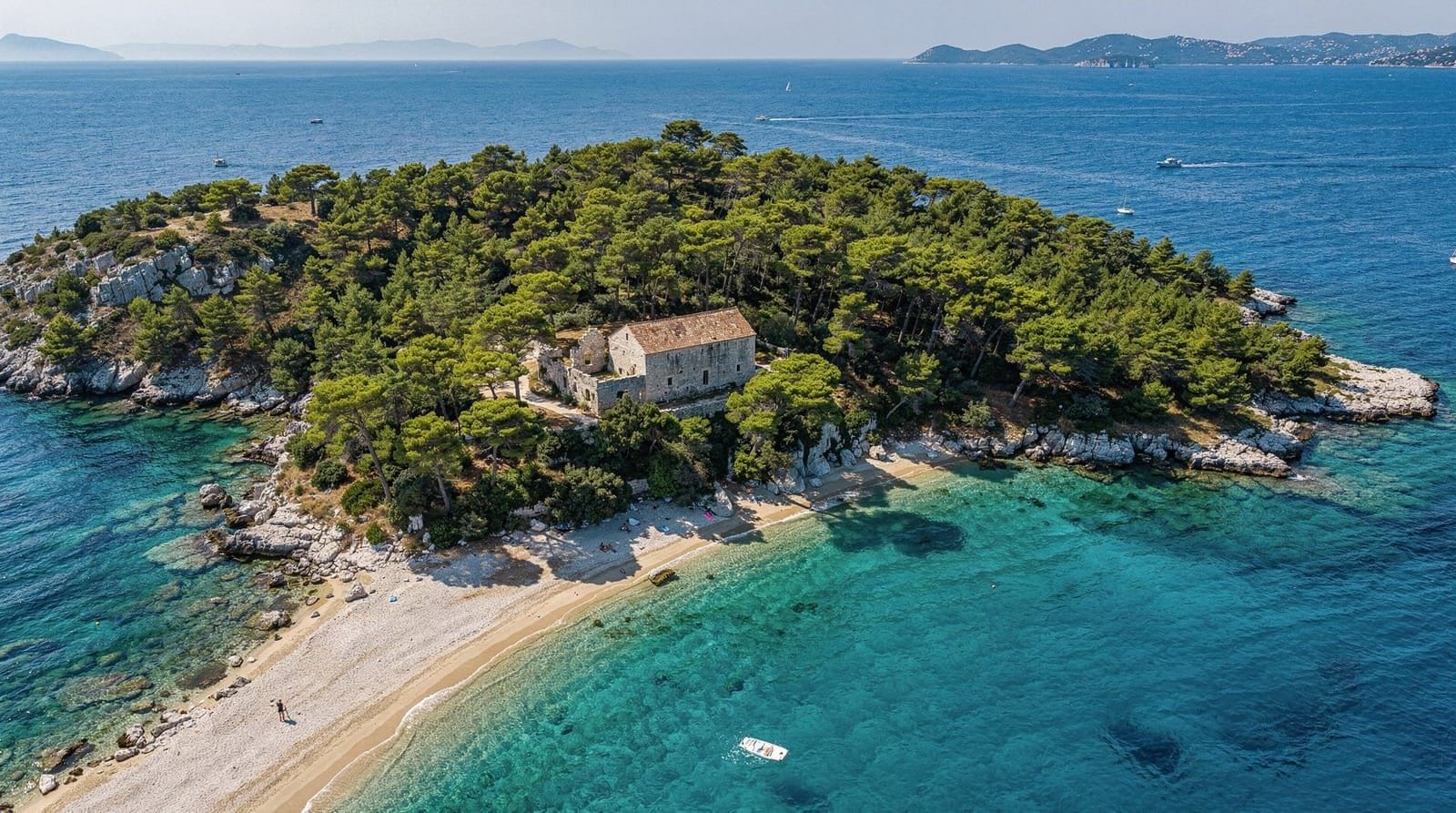
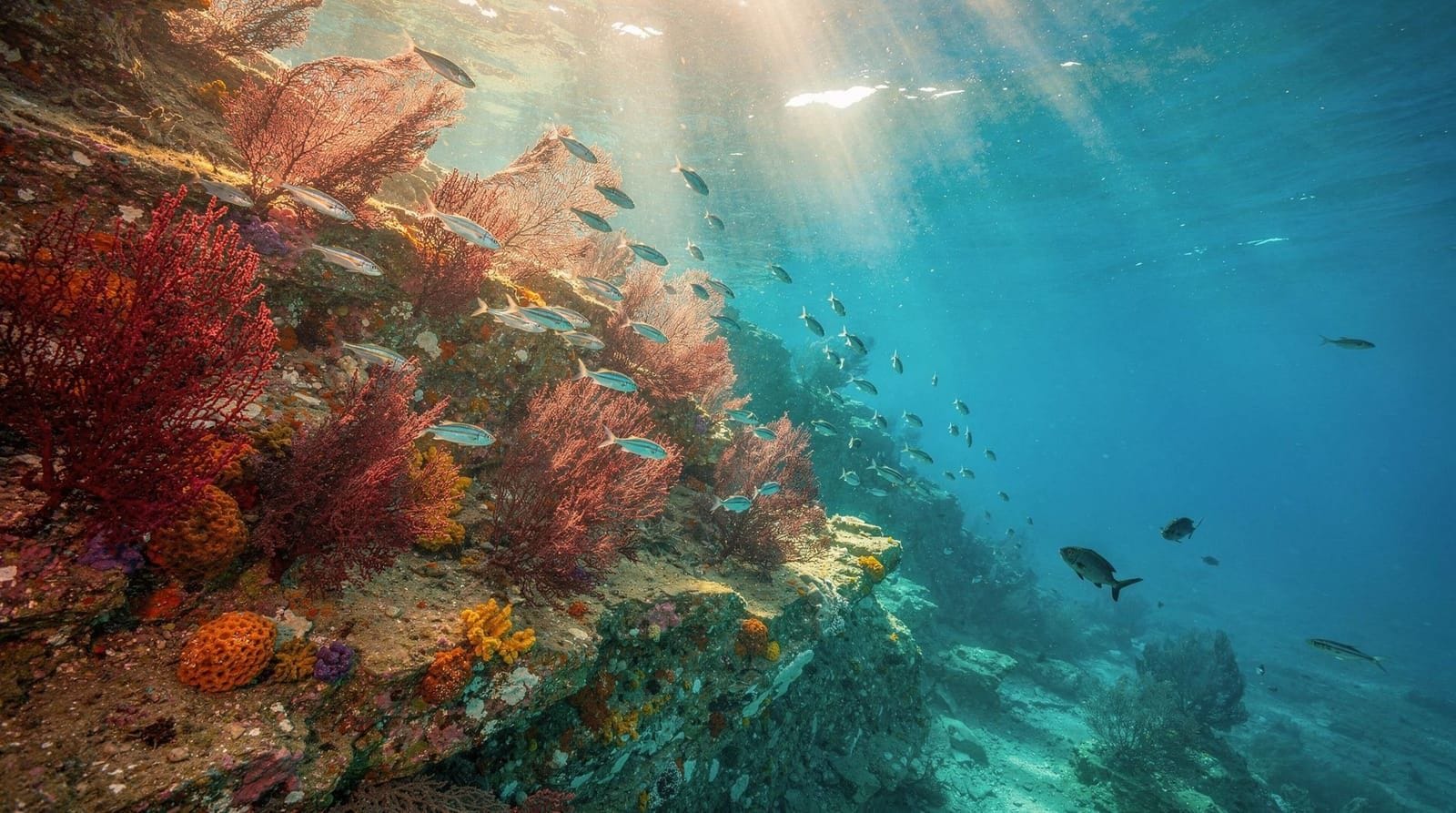
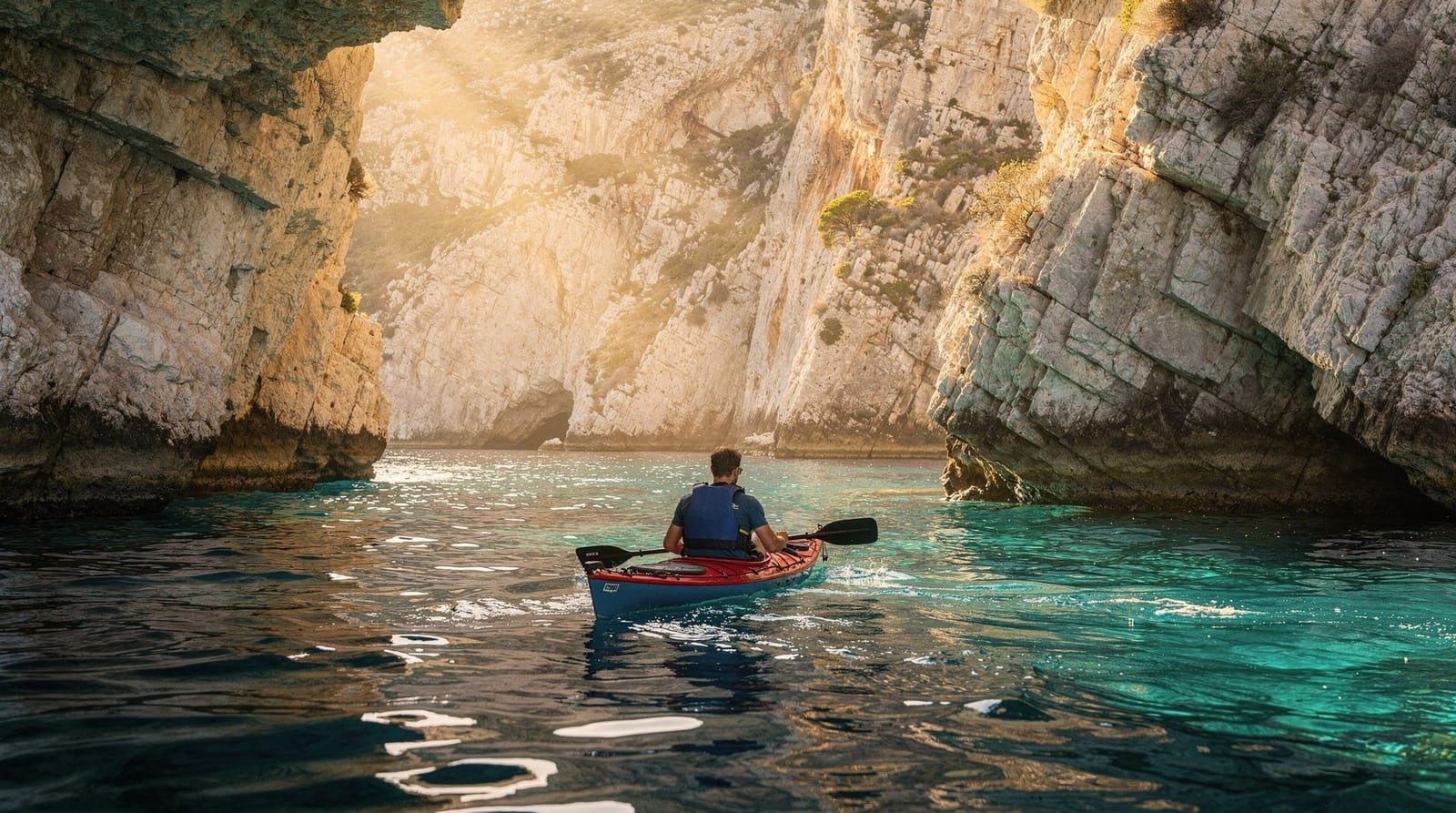
Sea cave and snorkeling. Most half-day tours include at least one stop at a sea cave on the coast west of the Old Town or below the cliffs near Betina. Guides lead you inside, where the rock filters the light into violet and green. A 20–30 minute snorkeling stop follows — bring an underwater camera if you have one, as the visibility in the Dubrovnik area commonly exceeds 15 metres.
Lokrum orbit. Many tours pass around or near Lokrum island, the wooded reserve 600 metres offshore. The contrast between the rocky town and the green island, seen from kayak height, is one of the tour’s visual highlights.
Return and cool-down. You paddle back to the launch point and rinse off. Half-day tours finish in time for a midday lunch at one of the konobas near Banje Beach.
Morning versus sunset: which to choose
Morning tours (departing 07:30–09:00) are the pragmatic choice. Water is flattest before the Maestral afternoon sea breeze picks up. Light is warm and directional for photography — the walls glow amber in early sun. Tours finish before midday heat. If you prioritise photography and calm conditions, go in the morning.
Sunset tours (departing around 17:00–18:00) are unambiguously romantic. The walls turn copper and then rose in the falling light, the sea goes glassy as the Maestral dies, and you paddle back in the blue hour. Couples gravitate here. Note that sunset tours run later into the evening and the snorkeling stop is skipped (too dark).
| Morning | Sunset | |
|---|---|---|
| Water conditions | Flattest of the day | Calming as Maestral dies |
| Light | Warm, directional, best for photos | Copper/rose, romantic |
| Snorkeling stop | Usually included | Usually skipped (too dark) |
| Best for | Photography, calm conditions, families | Couples, atmosphere |
| Crowds | Fills first in peak season | Popular but slightly later booking window |
Snorkeling combined tours
If underwater visibility is a priority, book specifically a kayaking-plus-snorkeling tour. These sessions include masks, fins and snorkels, guide a 20–30 minute swim stop at a cave or sheltered cove, and provide buoyancy aids that double as snorkeling vests. The Dubrovnik area has excellent visibility and interesting rocky reef — sea bream, wrasse and occasional octopus are commonly spotted.
Beyond Dubrovnik: other kayaking options on the coast
Kayaking doesn’t start and end in Dubrovnik. Croatia’s Adriatic coast has several other compelling paddling destinations that pair naturally with a broader itinerary.
Pula (Istria). The Roman amphitheatre town has its own sea kayaking scene, with guided tours exploring the sea caves below the cape and the Brijuni channel. Ideal if you’re spending time in Istria.
Makarska Riviera. Several operators run kayaking and canyoning combos from Makarska and Omiš, exploring the coast between Biokovo’s cliffs and the sea. A completely different landscape to Dubrovnik — wilder, more vertical.
Dalmatian islands. Island-based kayaking is underdeveloped commercially but growing. Vis and Mljet both have clear, calm bays that reward independent kayaking for experienced paddlers. Guided day trips by kayak are available from the main island towns.
What to expect physically
Sea kayaking is lower-impact than it looks — you sit rather than stand, and the double-bladed paddle stroke uses core and shoulder muscles rather than pure arm strength. Most people feel some shoulder fatigue after a 2–3 hour session if they’re not used to paddling, but guides set a gentle pace with regular rest stops, and the stops for photography, the sea cave and snorkeling break up the physical effort naturally. Anyone with existing shoulder, neck or back issues should mention this when booking so the operator can advise on a double kayak or a shorter route.
Independent kayaking vs. guided tours
Renting a kayak independently is possible in Dubrovnik — the price is typically €15–25 per hour for a single kayak — but it is not recommended unless you have genuine open-water kayaking experience. Reasons:
Boat traffic is intense. The area between Banje Beach and the Old Town sees constant ferry, water taxi and tour-boat movements. Rules of the water require knowledge of right-of-way that most casual paddlers lack.
Wind can arrive fast. The Bura (north-easterly) and afternoon Maestral can turn a calm bay into a choppy chop within 30 minutes. Guided operators monitor forecasts and cancel when unsafe; solo renters do not have this safety net.
Landing points are limited. Rocky shoreline below the walls has few safe kayak landings. Guides know where to bring you ashore; independent paddlers can find themselves committed to a long crossing back.
If you are a competent sea kayaker wanting independent time on the water, the stretch south of Cavtat has calmer bays and less traffic — rent from a Cavtat operator and paddle the coast there.
Practical logistics
Booking. All reputable Dubrovnik kayak operators accept online reservations. Book at least 48 hours ahead in peak season (July–August), when morning tours fill within hours of release.
Group sizes. Standard guided tours run groups of 8–16 paddlers. If you prefer a more personal experience, private kayak tours are available (two to four people with a dedicated guide) at roughly twice the cost — worth it for anniversary trips or family sessions with children.
Children. Most operators accept children from age 8 (some from 6) in double kayaks with an adult. Children must be able to swim. Life jackets are sized for children.
What to leave behind. Valuables go in a dry bag provided by the operator. Leave cameras you can’t afford to lose at the hotel — waterproof action cameras are the right choice here.
Getting there. Most tour meeting points are within walking distance of the Old Town gates. From the Pile Gate, Banje Beach is a 10-minute walk east along the coast path.
Dubrovnik kayaking in context: the adventure sports in Croatia landscape
Sea kayaking is the adventure sports activity best suited to Dubrovnik, given the city’s focus on sightseeing rather than wilderness. It pairs well with diving in Croatia if you want a multi-day underwater-and-surface programme, or with a day trip to rafting on the Cetina from Split if you want to contrast salt water with river adventure.
For travellers spending time in the Elaphiti Islands or the hinterland, kayaking the coast around Kolocep or the calm bays south of Cavtat adds a different dimension to the standard boat-tour experience.
Is sea kayaking in Dubrovnik suitable for beginners?
Yes, provided you book a guided group tour rather than renting independently. Guides handle route-finding, monitor conditions, and keep the group away from boat-traffic lanes — the main hazard for anyone without local knowledge. No prior kayaking experience is required; the pace is gentle, double kayaks are available for nervous paddlers or those who want to share the effort, and guides give a full briefing before you touch water. Confident swimmers get the most out of it, since a capsize (uncommon but possible) means a brief swim before climbing back in.
Frequently asked questions about Sea kayaking in Dubrovnik
What is the best sea kayaking tour in Dubrovnik?
Most visitors choose a 3-hour morning or half-day tour that leaves from Banje Beach or the Pile area, paddles past the city walls, calls at a sea cave and includes a snorkeling stop. These tours typically run 08:00–11:00 for the flattest water and softest light. Sunset tours (leaving around 17:00–18:00) are popular for couples. All include guides, equipment and safety briefing.How fit do you need to be to go sea kayaking in Dubrovnik?
Most guided tours suit complete beginners and moderate fitness levels. You paddle for roughly 2–3 hours at a gentle pace with rest stops. Strong swimmers and confident paddlers will find it easy; those with shoulder or back problems should check with their guide first. Double kayaks are available for those who want shared effort.When is the best time to go sea kayaking near Dubrovnik?
May, June and September offer the calmest Adriatic conditions and manageable heat. July and August have more wind (afternoon Maestral is common) and the busiest tours. Morning departures in any month have calmer water than afternoons. Avoid days when the Bura or Jugo winds are forecast — reputable operators will cancel if conditions are unsafe.Can you kayak to Lokrum island from Dubrovnik?
Yes — Lokrum island lies about 600 metres from the Old Town and most guided tours pass close to or around it. Some tour itineraries specifically include circumnavigating Lokrum with snorkeling in its sea caves. The crossing is exposed to open water, so only attempt it independently with solid kayaking experience and on a calm day.What do you wear for sea kayaking in Dubrovnik?
Wear a swimsuit or quick-dry shorts under your provided buoyancy aid. Bring reef-safe sun cream, a hat and water shoes (rocky exits). Tour operators provide all equipment — paddle, kayak, buoyancy aid, dry bag for valuables. Bring at least 1 litre of water per person and a small snack for half-day tours.Are there kayak tours from Dubrovnik to the Elaphiti Islands?
Full-day kayaking tours do run toward Kolocep (the nearest Elaphiti island, about 7 km from Dubrovnik), but these are challenging, multi-hour paddles suited to experienced paddlers. Most visitors see the Elaphiti Islands on a boat tour rather than by kayak. A guided kayak tour to the Betina sea cave or around Lokrum is a more realistic objective for most.Is it safe to kayak in Dubrovnik?
The waters immediately around Dubrovnik are among the most boat-trafficked in the Adriatic — ferries, water taxis, tourist boats and private vessels all share the area. Reputable guided tours manage routes safely and brief you on right-of-way. Solo independent kayaking requires genuine experience and local knowledge of traffic patterns, wind exposure and landing points.
Top experiences
Bookable activities with verified prices and instant confirmation on GetYourGuide.
Top experiences
Best-rated activities across GetYourGuide and Viator.

Rafting on Cetina River Departure from Split or Blato na Cetini village
- Viator

KAYAK ADVENTURE! Wild Coast Exploring - Snorkeling & Cliff Jumps
- Viator

Blue Bay Snorkeling & Cocktails 3 Islands Speedboat Tour
- Viator

Zadar: 3 Islands Luxury Boat Tour with Aperol Spritz & Snorkeling
- Viator

Zadar: Luxury Island Boat Tour, Snorkeling & Unlimited Wine
- Viator

Transparent Kayak Sunset to Dusk Glow Experience from Pula
- Viator