Pebble vs Sand Beaches in Croatia — The Honest Comparison
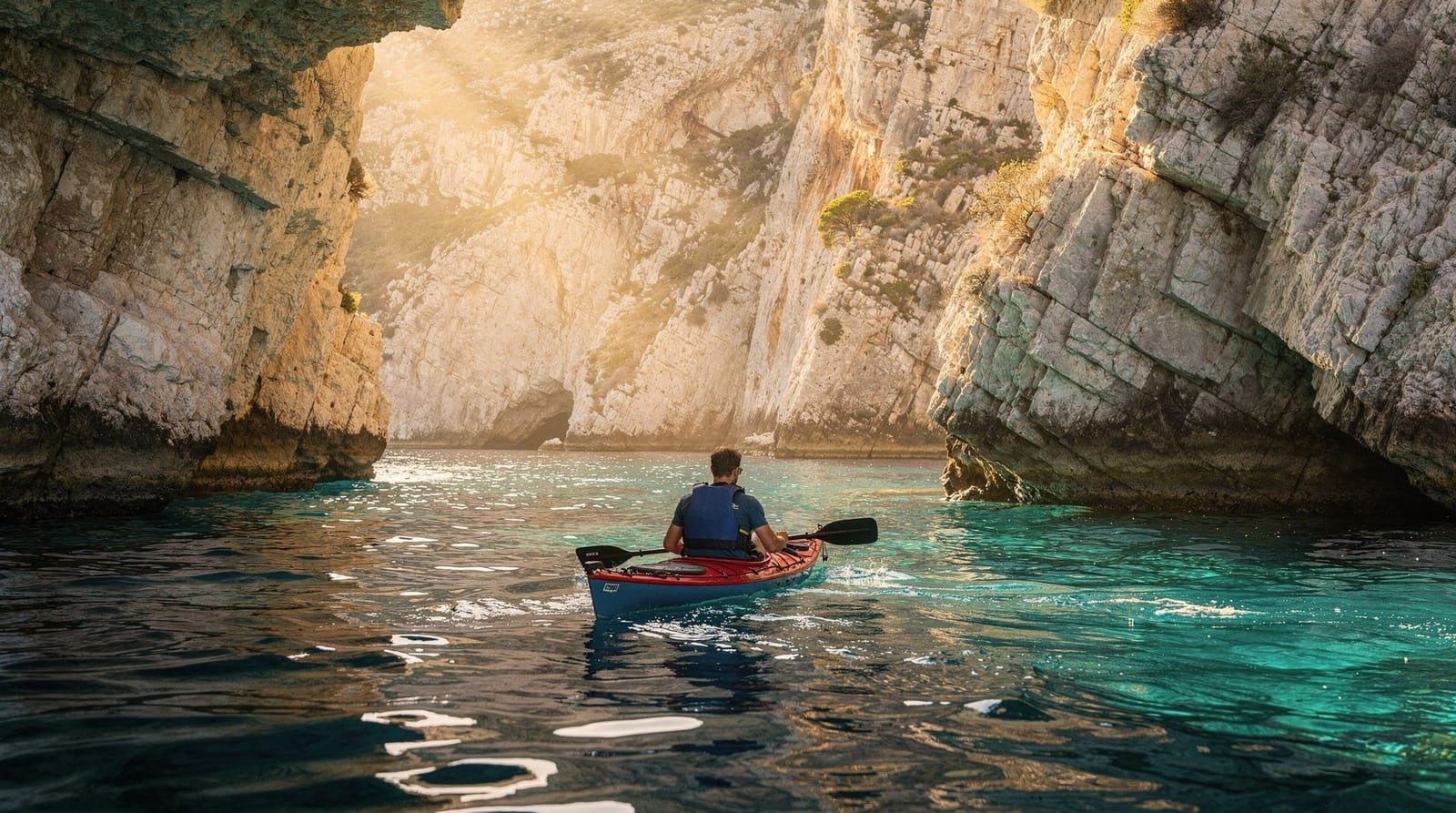
Dubrovnik: 3-hour morning sea kayaking and snorkeling tour
Are Croatian beaches sand or pebble?
Mostly pebble. Croatia has a limestone coastline and very few natural sandy beaches. The upside: pebble beaches have crystal-clear water because nothing disturbs the bottom. The downside: they're uncomfortable to walk on barefoot and entries can be slippery. Sandy exceptions exist — Sakarun on Dugi Otok and the Nin Lagoon near Zadar are the best.
Setting Honest Expectations
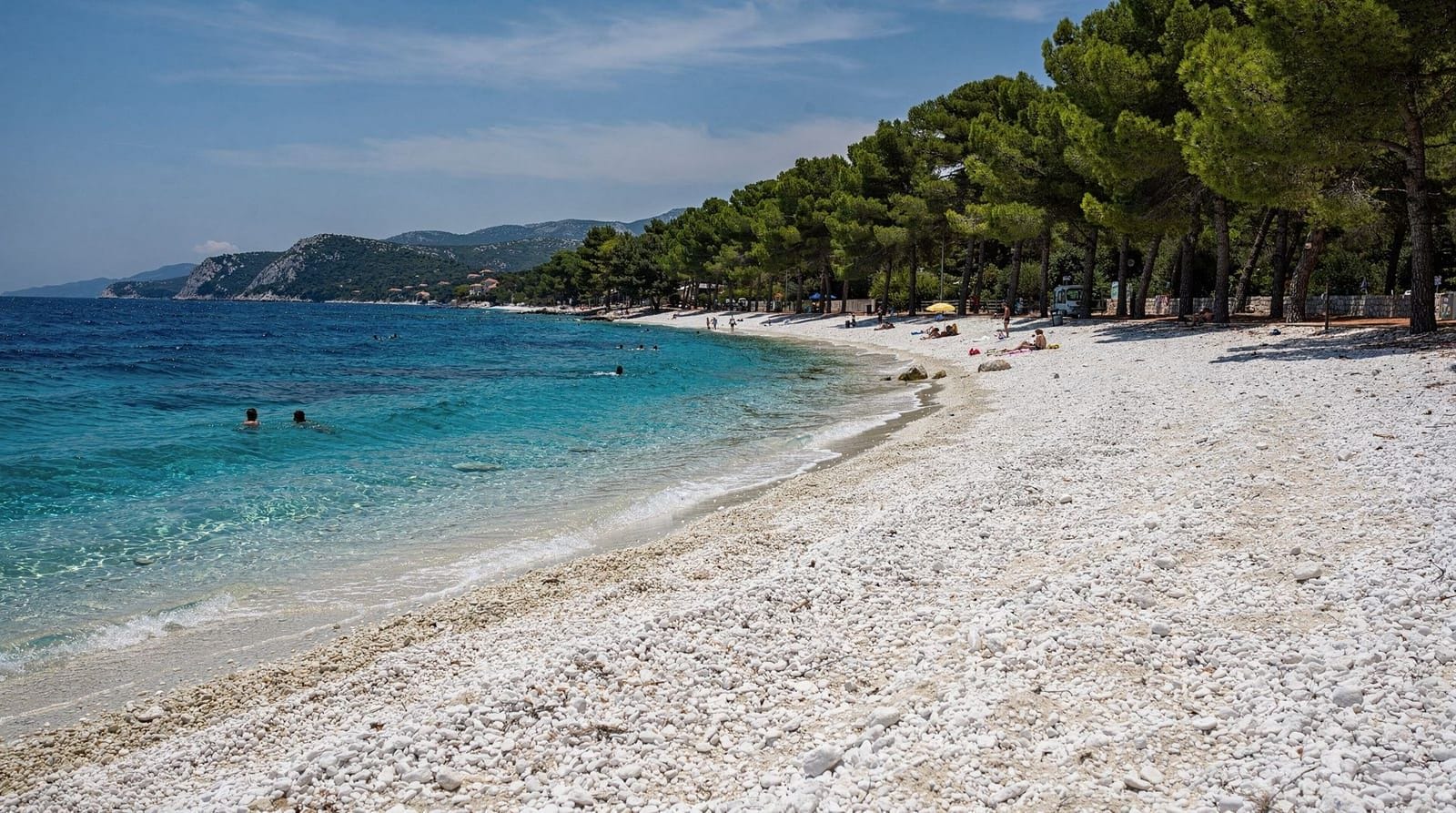
The most common source of disappointment for first-time visitors to Croatia is arriving expecting sandy beaches and finding pebbles. Travel photos — especially drone shots of turquoise water over white pebble — look spectacular, but the experience underfoot is quite different from a Mediterranean sand beach.
This guide gives you a complete, honest comparison so you can choose the right beaches for your trip and arrive with the right gear.
| Reality | ~95% of Croatian beaches are pebble or rock, not sand |
| Best sandy option | Sakarun, Dugi Otok |
| Best for toddlers | Nin Lagoon, near Zadar |
| Essential gear | Water shoes (€5–15), inflatable mat |
| Best time to swim | June–September, see sea temperatures |
Pebble vs Sand vs Rock at a Glance
| Type | Comfort underfoot | Water clarity | Best for |
|---|---|---|---|
| Fine pebble (Zlatni Rat) | Good with shoes | Excellent | Most travellers |
| Regular pebble | Poor without shoes | Excellent | Snorkellers, adults |
| Rock platform | Fine once seated | Best of all | Strong swimmers |
| Sand (Sakarun, Nin) | Best | Good, less clear | Toddlers, families |
Why Croatia Is (Mostly) a Pebble Country
Croatia’s coastline is almost exclusively Karst limestone — the same pale, porous white rock that makes Dalmatia’s old towns so beautiful. Limestone erodes very differently from the granite or sandstone that forms sandy beaches. It breaks into angular chunks and rounded pebbles rather than the fine particles that create soft sand.
The rivers that feed Croatia’s coast (the Cetina, Krka, Neretva) deposit some sediment, which creates occasional sandy spots. But these are isolated exceptions along 1,800 kilometres of mostly limestone shore.
The geological reality: real sandy beaches are genuinely rare in Croatia, and most exist in specific microgeographic conditions (sheltered lagoons, river mouths) rather than the exposed rocky headlands that produce Croatia’s most dramatic scenery.
The Honest Pros and Cons of Pebble Beaches
Pebble: the advantages
Water clarity. This is the main one. Sandy beaches have beautiful water until you step in and stir up the bottom. Pebble beaches don’t have this problem — the water stays crystal clear at all depths. Visibility of 10–15 metres horizontal is standard on a good Croatian pebble beach. Snorkelling is exceptional.
Easy maintenance. Pebble beaches don’t blow around in the wind, don’t stick to everything wet, and don’t end up in your food. After a swim you shake off and you’re done.
Texture underfoot (in the water). Pebble is pleasantly rounded and clean underfoot once you’re in the water — the rough part is getting there.
Shade-friendly. The White-grey pebble reflects heat rather than absorbing it the way dark sand can. Sun umbrellas keep the surface cool underneath.
Visual drama. Pale pebble next to turquoise water is one of the most photogenic combinations in nature. The light reflects differently than on sand — more vivid, more contrasting.
Pebble: the disadvantages
Entry and exit. Walking on pebbles barefoot is painful and slow. Rocky entries into the water can be slippery and are where sea urchins lurk. Water shoes are not optional on most Croatian beaches — they’re essential.
Lying down. Pebbles are not comfortable to lie on. Most people use inflatable mats, thick towels folded multiple times, or rent a sunbed. Some beaches have fine enough pebble that a folded sarong works.
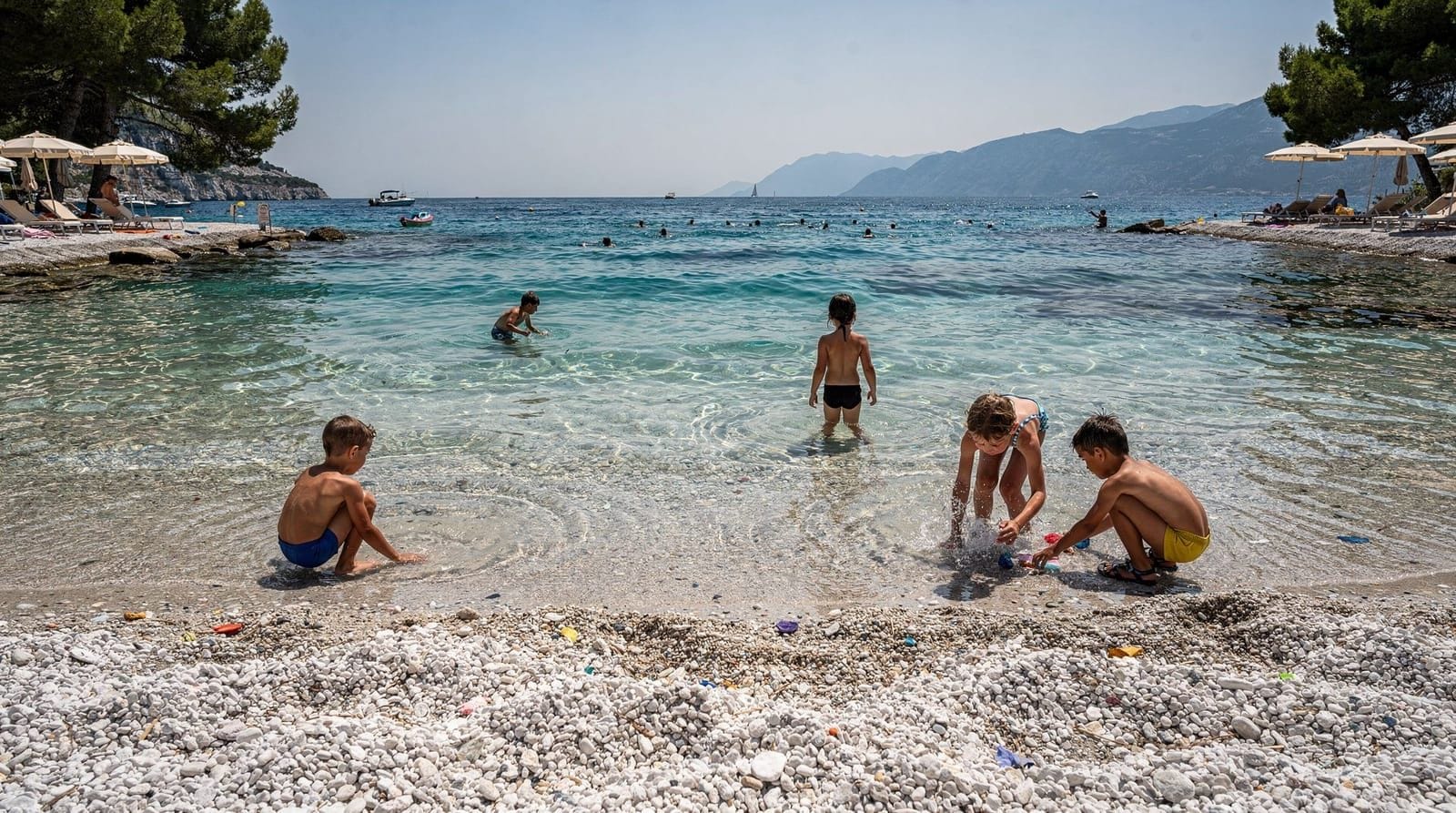
Children and toddlers. Toddlers and small children who want to run in and out of the water have a hard time on pebble. Entries that would be trivial on sand require help and supervision on rock. This is solvable with water shoes and patience, but it’s a genuine consideration.
Prams and wheelchairs. Pebble beaches are mostly inaccessible to wheels. Some organised beaches have a section of boardwalk, but it’s limited. See our accessible Croatia guide for specific information.
The Three Types of Croatian Beach
Understanding the three categories helps you choose more precisely.
1. Fine pebble and gravel (the good compromise)
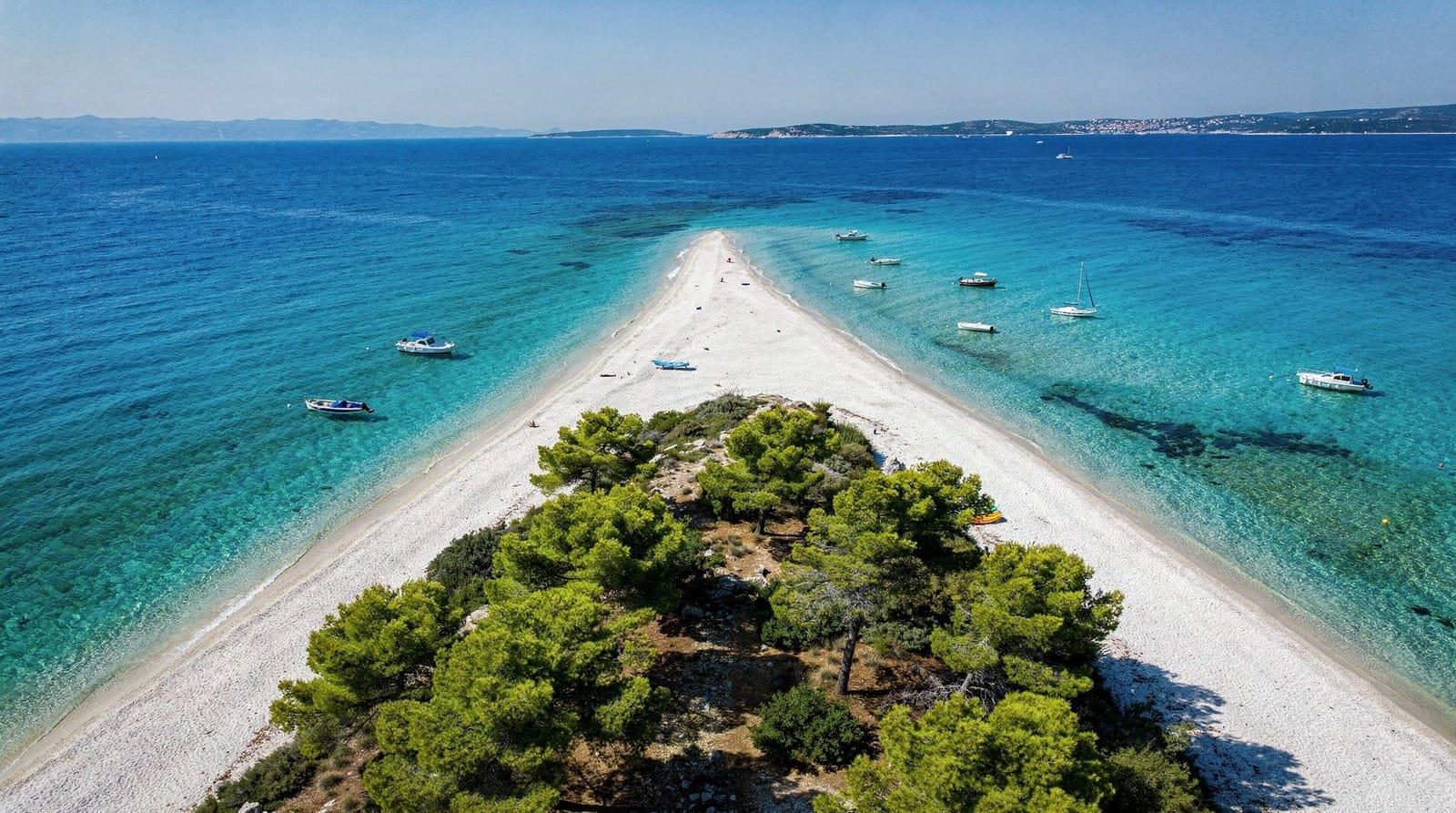
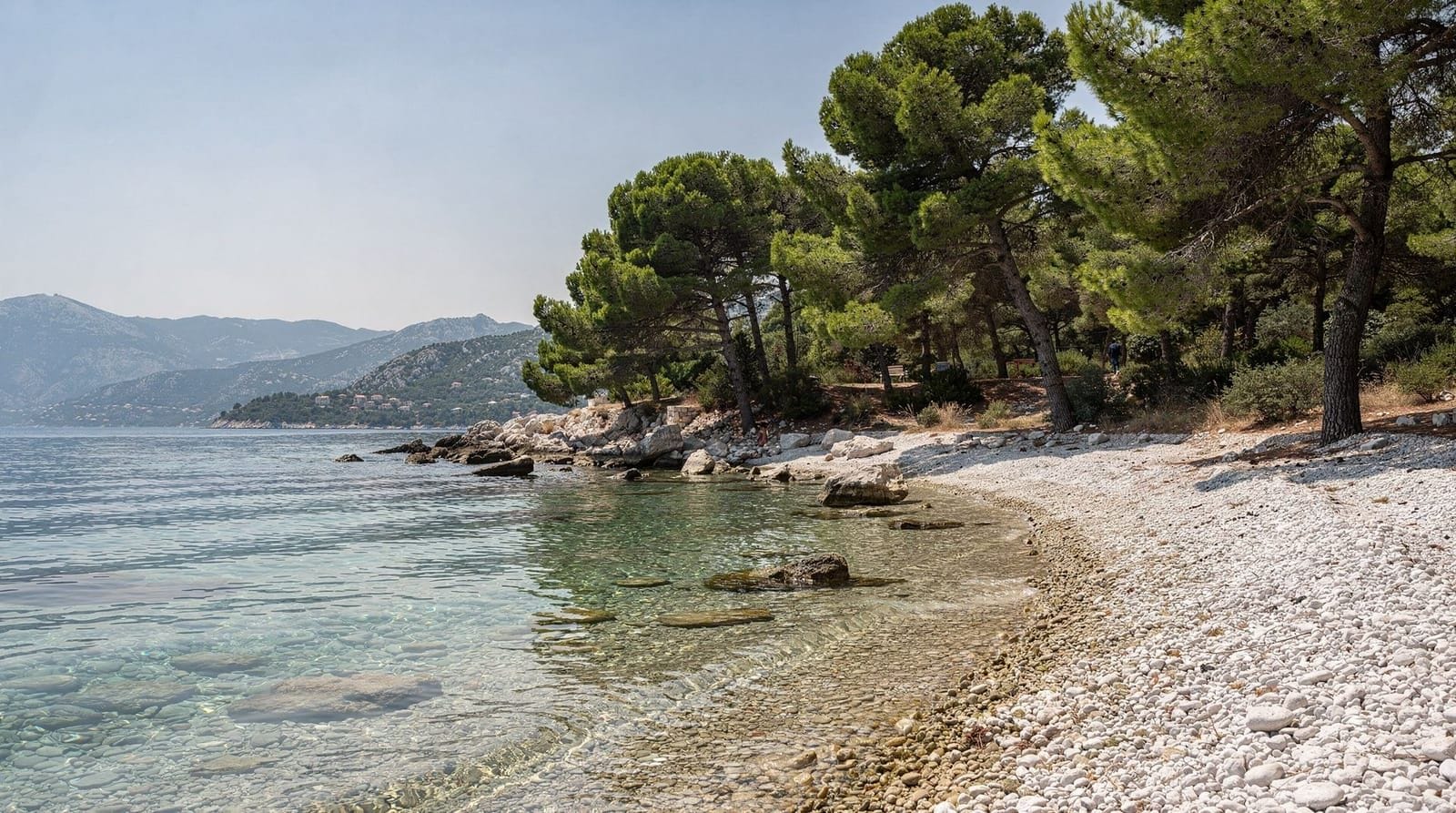
Zlatni Rat on Brač is the defining example. The pebble here is fine-grained, uniform in size and pale white-grey — much closer to coarse sand than what most people imagine as a “pebble beach.” It’s still uncomfortable without water shoes, but it’s far more forgiving than typical pebble. Lying on it with a thick towel is feasible.
Other examples of fine-pebble beaches: Pakleni Islands (various coves), Dubovica cove on Hvar, Punta Rata near Brela, many Makarska Riviera beaches. These are Croatia’s most comfortable beach experiences.
2. Regular pebble (typical Dalmatia)
The majority of Croatian beaches. Rounded pebbles the size of a fist or smaller. Definitively requires water shoes. Lying down requires an inflatable mat or sunbed. Swimming and snorkelling are excellent once you’re in the water. This includes most beaches in the Zadar region, northern Dalmatia, much of Korčula, and typical cove beaches on Brač and Vis.
3. Rock platforms (limestone slabs)
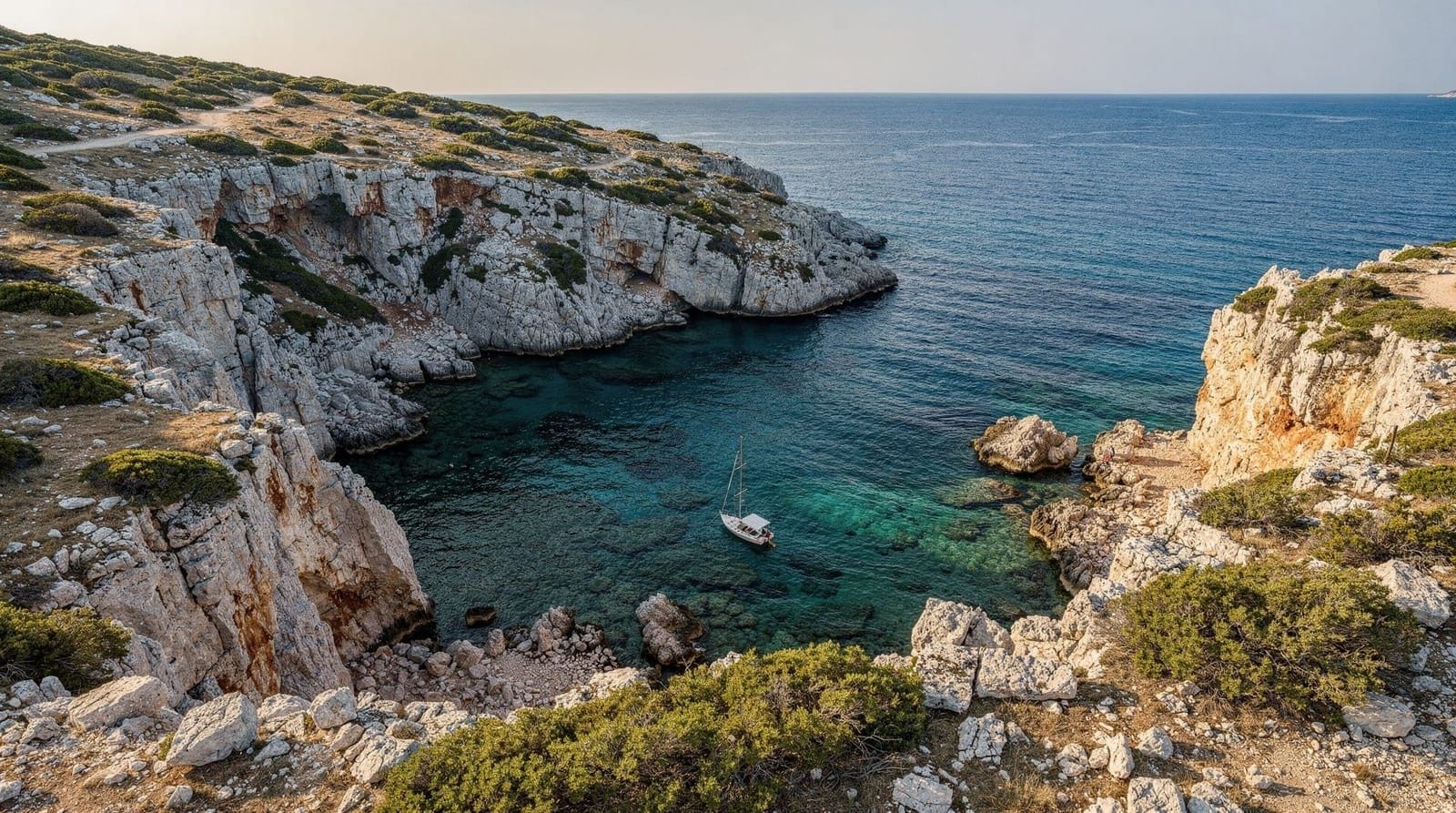
Not technically “beaches” but a huge part of Croatian swimming culture. Flat limestone shelves at sea level, smoothed by centuries of waves, where you lay your towel in the sun and step directly off the edge to swim in 2–5 metres of clear water. Stiniva on Vis has this. Most of Rovinj, Pula, Opatija and the Istrian/Kvarner coast operates largely on rock platforms.
Rock platforms are excellent for experienced swimmers and snorkellers. They’re unsuitable for young children (no gradual entry) but beloved by everyone else. They typically have the clearest water of any coastal swimming option.
For a curated shortlist across all three types rather than a general survey, the best beaches in Croatia guide picks the standouts, and the hidden coves guide is the one to use if you want a quiet pebble or rock spot away from the organised beach clubs.
Regional Patterns Worth Knowing
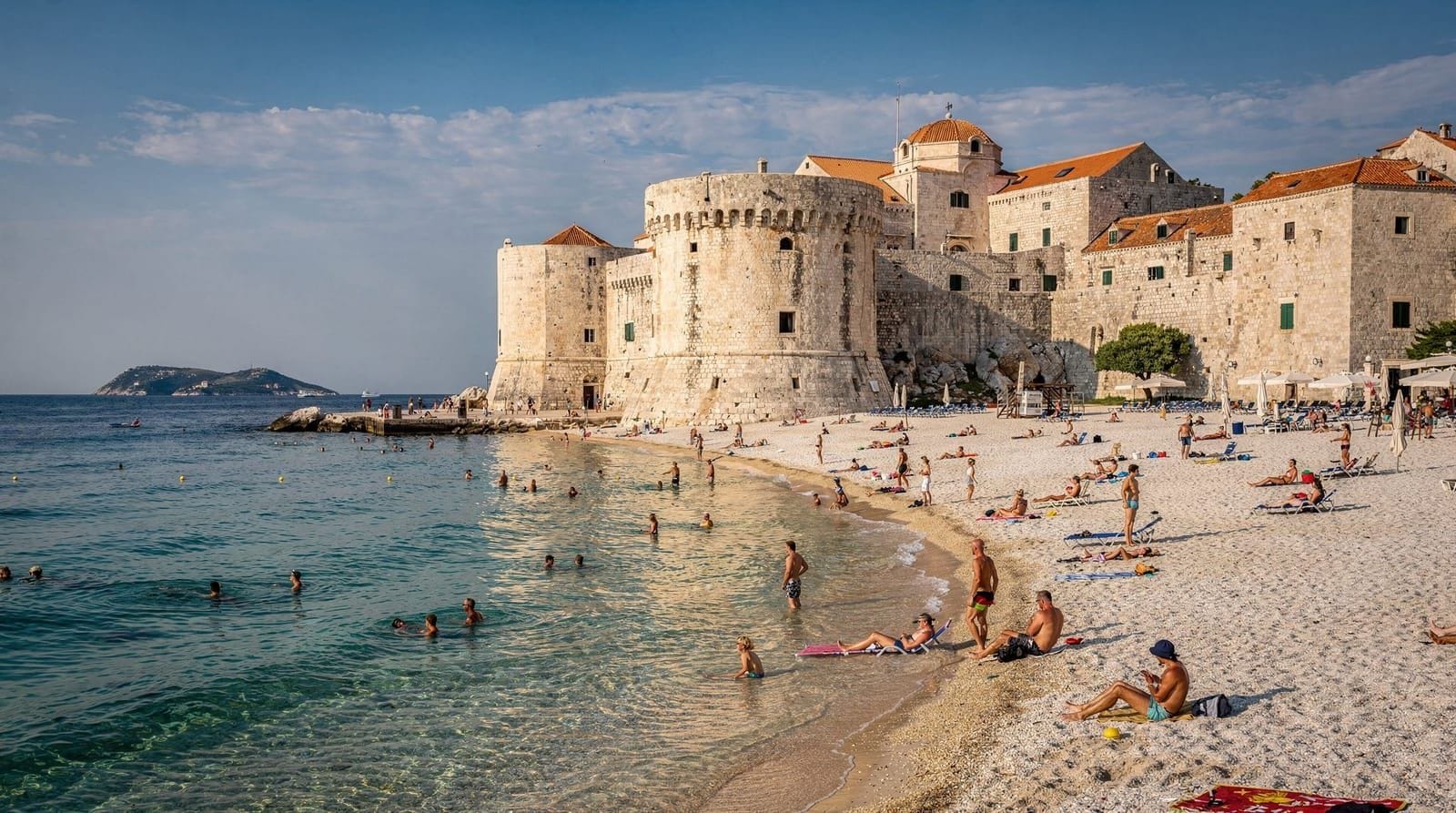
Beach type isn’t random across the coast — it follows the geology. Istria and Kvarner (Rovinj, Pula, Opatija, Krk) lean heavily toward rock platforms with pockets of fine pebble. Central Dalmatia (Split, Brač, Hvar) is a mix of regular and fine pebble, with Zlatni Rat as the regional exception. Southern Dalmatia (Dubrovnik, Pelješac, Korčula) is mostly regular pebble and rock, with few sandy patches at all. Northern Dalmatia around Zadar has the best odds for genuine sand, thanks to the Nin lagoon system and the islands (Dugi Otok, Rab) offshore. If sand is a priority, weighting your itinerary toward the Zadar area and its islands is the most reliable strategy — see best time to visit Croatia for how this interacts with the calendar.
Croatia’s Sandy Beaches — Where to Find Them
Sakarun, Dugi Otok (the best)
A protected horseshoe bay on the largely unknown island of Dugi Otok, northwest of Zadar. The sand is genuine — fine, pale, soft — and the water is shallow for 50–100 metres, staying above knee-deep. The colour is Caribbean turquoise. The beach is relatively uncrowded because the island itself sees fewer visitors than Brač or Hvar.
Getting there requires a catamaran from Zadar to Sali or Brbinj (1–1.5 hours), then a car or taxi (~20 km). The extra effort filters out most day-trippers.
Nin Lagoon, near Zadar
The Nin salt lagoon beach is shallow, sheltered and genuinely sandy with a bottom that slopes extremely gently. Water temperatures in the lagoon regularly exceed 28°C in summer because of the shallowness. The grey-white “therapeutic mud” from the lagoon bed is a local tradition — people coat themselves in it and rinse off in the sea.
The beach is excellent for toddlers and anyone who wants to wade rather than swim. It lacks the scenic drama of pebble coves but compensates with family practicality. 15 km north of Zadar by bus or car.
Queen’s Beach (Kraljičina plaža), Nin area
A long arc of pale sandy beach north of Nin, facing northwest across open water. Sandier and longer than the lagoon. Less sheltered, so more wind some days, but good waves for children and a proper beach feel.
Rab Island sandy beaches
Rab has several sandy beaches by Croatian standards, including Rajska plaža (Paradise Beach) at Lopar at the island’s north end — long, relatively sandy, shallow and popular with families. The sand is coarser than Caribbean white sand but genuine and comfortable barefoot.
Punta Rata, Brela (mixed)
Punta Rata near Brela on the Makarska Riviera is primarily fine pebble but has sections of coarser sand mixed in, plus an excellent pine tree backdrop. Not strictly sandy, but among the most comfortable Croatian beaches to walk on barefoot.
What to Buy Before You Go
If you’re committed to enjoying Croatian beaches, a few items transform the experience:
Water shoes: Non-negotiable. Buy reef shoes or aqua shoes with a rubber sole (not thin neoprene). Brands from €10–30 work well. You’ll use them on every beach.
Inflatable beach mat: A lightweight inflatable mattress makes pebble bearable and is far cheaper than renting sunbeds (€10–15/unit/day). Foldable options weigh under 500g.
Snorkel, mask and fins: Croatia’s clear water is made for snorkelling. Rental equipment is available but variable quality. Your own mask makes a significant difference in comfort.
Waterproof bag: For phone, documents and valuables when swimming off rocky platforms.
Practical Planning by Traveller Type
Solo traveller or couple: Pebble and rock beaches are perfect. Take water shoes, a snorkel, and a towel. The finest Croatian swimming experiences — Stiniva, Pakleni Islands, Dubrovnik coves — are all pebble or rock.
Family with children aged 6+: Pebble beaches work well with water shoes. Children who can swim confidently will love the clarity. Stick to organised beaches with gradual entries rather than exposed rock.
Family with toddlers: Prioritise Nin Lagoon, Sakarun on Dugi Otok, Rajska plaža on Rab, and the family beaches Croatia guide for full options. Avoid steep-entry rock platforms and exposed pebble with heavy surf.
Elderly or mobility-limited visitors: Organised beaches with sunbeds and facilities on flatter pebble. Avoid rock platforms. See accessible Croatia for specific accommodation and beach options.
Managing Expectations From Photos
Drone and wide-angle photography flatters pebble beaches enormously — the same shot that makes Zlatni Rat or a Hvar cove look like soft sand from above reveals the pebble the moment you’re standing on it. If you’re planning a trip around a specific photo you’ve seen, assume pebble or rock unless the caption explicitly says otherwise, and check this guide’s sandy shortlist if soft sand genuinely matters to your plans. It’s a small adjustment in expectations that prevents a surprisingly common source of first-day disappointment.
Frequently asked questions about Pebble vs Sand Beaches in Croatia
Why does Croatia have mostly pebble beaches?
Croatia's coastline is almost entirely Karst limestone — a porous white rock that erodes differently from the granite or sandstone that produces sandy beaches. The limestone breaks into chunks and pebbles rather than fine sand grains. There are small sandy patches where river deltas or specific coastal conditions deposit sediment, but they're the exception.Are pebble beaches bad for swimming?
Not at all — many swimmers prefer pebble. The water over pebble is clearer than sandy beaches because there's nothing to stir up. Entry can be slippery and rocky, which is why water shoes are recommended, but once in the water the experience is excellent. Visibility of 10–15 metres is common on pristine pebble beaches.What are the best sandy beaches in Croatia?
Sakarun on Dugi Otok (the finest, with pale sand and shallow turquoise water), Nin Lagoon near Zadar (very shallow, warm, good for small children), Queen's Beach (Kraljičina plaža) near Nin, and several small sandy beaches on Rab island. Punta Rata near Brela has a small sandy section mixed with fine pebble.Do I need water shoes for pebble beaches?
Yes, strongly recommended. Pebble beaches are painful to walk on barefoot, entries into the water are often slippery and rocky, and sea urchins (ježinci) shelter on submerged rocks. Water shoes cost €5–15 in any Croatian seaside town and are essential for comfort and safety.Is Zlatni Rat sand or pebble?
Pebble — very fine white-grey gravel. From a distance or in photos it can look sandy, but it's definitely pebble. Uniquely fine and uniform pebble, comfortable enough by Croatian standards, but still pebble. Water shoes still recommended for the entry.Are rocky beaches (platforms) worth visiting?
Absolutely. Many of Croatia's most beautiful swimming spots are flat rock platforms — smooth limestone slabs at sea level where you lie in the sun and swim directly off the rock. Stiniva on Vis, much of Rovinj, and countless coves on Hvar use rock platforms. They're excellent for clear-water swimming and snorkelling.
Top experiences
Bookable activities with verified prices and instant confirmation on GetYourGuide.
Top experiences
Best-rated activities across GetYourGuide and Viator.

Blue cave, Mamma Mia and Hvar, 5 islands speedboat tour
- Viator

Blue Cave and Hvar Tour - 5 Islands Tour from Split and Trogir
- Viator

Blue cave, Mama Mia and Hvar, 5 Island Speedboat Tour from Trogir
- Viator

Hvar, Brač & Pakleni islands cruise with lunch & drinks from Split & Trogir
- Viator

Blue Cave & Vis Island speedboat tour from Hvar
- Viator

KAYAK ADVENTURE! Wild Coast Exploring - Snorkeling & Cliff Jumps
- Viator