Hidden Coves in Croatia — Secret Beaches Beyond the Crowds
Dubrovnik: Sea kayaking and snorkeling tour
Where are Croatia's best hidden coves?
Stiniva on Vis is the most famous (not exactly secret, but genuinely dramatic). Prižba on Korčula's south coast is consistently quiet. Uvala Česminova on Mljet island is beautiful and uncrowded. Stončica on Vis, Vrinik near Hvar, and countless unnamed inlets on Šolta and Brač are genuinely off the beaten track. The key: go by boat, go early or late, and avoid July–August.
Why Croatian Coves Are Worth Seeking Out
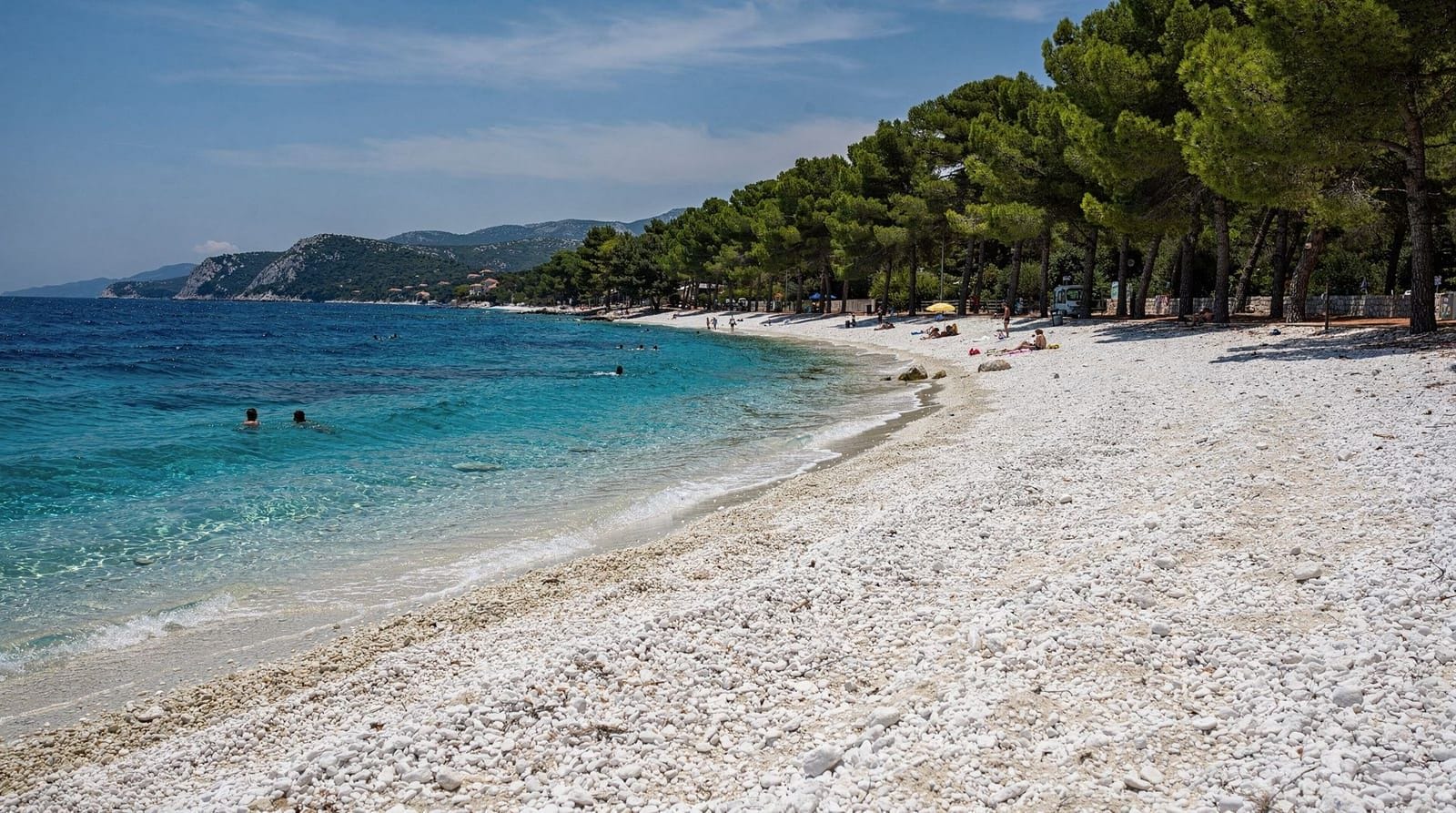
Croatia’s 1,800 kilometres of coastline — broken by over 1,000 islands and hundreds of peninsulas — contains more secret beaches and hidden coves than any traveller could visit in a lifetime. The famous beaches attract the crowds; the coves reward the curious.
| Best window | Before 9am or after 5pm, June or September |
| How to reach most | Kayak, small boat or a hiking path — rarely a direct road |
| Cost | Free (Croatian shoreline is public by law) |
| Bring | Water shoes (sea urchins), snorkel gear, shade |
| Furthest = quietest | Lastovo and the Kornati beat Vis and Hvar for solitude |
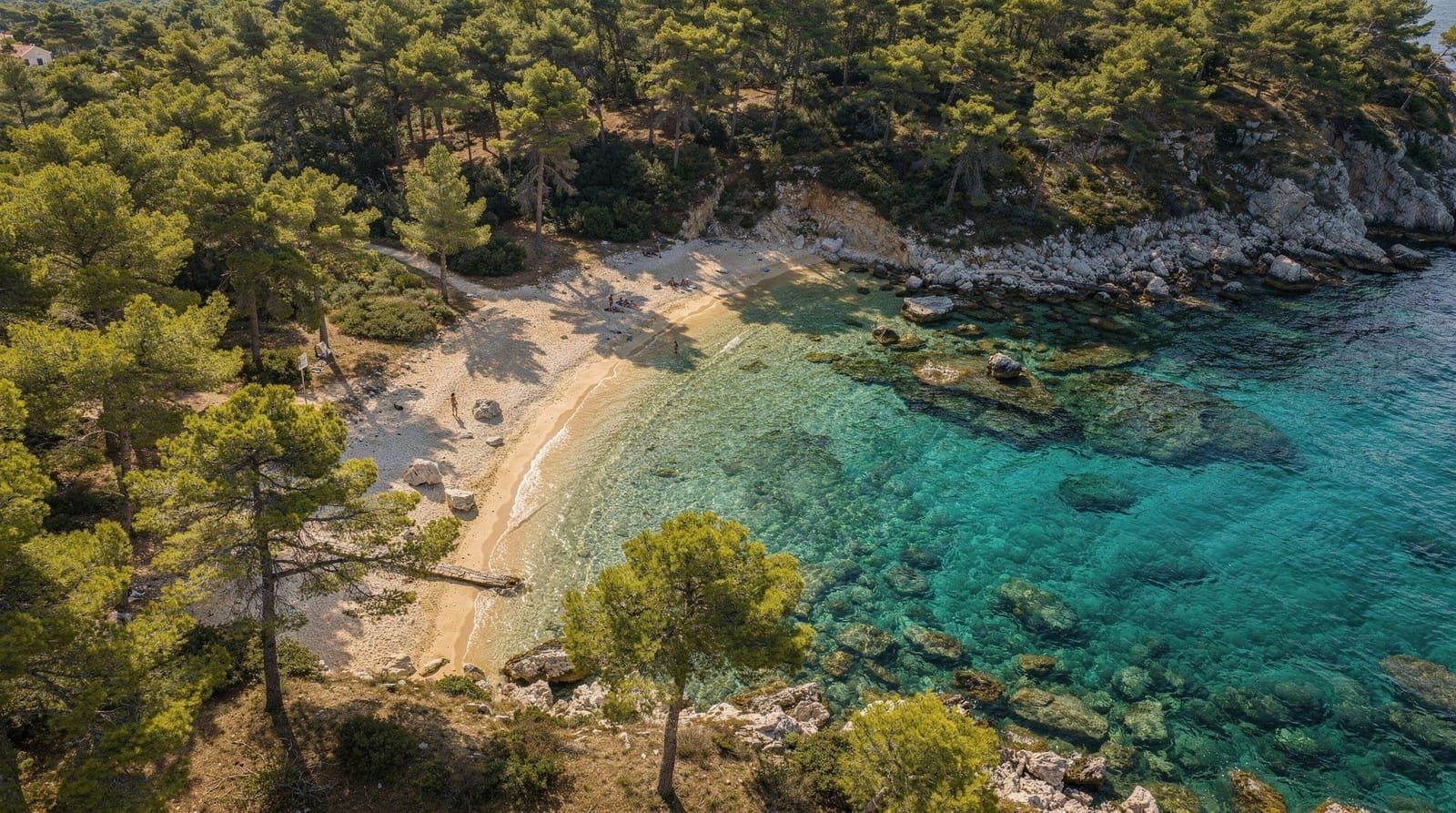
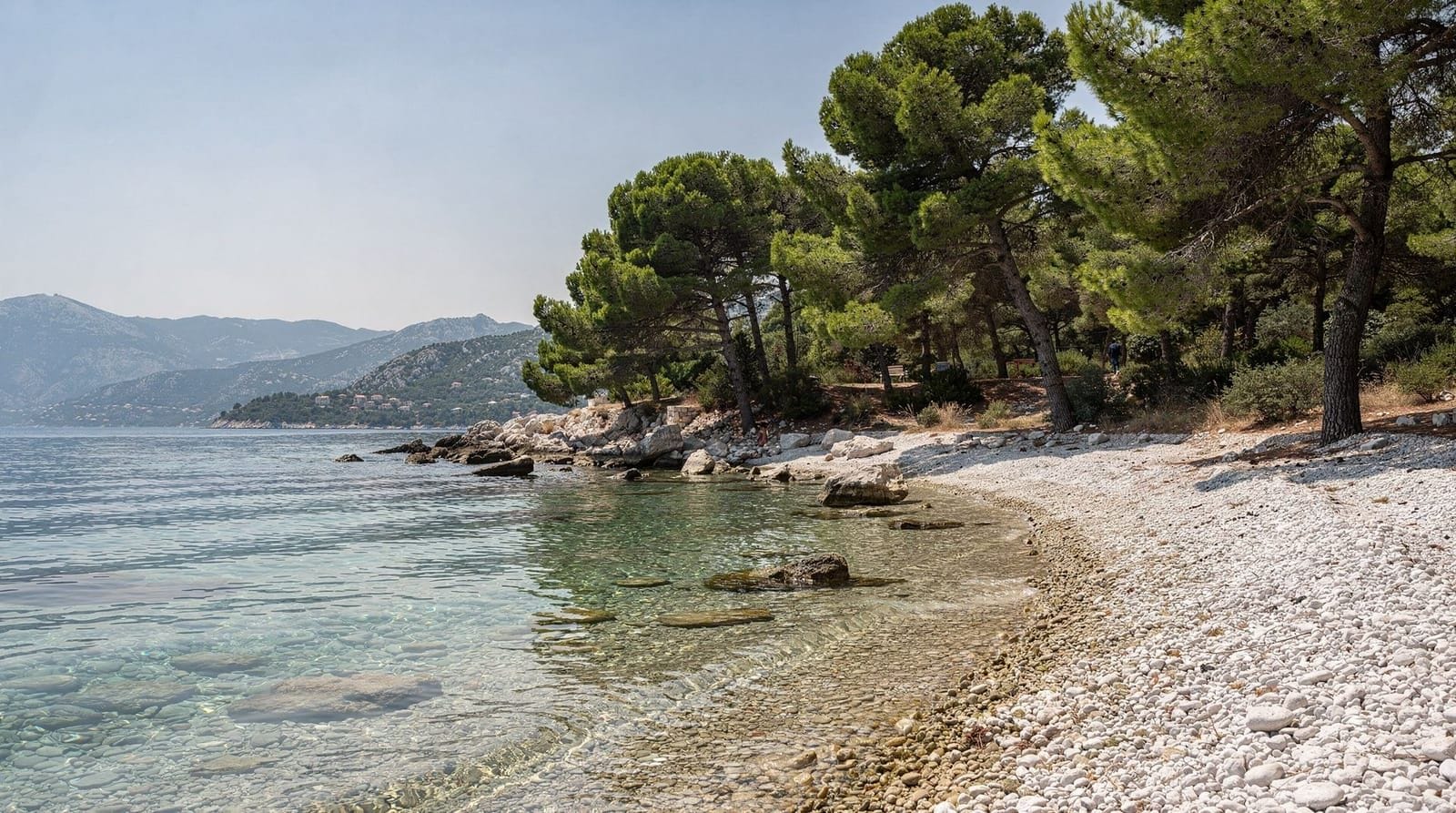
The best hidden coves in Croatia share a few common characteristics: they’re accessible only by water, or by a walk that filters out the less motivated; they lack the sunbed operators and beach bar infrastructure that signals “known by everyone”; and the water in them is, without exception, extraordinary — the Adriatic’s natural filtration system and lack of heavy industry means even the most obscure coves have 8–15 metres of horizontal visibility.
This guide covers the genuinely special ones — not just “beautiful beaches” but places where you might arrive to find only one or two other boats, where the cliffs above are home to nesting sea birds, and where the only sound is water against limestone.
Stiniva, Vis — The Most Dramatic Cove in Dalmatia
Stiniva is the starting point for any Croatian hidden-cove conversation, though calling it “hidden” in 2026 stretches the truth — it appears on “best beaches in Europe” lists annually, and boat tours run here from Vis Town and Komiža. What keeps it special is its geology: the sea entrance narrows to a slot of perhaps six metres between sheer limestone cliffs, through which boats must pass sideways. The cove inside opens to a pebble crescent enclosed by 100-metre cliffs. The effect is theatrical and genuinely unique.
Beat the boats by arriving on the hiking path before 10am. The path descends steeply from the road above (30–40 minutes down, longer back up, sometimes with fixed rope on the steepest section). By the time the first tour boats arrive around 10:30–11am, you’ll have had an hour of the cove almost to yourself. Midday it fills; by 4pm it’s quiet again.
Getting there: Ferry from Split to Vis (~2h20). Car or scooter from Vis Town to the trailhead (~8 km). Or by boat from Vis Town or Komiža.
Stončica, Vis — The Lesser-Known Alternative
On the opposite, eastern coast of Vis, Stončica is a lovely lighthouse cove that sees a fraction of Stiniva’s visitors. A lighthouse sits at the headland. Small pebble beaches on either side of it provide excellent swimming with nobody else around for much of the day. Pine trees provide shade. A small konoba serves grilled fish in season.
Stončica requires a car or scooter from Vis Town (~7 km east). No hiking involved — park and walk to the beach.
Uvala Česminova, Mljet — National Park Swimming
Mljet national park in its western section has two interconnected lakes (jezera) — Malo and Veliko Jezero — that are actually part of the sea, connected by a narrow channel. Swimming in the lakes is permitted; the water temperature is warmer than the open sea, and the experience of swimming in an enclosed lake surrounded by dense pine forest is extraordinary.
Beyond the lakes, the western coastline of Mljet has quiet coves accessible by bicycle or kayak from Polače or Pomena. Uvala Česminova is one — a sheltered pebble bay with minimal visitor infrastructure. Accommodation in the park is limited; most visitors day-trip from Dubrovnik, which means by early afternoon boats are heading home and the coves empty.
Getting there: Catamaran from Dubrovnik to Sobra or from Split along the coastal route. Ferry from Prapatno on Pelješac to Polače. The park entry fee applies.
Prižba, Korčula — Quiet Fishing Village Bay
Korčula’s south coast has a string of small bays between the fishing villages. Prižba is a modest, unpretentious pebble cove next to the village of the same name — a genuinely local beach without tourist infrastructure. The bay is sheltered from the open sea, the water clear. A small café or two in the village but no beach bars on the water.
The key to Prižba’s quietness: it’s 16 km west of Korčula Town, reachable only by car or bicycle, and has no ferry connection. The effort filters out all day-trippers and most ferry arrivals.
Getting there: Ferry to Korčula Town, then rental car or bicycle west along the south-coast road.
Šolta — Europe’s Forgotten Island
Šolta, just 20 km from Split, is one of Croatia’s most overlooked islands. It has no single famous beach, no nightlife, almost no package tourism, and a regular ferry from Split that takes 50 minutes. This combination produces a genuinely local island where coves like Maslinica bay and Nečujam have excellent swimming in calm conditions without crowds.
The island’s character is olives, figs, rosemary and honey — the olive oil here is genuinely excellent. Small stone villages dot the interior. For anyone wanting to escape the standard Dalmatian tourist circuit, Šolta delivers.
Getting there: Jadrolinija ferry from Split to Rogač (50 min). Rental bike or scooter recommended to explore the island.
Pakleni Islands Coves — Hvar’s Private Archipelago
The Pakleni Islands (Paklinski otoci) immediately south of Hvar Town offer something rare: a whole archipelago of small islands with swimming coves, all accessible by water taxi in 5–20 minutes from Hvar Town. The closer islands (Jerolim, Stipanska) get busy by midday in peak season. The further islands (Vlaka, Drakonija, the western end) stay quiet all day.
Charter a small boat from Hvar Town for half a day and explore the western Pakleni coves — anchor in bays with clear water over white pebble, swim, eat lunch, move on. This is how Croatians from Split spend summer weekends: moving between coves by boat rather than committing to one beach.
Pakleni naturist note: Stipanska and Zdrilca are designated naturist beaches (FKK). See our naturist beaches Croatia guide.
Dubrovnik’s Hidden Swimming Spots
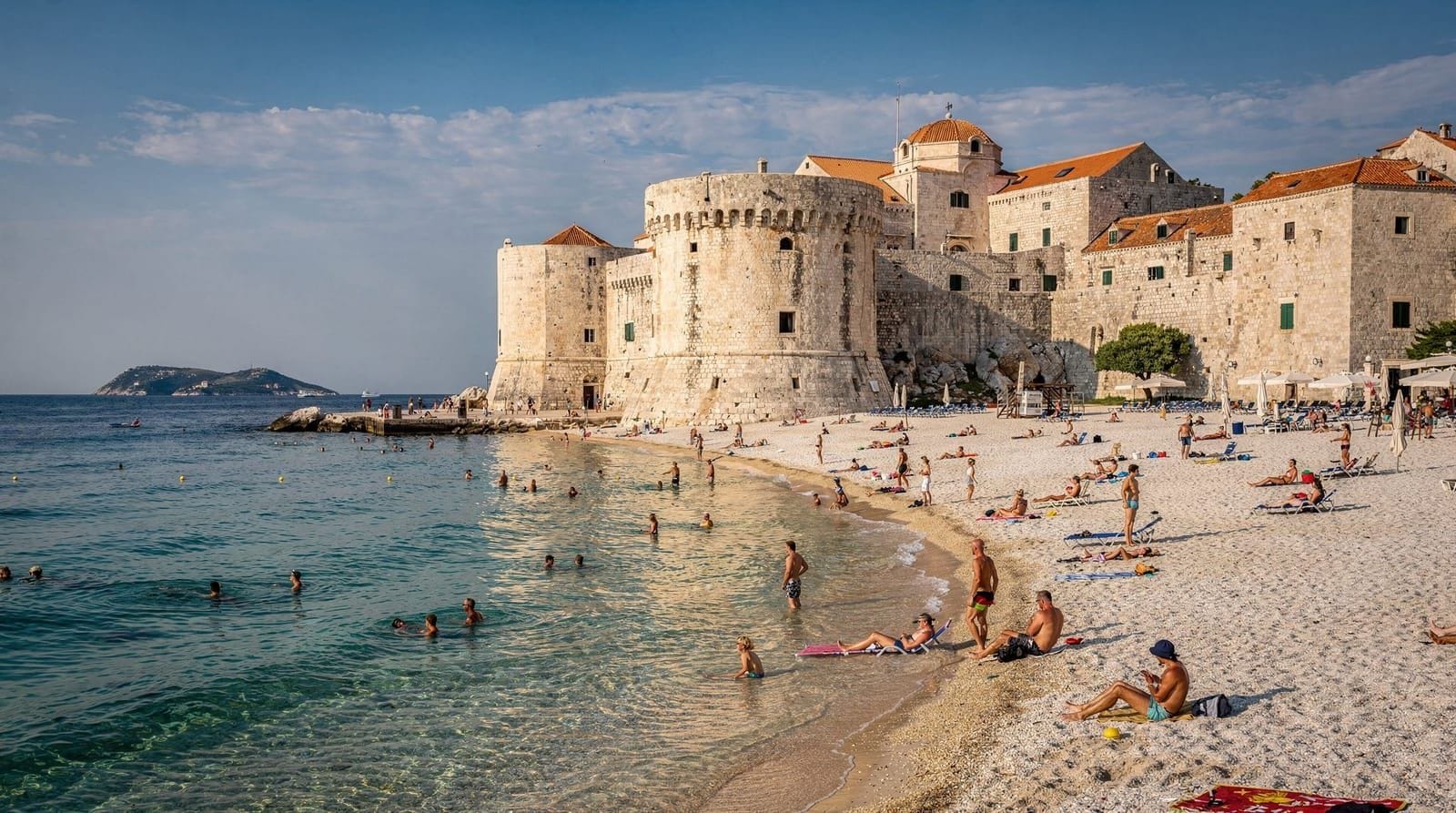
Dubrovnik’s rocky coastline east of the old city walls conceals several excellent, relatively uncrowded swimming spots. Beyond the famous Banje beach and its neighbours, the coast east toward Sveti Jakov has flat rock platforms and small pebble patches accessible by walking path from the Ploče neighbourhood.
Sveti Jakov beach itself — accessed by 100 steps down the cliff face below the church of the same name — is one of Dubrovnik’s best swims and sees a fraction of Banje’s crowds. The view back to the old city walls from the water is spectacular.
How to Find Your Own Hidden Coves
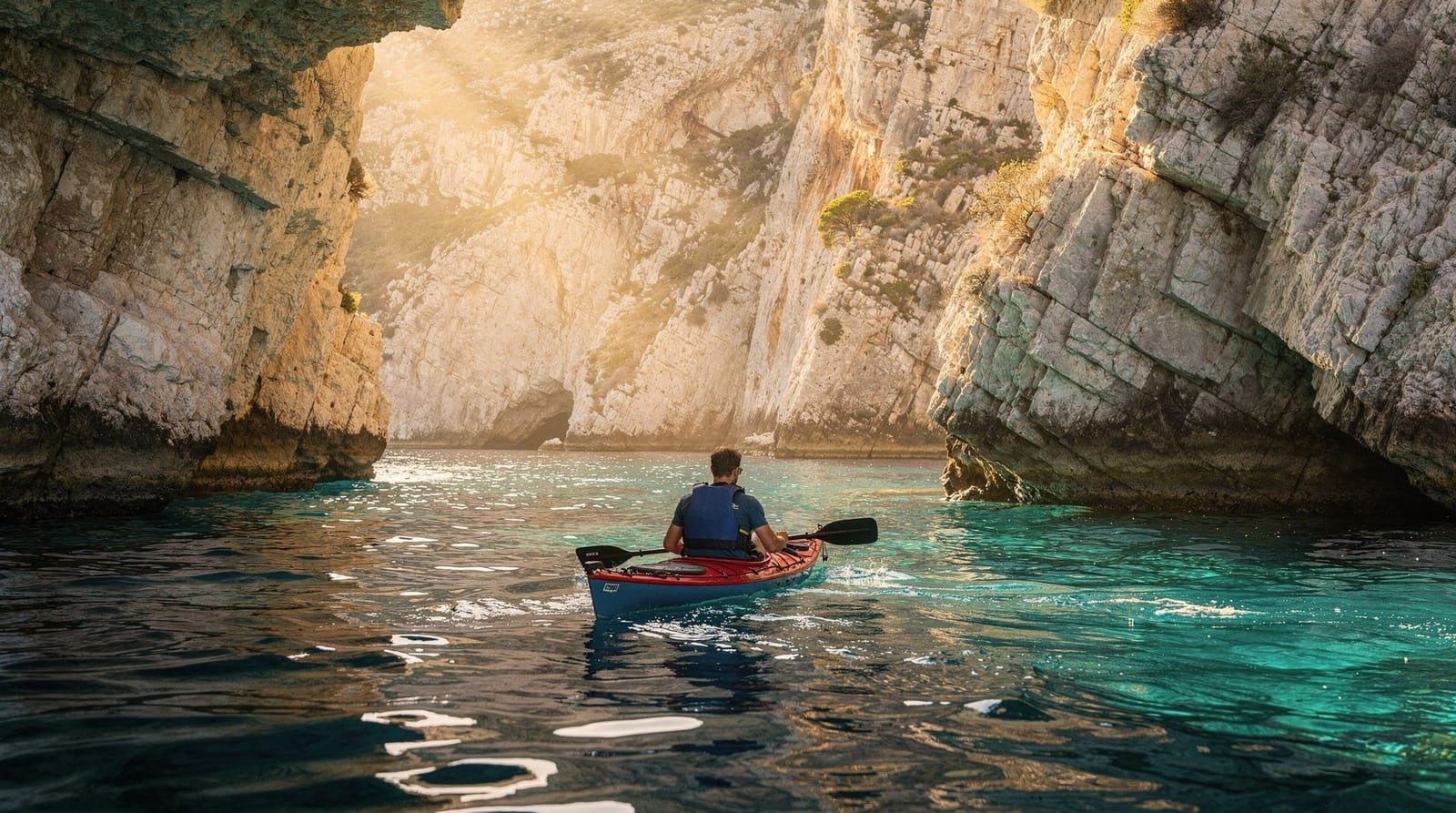
The most reliable method: rent a kayak or small boat and follow the coastline away from the main beach. Croatia’s coastal law guarantees public access to the water even where the land above is private, so you can paddle into any cove and swim.
Nautical charts (kartice) available at port chandleries show every cove, depth, and hazard. Google Maps is useful for basic orientation but doesn’t mark many small inlets. Croatian nautical apps like Navionics or iNavX work well offline.
The timing rule: The only consistently uncrowded beach in peak season is one you reach before 9am or after 5pm. Tourism infrastructure here is boat-based — day-tripper boats leave port around 9–10am and return before 6pm. Outside those windows, even “famous” coves are quiet.
The access rule: Any beach with road access is potentially crowded. Any beach requiring a hike, boat, or both has exponentially fewer visitors.
The island selection rule: The further an island is from Split or Dubrovnik, the fewer day-tripper boats. Vis (2h20 by catamaran) has far fewer visitors than Hvar (50 min catamaran). Lastovo (3h+) is in a different category entirely.
Best months for cove-hunting
| Month | Sea temp | Conditions | Notes |
|---|---|---|---|
| May | 18–20°C | Calm, quiet | Cold for some, but coves are near-empty |
| June | 21–23°C | Calm, warming | The sweet spot: warm enough, still quiet |
| July–Aug | 24–26°C | Warm, busy | Even hidden coves get boat traffic by mid-morning |
| September | 22–24°C | Calm, warm | Arguably the best month — warm water, thinning crowds |
| October | 19–21°C | Variable | Quiet but some operators reduce sailings |
Getting to the coves without your own boat
Not everyone wants to charter a boat or handle a kayak solo, and several of these coves are genuinely hard to reach any other way. Guided sea-kayaking and snorkelling trips from Dubrovnik cover the rocky coastline east of the Old Town, including spots like Sveti Jakov, without requiring any boat-handling experience of your own — see the sea kayaking Dubrovnik guide for what a typical outing involves. From Split, day trips out to Brač often include cove stops that independent travellers would need a private charter to reach; Šolta works the same way via the regular Split–Rogač ferry crossing.
If you’re building coves into a wider Croatia sailing trip or an island-hopping itinerary, the logic is the same everywhere: the coves closest to a ferry port or town fill first, and the ones a short paddle or hike further out stay quiet all day. For beaches with easier road access as a backup plan on a windy day, see best beaches in Croatia.
Frequently asked questions about Hidden Coves in Croatia
How do I find secret beaches in Croatia?
Rent a kayak or small boat and explore coves that day-tripper boats can't easily reach. Arrive on any beach before 9am in high season. Look for beaches with no road access — they filter out most tourists automatically. Ask locals in konobas away from the tourist port. Use nautical charts rather than Google Maps.Which island has the most hidden coves?
Vis is consistently ranked highest — partly because it was closed to foreigners until 1989 (Yugoslav military base), leaving its coastline less developed. Šolta (20 km from Split, almost no package tourism) is excellent. Lastovo (the most remote inhabited Dalmatian island) is exceptional for isolation. The Kornati islands are largely uninhabited and accessible only by boat.Can you reach Croatian hidden coves without a boat?
Some yes, many no. Stiniva on Vis has a steep hiking path from the road (30–40 min). Dubovica near Hvar Town is reachable by scooter + 10 min walk. But many truly hidden coves require a kayak, water taxi or your own boat. Renting a small motorboat (bez skipera — without skipper) is legal in Croatia for boats under 15m with appropriate licence.Are hidden coves free to access?
The waterfront is always free by law in Croatia. Private property ends above the sea level — beach access cannot be blocked. However, some coves accessible only through private property on land may require using a boat to reach the water legally.Is it safe to swim in remote Croatian coves?
Generally yes. The Adriatic is calm in summer and water quality in remote coves is excellent (Blue Flag standards across much of the coast). Bring snorkelling gear — visibility is exceptional. The main risks are the same as any Croatian beach: sea urchins on rocks (water shoes), and occasional jellyfish. Tell someone where you're going if exploring remotely by kayak.What months are best for exploring hidden coves?
June and September are perfect. Calm sea, warm water (22–24°C), and most day-tripper boats have fewer routes. May is also excellent if you tolerate 18–20°C water. July–August: even hidden coves attract boat tours by midday — arrive before 9am or after 5pm for genuine solitude.
Top experiences
Bookable activities with verified prices and instant confirmation on GetYourGuide.
Top experiences
Best-rated activities across GetYourGuide and Viator.

Blue cave, Mamma Mia and Hvar, 5 islands speedboat tour
- Viator

Blue Cave and Hvar Tour - 5 Islands Tour from Split and Trogir
- Viator

Blue cave, Mama Mia and Hvar, 5 Island Speedboat Tour from Trogir
- Viator

Hvar, Brač & Pakleni islands cruise with lunch & drinks from Split & Trogir
- Viator

Blue Cave & Vis Island speedboat tour from Hvar
- Viator

KAYAK ADVENTURE! Wild Coast Exploring - Snorkeling & Cliff Jumps
- Viator