Rafting the Cetina river: the complete guide to Croatia's best white water
Omis: Half-day Cetina river rafting tour
Is rafting the Cetina river worth it from Split?
Yes — it's one of the most enjoyable adventure half-days available from the Dalmatian coast. The Cetina canyon is genuinely dramatic, the water cold and clear, and the grade accessible enough for families while still delivering real rapids. Allow a full morning or afternoon; most tours include transport from Split and return by early afternoon.
Croatia’s finest river canyon
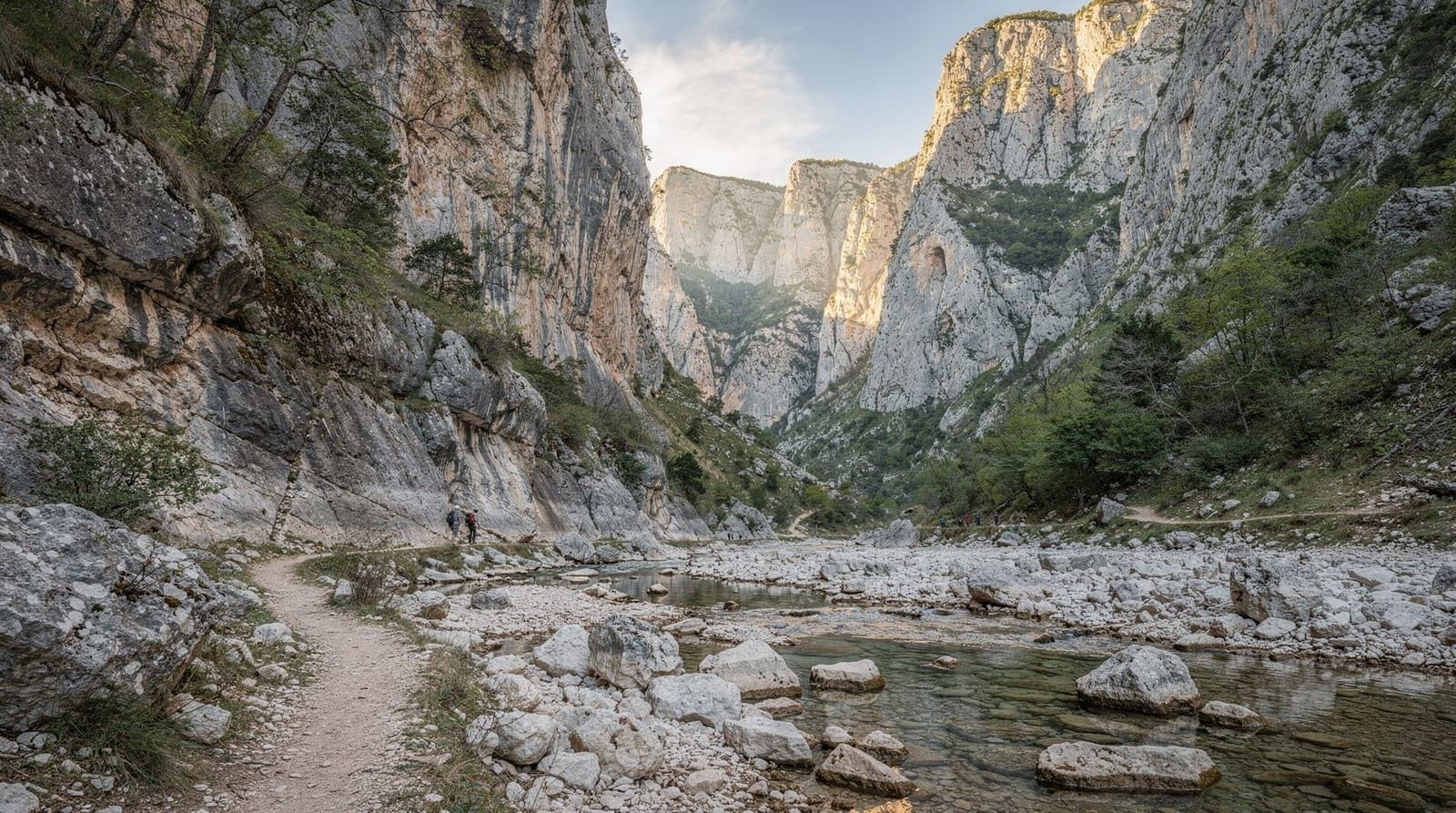
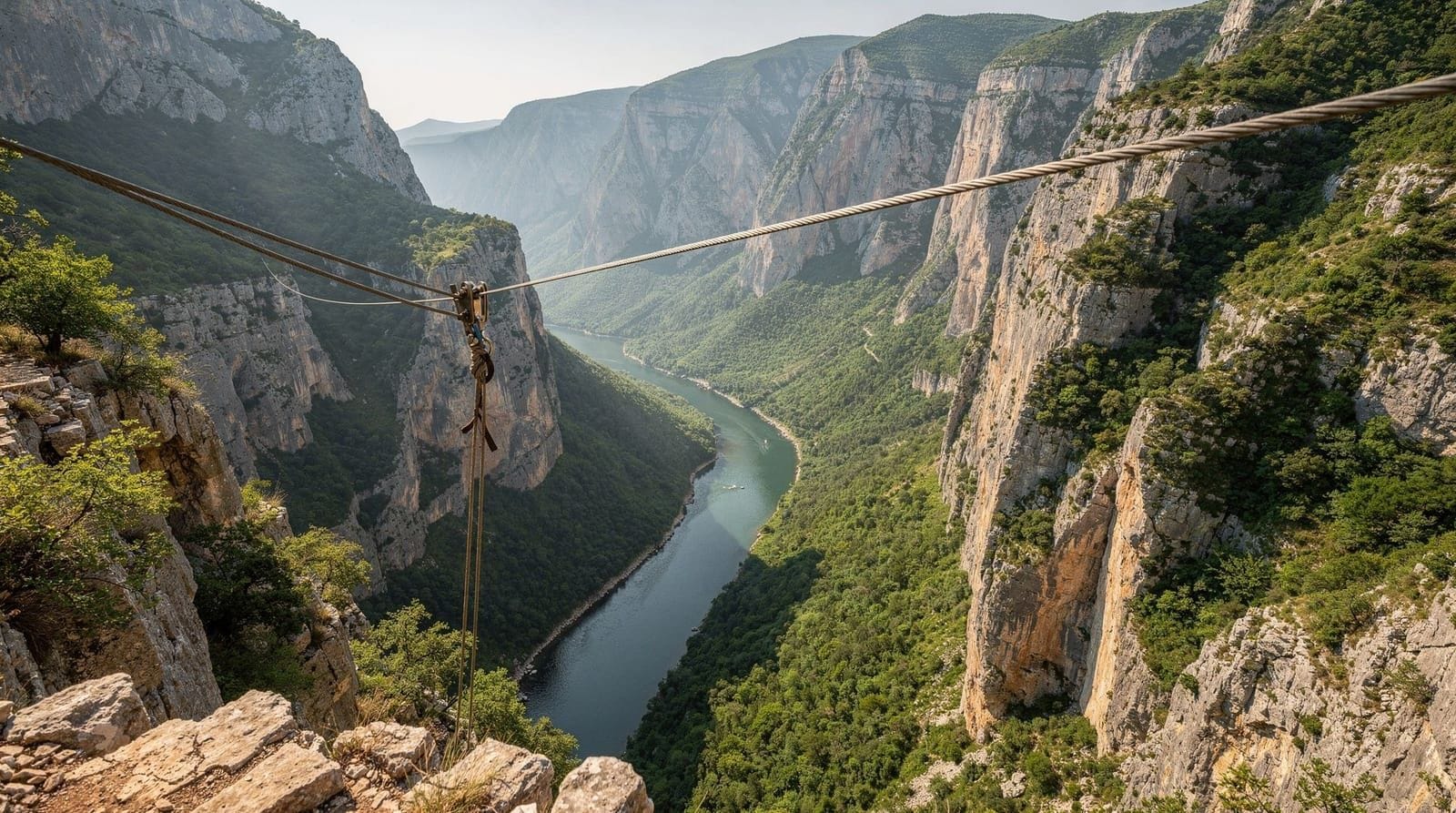
The Cetina is Croatia’s secret adventure weapon. While most visitors to Split and the Dalmatian coast spend their days on ferries and beaches, the Cetina canyon sits a 45-minute drive away — a cool, shaded limestone gorge where the river runs emerald over white gravel, cliffs rise 200 metres on either side, and the only sounds are rushing water and the shrieks of swifts.
| Where | Cetina canyon, near Omiš, 40–50 min from Split |
| Cost | Around €35–€55/person, half-day tour with transport |
| Time needed | 5–6 hours door-to-door; 2–3 hours on the water |
| Getting there | Tour pick-up from Split, or bus 60 / D8 road to Omiš |
| Best time | May–June for water levels, September for warmth + fewer crowds |
Rafting the Cetina is the most popular guided adventure in the Split area, and with good reason. The grade is accessible enough for families and beginners, but the canyon itself is genuinely spectacular — one of those experiences that recalibrates your sense of what Croatia contains beyond the beaches.
The canyon and the river
The Cetina rises in the Dinaric karst near Sinj and flows 105 km before reaching the Adriatic at Omiš. The lower canyon section — where rafting takes place — cuts through pale limestone in a series of bends and narrows, with the Zeleni Vir (Green Whirlpool) gorge as its most dramatic moment. The water is fed by springs and snowmelt and stays cold even in August: a relief on a hot Dalmatian day.
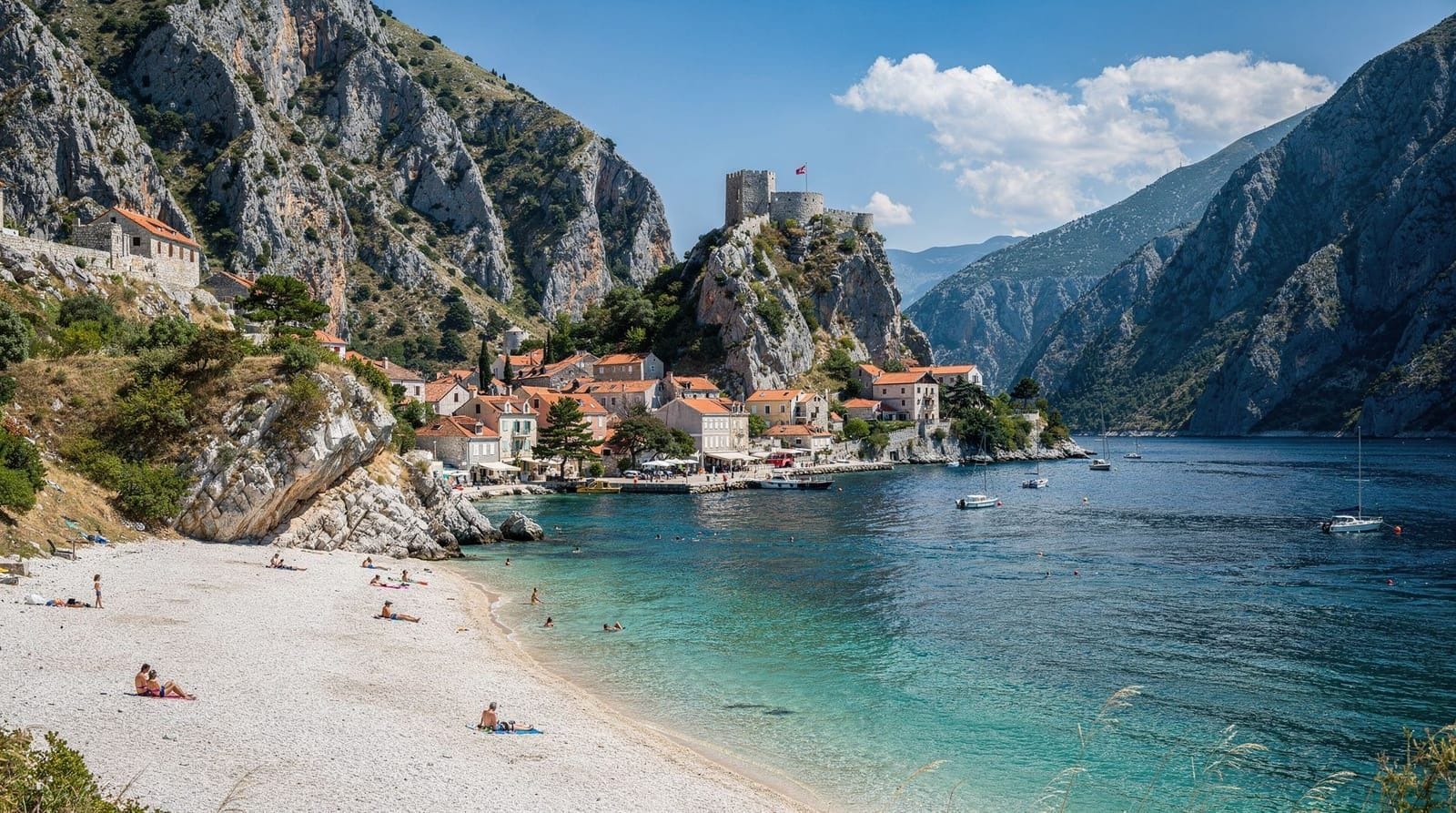
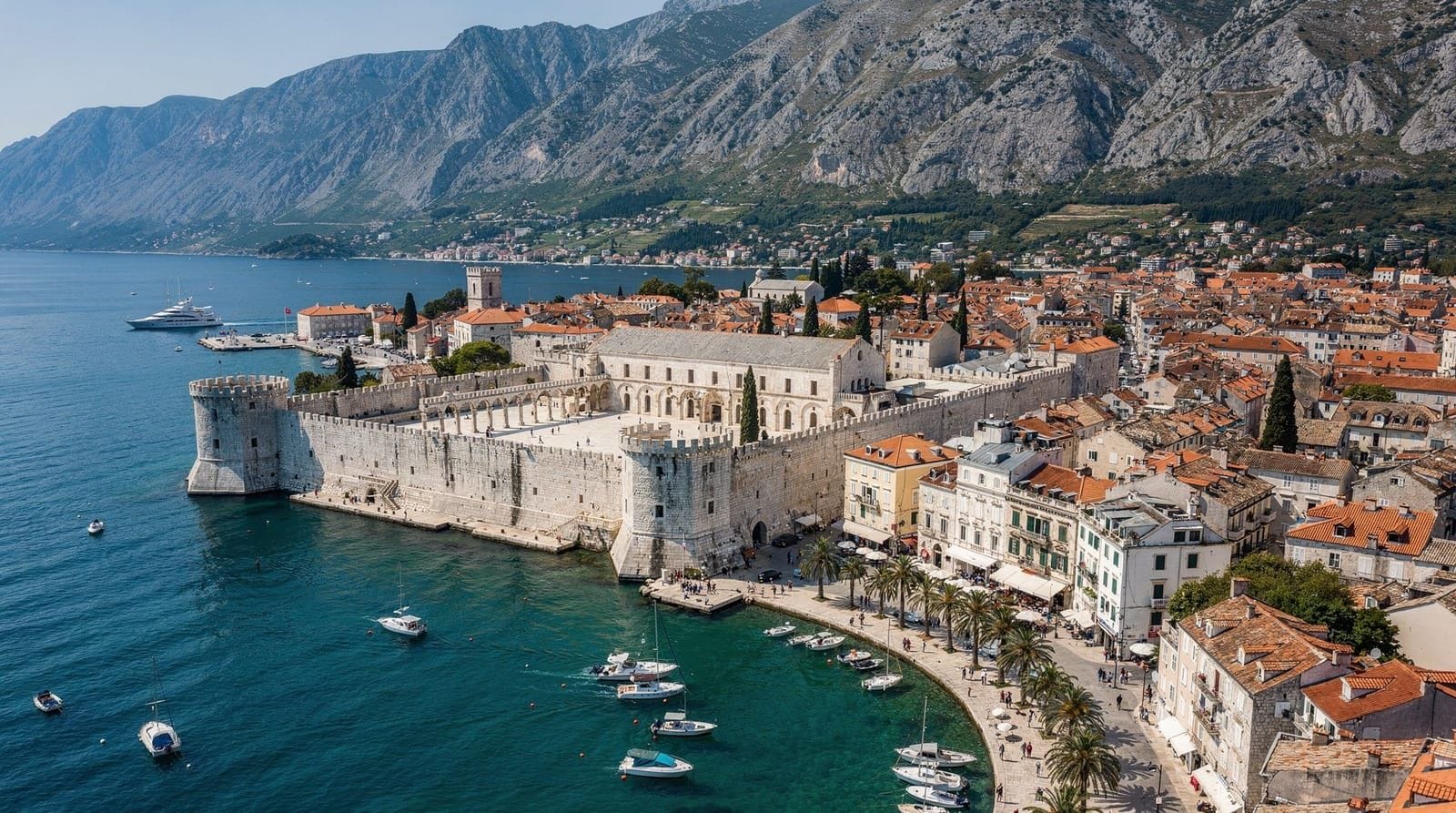
The town of Omiš itself is worth a moment — a small pirate town (literally: Omiš was a medieval pirate stronghold notorious for raiding Adriatic shipping) wedged between cliff and river mouth, with a fortress above and pebbly beach below. Most rafting tours stage from the river operators upstream of Omiš.
What the rafting experience involves
Grade and rapids. The main commercial rafting section covers approximately 10–12 km of the canyon, navigating a series of Grade II–III rapids interspersed with calmer stretches. Named rapids include Gubavica (the longest), several narrow chutes, and a section where the cliff walls close to barely 10 metres wide. There is no technical paddling required — your guide steers and instructs; your job is to paddle on command and hang on.
The Zeleni Vir section. The gorge section is the highlight — sheer walls, overhanging vegetation, a deep swimming pool in a cave-shadowed alcove. Many tours include a swimming stop here, where the water temperature (even in July) is bracing enough to make you gasp.
Cliff jumping. Optional jump stops are included in most tours or available as an upgrade. The standard ledge sits about 6–8 metres above a deep, calm pool. Guides check water depth before every session; jumping is supervised. First-timers almost always say it was the best three seconds of the trip.
Tour formats: what’s available
Standard half-day rafting tour from Omiš. You make your own way to Omiš (or join at the operator base) and raft for 2–3 hours. Cheapest option; right choice if you have a car and are already based near Omiš or Makarska.
Half-day tour with Split pick-up. The most popular format. Pick-up from Split hotels at 08:00–09:00, transfer to Omiš, raft, return to Split by 13:30–14:30. Total time approximately 5–6 hours. Ideal for Split-based visitors.
Rafting with cliff jumping. Specialist tour format that includes the optional jump stop as a guaranteed programme element rather than a bonus. Slightly shorter rafting section, more time at the jump site.
Full-day adventures. Some operators combine Cetina rafting with canyoning (exploring a tributary canyon on foot, wading, and jumping), which turns the half-day into a full-day wilderness experience. Numbers are small, minimum age higher (typically 12+).
Cliff jumping: what you need to know
The cliff jump section deserves a separate section because it’s the moment most visitors remember longest. The ledge is natural rock, approximately 6–8 metres above a deep pool (guides measure depth before each use). The pool is sheltered, circular and clear.
Guides will explain the correct jump posture: feet together, arms out, look forward not down. Do not look down before jumping — it makes the hesitation worse and the jump less controlled. Most people who jump report that the anticipation is worse than the act itself; landing in the cold water is a jolt that turns immediately into elation.
Jumping is never compulsory. Nobody is cajoled or peer-pressured. Parents who want to jump while children watch from the raft can arrange this with guides.
Getting to Omiš independently
By bus. Bus line 60 (Split–Omiš) runs from Split bus station (and Supaval/Branimirova stops) approximately every 30–60 minutes in season. Journey time 40–55 minutes, fare around €3–4. This is the budget option; confirm current timetables at the Split bus station or at autotrans.hr.
By car. The coastal road (D8) from Split to Omiš is spectacular — it hugs the cliffside above the sea — though narrow in places. Parking in Omiš town centre is limited; arrive early or use the riverside lots. GPS: aim for Omiš town centre, then follow signs toward Radmanove Mlinice (the riverside restaurant/rafting area upstream).
By tour with transfers. By far the easiest option, and only marginally more expensive than arranging transport independently. Included in all the tour packages listed above.
What to bring (and what to leave at the hotel)
Bring:
- Swimsuit or quick-dry shorts (you will get wet)
- Old trainers or neoprene water shoes (essential — flip-flops will fall off)
- Towel and a change of clothes for after
- Waterproof camera or action camera with mount
- Cash for tip and any food/drink at the operator’s base
- Sun cream applied before you leave (not in a bag — you won’t have access)
Leave behind:
- Expensive camera gear, watches, jewellery
- Prescription glasses (wear contacts or ask for a strap for glasses)
- Anything you cannot afford to lose to a capsize
Operators provide: rafts, paddles, buoyancy aids (life jackets), helmets, and wetsuit tops on cooler days (typically May and early June). Some operators have waterproof dry bags for small valuables.
Timing your visit
May–June. Best overall. River levels high from snowmelt; rapids at maximum excitement. Air temperatures comfortable (22–27°C); water cold but not hypothermia-cold. Pre-book — popular months.
July–August. Peak season; operators run multiple departures daily. Hot, busy, sometimes crowded on the river with multiple groups simultaneously. Water levels drop slightly, making some rapids shallower. Still excellent; just book further ahead.
September. Excellent. River levels lower but still fully rafting. Air at 24–27°C, water warmer than May/June. Crowds thinning. Great shoulder choice.
October. Possible on mild days; some operators run reduced schedules. Wetsuits become standard. Water levels can be low after a dry summer. Confirm with operators before booking.
| Month | Water level | Air/water temp | Crowds |
|---|---|---|---|
| May–June | High (snowmelt) | 22–27°C / cold | Moderate — book ahead |
| July–August | Moderate, dropping | Hot / cold-refreshing | Busiest — multiple daily departures |
| September | Lower, still runnable | 24–27°C / warmer | Thinning — good shoulder pick |
| October | Low, weather-dependent | Cooler, wetsuits standard | Quiet, reduced schedules |
How Cetina rafting compares to Croatia’s other rivers
The Cetina is Croatia’s most commercially developed rafting river, but it is not the only one. The Zrmanja (near Zadar) offers a wilder, less crowded canyon with similar Grade II rapids but far fewer operators and a longer drive from any major base. The Mreznica, near Karlovac, is gentler still — more of a family float trip through travertine pools than a white-water experience. For most Split-based visitors, the Cetina wins simply on logistics: it is the only one of the three reachable as a genuine half-day trip with reliable operator infrastructure, English-speaking guides and multiple daily departures. If you have a full extra day and a car, the Zrmanja rewards the effort with real solitude.
Is Cetina rafting accessible if you don’t swim or fear cold water?
Non-swimmers can raft the Cetina — you remain in the boat, wearing a buoyancy aid, and are not required to enter the water except during the optional swimming or cliff-jumping stops, both of which you can decline. The water itself is genuinely cold (spring-fed, rarely above 16–18°C even in August), which surprises some visitors expecting Adriatic-warm conditions; this is part of the appeal for most, but if you are sensitive to cold, ask your operator about wetsuit availability even in peak summer. Anyone anxious about the rapids themselves should choose the standard half-day tour rather than the cliff-jumping or canyoning variants, which involve more time in and around the water.
Combining rafting with other Split-area adventures
The Cetina fits naturally into a broader adventure sports Croatia itinerary based out of Split:
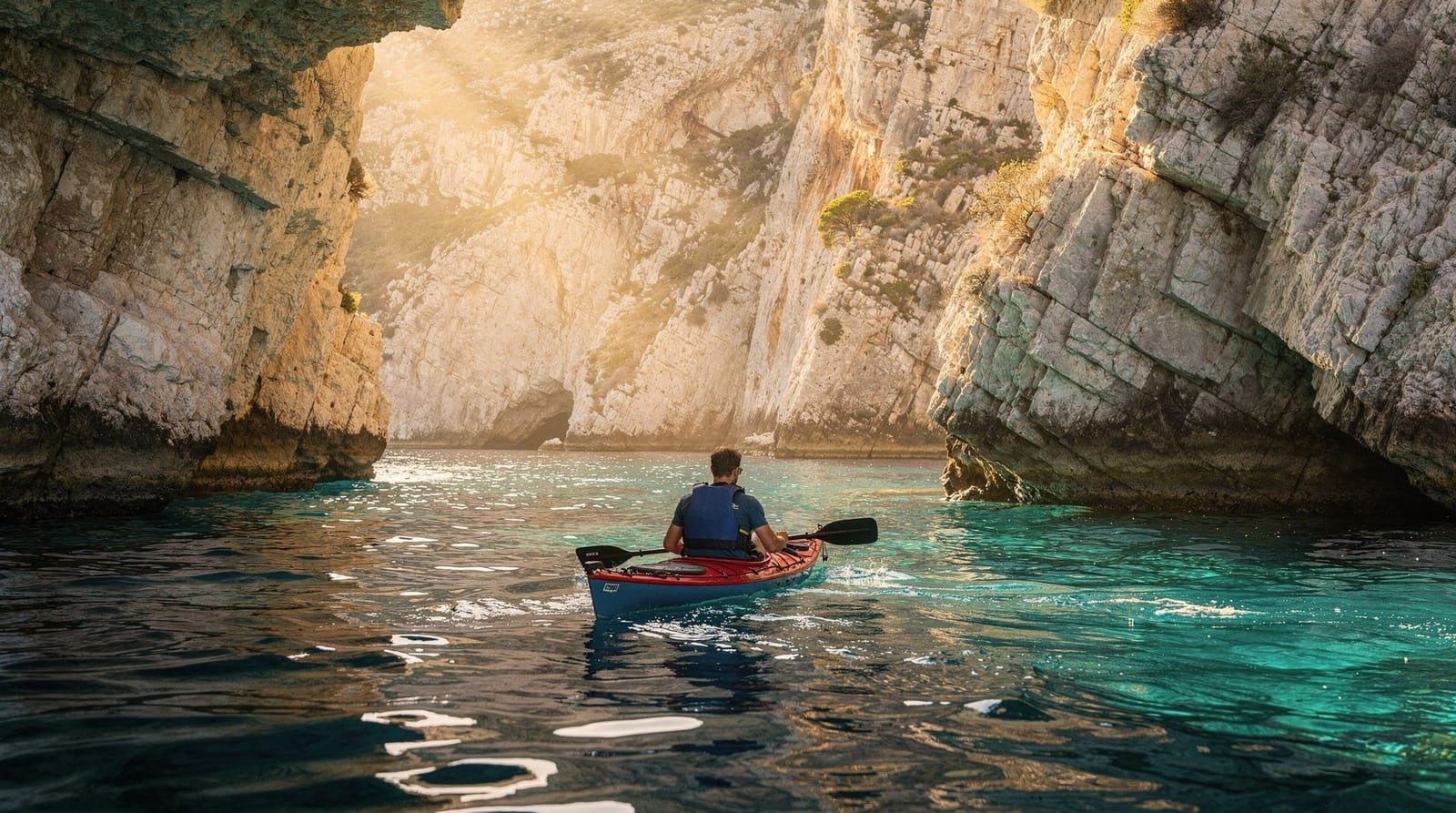
Day 1: Sea kayaking in Dubrovnik or around the Dubrovnik coast. Day 2: Cetina river rafting from Split. Day 3: Biokovo adventure — cable car to Makarska, mountain walk or Skywalk.
Alternatively, combine a morning rafting session with an afternoon ziplining above Omiš — both activities are available within 5 km of each other.
Frequently asked questions about Rafting the Cetina river
Where is the Cetina river and how do you get there?
The Cetina flows through a limestone canyon between the town of Omiš and the interior, emptying into the Adriatic about 25 km south-east of Split. From Split, Omiš is reachable in 40–50 minutes by car or bus. Most rafting tour operators offer pick-up from Split hotels, which is the easiest option; alternatively, bus number 60 (Split–Omiš) runs frequently in season.What grade is Cetina river rafting?
The main rafting stretch is Grade II–III — powerful enough to be exciting, not so technical that it requires extensive training. There are short sections of calmer Grade I water between the rapids. The canyon section, including the famous Zeleni Vir gorge, provides the most dramatic scenery. The river is suitable for beginners from about age 7–8 and for non-swimmers who stay in the raft.How long is the Cetina rafting tour?
The rafting section itself takes 2–3 hours on the water. Full tours including pick-up from Split, transfer, kit-up, the raft trip and return run approximately 5–6 hours. Half-day tours departing at 09:00 typically return to Split by 14:00–15:00, leaving the afternoon free.What should I bring for rafting the Cetina?
Wear a swimsuit or quick-dry shorts you do not mind getting wet — you will get wet. Bring old trainers or water shoes (flip-flops are not suitable). Operators provide wetsuit tops in spring/early summer and on cooler days, plus helmet, buoyancy aid and paddle. Leave valuables at the hotel; bring only a waterproof camera. Apply sun cream before you arrive.Is Cetina rafting suitable for children?
Yes, most operators accept children from age 7 or 8 (some from 6), provided they can follow guide instructions. Children must wear buoyancy aids and helmets throughout. The raft is stable and the guides highly experienced with family groups. It is one of the most child-appropriate adventure activities on the Dalmatian coast.What is the best time of year to raft the Cetina?
May and June offer the highest water levels (snowmelt from the Dinaric Alps feeds the Cetina) and the most powerful rapids. September is also excellent — lower but still runnable, warm air and river temperatures, smaller crowds. July and August are the busiest months; the canyon is at its hottest but still enjoyable. Water levels can be low in late August–early September during dry summers.Can you cliff jump on the Cetina rafting tour?
Yes — several operators run Cetina tours that include a cliff-jumping stop (a natural ledge above a deep pool in the canyon). This is entirely optional; guides will not pressure participants to jump. The standard jump height is around 5–8 metres. A separate, more adrenaline-focused 'cliff jumping + rafting' tour format is available from some operators.
Top experiences
Bookable activities with verified prices and instant confirmation on GetYourGuide.
Top experiences
Best-rated activities across GetYourGuide and Viator.

Rafting on Cetina River Departure from Split or Blato na Cetini village
- Viator

KAYAK ADVENTURE! Wild Coast Exploring - Snorkeling & Cliff Jumps
- Viator

Blue Bay Snorkeling & Cocktails 3 Islands Speedboat Tour
- Viator

Zadar: 3 Islands Luxury Boat Tour with Aperol Spritz & Snorkeling
- Viator

Zadar: Luxury Island Boat Tour, Snorkeling & Unlimited Wine
- Viator

Transparent Kayak Sunset to Dusk Glow Experience from Pula
- Viator