Korčula travel guide
Plan your Korčula trip: the medieval old town, Plavac Mali wine trail, Marco Polo's birthplace, beaches, and ferries from Split and Dubrovnik.
Korcula: Island wine and sightseeing tour
Quick facts
- Best time
- May–June, September
- Days needed
- 3–4 days
- Getting there
- Catamaran from Split (2.5–3 h) or Dubrovnik (2 h)
- Budget per day
- €65–€140
Korčula is the island that serious Croatia travellers tend to mention first when pressed for their favourite. It has the medieval walled old town of a mini-Dubrovnik but at a fraction of the crowds; one of Croatia’s most distinctive indigenous grape varieties (Grk, grown nowhere else on earth); a living knightly sword dance that’s been performed without interruption since the 14th century; and a landscape of dense pine forest, vineyards, and olive groves that’s genuinely beautiful. It’s also the island that claims — with some vigour but disputed evidence — to be the birthplace of Marco Polo.
| Where | Southern Dalmatia, between Split and Dubrovnik |
| Cost | Around €65–€140/day |
| Time needed | 3–4 days |
| Getting there | Catamaran from Split (2.5–3 h) or Dubrovnik (~2 h) |
| Best time | May–June and September |
Getting to Korčula
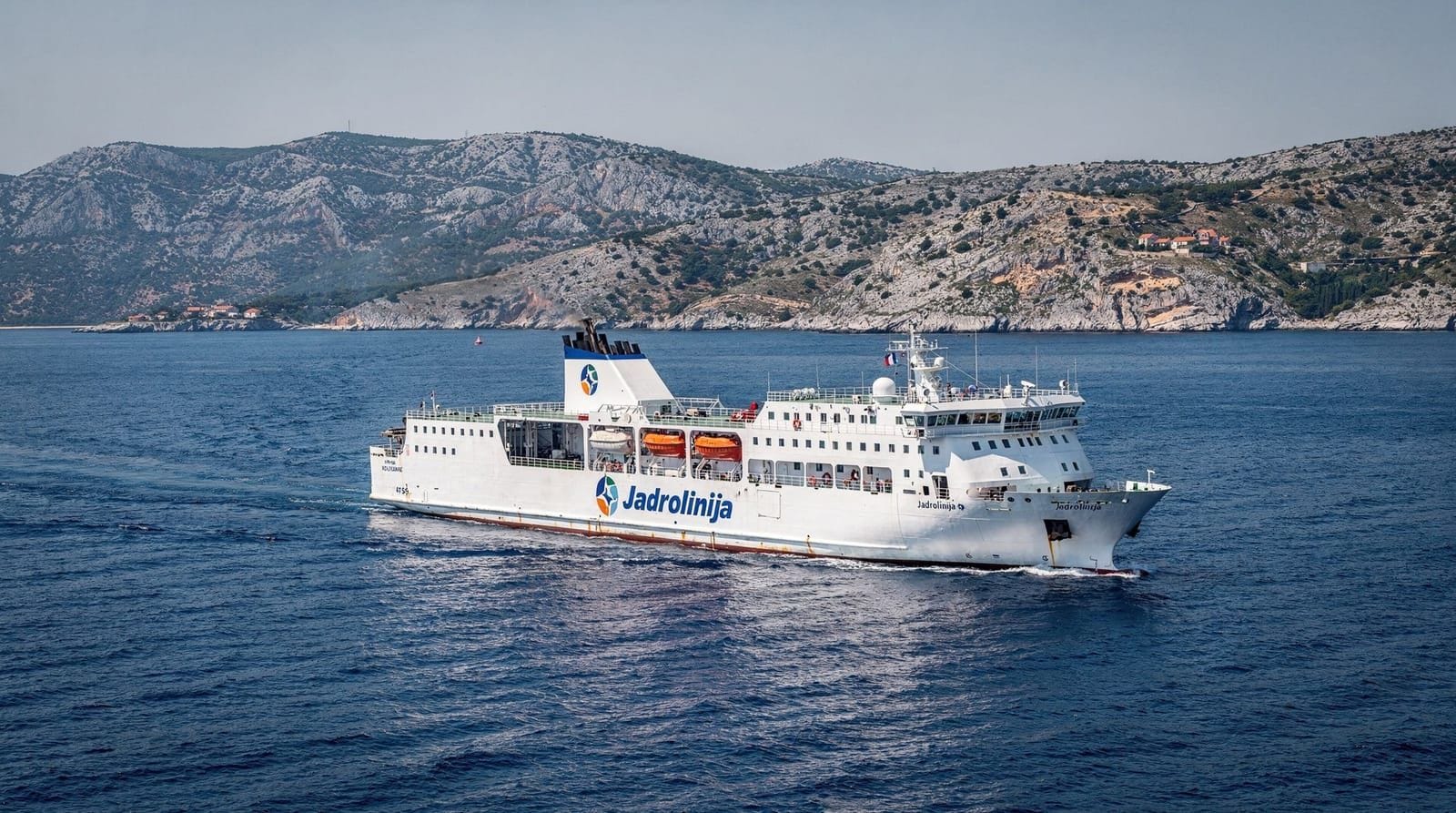
From Split (catamaran): Jadrolinija and Krilo operate catamarans from Split to Korčula town. Journey time is approximately 2.5–3 hours depending on the service and any intermediate stops (Hvar is often en route). Around 2–4 sailings daily in summer.
From Dubrovnik (catamaran): Jadrolinija’s coastal catamaran route connects Dubrovnik with Korčula town in roughly 2 hours. This passes through Mljet. In summer, 1–2 sailings per day.
Car ferry Split–Vela Luka: For those with vehicles, a car ferry sails from Split to Vela Luka on Korčula’s western tip (about 3 hours). From Vela Luka, the main road runs 45 km to Korčula town.
Car ferry Orebić–Dominče: A short (15-minute) car ferry links the Pelješac Peninsula village of Orebić with Dominče, just outside Korčula town. This is the most practical route if you’re driving down the coast from Split via the Pelješac Peninsula — it saves several hours compared with going via Split. If you’re approaching from the north by car, drive the length of the Pelješac Peninsula from Ston toward Orebić, then cross to Dominče. The ferry runs every hour or two in summer, and you can usually drive straight on without a reservation for most of the season. The crossing itself is pleasant — five minutes across open water with the old town visible ahead. A foot-passenger water taxi also runs between Orebić and Korčula old town, taking about 15 minutes and costing a few euros.
From Hvar: The coastal catamaran in summer connects Hvar and Korčula. Journey time roughly 1.5–2 hours.
What to see and do on Korčula
Korčula Old Town
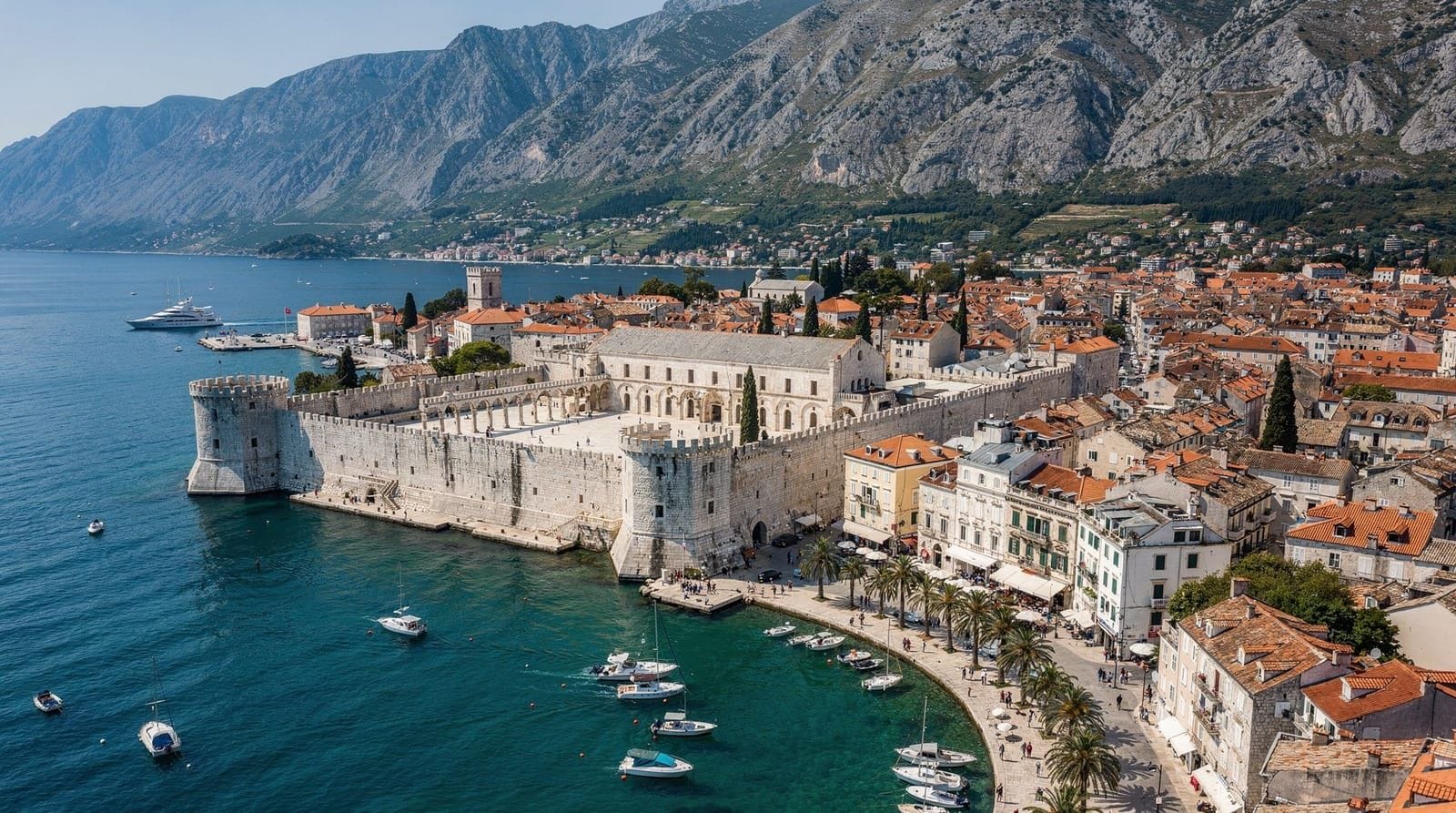
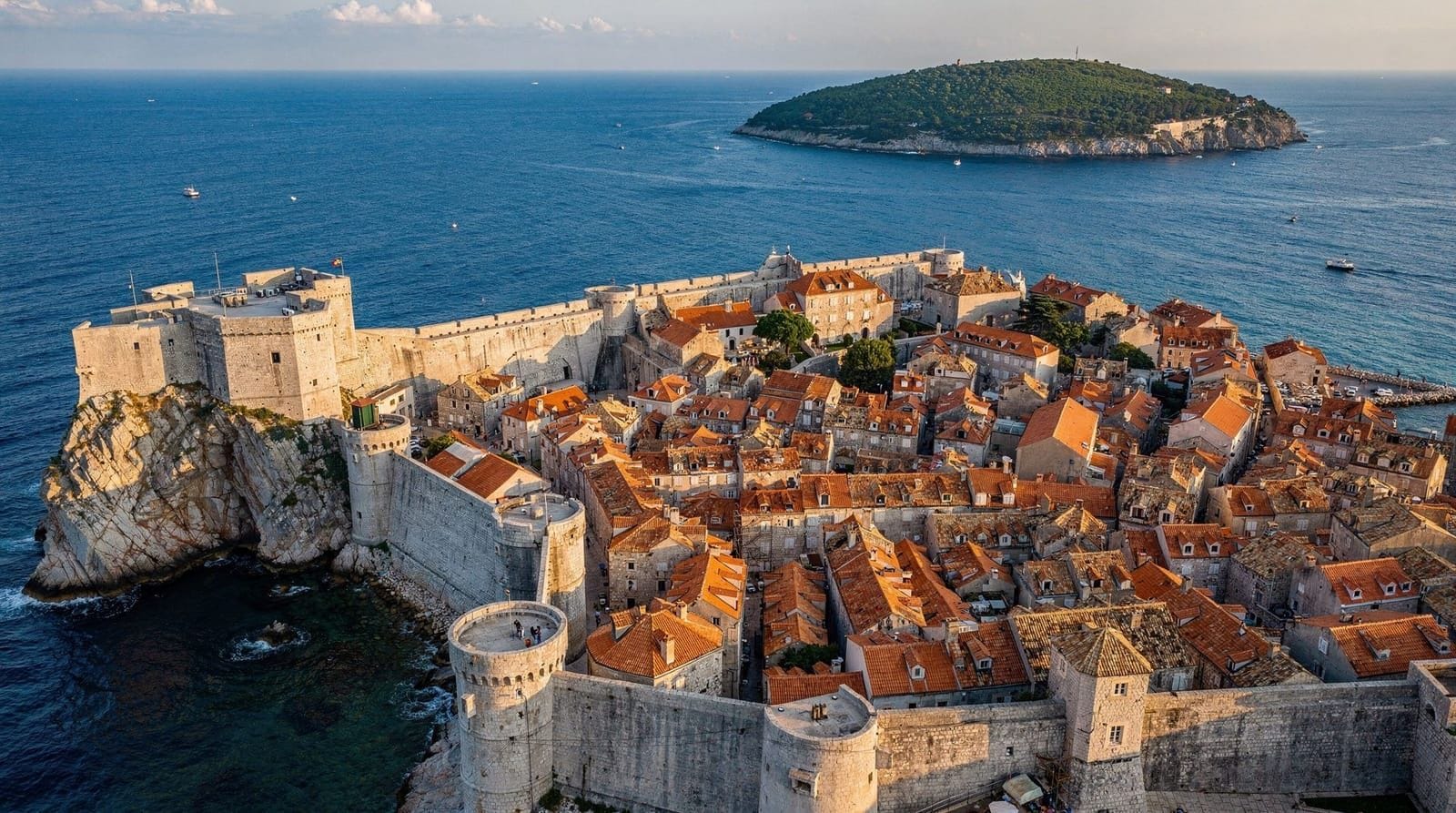
Korčula old town occupies a small peninsula jutting into the sea — it’s sometimes described as a mini-Dubrovnik, though the scale is very different. The medieval street plan is a herringbone grid, designed to channel summer breezes through the lanes and block the cold bora wind in winter. The 15th-century Cathedral of St Mark dominates the skyline, its Romanesque-Gothic façade incorporating sculptures by Croatian master Juraj Dalmatinac (who also designed Šibenik Cathedral).
The Land Gate (Kopnena Vrata), with its 15th-century Revelin Tower, is the main entrance to the old town and one of the finest medieval gateways in the Adriatic. Climb it for excellent views. The town walls, mostly 14th–15th century Venetian construction, are less extensive than Dubrovnik’s but still impressive.
The Town Museum (Gradski Muzej), housed in the Renaissance Gabrielis Palace on the main square, covers the island’s history from prehistoric times through the Venetian period. It’s small but well curated — a good hour’s visit and typically open 9:00–21:00 in peak season, with reduced hours from September onward. The collection includes Roman artefacts, examples of traditional Korčulan stonemasonry, and documents relating to the island’s role in Venetian maritime trade.
Marco Polo’s Tower (separate from the house museum) is a Gothic tower that can be climbed for sweeping views over the old town rooftops and the Pelješac channel. Opening hours are roughly 9:00–19:00 in summer; entry is a few euros. It’s a brief visit but the views are among the best in the old town. The tower and house are both in the eastern part of the walled town, close to each other — easy to visit on the same walk.
Evening in the old town is magical: the crowds thin after dinner, candlelit restaurants and wine bars open onto lanes lit by old stone lanterns, and the atmosphere is genuinely romantic. The best time to walk the walls and the perimeter path along the water is the hour before sunset, when the light turns the honey-coloured stone a deep amber.
Marco Polo House and Tower
Whether or not Marco Polo was truly born here — and this is energetically disputed by historians — the town has fully embraced the connection. The supposed birthplace is a partially restored Gothic house in the old town; the Marco Polo Tower offers views from its upper floors. More importantly, the story provides a charming narrative thread for exploring the old town. Entry to the tower is a few euros.
Moreška Sword Dance
The Moreška is a spectacular theatrical sword dance performed in Korčula every Thursday evening throughout summer (and on Mondays in peak season). It dramatises the rescue of a princess from a villainous king through choreographed battles between two groups of knights. The tradition dates to at least the 16th century and may have older origins. Tickets sell quickly — buy ahead through your accommodation or from the tourist office.
Lumbarda and Grk Wine
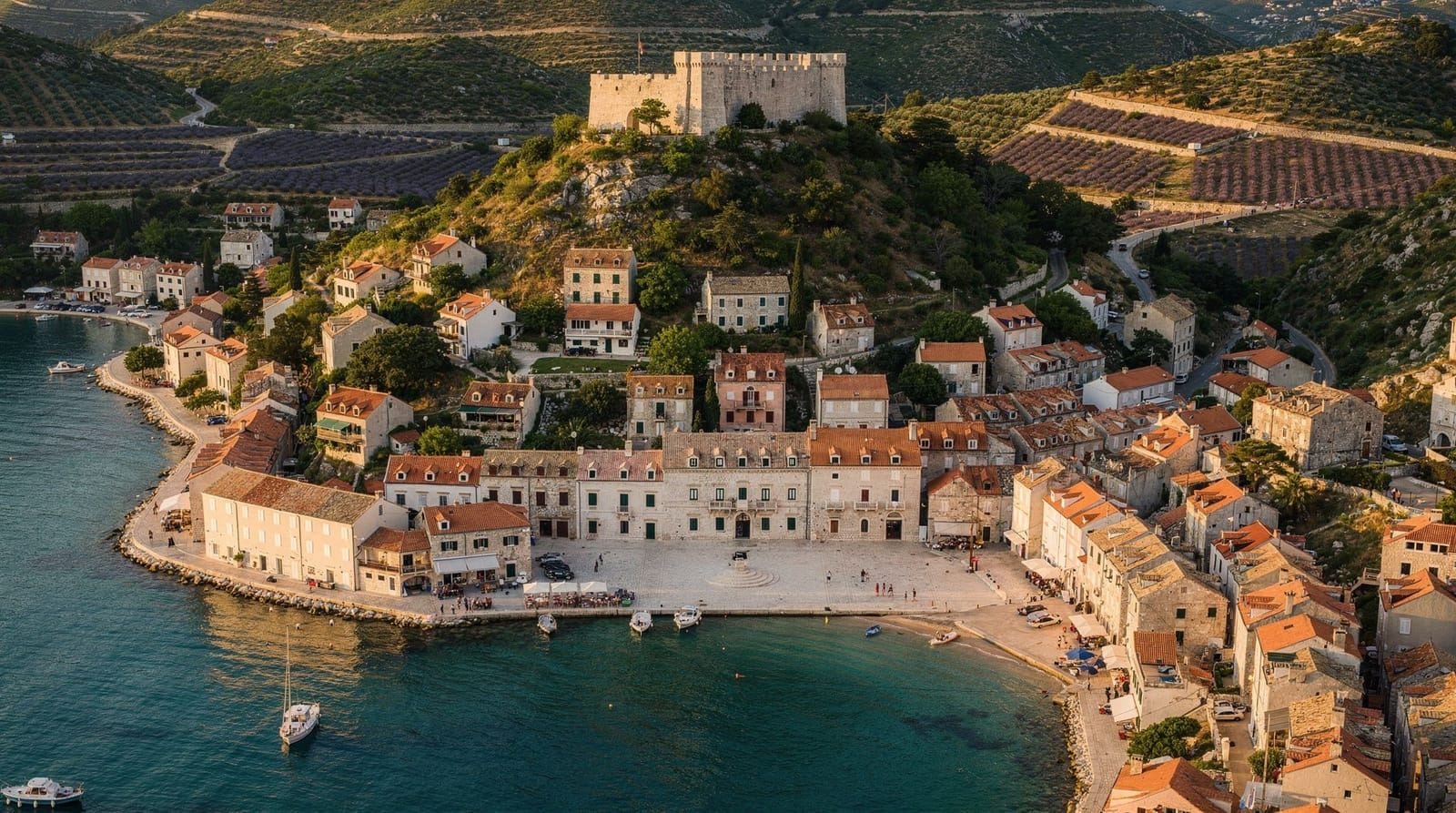
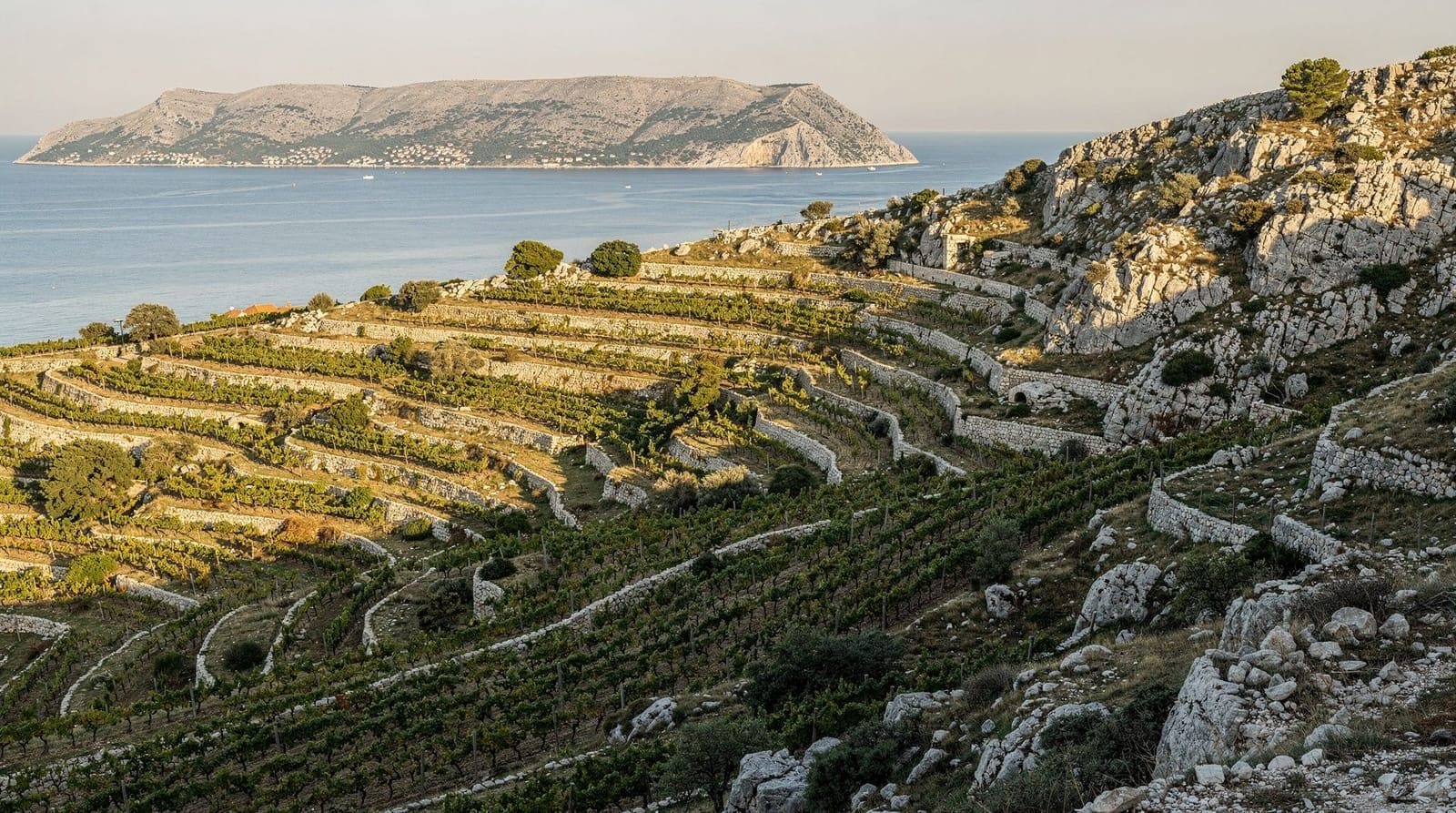
Lumbarda is a small village on Korčula’s eastern tip, about 8 km from Korčula town. It’s the only place in the world where Grk, an ancient white grape variety, is commercially produced. The Grk vine is unusual in that it has no male flowers and must be cross-pollinated by the neighbouring Plavac Mali. The resulting wine is dry, mineral, and distinctive — pale gold with notable acidity and a long finish.
Several small wineries in Lumbarda offer tastings: Toreta, Bire, and Zure are among the most respected. These are working family farms — call ahead or check opening times rather than simply appearing.
Pupnat and the Island Interior
The island’s interior is far less visited than the coast, which makes it ideal for those who want to escape the beaches. The village of Pupnat sits at the island’s central ridge with wonderful views over both coasts. The road through pine-covered hills from Korčula town to Vela Luka passes through a landscape of vineyards and olive groves with almost no other tourist infrastructure.
Blato
The island’s second town, Blato, is a real working Croatian settlement rather than a tourist destination — a main street lined with old stone houses, a Romanesque church, a morning market, and cafés where locals actually drink coffee. It’s a useful reality check if you’ve been spending time in Dubrovnik or peak-season Hvar.
Beaches on Korčula
Korčula’s coastline is largely rocky and pebbly, typical of the Adriatic. Water shoes are advisable for most beaches except the sandy Lumbarda bays.
Lumbarda’s Pržina (Bilin Žal): The standout beach on the island — a rare sandy beach on Korčula’s eastern side, near Lumbarda village. The sand is golden and fine, and the bay is shallow and calm, making it excellent for families. Gets busy in summer. To reach it, take the road east from Korčula town toward Lumbarda (8 km); the beach is signposted from the village. A taxi from Korčula town costs around €10–€12. By bicycle it’s a pleasant 25-minute ride on mostly flat road.
Vela Pržina (Lumbarda): A second Lumbarda beach, also sandy, slightly larger and with better facilities including sunbeds, a beach bar, and a small café. One of the finest family beaches on the Dalmatian coast. It sits on the opposite side of the Lumbarda headland from Pržina and is reached via a separate track — the two beaches together make a full day’s outing from Korčula town.
Pupnatska Luka: A quiet pebble cove on Korčula’s south coast, accessible by a steep road that descends through pine forest from the village of Pupnat. Very calm water, excellent snorkelling over rocky seabed, and almost no facilities — bring your own food and water. Rarely crowded even in August, which is its principal appeal. Getting there requires a car or scooter; there is no bus connection.
Račišće: A peaceful village on the northwest coast with a small pebble beach and exceptional sunset views across the open Adriatic. The water here can be slightly rougher than the south coast on windy days, but the remoteness and light are worth it. Drive or cycle the coastal road west from Korčula town — about 14 km.
Day trips from Korčula
Korčula’s position midway along the southern Dalmatian coast makes it an excellent base for exploring the surrounding region. The Orebić–Dominče ferry opens up the Pelješac Peninsula in minutes, while summer catamarans reach Mljet and occasionally Lastovo.
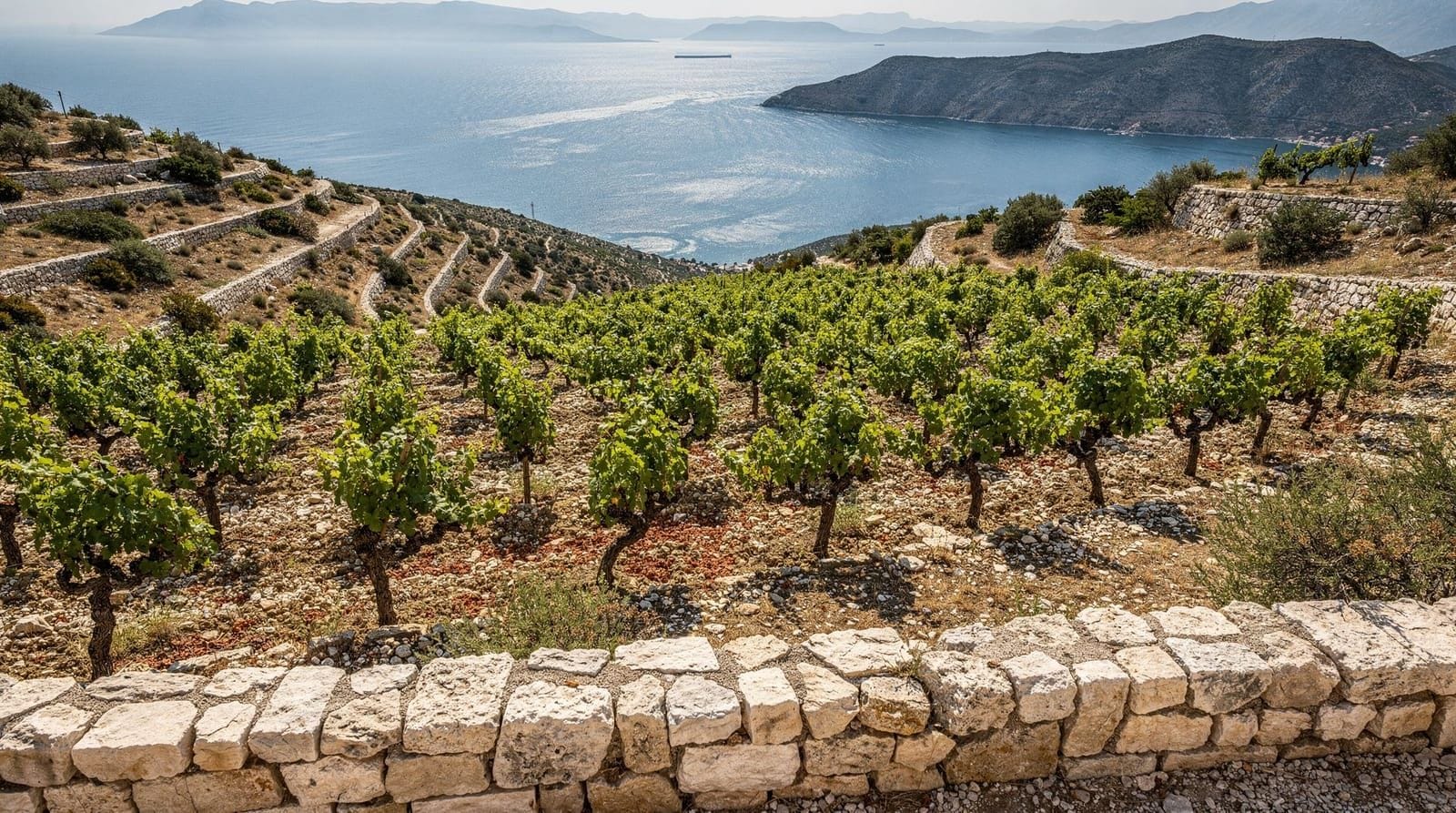
Pelješac Peninsula wine route: The Orebić ferry (15 minutes from Dominče) lands you at the base of the Pelješac Peninsula, where two of Croatia’s most celebrated red-wine appellations — Dingač and Postup — are grown on steep south-facing slopes above the sea. The Plavac Mali grape produces big, sun-drenched reds here that bear comparison with serious southern Italian and Spanish wines. Several wine estates offer tastings by appointment; the drive along the peninsula is beautiful in its own right. You can combine a morning at a winery with lunch in Ston for the famous oysters and then return to Korčula on the late afternoon ferry — a genuinely excellent day out.
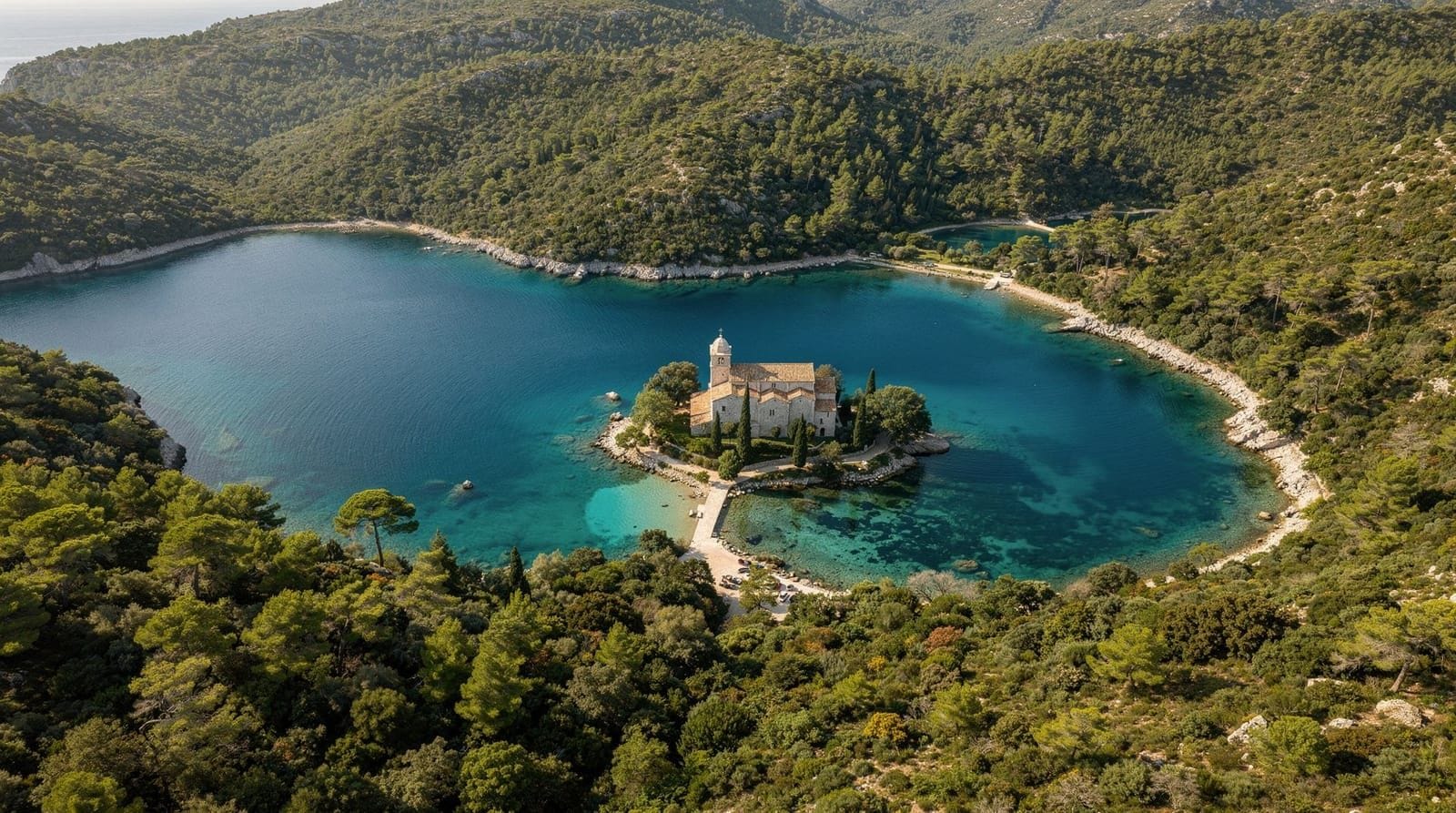
Mljet National Park: The catamaran from Korčula town reaches Sobra on Mljet in around 1.5 hours in summer. Mljet is one of the most unusual islands in the Adriatic — the western third is a national park encompassing two interconnected saltwater lakes surrounded by dense Mediterranean forest. You can rent bicycles or kayaks inside the park, and a small island in the larger lake holds a 12th-century Benedictine monastery that is still active. The combination of the lakes, forest, and monastery makes it a genuinely memorable day trip. Buy catamaran tickets in advance in peak season.
Lastovo: Croatia’s most remote inhabited island, Lastovo sits roughly 45 km southwest of Korčula and is served by an occasional summer catamaran. It’s a different world — largely car-free, with no package tourism, a handful of konobas, a remarkable cluster of stone chimneys on the old town’s rooftops (an architectural tradition unique to the island), and some of the most untouched diving and snorkelling waters in the Adriatic. The crossing takes about 2–2.5 hours from Korčula, so Lastovo works better as a one-night excursion than a pure day trip. For those prepared to overnight, it is one of the most rewarding detours in Croatia.
Where to stay on Korčula
Korčula town is the natural base — everything is within walking distance, the old town is beautiful, and there are morning water taxis to Orebić for Pelješac Peninsula day trips. Private apartments run €55–€130/night in peak season. Hotel Korčula de la Ville is a good mid-range option near the old town; the boutique Hotel Fabris (inside the old town walls) is small and atmospheric.
Lumbarda is calmer and better positioned for beach access — a pleasant alternative if you have a scooter or bicycle.
Vela Luka (western tip) is very quiet and has good value accommodation — useful if you arrive by car ferry and aren’t planning to go to Korčula town immediately.
Where to eat on Korčula
Konoba Mate (Pupnat): One of the most acclaimed restaurants on the island, located in the inland village of Pupnat. Reserve ahead. The lamb and fish dishes, prepared with local wine and olive oil, are superb.
Konoba Maslina (Lumbarda): Family-run, peaceful, with a terrace overlooking the vineyards. Excellent Grk wine with fresh seafood. Authentic beyond words.
Konoba Morski Konjic (Korčula town): In the old town lanes, with a good wine list and honest Dalmatian cooking at reasonable prices for a tourist location.
Restaurant LD Terrace (Korčula town): The upscale option — contemporary Croatian cuisine with panoramic water views. Worth the splurge for a special evening.
Filippi (Korčula town): A wine bar and konoba hybrid, excellent for working through local Plavac Mali and Grk with a cheese and prosciutto board.
Best time to visit Korčula
May–June: The most pleasant period. The old town is navigable, beaches are uncrowded, sea temperature is warming (18–22°C), and prices are 30–40% lower than peak. The island’s flowers are at their best.
September: Excellent in every way. Warm sea, thinning crowds, local atmosphere returning. The Moreška sword dance continues through September.
July–August: Busy but manageable — Korčula never reaches the intensity of Hvar town or Dubrovnik. Still a good time to visit. Prices peak.
October: Increasingly quiet; the old town takes on an off-season beauty. Water stays swimmable until mid-October. Some businesses close from mid-month.
Korčula vs Hvar vs Dubrovnik
Korčula is often described as the thinking traveller’s alternative to Hvar and Dubrovnik — a comparable stone old town and wine culture without either the party-island prices of Hvar or the sheer visitor volume of Dubrovnik. If you’re deciding between the three, the Hvar vs Brač vs Korčula guide breaks down the trade-offs in detail, and the Korčula wine guide goes deeper on Grk and Pošip for anyone planning the island primarily around wine.
Money and connectivity on Korčula
Korčula town’s restaurants and hotels take cards, but the family wineries in Lumbarda and the inland konobas around Pupnat and Blato often prefer cash — bring euros for these. See the money in Croatia guide for country-wide cost expectations. Mobile coverage is reliable in the town and along the main road but patchy in the interior; an eSIM set up before arrival (see the Croatia eSIM guide) is the simplest way to stay connected while island-hopping.
Cycling and walking on Korčula
Korčula’s gentler terrain compared to Hvar or Brač makes it a genuinely pleasant island for cycling. Bike hire is available in Korčula town and Lumbarda, and the road between the two (8 km, mostly flat) is an easy, scenic ride — vineyards, glimpses of the sea, and light traffic outside peak hours. More ambitious cyclists tackle the road toward Vela Luka, which climbs through pine forest and the island’s agricultural interior, passing Pupnat and Čara along the way; allow a full day for the round trip with stops.
For walkers, the old town’s perimeter path along the sea walls is a short, easy loop with some of the best photography light in the last hour before sunset. Longer walking routes into the interior around Žrnovo (a village just inland from Korčula town, known for its stonemasonry tradition and a distinctive local dialect) offer a quieter, more rural side of the island — allow 2–3 hours round trip and expect minimal shade, so plan for morning or late afternoon in summer.
Practical notes for both: bring more water than you think you’ll need — shade is scarce on the interior roads, and the nearest shop or konoba can be several kilometres apart once you’re off the coastal strip between Korčula town and Lumbarda. Traffic is light island-wide outside July–August, but narrow sections on the Vela Luka road warrant caution from cyclists sharing the tarmac with cars.
Top experiences
Bookable activities with verified prices and instant confirmation on GetYourGuide.
Top-rated experiences in Korčula travel guide
Best-rated activities across GetYourGuide and Viator.

Blue Cave & Vis Island speedboat tour from Hvar
- Viator

Rafting on Cetina River Departure from Split or Blato na Cetini village
- Viator

Blue Cave and Pakleni Islands group Tour from Hvar
- Viator

Boat Tour at Delfina Hvar
- Viator

Korcula Buggy (Official) Safari Tour - Local Food & Wine Tasting
- Viator

Blue cave group tour with swimming and snorkelling from Hvar
- Viator