Plitvice Lakes Day Trips Compared: Zagreb vs Split vs Zadar Departures
Zagreb: Full-day Plitvice Lakes group tour
| Where | Plitvice Lakes National Park, inland Croatia |
| Cost | around 55-90 EUR per person for group tours, 140-220 EUR private |
| Time needed | full day; 3.5-6 hours actually inside the park depending on departure city |
| Getting there | organised day tour from Zagreb, Split or Zadar; park entry ticket must be pre-booked online |
| Best time | tours departing before 8am beat the worst of the peak-season crowds |
Choosing the right Plitvice day tour before you book
Plitvičke Jezero — Croatia’s most visited national park — is spectacular, but the sheer number of tours on the market makes choosing one genuinely confusing. Prices vary by €30 or more for what looks like identical trips. Departure cities change the math on how much time you actually spend at the lakes. Group sizes, guide quality, and what “entry ticket included” really means are all variables worth understanding before you tap the book button.
This page unpacks every major format: group tours from Zagreb, group tours from Split, private options, and the Rastoke combo variant. By the end you will know exactly which tour suits your schedule, budget, and tolerance for coach travel.
What a Plitvice day trip tour actually includes
A standard full-day guided tour to Plitvičke Jezero covers return transport from your departure city, a licensed guide for at least part of the visit, and — in almost every case — the national park entry ticket. That ticket is not trivial: it costs around 40 EUR in peak season (June–August) and must be purchased in advance or on arrival, where queues can be long.
Beyond the basics, most tours also include the two park-managed attractions that make the internal circuit work properly: the electric panoramic train (tram) that links Gate 1 and Gate 2, and the flat-bottomed boat that crosses the large central lake, Jezero Kozjak. Both are essential for completing the full circuit without doubling back on the same paths, and both are included in any reputable tour.
What is not included, universally, is lunch. There are restaurants inside the park at Gate 1 and Gate 2, but they are overpriced and consistently crowded during peak months. Packing your own food is the most common advice from repeat visitors, and any honest guide will tell you the same.
Guide quality varies. The best guides connect the geological story of how the 16 terraced lakes formed through tufa — a porous limestone sediment — with the visual spectacle of the falls. Less engaging guides simply walk the route in silence. If the quality of interpretation matters to you, private and small-group tours (capped at 12–15 people) offer a meaningfully better experience.
Comparing departures: Zagreb, Split, and Zadar
The single biggest variable in any Plitvice tour is where you depart from. That affects journey time, actual time in the park, price, and energy levels at the end of the day.
From Zagreb — The journey is roughly 130 km, taking two hours each way on a comfortable coach or minivan. Tours departing Zagreb typically leave between 7:30am and 8:30am and return by 7:00–8:00pm, giving around 4–5 hours inside the park. This is the most popular format and the best option for anyone based in Zagreb. Prices run from around 55 EUR to 80 EUR per person for group tours, with private options climbing higher. The standard group tour departing Zagreb is the baseline most travellers compare everything else against.
Book the full-day group tour from ZagrebFrom Split — The drive from Split to Plitvice runs around 230 km, which means 2.5 to 3 hours each way. Tours from Split are genuine full-day commitments — departing around 6:30am and returning after 9:00pm. You gain perhaps 3.5–4 hours at the park, noticeably less than from Zagreb. However, if your itinerary is centred on Split and Dalmatia, these tours are the logical choice rather than repositioning yourself. Expect prices around 65–90 EUR. The longer ride is compensated by professional guides and the entry ticket included.
See Plitvice tours departing from SplitFrom Zadar — Zadar is the closest major city to Plitvičke Jezero, sitting around 100 km from the park. Tours from Zadar are shorter in total duration — sometimes returning by 6:00pm — and prices are often slightly lower. If you are spending any time in Zadar, this is the most efficient departure point by some margin. Check the day trips from Zagreb guide for an overview of what each departure city adds to a broader Croatia itinerary.
Private tours from Zagreb — A full-day private Plitvice tour from Zagreb is a fundamentally different product. A dedicated vehicle, a guide focused solely on your group, and complete flexibility on pacing and route within the park. Prices start around 150 EUR for a couple and scale with group size. For families with children, couples celebrating something, or anyone who finds large-coach dynamics exhausting, private tours are worth the premium. They also allow meaningful detours — some private operators will stop at the Rastoke mill village on the outbound journey.
Book a private full-day Plitvice tour from Zagreb| Departure city | Distance | Time in park | Price (group) |
|---|---|---|---|
| Zagreb | ~130 km | 4-5 hrs | 55-80 EUR |
| Zadar | ~100 km | up to 5-6 hrs | often the lowest of the three |
| Split | ~230 km | 3.5-4 hrs | 65-90 EUR |
| Zagreb (private) | ~130 km | flexible | 150+ EUR for the vehicle |
The Rastoke add-on: charming detour or time drain?
One tour variant adds the village of Rastoke to the Plitvice day. Rastoke sits where the Slunjčica river meets the Korana, lined with historic watermills fed by natural channels. It is genuinely picturesque in a quieter, less-visited way than Plitvice itself, and the stop takes around 45 minutes.
The trade-off is clear: that 45 minutes comes directly out of your time at the lakes. For first-time visitors who want to cover the full Plitvice circuit properly, compressing the park visit is a real cost. For return visitors or photographers who prioritise variety, Rastoke is a worthwhile addition. The tour combining both is best suited to anyone who has already seen Plitvice once, or who is content with a focused two-hour Lower Lakes loop rather than attempting both upper and lower.
Routes inside the park: Upper vs Lower Lakes, Gate 1 vs Gate 2
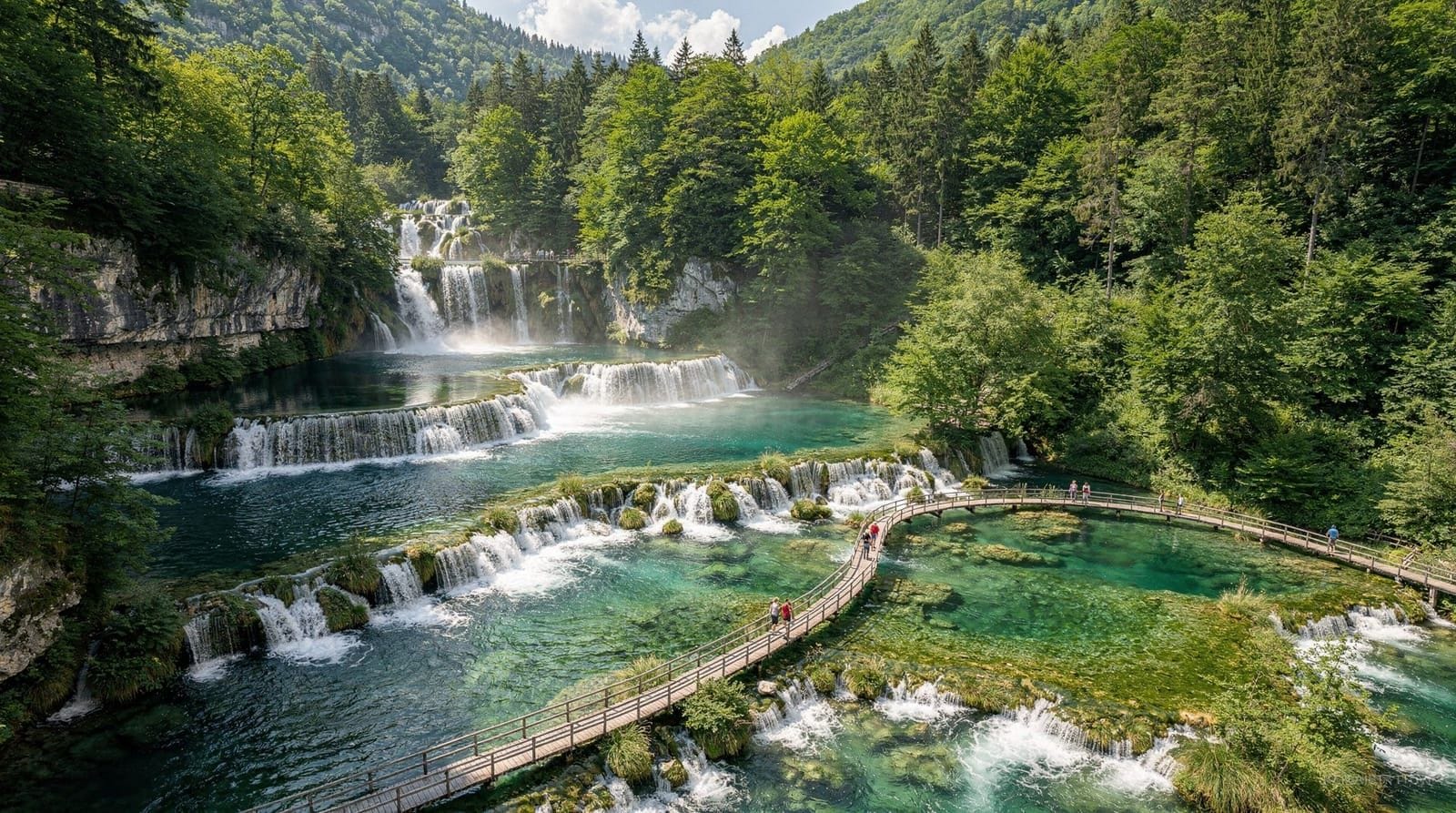
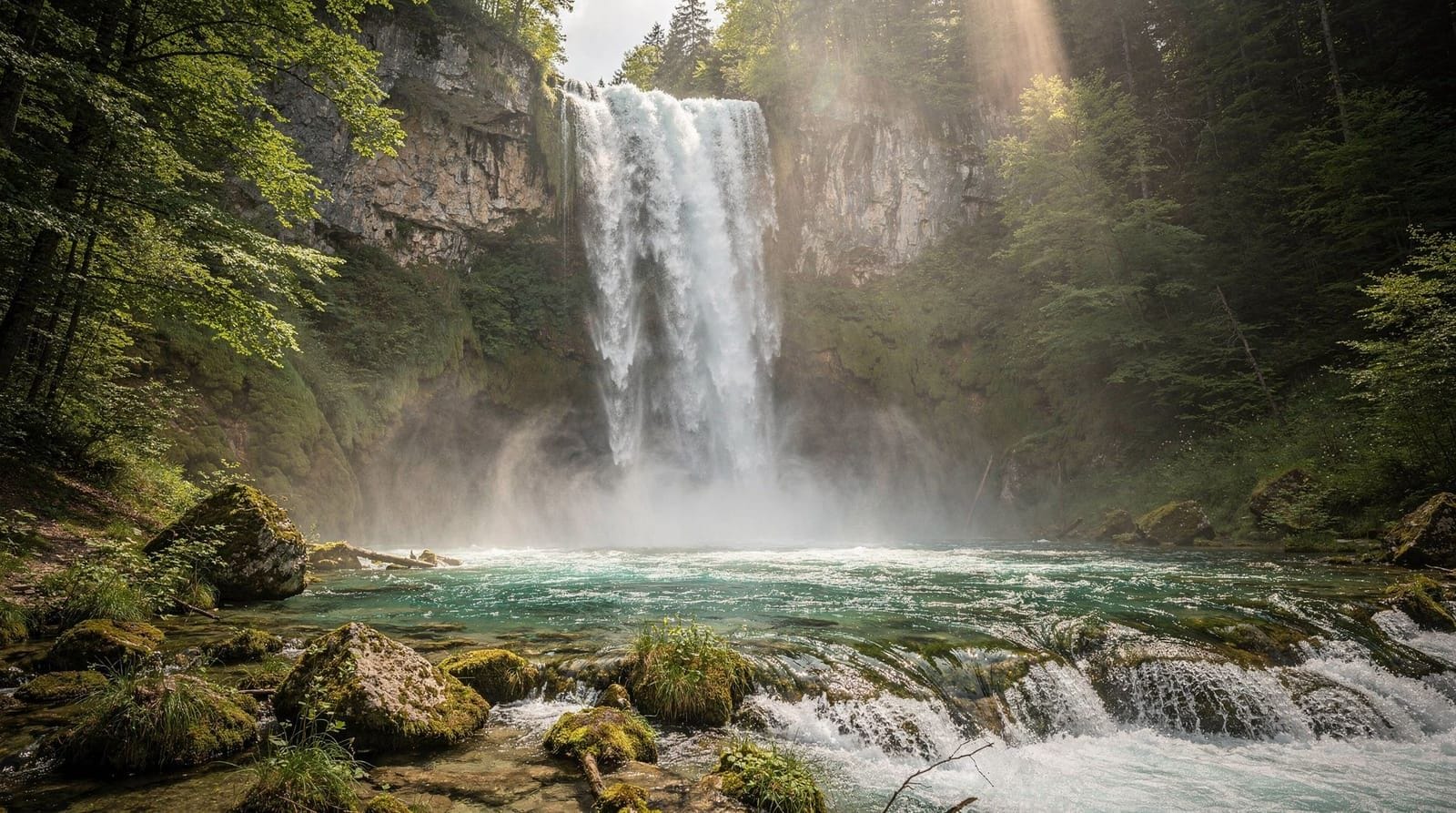
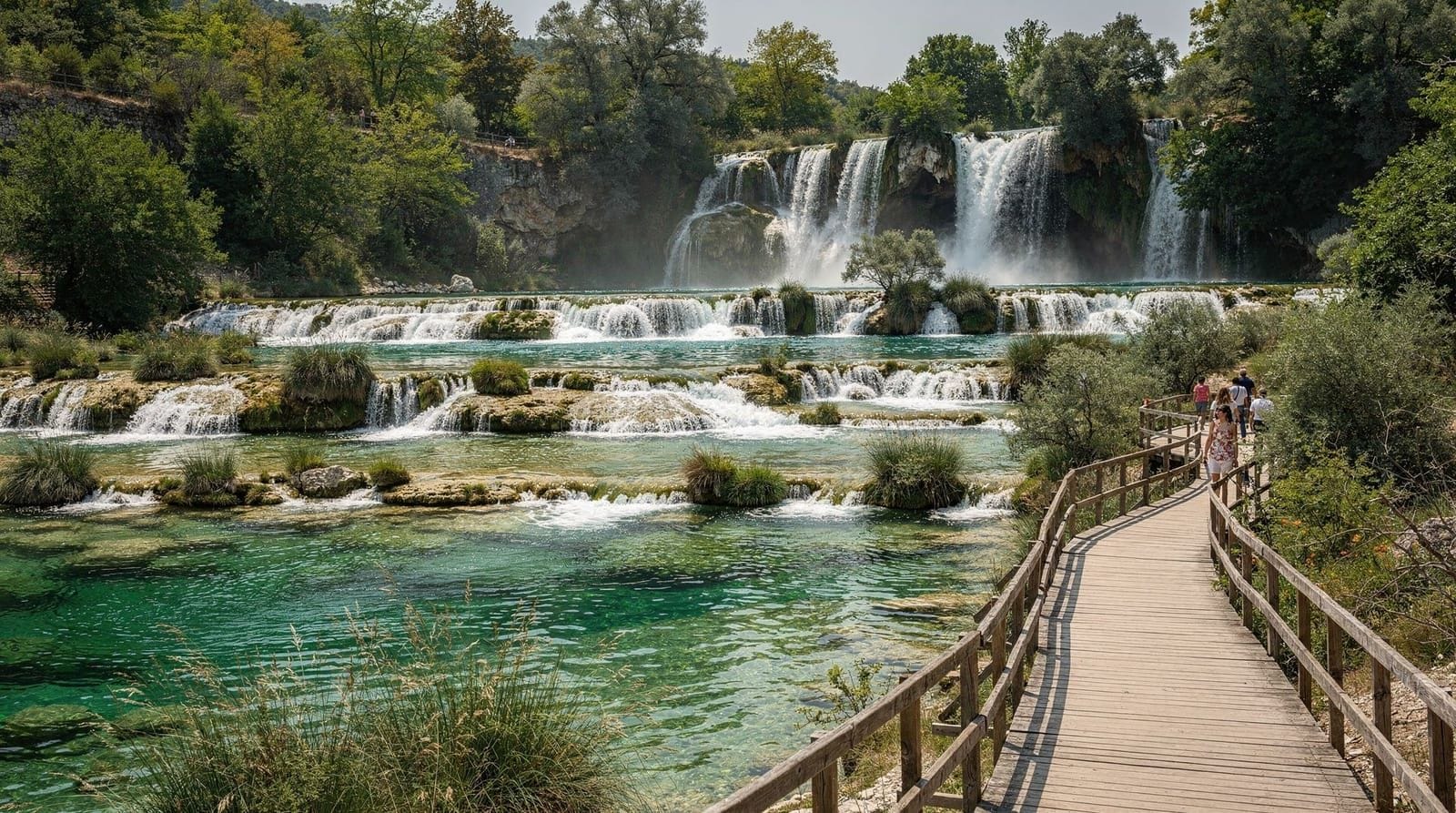
Most guided day tours enter through Gate 2 and follow Programme B or Programme C — the routes that cover the Lower Lakes and Veliki Slap (Croatia’s highest waterfall at 78 metres). These routes are the most visually dramatic and best suited to a 3–4 hour visit. The famous turquoise pools connected by wooden boardwalks are primarily in the Lower Lakes section.
The Upper Lakes are broader, more forested, and quieter. Covering both upper and lower properly requires a minimum of five to six hours inside the park — which is why tours from Zagreb (with more transit time to spare) occasionally include Programme F or similar extended loops. Tours from Split rarely reach the Upper Lakes in full.
The electric tram and boat are not tourist gimmicks — they are functional connectors that allow you to complete the circuit without retracing your steps. Both are included in your park ticket and in virtually every organised tour.
Prices and what drives the variation
Group tours from Zagreb: 55–80 EUR per person. The variation reflects group size (8-seat minivan vs 45-seat coach), guide quality, and whether the operator uses licensed national park guides or freelance city guides.
Group tours from Split: 65–90 EUR per person, the premium reflecting longer transport distances and earlier departure times.
Private full-day tours from Zagreb: 140–220 EUR for the vehicle, making per-person cost very competitive for groups of four or more.
Rastoke combo tours: 65–85 EUR from Zagreb — priced at a small premium over standard tours.
None of these prices include lunch. Budget 15–25 EUR for a meal inside the park, or save money by packing a picnic (there are benches throughout).
Footwear is worth a dedicated note: the wooden boardwalks are well-maintained but get genuinely slippery when wet from rain or spray near the falls, and there is a fair amount of walking regardless of which programme your tour follows. Trainers or hiking sandals with grip are the right choice; flip-flops are a common source of near-misses on the boardwalks in peak season.
Honest caveats every visitor should read
Crowds are severe in peak season. July and August at Plitvice are genuinely crowded — the park imposes daily caps but still fills. Tours that arrive before the 9am peak are materially better experiences. If your tour departs Zagreb at 8:30am, you will arrive mid-morning with the first coach wave. Tours departing at 7:00–7:30am are worth seeking out.
The park entry ticket must be booked in advance. The national park implemented a mandatory online booking system. Tours that include the ticket handle this automatically. If you are going independently, do not assume you can buy on arrival — the timed entry slots sell out weeks ahead in summer.
Weather genuinely matters. The wooden boardwalks become slippery in rain, and the colour of the water is muted under grey skies. The turquoise palette that defines every Plitvice photograph requires sun. This is not a reason to avoid the park in shoulder season, but it is worth understanding.
Gates 1 and 2 car parks fill by 9am in peak season. Organised tours handle parking logistics, which is a genuine quality-of-life benefit for anyone considering driving independently.
For context on how Plitvice compares to Croatia’s other major waterfall park, the Plitvice vs Krka guide breaks down the differences clearly. Both parks appear on the national parks and waterfalls route, which provides a template for combining them in a multi-day circuit.
How to book
Tours sell out weeks in advance in July and August. Book at least two weeks ahead for peak season. Shoulder season (May, June, September, October) allows more flexibility, but popular private tour dates still fill fast.
The key information to confirm before booking: departure time, group size maximum, whether the entry ticket is included, and which park route the tour covers. Most reputable operators specify all of this clearly.
Compare guided tours from Zagreb with entry includedFor broader trip planning, the 7-day Croatia itinerary includes Plitvice as a day-trip anchor from Zagreb. The how many days in Croatia guide helps calibrate whether a day trip is sufficient or whether an overnight stay near the park makes more sense for your schedule.
If Plitvice Feels Too Crowded: The Krka Alternative
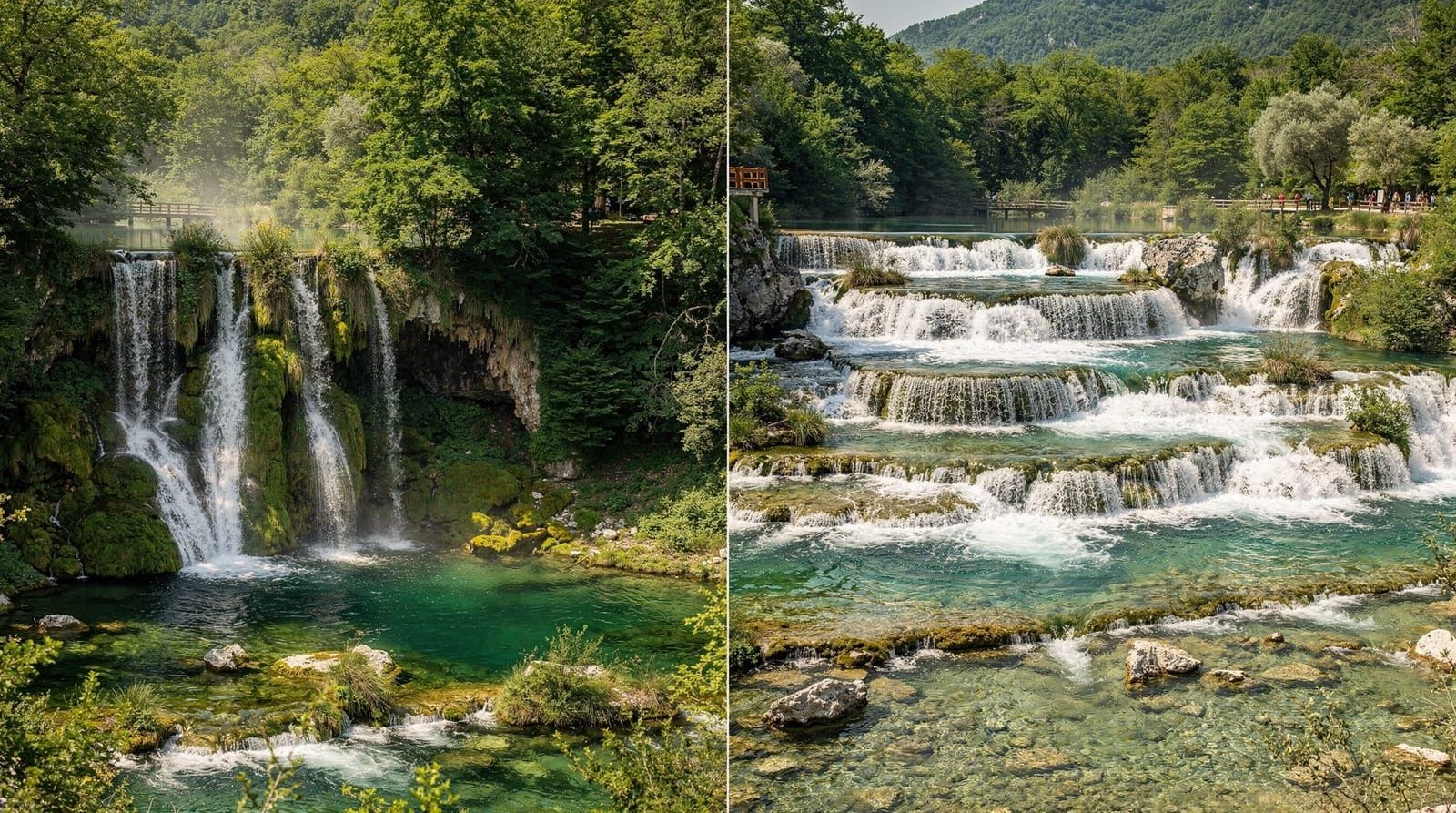
Plitvice is Croatia’s most visited national park, and in July and August that popularity is impossible to ignore, even with daily visitor caps in place. If crowds are your main concern rather than scale, Krka National Park is worth weighing as an alternative or an addition. Krka is smaller and less famous, sits much closer to Split and Zadar, and — since a 2021 policy change — allows swimming in designated river areas near the falls, something Plitvice does not permit anywhere in the park. Our Krka day trip guide covers that park’s tour options in the same depth as this page covers Plitvice. Many travellers based in Dalmatia choose Krka specifically because it delivers similar tufa-waterfall scenery with a shorter drive and a less demanding day.
Compare alternative tours
Frequently asked questions about Plitvice Lakes Day Trips Compared
Is the park entry ticket included in most day tours?
Yes — the vast majority of organised day tours include the park entry fee. Always confirm before booking, as some budget options list it as a separate cost.Which gate should I enter — Gate 1 or Gate 2?
Gate 2 is the classic starting point for the Lower Lakes loop and the Veliki Slap waterfall. Gate 1 is better for the Upper Lakes. Most group tours use Gate 2 to cover the most photogenic section efficiently.Can I visit Plitvičke Jezera without a tour?
Yes — you can drive or take a public bus from Zagreb or Zadar. However, an organised tour handles parking (which is nightmarish in summer), transfers, and entry ticket logistics, making it significantly less stressful.How far is Plitvice from Zagreb vs Split?
Plitvice is around 130 km from Zagreb (roughly 2 hours) and 230 km from Split (around 2.5–3 hours depending on route). Tours from Zagreb therefore offer more time in the park.Is the boat and electric train included in tours?
Almost always. The boat that crosses Jezero Kozjak and the panoramic train between gates are part of the standard park experience and are included in the vast majority of guided tours.When is the worst time to visit Plitvice?
July and August see the highest crowd density. The park itself caps daily visitor numbers, but early morning arrival (before 9am) makes a dramatic difference to the experience. Tours that depart by 7am from Zagreb are worth choosing for exactly this reason.Can I combine Plitvice with Rastoke on a day trip?
Yes — there is a dedicated tour that adds the mill village of Rastoke on the Slunjčica river to a full-day Plitvice itinerary. It adds charm but compresses time at the lakes themselves.