National Parks and Waterfalls Route: 6-Day Croatia
Split: Krka waterfalls day trip with wine tasting
Croatia’s natural highlights: beyond the coast
Most Croatia itineraries are organised around beaches and old towns. This one is built around the country’s extraordinary natural heritage: the UNESCO waterfall lakes of Plitvice, the travertine cascades of Krka, the bare limestone peaks of Paklenica, and the forested national park island of Mljet. A car is essential; hiking boots are strongly recommended.
Croatia has eight national parks — one of the highest ratios in Europe per unit of land. Plitvice and Krka are the most famous, but Paklenica (canyon hiking), Mljet (island lake monastery), Kornati (bare limestone archipelago) and the Risnjak mountains all have genuine character.
This 6-day route starts in Zagreb and works south, ending in Dubrovnik or Split. It can be reversed or combined with the coastal highlights if you have more time.
Timing note: This itinerary works best in May–June or September–October. Summer (July–August) brings intense heat and maximum park crowding — Plitvice’s entry caps can result in long waits. Spring and autumn give better waterfall volumes, autumn colours, and significantly fewer visitors.
| Where | Plitvice, Zadar, Krka, Mljet |
| Cost | Entry fees €5–40 per park; budget €90–140 per person per day overall |
| Time needed | 6 days covers the core parks; 4 days is possible dropping Kornati or Mljet |
| Getting there | Zagreb Airport in, Split or Dubrovnik Airport out; car essential |
| Best time | May–June or September–October — best water levels, fewer crowds |
Day-by-day at a glance
| Day | Focus | Base |
|---|---|---|
| 1 | Zagreb to Plitvice Lakes | Plitvice |
| 2 | Second Plitvice day or drive to Zadar | Zadar |
| 3 | Paklenica canyon hike, Zadar old town | Zadar |
| 4 | Kornati boat trip or drive to Split via Krka | Split |
| 5 | Krka National Park from Split | Split |
| 6 | Mljet National Park, end in Dubrovnik or Split | Dubrovnik/Split |
Day 1: Zagreb to Plitvice Lakes (1.5 hours)
Drive from Zagreb on the A1 motorway south to Karlovac, then the older regional road through Slunj and into the Plitvice area. The landscape transitions from agricultural plains to forested Lika highlands.
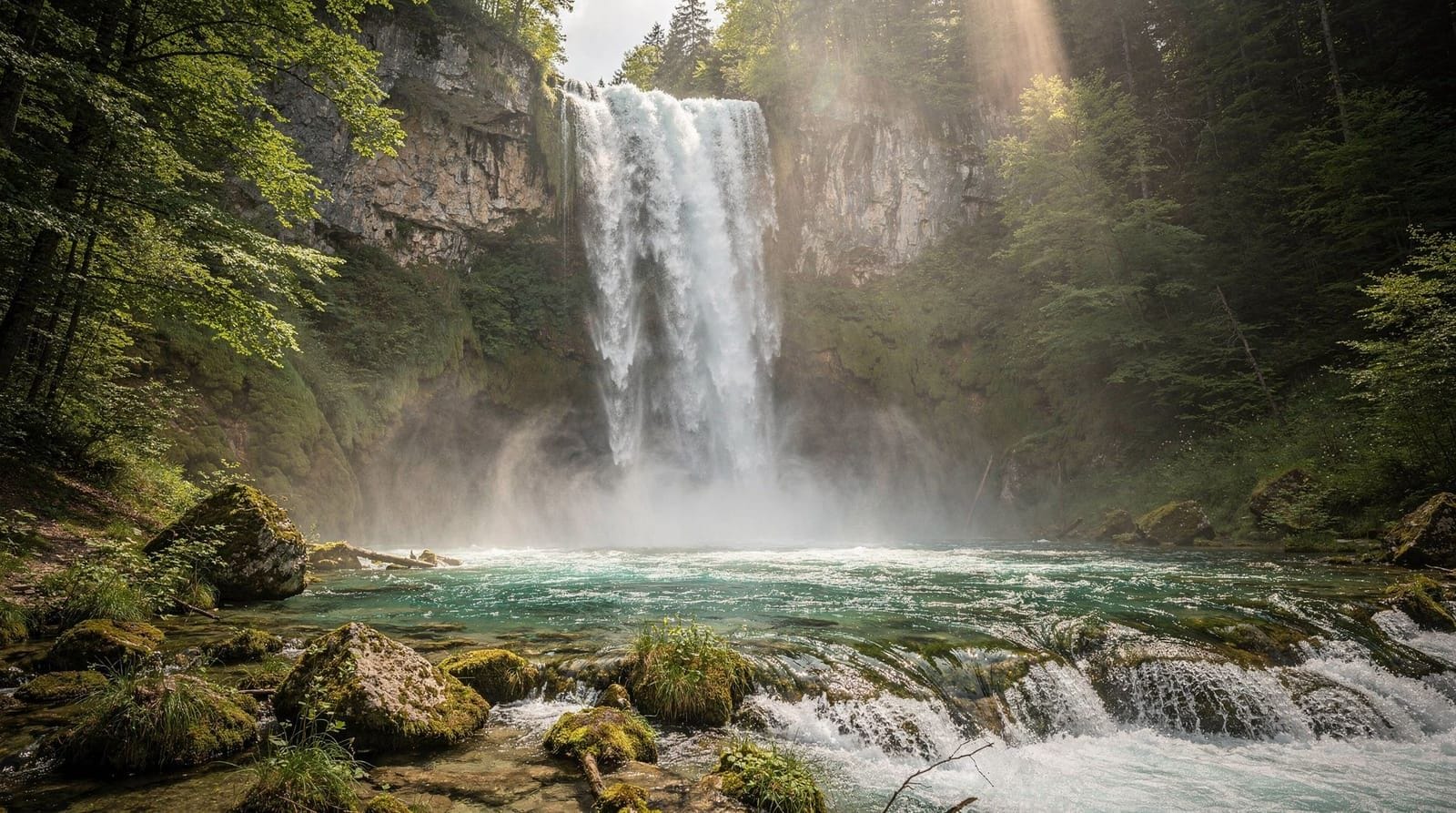
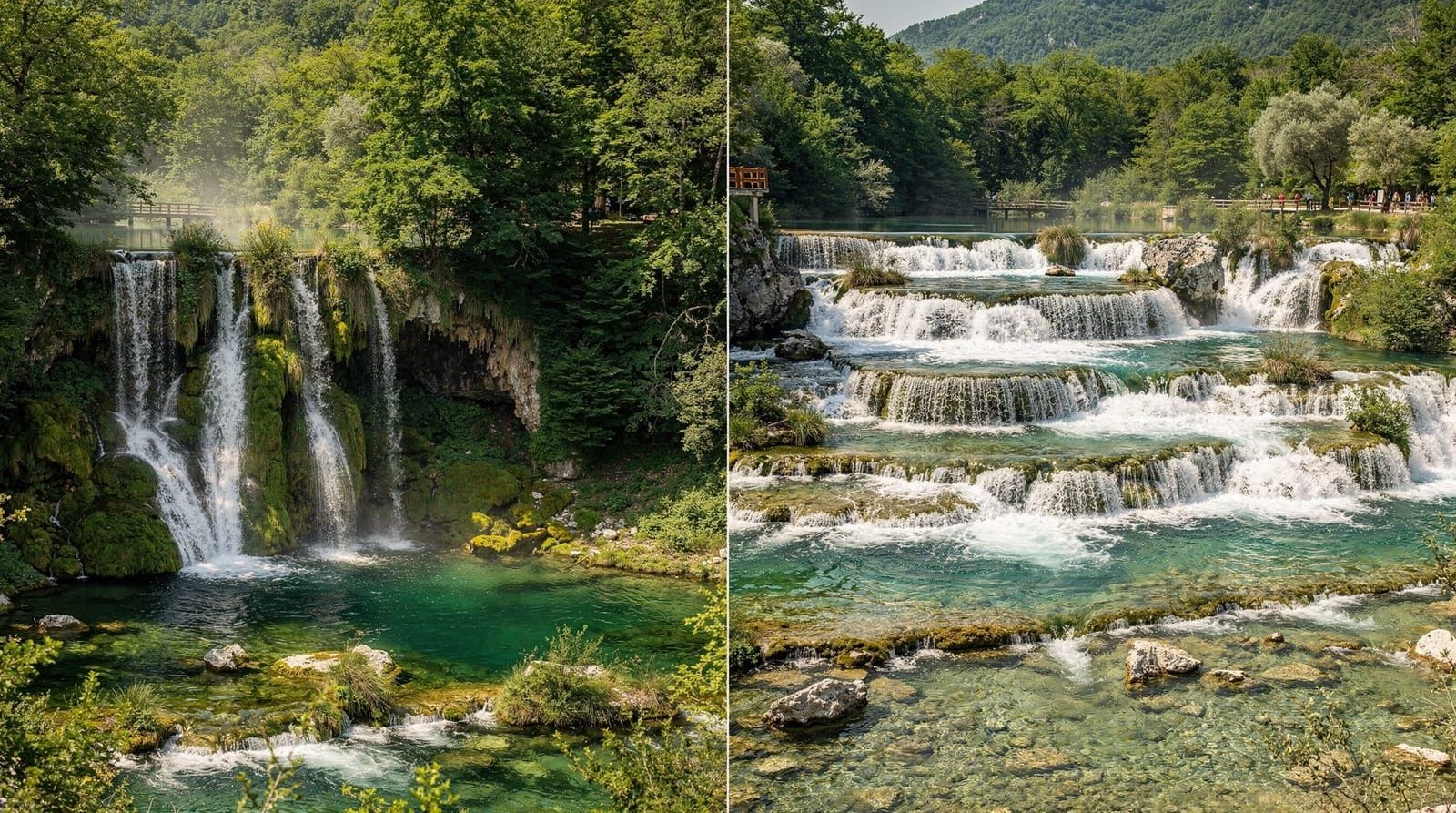
Plitvice Lakes National Park is Croatia’s single most important natural site and its most visited attraction. The 16 terraced lakes are connected by waterfalls and linked by wooden boardwalks over turquoise water — the colour comes from calcium and magnesium carbonates in the water, which vary in concentration by season.
Strategy for visiting Plitvice:
- Arrive by 08:00 (the car parks start filling by 09:00 in peak season)
- Lower Lakes first: the most dramatic waterfalls, highest water volumes
- Cross Kozjak Lake by the included park boat (runs every 20–30 minutes)
- Upper Lakes: larger, quieter, excellent for photography and birds
- Allow 4–5 hours minimum; a full day for photography or birdwatching
Entry: €25–40 per adult depending on season; under-7 free; 7–18 discounted. The entry ticket includes the boat across Kozjak and the park shuttle train.
Where to sleep: Hotel Jezero or Hotel Plitvice (both immediately adjacent to the park entrance) or private accommodation in nearby Mukinje village.
Day 2: Plitvice — second day or continue to Zadar
The park rewards two days for those who want to go slowly, photograph properly, or hike the longer circuits. The full Route H (8 km, 4–5 hours) covers all 16 lakes and gives the most complete picture of the park’s geology and ecology.
If one day is enough, drive south from Plitvice to Zadar (130 km, 1.5 hours). Zadar makes an excellent base for Paklenica and Kornati.
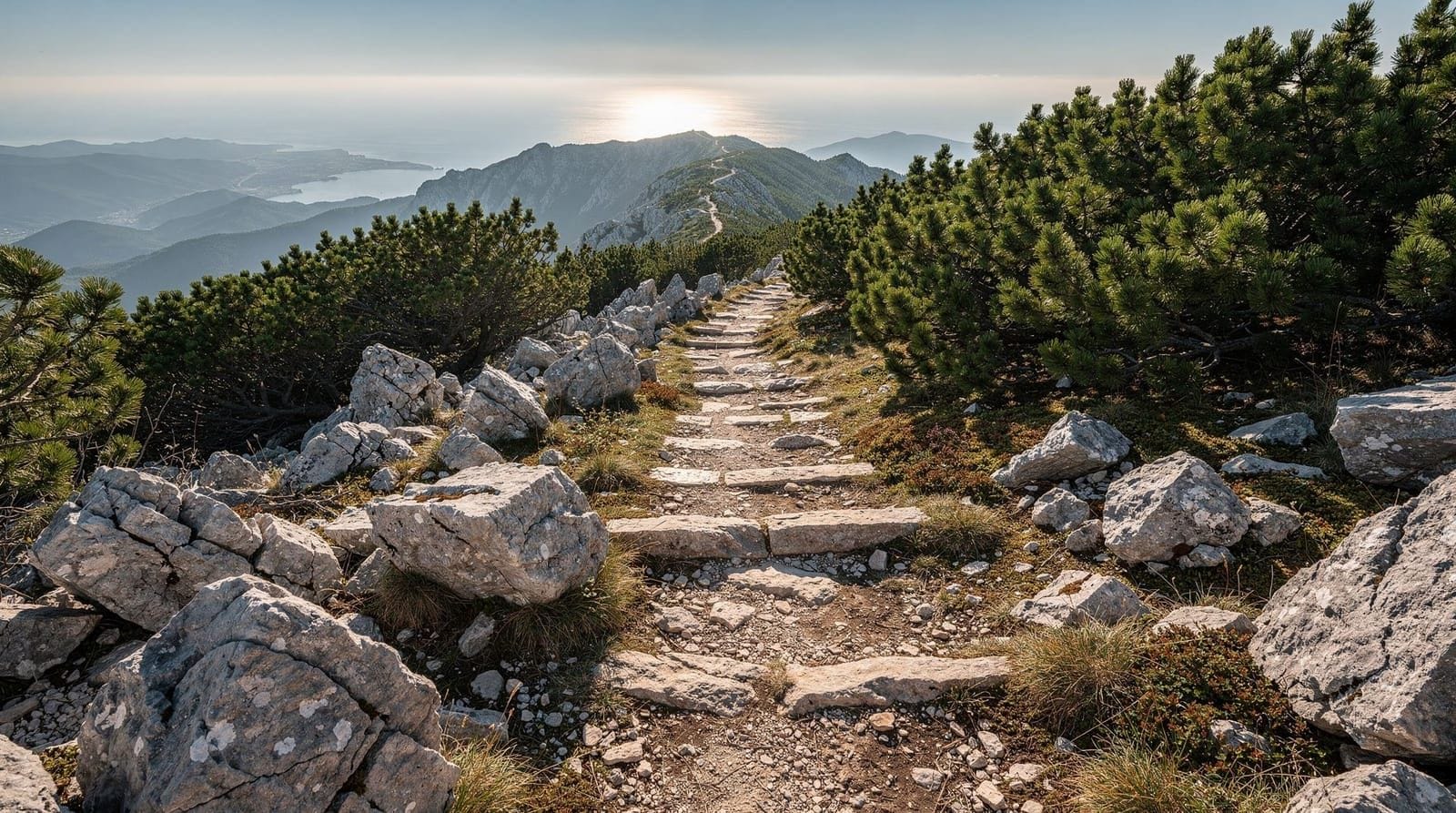
Paklenica National Park (50 km north of Zadar on the Velebit coast) is Croatia’s premier hiking destination — two deep karst canyons cut into the limestone massif of the Velebit mountains, with routes ranging from a 2-hour valley walk to multi-day high-altitude traverses. The Velika Paklenica canyon trail (3–4 hours return to the mountain hut) is the standard route and genuinely dramatic.
Where to sleep (Zadar area, 1–2 nights): Hotel Bastion (Zadar old town, boutique) or guesthouses in Starigrad (at the entrance to Paklenica, more convenient for hikers).
Day 3: Paklenica and Zadar old town
Morning: drive 50 km north from Zadar to Paklenica National Park (entry from Starigrad-Paklenica). The Velika Paklenica canyon is the primary route: a well-marked trail along the canyon floor, past the old mill ruins and World War II gun emplacements built into the cliff face, to the Lugarnica mountain hut (about 2.5 hours up, 1.5 hours back). The cliff walls are 400 m high; the canyon narrows at points to 20–30 metres wide.
Return to Zadar by early afternoon. Zadar’s old town: the Roman Forum, the 9th-century Church of St. Donatus, and the Sea Organ at sunset. Zadar is frequently passed through and rarely explored; it deserves 2–3 hours.
Day 4: Kornati Islands boat trip (optional) or drive to Split via Krka
Option A (nature-focused, May–October): From Zadar, a day trip to Kornati National Park — the most dramatic archipelago in the Adriatic: 89 bare limestone islands with no permanent population, no trees, and turquoise channels between. The national park protects the marine environment around the islands. Day trips by boat from Zadar or Šibenik are the only way in (there is no public transport); most include lunch, swimming stops and snorkelling.
Option B (waterfall focus): Drive south from Zadar toward Split (160 km on the A1 motorway), stopping at Krka National Park en route. Krka is 90 km south of Zadar; exit at Šibenik and follow signs to Skradin (the river entrance to the park).
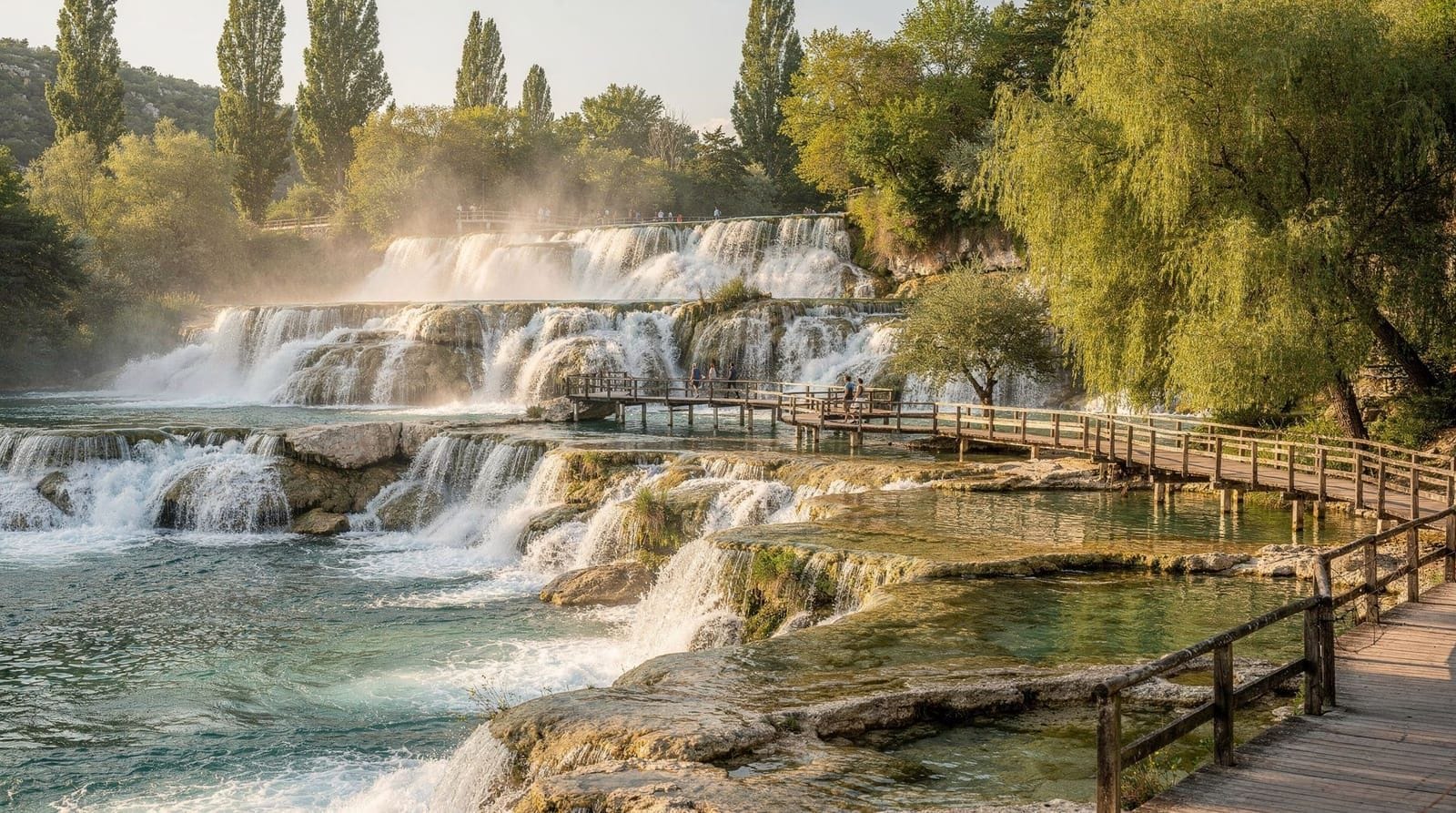
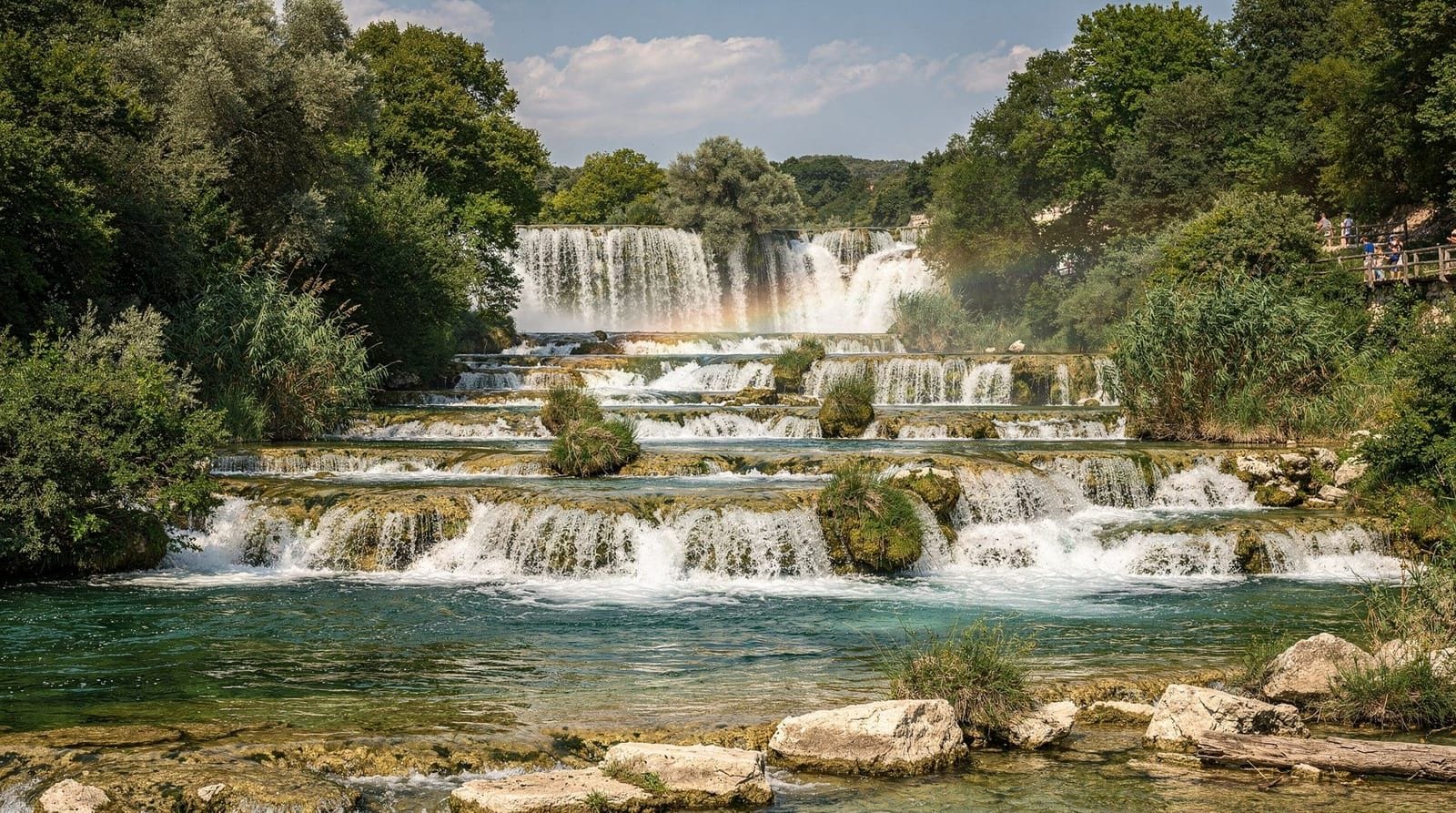
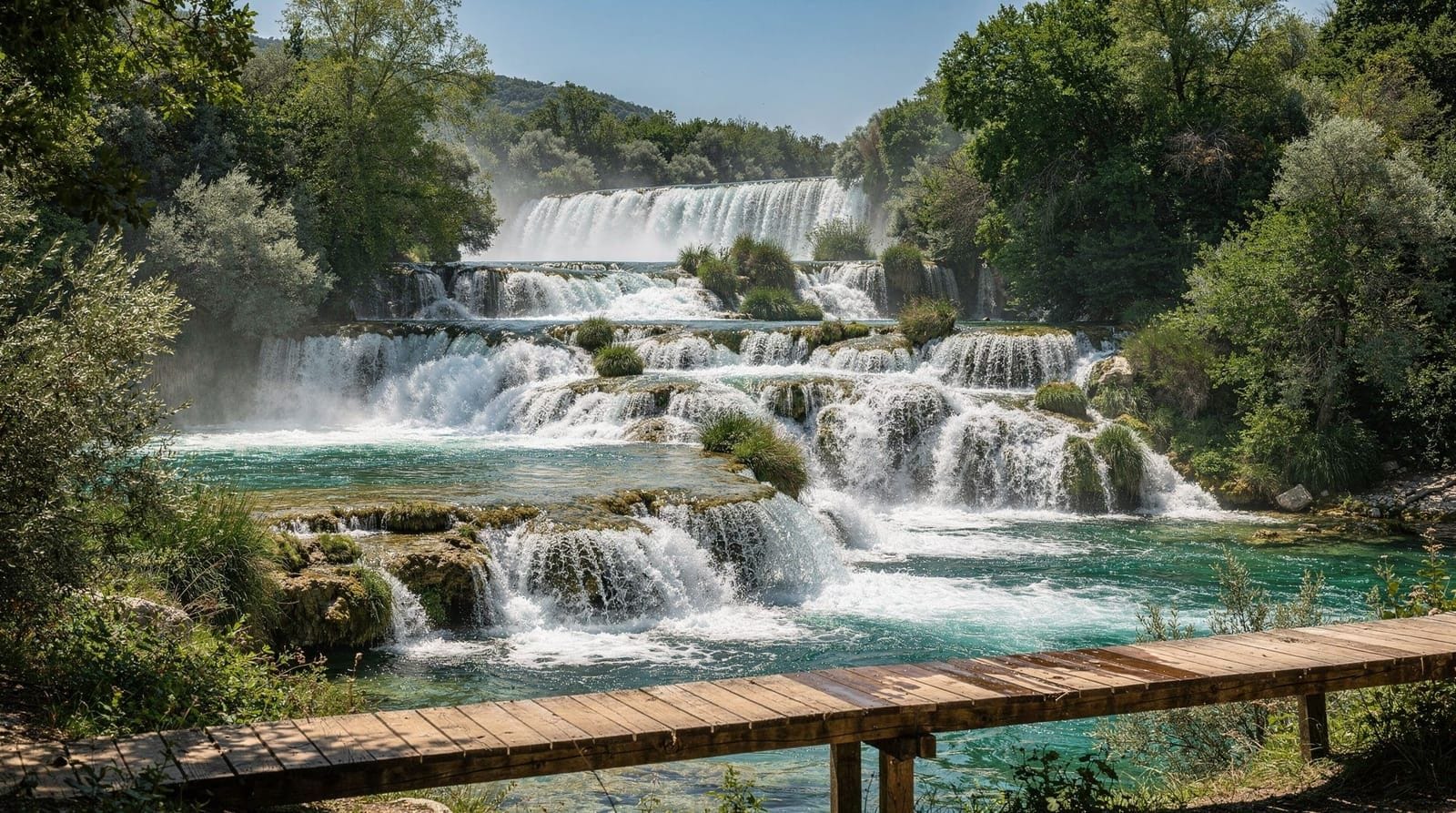
The Skradinski Buk waterfall system is the main attraction — a 17-step travertine cascade that is one of the largest in Europe. The boardwalk is excellent; the boat to Visovac island monastery is a lovely 1-hour detour.
Where to sleep (Split, 2 nights): Apartments inside or near the palace walls.
Day 5: Krka National Park from Split
If you did not visit Krka yesterday, a day trip from Split is ideal (75 km north, 1.5 hours by car or 3.5–4 hours by organised tour).
The organized tours from Split combine Krka with a stop in Šibenik (to see the UNESCO Cathedral of St. James) and often include wine tasting at a vineyard en route. This is a good value day trip if you do not have a car.
Back in Split for the afternoon: Marjan Hill park gives excellent views over the coast and the islands from the mainland.
Day 6: Mljet National Park from Dubrovnik or Split
Mljet is the final natural highlight of this route. The island’s western end is a national park covering two saltwater lakes (Malo and Veliko Jezero) connected to the sea by a channel. A small island in the larger lake contains a 12th-century Benedictine monastery — still inhabited by monks — reachable by small boat from the national park boat dock.
Mljet is reachable by catamaran from Dubrovnik (1.5–2 hours) or from Split (3 hours via catamaran stopping at Hvar). The journey from Split makes it a very long day trip; ideally, stay one night on Mljet or combine it with a Dubrovnik extension.
The national park itself: rent a bicycle or walk the 7 km circuit of Malo Jezero. The saltwater lakes are swimming-restricted in summer (marine protection area), but the walks and monastery boat are the draw. The surrounding pine and holm oak forest is one of the most complete in the Adriatic.
End the route in Dubrovnik (3.5 hours from Split by bus or catamaran) for a night or two before your return flight, or fly out of Split.
Practical information for this national parks route
Car: Essential for Plitvice, Paklenica and the Zadar–Split drive. For Krka, organised tours from Split are practical if you drop the car at Split. For Mljet, ferry from Dubrovnik.
Entry fees (approximate 2026):
- Plitvice Lakes: €25–40 (adult, varies by season)
- Paklenica: €5–10 per person
- Krka: €10–30 (adult, varies by season; entry to the park from Skradin by boat is extra)
- Kornati: €10–15 (usually included in boat tour price)
- Mljet NP: €20–25 per adult
Hiking gear: Paklenica and the Velebit high routes require proper hiking boots and supplies. Plitvice and Krka are on paved/wooden paths and manageable in trainers (but dusty; not sandals in summer).
Best months: May–June (highest waterfalls, spring greenery, manageable crowds) and September–October (autumn colour at Plitvice, lower prices, warm sea at Mljet).
Plitvice vs Krka: which to prioritise if you can’t do both
Both parks feature travertine waterfalls, but they are different experiences. Plitvice is larger, more dramatic, and busier; Krka is more compact, allows swimming in a designated area near the lower falls in some seasons, and is easier as a half-day add-on from Split. If time forces a choice between the two rather than doing both as this route describes, the Plitvice vs Krka guide compares them directly on scenery, crowds and logistics. Hikers who want more altitude than either park offers should also look at the wider hiking in Croatia guide, which covers routes beyond Paklenica.
Extending the route with more waterfalls
Plitvice and Krka are Croatia’s headline waterfall sites, but they aren’t the only ones. The Croatia waterfalls guide rounds up smaller, lesser-known cascades — useful if this itinerary leaves you wanting more and you have flexibility to add a day. For a broader look at all eight of Croatia’s national parks, including ones this route doesn’t cover (Risnjak, Brijuni, North Velebit), the Croatia national parks guide is the fuller reference.
If you’re short on days
A 4-day compressed version is workable: Day 1 Zagreb to Plitvice (with the full day there), Day 2 drive to Zadar with a Paklenica half-day hike, Day 3 Krka from Zadar or en route to Split, Day 4 depart from Split. This drops Kornati and Mljet, the two more logistically demanding stops, while keeping the two best-known parks. For a wider view of how this fits into a longer Croatia trip, the Croatia road trip guide has route ideas for combining nature stops with the coast.
Frequently asked questions about National Parks and Waterfalls Route
Can I do Plitvice and Krka on the same day? Not comfortably — they are roughly 2.5–3 hours apart by road, and each deserves 4–5 hours on its own. Trying to combine them in one day means rushing both; this itinerary treats them as separate days for good reason.
Is this route doable without a rental car? Partially. Plitvice and Krka both have organised day tours from Zagreb, Zadar and Split that work well without a car, and Mljet is reachable by catamaran. Paklenica and Kornati are harder without a car or a booked tour, since public transport options are limited.
Top experiences
Bookable activities with verified prices and instant confirmation on GetYourGuide.