Packing for the Croatian Coast: what to bring and what to leave home
Packing for Croatia’s Dalmatian coast is not complicated once you understand what the environment actually requires. The coast is a combination of old town sightseeing (cobblestones, steep staircases, uneven limestone), beach days (mostly pebble, some sand), boat trips, and outdoor dining. The climate in summer is hot and dry; in May and September, warm with occasional rain. The formal dress requirements are minimal.
| Core kit | Water shoes, sunscreen, dry bag, one smart-ish outfit |
| Luggage | 40L backpack or carry-on roller — no more for a week |
| Climate | Hot, dry July–August; warm with occasional rain May/September |
| Currency | EUR since Jan 2023 — carry ~100–200 EUR cash as baseline |
| Laundry | Most apartments have a machine; useful past one week |
What follows is a practical list — not aspirational, not exhaustive — of what actually makes a difference.
The footwear question: answer it before everything else
The single most important packing decision for Croatia is footwear. The old towns of Dubrovnik, Split and Hvar are paved with polished limestone that becomes extremely slippery when wet. Standard trainers grip adequately; flip-flops on wet limestone are a documented cause of tourist injuries.
What you need:
- Comfortable walking shoes or trainers for old town exploration (not flip-flops, not high heels)
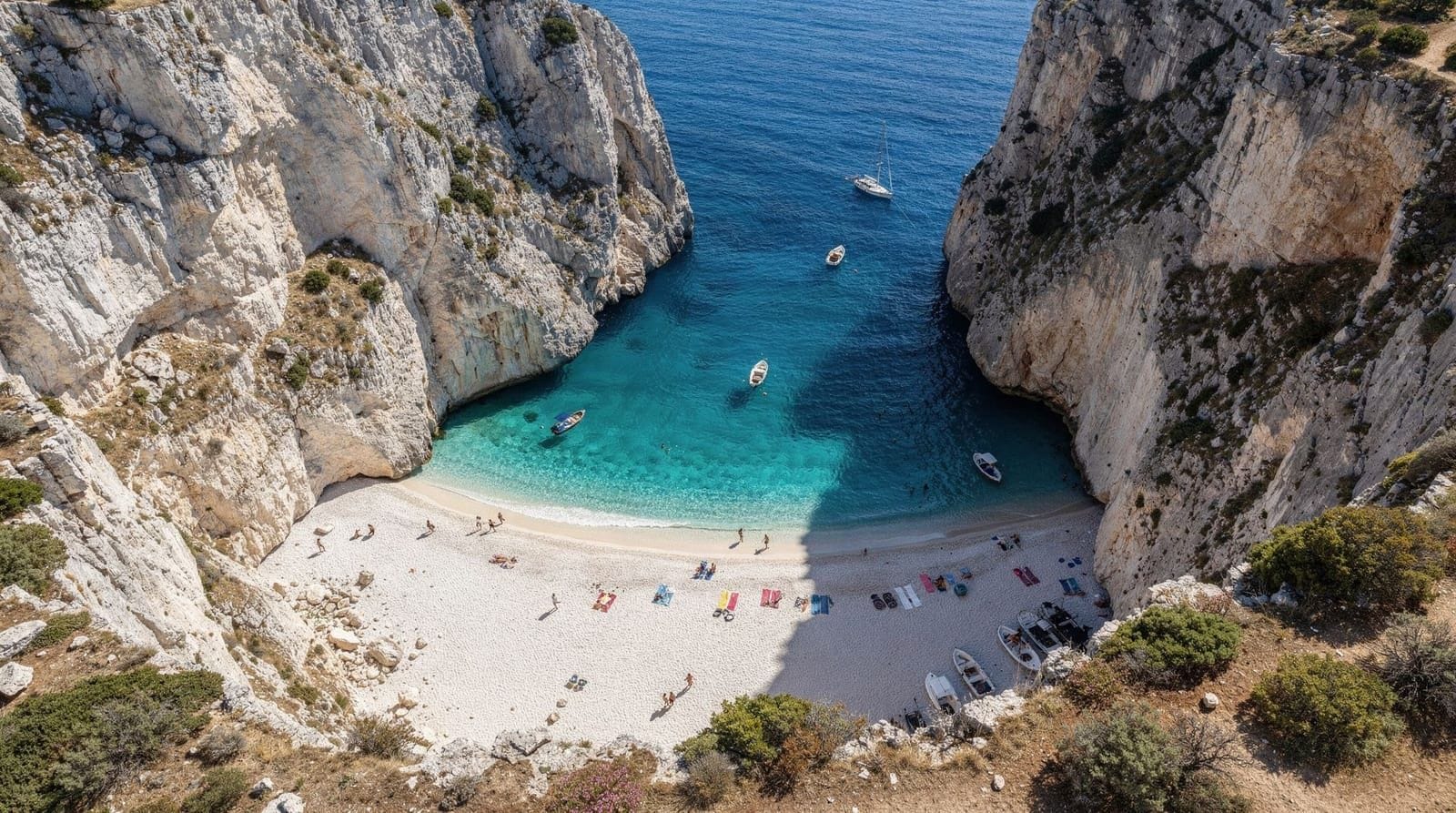
- Water shoes or reef shoes for pebble beaches — this is the most underrated piece of Croatia-specific kit. Most Croatian beaches are pebble, often with rocks in the water; entry and exit without some form of water shoe is uncomfortable and limits where you can swim
- One pair of sandals or smarter shoes if evening dining matters to you
- Hiking shoes if Plitvice, Paklenica or serious coastal walking is in the itinerary
Three pairs of shoes covers virtually every Croatian coast scenario. Four is excessive.
Clothing: the volume problem
Croatia is warm and casual. Restaurants at all but the top price point do not have dress codes; the exception is any restaurant in Dubrovnik’s old town that markets itself as fine dining, where smart casual is appropriate.
What to bring:
- Lightweight tops and t-shirts (3-4 is sufficient for a week with laundry availability; 5-6 if not)
- One pair of smart-ish trousers or a dress/skirt for evenings — genuinely only one
- Shorts (2-3 pairs)
- Swimwear — more than you think, because it will be in constant rotation and pebble beaches are hard on fabric. Two sets minimum for a week.
- A light jacket or fleece for boat trips and evening in May/June/September — the sea breeze is cold after sunset even in summer
- One light rain layer (packable) — not essential in July-August, worth having in May and September
- Underwear and socks
What to leave home:
- Multiple pairs of jeans (heavy, slow-drying, too hot)
- Formal clothing unless you have a specific event
- Multiple pairs of evening shoes
The Dalmatian coast, including Hvar and Dubrovnik, is genuinely casual. Overpacking for evenings is the most common mistake.
Sun protection
Croatia in July and August has UV Index values of 9-10 (very high to extreme). Sun protection is not optional.
- SPF 50 sunscreen: essential. Available in Croatia but more expensive than at home and limited in variety outside pharmacies in larger cities. Bring enough for the trip.
- Sunglasses: polarised lenses improve the quality of the Adriatic’s famous blue enormously and are useful for boat trips
- A hat with a brim for beach days — baseball caps leave the neck unprotected; a broader brim hat is more practical
- A lightweight UV-protective long-sleeve shirt for boat excursions: one full day at sea without adequate shade will produce a serious burn
Beach and boat essentials
- A beach mat or microfibre towel — hotels provide towels but beach mats are more compact and easier to dry on pebble
- A dry bag (10-15 litre capacity) for boat trips and kayaking: phones, cameras and documents need waterproof protection when you are on the water
- A lightweight reusable water bottle — Croatia has good tap water in all towns; filling a bottle is free and keeps you hydrated on hot days. The amount of plastic waste from single-use bottles on Croatian beaches is significant
- Snorkelling mask if you plan to snorkel — available to rent at most beaches but quality varies considerably; bringing your own guarantees a proper fit
Technology and documents
Documents:
- Passport (or EU ID card for EU citizens): Croatia is in the Schengen Area since January 2023. From October 2025, EES (Entry/Exit System) biometric checks apply for non-EU nationals — allow extra time at border crossings and airports
- Travel insurance documentation
- Accommodation bookings (downloaded offline — phone signal on some islands is intermittent)
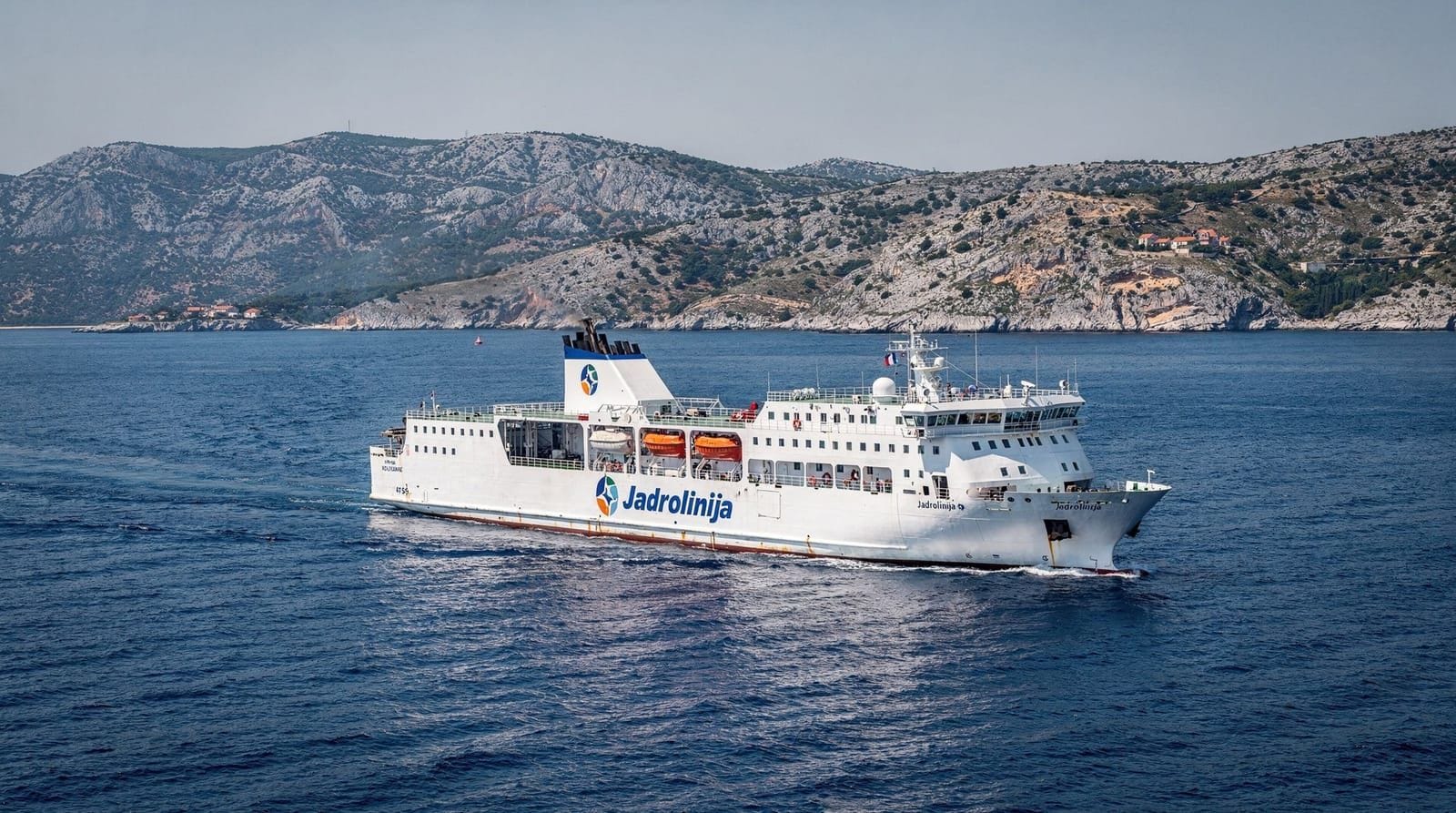
- Ferry and boat tour bookings (Jadrolinija, Krilo and Kapetan Luka tickets are easiest to manage as digital)
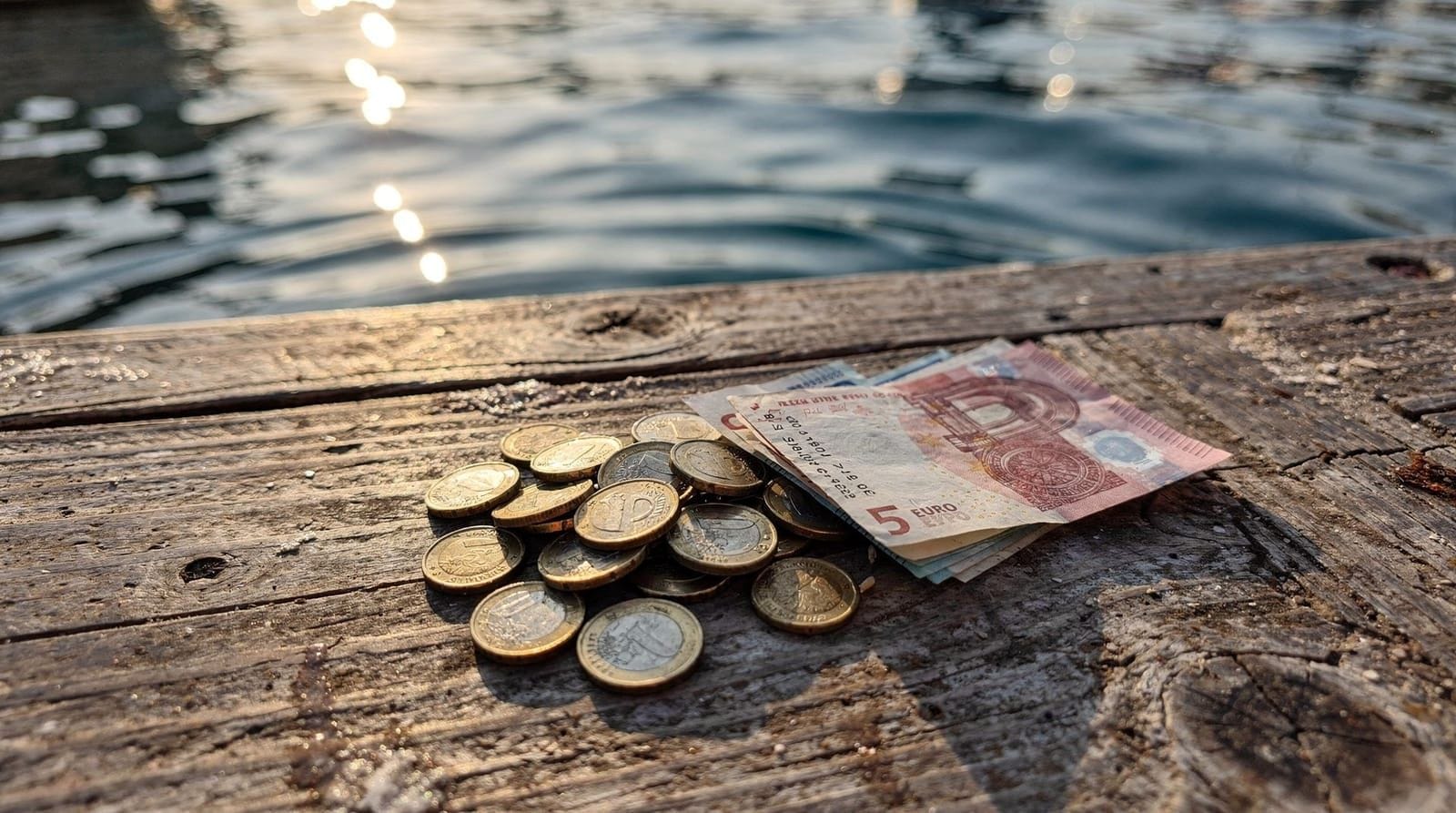
Currency: Croatia uses EUR since January 2023. Cards (Visa, Mastercard) are widely accepted at hotels, restaurants and major shops. Smaller konobas, market stalls and ferry terminals may be cash-only. Carry approximately 100-200 EUR in cash as a baseline.
Technology:
- A power bank: long boat trips and full days outdoors drain phones faster than expected
- A universal EU plug adapter if you are coming from outside the Eurozone
- A SIM card with European data roaming or a local Croatian SIM (widely available; Croatian operators are on the EU roaming framework, so European plans cover Croatia)
Medical and pharmacy basics
Croatian pharmacies (ljekarna) are well-stocked in all cities and towns. However, minor items are worth bringing to avoid pharmacy queues:
- Motion sickness medication if you are sensitive: fast catamarans between islands can be rough in the maestral chop
- Antihistamine cream for jellyfish stings — blooms occur periodically in August
- Blister plasters for the first day or two on Dubrovnik’s cobblestones before your feet adjust
- A basic first aid kit: plasters, antiseptic, bandages
What not to pack
Hair dryers: provided by almost all hotels and most apartments.
Beach towels: hotels provide them; for apartments, a microfibre towel weighs almost nothing.
Guidebooks: most information is more current online. One downloaded offline map application (Maps.me or Google Maps offline areas) replaces all paper.
Formal or semi-formal clothing beyond one set: genuinely unnecessary in Dalmatia unless attending a wedding or similarly specific event.
More shoes than noted above: the extra weight is never worth it.
Bag size and type
A week on the Croatian coast is entirely manageable with a 40-litre backpack or a carry-on-sized rolling bag. Luggage storage at hotels is generally good; for island-hopping with multiple ferries, a backpack is more convenient than a rolling bag on pebble harbour surfaces and ferry gangways.
For a multi-week trip including islands, some form of laundry is likely required. Most apartments in tourist areas have a washing machine; laundry services are available in all towns.
Packing differently for island hopping vs a single base
The packing list above assumes a fairly standard trip, but the calculation changes if the plan is island hopping rather than staying in one place. Every ferry crossing and every check-in is a moment where a rolling case becomes a liability — pebble harbour surfaces, ferry gangways with no ramps, and apartment staircases with no lift all favour a soft backpack you can carry on your back for ten minutes without complaint. If the itinerary includes three or more islands, drop the rolling bag entirely.
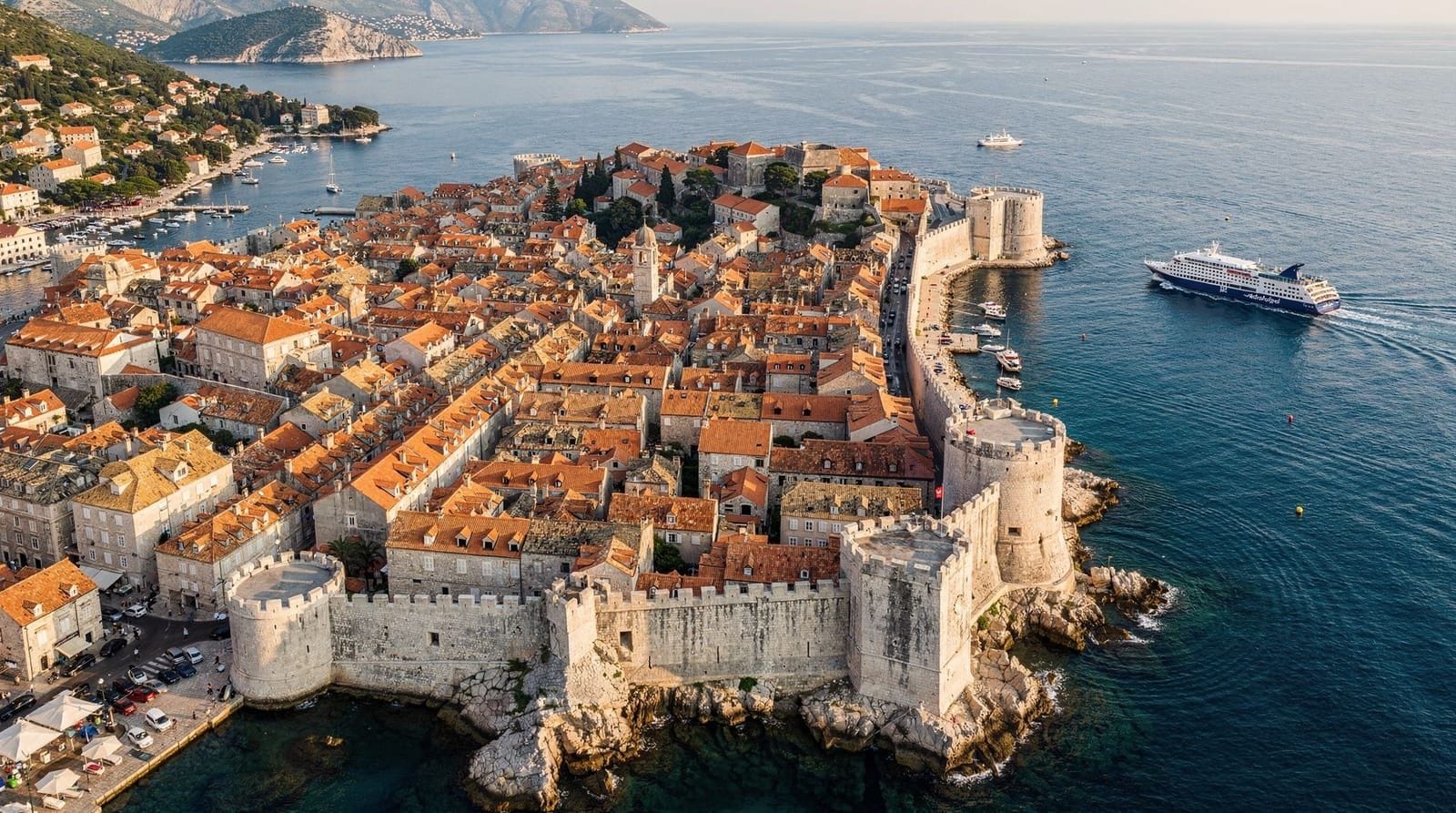
A dry bag earns its place here more than almost anything else on this list. Sea kayaking around Dubrovnik’s old town walls, hopping onto tenders between the mainland and smaller islands, and any Blue Cave boat trip all involve moments where phones and documents get wet if they’re not protected. A 10-15 litre roll-top dry bag costs little and removes the anxiety entirely.
Sea kayaking half-day tour from Dubrovnik — bring the dry bagWhat repeat visitors pack differently
After a few trips to the Croatian coast, the packing list quietly gets shorter, not longer. First-timers tend to overpack for evenings — smart shoes, a second dress, a blazer that never leaves the case. Repeat visitors know the Dalmatian coast is genuinely casual almost everywhere and pack a single smart-casual outfit, if that.
The other thing that changes with experience is footwear discipline. First-timers bring trainers and flip-flops and discover on day two that neither works on a pebble beach; by the second or third trip, water shoes are packed automatically and used constantly — for beaches, for rocky coves, even for boat decks where a wet surface and bare feet don’t mix well. If there’s one single item worth over-packing relative to a “normal” beach holiday, it’s this one.
Practical planning links
The Croatia entry requirements guide covers the current documentation needed for travel, including EES biometric entry requirements from October 2025. The Croatia on a budget guide provides specific cost benchmarks. For the ferry and island hopping logistics, the network has changed significantly since the introduction of fast catamaran services and the completion of the Pelješac Bridge.
Packing for Croatia is ultimately about editing. The coast rewards light travel: the ability to move easily between boats, towns and beaches without checking luggage is worth more than any item left at home.
Peak vs shoulder season: what changes in the bag
| July–August | May / September | |
|---|---|---|
| Layers | T-shirts only, no jacket needed after dark inland | Add a light jacket or fleece for evenings |
| Rain gear | Skip it — genuinely rare | Pack a packable rain layer |
| Sun protection | SPF 50, hat, sunglasses — non-negotiable | Still needed, UV lower but present |
| Swimwear | 2+ sets, constant rotation | 1–2 sets, drying time is slower |
| Footwear priority | Water shoes essential | Walking shoes matter more than beach kit |