Lošinj Island travel guide
Lošinj is a lush Kvarner island renowned for its aromatic plants, dolphin-watching, clear sea, and beautiful harbour town of Mali Lošinj. Best…
Quick facts
- Best time
- June–September
- Days needed
- 3–5 days
- Getting there
- Ferry from Rijeka or Zadar; car via Cres Island from Krk Bridge
- Budget per day
- €65–€140
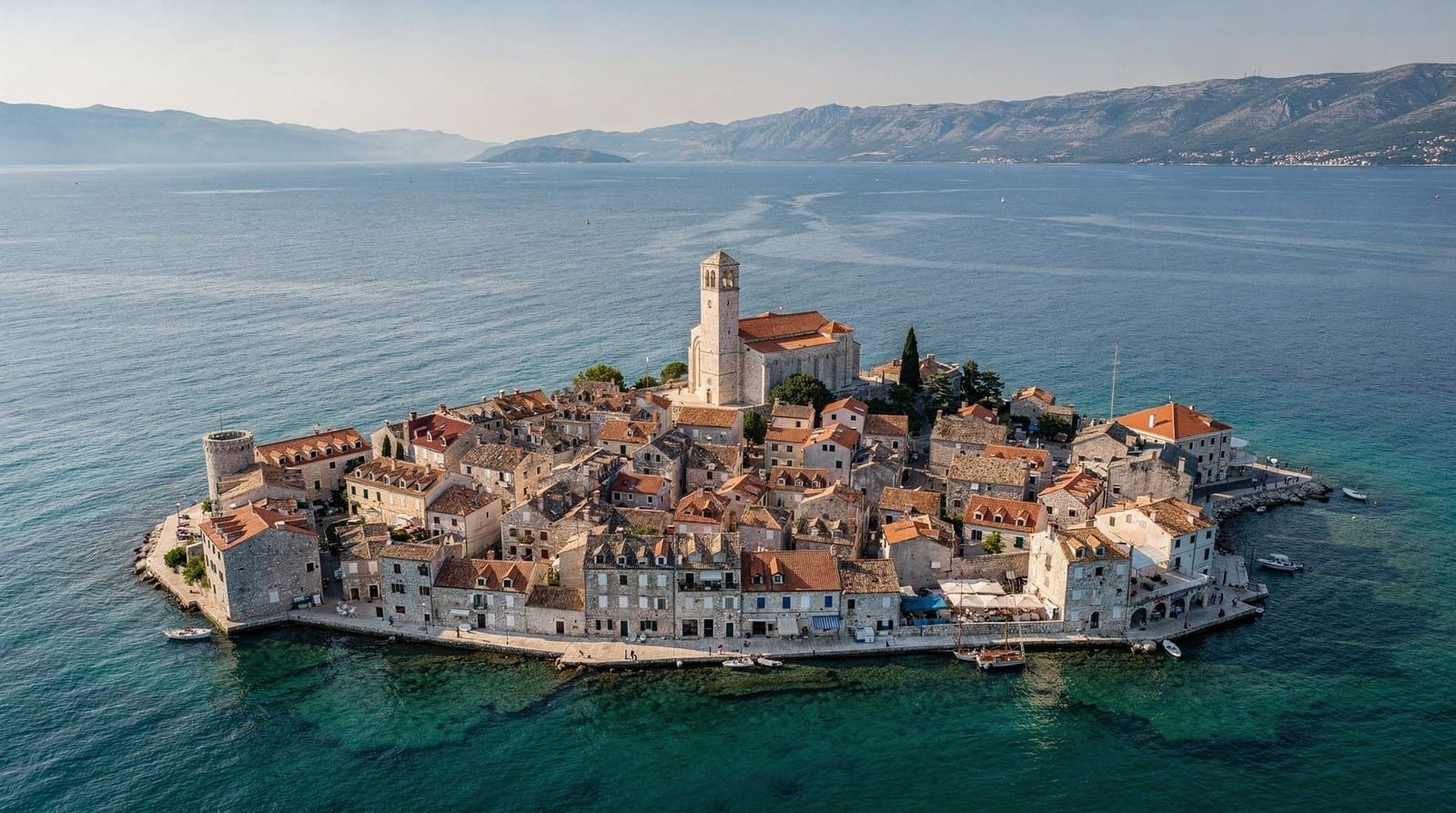
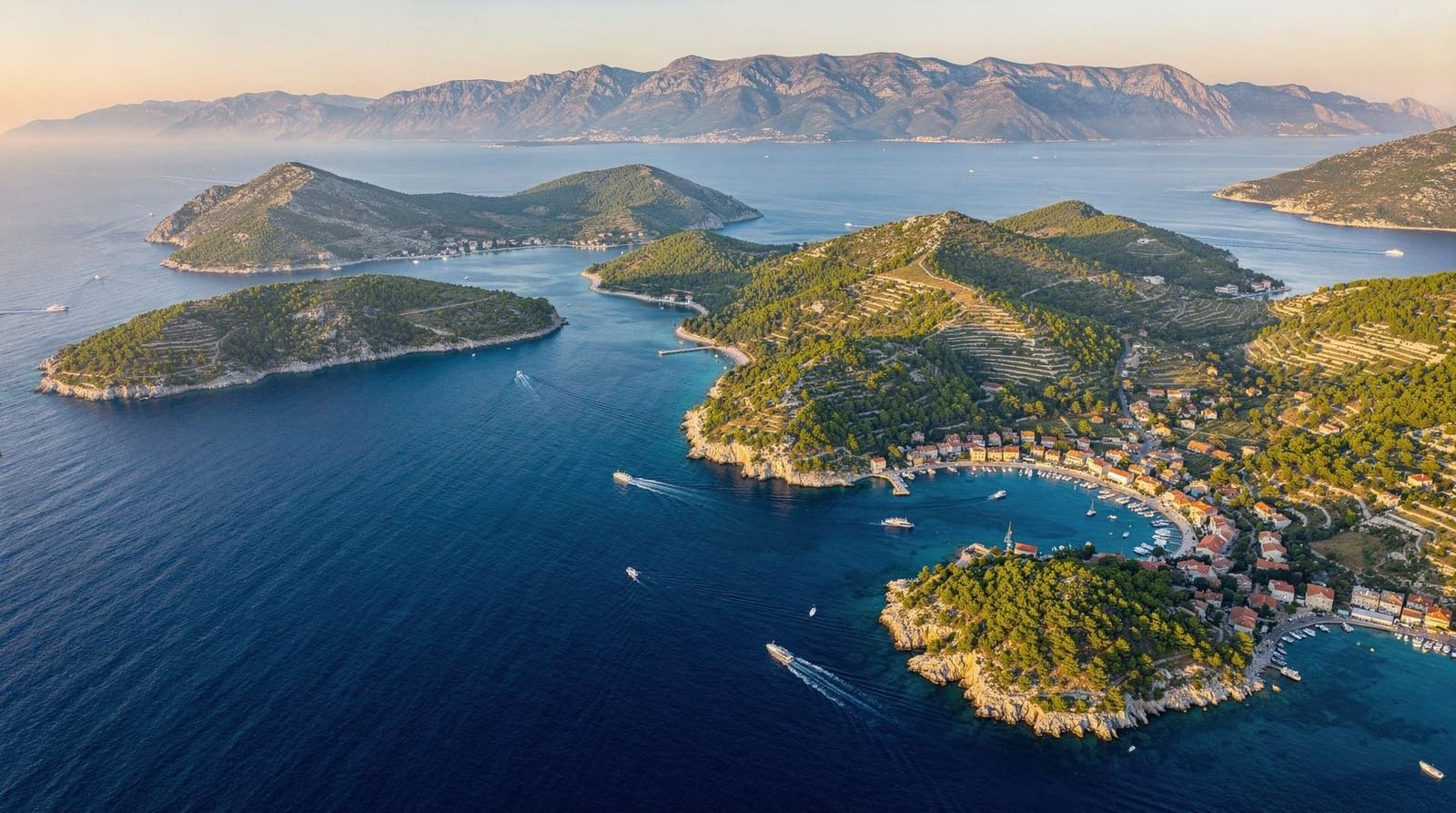
Lošinj has a reputation that precedes it: Croatia’s “Island of Vitality,” famous since the Habsburg era for the supposed health-giving properties of its air — 1,100 botanical species and a high concentration of essential oils from local plants have given the island its fragrant, therapeutic character. Whether or not you buy the wellness marketing, Lošinj genuinely is one of the most visually beautiful and ecologically rich islands in the Adriatic.
The twin towns of Mali Lošinj and Veli Lošinj sit on the island’s southern half, connected to the larger island of Cres to the north by a small drawbridge at Osor. The clear, un-crowded waters (Lošinj is offshore enough to remain relatively uncommercialised by Croatian standards) and a resident population of around 220 common bottlenose dolphins make it one of the best places in the Mediterranean to encounter cetaceans in the wild.
| Where | Kvarner, southern end of the Cres–Lošinj island chain |
| Cost | around €65–140/day; ferry from Rijeka around €10–25/person |
| Time needed | 3–5 days to see both towns and the coves properly |
| Getting there | Ferry from Rijeka or Zadar (4–5 hrs), or car via Krk and Cres |
| Best time | June and September for warm water and fewer crowds |
Mali Lošinj
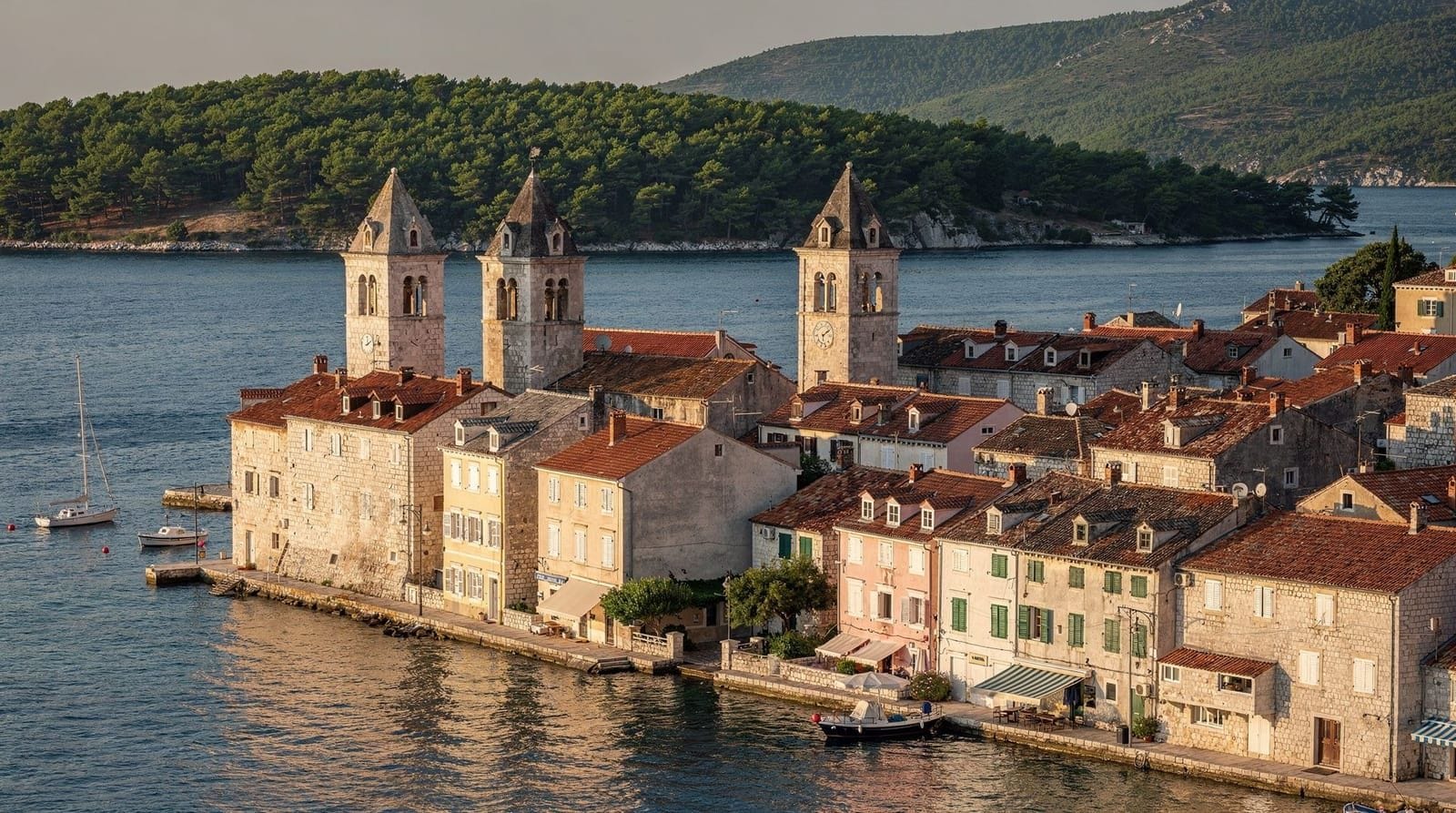
Mali Lošinj is the island’s main town — and despite the name (mali means “small”), it is one of the largest settlements among all Croatian islands. The harbour is a textbook Adriatic scene: colourful 19th-century townhouses in pinks, ochres, and cream reflected in the calm water, with yachts moored along the Riva and the fragrance of rosemary and lavender carried on the breeze.
The Lošinj Museum on the Riva houses an important collection including the Apoxyomenos (the Lošinj Apoxyomenos) — a stunning 4th–3rd century BCE Greek bronze statue discovered in the sea off Lošinj in 1999. The original is now on permanent display after years of restoration; it is one of the finest ancient bronzes in the world and alone justifies a museum visit.
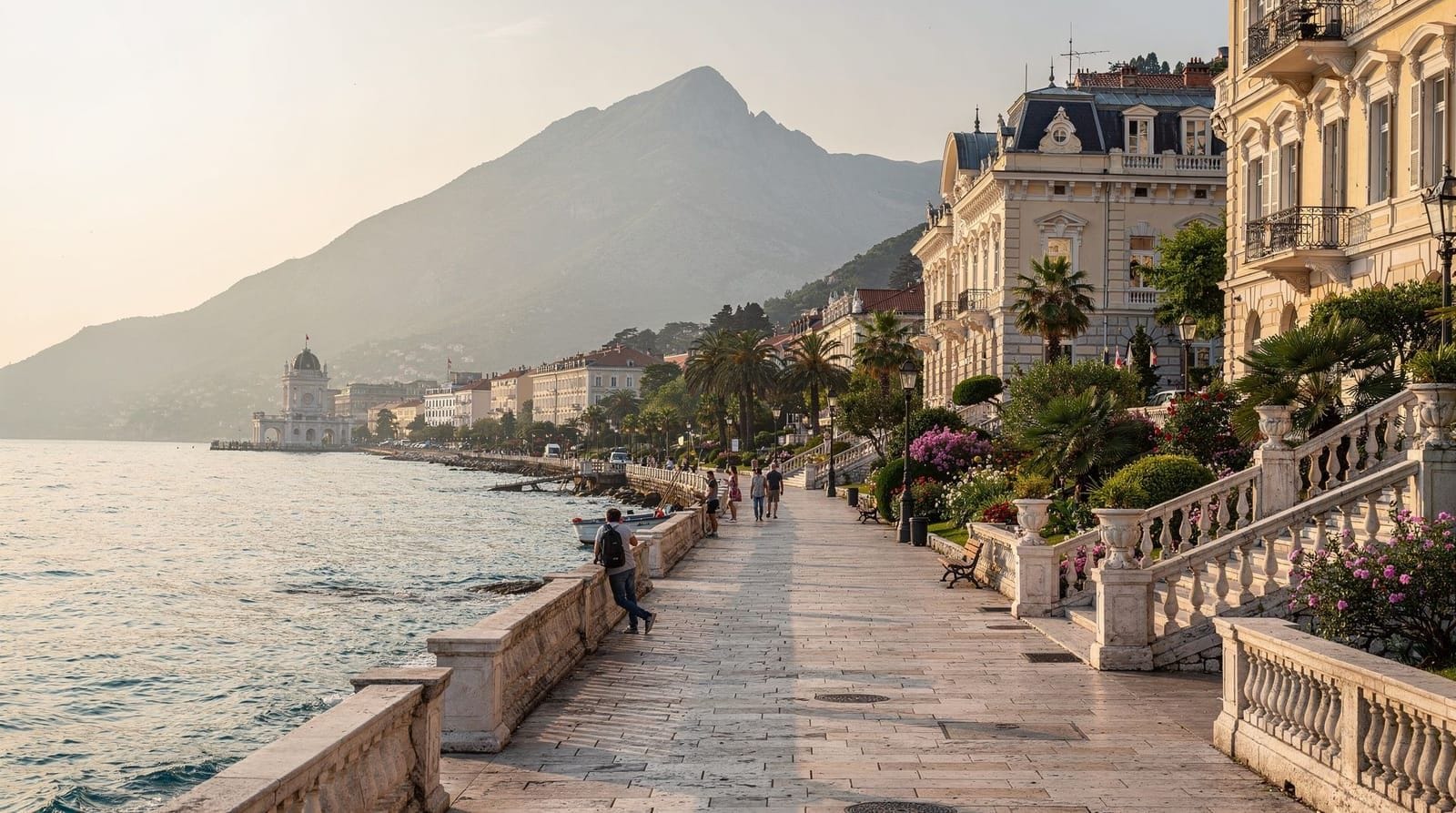
The old town lanes behind the harbour are worth exploring: the Church of the Nativity of the Virgin and the bell tower offer views over the bay. The promenade walk south from town past the gardens to the beach at Čikat (around 3 km) passes through fragrant parkland of Italian pines and holm oaks.
Veli Lošinj
A 4-kilometre walk (or short drive) south from Mali Lošinj, Veli Lošinj is the original capital of the island — smaller, quieter, and arguably more charming. The compact harbour is backed by brightly painted houses and the Church of St Anthony the Abbot. Several good restaurants and a relaxed café scene make it worth an afternoon.
The Veli Lošinj Tower (Venetian fortification, 15th century) overlooks the harbour. The sheltered bays to the south and east of Veli Lošinj are among the best swimming spots on the island.
Dolphins and the Blue World Institute
Lošinj is home to one of the most established dolphin research and conservation centres in the Mediterranean — the Blue World Institute of Marine Research and Conservation, based in Veli Lošinj. The resident population of around 220 bottlenose dolphins uses the Lošinj–Cres channel as core habitat.
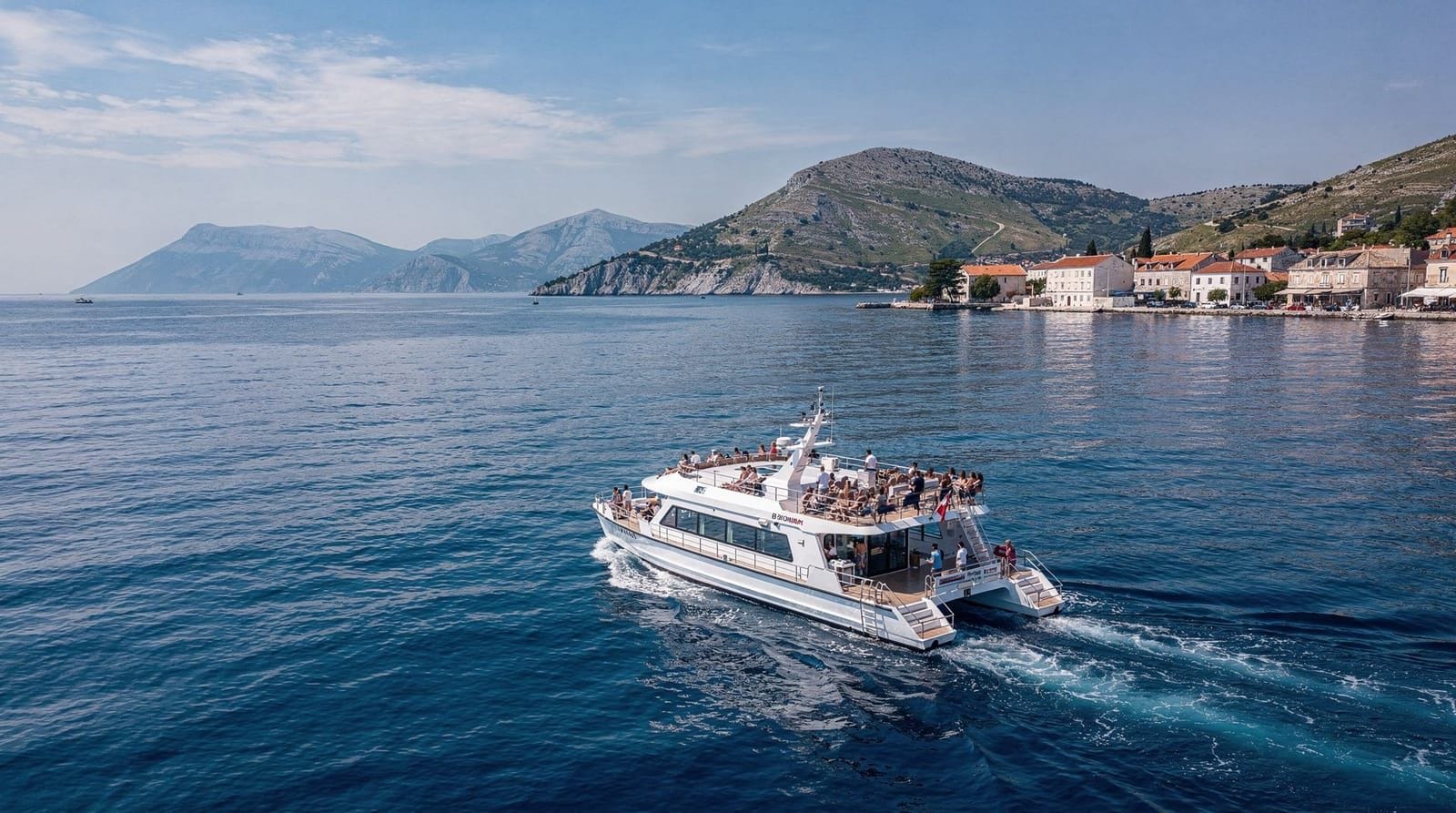
The institute operates dolphin-watching excursions from Mali Lošinj harbour in season (June–September). Sightings are not guaranteed — these are wild animals — but the success rate in the Cres–Lošinj channel is high. The institute’s visitor centre explains the research programme and the threats dolphins face from boat traffic and fishing nets.
Even without a formal tour, dolphin sightings from the ferry or from the cliffs above the channel are surprisingly common in summer.
Beaches and swimming
Lošinj’s best swimming is from rocky ledges and pebble coves rather than sandy beaches. The Čikat area southwest of Mali Lošinj town has a concentration of accessible beaches and small coves, with crystal-clear water and good snorkelling.
For more solitude, the island’s west coast (accessible by car or bicycle along the tracks) has several sheltered coves that rarely see organised tourist traffic. Sunčana Uvala (Sunny Bay) is popular; the more adventurous can find remote spots on the western headland.
Getting to Lošinj
By ferry from Rijeka: Jadrolinija operates car ferries from Rijeka to Mali Lošinj (around 4–5 hours) and passenger catamarans. Services are seasonal and more frequent in summer.
By ferry from Zadar: Jadrolinija also runs a seasonal Zadar–Mali Lošinj service (4–5 hours), useful for connecting with Dalmatia without backtracking to the mainland.
By car via Cres: From the mainland (Krk Bridge area), drive across Krk island to Valbiska, ferry to Merag (Cres), drive south through Cres to Osor, and cross the drawbridge onto Lošinj. Allow half a day for the full route — it is a scenic journey in itself. For the ferry timetables and how they change between seasons, see the Croatia ferries guide.
Lošinj compared to Krk and Rab
Lošinj sits at the far end of the Kvarner chain, and that distance is exactly why it feels different from its more accessible neighbours. Krk, connected to the mainland by bridge, is the easiest Kvarner island to reach and consequently the busiest. Rab, reachable by a shorter ferry hop, has better sandy beaches (notably Rajska Plaža) but less untouched coastline. Lošinj takes the longest to reach — 4–5 hours by ferry from Rijeka, or half a day by car via Cres — and rewards that effort with the clearest water, the least development, and genuine dolphin sightings. If your time is limited, Krk or Rab are easier; if you want the Kvarner’s most rewarding island, Lošinj is worth the extra travel. Opatija, the Habsburg-era resort town on the mainland, makes a good staging point before or after the crossing.
Where to stay
The main hotel cluster is in the Čikat bay area southwest of Mali Lošinj — Hotel Bellevue and Hotel Aurora are the established choices, both with beach access and pools. Apartments and guesthouses in Mali Lošinj and Veli Lošinj offer more local character.
Where to eat
Mali Lošinj’s Riva has numerous restaurants; quality is generally high given the island’s upmarket-ish clientele. Konoba Barakuda and Restaurant Artatore are both well-regarded. The local catch — špar (sea bream), brancin (sea bass), and the occasional lobster — is typically excellent.
History in brief
Lošinj’s maritime history is the key to understanding its character. The island became a significant seafaring and shipbuilding centre from the 15th century onward — at its 19th-century peak, the Lošinj merchant fleet was one of the most active in the Adriatic, with ships from Mali Lošinj trading as far as the Americas and the Black Sea. The wealth this generated built the handsome townhouses of the harbour front, many of which survive intact. By the 1880s, the fleet’s importance had declined as steam replaced sail, but Austro-Hungarian health tourism filled the gap: the island was promoted as a therapeutic destination for the Habsburg aristocracy based on its aromatic plants and exceptional air quality.
The Apoxyomenos statue — the extraordinary Greek bronze now displayed in the Lošinj Museum — was found by a Belgian diver in 1999 in 45 metres of water off the island’s coast. After 14 years of painstaking restoration in Zagreb, the statue returned to Lošinj in 2013 and is now the most significant ancient artwork displayed outside a major national museum in Croatia.
Expanded where to eat
Lošinj’s food scene is small-island refined — the clientele skews upmarket and the quality reflects it. The Riva in Mali Lošinj has a concentration of good restaurants, and Veli Lošinj has several worth the short drive south.
In Mali Lošinj:
- Restaurant Artatore — on the outer coast road, worth the short drive for its fresh fish and elevated preparation; one of the finer restaurants in the Kvarner.
- Konoba Barakuda — on the Riva, reliable for grilled fish, octopus salad, and a glass of Malvazija; consistently recommended by returning visitors.
- Ristorante Bocca — Italian-influenced with excellent pasta and good fish; a bit more tourist-facing but quality holds up.
In Veli Lošinj:
- Konoba Bora Bar — a terrace overlooking the harbour with good grilled fish and mezze-style starters; relaxed and well-priced.
- Restaurant Providenca — more formal, with careful preparation of the local catch and an interesting Kvarner wine selection.
What to order: Lošinj’s local fish is its greatest draw — špar (sea bream), brancin (sea bass), and škarpina (scorpionfish) are all superior here to most of the Dalmatian coast. The island also has a strong herb tradition; ask for herb-infused sauces or oils alongside fish dishes.
Getting around Lošinj in detail
Within the island: Mali Lošinj and Veli Lošinj are connected by a 4 km road — walkable in 45 minutes or driveable in 10 minutes. The road is flat along the harbour side and manageable on foot or by bicycle.
Bicycle hire is available in Mali Lošinj and is strongly recommended. The island is small enough to circumnavigate in a day by bike, and the coastal tracks on the west side — reaching secluded coves inaccessible by car — are some of the best cycling on any Croatian island. The western coast road to Valdarke and Punta Križa is particularly rewarding.
Boat hire: Day rentals of small motorboats (no licence required for engines under 5HP in Croatian waters) allow independent exploration of coves that organised boats cannot reach. Several hire companies operate from Mali Lošinj harbour.
Getting to the island: The ferry from Rijeka takes 4–5 hours; the catamaran (passenger only, no cars) is faster. For visitors with a car, the approach via Krk Bridge, ferry to Cres, and drive south through Cres to Lošinj takes a full half-day but is a scenic journey in itself.
Wellness and the Island of Vitality tradition
The Habsburg-era health tourism marketing was not entirely invented — Lošinj genuinely has an unusual botanical profile. The island’s south-facing slopes shelter over 1,100 plant species, including many aromatic herbs: rosemary, lavender, sage, myrtle, and the endemic Lošinj immortelle (smilje, Helichrysum italicum). The concentrated essential oils from these plants give the island air a noticeable freshness in spring and early summer.
Modern wellness options: Several hotels in the Čikat area have developed this tradition into contemporary spa facilities. Hotel Bellevue and the Vitality Vespera resort both offer thalassotherapy (seawater-based treatments) and aromatherapy alongside conventional spa treatments. These are not budget options but are genuinely better-resourced than the typical Croatian coastal hotel spa.
Independent access to the scent: The park walks south from Mali Lošinj through the Italian pine and holm oak groves toward Čikat are fragrant enough in April–June to understand the Habsburg enthusiasm without paying spa prices.
Day trips from Lošinj
Cres Island is immediately to the north. The main town of Cres is a medieval harbour with a Venetian clock tower and good seafood restaurants; the Griffon vulture colony on the northern plateau of the island is one of the last in Europe and visible from the road.
Osor on the Cres–Lošinj land bridge is a tiny medieval city — once one of the most important in the Adriatic, now a village of a few hundred people — with a cathedral, Roman remains, and summer music festivals.
Where to stay in Lošinj
Lošinj’s accommodation divides into two zones with distinct characters.
The Čikat hotel cluster — southwest of Mali Lošinj town, a concentration of larger hotels with beach access, pools, and spa facilities. Hotel Bellevue is the flagship property — renovated and positioned at the top of the Kvarner island hotel market. Hotel Aurora and Hotel Vespera are also solid four-star choices with direct sea access. This area suits visitors who want a resort-style stay with organised amenities.
Mali Lošinj old town and Veli Lošinj — apartments and smaller boutique hotels in the harbourfront buildings offer far more character and a more authentic experience of island life. Several converted townhouses on the Riva (harbour front) have been turned into quality apartment accommodations. Book via standard platforms, but look specifically for harbour-view properties in the old town.
Veli Lošinj has a handful of guesthouses and small hotels — quieter and slightly cheaper than Mali Lošinj, and well-positioned for the southern bays.
Booking advice: July and August are very busy — book 3–4 months ahead for the better properties. June and September are ideal for last-minute bookings with good availability and 20–30% lower prices.
Practical information for visiting Lošinj
Money: Lošinj operates on the euro (Croatia joined the eurozone in 2023). ATMs are available in Mali Lošinj; card payment is widely accepted in restaurants and hotels but bring some cash for smaller konobas and boat hire.
Mobile coverage: Good in Mali Lošinj and Veli Lošinj town; patchy on the west coast tracks and remote coves. Croatian SIM cards work on the island; major European roaming agreements apply.
Medical facilities: A local health centre (Dom zdravlja) operates in Mali Lošinj. For serious emergencies, the mainland (Rijeka) provides the nearest full hospital — a consideration worth noting for visitors with specific health needs.
Language: Croatian is the first language; English is widely spoken in tourist businesses, German and Italian somewhat less so (historically the island had strong Italian connections).
Frequently asked questions
Is Lošinj worth the long ferry journey compared to closer Kvarner islands? Yes, for travellers who prioritise clear water, quiet coves and a real chance of wild dolphin sightings over easy access. If your time is short, Krk or Rab are far quicker to reach; Lošinj’s extra 4–5 hours of travel buys noticeably less development and better water quality. See the best Croatian islands guide for how it compares across the whole coast.
Are dolphin sightings guaranteed on a Blue World Institute excursion? No — these are wild dolphins, not a captive show, and sightings depend on the day. The success rate in the Cres–Lošinj channel is high in season (June–September) but never guaranteed. The island hopping guide covers how to fit Lošinj into a wider Kvarner or Adriatic route if you want to maximise time on the water.