Rijeka travel guide
Rijeka is Croatia's largest port city and a cultural capital with a sharp café scene, Trsat Castle, a famous carnival, and easy access to the Kvarner…
Quick facts
- Best time
- April–June, September–October; February for Carnival
- Days needed
- 1–2 days
- Getting there
- Bus from Zagreb (2.5–3 h) or car via A6 motorway
- Budget per day
- €55–€110
Rijeka is the city that most visitors to Croatia drive through without stopping — and that is exactly why it is worth stopping. Croatia’s largest port and third-biggest city by population has a gritty, intellectual energy quite unlike the polished resort towns of Dalmatia. It was the European Capital of Culture in 2020, a designation that accelerated a cultural renaissance already underway in its warehouses, galleries, and late-night bars.
The city sits at the head of Kvarner Bay, hemmed in by limestone hills, and serves as the transport hub for the Kvarner islands: ferries to Krk, Cres, Lošinj, and Rab all leave from Rijeka or nearby. For travellers heading north from Dalmatia toward Istria or Zagreb, it is a natural pause point that rewards a night’s stay.
What to see in Rijeka
Trsat Castle is the starting point for most visitors. Perched on a 138-metre bluff above the city, the medieval fortress offers arguably the best panoramic view on the Kvarner coast — the bay and islands spread below while the city’s industrial waterfront stretches to the east. The stairway of 561 steps from the city centre (Petar Kružić’s staircase, built in the 17th century) makes for a demanding but rewarding ascent; a taxi or bus to the top is an easier option.
Trsat Sanctuary (Our Lady of Trsat) adjoins the castle. According to tradition, the house of the Virgin Mary rested here for three years in the 13th century during its miraculous journey from Nazareth to Loreto. The pilgrimage church is still active and architecturally interesting, with a courtyard full of donated ex-votos from centuries of grateful sailors.
The Market Hall (Tržnica) on the waterfront is one of the finest covered markets in Croatia — a 19th-century iron-and-glass structure selling fresh fish, vegetables, cheese, and local products. Arrive in the morning when the fish stalls are at their best.
Korzo is the main pedestrian promenade — a wide, café-lined street that cuts through the city centre and is the social spine of Rijeka life. The Korzo is busiest in the early evening (šetnja culture) and during the Carnival period.
The City Tower (Gradski Toranj) is the 17th-century baroque gateway to the old town, its clock face one of the most-photographed details in Rijeka. Just beyond it lies the compact historic core with the Roman Arch (Stara vrata), one of the few preserved Roman monuments in the area.
Museum of the City of Rijeka and the Natural History Museum are housed in attractive buildings near the centre. Neither is a must, but both are worthwhile on a rainy afternoon.
Getting to Rijeka
From Zagreb: The fastest option is by car via the A6 motorway (2–2.5 hours, toll roughly €8). Buses from Zagreb’s main bus station run frequently throughout the day (2.5–3 hours, €10–16). There is also a slow but scenic train connection (3.5–4 hours) through the Gorski Kotar highlands.
From Opatija: City bus routes take 20–25 minutes; the two towns function almost as one for transit purposes.
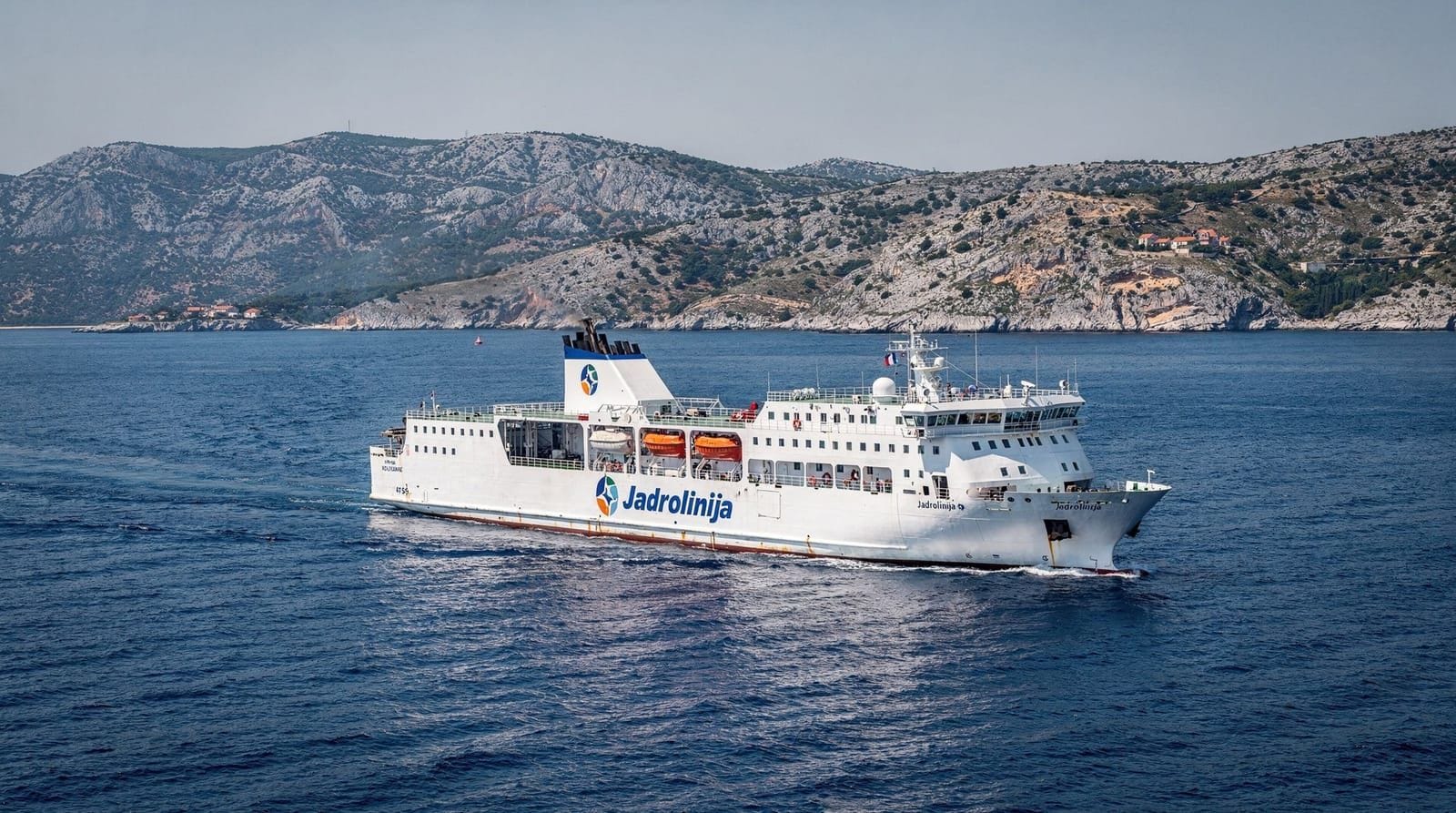
From the islands: Jadrolinija operates regular ferries from Krk, Lošinj, and Cres into the Rijeka ferry terminal. The Rab ferry route connects via Jablanac on the mainland to the south — see the Rab guide and the Croatia ferries guide for the full picture of Kvarner crossings.
From Pula/Istria: Around 1.5–2 hours by car or bus along the coastal road.
Getting around
The city centre and Korzo are walkable. For Trsat, the stairs are memorable but demanding; bus line 1 from Jelačić Square offers a gentler alternative. Taxis and local bus routes cover the wider city. See the getting around Croatia guide for how Rijeka fits the country’s wider transport network, including onward connections to Zagreb.
Where to stay
Rijeka has a solid range of mid-range hotels. The area around the Korzo and the market is the most convenient base. For a quieter and more atmospheric stay, the neighbouring resort of Opatija — 20 minutes by bus — has a far wider choice of hotels, and many travellers base themselves there and day-trip into Rijeka.
Where to eat and drink
Rijeka’s food scene punches above its tourist footprint. The Market Hall (Tržnica) is the obvious start — oysters, fresh fish, and local cheese. Foša near the waterfront and Restaurant Municipium in the old town are reliable for fresh Kvarner seafood. The Korzo is lined with café-bars perfect for kava and people-watching.
Malvazija (white) from Istria and Žlahtina (white) from the nearby island of Krk are the local wines to order.
Rijeka Carnival
The Rijeka Carnival (Riječki karneval) held in February is one of the largest in Europe — over 100,000 spectators for the main International Masked Parade, with weeks of smaller events, masked balls, and street parties leading up to Mardi Gras. It is a genuine local celebration rather than a tourist spectacle, and if your dates align, it is well worth building an itinerary around.
History in brief
Rijeka’s complexity begins with its name: in Italian it was called Fiume (river), and for decades in the early 20th century, possession of the city was bitterly disputed between Italy and the newly formed Yugoslavia. After WWI, the Italian poet and proto-fascist Gabriele D’Annunzio led a ragtag army that seized Fiume in 1919 and held it for 15 months in a bizarre pseudo-state called the “Regency of Carnaro” — complete with its own constitution, avant-garde cultural politics, and daily harangues from D’Annunzio’s balcony. The episode is one of the strangest and most fascinating footnotes in 20th-century history, and it left deep traces in the city’s identity.
Before D’Annunzio, Rijeka was already a significant Habsburg industrial city — home to the Torpedo Factory (the torpedo was invented here in 1866 by Giovanni Lupis and Robert Whitehead), major shipyards, and a cosmopolitan population of Croats, Italians, Germans, and Hungarians. The Austro-Hungarian postal road to Vienna ran through here; the city’s economic centrality to the empire is why its ownership mattered so much.
After WWII the city became Rijeka again under Yugoslav control, and the shipbuilding and maritime industries continued. Today those industries have contracted, but the European Capital of Culture designation in 2020 catalysed a cultural renaissance that has outlasted the COVID disruption and is genuinely reshaping the city.
Expanded where to eat and drink
Rijeka’s food scene is built around the market and a cluster of quality restaurants that collectively make it one of Croatia’s better cities for an unscripted culinary exploration.
Best restaurants and spots:
- Konoba Fiume — reliable Kvarner seafood with an unpretentious Rijeka atmosphere; popular with locals and rightly so.
- Restaurant Municipium in the old town — inside a restored Habsburg-era building with good local fish dishes and a solid wine list featuring Kvarner and Istrian producers.
- Foša near the waterfront — one of the higher-end options in the city; their brancin (sea bass) and špar (sea bream) are consistently well-prepared.
- Market Hall (Tržnica) fish stall — arrive before 10am and eat raw or lightly dressed shellfish standing at the counter; the freshest and cheapest seafood experience in the city.
- Kavana Fiume — grand old café on the Korzo for morning coffee; a people-watching spot with 1900s atmosphere and genuinely good espresso.
For a late night: Rijeka’s bar scene on and around the Korzo is livelier than its tourist reputation suggests, particularly during university term. Several craft beer bars have opened in converted spaces near the old town. The city’s wine scene is Istria-and-Kvarner focused: Malvazija whites dominate, with Teran red if you want something robust.
Getting around Rijeka in detail
Rijeka is compact in its centre but spreads up steep hillsides. The Korzo, old town, and market are all flat and walkable in a tight area. For Trsat, the famous 561-step staircase (Petar Kružić’s staircase) is the atmospheric route; city bus line 1 or 2 from Jelačić Square is the practical one.
The city bus network is comprehensive and cheap (tickets from newsagents or the driver, around €1–2). Taxis and Bolt cover the wider city. The ferry terminal for Kvarner islands is a 10-minute walk from the main square.
Parking: Rijeka has limited and expensive central parking; the main car park near the bus station is the most convenient. If driving in, use a park-and-walk approach and leave the car for the day.
What to skip — honest notes
The industrial waterfront east of the centre — while it has a gritty industrial character that locals find meaningful, the eastern port area between the ferry terminal and the dry docks is not a rewarding walk for visitors; it is mostly working port infrastructure.
Museum of the City of Rijeka in July–August — it is a fine museum but closed to independent visitors on many summer afternoons for private events. Check hours before making a special trip.
Any restaurant on the tourist map given out at the ferry terminal — these tend toward mediocrity and tourist pricing. The Market Hall, Volosko (20 minutes toward Opatija), and the restaurants behind the old town all offer better quality per kuna.
Nightlife and culture
Rijeka has the most authentic urban nightlife in the Kvarner region — a legacy of its student and working-class population. The area around the Palach club (former cinema, now a cultural centre) and the streets adjacent to Tkalčićeva-equivalent local bars is busiest on Thursday and Friday nights.
The HNK Ivana pl. Zajca (Croatian National Theatre) on Verdijeva Street has a serious opera and drama programme and occupies a magnificent 1885 building. Performances run throughout the year. Ticket prices are extremely reasonable by any European standard.
Rijeka Carnival in February (see below) is the standout cultural event — if you can align your visit, nothing else in the city compares.
Day trips from Rijeka
Opatija and the Lungomare — 20 minutes by bus, the classically elegant Habsburg-era resort town. See the Opatija guide.
Krk Island — across the Krk Bridge (toll-free for regular vehicles), about 45 minutes to the main town. Krk is the most accessible of the Kvarner islands and the best choice for a quick day trip.
Cres and Lošinj — ferry from Rijeka or Brestova to Cres; then by road south through Cres to the Mali Lošinj ferry crossing. An all-day island exploration that works better with a car.
Gorski Kotar — the forested highlands above Rijeka contain Croatia’s answer to alpine scenery: Risnjak National Park, waterfalls, and quiet mountain villages. A good car-based day for nature lovers.
Where to stay in Rijeka
Rijeka is not primarily a tourist city and its accommodation stock reflects that — practical rather than aspirational.
Best areas to stay: The streets around the Korzo and the market area are the most convenient base for sightseeing. Look for hotels and apartments within 10 minutes’ walk of the Korzo for the best balance of accessibility and atmosphere.
Hotel recommendations:
- Hilton Rijeka Costabella Beach Resort — at the western edge of the city, on the Opatija Riviera waterfront; a newer luxury property that suits travellers wanting both Rijeka and sea access.
- Hotel Neboder — a 1950s tower in the city centre that has been stylishly renovated; the best mid-range option in the central area with good views from the upper floors.
- Boutique Hotel Continental — a smaller property in the old town area, well-positioned and comfortable.
Budget option: Many travellers base themselves in Opatija (20 minutes by bus) where hotels are more varied and the resort atmosphere is significantly more pleasant. Rijeka works well as a day trip or evening destination from an Opatija base.
Apartments: A wide range is available on standard platforms; the streets above the Korzo toward Trsat are quieter and cheaper than the central harbour area.
Practical tips
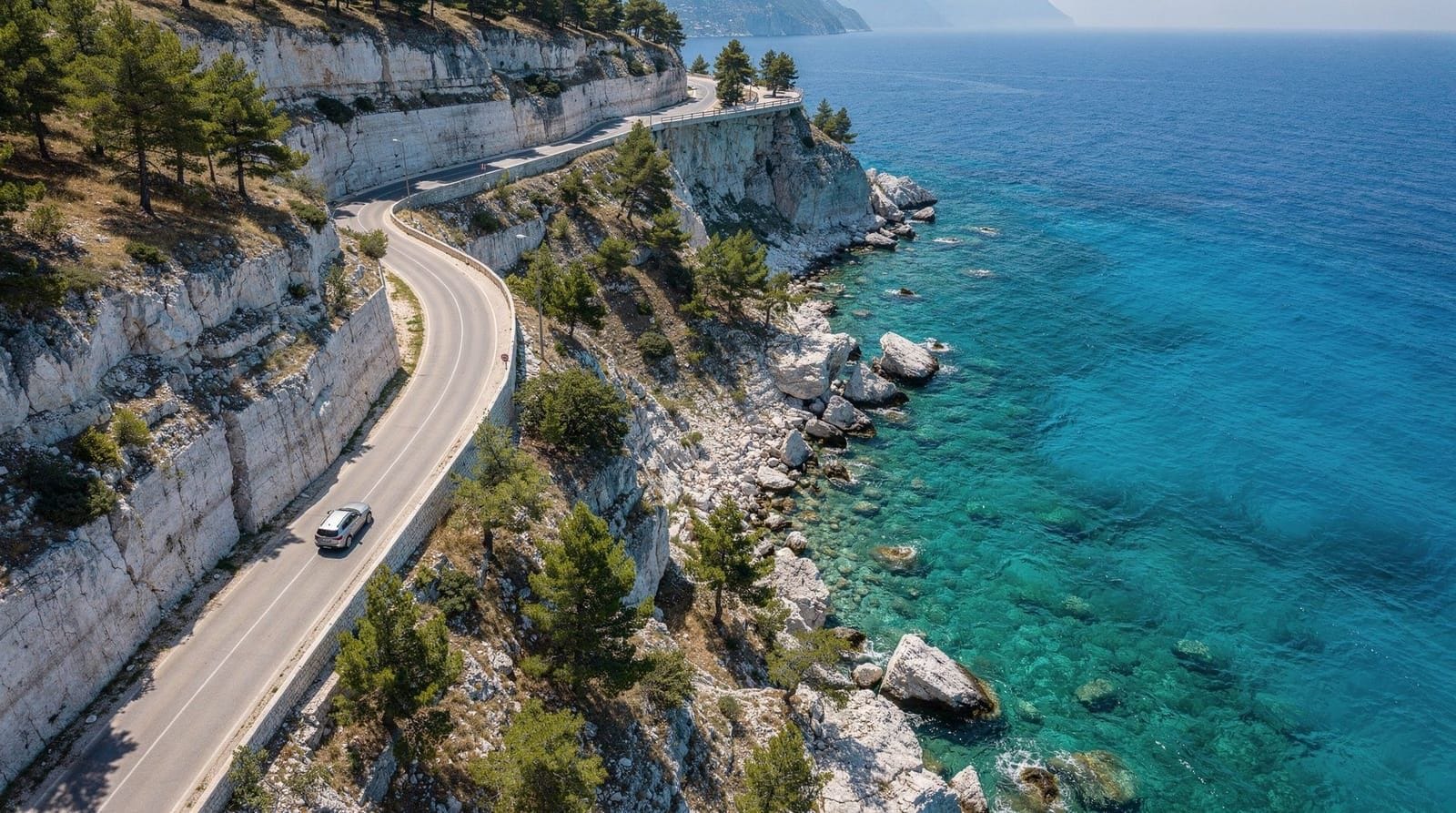
The coastal road: The coastal road between Rijeka and Opatija (D8) is one of the most scenic short drives on the Kvarner coast — the sea views are excellent. Worth doing by bus or car at least once.
Ferry logistics: Rijeka’s ferry terminal is clearly signed and a 10-minute walk from the Korzo. Jadrolinija ticket offices are at the terminal; booking ahead for car ferry travel in summer is strongly recommended.
Safety and practical note: Rijeka is a normal Croatian city with low crime. The streets around the Korzo and the market are busy and safe at all hours. The port area east of the terminal has limited lighting; use the inland streets after dark if on foot.
FAQ
Is Rijeka worth a dedicated stay, or just a transit stop? Both work — a night or two lets you see the Market Hall, Trsat Castle, and the Korzo café scene properly, but many travellers day-trip in from Opatija, 20 minutes away, which has more varied accommodation. See the best time to visit Croatia guide for how Rijeka’s Carnival season affects planning.
Do I need a car in Rijeka? No — the centre is walkable and parking is limited and expensive. A car is more useful for reaching Gorski Kotar or the wider Kvarner islands than for the city itself.