Best Beaches Near Dubrovnik — Beyond the Old City Walls
Dubrovnik: 3-hour morning sea kayaking and snorkeling tour
What is the best beach near Dubrovnik?
For the city itself, Sveti Jakov is the best swim with a spectacular view of the walls from the water. Banje is the most accessible city beach. For a full beach day, Lokrum island (10-min ferry) has several swimming spots. For the best beaches in the wider area, the Elaphiti Islands (45 min by boat) and Cavtat's Uvala Scott are well above the city options.
The Honest Picture of Dubrovnik’s Beaches
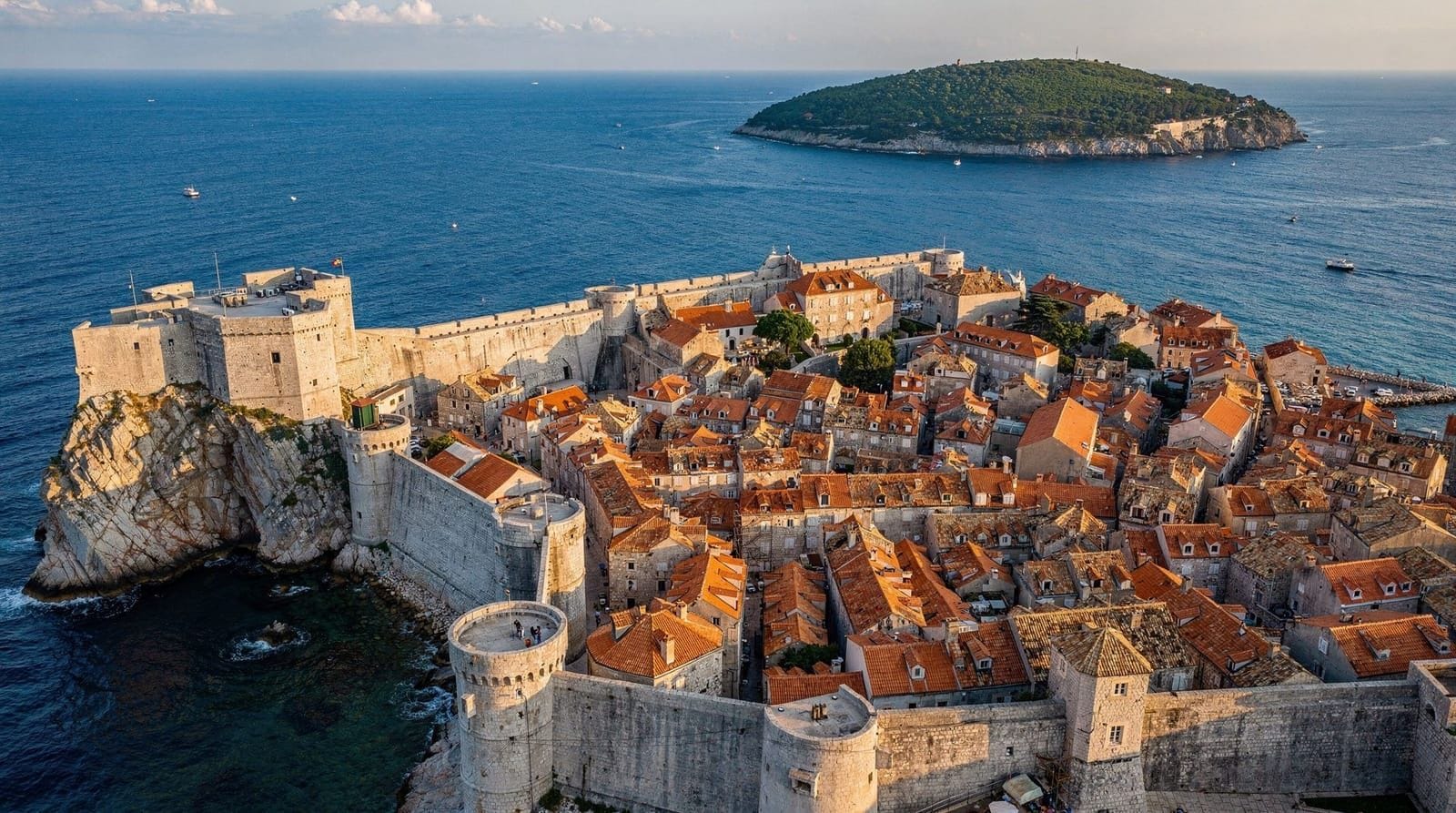
Dubrovnik is one of Europe’s most spectacular walled cities. Its beaches are not. This is not harsh — it’s simply geographic reality: Dubrovnik clings to a limestone peninsula with steep cliffs and rocky shores. There are no shallow sandy bays, no wide pebble beaches, no classic Dalmatian swimming spot within walking distance of the Stradun.
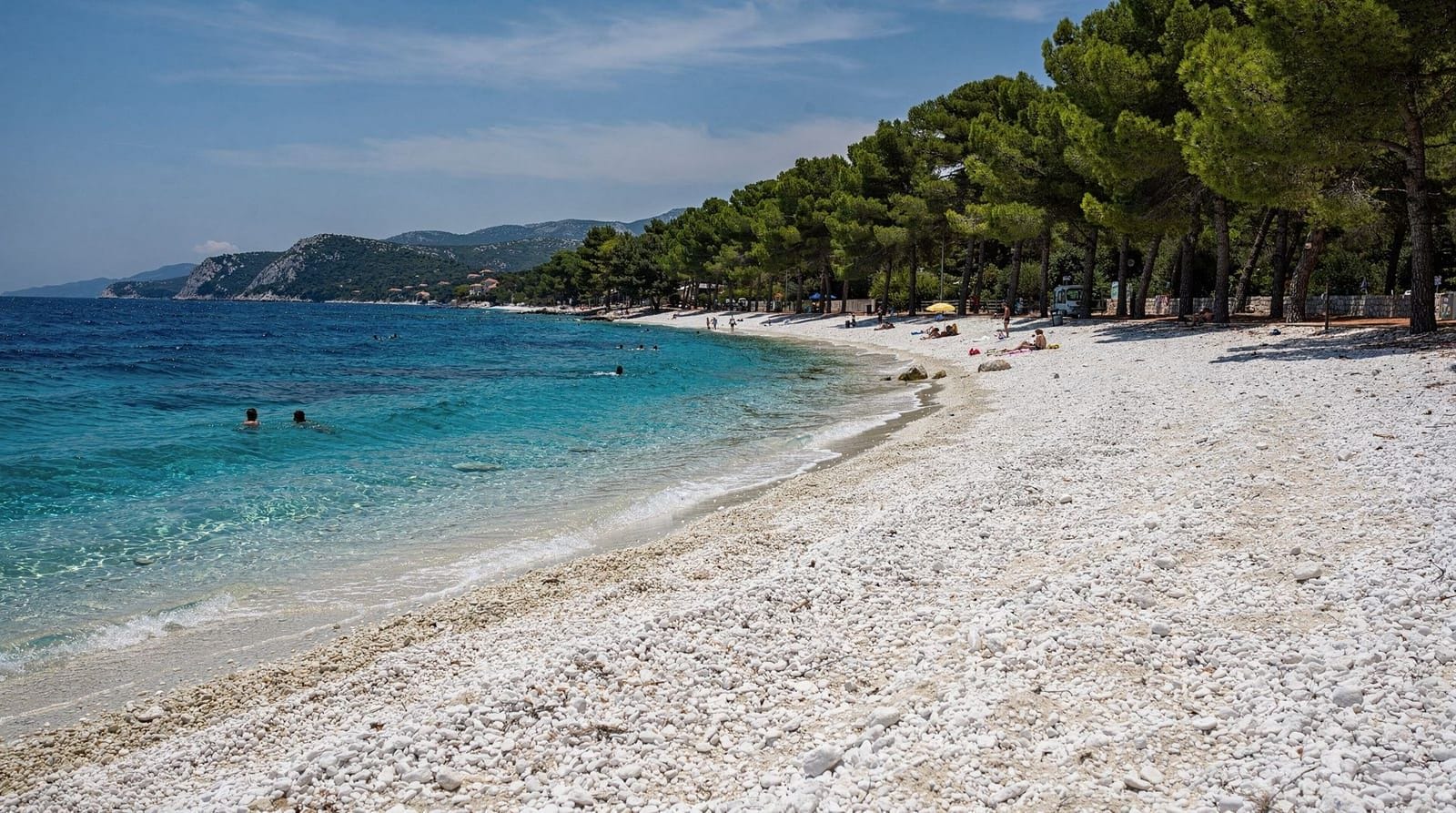
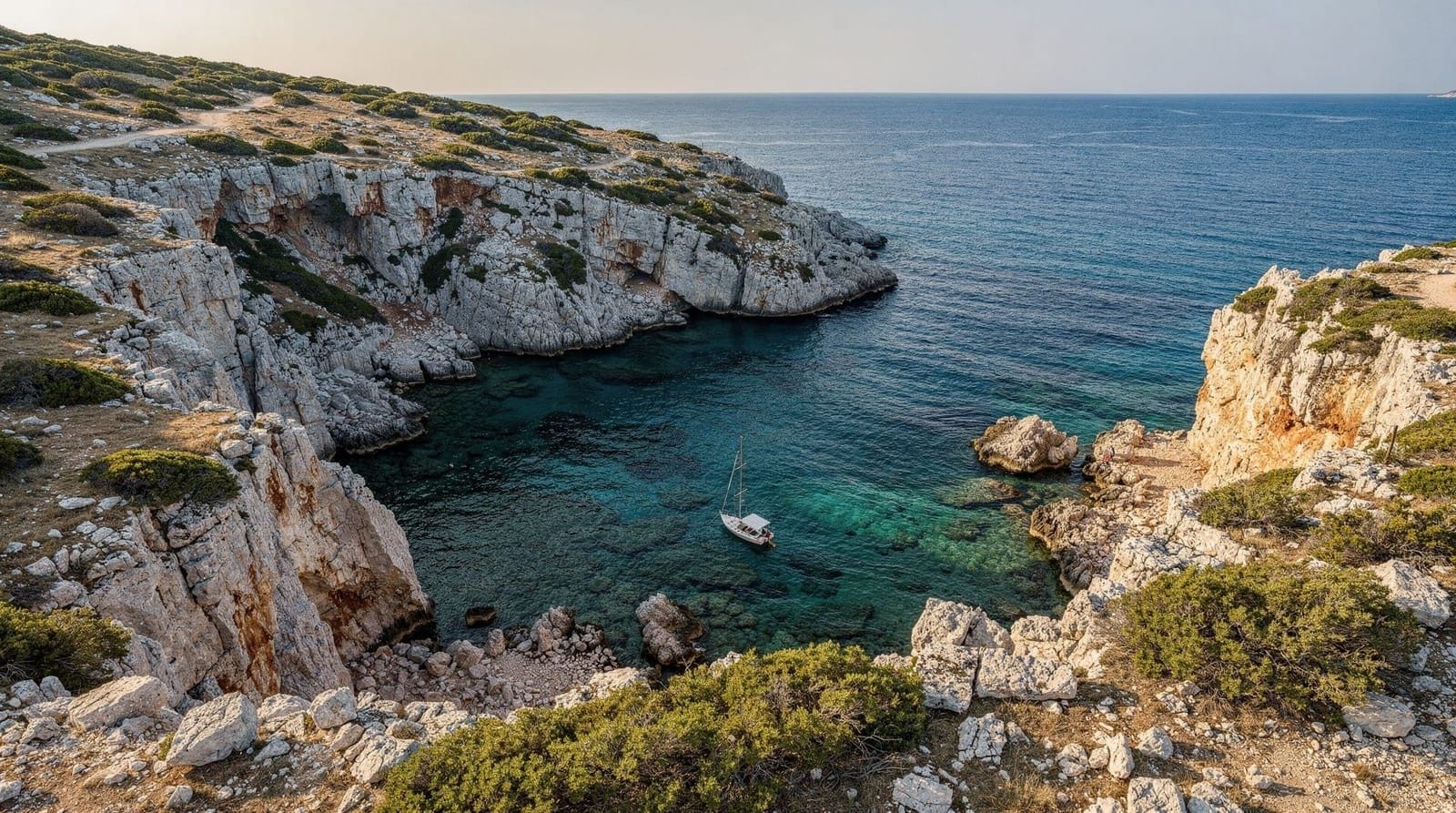
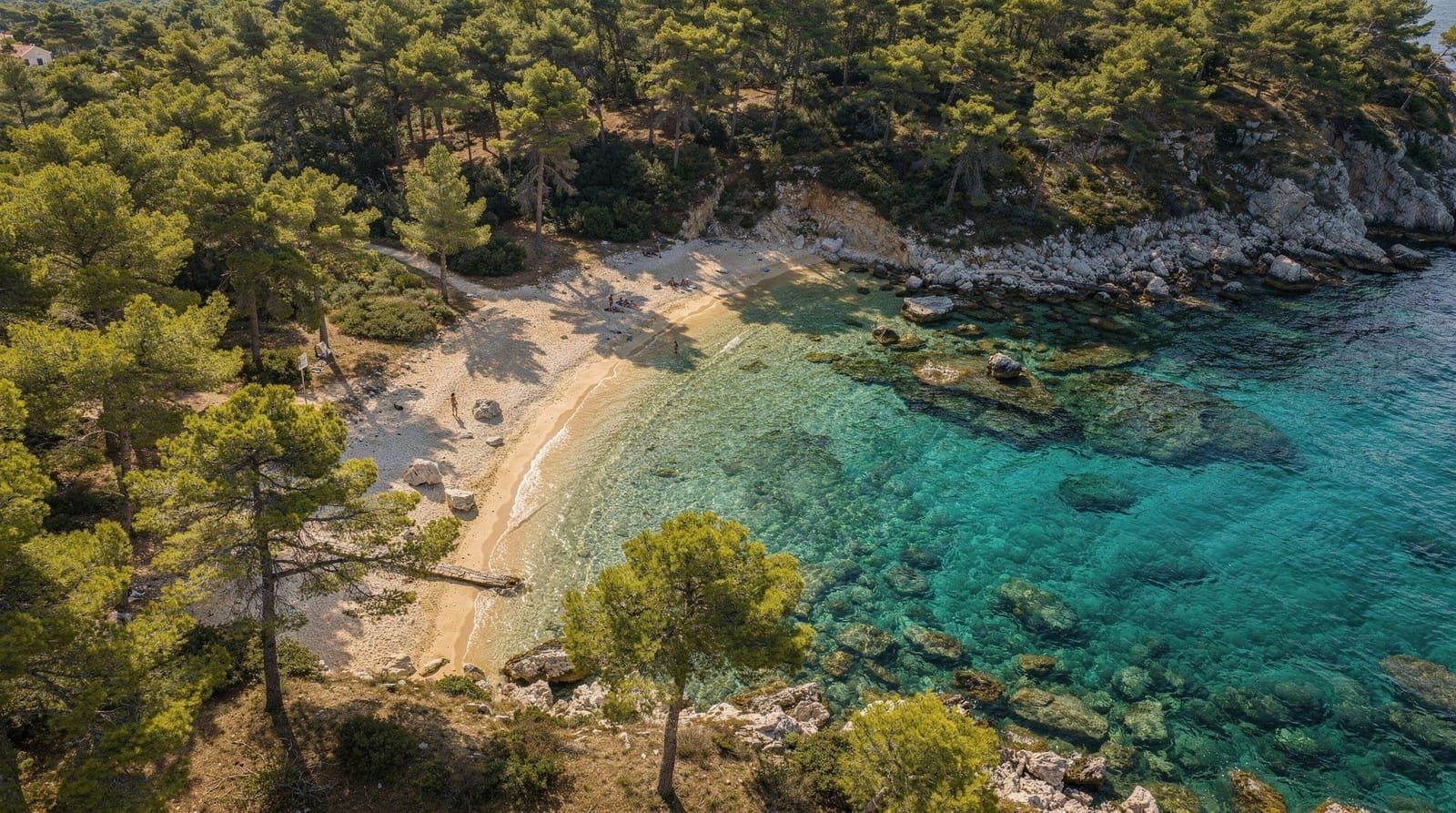
What Dubrovnik has instead is extraordinarily clear water, dramatic settings for swimming (below the walls, off limestone platforms), and quick boat access to islands and coves that are genuinely excellent. The best “Dubrovnik beaches” are actually a 10–90 minutes away by boat. For a wider view of Croatia’s best swimming spots beyond this region, see the best beaches in Croatia guide.
This guide covers everything: the city beaches (with honest expectations), nearby islands, and the wider region within easy day-trip range.
| Best city beach | Sveti Jakov — view of the walls, fewer crowds |
| Best overall | Sunj Beach, Lopud — sheltered, calm, sandy-ish |
| Cost | Public shoreline free; sunbeds around €15–20/day |
| What to bring | Water shoes — no sandy beaches exist locally |
| Best time | Before 9am or after 5pm to avoid peak crowds |
City Beaches — Convenient but Limited
Banje Beach
The most famous Dubrovnik city beach, located 10 minutes’ walk east of Pile Gate along the coastal path. Banje is a pebble beach in a sheltered cove with a view of the old town walls behind. The Eastwest Beach Club occupies most of the beach with sunbeds and parasols (€15–20 for a sunbed day). The public section (to the left, facing the sea) is free.
Banje’s main selling point is the backdrop: the limestone walls rising directly behind the beach, with the Dubrovnik fortifications visible across the water. Photographed from the beach, the view is exceptional. Swimming from it is good — clear water, rocky but manageable entry.
Arrival tip: by 10am in July–August, Banje is very crowded. Come before 9am or after 5pm for significantly more space.
Getting there: 10 minutes’ walk east of Pile Gate. Bus 6 stops nearby. Water taxi from the old port.
Sveti Jakov Beach
Sveti Jakov is the city’s best-kept secret. From the road level near the Church of St. Jacob (east of Banje, 25 min walk from Pile Gate), steep stone steps descend to a small pebble beach 80 metres below. The beach itself is modest — a strip of pebble with rock platforms on either side. But the view from the water looking back at the old town walls is arguably the single finest perspective in Dubrovnik: the city rises above in its full vertical drama, walls and church towers stacked above the sea.
The steps are the filter: most tourists don’t walk down 80 steps (and back up). This keeps Sveti Jakov quieter than Banje even in peak season. Facilities are minimal. Water shoes essential.
Getting there: 25 min walk east from Pile Gate, or bus toward Cavtat and get off at the Sveti Jakov church sign.
Buža Bars and Wall-Side Swimming
The famous Buža bar (actually two competing bars: Café Bar Buža I and II) is built into holes in Dubrovnik’s walls on the seaward side. Cold drinks, the Mediterranean laid out before you, and a jumping rock platform. This isn’t a beach — it’s a cliff jumping spot. The platform is about 5 metres above the water. Swimmers jump and then climb the metal ladder back up. The view is tremendous; the swimming is for the confident. Not suitable for children or non-swimmers.
Getting there: From within the old town, follow signs to Buža on the seaward side of the Ploče neighbourhood.
Lokrum Island — 10 Minutes Away
Lokrum is Dubrovnik’s nearest island — a forested nature reserve 10 minutes by small ferry from the old port. The ferry runs every 30–45 minutes from April–October. The island is day-use only (no overnight stays).
Lokrum has several swimming spots:
The Dead Sea (Mrtvo More): A small saltwater lake in the island’s interior, connected to the sea by underground channels. The water is slightly warmer than the open sea, making it a pleasant alternative to exposed rock. The lake is a 10-minute walk from the ferry dock.
Eastern rocky shore: The island’s eastern coast has flat rock platforms with direct sea access. Excellent snorkelling with clear water and good depth. This side is exposed to the bura wind.
Northern beaches: Small pebble coves on the northern shore, more sheltered. These are the most comfortable family spots on Lokrum.
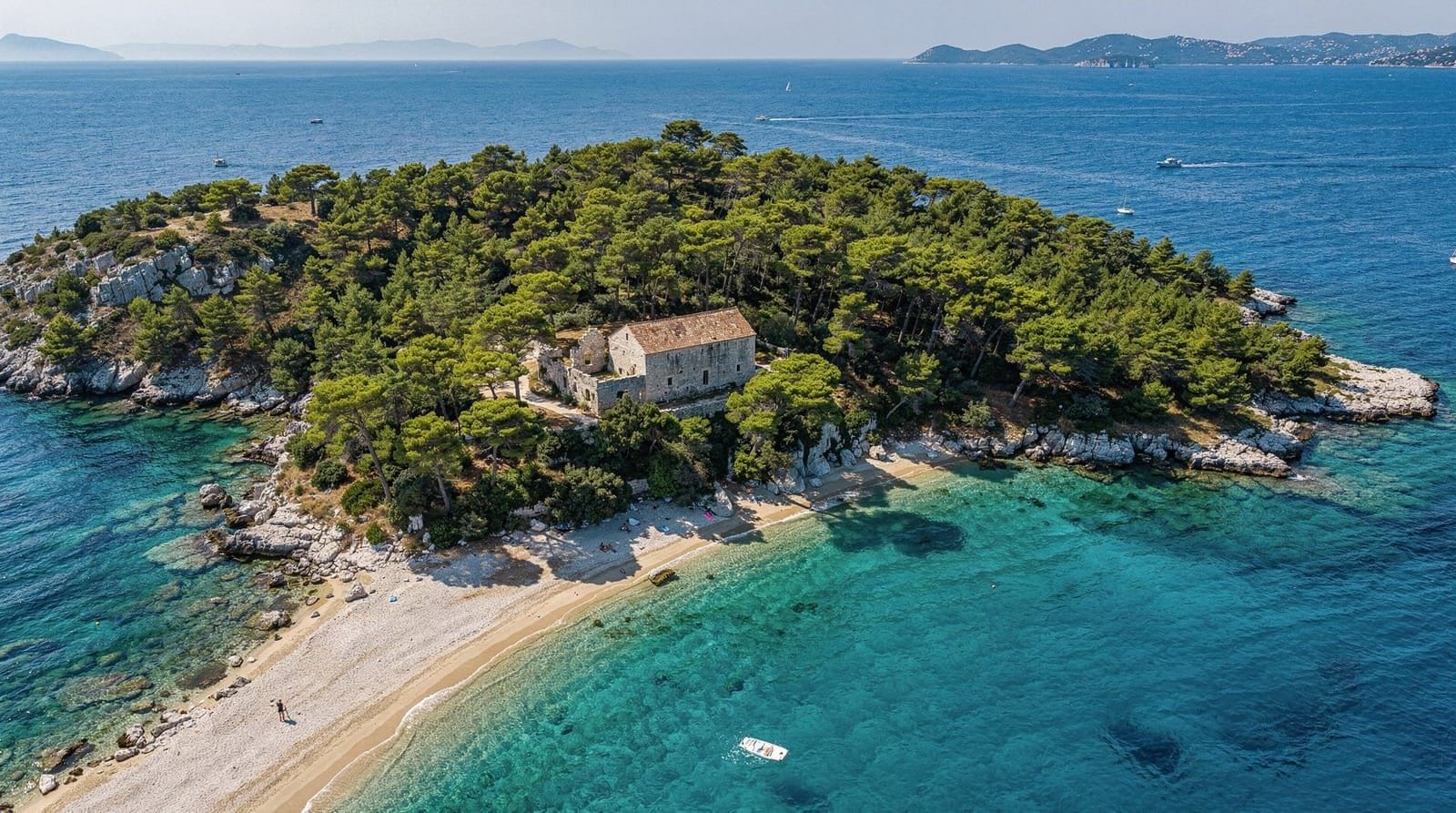
Botanical garden: Lokrum has a beautiful botanical garden with peacocks (genuine — they wander freely). The monastery ruins add atmosphere.
Cavtat — 20 Minutes South by Bus or Water Taxi
Cavtat (pronounced Tsav-tat) is a small town 20 km south of Dubrovnik — accessible by local bus 10 (about 35 min) or water taxi (20–25 min). Its bay is sheltered and the promenade exceptionally pretty. Swimming directly from the Cavtat promenade involves rocky-platform entry, but the water is clear.
Uvala Scott: A pebble cove on the peninsula west of Cavtat town centre, 15 minutes’ walk. Quiet, reasonable facilities in season, better than the promenade rocks for swimming.
Sustjepan / hotel beaches: The Valamar Epidaurus resort area south of Cavtat has organised pebble beaches. Non-guests can use the beach for a day fee.
Cavtat also has the Račić Mausoleum on the Rat peninsula — one of Croatia’s most beautiful 20th-century monuments, worth combining with the beach.
Elaphiti Islands — The Best Day Out
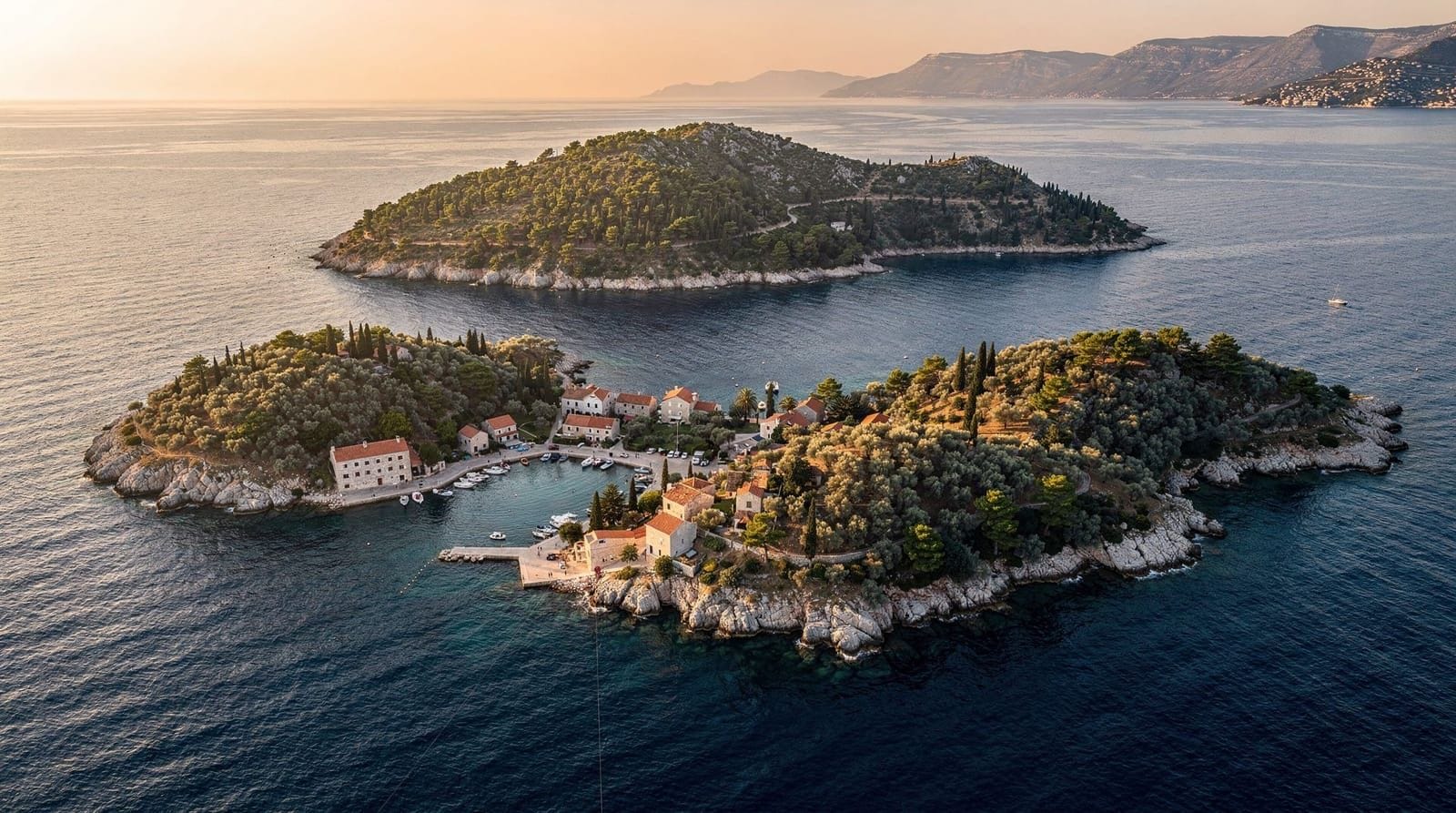
The Elaphiti Islands (Elafiti) — Koločep, Lopud and Šipan — are the real answer to “where are the best beaches near Dubrovnik.” They’re 45–90 minutes by boat and offer a completely different quality of beach from anything within the city. Our dedicated Elaphiti Islands guide covers ferry timetables, village-by-village detail and where to eat on each island.
Sunj Beach, Lopud
The standout beach in the entire Dubrovnik area. Sunj is a sheltered bay on the back (eastern) side of Lopud island, reachable by foot from Lopud village (25–30 min walk, no cars on the island). The beach is relatively sandy by Croatian standards — fine dark shingle that’s significantly more comfortable than typical pebble — and the bay is almost completely enclosed, making it very calm. Sunj has beach bar facilities, sun umbrellas and a lovely, peaceful atmosphere.
The combination of no-car island, the walk through an olive grove to reach the beach, the sheltered swimming, and the absence of day-tripper speedboats makes Sunj one of the best family beach experiences in the Dubrovnik area.
Koločep
Koločep is the closest Elaphiti island (30 min by ferry). Two small coves — Donje Čelo and Gornje Čelo — have pebble beaches with clear water. Neither is large. Koločep has a completely car-free centre and a lovely sense of escaping Dubrovnik’s tourist intensity.
Šipan
The largest Elaphiti island, with two villages (Šipanska Luka and Suđurađ). Slower-paced than Lopud, with coves accessible by bicycle or walking from the port. Several coves on the western coast are quiet and attractive.
Pelješac Peninsula — Further Afield
The Pelješac peninsula (connected to the mainland and now bypassing the Neum corridor via the Pelješac Bridge) is within 45–60 minutes of Dubrovnik by car. The peninsula’s south coast has several pebble beaches, and the Orebić area has a long pebble beach facing Korčula island.
Pelješac is primarily a wine and oyster destination (the plavac-mali-peljesac wine guide covers this), but combining the oyster farms at Ston, a wine tasting and an afternoon swim at Orebić makes an excellent full day from Dubrovnik.
Sea Kayaking — The Active Alternative
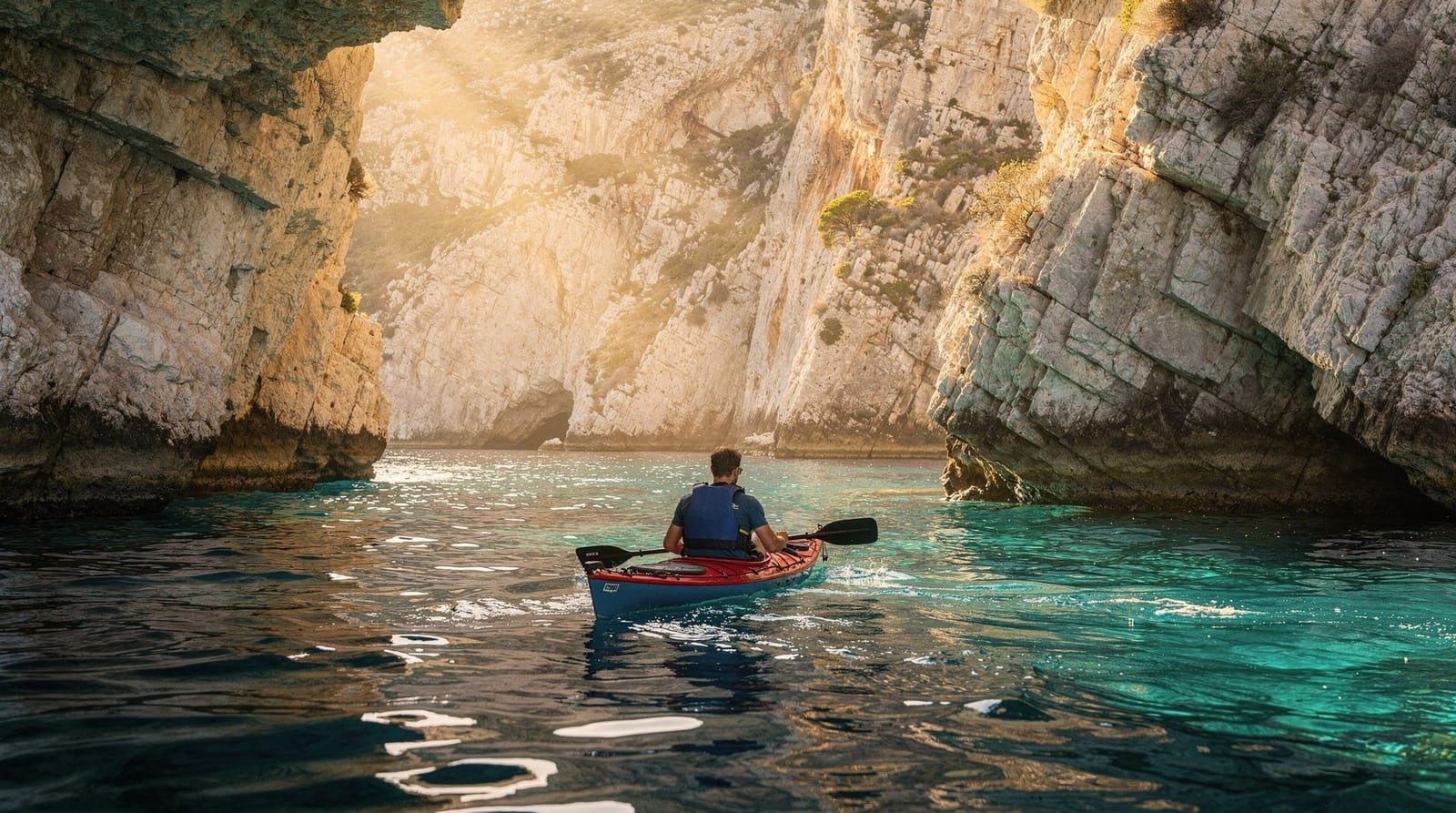
Sea kayaking from Dubrovnik is one of the most popular activities in the area, and for good reason: it gets you to swimming spots on the cliffs below the walls, around the base of the fortifications, and to small coves that boats can’t access. Morning tours leave when the sea is calmest; the experience of kayaking under Dubrovnik’s limestone walls is extraordinary. The full sea kayaking Dubrovnik guide covers routes, timing and what to expect.
DIY water taxi vs. an organised boat tour
Reaching the Elaphiti Islands or Lokrum independently is entirely possible: public ferries and water taxis run scheduled routes from the old port, and you can simply turn up, buy a ticket and pick your own beach for the day. This works well if you want to spend the whole day at one spot (Sunj Beach on Lopud, for example) rather than moving between islands.
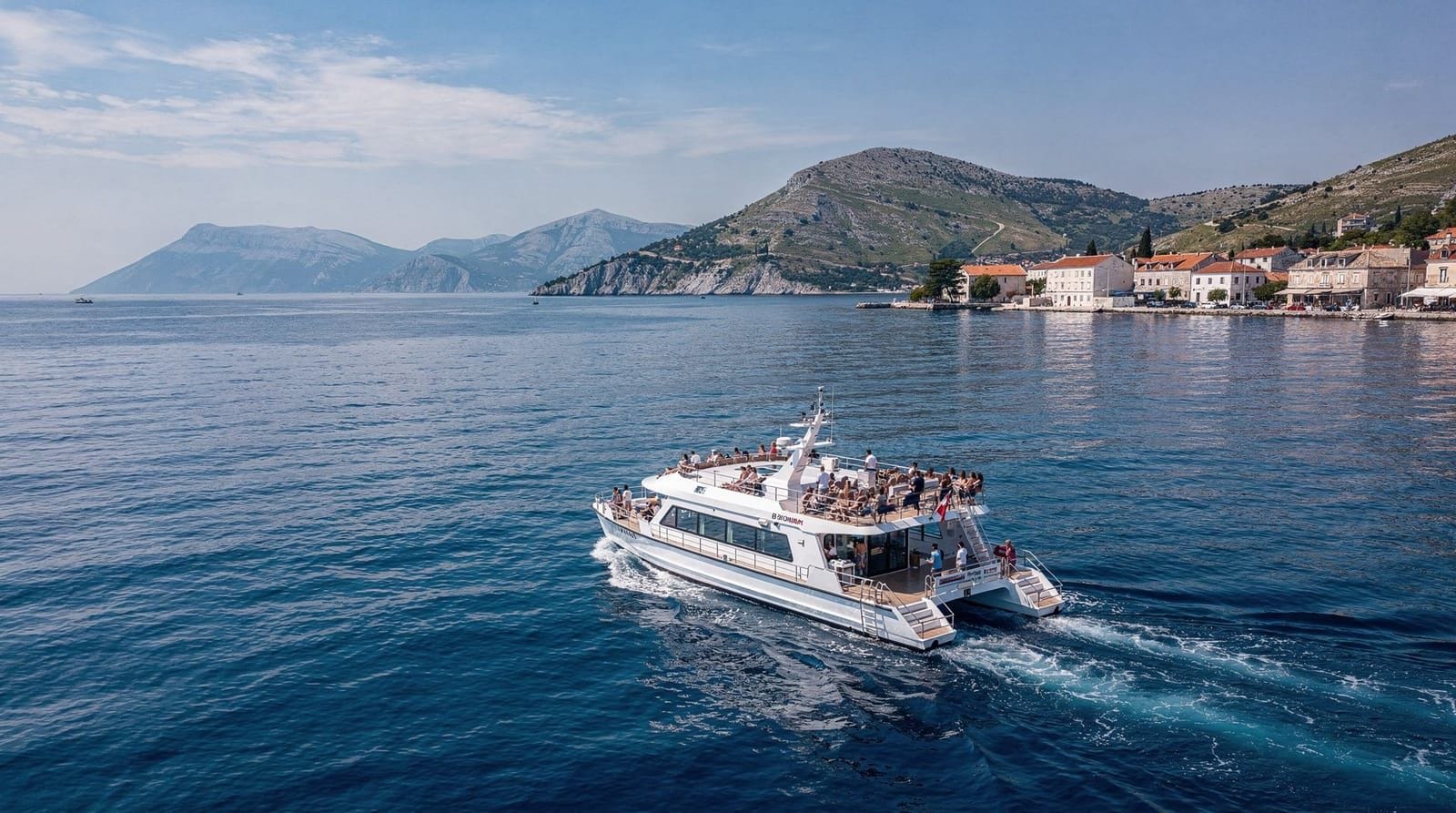
An organised boat tour trades some of that flexibility for convenience: multiple islands or swim stops in one day, snorkelling gear and often lunch included, and no need to check ferry timetables or worry about missing the last boat back. For a first visit, or if your time in Dubrovnik is limited to a day or two, a tour covers more ground with less planning. For a longer stay where you already know you want to spend a full day at Sunj or explore Lokrum slowly, the DIY ferry route is cheaper and unhurried. The day trips from Dubrovnik guide compares this trade-off across activities beyond just beaches.
Which beach for your day
| Beach | Distance from Dubrovnik | Best for | Crowd level |
|---|---|---|---|
| Banje | 10-min walk | Convenience, the wall view | Very high by 10am |
| Sveti Jakov | 25-min walk | Escaping the crowds, best photo angle | Low–moderate |
| Lokrum (Dead Sea + coves) | 10-min ferry | A relaxed half-day, botanical garden | Moderate |
| Cavtat / Uvala Scott | 20–35 min bus or water taxi | A quieter town beach day | Low–moderate |
| Sunj, Lopud | 45–90 min boat + 25-min walk | The best overall beach, families | Low–moderate |
| Koločep | 30-min ferry | A short, car-free island escape | Low |
| Orebić, Pelješac | 45–60 min by car | Combining wine, oysters and a swim | Low |
Practical Notes for Dubrovnik Beach Days
Sun: The Dubrovnik sun is intense in July and August. Factor 30+ at minimum, reapply after swimming. The limestone and sea reflect UV.
Crowds: Banje and the promenade near the cable car are extremely crowded 10am–5pm in peak season. Plan around this.
Water shoes: Essential for every beach in the Dubrovnik area. No sandy beaches exist locally.
Prices: Beach bar drinks and sun lounger hire are expensive in Dubrovnik — expect 20–30% higher than the rest of Croatia. Pack supplies for remote swims.
Day-tripper boats: Dubrovnik receives cruise ship visitors who often head to Banje. Mondays and Tuesdays tend to have more cruise activity than weekends.
Direction of travel: For day trips, the Elaphiti Islands (north by boat) offer beaches; Cavtat (south by bus or water taxi) is quieter but not dramatically better. For the very best beaches, take a full-day excursion to the Elaphiti with a reputable operator.
Frequently asked questions about Best Beaches Near Dubrovnik
Does Dubrovnik have good beaches?
Honestly: Dubrovnik's city beaches are decent but not spectacular by Croatian standards. They're overcrowded in peak season, mostly rocky or pebble with short entry, and expensive. The city's value is the old town, not the beach. For genuinely excellent beaches, day-trip to the Elaphiti Islands or take the catamaran south toward Cavtat.How do you get to Lokrum island from Dubrovnik?
Small ferry boats (brodice) depart from the old port every 30–45 minutes in season. Journey is 10 minutes. Entry fee to the nature reserve is included in the boat ticket (€4–5 return in 2026). Last boat back is usually around 7–8pm. Lokrum is day-use only — no overnight stays.Is Banje beach worth visiting?
Worth a swim for the view — the backdrop of Dubrovnik's old city walls from the water is genuinely spectacular. But arrive early (before 9am) in summer or you'll find it extremely crowded. The private Eastwest Beach Club section requires sunbed hire; the free public section is to the left. Water shoes essential.Are there any sandy beaches near Dubrovnik?
No sandy beaches within easy reach. The Dubrovnik area is rocky limestone coast. Some beaches in the broader region (Pelješac, Neretva delta) have very fine shingle, but genuinely sandy beaches require a longer trip north toward Zadar.Can I swim near Dubrovnik old town walls?
You can swim from the rocks below the walls on the landward side, but access requires going down steps to the sea level. A rocky platform outside the Buža bar on the seaward side of the walls is famous for cliff jumping and swimming — atmospheric but very rocky and entry requires care.What about beaches on the Elaphiti Islands?
The Elaphiti Islands — Koločep, Lopud and Šipan — have the best beaches in the wider Dubrovnik area. Lopud's Sunj beach is the standout: a sandy-ish sheltered bay accessible only on foot or by boat, with very calm water. Koločep has small pebble coves. All are 45–90 min by boat from Dubrovnik.
Top experiences
Bookable activities with verified prices and instant confirmation on GetYourGuide.
Top experiences
Best-rated activities across GetYourGuide and Viator.

Blue cave, Mamma Mia and Hvar, 5 islands speedboat tour
- Viator

Blue Cave and Hvar Tour - 5 Islands Tour from Split and Trogir
- Viator

Blue cave, Mama Mia and Hvar, 5 Island Speedboat Tour from Trogir
- Viator

Hvar, Brač & Pakleni islands cruise with lunch & drinks from Split & Trogir
- Viator

Blue Cave & Vis Island speedboat tour from Hvar
- Viator

KAYAK ADVENTURE! Wild Coast Exploring - Snorkeling & Cliff Jumps
- Viator