Elaphiti Islands Guide — Dubrovnik's Peaceful Island Escape
Dubrovnik: Full-day Elaphiti Islands boat tour with snacks
Are the Elaphiti Islands worth visiting from Dubrovnik?
Yes, particularly Lopud for its sandy beach at Šunj and its monastery-studded interior. The islands are 30–75 minutes from Dubrovnik by ferry and provide complete relief from the crowds of the Dubrovnik old town. Šipan is the largest and greenest. Koločep is the closest. All three are best as day trips or one-night stays rather than extended holidays.
Dubrovnik’s Accessible Escape
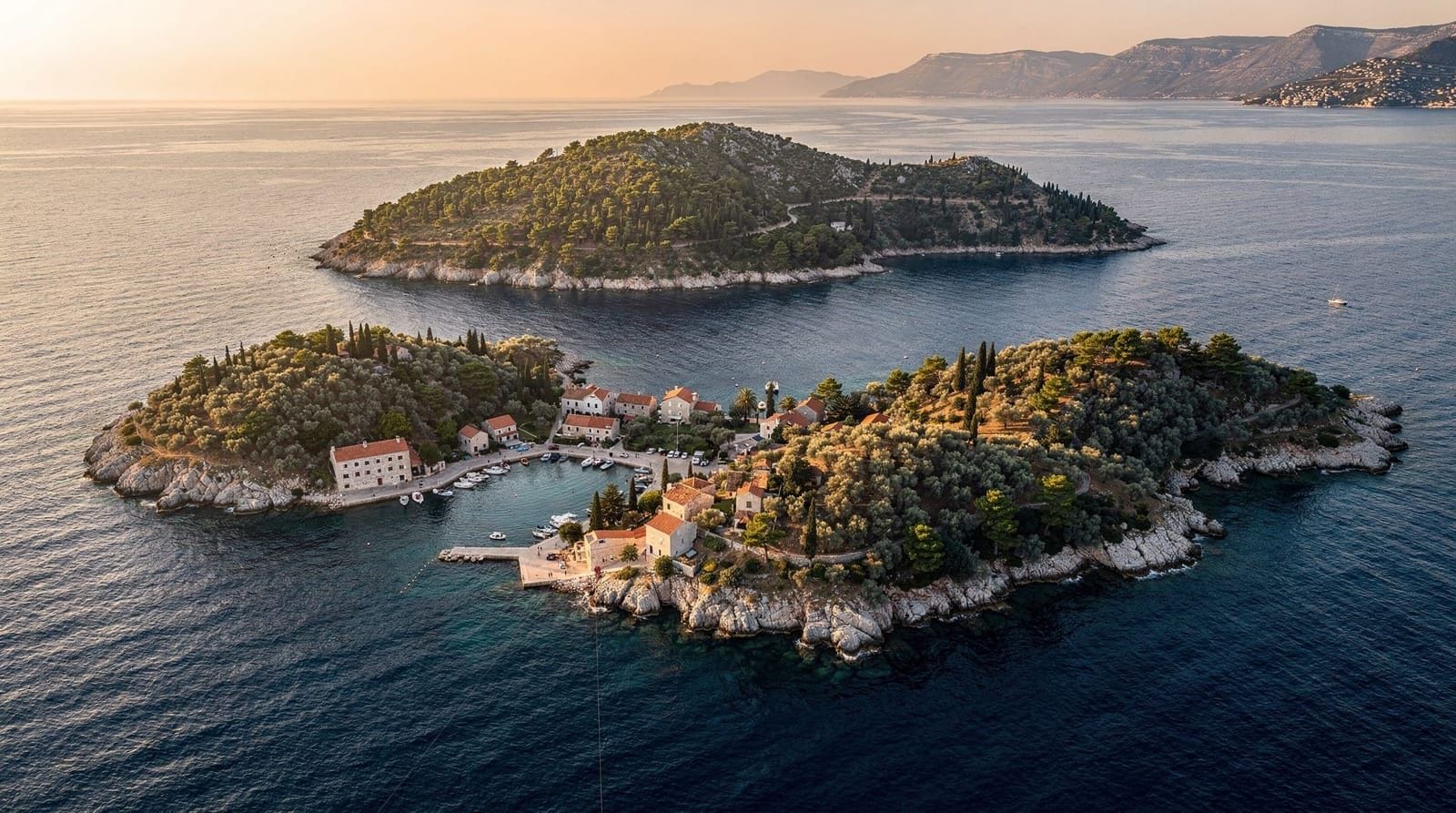
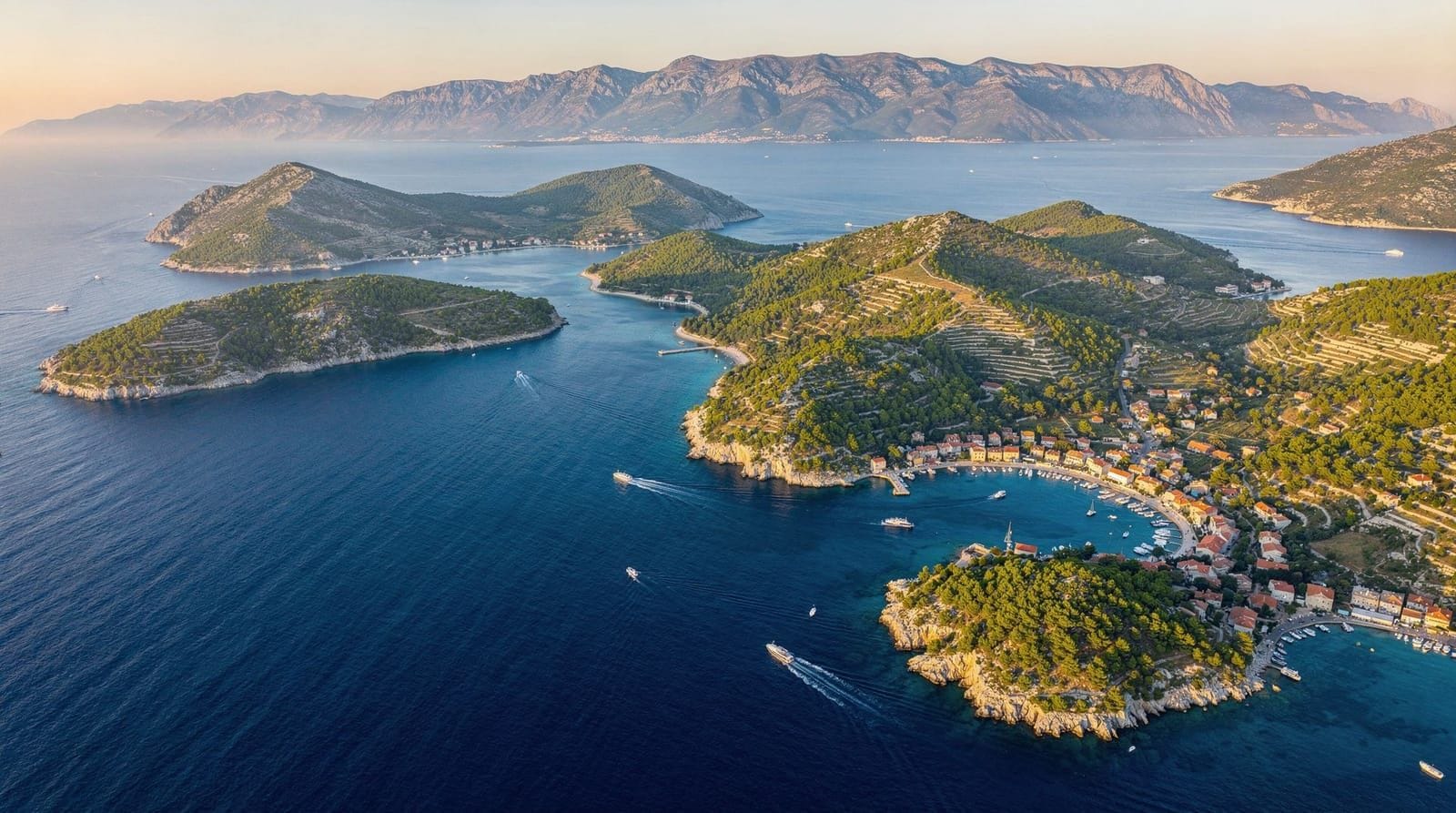
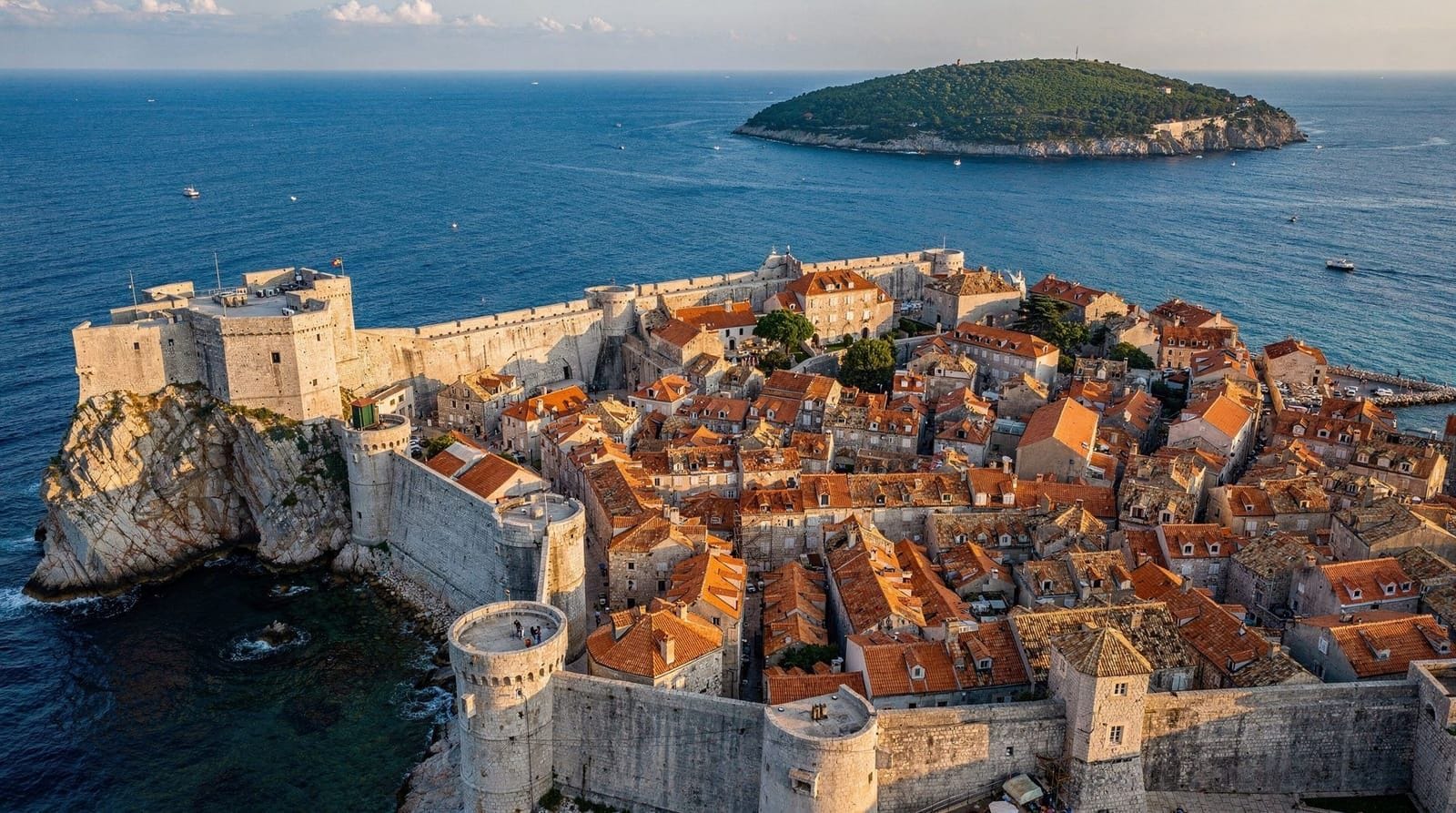
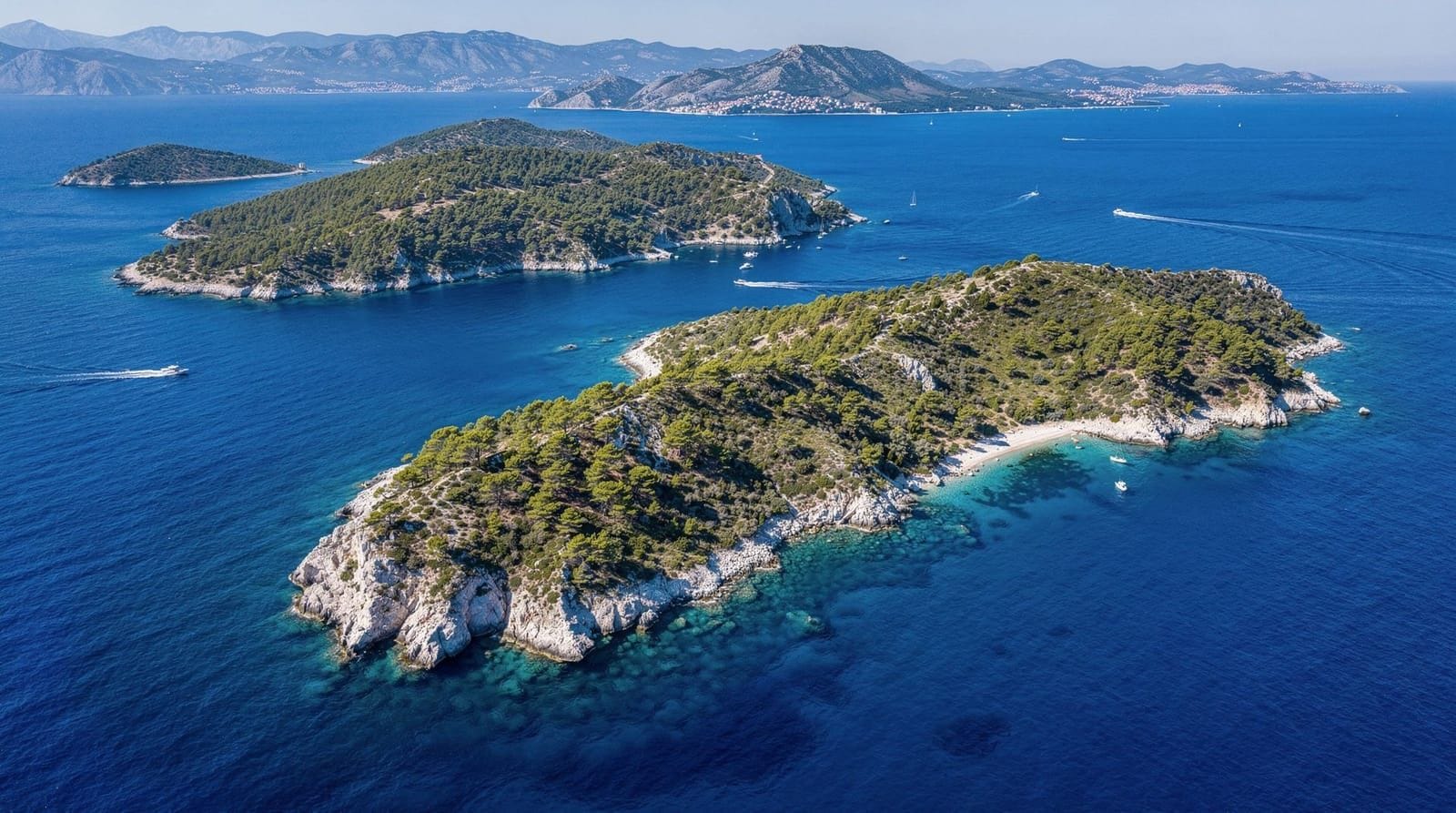
The Elaphiti Islands — Elafiti in older Croatian, Elaphites in English — are a chain of small islands lying immediately northwest of Dubrovnik. Three of them are inhabited and accessible to visitors: Koločep, Lopud and Šipan. A fourth, Jakljan, is larger but essentially uninhabited. Together they form the nearest island group to Dubrovnik and one of the most popular day-trip destinations from the city.
Their function in most itineraries is simple: Dubrovnik’s old town is extraordinary, but in July and August it is also extraordinarily crowded. The Elaphiti Islands are 30–75 minutes away by ferry, substantially less visited and substantially more peaceful. The combination of ferry ride, island quiet and swimming — particularly at Šunj beach on Lopud — makes a Elaphiti day trip one of the most straightforward Dubrovnik escapes.
| Nearest island | Koločep, ~30 min by ferry from Gruž |
| Standout beach | Šunj, Lopud — one of the few sandy beaches near Dubrovnik |
| Cost | Ferry fares on the Jadrolinija website; boat tours €50–120pp |
| Best for | Day trips; Šipan also works as a quiet overnight |
| Passport | Not required |
Getting There
From Gruž harbour (Dubrovnik’s ferry port): The Jadrolinija car ferry serves all three inhabited islands from Gruž, departing several times daily in summer. Journey times approximately: Koločep 30 minutes, Lopud 50 minutes, Šipan (Šipanska Luka) 1 hour 15 minutes. Buy tickets at the Jadrolinija office at Gruž or at the ferry terminal on the day.
Important: Lopud has no cars. The ferry carries passengers and resident-only vehicles. Do not expect road transport on the island.
Seasonal frequency: In peak summer, multiple sailings daily in each direction. In shoulder season (May, June, September), frequency reduces — check the Jadrolinija timetable before planning a day trip to ensure you can return on your chosen evening.
From the old city port: Some passenger ferry services (smaller boats, not car ferries) run from the old town port to Lopud and the other islands. Check locally for current operators and schedules.
Planning around the ferry timetable
The ferry is the backbone of any Elaphiti plan, so it is worth thinking through the shape of your day before you buy a ticket. The islands are served in sequence, which means the nearest island is passed first and the furthest last. If you want to see more than one island, the timetable decides what is realistic, not your ambition. Most people who try to combine Koločep, Lopud and Šipan on public ferries alone find that the gaps between sailings eat the time they meant to spend on the beach.
A simple rule works well: choose one island for the day, take an earlier sailing out and a later one back, and let the middle of the day be unhurried. If you are weighing the different kinds of boats that serve Croatian islands, the ferry versus catamaran comparison explains why the slower car ferry and the faster foot-passenger services feel so different, and the wider Croatia ferries guide covers how tickets and operators work across the coast. Anyone choosing between the main operators will also find the Jadrolinija versus Krilo comparison useful background.
Arrive at the harbour with some time in hand. Ferry queues in summer can be long, and foot passengers who turn up at the last minute are the ones who end up standing at the back. Having a coffee near the port while you wait is part of the rhythm of island travel here, and it costs you nothing in the schedule.
Lopud — The Standout Island
Lopud is where most visitors heading to the Elaphiti will spend their time, and rightly so. The combination of the sandy beach at Šunj, a pleasant car-free village, a Franciscan monastery, several good restaurants and good walking makes it the most complete island experience of the three.
The Village
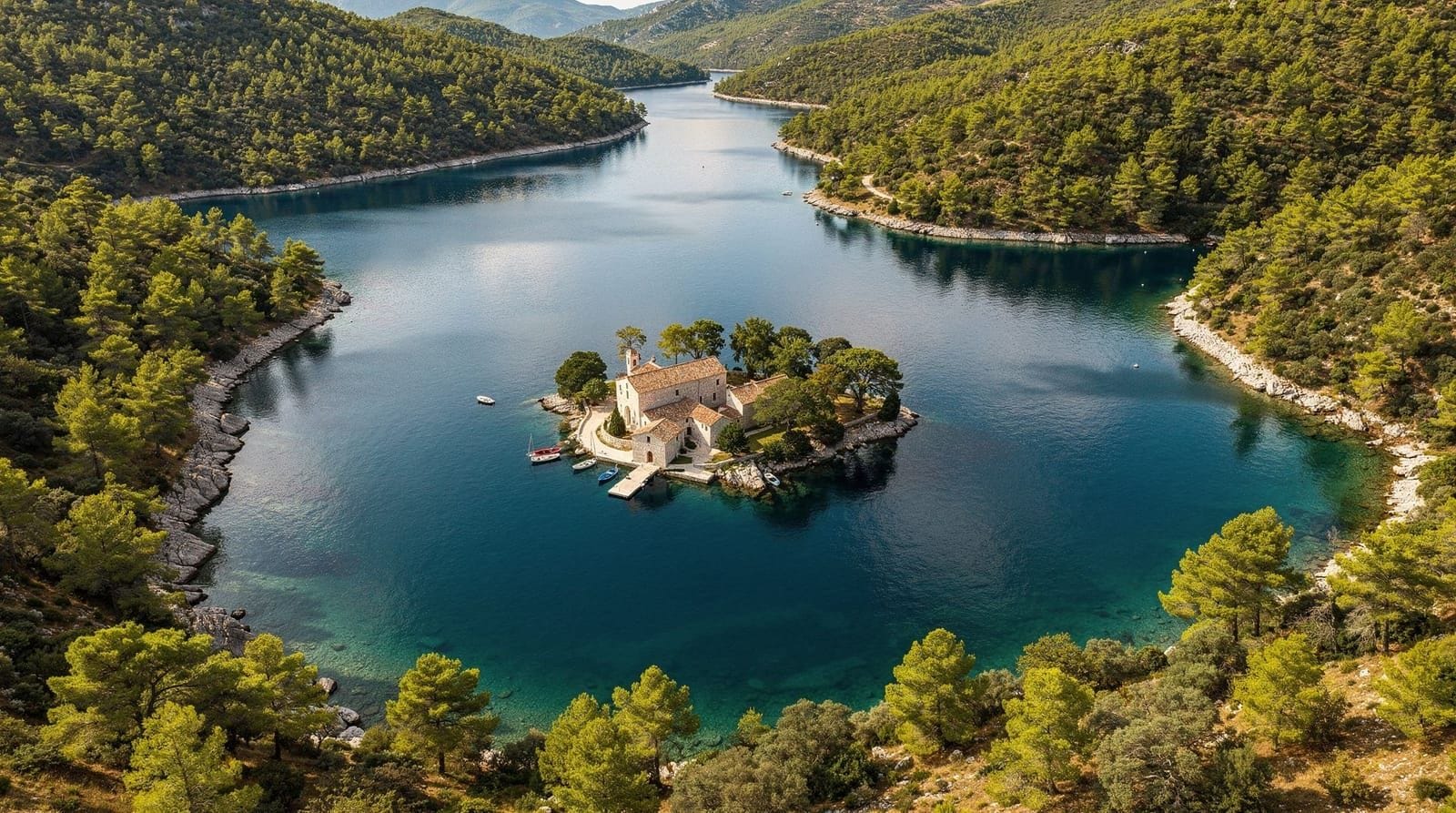
Lopud village (the only settlement on the island) faces east toward Dubrovnik and the mainland. The waterfront is lined with the former summer villas of Dubrovnik’s medieval nobility — several centuries of aristocratic wealth visible in the stone facades. The Franciscan monastery dates from the 15th century; the church is open to visitors and the monastery garden is one of the most tranquil spots on the island.
There are no cars, no mopeds (electric carts serve residents). The quiet is immediate on arrival.
Šunj Beach
The reason most people come to Lopud. A 15–20 minute walk from the village through pine and olive groves and past the old convent brings you to Šunj on the island’s western side — a sweeping sandy beach with turquoise water, backed by pine trees, with a beach bar and restaurant operating in season.
The sand makes Šunj genuinely unusual in southern Dalmatia, where most beaches are pebble or rock. The water is shallow, clear and excellent for swimming. Beach chairs and umbrellas are available to rent. Snorkelling near the rocky edges of the cove is good.
The walk to Šunj takes you through the island interior with views of Šipan and the mainland. A slightly different route back extends the walk and adds variety.
Šipan — The Quiet Island
Šipan is the largest of the Elaphiti Islands and the one that feels most genuinely Croatian rather than tourist-oriented. The island has two settlements:
Šipanska Luka (where the ferry docks on the western side): A small harbour village with a beach, a handful of restaurants and quiet streets. Old summer villas with Renaissance details line the waterfront. Very few tourists.
Suđurađ (on the eastern side): Reached by a 30-minute walk or ferry route. A village with a 16th-century fortified tower and castle built to defend against Ottoman raids. The walk between the two villages crosses the interior of the island — olive groves, vineyards, the quiet of an island where locals still outnumber visitors.
Šipan is better for an overnight stay than Lopud — fewer facilities but more character and less of an excursion-island atmosphere. Bring your own entertainment.
Koločep — The Closest Option
Koločep is the smallest and closest of the inhabited Elaphiti Islands — 30 minutes from Gruž. The island has two small settlements (Donje Čelo and Gornje Čelo) connected by a 20-minute path through pine forest.
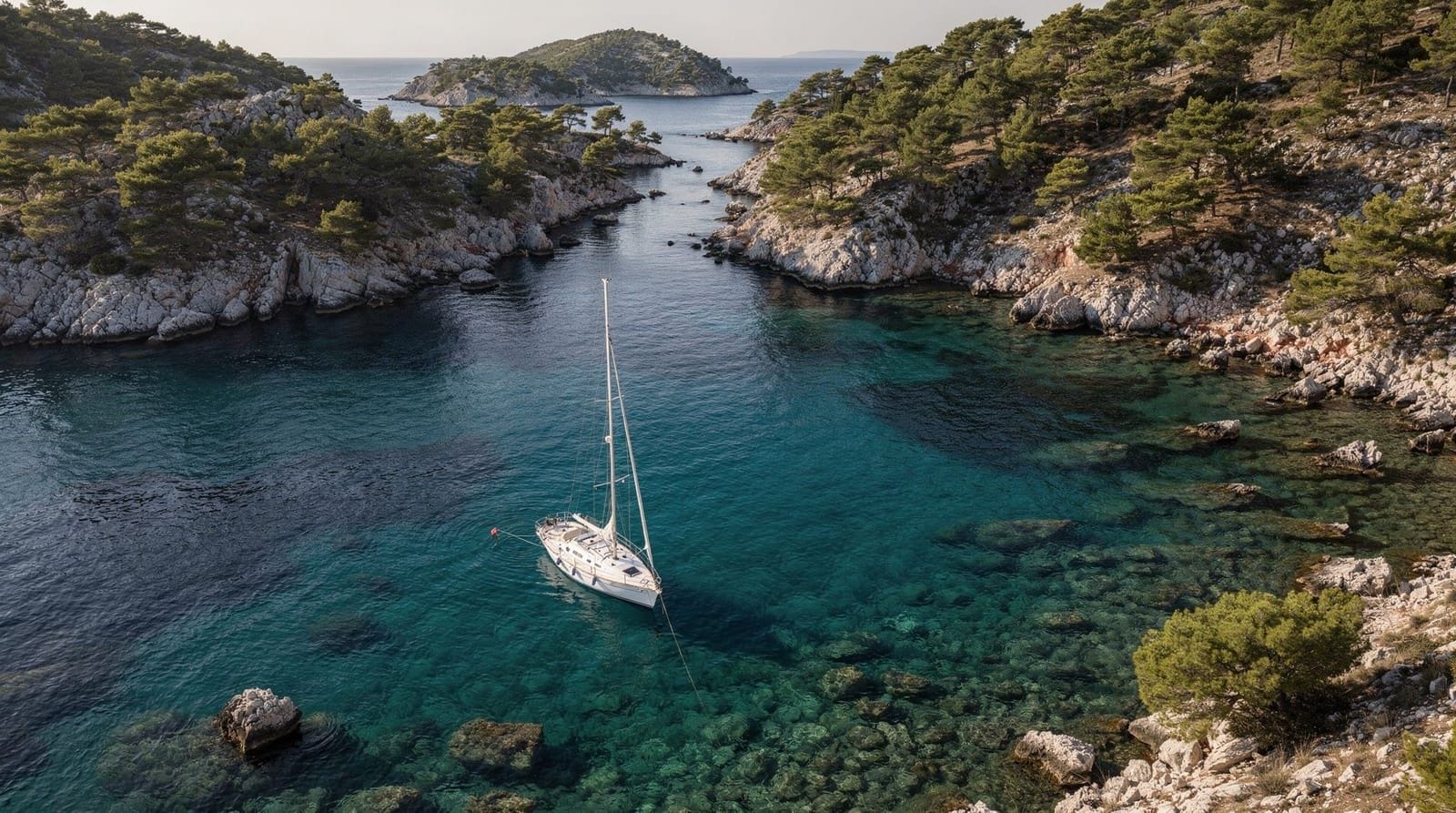
The beaches are pebble and shingle rather than sandy. The snorkelling in the coves is good. The island is entirely car-free and very quiet even in peak season — few organised tours stop here compared to Lopud.
Koločep works well for visitors who specifically want to sit on a beach, swim in clear water and read a book without interacting with organised tourism. It does not have Šunj’s sandy beach or Šipan’s historical interest. As the closest island to Dubrovnik, it is also the easiest to visit for a short half-day.
Choosing your island by temperament
The three islands suit three different moods, and matching the island to your mood matters more than any ranking. Lopud is the sociable choice: a village with a waterfront, restaurants to linger in, a famous beach and enough to do that a day passes easily. Šipan is the contemplative choice, a place to walk between villages, sit in a harbour restaurant and watch very little happen. Koločep is the choice for pure simplicity, a swim and a quiet path with almost nothing competing for your attention.
Travellers with children tend to do best on Lopud, where the shallow sandy water at Šunj makes swimming easy and the lack of traffic means little ones can wander. Our family islands guide goes further into which Croatian islands work for families, and the guide to sandy versus pebble beaches explains why a sandy shore like Šunj is such a rarity on this coast. Couples looking for a slow day will probably prefer Šipan, while anyone who simply wants a swim before returning to the city can happily settle on Koločep.
If you are still undecided, think about what you want to remember. A sandy beach and a good lunch point to Lopud. An evening in a village that feels untouched by tourism points to Šipan. A quiet half-day that leaves the rest of your Dubrovnik schedule intact points to Koločep.
Organised Boat Tours vs Ferry
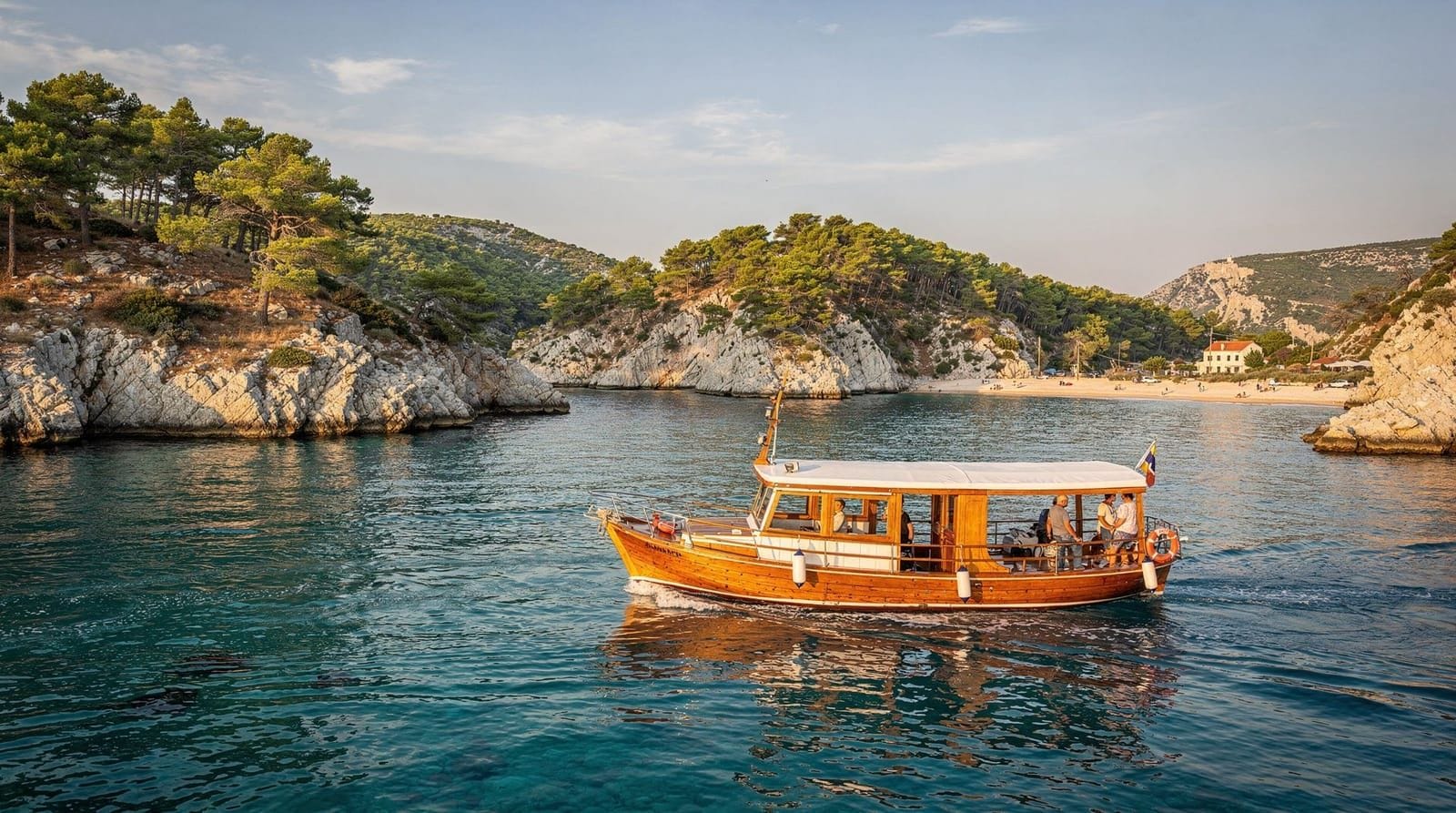
Organised tours: Multiple operators offer full-day island boat tours from Dubrovnik that typically cover all three islands (or two in depth). These include swim stops at beaches, sometimes a fish lunch, and the flexibility of a private or semi-private boat. They cover more ground than the ferry alone and allow swimming in spots not served by public transport. Prices approximately €50–120 per person depending on group size and what is included.
Hop-on hop-off boat tours: Some operators run a service that calls at multiple island stops on a fixed schedule, allowing you to disembark on one island and continue to the next on a later boat — similar in concept to a bus tour.
Ferry (Jadrolinija): Cheapest option — see current fares on the Jadrolinija website. Fixed schedule means you depend on the ferry timetable. No flexibility mid-day. Ideal for a self-directed day trip to Lopud with the ferry as the only transport needed.
Verdict: For a relaxed day trip to Lopud specifically, the regular ferry is perfectly adequate. For covering all three islands in one day and wanting more flexibility on swimming stops, an organised tour is better value than it first appears.
Practical Information
Money: Lopud has an ATM and most restaurants accept cards. Koločep and Šipan are more cash-dependent — bring adequate euros.
Food: Lopud has the best restaurant selection of the three islands. Šipan’s restaurants in Šipanska Luka are good (local fish, unpretentious, no tourist menus). Koločep has limited options — check what is open before you go.
Accommodation: Available on all three islands, primarily in private apartments. Lopud has the most options; Šipan the most character. Hotel options are limited — primarily the one hotel on Lopud. Book well ahead for July–August.
Last ferry back: Check the return ferry time before you go and build in a buffer. Missing the last evening ferry from Lopud to Dubrovnik means an unplanned overnight.
Walking shoes: The path to Šunj beach from Lopud village is well-surfaced but has some rocky sections. Sturdy sandals are adequate; shoes are better.
Making the most of a day on the water
Whichever way you travel, a few habits improve the day. Carry water, sun protection and a hat, because shade is limited once you leave the pine groves and the sun on a calm sea is strong. Bring a light bag rather than a heavy one, since you will be walking and boarding boats. A small dry bag or a plastic sack for wet swimwear is useful for the return trip, and a towel is worth carrying even if you plan to rent a chair.
Eating on the islands is relaxed and unhurried. If you want a table at a popular waterfront restaurant in high summer, arrive a little before the main lunch rush rather than after it. For a sense of what to order and what local dining customs look like, the Dalmatian cuisine guide and the guide to Croatian seafood are good primers, and the konoba guide helps explain the simple family-style taverns that you will find on quieter islands like Šipan.
Photography is rewarding here as well. The light over the water in the late afternoon is soft, and the stone villas of Lopud and Šipan reward a slow walk with a camera. Anyone planning a wider photographic trip may enjoy the guide to photo spots in Croatia.
Elaphiti vs Mljet
A common question when planning from Dubrovnik: Elaphiti Islands or Mljet? The practical distinction:
- Elaphiti (Lopud): Closer to Dubrovnik (50 min vs 2 hours), easier logistics, better for a half-day or short day trip, Sandy beach at Šunj is the draw.
- Mljet: National park with saltwater lakes and monastery island, requires a full day minimum, significantly quieter, more nature-focused.
If time is limited (one day), Lopud wins on logistics. If you can allocate a full day and a possible overnight, Mljet is more memorable.
Fitting the Elaphiti into a Dubrovnik stay
Most visitors slot the Elaphiti Islands in after they’ve already done the intensity of the Old Town and the city walls — a lower-key day that doesn’t require the planning of a border-crossing trip like Kotor. For a single, focused Elaphiti day (rather than the fuller island-by-island breakdown above), see the Elaphiti day trip guide, which walks through a practical one-day itinerary with ferry timings. For the complete menu of Dubrovnik excursions including Mostar and Kotor, the day trips from Dubrovnik guide is the wider reference.
Combining an Elaphiti day with sea kayaking
If you enjoy being on the water rather than just arriving at it, pair an Elaphiti ferry day with a separate morning of sea kayaking around Dubrovnik on another day — the kayaking route covers the Old Town’s sea caves and coastline at a completely different pace and perspective from the island-hopping ferry, and the two activities complement rather than duplicate each other.
Where the islands fit in a wider trip
The Elaphiti Islands sit comfortably within a larger Dalmatian route. If you are building a longer plan, the island hopping guide shows how these islands relate to the rest of the coast, and the Dubrovnik long weekend itinerary shows where a quiet island day can balance days of sightseeing in the city. The destination page for the Elaphiti Islands gathers the essentials in one place, and the Dubrovnik destination page is the right base for planning everything else around the trip.
The value of the islands is contrast. After a morning in crowded streets, an afternoon with nothing to do but swim and eat resets the whole trip, and many travellers say it was the part they enjoyed most. Treat the day as a break from sightseeing rather than another item to tick off, and you will get far more from it.
Frequently asked questions about Elaphiti Islands Guide
How do you get to the Elaphiti Islands from Dubrovnik?
Jadrolinija car ferry from Dubrovnik's Gruž harbour serves all three islands — Koločep (approximately 30 min), Lopud (approximately 50 min) and Šipan (approximately 1 h 15 min). Several sailings per day in summer. There is no car ferry to Lopud — it is foot passengers and residents' vehicles only. Boats also depart from the old city port for some services.Which Elaphiti island is best for a day trip?
Lopud is the best day-trip destination. It has Šunj beach — one of the few sandy beaches in the Dubrovnik area — plus a pleasant car-free village, several restaurants and a scenic walk across the island. The ferry from Dubrovnik takes about 50 minutes and runs multiple times daily.Is the beach at Šunj on Lopud sandy or pebble?
Šunj is one of the few genuinely sandy beaches in southern Dalmatia, which makes it unusual and popular. The sand is shallow at the water's edge with clear turquoise water. The beach gets busy in July and August but remains significantly less crowded than anything near Dubrovnik itself. The walk from Lopud village to Šunj takes about 15–20 minutes.Can you walk across Lopud island?
Yes. The path from Lopud village to Šunj beach crosses the island through pine forest and old monastery grounds — about 15–20 minutes each way on a well-marked path. The path is mostly flat with one gentle hill. Lopud village to Šunj is the standard island walk; more experienced walkers can explore additional paths through the island interior.What is Šipan like compared to Lopud?
Šipan is the largest of the Elaphiti Islands and the furthest from Dubrovnik. It is quieter than Lopud, less touristy, with two settlements — Šipanska Luka and Suđurađ — both with restaurants and accommodation. The island has a rural, agricultural character with old summer villas of Dubrovnik's former nobility. Better for a quiet overnight than a day trip.Is Koločep worth visiting?
Koločep (the closest Elaphiti island to Dubrovnik, 30 min) is the smallest and quietest of the three. A small village, some walking paths and swimming coves make it a pleasant half-day if you want to escape Dubrovnik without going far. It does not have the sandy beach of Lopud or the size of Šipan. Good if you want complete quiet; less if you want significant sightseeing.Are there organised boat tours to the Elaphiti Islands?
Yes — multiple operators in Dubrovnik offer full-day and half-day boat tours to the Elaphiti Islands. These typically visit all three islands or two in one day, with swim stops and sometimes lunch included. They cover more ground than the regular ferry and allow time at sea between islands.
Top experiences
Bookable activities with verified prices and instant confirmation on GetYourGuide.

Top experiences
Best-rated activities across GetYourGuide and Viator.

Blue cave, Mamma Mia and Hvar, 5 islands speedboat tour
- Viator

Blue Cave and Hvar Tour - 5 Islands Tour from Split and Trogir
- Viator

Blue cave, Mama Mia and Hvar, 5 Island Speedboat Tour from Trogir
- Viator

Medulin-Kamenjak 5h boat trip ALL-INCLUSIVE drinks on Sandra Boat
- Viator

Medulin: All-Inclusive Kraken Boat Tour to Kamenjak Cave & Levan
- Viator

3Hour ALL-INCLUSIVE Sunset Dolphin Watching from Medulin onSandra
- Viator