Day Trips from Dubrovnik: Mostar, Kotor, Elaphiti Islands and More
Dubrovnik: Mostar and Pocitelj day trip
What are the best day trips from Dubrovnik?
Mostar (3 h drive, passport needed) and the Elaphiti Islands (boat, ~45 min) are the two classics. Kotor in Montenegro (~2 h drive, passport needed) is a full but rewarding day. Pelješac wine country and Korčula island work well as half-day add-ons by car or organised tour. Slovenia is too far — do not attempt it.
What you can actually do in a single day from Dubrovnik
Dubrovnik sits in Croatia’s far south — geographically isolated from the rest of the country by a short coastal strip of Bosnia called the Neum corridor. That geographic quirk is both a frustration (the coastal road technically passes through Bosnia) and an opportunity: three countries are within easy day-trip range.
The honest frame: Dubrovnik is a spectacular but compact city. After a morning on the city walls and an afternoon in the Old Town, many visitors look for somewhere to go on day two or three. The options below are the ones that are actually practical — not too far, not too rushed.
| Where | Mostar, Kotor, Elaphiti Islands, Pelješac & Korčula |
| Cost | Around EUR 4–7 (Elaphiti ferry) up to EUR 40–65 (guided Mostar/Kotor tour) |
| Time needed | Half-day (Elaphiti) to a full 12-hour day (Mostar, Kotor) |
| Getting there | Organised tour, self-drive, or local ferry/bus |
| Best time | May–June and September–October for lighter borders and traffic |
Comparing the day trips
| Trip | Travel time | Border | Best for |
|---|---|---|---|
| Elaphiti Islands | 45–75 min by ferry | None | Beach, swimming, easiest option |
| Pelješac & Korčula | 1.5–2 h by car | None | Wine, Venetian architecture, half-day |
| Kotor, Montenegro | 1.5–2 h by road | Passport | Bay scenery, castle hike |
| Mostar, Bosnia | 2.5–3 h by road | Passport | Culture, history, something different |
Mostar, Bosnia and Herzegovina — the classic cross-border day
Distance from Dubrovnik: 140 km / 2.5–3 h each way
Border: Bosnia and Herzegovina — passport required
Best for: culture, history, something genuinely different
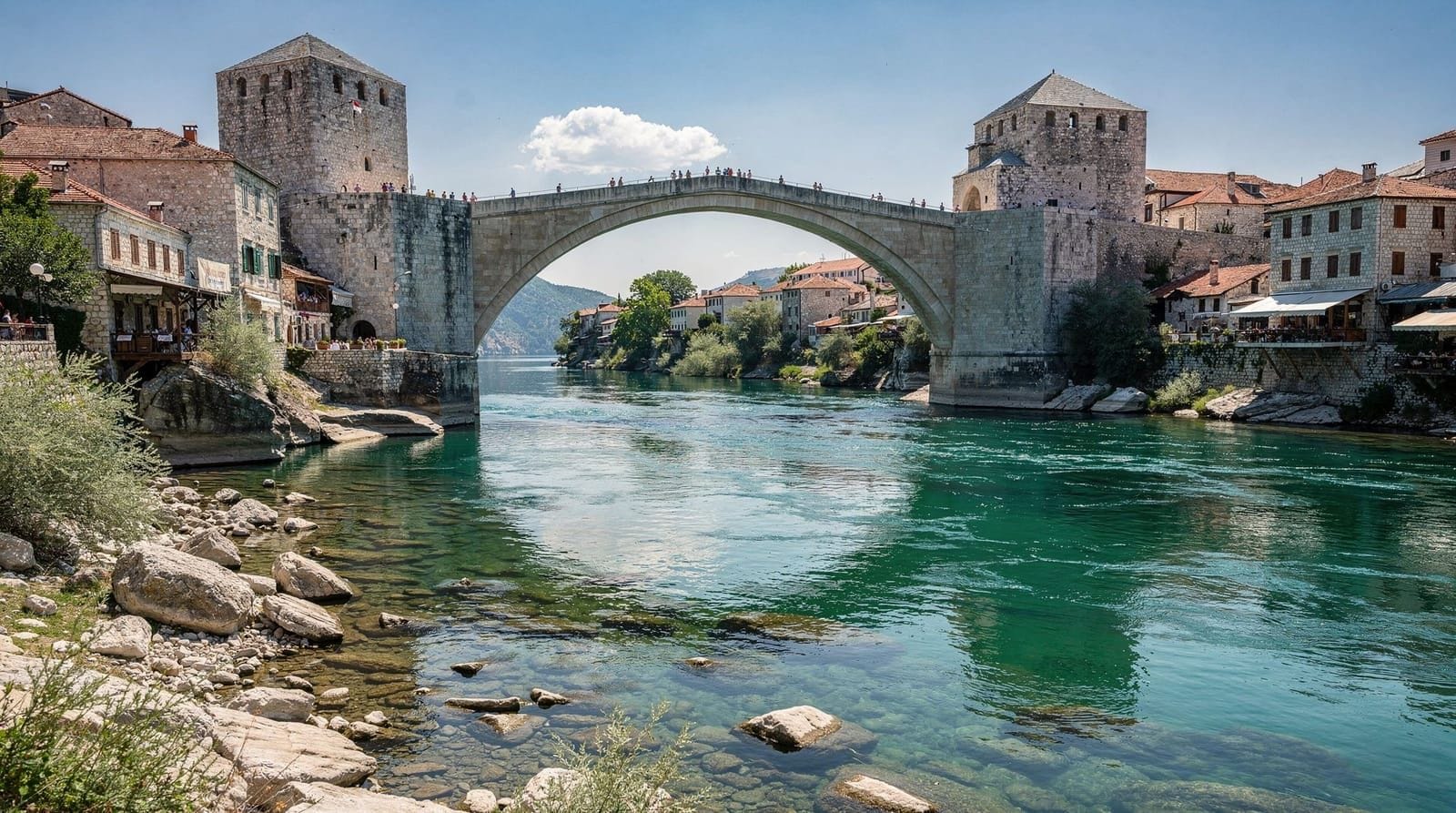
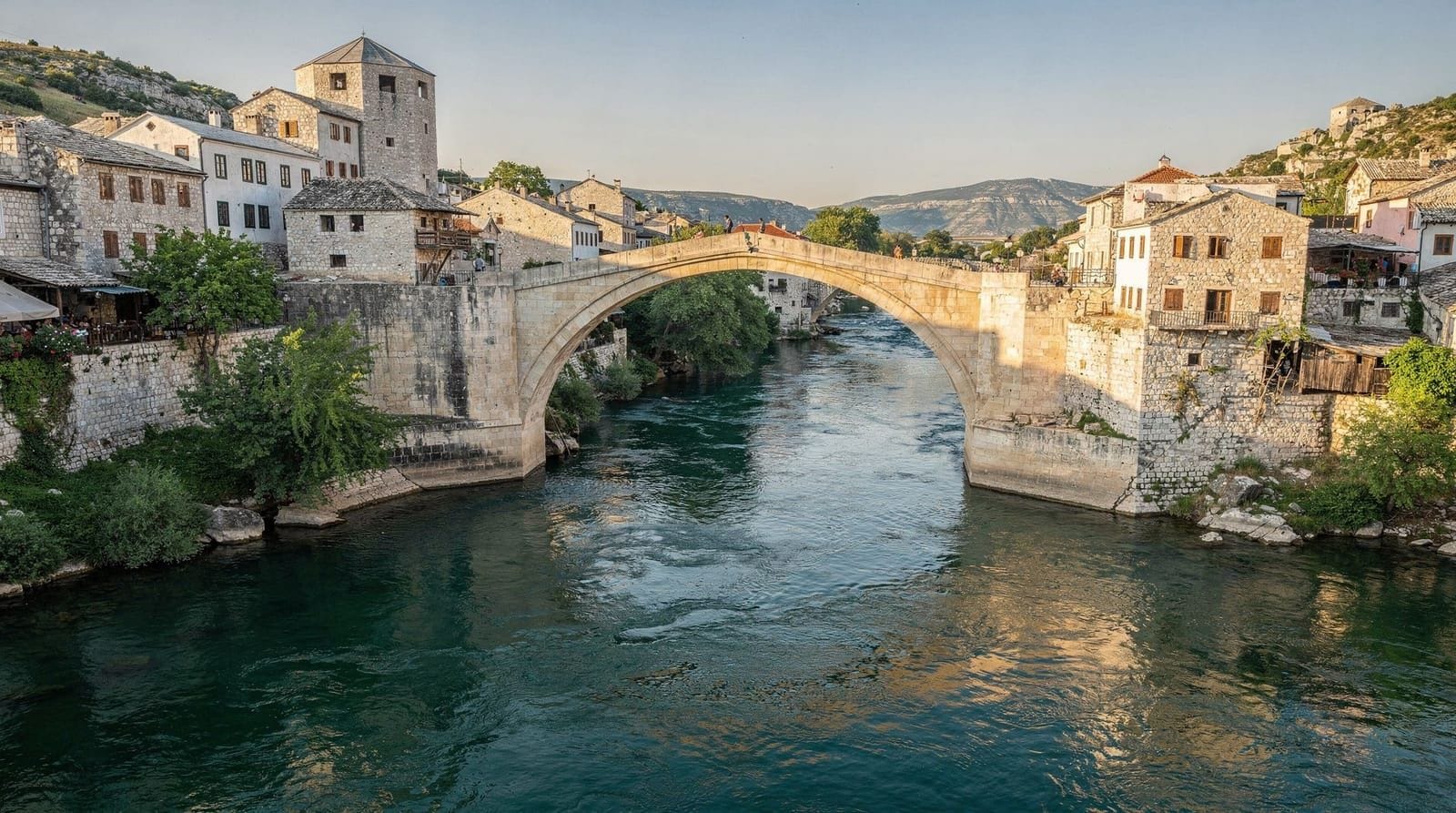
Mostar is the most consistently rewarding day trip from Dubrovnik. The Stari Most — the Ottoman stone arch bridge rebuilt in 2004 after being deliberately destroyed in 1993 — spans the turquoise Neretva river in a scene that is genuinely arresting. The surrounding Old Bazaar (Kujundžiluk) is alive with copper workshops, carpet sellers and small cafés that still feel like a functioning neighbourhood rather than a theme park.
What you see in Mostar in a day: the Stari Most and its views from both banks, the Ottoman quarter, the Croat and Bosniak sides of the city (the street signs switch from Latin to Cyrillic mid-walk), war-scarred buildings that remain unrebuilt as deliberate memorial, the Koski Mehmed Pasha mosque and its minaret views.
Many tours add Počitelj, a fortified medieval village on a hillside above the Neretva — compact, free to enter, worth 45 minutes. Others include Kravice Waterfalls, a horseshoe-shaped waterfall about 40 km south of Mostar — popular for swimming in summer, though increasingly crowded.
Passport note: Bosnia is outside the EU and outside Schengen. You must present a valid passport at the border. Most Western nationalities (US, UK, EU, Australia, Canada) do not need a visa for stays under 90 days. The border crossing with Croatia can be slow in peak summer — allow time.
Self-drive option: From Dubrovnik, take the Pelješac Bridge (opened 2022) to avoid the Neum corridor, then continue north on the A1 motorway into Bosnia via the Metković–Čapljina crossing. GPS often takes you through Neum — override it if you do not want to deal with that border stop.
Tour vs independent: Organised tours (€40–65 per person) include transport, guide and border formalities — the easiest option if you are not driving. Local buses also run from Dubrovnik bus station to Mostar (1–2 per day, ~3 hours, €10–15 each way). Bus travel requires managing your own crossing.
Kotor, Montenegro — Bay of Kotor by road
Distance from Dubrovnik: 90 km / 1.5–2 h each way
Border: Montenegro — passport required
Best for: dramatic bay scenery, Venetian architecture, castle hike
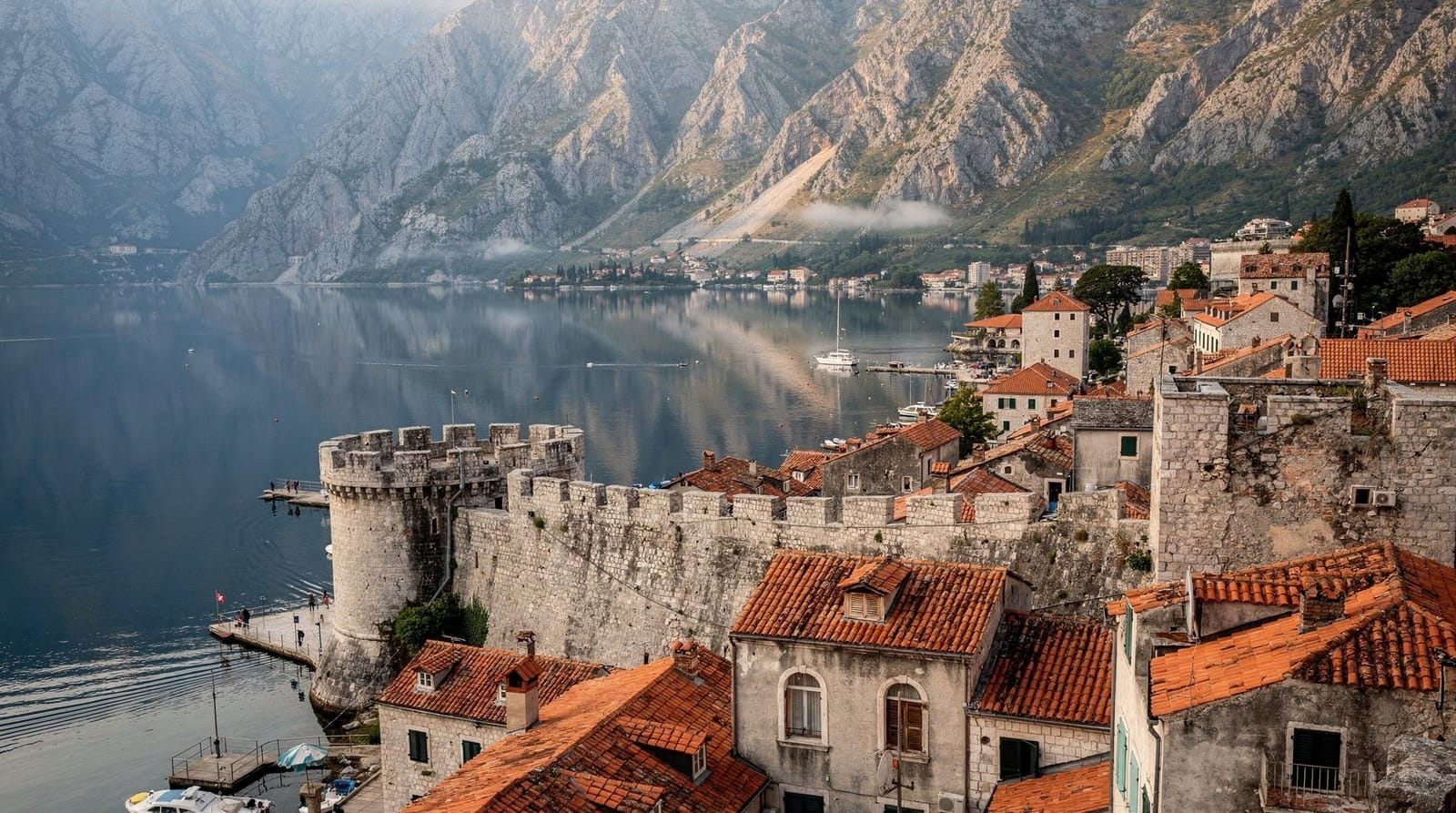
Kotor sits at the far end of one of the most dramatic fjord-like bays in Europe. The drive in — descending the serpentine road above Kotor with the bay spread below — is the kind of thing people photograph through their car windows. The old town of Kotor is compact and surrounded by medieval Venetian walls, with a rewarding hike to the fortress above.
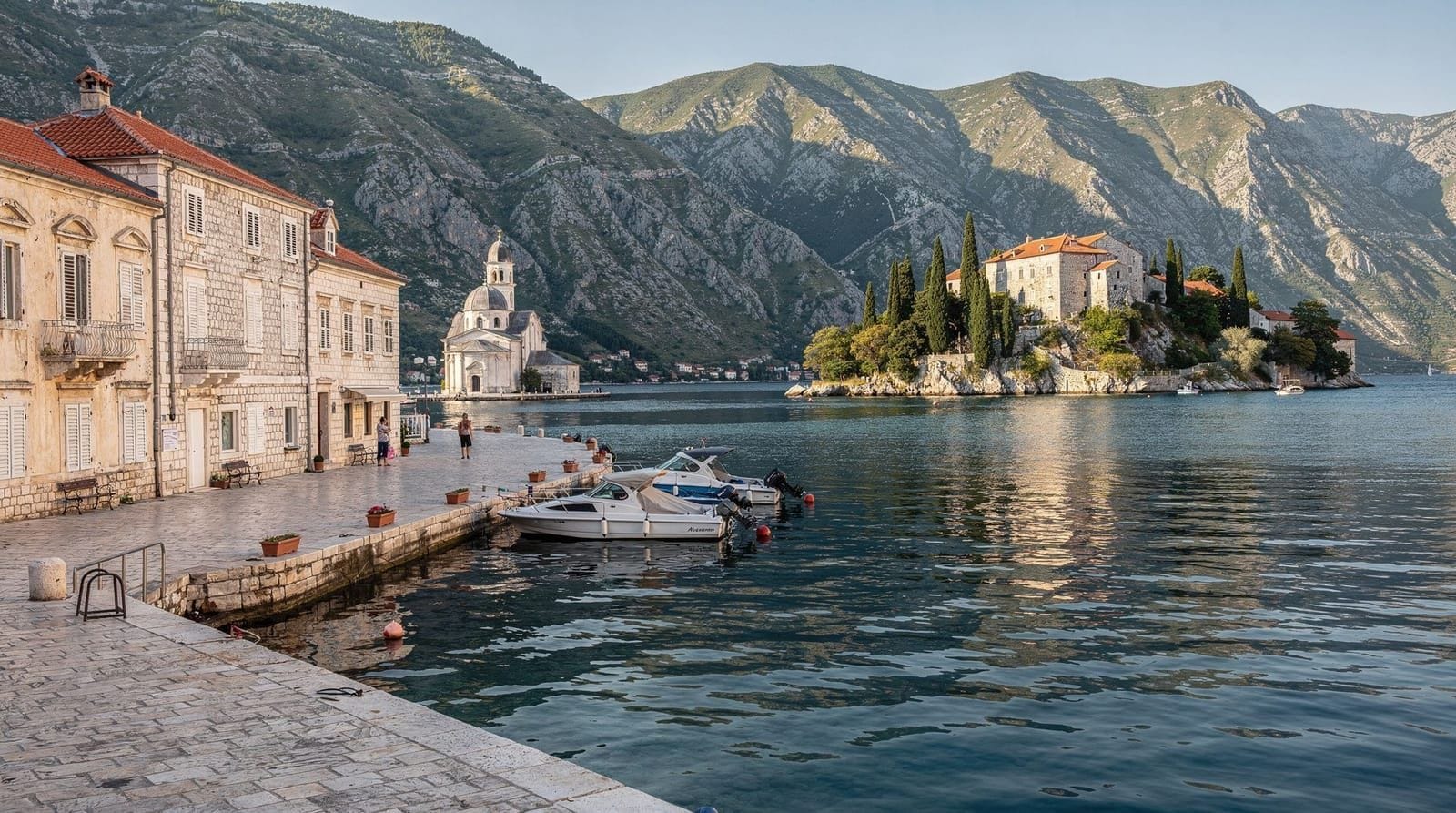
A full Kotor day from Dubrovnik is long but not punishing: depart around 7:30 am, arrive by 10 am, spend 3–4 hours in Kotor (old town walk, cathedral, walls, fortress if you want the climb), stop at Perast on the return — a small baroque village on the bay with two small islands just offshore, one with a church — and return to Dubrovnik by evening.
Border and driving: Montenegro is not an EU country. Your car hire company will need to approve cross-border travel and may charge a daily surcharge (typically €5–15/day). If you join an organised tour, transport is handled. The border crossing at Debeli Brijeg is usually manageable but can slow in July–August.
Combined options: Several tours combine Kotor with a short boat cruise in the Bay of Kotor, floating past the church island of Our Lady of the Rocks near Perast — a pleasant add-on.
See the dedicated Kotor day trip guide for the fortress hike, town walk and what to eat. Also related: our full Montenegro day trip overview.
Elaphiti Islands — beach and boat day, no borders
Distance from Dubrovnik: 45–75 min by ferry
Border: Croatia — no passport check
Best for: beaches, swimming, island atmosphere without crowds
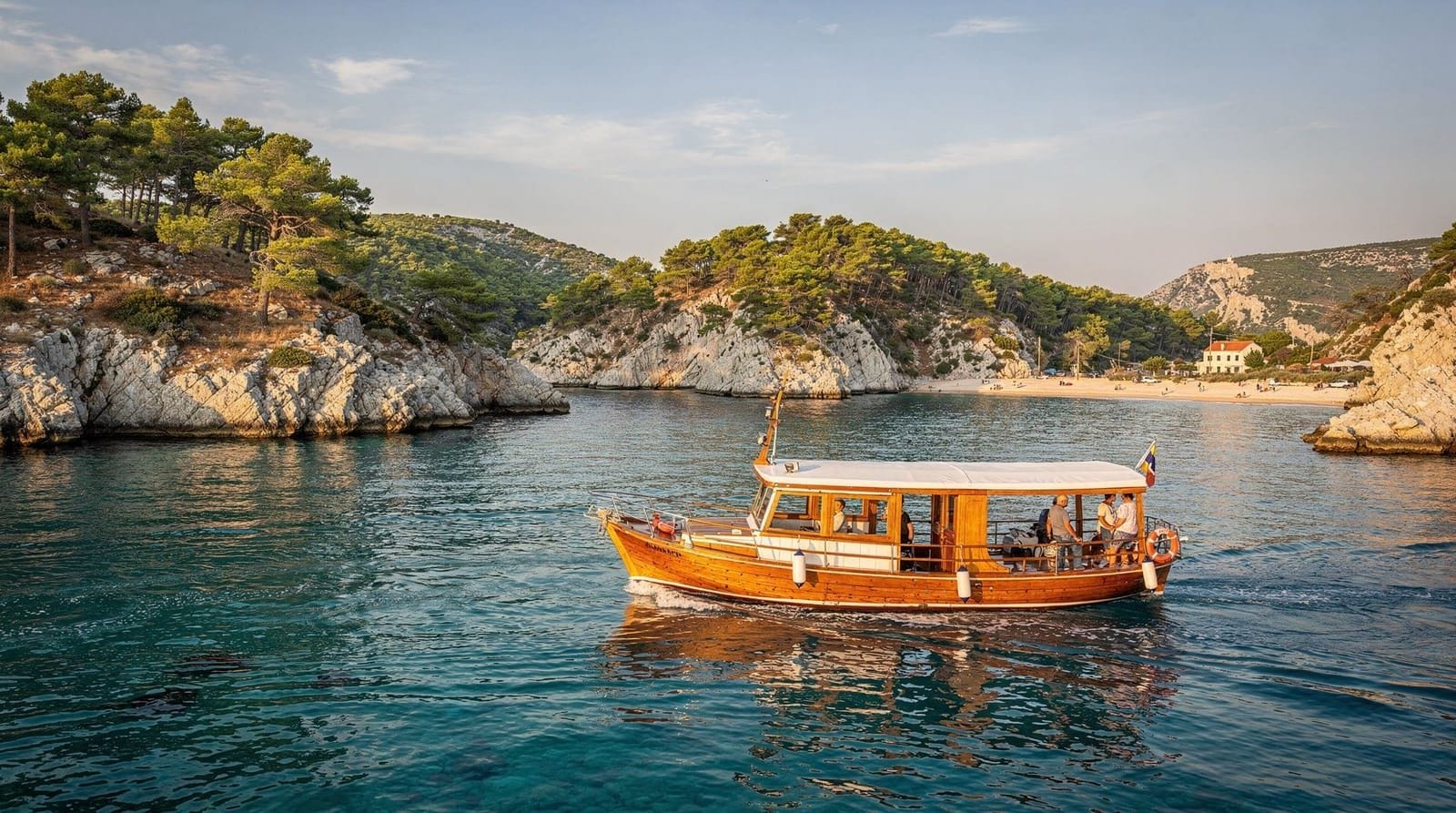
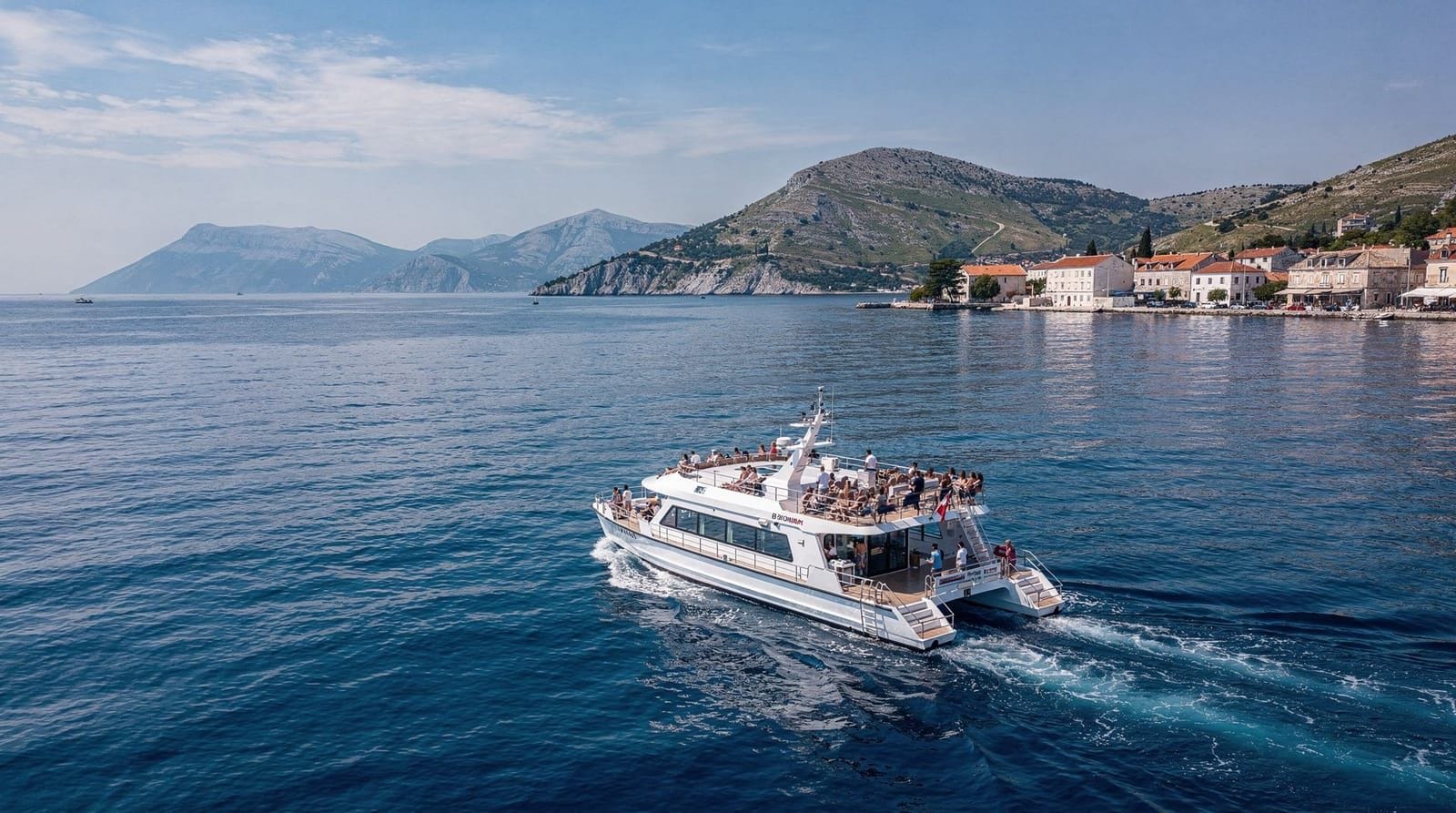
The Elaphiti Islands (Elafiti) are the easiest day trip from Dubrovnik — no passport, no border, just a boat out of Gruž harbour. The three inhabited islands are Koločep (30 min from Dubrovnik), Lopud (50 min) and Šipan (75 min). Šipan is the largest; Lopud is the most visited, primarily for Šunj Beach — a sandy cove on the far side of the island that takes 20 minutes on foot to reach.
What to do on the Elaphiti Islands:
- Lopud: Walk across to Šunj Beach, swim, eat fish at one of the simple konobas. The village of Lopud itself has a ruined Franciscan monastery and a pleasant promenade.
- Šipan: The quietest and least touristy; arrive early and you can have stretches of coastline almost to yourself. The village of Šipanska Luka has a few restaurants.
- Koločep: The smallest; a gentle walk through pine woods links its two small coves.
Most visitors take an organised full-day boat tour that visits two or three islands in sequence with snorkelling stops. Alternatively, the Jadrolinija ferry runs year-round from Gruž and costs around €4–7 per crossing — take it hop-on-hop-off style if you plan ahead.
See the Elaphiti Islands day trip guide for the full island breakdown and beach details.
Pelješac and Korčula — wine and Venetian architecture
From Dubrovnik: 1.5–2 h by car to Ston/Pelješac, 2 h+ to Korčula town
Border: Croatia — no passport needed
Best for: wine lovers, history, half-day or combined day
Pelješac is Croatia’s most important red wine peninsula — home to Plavac Mali grapes and the prestigious Dingač and Postup appellations. From Dubrovnik, drive across the Pelješac Bridge and head up the peninsula to wineries around Potomje and Pijavičino. Ston, at the peninsula’s base, has medieval salt pans and the second-longest defensive wall in Europe after the Great Wall of China.
Korčula island (across a narrow channel from Pelješac) adds Venetian Gothic architecture, a beautifully preserved old town, and the claim — contested but charming — that Marco Polo was born here. The ferry from Orebić on Pelješac crosses in 15 minutes.
A tour combining Pelješac wine tasting and Korčula works as a long day from Dubrovnik. Several organised options exist.
What does not work as a day trip from Dubrovnik
Ljubljana and Lake Bled: Slovenia is over 700 km from Dubrovnik. Do not attempt this. It works as a multi-day add-on from Zagreb or Istria — see our Istria-Zagreb-Slovenia circuit.
Split: 3.5–4 h by road or bus, not a day trip unless you are simply in transit. The Split to Dubrovnik route is better treated as a one-way journey, stopping at Makarska, Brela or the Pelješac peninsula along the way.
Hvar: Reachable from Split in 50 minutes by catamaran. From Dubrovnik it involves a drive to Split plus a ferry — a full travel day just in transit.
Practical planning
When to do border crossings: Avoid peak summer (July–August) for Mostar and Kotor if you’re driving yourself. Border queues can add 30–60 minutes. Organised tours typically time departures to beat the worst of it.
Best months for day trips: May–June and September–October. Weather is ideal, crowds are lighter and border crossings move faster.
Transport from Dubrovnik: If you are not driving, the most convenient option is an organised tour. Dubrovnik’s bus connections to Mostar are manageable; Montenegro is harder to reach independently. For the Elaphiti Islands, public Jadrolinija ferries are genuinely good and cheap.
Tour booking: Book day trips from Dubrovnik to Mostar and to Kotor in advance during peak season — group tours fill quickly, particularly the well-reviewed small-group options.
For context on the Dubrovnik region itself: our day trips from Dubrovnik overview lives alongside specific guides for each destination. Also useful: Croatia entry requirements if you are visiting Schengen for the first time.
Planning several day trips into a longer stay
If you have four or more nights in Dubrovnik, it is worth deciding upfront which day trips earn a place, rather than trying to fit them all in. Travellers doing a full circuit of the region should look at our Dubrovnik–Mostar–Kotor circuit itinerary, which sequences both border crossings without doubling back. For a shorter stay, the Dubrovnik long weekend itinerary shows how one easy day trip (usually Elaphiti) fits alongside city sightseeing without exhausting the trip. And if wine is a priority, pairing the Pelješac route in this guide with our Croatian wine guide helps decide whether to do it as a half-day add-on or a dedicated full day with Korčula.
Frequently asked questions about Day Trips from Dubrovnik
Do I need a passport for a day trip from Dubrovnik to Mostar?
Yes. Bosnia and Herzegovina is outside the EU and outside Schengen. You cross an international border and must present a valid passport. EU ID cards are accepted for most EU citizens but a passport is the safest document. There is no visa required for US, UK, Australian, Canadian and most Western European passport holders for short stays.Do I need a passport to visit Kotor from Dubrovnik?
Yes. Montenegro is not an EU or Schengen country. You cross a border and need a valid passport. The crossing is usually quick on organised tours but can take 20–45 minutes in peak summer. If you are driving a rental car, confirm that your car hire permits cross-border travel to Montenegro — most do but may charge a cross-border fee.How long is the drive from Dubrovnik to Mostar?
Around 2.5–3 hours each way depending on border queues at Neum or Metković. Organised tours depart around 8 am and return by 8–9 pm, giving you roughly 4–5 hours in Mostar itself. If you drive independently, allow the same time and note that GPS may route you via the Neum corridor — take the Pelješac Bridge to avoid it, then continue into Bosnia.How long does it take to reach Kotor from Dubrovnik?
Approximately 1.5–2 hours by road, depending on traffic and border wait time. The drive itself along the Bay of Kotor is spectacular. Most organised day trips spend 3–4 hours in Kotor, sometimes adding the village of Perast and the island of Our Lady of the Rocks.What are the Elaphiti Islands and how do I get there from Dubrovnik?
The Elaphiti Islands (Elafiti) are a group of islands northwest of Dubrovnik — Šipan, Lopud and Koločep are the main inhabited ones. Lopud is the most visited, with sandy Šunj Beach. Local Jadrolinija ferries depart from Dubrovnik's Gruž harbour and take 45–75 minutes. Most visitors join a full-day boat tour that visits two or three islands in one loop.Can I visit Mostar without a tour — independently?
Yes. Buses run from Dubrovnik bus station to Mostar roughly once or twice daily (journey ~3 hours, €10–15 one way). The Mostar bus station is about 1 km from the Old Bridge. Independent travel works well and gives you more flexibility, but you need to manage your own border crossing and have time to spare. Organised tours handle transport, border stops and a guide.Which day trip from Dubrovnik is most worth doing?
The Elaphiti Islands suit anyone wanting a beach and boat day — it is Croatia within Croatia and needs no border crossing. Mostar is the most culturally memorable: the Stari Most bridge, the Ottoman bazaar and the call to prayer create a completely different atmosphere from coastal Croatia. Kotor is striking but involves a longer road day. Do Elaphiti if you only want easy; do Mostar if you want something genuinely different.Can I combine two day trips from Dubrovnik in one visit?
Combining Pelješac wine tasting with Korčula works well as a single long day, since they sit along the same route north of Dubrovnik. Combining Mostar and Kotor in one day is not realistic — both are half-day-plus destinations in opposite directions, and trying to do both means rushing each. If you have several days, alternate: an easy Elaphiti Islands day, then a longer Mostar or Kotor day, rather than stacking two long trips back to back.Is it cheaper to visit Mostar or Kotor independently rather than on a tour?
Independent travel is usually cheaper in cash terms — a Dubrovnik–Mostar bus ticket costs a fraction of an organised tour — but it costs more time and flexibility, since you manage the border crossing, connections and return schedule yourself. For Kotor, public transport options are thinner than for Mostar, which makes an organised tour or rental car the more practical choice for most visitors. Weigh the savings against how much of your limited Dubrovnik time you want to spend on logistics.
Top experiences
Bookable activities with verified prices and instant confirmation on GetYourGuide.
Dubrovnik: Mostar and Pocitelj day trip
Dubrovnik: Full-day trip to Mostar
Dubrovnik: Group full-day tour to Kotor and Perast
Dubrovnik: Montenegro day trip with cruise in Kotor Bay
Dubrovnik: Full-day Elaphiti Islands boat tour with snacks
Dubrovnik: Hop-on hop-off Elaphiti Islands boat tour
Dubrovnik: Korcula island tour with wine tasting
Dubrovnik: Kojan Koral ATV quad safari
Top experiences
Best-rated activities across GetYourGuide and Viator.

Mostar and Herzegovina Tour with Kravica Waterfall from Split & Trogir
- Viator

Mostar & Kravice waterfalls full-day guided tour from Split
- Viator

Mostar and Kravica Waterfall Discovery Day Trip from Split or Trogir
- Viator

Taste of Bosnia: Private Trebinje Gastro & Wine Tour
- Viator

From Split/Trogir: Mostar and Medjugorje Tour with Wine Tasting
- Viator

Split to Dubrovnik Private Transfer with Mostar Town
- Viator