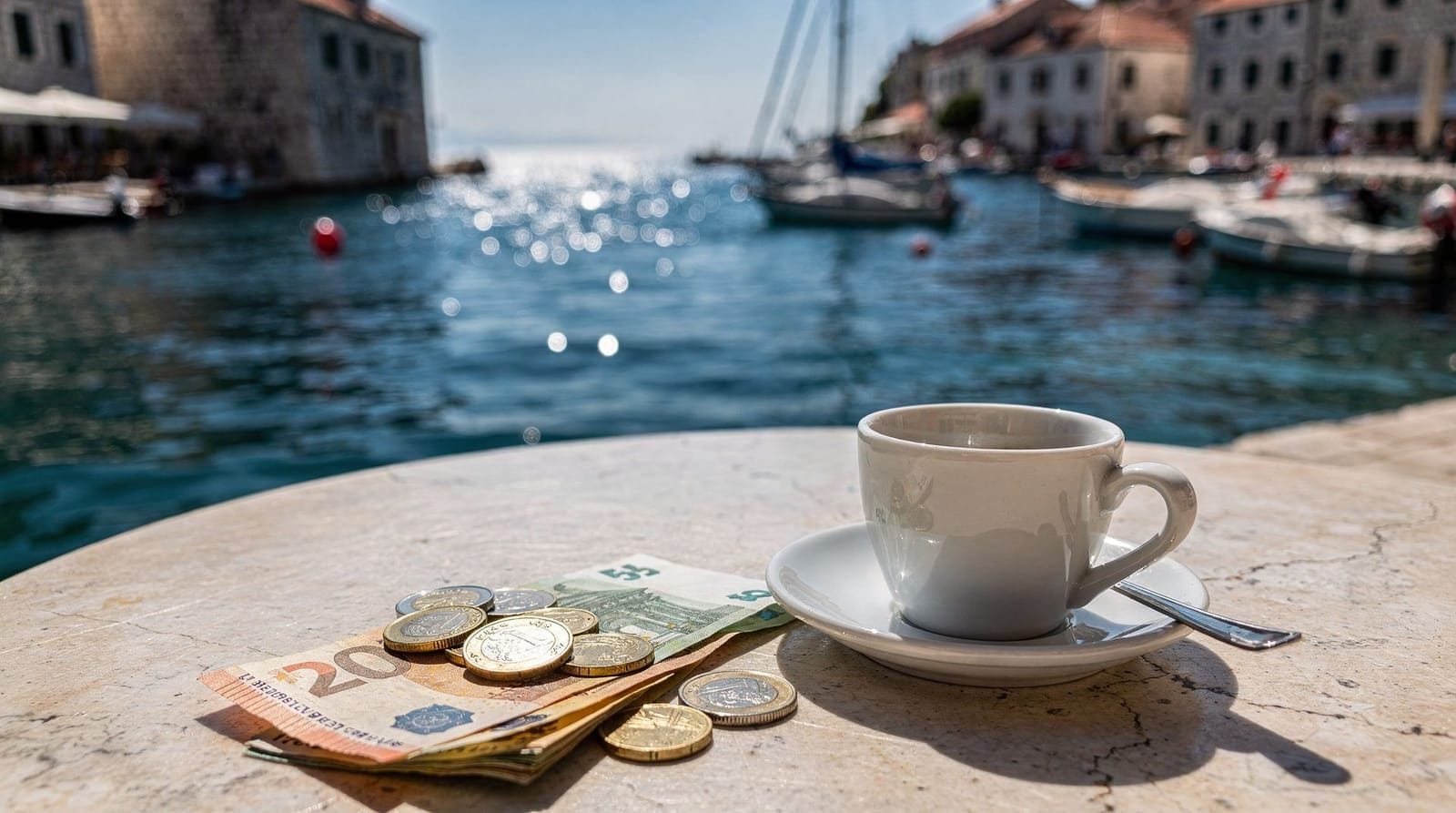
Croatia daily costs
Split: Blue cave, Hvar and 5 islands tour
How much does Croatia cost per day?
Croatia costs around €45–65 per person per day on a backpacker budget, €85–150 mid-range, and €250–600+ for a luxury trip. The biggest variable is accommodation, which can be cut by 30–50% by visiting in shoulder season (May–June or September–October) rather than July–August.
Daily budget by travel style
The most useful daily budget figures are not averages but ranges by travel style, since the extremes are very wide in Croatia. Dubrovnik in August and Zagreb in April are both Croatia; they cost very different amounts.
| Backpacker | €45–65/day |
| Mid-range | €85–150/day |
| Luxury | €250–600+/day |
| Biggest variable | Accommodation (season + location) |
| See also | Croatia budget tips for how to cut these costs |
Backpacker budget: €45–65 per person per day
This assumes a hostel dorm, one proper meal and one cheaper meal per day, foot-passenger ferries and buses rather than private transport, and free or low-cost activities.
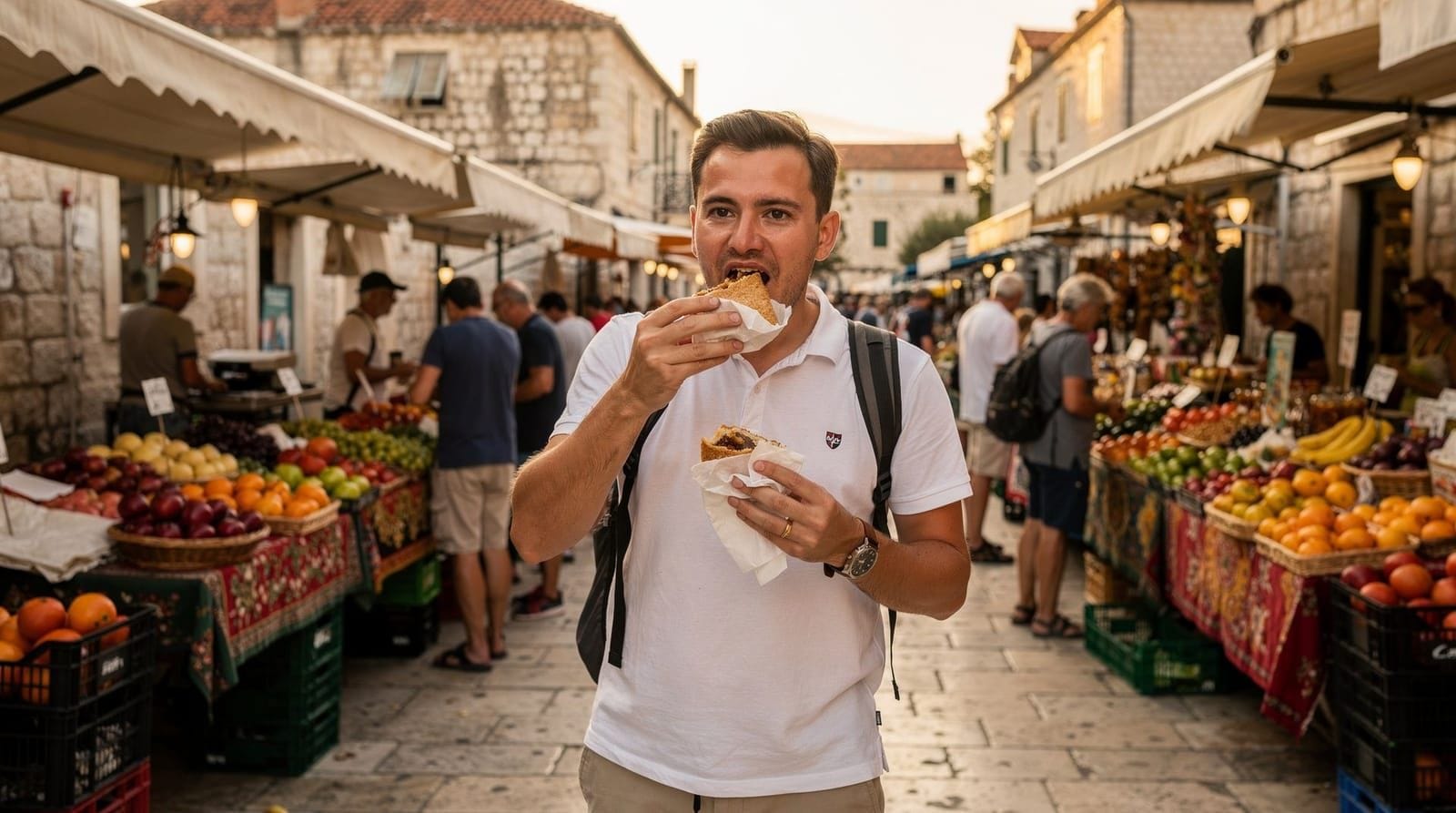
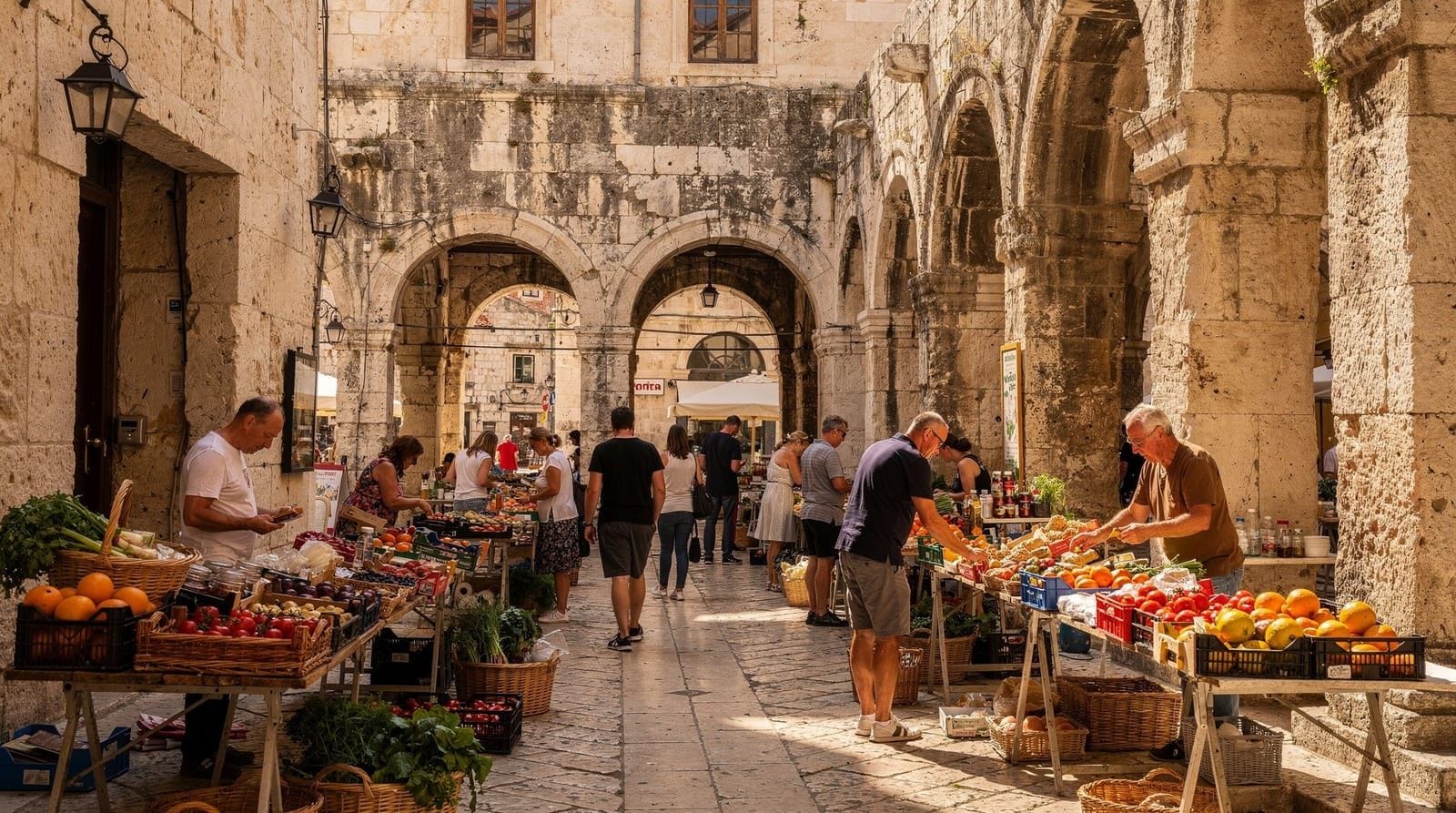
Accommodation: €15–35 (hostel dorm, varies by city and season) Breakfast: €3–5 (bakery, market) Lunch: €5–10 (burek, market picnic, bakery) Dinner: €12–18 (konoba daily menu or local pizza) Coffee/drinks: €4–8 Transport (daily average): see the operators’ websites (local buses, occasional ferry) Activities/entry fees (daily average): €5–10
Daily total: €44–86 (excluding transport) — averaging around €55–65 in practice.
This style works well in Zadar, Split, Šibenik, Zagreb and the less-famous islands. It is harder in Dubrovnik and Hvar at peak season, where even hostel dorms push to €35–50.
Budget independent: €65–100 per person per day
This assumes a private room in a guesthouse or shared apartment, one restaurant meal and one cheaper meal daily, some ferry and bus travel, and 2–3 organised activities per week.
Accommodation (private room): €30–60 per person (sharing) Breakfast: €5–8 (café or bakery) Lunch: €8–14 (konoba, pizza, market) Dinner: €18–28 (mid-range restaurant, one drink) Coffee/drinks: €5–10 Transport (daily average): see the operators’ websites Activities/entry fees (daily average): €8–15
Daily total: €74–135 (excluding transport) — averaging around €85–110 in shoulder season.
Mid-range: €85–150 per person per day
A mid-range Croatia trip means a comfortable apartment or 3-star hotel, eating out twice daily at decent restaurants, using ferries to the islands, and doing several organised activities per week.
Accommodation: €45–90 per person per night (apartment or hotel, shared) Meals (two out): €35–60 (including drinks, tips) Coffee/snacks: €6–12 Transport (ferries, occasional bus): see the operators’ websites Activities (2–4 per week, averaged daily): €15–25
Daily total: €101–187 (excluding transport) — averaging around €120–150 comfortably.
This is the typical budget for a couple spending one to two weeks in Croatia, staying in sea-view apartments in Split or Zadar, eating at good local restaurants and doing a couple of organised excursions.
Luxury: €250–600+ per person per day
Luxury in Croatia means a 4–5-star hotel (or private villa) in Dubrovnik or Hvar, fine dining, private transfers and chartered boats. This segment has expanded significantly in Croatia in recent years.
Accommodation: €150–400 per person per night (4–5★ hotel, Dubrovnik/Hvar peak season) Fine dining (two meals): €80–150 per person Private transfers, chartered boat: see the operators’ websites Activities (private guided tours): €50–150 daily average
Daily total: €280–700+ (excluding transport) in peak season Dubrovnik.
Cost breakdown by category
Accommodation (per night, per person sharing)
| Type | Low season | High season (July–Aug) |
|---|---|---|
| Hostel dorm | €15–25 | €25–50 |
| Private room (sobe) | €25–50 | €50–120 |
| Apartment | €35–75 | €75–200 |
| 3★ hotel | €50–100 | €100–220 |
| 4★ hotel | €90–180 | €200–450 |
Food and drink (per person)
| Item | Cost |
|---|---|
| Espresso | €1.20–2 |
| Croissant/pastry | €1.50–3 |
| Burek (bakery) | €1.50–3 |
| Beer (local bar) | €2.50–4 |
| Soft drink (restaurant) | €2–3 |
| Water (1.5l bottle, shop) | €0.80–1.50 |
| Konoba daily menu | €10–18 |
| Pizza (restaurant) | €9–14 |
| Grilled fish (main, mid-range restaurant) | €15–28 |
| Seafood risotto | €12–20 |
| Bottle of local wine (restaurant) | €12–25 |
| Wine by glass | €3–7 |
| Ice cream | €1.50–3 |
Transport
| Journey | Cost |
|---|---|
| Zagreb–Split (bus) | Check the operator’s website |
| Split–Dubrovnik (bus) | Check the operator’s website |
| Split–Hvar (foot passenger, ferry) | Check the operator’s website |
| Split–Hvar (car, ferry) | Check the operator’s website |
| Dubrovnik–Elaphiti Islands (boat) | Check the operator’s website |
| Airport bus (Split, Dubrovnik) | Check the operator’s website |
| Zagreb tram (single) | €1.30 |
| Split–Blue Cave group speedboat tour | €50–80 |
Activities and entry fees
| Activity | Cost |
|---|---|
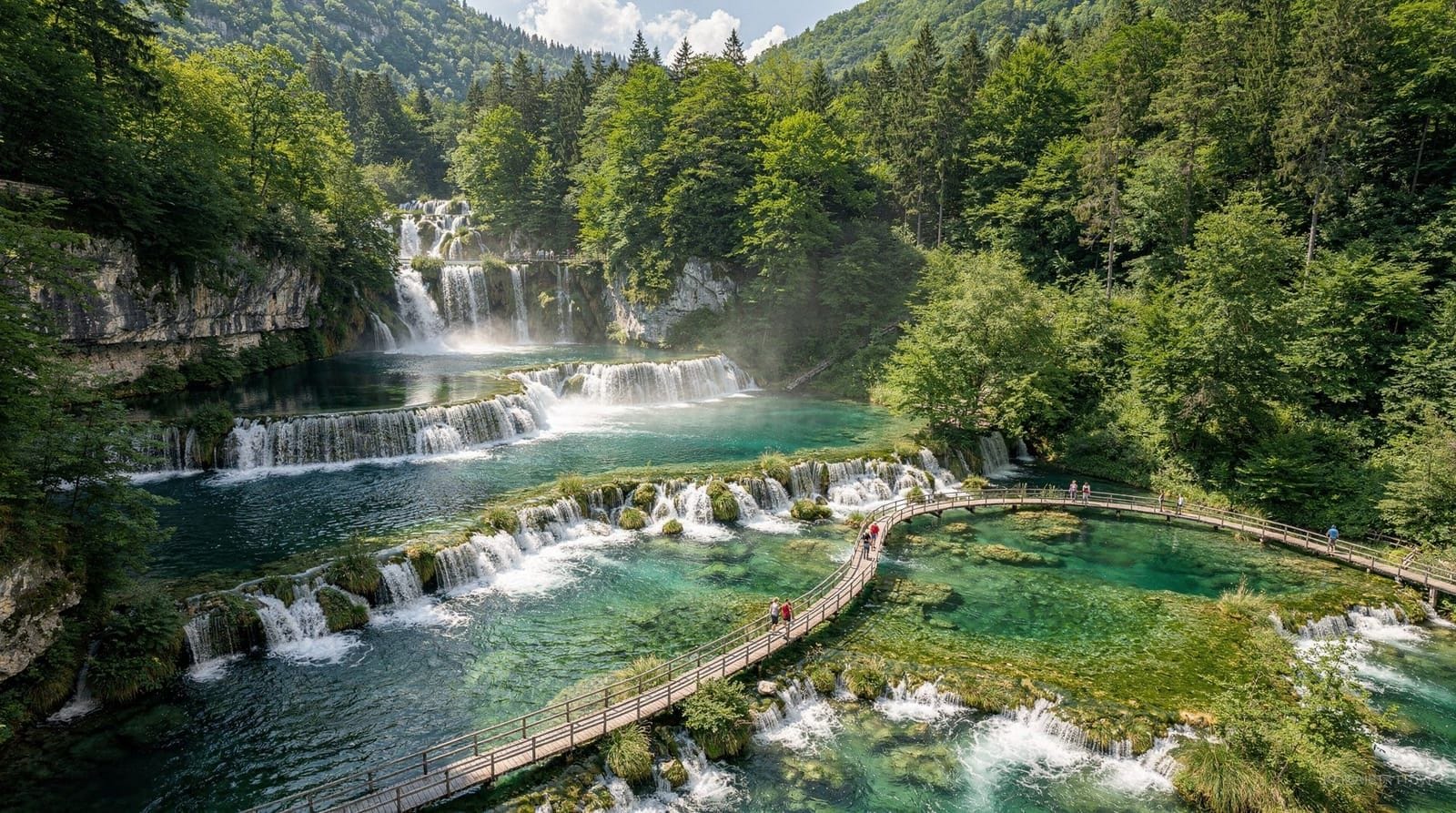
| Plitvice Lakes entry (high season) | €40 |
| Plitvice Lakes entry (low season) | €10 (Nov–Mar), €23 (Apr–May, Oct) |
| Krka National Park | €7–40 (by season) |
| Dubrovnik City Walls | See current price on the official site (citywallsdubrovnik.hr) |
| Diocletian’s Palace cellars (Split) | €10 |
| Sea kayaking group tour (half day) | €35–60 |
| Blue Cave + 5 islands group tour | €50–80 |
| Wine tasting at a winery | €15–40 |
| Museum of Broken Relationships (Zagreb) | see the museum’s official site for the current price |
Sample daily budgets in practice
Budget day in Zadar
- Breakfast at the market bakery: €4
- Coffee on the waterfront: €2
- Explore the old town (free), Sea Organ (free), Greeting to the Sun (free)
- Konoba lunch (soup, grilled fish, local wine): €14
- Ferry to Ugljan Island for afternoon swimming (return): see the Jadrolinija website
- Supermarket picnic dinner: €8
- Ice cream: €2 Total: €30 (excluding transport and accommodation €18–25 hostel)
Mid-range day in Split
- Café breakfast at Diocletian’s Palace terrace: €9
- Morning in the Palace (free) and Meštrović Gallery
- Ferry to Hvar for the day: see the Jadrolinija website
- Lunch in Hvar old town (fish, salad, wine): €25
- Afternoon swimming at Pakleni Islands (water taxi): see the operator’s website
- Return ferry: included
- Dinner in Split, riverside restaurant: €28 (with wine)
- Local bar, two beers: €8 Total: €75 (excluding transport and accommodation ~€50 per person in apartment)
Comfortable day in Dubrovnik
- Hotel breakfast: included
- Morning city walls walk (check the current ticket price on the official site, citywallsdubrovnik.hr)
- Lunch at konoba (not Old Town): €20
- Afternoon cable car and Mount Srđ: €30 (adult return)
- Sunset cocktail Old Town: €22 (two drinks)
- Dinner at waterfront restaurant (fish, wine): €55 Total: about €117 plus the walls ticket (excluding hotel ~€150 per person/night peak season)
Money-saving tips for daily costs
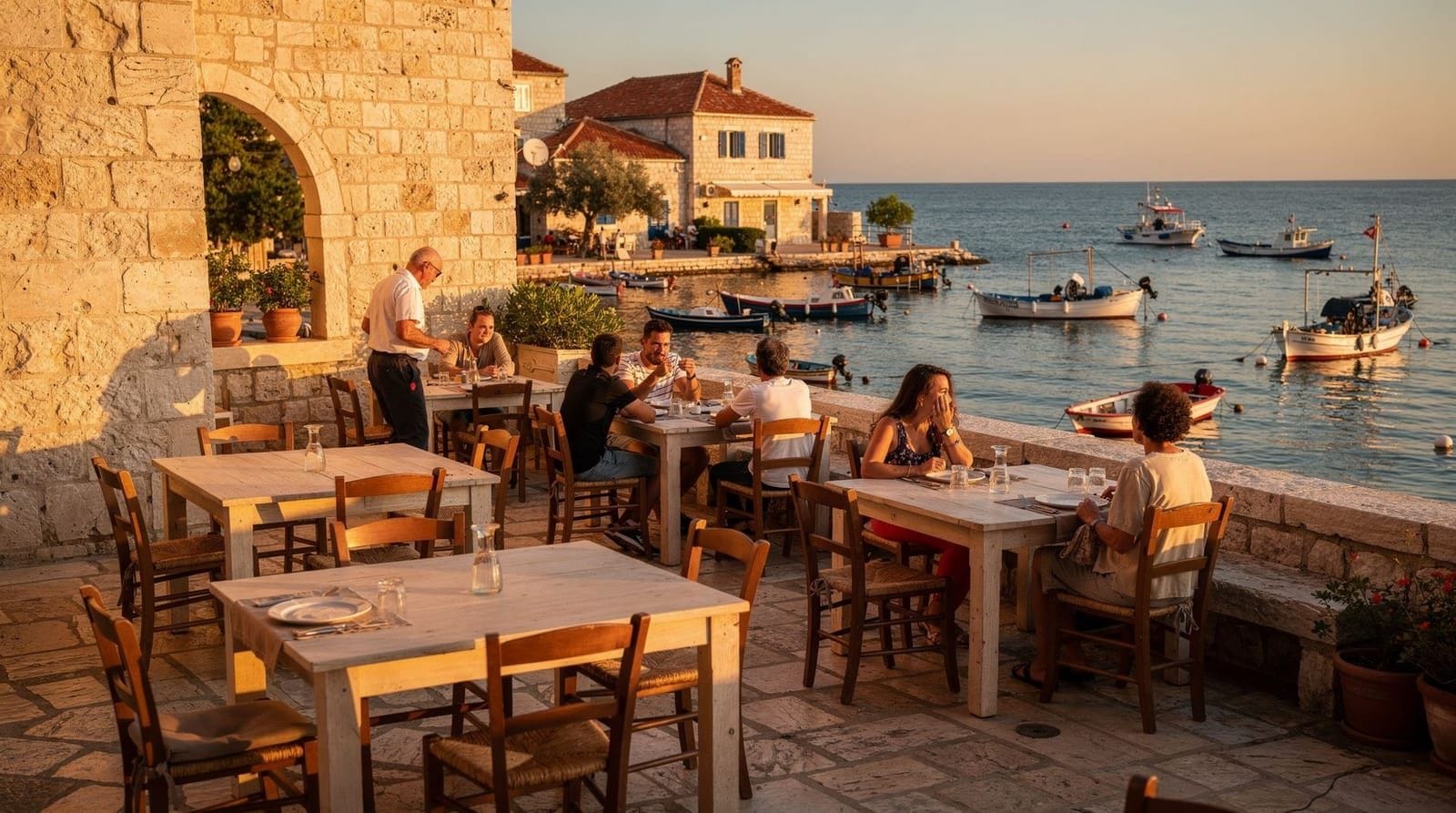
Eat the right way: Konoba daily menus at €10–18 include multiple courses. The tourist promenade restaurants charge 2–3x more for similar quality. Every day you eat at a konoba rather than a seafront tourist restaurant saves €15–25.
Time your trip: The same itinerary costs 30–50% less in May or September than in July–August. See Croatia shoulder season.
Use foot-passenger ferries: Taking a car on the ferry costs more than travelling as a foot passenger and using island transport; see the Jadrolinija website for fares.
Supermarket lunch: One supermarket lunch per day (bread, tomatoes, olives, cheese, a peach) costs €5–8 and frees up budget for a proper restaurant dinner.
Book tours as group, not private: A group Blue Cave day trip from Split costs €50–80; for a private speedboat on the same route, see the operator’s website. For most activities, the group experience is entirely adequate.
ATMs strategically: Use bank ATMs (Erste, Splitska Banka, Privredna Banka). Avoid Euronet standalone yellow ATMs — poor exchange rates and high fees. See money in Croatia.
For the full money and tipping picture, see tipping in Croatia and money in Croatia.
If you want one paid excursion to anchor a Split-based week, a group boat day to the Blue Cave and Hvar usually covers several stops for a single fare, which tends to work out cheaper than arranging each leg yourself.
How Dalmatia compares to Istria and Zagreb day-to-day
Costs are not uniform across the country. Dubrovnik and Hvar sit at the top of the price scale nationwide; Istria’s resort towns (Poreč, Rovinj) run a notch below Dalmatia’s peak-season south but above inland Croatia; Zagreb, Zadar, Šibenik and the smaller islands are consistently the best value for the same standard of accommodation and food. A traveller splitting a two-week trip between Zagreb, Istria and Dalmatia will see daily costs roughly double from the cheapest days (Zagreb) to the most expensive (Dubrovnik in August) — worth factoring into how many nights you allocate to each region. See is Croatia expensive for the wider international comparison.
How to turn a daily figure into a trip budget
A daily figure is only a starting point. The honest way to use it is to build the trip in layers: first the fixed costs, then the daily running costs, then a cushion for the things nobody plans for.
Fixed costs first. Flights, the car rental if you want one, and travel insurance are paid once and sit outside every daily range on this page. If you are weighing a car against buses and ferries, read renting a car in Croatia and Croatia buses guide side by side, and check Croatia tolls explained before you assume driving is the cheaper option. Cover for the trip is covered in Croatia travel insurance.
Then the daily running costs. Multiply the style that fits you by the number of nights, but split the trip by region rather than using one average. A few days in Zagreb and Zadar will pull the average down; a few nights in Dubrovnik will push it up. The Croatia trip cost guide walks through a whole-trip total, while this page stays focused on the day.
Then a cushion. Ferries that run out of seats, a rainy day that turns into a taxi ride, an extra night when a connection fails: these are the costs that move a budget from comfortable to tight. Leaving a margin in the plan is cheaper than fixing a shortfall on an island with one cash machine.
Where the money actually goes
For most travellers the daily total is dominated by two lines: where you sleep and how you eat. Everything else is a smaller adjustment around them.
Accommodation is the lever
Because accommodation swings so much between seasons, it is the one line where planning pays off. A flexible traveller who is willing to base themselves in a quieter town and make day trips can keep the nightly rate low while still seeing the headline sights. Our guide to where to stay in Croatia compares the main bases, and the Split and Zadar pages show how much choice there is outside the most famous addresses. Staying a little way from the waterfront usually changes the price more than it changes the experience.
Food is where you can spend well
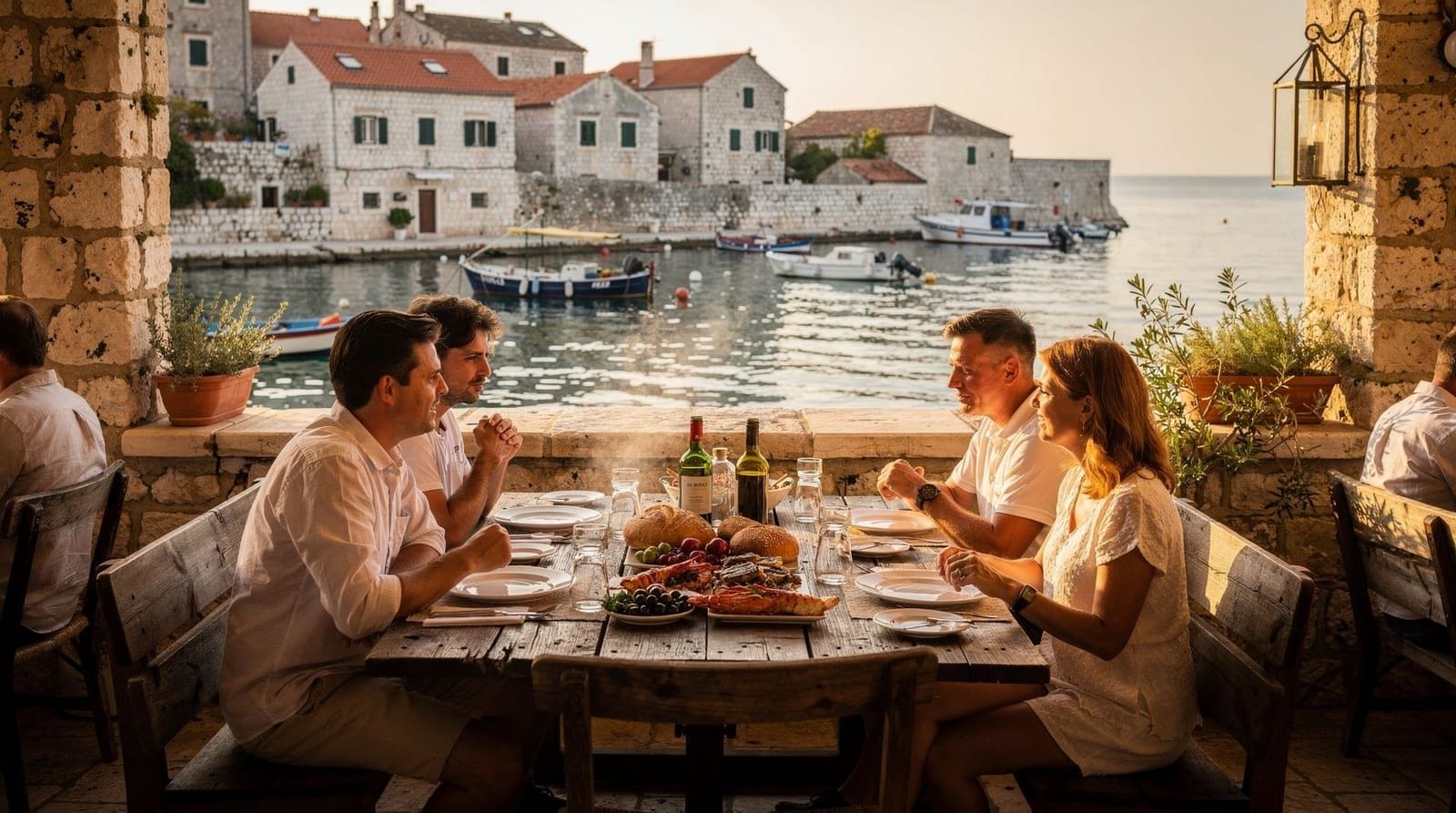
Eating is the part of the budget where it is easy to spend sensibly and still eat very well. A konoba meal is often the best value in the country, and the konoba guide explains how to read the menu and what to order. If you want to understand what you are paying for, Dalmatian cuisine and Croatian seafood describe the dishes that are worth a higher price and the ones that are not. For the cheapest end of the scale, Croatia street food covers bakeries, grills and quick bites that keep a day light on the wallet without feeling like a compromise.
Transport is small, until it is not
Within a town, transport costs very little. Between regions it becomes noticeable, and on the islands it depends on whether you bring a vehicle. The Croatia ferries guide and Jadrolinija vs Krilo explain the choice between the slower car ferry and the faster passenger catamaran, and getting around Croatia puts the options together. Choosing the right mode for each leg is a cheaper habit than choosing one mode for the whole trip.
Reading the ranges honestly
The ranges on this page are deliberately wide, and a few habits will help you place yourself inside them.
Two people sharing is usually cheaper per head. Rooms and apartments are priced per unit, so a couple splits the largest daily cost. Solo travellers should read Croatia solo travel for how to keep the per-person figure sensible, and families should look at Croatia with kids, where the shape of the budget changes again.
Activities are optional, and free ones are excellent. Old towns, waterfront promenades and many viewpoints cost nothing, and a lot of the best days in Croatia are simply walking and swimming. Paid excursions are best chosen deliberately, a few at a time, rather than booked every day. The Croatia tourist traps guide helps you spot the paid experiences that are not worth the price.
Peak-season premiums are real but avoidable. If your dates are fixed to July or August, you can still soften the cost by spending the busiest nights in the quieter towns. If your dates are flexible, the best time to visit Croatia will help you choose a month where the weather is good and the prices are kinder.
Plan with a route in mind. A route that avoids doubling back saves both time and money. The 7-day itinerary and 10-day itinerary show how a realistic trip is laid out, and the budget-friendly advice in the blog collects more practical ideas for keeping daily spending under control.
For a wider view of whether Croatia suits your budget at all, Croatia on a budget is the natural next read.
Frequently asked questions about Croatia daily costs
What is the daily budget for Croatia in 2026?
Backpacker: €45–65/day (hostel, konoba meals, buses). Mid-range: €85–150/day (apartment or guesthouse, two restaurant meals, ferries, some tours). Comfort: €150–250/day. Luxury Dubrovnik or Hvar: €250–600+/day.How much should I budget for food in Croatia per day?
Budget: €15–25 (bakery, one konoba meal, supermarket). Mid-range: €30–55 (two proper restaurant meals, local wine, coffee). Fine dining: €60–120+.How much does accommodation cost per night in Croatia?
Hostel dorm: €15–35/night. Budget private room: €40–90/night. Apartment or guesthouse: €60–200/night (wide seasonal range). Hotel (3–4★): €100–350/night. Prices are at their highest in Dubrovnik and Hvar in July–August.How much money do I need for a week in Croatia?
Budget (backpacker, shoulder season): approximately €400–500 for a week excluding flights. Mid-range (apartment, restaurants, activities): €700–1,200 excluding flights. Peak season in Dubrovnik/Hvar: €1,500–2,500+ excluding flights.How much cash should I bring to Croatia?
Croatia uses euros. Carry €100–200 in cash for small konobas, markets, parking, small islands, tips and ferry kiosks. Cards are widely accepted in hotels, restaurants and shops. ATMs are plentiful — use bank ATMs rather than Euronet standalone machines.Are activities expensive in Croatia?
Entry fees and guided tours vary: Plitvice entry €10–40 (seasonally), Dubrovnik walls (check the current price on the official site, citywallsdubrovnik.hr), sea kayaking group tour €35–60, Blue Cave and 5 islands group tour €50–80. Budget €20–40/day for activities if you plan to do some each day.Is Croatia more expensive in the summer?
Yes — significantly. Accommodation in Dubrovnik and Hvar in July–August can be 50–70% higher than the same properties in May or October. This is the single biggest cost driver.Which Croatian region is cheapest to visit day-to-day?
Zagreb, Zadar, Šibenik and the smaller Dalmatian islands consistently offer the best value for comparable accommodation and food quality. Dubrovnik and Hvar sit at the top of the price scale; Istria's main resort towns fall in between.
Top experiences
Bookable activities with verified prices and instant confirmation on GetYourGuide.
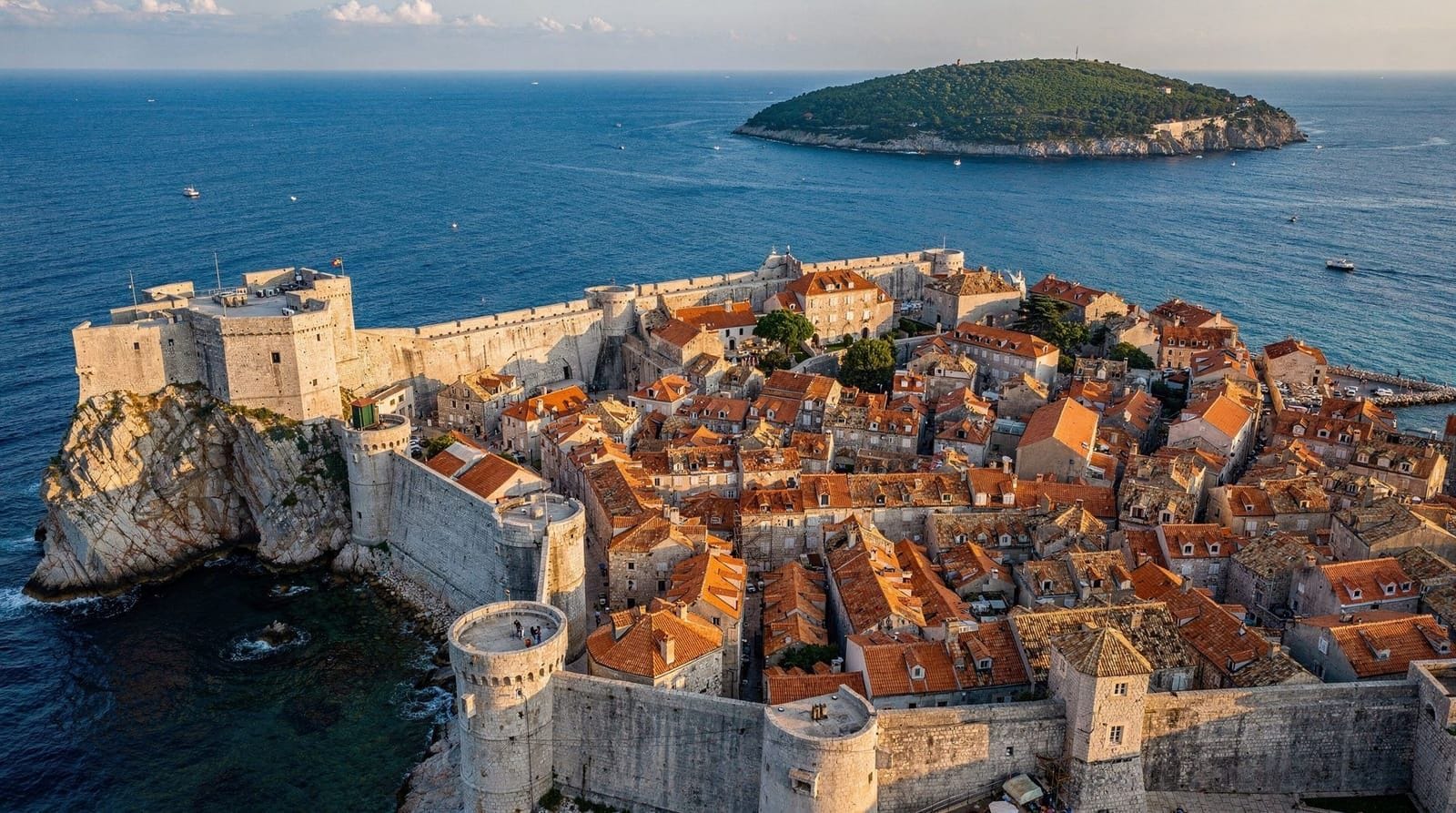
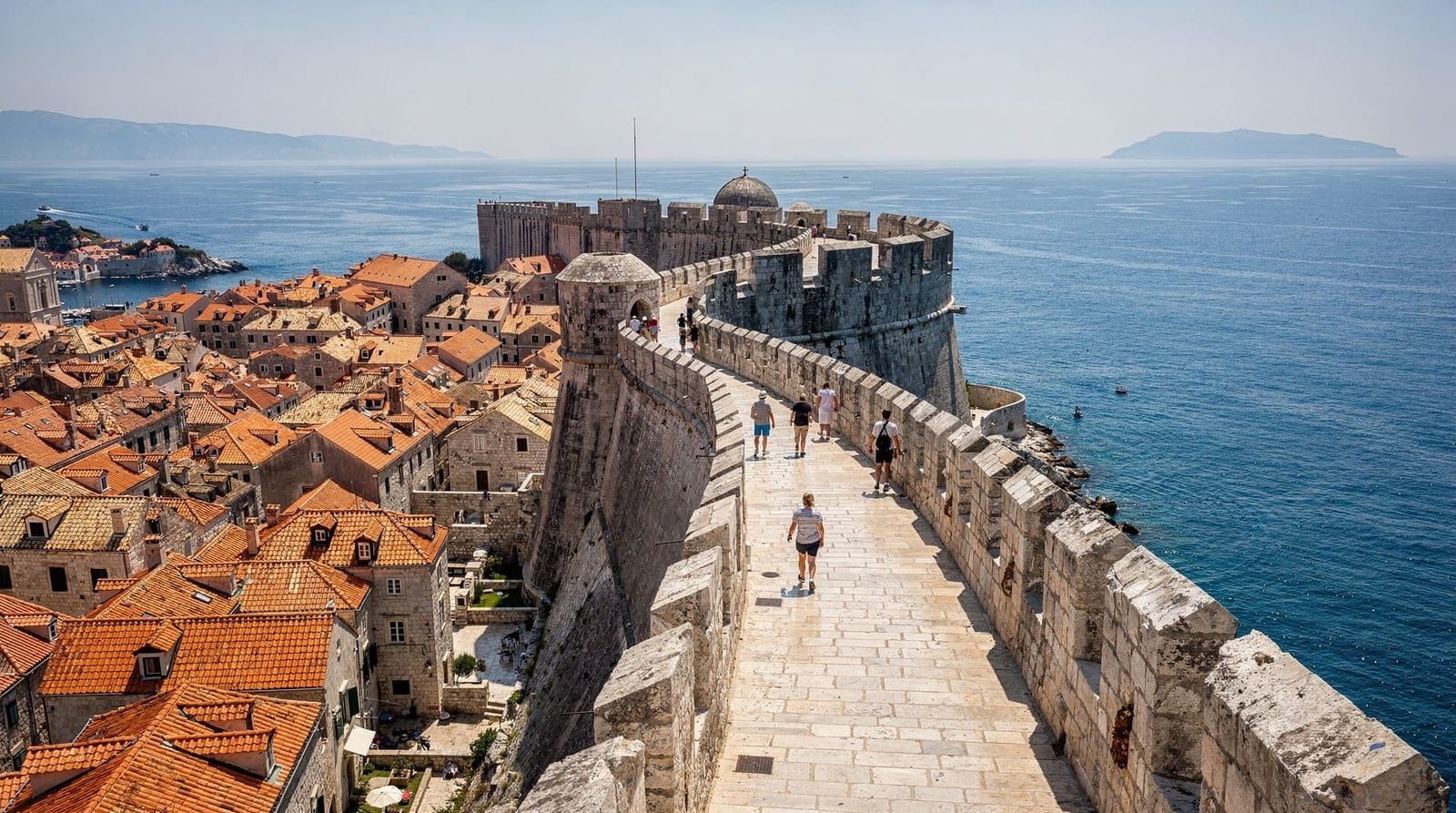
Top experiences
Best-rated activities across GetYourGuide and Viator.

Mostar and Herzegovina Tour with Kravica Waterfall from Split & Trogir
- Viator

3Hour ALL-INCLUSIVE Sunset Dolphin Watching from Medulin onSandra
- Viator

Dolphin Watching & Sunset Boat Tour With Drinks & optional Dinner
- Viator

Fantastic DOLPHIN & SUNSET TOUR with dinner ( Pula-NP BRIJUNI )
- Viator

Medulin :All-Inclusive Pirate Boat Dolphin Watching Sunset Cruise
- Viator

Mostar & Kravice waterfalls full-day guided tour from Split
- Viator