Elaphiti Islands Day Trip from Dubrovnik — Lopud, Šipan and Koločep
Dubrovnik: Full-day Elaphiti Islands boat tour with snacks
Are the Elaphiti Islands worth a day trip from Dubrovnik?
Yes — they offer the easiest island escape from Dubrovnik with no passport required, no border crossing, and genuine island atmosphere. Lopud's Šunj Beach (sandy — rare in Dalmatia) is the main draw. The ferry ride from Gruž harbour takes 45–75 minutes. Best suited to beach days, swimming and island walking.
Why the Elaphiti Islands suit a Dubrovnik day trip
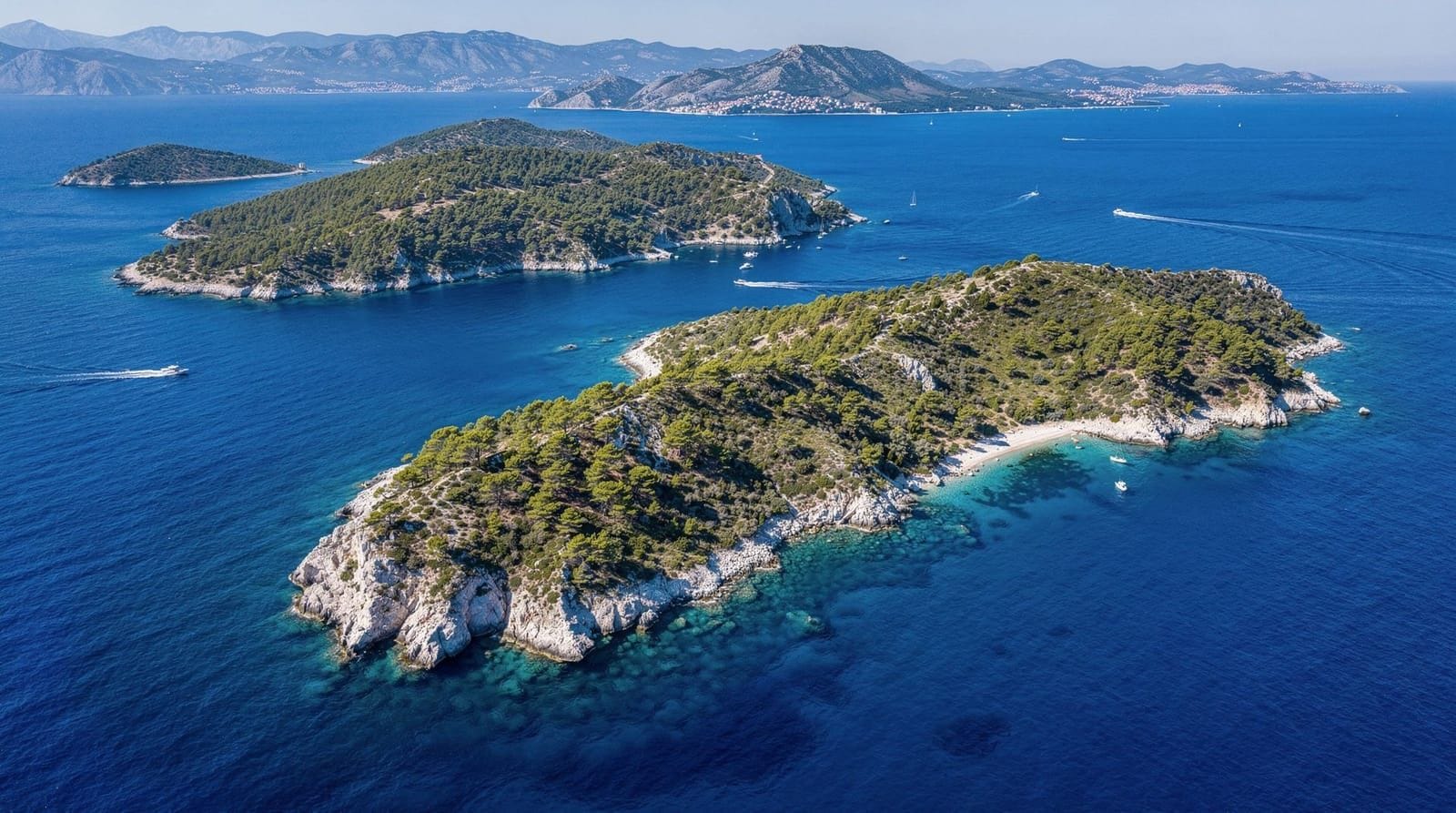
Dubrovnik’s island options are complicated by geography. Korčula and Mljet (the closest large islands with significant interest) are 2–2.5 hours away by catamaran. Hvar and Brač are better reached from Split. This is where the Elaphiti Islands have their advantage: they are genuinely close — 45–75 minutes by ferry — and they offer exactly what most Dubrovnik visitors want on their second or third day: a beach, some swimming, lunch beside the sea, and a pause from the Old Town crowds.
No passport required. No border queues. No long sea crossing in an open boat. Just a ferry from Gruž harbour and an island morning.
| Where | Gruž harbour, 3km northwest of the Old Town |
| Cost | Ferry fares on the Jadrolinija website; organised tours €40–80pp |
| Time needed | Half day (Koločep) to full day (Lopud + Šipan) |
| Best time | May, June, September for fewer crowds |
| Passport | Not required — no border crossing |
The three islands
Lopud — the main destination
Lopud is the most visited of the three and for good reason. The ferry landing drops you in the village — a pretty waterfront promenade with palms, a Franciscan monastery, the ruins of a Rectors’ summer palace, and a long history of Dubrovnik’s merchant aristocracy retreating here from the city heat.
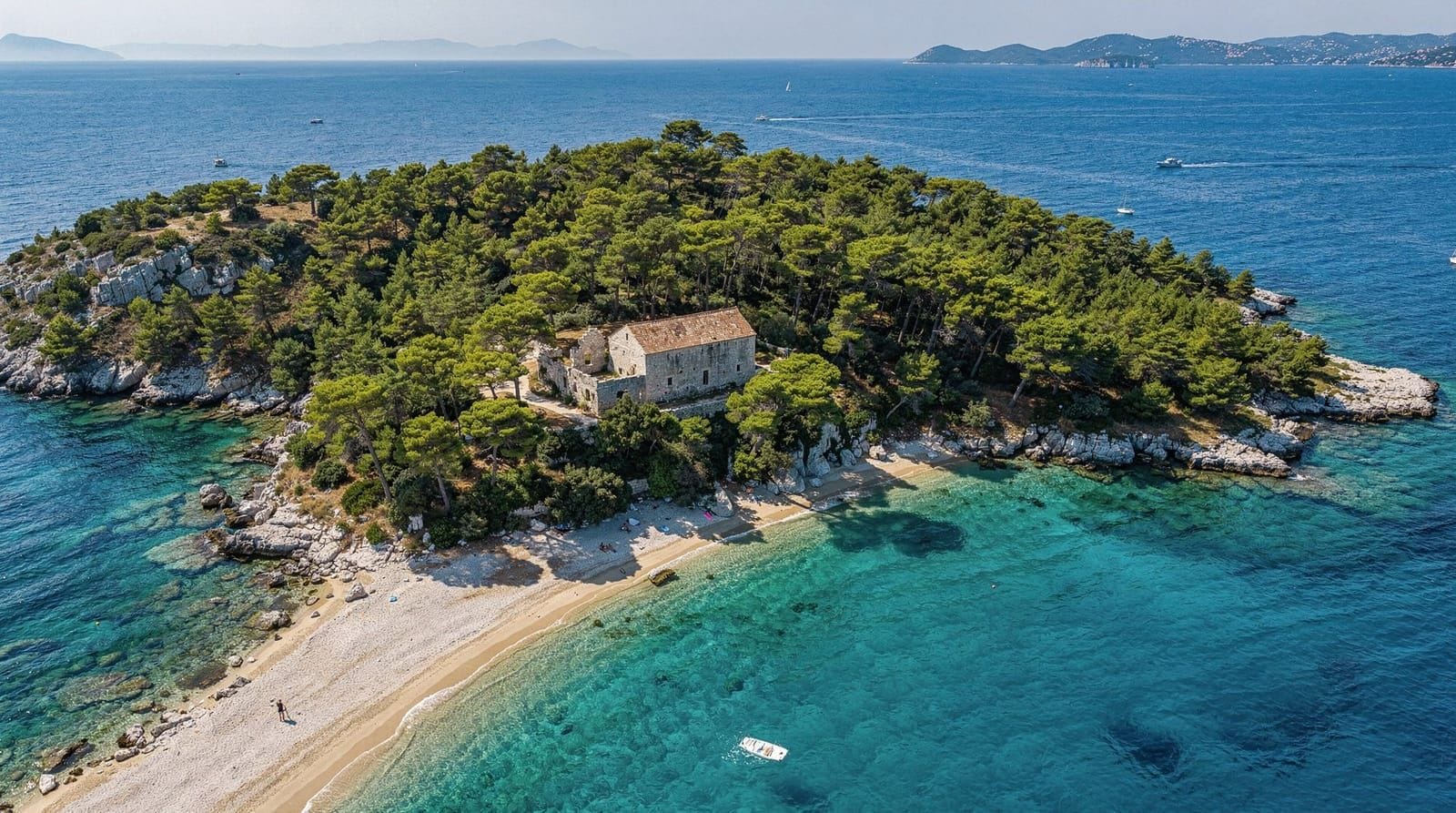
From the village, a 20-minute walk (flat then gently uphill, through pine and olive) brings you to Šunj Beach — a 400-metre sandy bay on the island’s south coast facing open sea. By Dalmatian standards this is exceptional: most beaches in this part of Croatia are pebble or rock. Šunj is a gravel-sand beach with calm, clear water and a seasonal bar and restaurant. Children love it; so do people who have spent three days on Dubrovnik’s rocky sunbathing spots.
Lopud village: Worth 1–2 hours before or after the beach walk. The Franciscan monastery (14th century) has a beautiful cloister garden and treasury. Arboreta and subtropical plants from the monsoon-influenced mild climate. The ruins of the 16th-century fortification system.
How long: Budget 4–5 hours on Lopud for ferry landing, village walk, beach walk, swimming and lunch.
Šipan — the quiet island
Šipan is the largest Elaphiti island and the one most Dubrovnik visitors never reach. That is its point. Tourism infrastructure is minimal; the two villages (Šipanska Luka in the west, Suđurađ in the east) are connected by a road across the island that passes through vineyards and old stone buildings.
Šipanska Luka has a natural harbour, a few konobas and restaurants, a ruined bishop’s summer palace in the middle of the village, and a church. It is quiet in the way that Croatian islands used to be before mass tourism — locals still live here year-round, fishing, tending olives, sitting outside at evening.
Suđurađ is the smaller of the two villages, with a defensive tower and a small harbour. The walk between the two villages takes about 1.5 hours through the interior — pleasant, shaded by pine.
Best for: Travellers who want to understand what island life actually feels like without tour groups and sunbed operators. Šipan rewards patience and low expectations.
Koločep — the small one
Koločep (or Kalamota) is the smallest and closest Elaphiti island — just 30 minutes from Gruž. Two sandy coves on either side, linked by a 20-minute walk through pine forest. No cars, minimal infrastructure, very quiet.
Koločep works as a morning half-day — take the first ferry, walk between the coves, swim, return by noon. Or combine it as a short stop on an organised tour. On its own it does not fill a full day, but as part of a multi-island boat tour the scale is right.
Tour vs ferry — what to choose
Jadrolinija public ferry
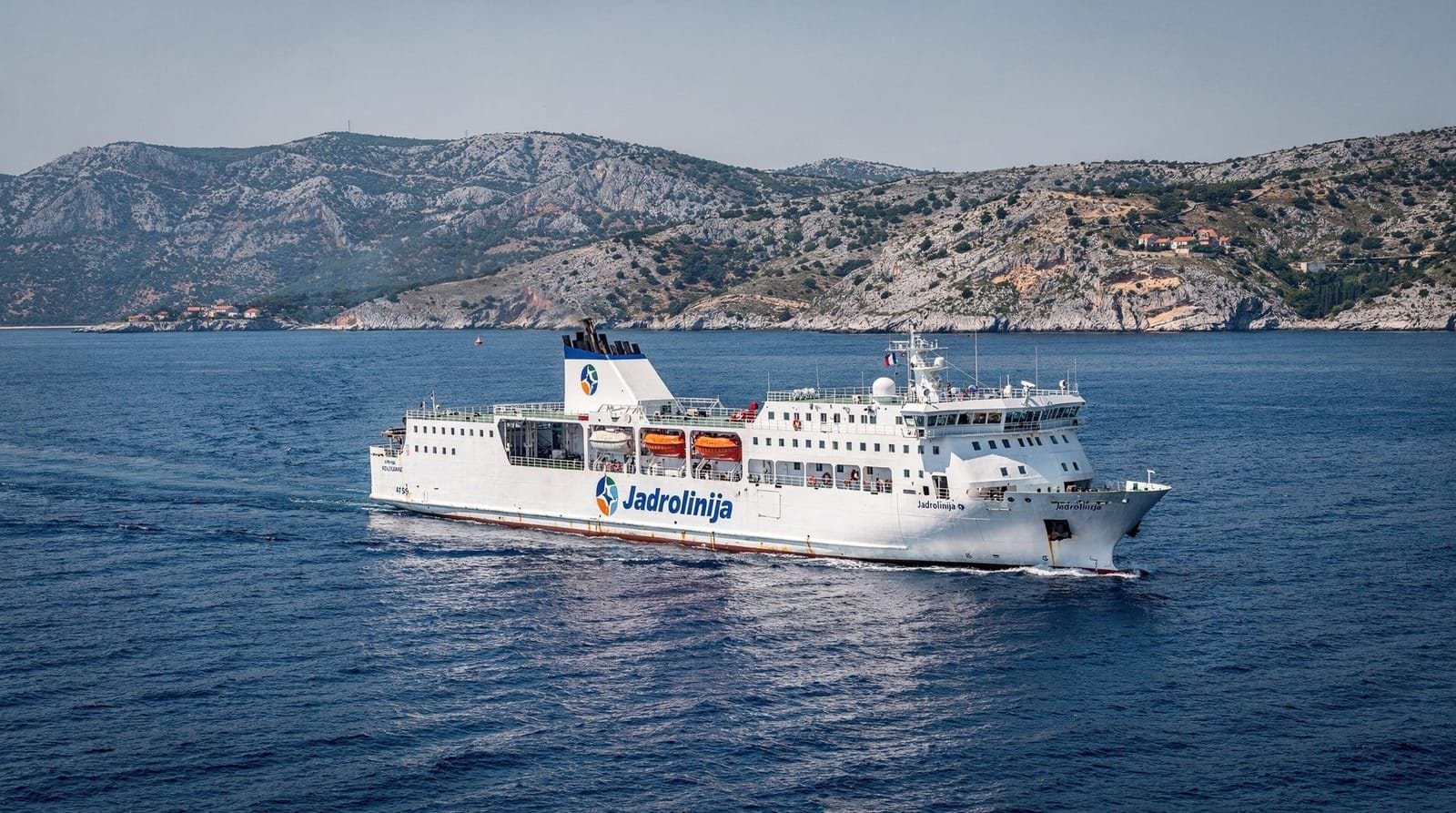
The ferry from Gruž harbour is the cheapest and most flexible option. Tickets are purchased at the Jadrolinija office at Gruž or online. The route calls at Koločep, Lopud and Šipan in sequence.
Hop-on-hop-off approach: Check the timetable before you go (jadrolinija.hr). A practical day: take the morning ferry to Lopud (first or second departure), spend 4–5 hours on Lopud and Šunj Beach, catch the ferry back in the afternoon. Or go to Šipan and return via Lopud.
Return timing: The ferries do not run continuously — check the afternoon return schedule. Missing the last return means spending the night (pleasant but unplanned). Know your return ferry time before getting too comfortable at Šunj Beach.
Organised boat tours
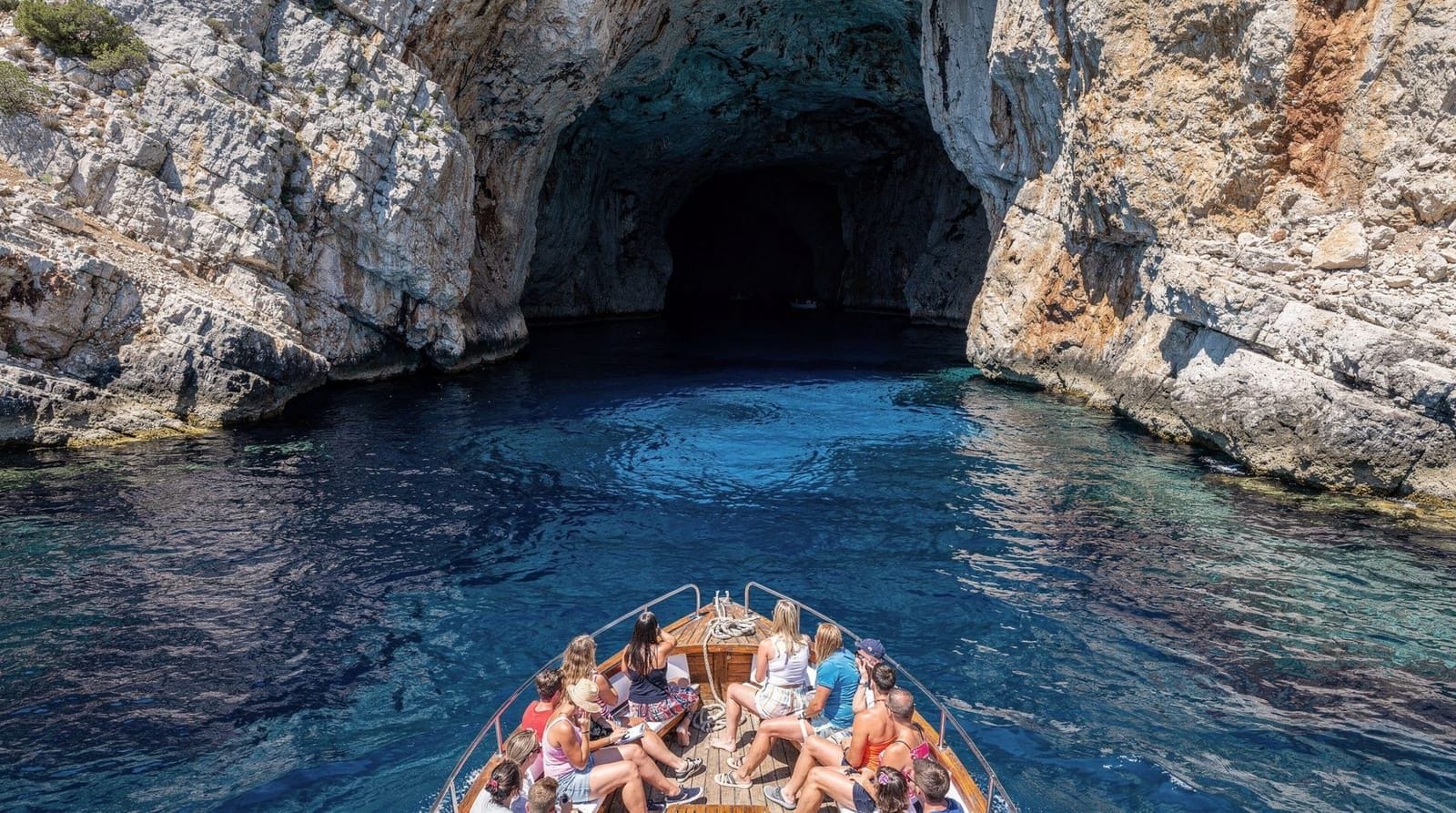
Boat tours from Dubrovnik’s Gruž or Old Harbour run half-day or full-day Elaphiti circuits, typically visiting 2–3 islands with swimming stops along the way. These cost €40–80 per person.
Advantages of boat tours: Snorkelling stops at coves not accessible by ferry, no scheduling stress, swimming directly from the boat, social atmosphere with other travellers.
Advantage of the ferry: Slower, quieter, genuinely island — you arrive and leave at the island’s own pace rather than a tour schedule.
Private boat
For 2–6 people, a private speedboat tour of the Elaphiti Islands can be competitive with the per-person group tour cost. You set the schedule, choose which coves to swim in, and stay as long as you like at each island.
Practical tips
Ferry departure: Gruž harbour is 3 km from the Old Town. Bus 1A or 1B from Pile Gate (Old Town entrance) to Gruž — ~15 min, runs frequently. Or taxi.
What to bring: Towel, sunscreen, water (buy in Dubrovnik before leaving — island shops are limited and more expensive), food if you want a picnic at Šunj rather than the restaurant.
Lopud Šunj Beach: Sunbeds and umbrellas available for hire at the beach (€10–15/day). Or bring a towel and find your own spot. The walk to Šunj from the ferry is flat and shaded — comfortable in summer heat.
Best months: May, June, September, October. July–August works but Lopud and Šunj Beach get genuinely crowded, particularly with cruise day-trippers.
Combining with Dubrovnik kayaking: If you enjoy active water experiences, sea kayaking around Dubrovnik is the complement to an Elaphiti ferry day — kayaking covers the Old Town coast and sea caves, the ferry day covers the island distance.
See Elaphiti Islands full guide for more island history and context. Also useful: best beaches near Dubrovnik and the Dubrovnik Old Town guide.
Which itinerary slot the Elaphiti fit best
For most Dubrovnik stays, the Elaphiti day works well as day 2 or 3 — after you’ve done the old town and the city walls, when a beach day off the crowds is genuinely welcome. It’s a lighter-effort day than Kotor or Mostar, which involve border crossings, so it pairs well right after a more intense sightseeing day. See the day trips from Dubrovnik guide for how it stacks up against those options if you’re deciding what to prioritise with limited time.
One island or the full circuit?
If you only have time for one island, Lopud is the easy recommendation — Šunj Beach alone justifies the trip, and the village adds enough to fill a half day either side of swimming. Šipan rewards a second visit once you’ve done Lopud, when the appeal of “nothing much happening” becomes the point rather than a compromise. Doing all three in a single day via an organised tour is possible but rushed — most operators allow only 45–75 minutes per stop, which is enough for a swim but not for a proper walk on Šipan.
Planning the day around the weather and the season
An island day is more sensitive to conditions than a day in town. The sea is the whole point, so it helps to know when the water feels good and when it does not. Our sea temperature guide explains how the Adriatic warms through the year, and the best time to visit Croatia page puts that in the context of crowds and prices. In short, late spring and early autumn give you swimmable water without the pressure of peak summer. If your dates fall in the shoulder months, the September guide is worth a read, because the islands are at their most relaxed then.
On a windy day the crossing can feel livelier than you expect, and a boat tour may change its route to shelter in calmer coves. That is normal and not a reason to cancel. If you are unsure, ask the operator or the ferry office on the morning itself, and keep your plan flexible enough to swap islands if needed. Sun is the other factor: there is little natural shade away from the pine woods, so a hat and a long-sleeved layer for the boat are more useful than they sound.
A suggested rhythm for a Lopud day
A day that works well is built around one slow walk, one long swim and one proper lunch, rather than a checklist. Arrive on an early sailing, wander the waterfront and the monastery first while the village is quiet, then set off for Šunj before the heat builds. Spend the middle of the day on the sand, eat when you are hungry rather than when the crowd does, and leave yourself a margin before the return ferry. The walk back across the island is gentler in the late afternoon light, and the village is calm again once the day-trippers have left.
If you are travelling with children, this slower rhythm suits them well. The shallow, sandy bay is one of the easiest swimming spots on this coast, and the car-free lanes mean you can let them walk ahead. Our family beaches guide and the wider Croatia with kids page cover what else to pack and plan for. Pushchairs cope with the village waterfront but less well with the path across the island, so a carrier is the better choice for very young children.
Choosing between Elaphiti and other island options
The Elaphiti are not the only way to spend a day at sea from Dubrovnik, and it helps to be honest about what each option gives you. If you want a longer and more remote island experience, Mljet offers national park scenery and a very different, greener feel, though it asks for a much bigger slice of your day. If you want the full picture of the archipelago and its history, the Elaphiti Islands destination page and the longer Elaphiti guide go deeper than this day-trip planner.
For travellers who like hidden swimming spots rather than organised beaches, our hidden coves guide lists the kind of quiet bays that private boats and kayaks reach more easily than the public ferry. And if you are still deciding how to use each day of your stay, the Dubrovnik long weekend itinerary shows where an island day slots in, while planning a Croatia itinerary helps if Dubrovnik is only one stop on a longer trip.
Understanding the ferry before you go
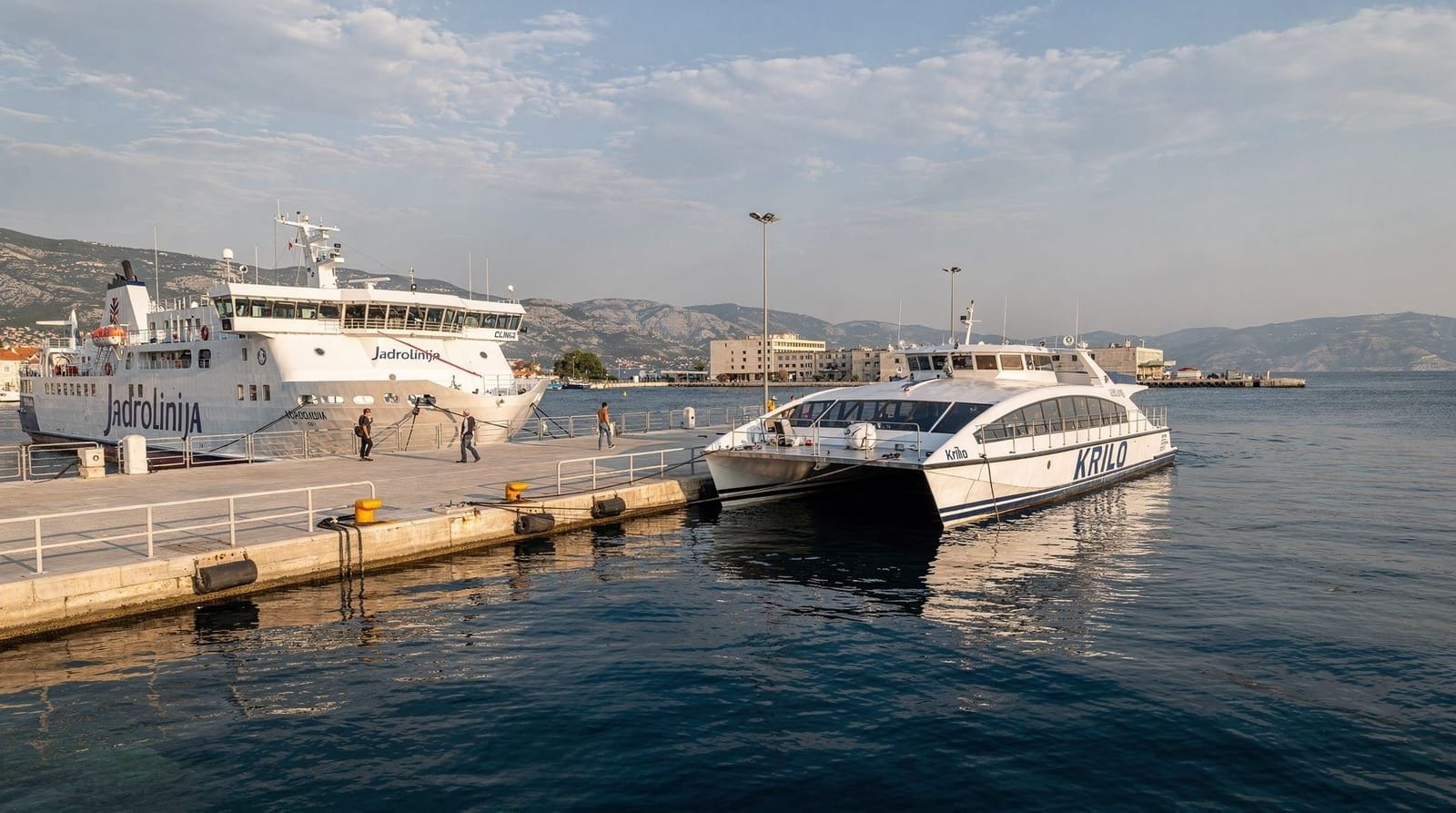
The public service is run by Jadrolinija, and the way it works is different from a tour. You buy a ticket for a leg, you get off where you choose, and you are responsible for your own return. That freedom is the appeal, but it also means the timetable is your main planning tool. Look at it the day before, note the last sailing back, and set a phone alarm for well ahead of it. If you want to understand how the national operator compares with the faster catamaran companies, see Jadrolinija vs Krilo, and for the wider network of routes along the coast the Croatia ferries guide is the reference page.
Arrive at the quay in good time, especially in high season, when the queue for the morning boats can be long. Having your ticket sorted in advance and standing near the front of the line is the simplest way to get a seat with a view and a calm start to the day.
Getting to Gruž and getting back
Most visitors stay in or near the Old Town, so the day starts with a short hop to the port. If you are arriving in Dubrovnik specifically for the islands, the airport transfers guide covers how to reach the city, and from there the local bus to Gruž is straightforward. After a day in the sun and sea air, most people are tired on the way back, so it is worth deciding in advance how you will get from the port to your accommodation rather than working it out at the end of the evening.
Eating and resting on the islands
Lunch on an island is part of the experience rather than a pause between activities. Konobas near the landing and at the beach serve simple seafood and grilled dishes, and ordering without hurry is the whole point. If you are curious about what to look for on a menu, the konoba guide explains how these family-run places work and what to expect, and the Croatian seafood guide helps you choose. Bring cash as a precaution, since small island businesses are not always set up the way city restaurants are; our money in Croatia page explains the practicalities.
Leave time to simply sit. The most memorable moments on the Elaphiti tend to be unplanned: a swim off the rocks, a conversation with a local, a quiet bench above the harbour. Treating the day as a rest from sightseeing, rather than another item to tick off, is what makes it worth the effort.
Frequently asked questions about Elaphiti Islands Day Trip from Dubrovnik
What are the Elaphiti Islands?
The Elaphiti (Elafiti) Islands are a group of small islands northwest of Dubrovnik in the Adriatic. Three are inhabited: Koločep (30 min from Dubrovnik), Lopud (50 min) and Šipan (75 min). Šipan is the largest at 16.5 km² but the least tourist-developed. Lopud is the most visited, primarily for Šunj Beach — one of the very few sandy beaches near Dubrovnik. The name 'Elaphiti' comes from the Greek for 'deer' — the animals were once kept on the islands.Where does the Elaphiti Islands ferry depart from in Dubrovnik?
Jadrolinija ferries to the Elaphiti Islands depart from Gruž harbour (Port of Dubrovnik), about 3 km northwest of the Old Town. Take bus 1A or 1B from Pile Gate to reach the port, or take a taxi. Do not confuse Gruž with the Old Town harbour (near the Old Town walls) — the Elaphiti ferry does not leave from there.What is Šunj Beach on Lopud like?
Šunj is a sandy (gravel-sand) bay on the southern side of Lopud island, about 20 minutes walk across the island from the ferry landing. It is one of the very few sandy beaches near Dubrovnik — most Dalmatian beaches are pebble or rock. The bay is shallow and calm, good for children and non-swimmers. In July–August it gets crowded — arrive early. The walk across the island passes through pine forest and old olive orchards.How do I get to the Elaphiti Islands from Dubrovnik?
Two options: the Jadrolinija public ferry from Gruž harbour (cheapest, current fares on the Jadrolinija website, runs year-round, multiple departures daily in season), or an organised boat tour (more expensive, visits multiple islands in one day with swimming stops). The public ferry is hop-on-hop-off style if you plan ahead for return times; organised tours run a loop.Which Elaphiti island is best for a day trip from Dubrovnik?
Lopud for the beach (Šunj), the walking, and the most facilities. Šipan for authenticity and quiet — fewer tourists, two small villages linked by a road, the largest of the three islands. Koločep for a gentle walk through pine woods between two coves. Most boat tours visit two of the three islands in combination.Are there restaurants and facilities on the Elaphiti Islands?
Lopud has several konobas and beach bars near the ferry landing and at Šunj Beach. Šipan has a few restaurants in Šipanska Luka (the main village) and Suđurađ (the second village). Koločep has minimal facilities — bring food and water. In peak season (July–August) Lopud's restaurants get busy; arriving on the first or second ferry helps.Is there a car ferry to the Elaphiti Islands?
No — the Elaphiti Islands are served by passenger ferries only. There are no cars on the islands (officially). This is part of their charm: the lanes are quiet, bicycle-wide, and genuinely free from traffic. Walking and cycling (bikes can sometimes be hired on Lopud) are the only ways to get around.
Top experiences
Bookable activities with verified prices and instant confirmation on GetYourGuide.

Top experiences
Best-rated activities across GetYourGuide and Viator.

Mostar and Herzegovina Tour with Kravica Waterfall from Split & Trogir
- Viator

Mostar & Kravice waterfalls full-day guided tour from Split
- Viator

Mostar and Kravica Waterfall Discovery Day Trip from Split or Trogir
- Viator

Taste of Bosnia: Private Trebinje Gastro & Wine Tour
- Viator

From Split/Trogir: Mostar and Medjugorje Tour with Wine Tasting
- Viator

Split to Dubrovnik Private Transfer with Mostar Town
- Viator