Hvar vs Brač: which Croatian island should you visit?
Split: Day trip to Hvar and Brac islands with Zlatni Rat beach
Should I visit Hvar or Brač?
Visit Hvar if nightlife, restaurant quality, lavender landscapes and a chic atmosphere are priorities. Visit Brač if Zlatni Rat beach (Croatia's most iconic), a more relaxed pace, lower prices and a quieter island experience are what you want. Both are easily accessible from Split; many visitors visit both on the same trip, since Bol (Brač) and Hvar town are less than an hour apart by boat.
Croatia’s two most-visited islands
Hvar and Brač are Croatia’s two most popular islands accessible from Split — and they cater to genuinely different travellers. Hvar has built an international reputation as the Adriatic’s party island: glamorous, expensive, full of boat parties and celebrity sightings. Brač is quieter, cheaper, and home to Zlatni Rat — Croatia’s most photographed beach.
The comparison is not simply about nightlife versus nature. There are real differences in character, pace, price, food quality, beach variety and accessibility that should inform which island you prioritise on a Croatia trip.
| Where | Split ferry terminal for both |
| Time needed | 1 day trip minimum, 2–3 nights to do either justice |
| Cost gap | Hvar noticeably pricier — expect a premium on food, drinks and rooms |
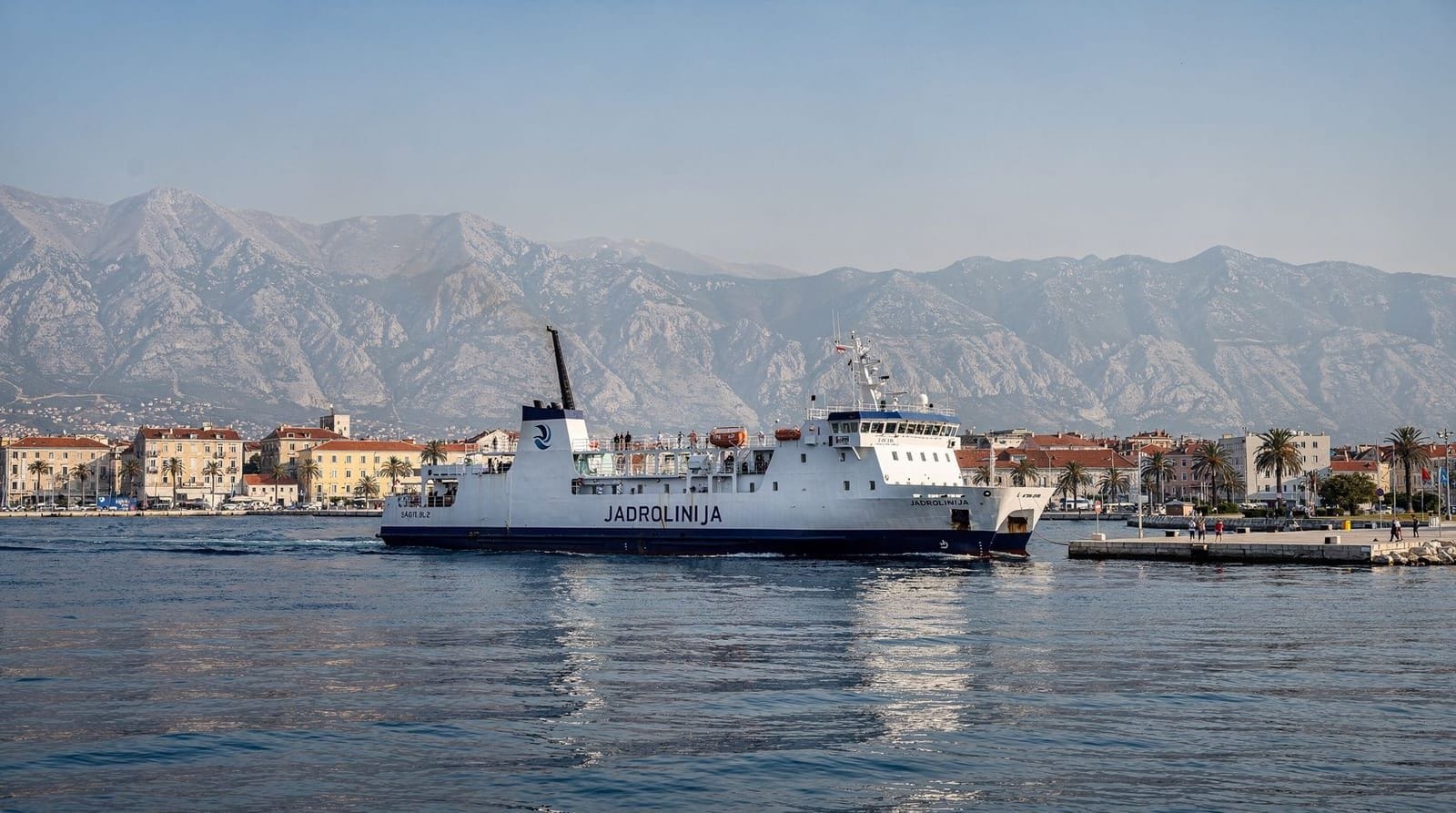
| Getting there | Hvar: fast catamaran (~1h); Brač: car ferry (~50min) |
| Best time | May–June or September for both, to skip peak crowds |
Hvar: the headline island
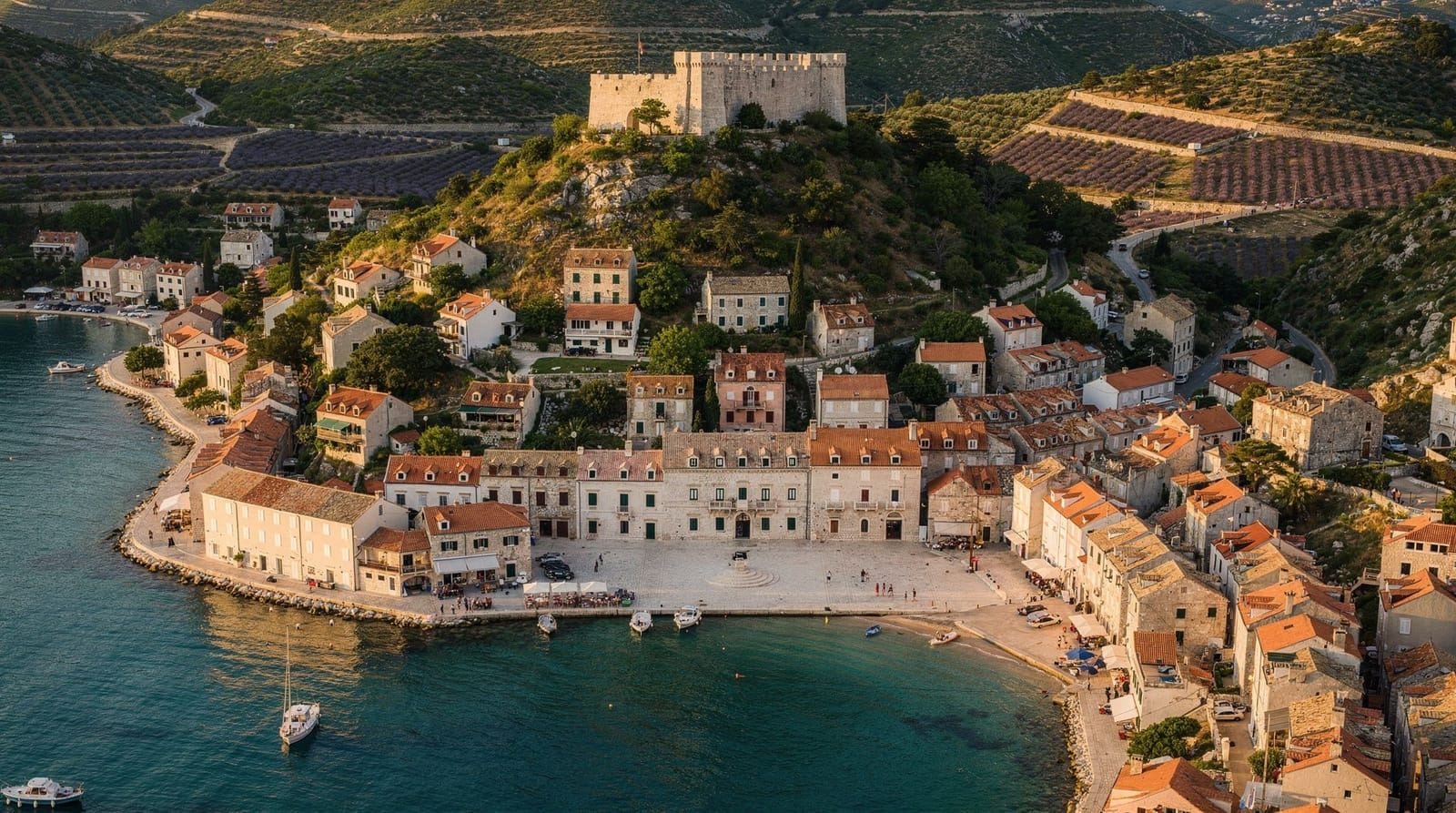
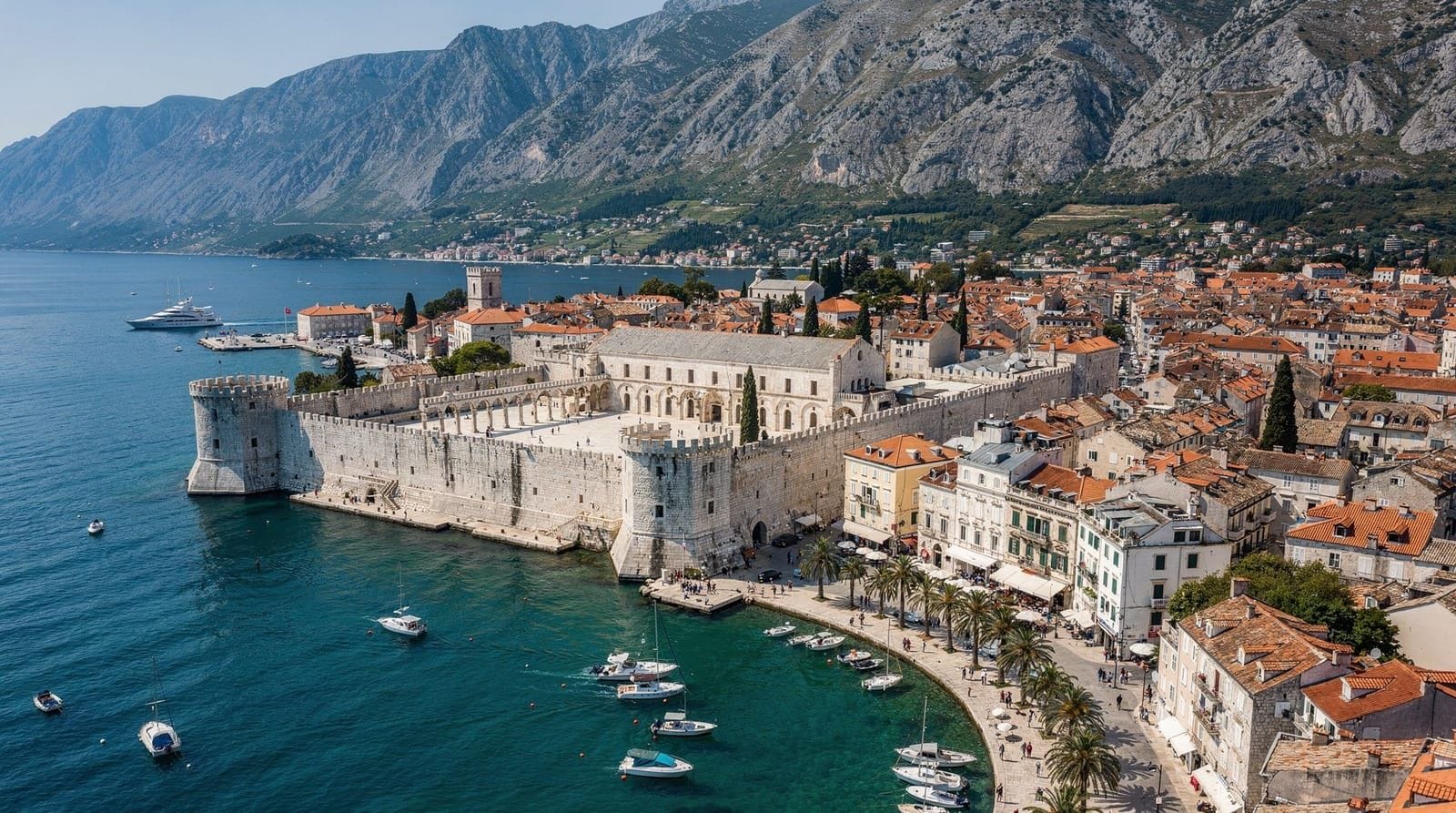
Hvar town sits in a natural harbour backed by a hill topped with a 13th-century fortress. The waterfront is lined with yachts worth more than most houses; the Franciscan monastery at the harbour mouth dates to the 15th century; the Loggia and the Cathedral of St Stephen face each other across the main square, both beautifully restored.
In the afternoon, those yachts fill with twenty-somethings; the cocktail bars in medieval palaces open their terraces; and by midnight the square is a party. This is the tension at the heart of Hvar — a Renaissance town of extraordinary historical integrity that has simultaneously become one of the Adriatic’s most hedonistic destinations.
The lavender. Hvar’s interior plateau is covered in lavender fields — a signature of the island’s agricultural heritage that adds something genuinely distinctive to the landscape. Cycling through lavender in bloom (late June–early July) is a highlight the party scene doesn’t prepare you for.
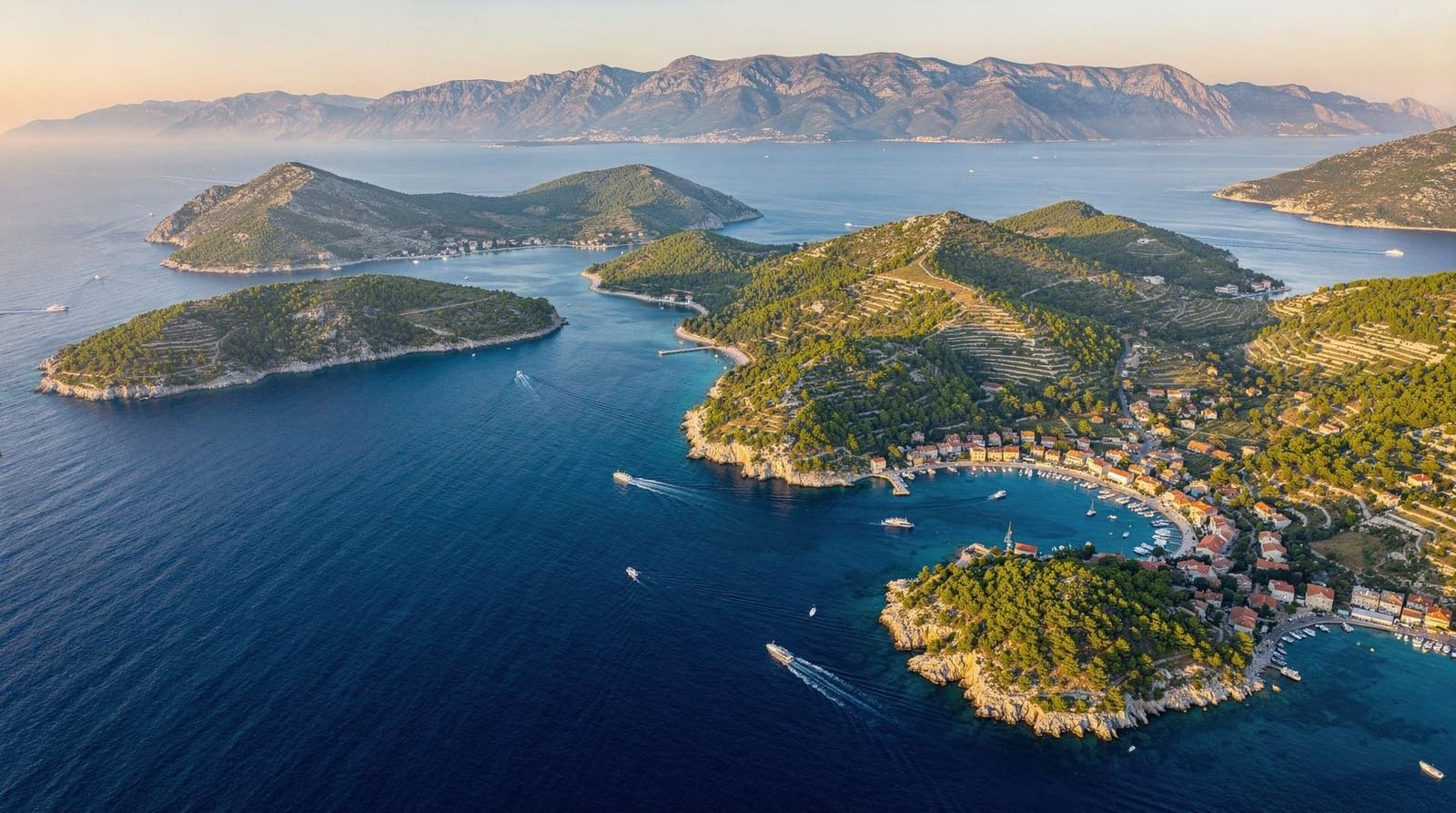
The Pakleni Islands. Water taxis from Hvar town ferry visitors to this chain of wooded islands 10 minutes offshore. The coves between the Pakleni — Palmižana, Marinkovac, Sveti Klement — are some of the most beautiful swimming spots in the Adriatic: calm, sheltered, clear.
Stari Grad. The island’s oldest town (and one of the oldest continuously inhabited settlements in Europe, dating to Greek colonisation in 385 BC) is quieter, more authentically local, and the gateway to the UNESCO-listed Stari Grad Plain — ancient agricultural plots still farmed on a 2,400-year-old grid system.
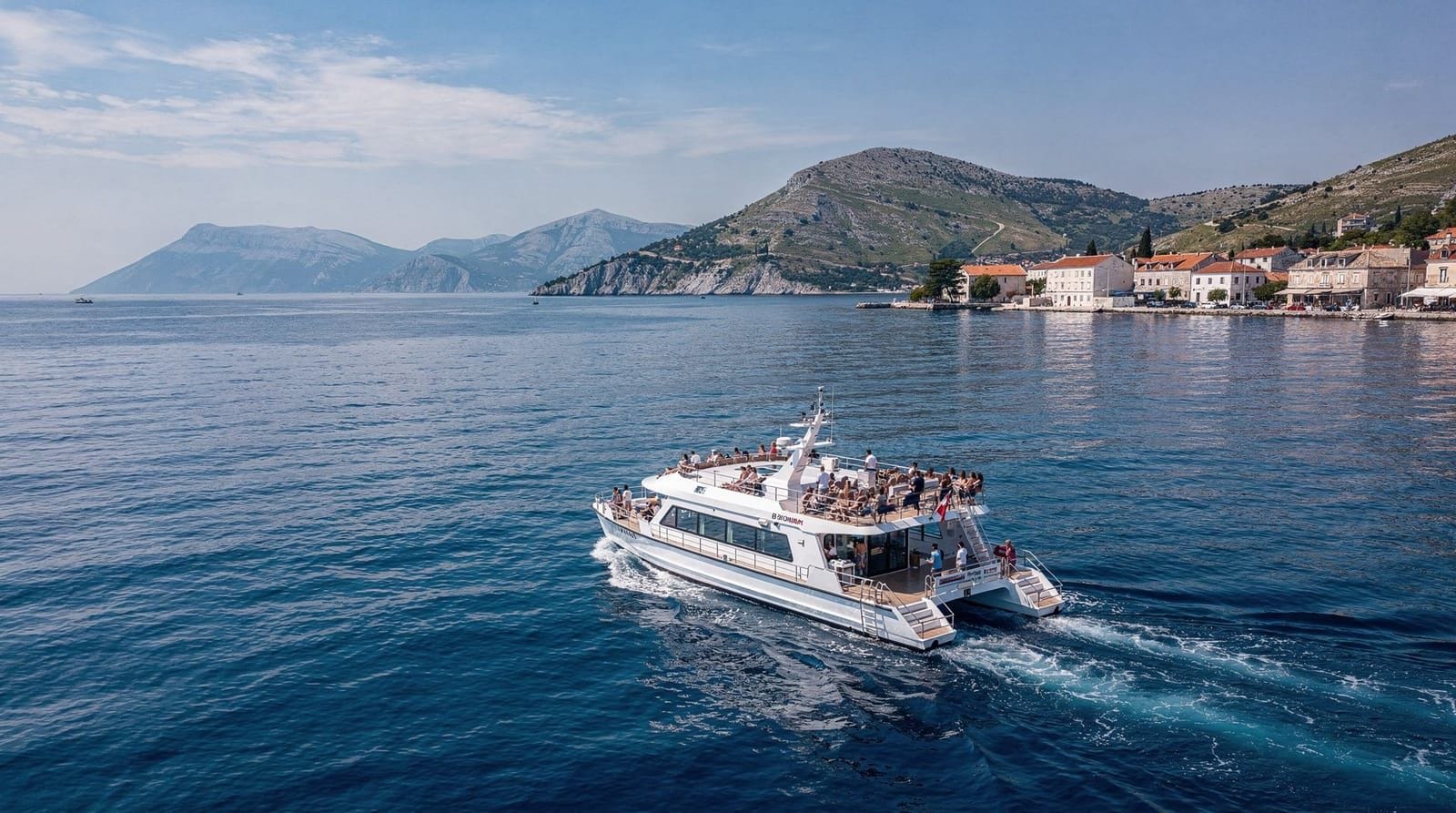
If you’d rather see the coastline than sit on a beach towel, day boat trips from Hvar town run past the Pakleni islets to the Blue Cave and further afield to Vis — a good option if two or three days isn’t enough time to explore independently and you want a guided sample of what the wider archipelago looks like.
Brač: the golden beach island
Brač is Croatia’s third-largest island and historically one of the most important — its dense white limestone (used to build Diocletian’s Palace in Split and, allegedly, the White House in Washington DC) was quarried here for centuries.
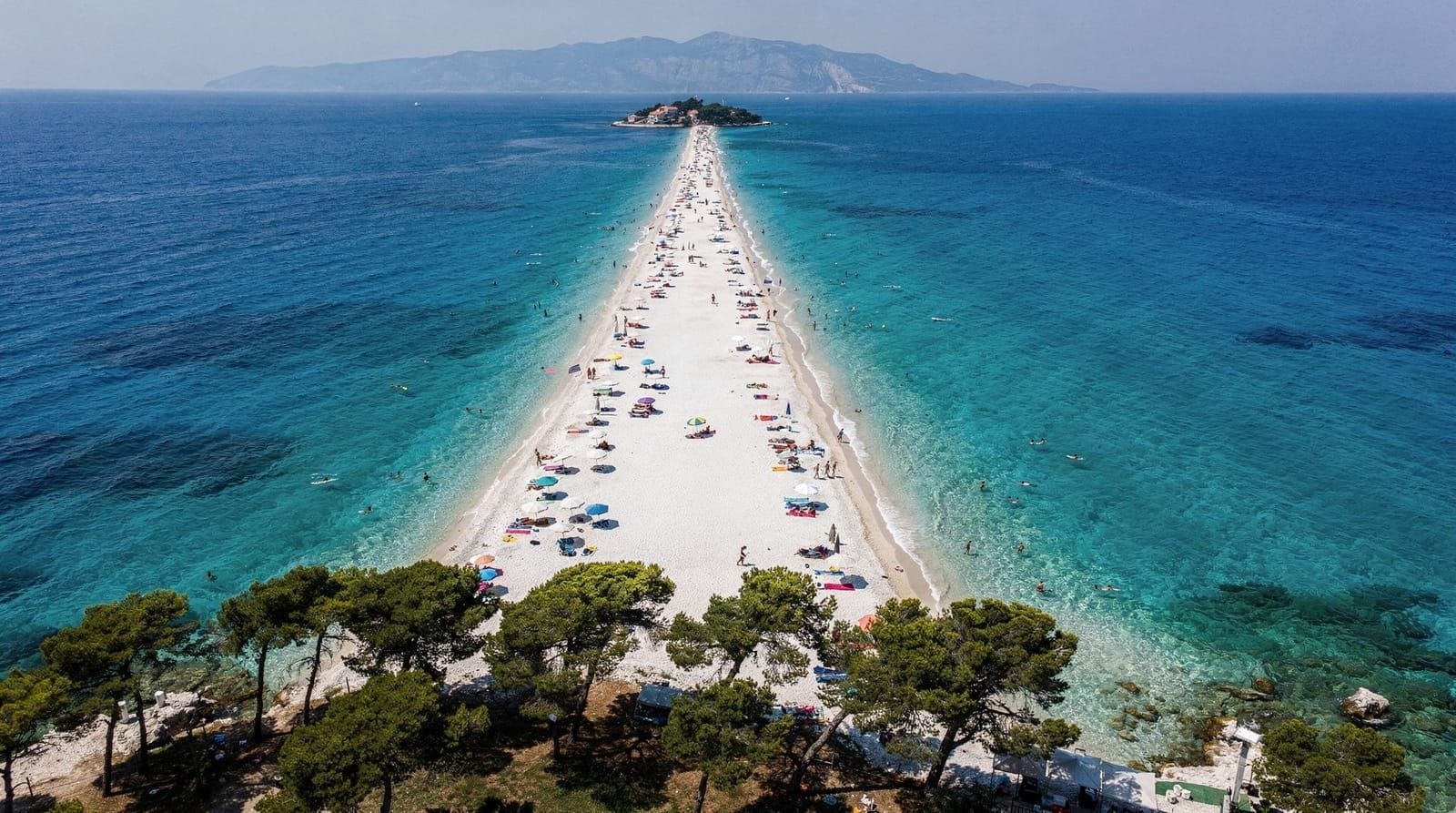
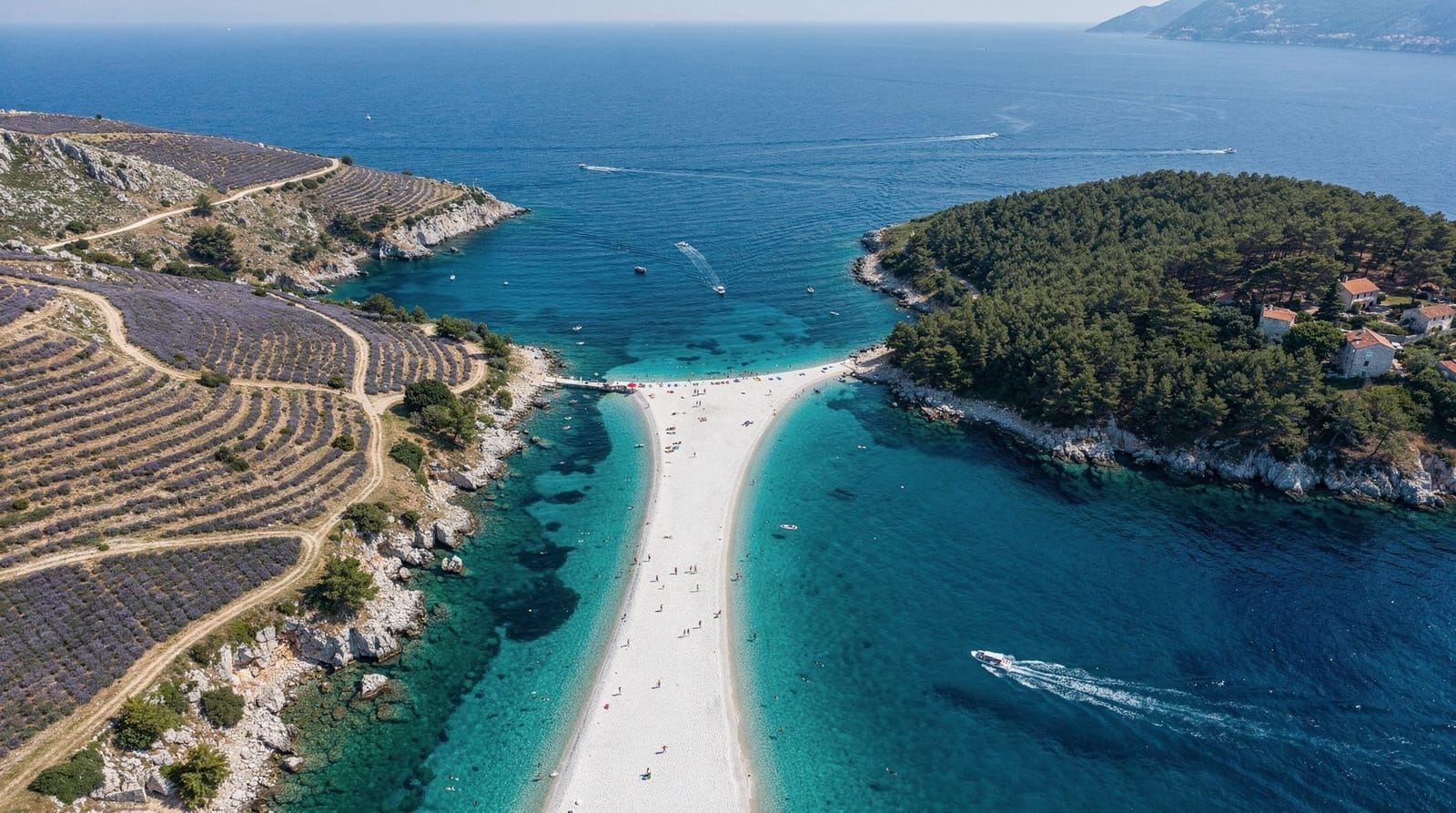
Today, Brač’s main draw is simpler: Zlatni Rat beach at Bol.
Zlatni Rat. The Golden Cape — a triangular pebble spit that extends 500 metres into the sea, its tip pointing either east or west depending on current and wind. It is genuinely one of the most striking beaches in Europe. The water on both sides is clear and relatively shallow; the pebbles fine enough to be comfortable; the view back to Biokovo mountain and the surrounding sea spectacular. Arrive early (before 10:00) in July–August; by 11:00 it is very crowded.
Windsurfing. Bol is one of Croatia’s best windsurfing locations — the Maestral sea breeze arrives reliably in the afternoon (typically 13:00–19:00 in summer), creating consistent conditions for windsurfers and kitesurfers. Schools and rental are based at Zlatni Rat.
The interior. Brač’s interior is quieter than most visitors realise — stone-built villages like Škrip (the island’s oldest settlement), vineyards producing Plavac Mali and Pošip, and the Blaca Hermitage (a 16th-century monastery carved into a cliff, accessible by a 2-km trail from the coast). Worth a half-day for those with a car.
Brač also makes a sensible base if you’re travelling with a car and want day-trip flexibility rather than committing to one town — Supetar has more affordable accommodation than Bol and a genuine local feel outside the peak weeks of August.
Side-by-side comparison
| Factor | Hvar | Brač |
|---|---|---|
| Main draw | Old Town, nightlife, Pakleni coves | Zlatni Rat beach, quiet island pace |
| Party scene | High — Adriatic benchmark | Low — relaxed evening scene |
| Cost | Very high | Moderate |
| Ferry from Split | 1h catamaran (foot passengers) | 50min car ferry |
| Main town | Hvar town (UNESCO loggia, fortress) | Bol (beach-focused) / Supetar (main port) |
| Best beach | Pakleni Islands coves, Malo Grablje | Zlatni Rat (Bol) |
| Windsurfing | Good in season | Excellent (Bol is a Maestral wind hotspot) |
| Food quality | High — acclaimed restaurants | Good — solid konoba scene |
| Family suitability | Lower (party focus in town) | Higher (quieter pace, car ferry) |
| Lavender | Yes — island signature | Olives and vineyards |
| Sailing base | Popular — Hvar is a top anchorage | Less sailing-focused |
Access from Split: practical logistics
Getting to Hvar:
- Fast catamaran Split–Hvar town: ~1 hour, foot passengers only, multiple departures in season.
- Car ferry Split–Stari Grad (Hvar): 1.5–2 hours. Larger, less frequent, for vehicles.
- Fast catamaran through multiple islands (Split–Bol–Hvar–Vis) also available in peak season.
Getting to Brač:
- Car ferry Split–Supetar (north coast): ~50 minutes, frequent (up to 14 per day in peak season).
- Local buses on Brač connect Supetar to Bol (about 1 hour).
- Direct catamaran Split–Bol: available in season (faster but less frequent than the ferry).
The Hvar–Brač connection:
- Catamaran Bol (Brač)–Hvar town: approximately 1 hour. Enables same-day combination.
Verdict by traveller profile
Choose Hvar if:
- Nightlife and the party scene are a priority
- Restaurant quality and upscale dining matter
- You want a chic, aspirational island atmosphere
- The Pakleni Islands and their coves are your kind of swimming
- You’re on a sailing or yacht charter
Choose Brač if:
- Zlatni Rat beach is on your bucket list
- A quieter, more family-friendly pace suits you
- You want to bring a car (impossible on the Hvar fast catamaran)
- Budget is a consideration
- Windsurfing is on the agenda
Visit both if:
- You have 5+ days to allocate to the central Dalmatian islands
- You want the contrast of the two island characters
- You’re island-hopping south from Split toward Vis and Korčula
What about Korčula?
If the question is “Hvar vs Brač”, Korčula is often the answer neither option quite reaches. For travellers who want an island with a medieval walled town, wine (the native Pošip grape), a slower pace than Hvar and better infrastructure than Brač for independent visitors, Korčula can be the right third option. The Hvar vs Brač vs Korčula guide explores this three-way comparison.
Where each island fits in a longer trip
Most visitors do not have to choose exclusively — the real question is sequencing. A common pattern: base in Split for two nights, day trip to Brač for Zlatni Rat, then move on to Hvar for two or three nights before continuing south. If you have more time, the island hopping in Croatia guide lays out how to weave both islands (plus Korčula and Vis) into a single route without excessive backtracking, and sailing from Split covers the option of doing the whole loop by boat rather than ferry-hopping.
For families weighing the trip as a whole rather than island by island, the best islands near Split guide ranks options by ease of access, and the best Croatian islands overview puts Hvar and Brač in context against the rest of the archipelago.
Frequently asked questions about Hvar vs Brač
Which island is closer to Split — Hvar or Brač?
Brač is slightly closer: the ferry from Split to Supetar (Brač) takes about 50 minutes; the catamaran from Split to Hvar town takes about 1 hour, with some routes faster. Both are easily reached. Brač ferry is a car ferry (you can bring a vehicle); the fast catamaran to Hvar is foot passengers only. If you need a car on the island, Brač is easier.Is Hvar or Brač better for nightlife?
Hvar, decisively. Hvar town is one of the Adriatic's party destinations — boat parties, beach clubs, cocktail bars in Renaissance palaces, nightclubs running until dawn. The Carpe Diem Beach Club on the Pakleni Islands nearby is well-known across Europe. Brač has bars and a normal evening scene in Bol and Supetar, but nothing approaching Hvar's scale or energy. If nightlife is a priority, Hvar is the choice.Which has the better beaches?
Different types. Brač has Zlatni Rat — Croatia's most famous beach, a triangular pebble spit that extends into the sea and shifts direction with currents. Genuinely spectacular. Hvar has beautiful rocky coves and the beaches of the Pakleni Islands (reachable by water taxi from Hvar town), which are calmer and more sheltered. For the single best beach experience: Zlatni Rat on Brač. For a choice of secluded coves: Hvar and the Pakleni.Is Hvar more expensive than Brač?
Yes, significantly. Hvar town is one of the most expensive places in Croatia — accommodation, food and cocktails all carry a premium. Expect to pay €15–25 for a cocktail in Hvar's bars; €10–15 per main course in mid-range restaurants. Brač is notably more affordable, particularly outside Bol's main tourist strip. For a budget-conscious island trip, Brač is the wiser choice.Which island has better food and restaurants?
Hvar has the edge for restaurant quality and variety — several acclaimed restaurants, good seafood, and an upscale dining scene that reflects the island's clientele. Brač is not short of good konobas (traditional restaurants) in Bol and the inland villages; the lamb from the island's karst plateau (Brač lamb is well-regarded) is excellent. For a special dinner experience: Hvar. For authentic konoba eating: Brač.Is Hvar or Brač better for families with children?
Brač is better for families. The car-ferry access (you can bring a vehicle with car seats and equipment), the quieter pace, lower prices and child-friendly beaches (Supetar has calmer water than the exposed stretches near Bol) suit families better. Hvar's nightlife scene and adult-oriented vibe make it less compelling for families with young children, though the island has plenty of family-appropriate sights.Can you visit both Hvar and Brač on the same day?
Yes — a popular combination. From Split, take the morning ferry to Brač (Bol), spend the morning at Zlatni Rat beach, then take the ferry from Bol to Hvar town (approximately 1 hour) for lunch and an afternoon, returning to Split by evening catamaran. This works logistically in summer when connections are frequent, but requires some timetable planning. Alternatively, stay overnight on one island and visit the other as a day trip.
Top experiences
Bookable activities with verified prices and instant confirmation on GetYourGuide.
Top experiences
Best-rated activities across GetYourGuide and Viator.

Blue cave, Mamma Mia and Hvar, 5 islands speedboat tour
- Viator

Blue Cave and Hvar Tour - 5 Islands Tour from Split and Trogir
- Viator

Blue cave, Mama Mia and Hvar, 5 Island Speedboat Tour from Trogir
- Viator

From Zadar: Plitvice Lakes with Boat Ride & Zadar Old town tour
- Viator

Hvar, Brač & Pakleni islands cruise with lunch & drinks from Split & Trogir
- Viator

Blue Cave & Vis Island speedboat tour from Hvar
- Viator