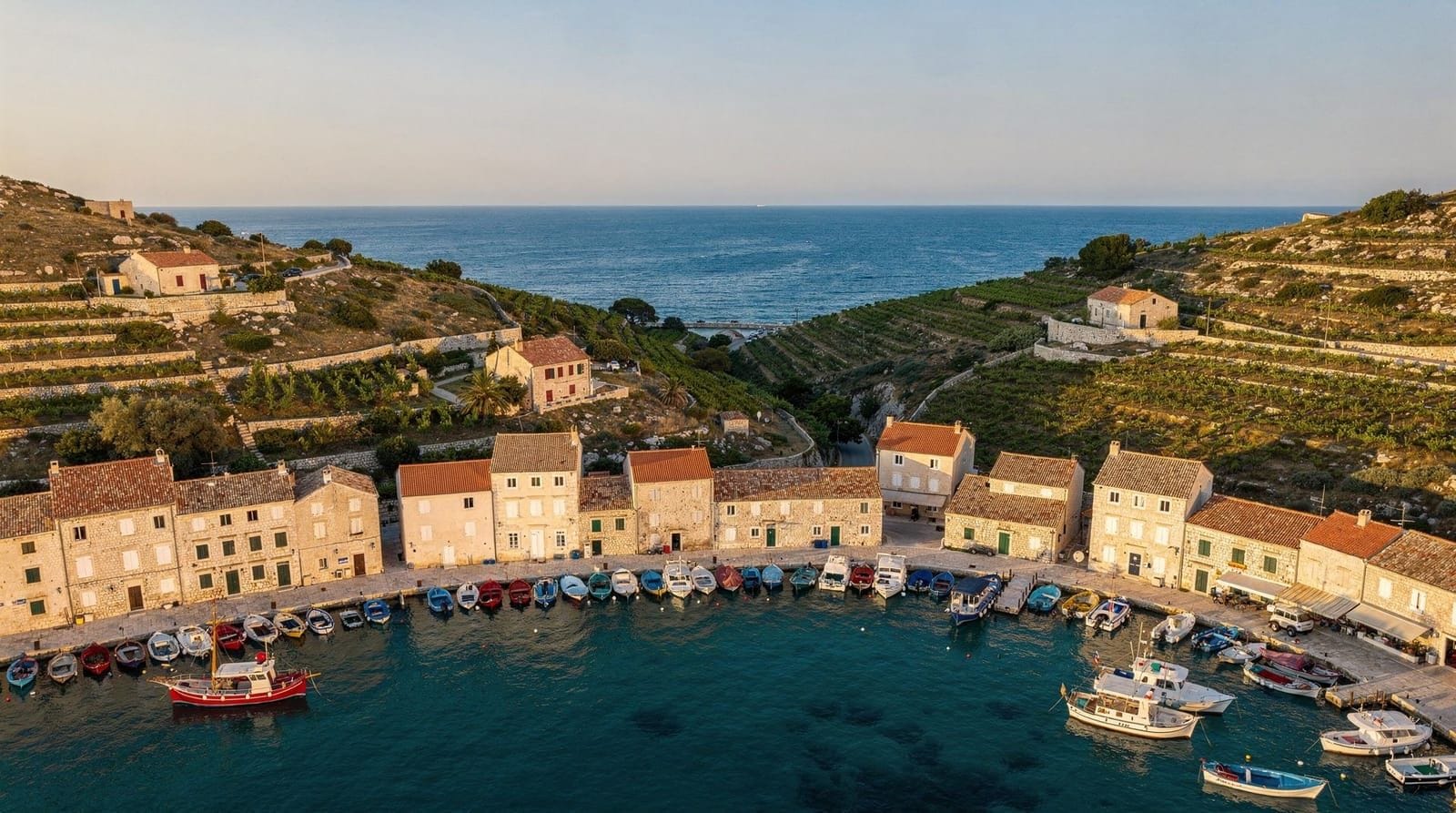
Mljet Island Guide — Croatia's Greenest Island and Its National Park
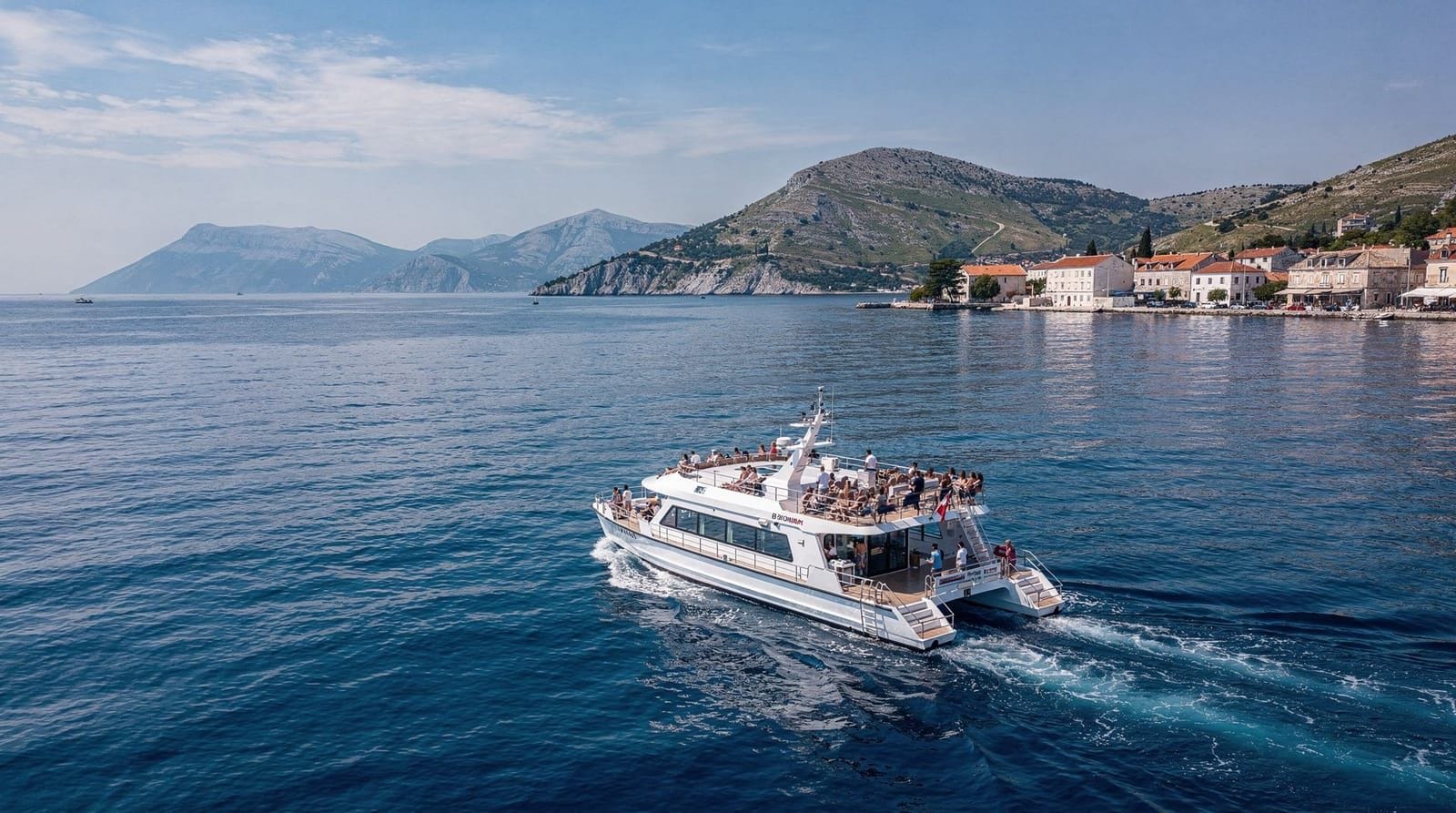
Dubrovnik: Hop-on hop-off Elaphiti Islands boat tour
What is Mljet island known for?
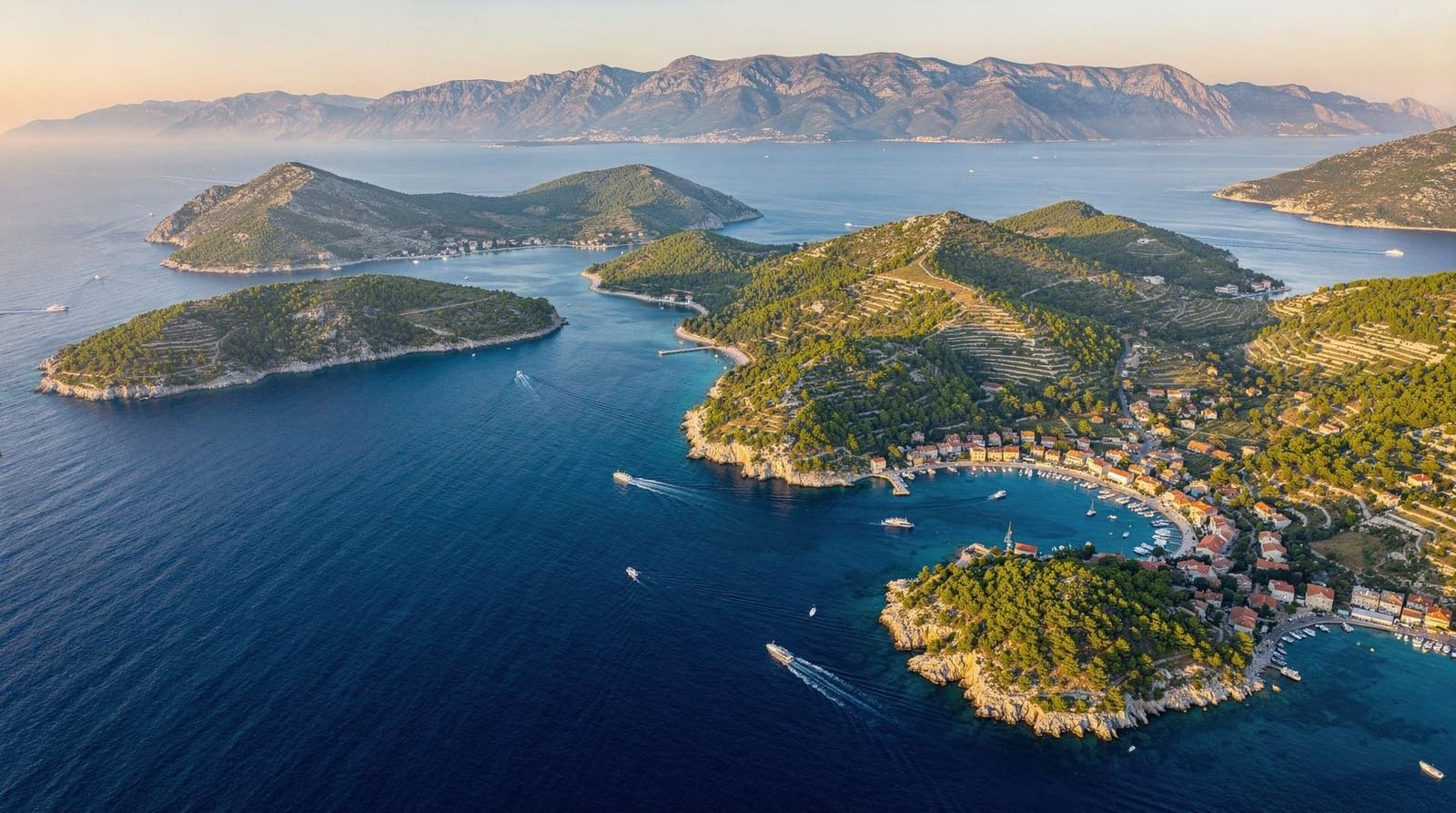
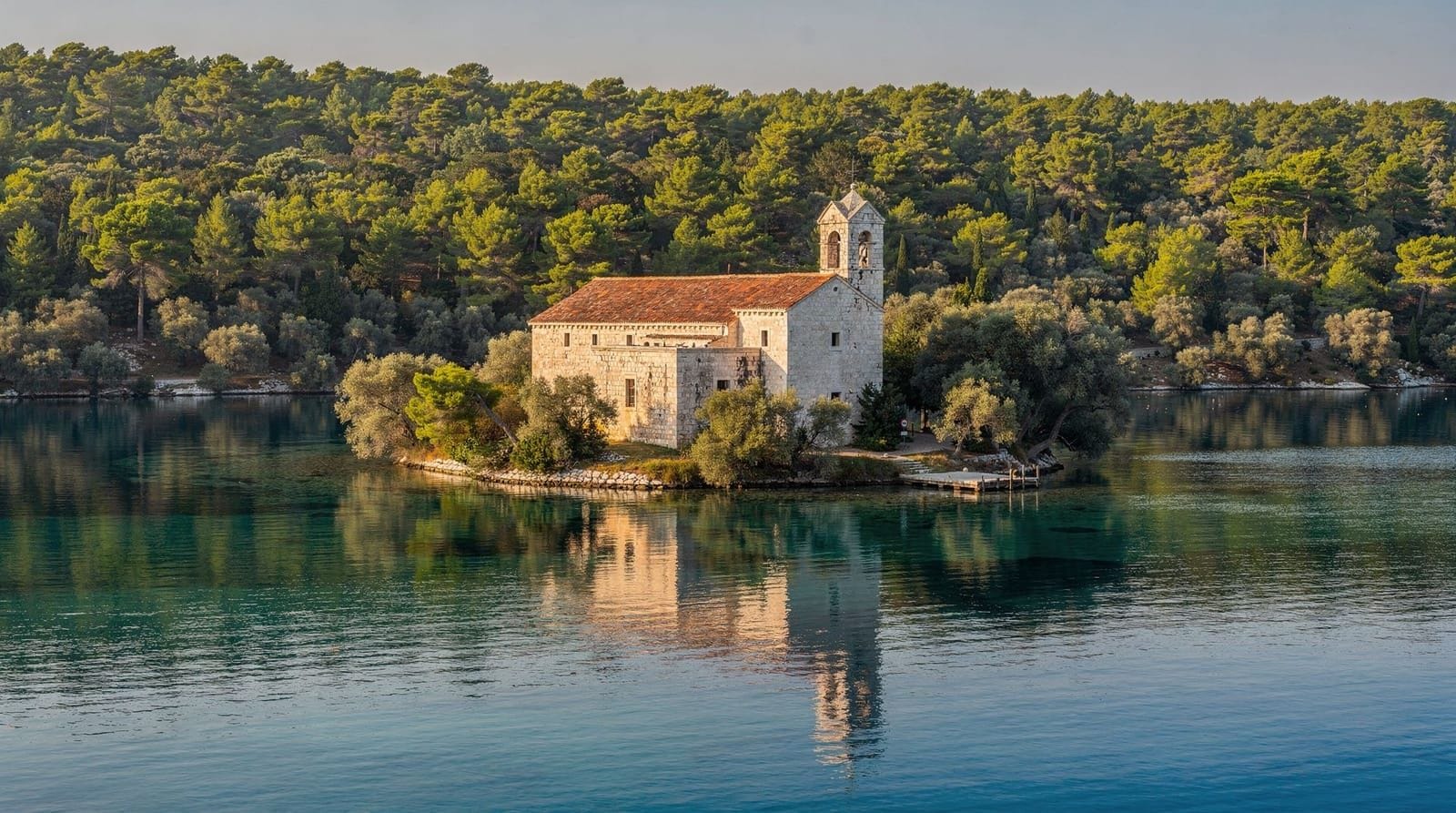
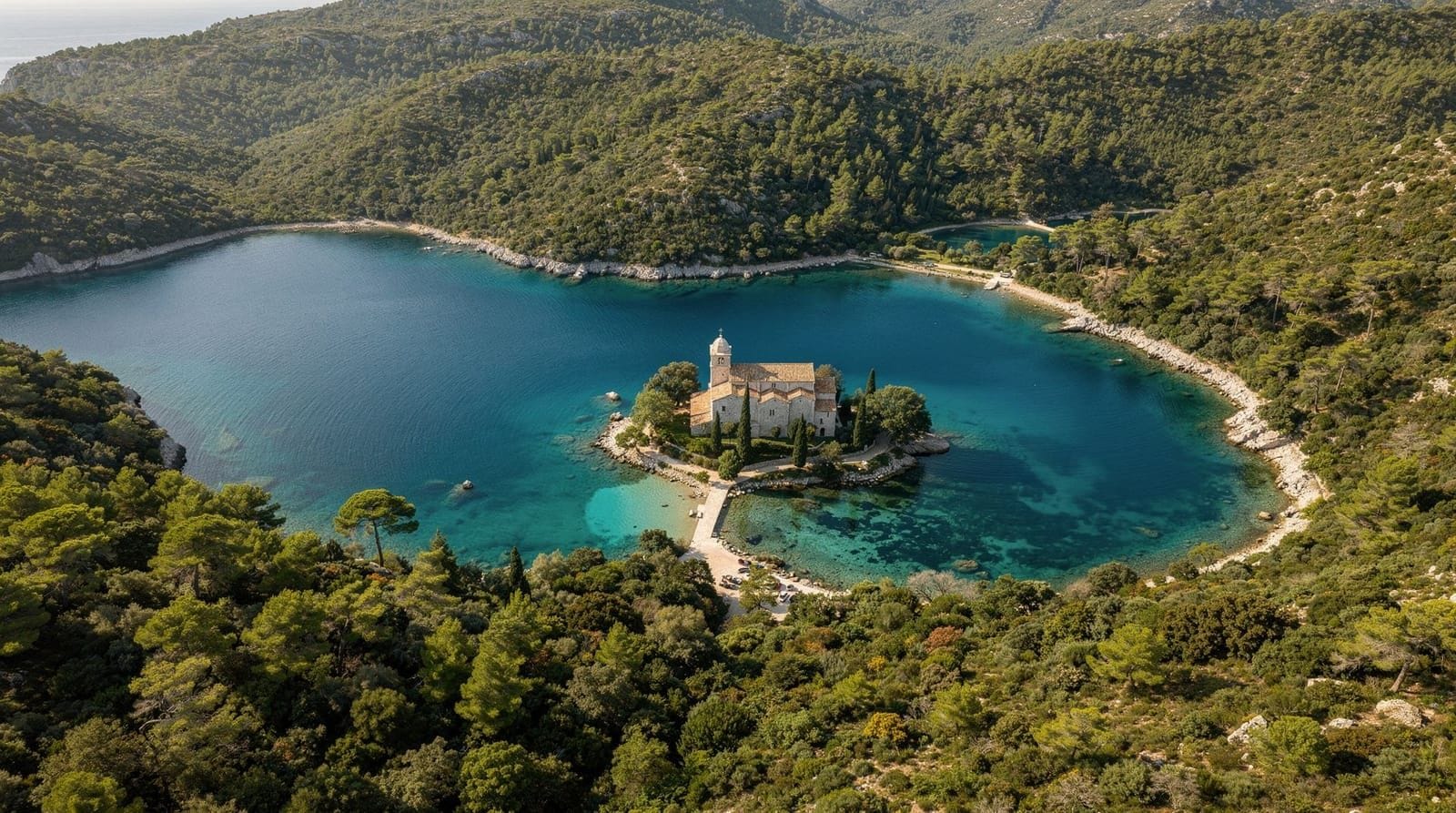
Mljet is known for its national park, which covers the western third of the island and contains two saltwater lakes (Malo Jezero and Veliko Jezero) connected to the sea by a narrow channel. In the middle of Veliko Jezero sits a small island with a 12th-century Benedictine monastery. The island is one of the greenest in Dalmatia, covered in dense Mediterranean forest, and is Croatia's most peaceful major island.
| Where | Southernmost major Dalmatian island, west of Dubrovnik |
| Cost | Around EUR 15-20/person national park entry |
| Getting there | Catamaran ~2hrs from Dubrovnik, ~4-5hrs from Split |
| Time needed | Full day minimum; two nights for a proper visit |
| Best time | June or September |
Croatia’s Quietest Major Island
Mljet (pronounced approximately “ml-yet”) is the southernmost of the major Dalmatian islands and the one that demands the most patience. There is almost no nightlife. The restaurant selection is small. The beaches are not the dramatic pebble coves of Vis or the iconic Zlatni Rat of Brač.
What Mljet has is something rarer in Croatia’s main island circuit: genuine quiet, a beautiful national park, warm lake swimming and a pace that forces you to stop and actually be somewhere rather than photograph it and move on. For travellers who arrive expecting it, Mljet consistently delivers. For those who arrive expecting another version of Hvar, it disappoints.
The National Park
Mljet National Park was established in 1960 and covers the entire western third of the island — approximately 54 square kilometres. Within the park boundaries are two saltwater lakes, the Malo Jezero (Small Lake) and the Veliko Jezero (Big Lake), connected by a narrow channel through which the sea exchanges water twice daily with the tidal flow. The salinity, temperature and circulation of the lakes are different from the open Adriatic — warmer in summer, with a distinct microclimate.
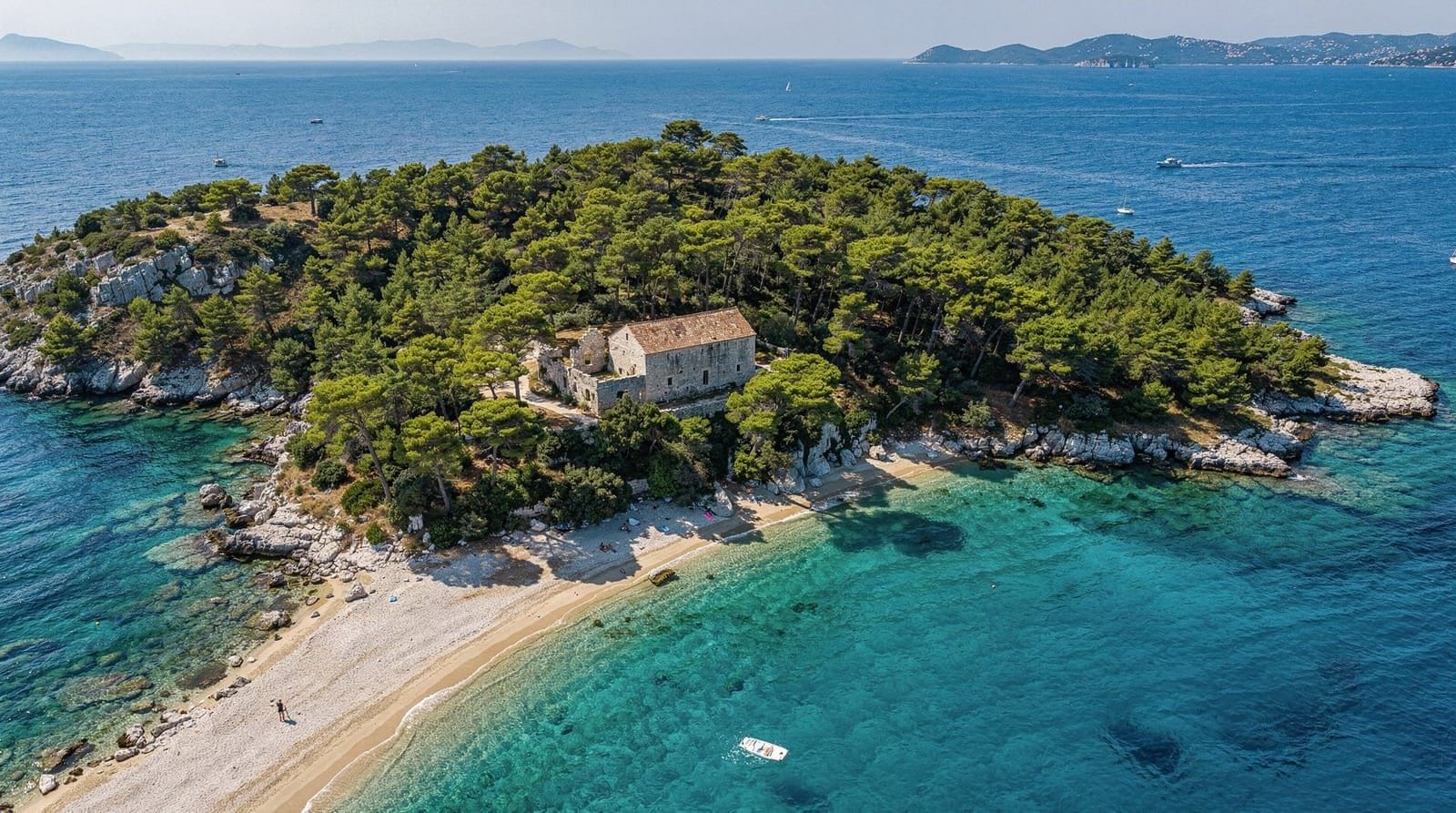
In the middle of Veliko Jezero sits the island of Sveta Marija, connected to the shore by a regular shuttle boat (included in the park entrance fee). The island holds a 12th-century Benedictine monastery, a church and a small restaurant. The monastery operated until 1809 when Napoleon’s forces arrived; the buildings were later sold to private owners. A 2015 restoration opened the monastery church and buildings to visitors.
The park itself is covered in dense Mediterranean forest — Aleppo pine, holm oak, myrtle — with paths and cycling routes through the trees. The combination of forest, lake and monastery island is visually distinctive in a way that photographs do not quite capture.
Getting There
From Dubrovnik: Jadrolinija catamaran Dubrovnik–Mljet (Polače) runs approximately once daily in peak season, journey time approximately 1 h 50 min–2 hours. This is the most straightforward access route for travellers based in Dubrovnik. Check jadrolinija.hr for the current summer timetable.
From Split via the coastal catamaran: The Jadrolinija coastal catamaran (Split–Bol–Hvar–Vis–Korčula–Mljet–Dubrovnik) stops at Mljet Polače. This makes Mljet a natural stop on an island-hopping route south from Split. Journey time from Split to Mljet is approximately 4–5 hours with stops.
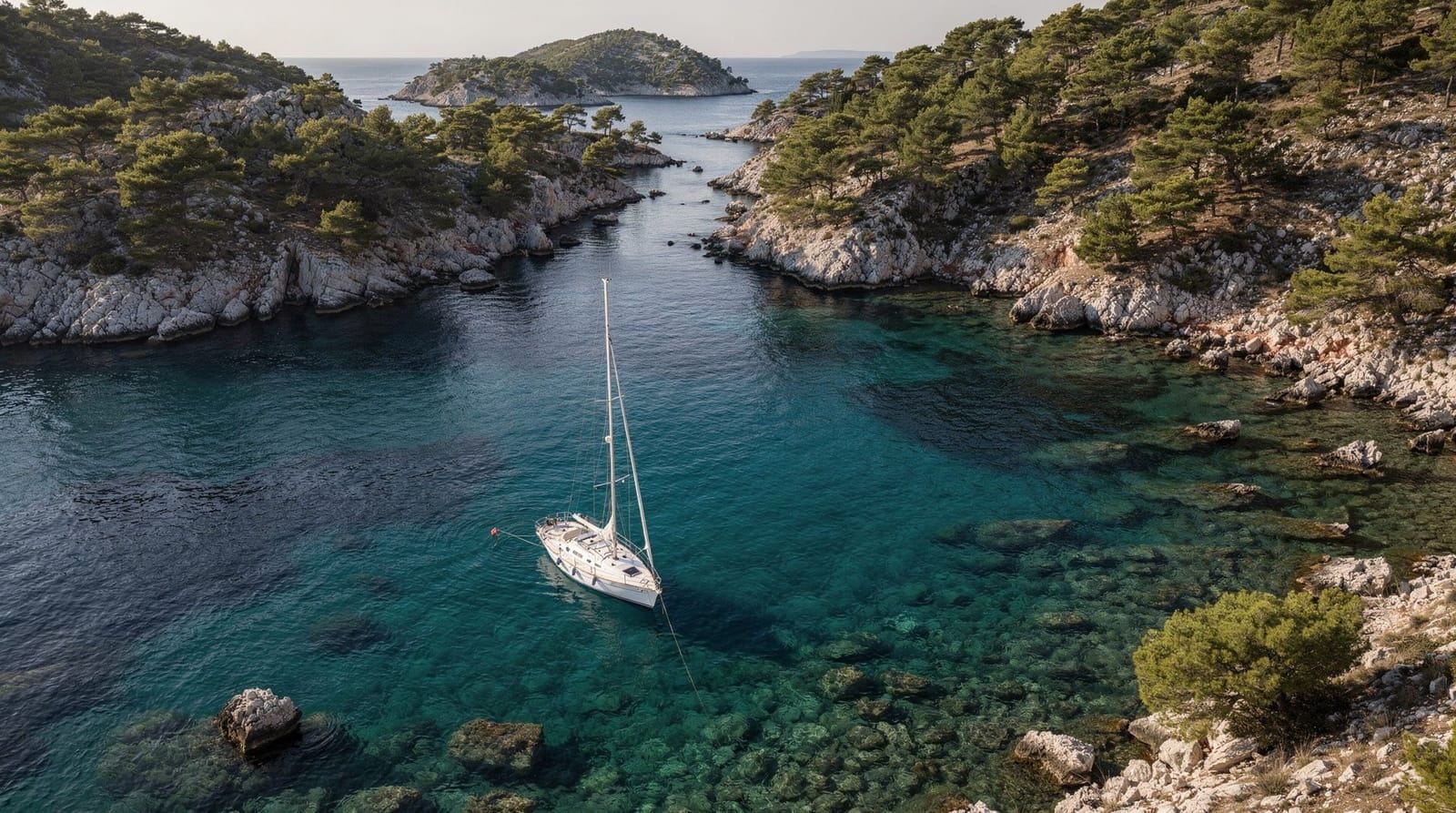
By sailing boat: Mljet is a standard stop on multi-day sailing itineraries in the southern Dalmatian area. The anchorage in Polače Bay (outside the national park) is good, and the bay at Pomena (inside the park) has mooring buoys. Vessels anchoring inside the national park boundaries must pay the park fee.
Parking: Mljet has a small car ferry connection (Prapratno–Sobra) from the Pelješac peninsula but this route is primarily useful for locals. Most visitors arrive by catamaran as foot passengers.
The Lakes
Swimming in Malo Jezero and Veliko Jezero is the central pleasure of a Mljet visit. The lake water in August reaches 26–27°C — warmer than the open sea — with no waves and very gentle current. The entry points are sandy or pebble. The underwater visibility is excellent.
The most accessible swimming point for Veliko Jezero is at the park entrance area near Pomena, where a path leads through pine trees to the lake shore. Malo Jezero has swimming access from the path between the two lakes. Both are within easy walking distance of the catamaran drop at Polače (approximately 2 km walk to Malo Jezero).
The channel between the two lakes (Soline) is narrow and shallow enough that the tidal current flowing through it is strong enough to carry a swimmer. During the tide-change periods, locals swim through the channel with the current — a brief, swift transit between the two lakes. Timing is key and should be checked locally.
The Monastery Island
The shuttle boat to Sveta Marija island runs every 30 minutes from the shore near Pomena. The journey takes 5 minutes. On the island: the restored monastery church (open to visitors, with information about the Benedictine history), the outer walls, the terrace restaurant serving simple food and local wine, views over the lake and the surrounding forest.
The setting for lunch on the monastery island — lake on one side, pine forest on the other, a medieval church at your back — is genuinely one of the more unusual dining experiences in Croatia. The food is simple and good; book ahead in July–August.
Cycling in the Park
Bicycles can be rented at the Pomena park entrance area. The path around Veliko Jezero is approximately 9 km, mostly flat or gentle slope, on a well-surfaced forest path. The complete circuit takes 1.5–2 hours at a relaxed cycling pace. The route through the trees above the lake, with occasional openings to the water, is excellent.
A longer cycling option continues outside the national park along the island’s main road to the village of Babino Polje (the island’s largest settlement, in the centre of the island) and toward the eastern part of the island. The terrain becomes hillier outside the park.
What to Know Before You Go
ATMs: One ATM in Pomena (at the hotel) and one in Polače. Bring adequate cash — the machines can run out on busy weekends. Most park facilities accept cards but smaller bars and the monastery restaurant may prefer cash.
Restaurants: Limited options. Hotel Odisej in Pomena is the main restaurant. The monastery island restaurant. A handful of konobas in Polače and Saplunara. Outside peak season, opening hours become erratic — check ahead before planning a meal somewhere specific.
Mobile coverage: Generally good 4G in the main villages; weaker in the forest interior.
Walking shoes: The forest paths are comfortable in light walking shoes or sturdy sandals. The path to Malo Jezero from Polače is unpaved in sections.
What to pack: Swimwear, a towel, reef-safe sunscreen, and a light layer for the boat crossing, which can be breezy even on a warm day. If you plan to cycle, bring closed shoes rather than sandals — the rental bikes have basic pedals without straps.
Timing: The catamaran from Dubrovnik typically arrives in Polače mid-morning, and the return sailing to Dubrovnik departs mid-afternoon — leaving approximately 5 hours for a day trip. This is sufficient for the lakes, the monastery island and a short walk but not for cycling the full circuit. Two nights is the right amount of time for a proper experience.
Honest Assessment
Mljet is the island that divides travellers most cleanly. People who find the pace, the lake swimming and the monastery beautiful tend to put it in their top Croatia experiences. People who want nightlife, more dining choice or the dramatic beach scenery of Vis find it underwhelming.
The practical limitation: Mljet has very limited accommodation and very limited restaurant options. If you arrive without a booked room in July or August, you may find nothing available. The island requires more advance planning than any other major Dalmatian island.
For the right type of traveller at the right time of year — June or September, with two nights booked — Mljet is Croatia’s most restorative island. See the island hopping itinerary for how it fits into a longer Dalmatian route.
Mljet versus Croatia’s other quiet islands
Mljet is not the only Dalmatian island built around calm rather than nightlife, but it is the most complete version of that idea. Vis trades the lake swimming for dramatic coves and a stronger food scene, and sits further from Dubrovnik. The Elaphiti Islands just off Dubrovnik offer a similar slow pace on a half-day boat trip rather than requiring an overnight stay, which suits travellers who cannot spare two nights. If genuine national-park nature and lake swimming are the priority, Mljet wins; if you want a shorter half-day taste of the same unhurried island mood, the Elaphitis are the easier add-on from Dubrovnik.
Day trip or overnight: which to plan for
A day trip from Dubrovnik gives roughly five hours on the island — enough for the lakes, the monastery island and a short walk, but not for the full cycling circuit or a lazy, unhurried pace. If your schedule allows it, staying one or two nights changes the experience meaningfully: you get an early morning at the lakes before the day-trip catamaran crowd arrives, and an evening on the island after they leave, which is when Mljet’s quiet reputation actually makes sense. Booking accommodation ahead is essential in July and August — see Croatia’s ferries guide for planning the connecting routes from Split or Dubrovnik around an overnight stay.
Frequently asked questions about Mljet Island Guide
How do you get to Mljet from Dubrovnik?
Jadrolinija operates a passenger catamaran from Dubrovnik to Polače (Mljet) in approximately 1 hour 50 min to 2 hours. The service runs once or twice daily in peak season. Jadrolinija also operates the coastal catamaran from Split that stops at Mljet Polače on the way to Dubrovnik — this is the standard route for island hoppers coming from Split.Is the Mljet National Park worth visiting?
Yes, particularly for travellers who want nature over nightlife. The combination of the saltwater lakes, the monastery island, cycling paths through pine forest and excellent swimming (the lake water is warmer and calmer than the open sea) makes it one of the most pleasant full-day experiences in Dalmatia. It is not a dramatic landscape — it is quiet, green and restorative.How much is the Mljet National Park entrance fee?
Mljet National Park entrance is approximately €15–20 per person (2026 rates). The fee includes the shuttle boat to the monastery island on Veliko Jezero. Guests staying in accommodation within the park area (Pomena or Polače) may receive a reduced or waived fee — check with your accommodation.Can you swim in the Mljet lakes?
Yes. Swimming in both Malo Jezero and Veliko Jezero is permitted and excellent. The lake water is often 1–2°C warmer than the open sea in summer (because the shallow lakes heat faster), and calmer — no waves, no current. The shallow entry points are sandy or pebble rather than rocky. It is some of the most pleasant swimming in Croatia.Where should I stay on Mljet — Pomena or Polače?
Pomena is the main tourist village, with a hotel (Hotel Odisej, the only proper hotel in the park), restaurants and the park entrance. Polače is the catamaran port, slightly rougher around the edges but with a Roman palace ruin right by the ferry dock and several private apartments. Both are within the national park. The choice often depends on where the catamaran drops you.Is Mljet good for cycling?
Yes — cycling is one of the best ways to explore the national park. A well-maintained circular path runs around both lakes (approximately 9 km for Veliko Jezero). Bicycles can be rented at the park entrance in Pomena. The terrain is flat to gently rolling within the park; outside the park the island's roads are hilly.What is the Ulysses myth associated with Mljet?
Ancient tradition holds that Mljet was the island of Ogygia, where Homer's Odysseus (Ulysses in Latin) was held for seven years by the nymph Calypso. The myth is not verifiable but it appears repeatedly in descriptions of Mljet and gives the island's hotel its name. The romantic attribution fits the island's mood of timeless quiet.
Top experiences
Bookable activities with verified prices and instant confirmation on GetYourGuide.
Top experiences
Best-rated activities across GetYourGuide and Viator.

Blue cave, Mamma Mia and Hvar, 5 islands speedboat tour
- Viator

Blue Cave and Hvar Tour - 5 Islands Tour from Split and Trogir
- Viator

Blue cave, Mama Mia and Hvar, 5 Island Speedboat Tour from Trogir
- Viator

Medulin-Kamenjak 5h boat trip ALL-INCLUSIVE drinks on Sandra Boat
- Viator

Medulin: All-Inclusive Kraken Boat Tour to Kamenjak Cave & Levan
- Viator

3Hour ALL-INCLUSIVE Sunset Dolphin Watching from Medulin onSandra
- Viator