Croatia with Kids: 10-Day Family Itinerary
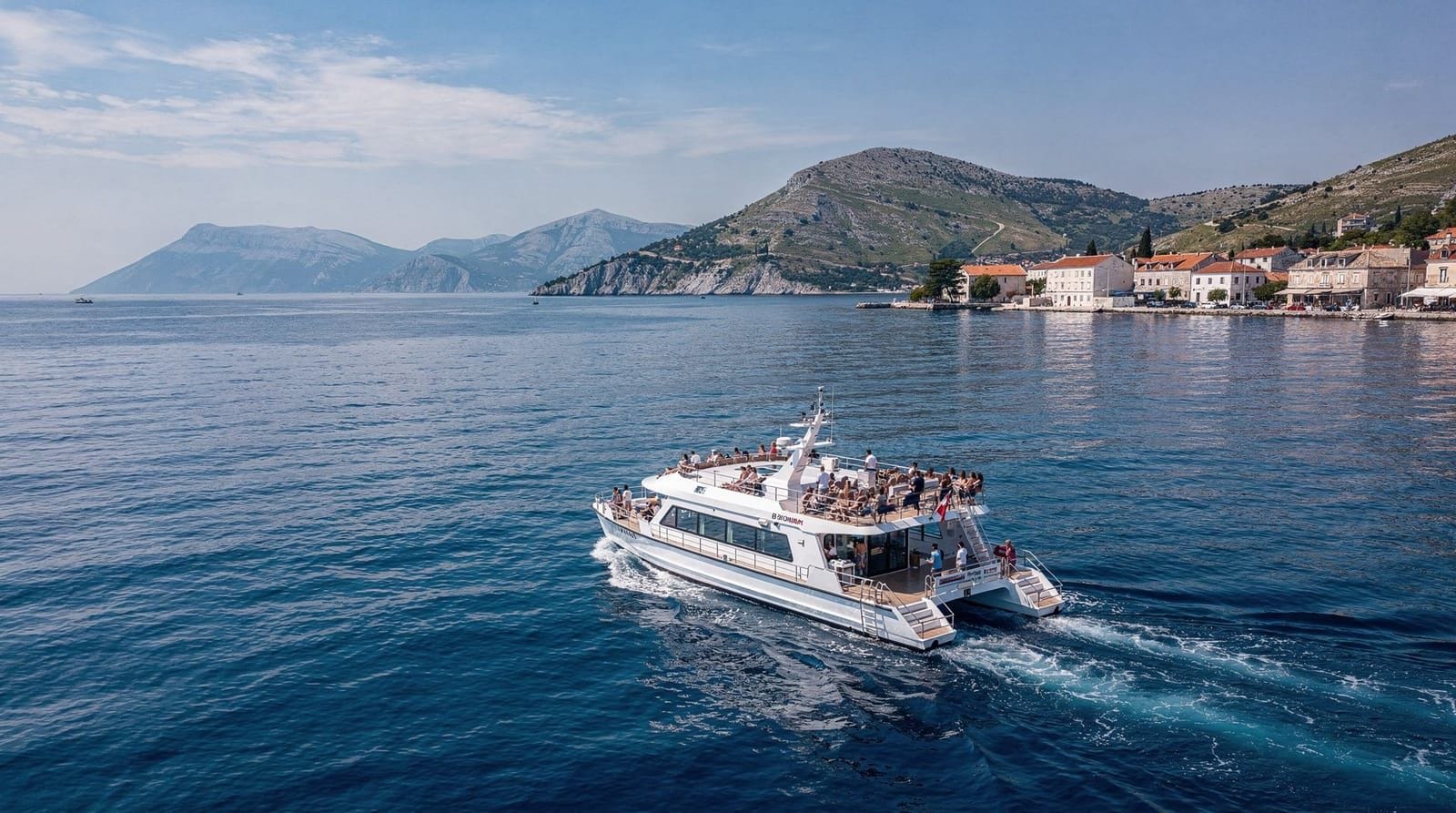
Split: Blue lagoon and 3 islands speedboat tour
Croatia with kids: what actually works
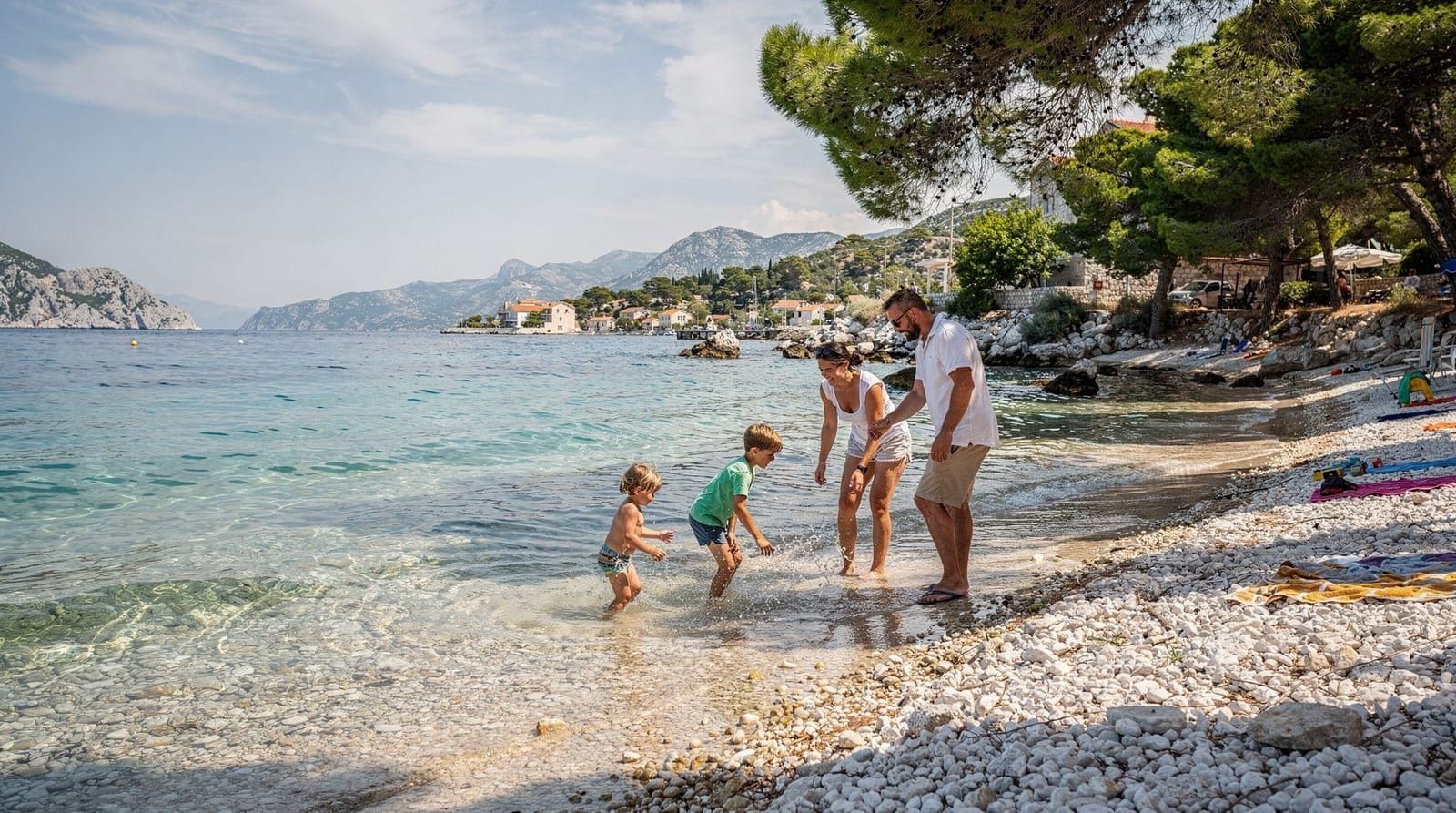
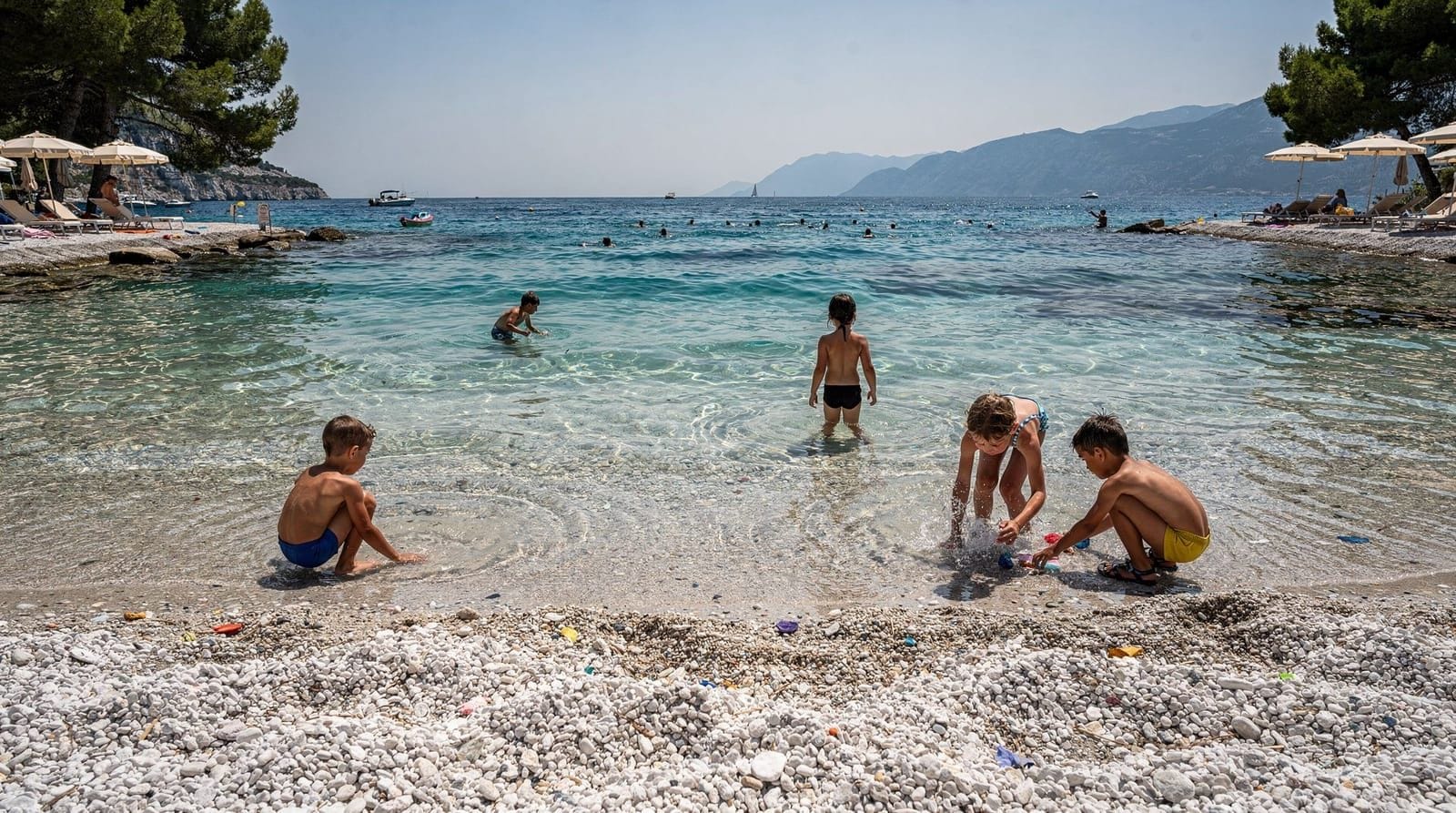
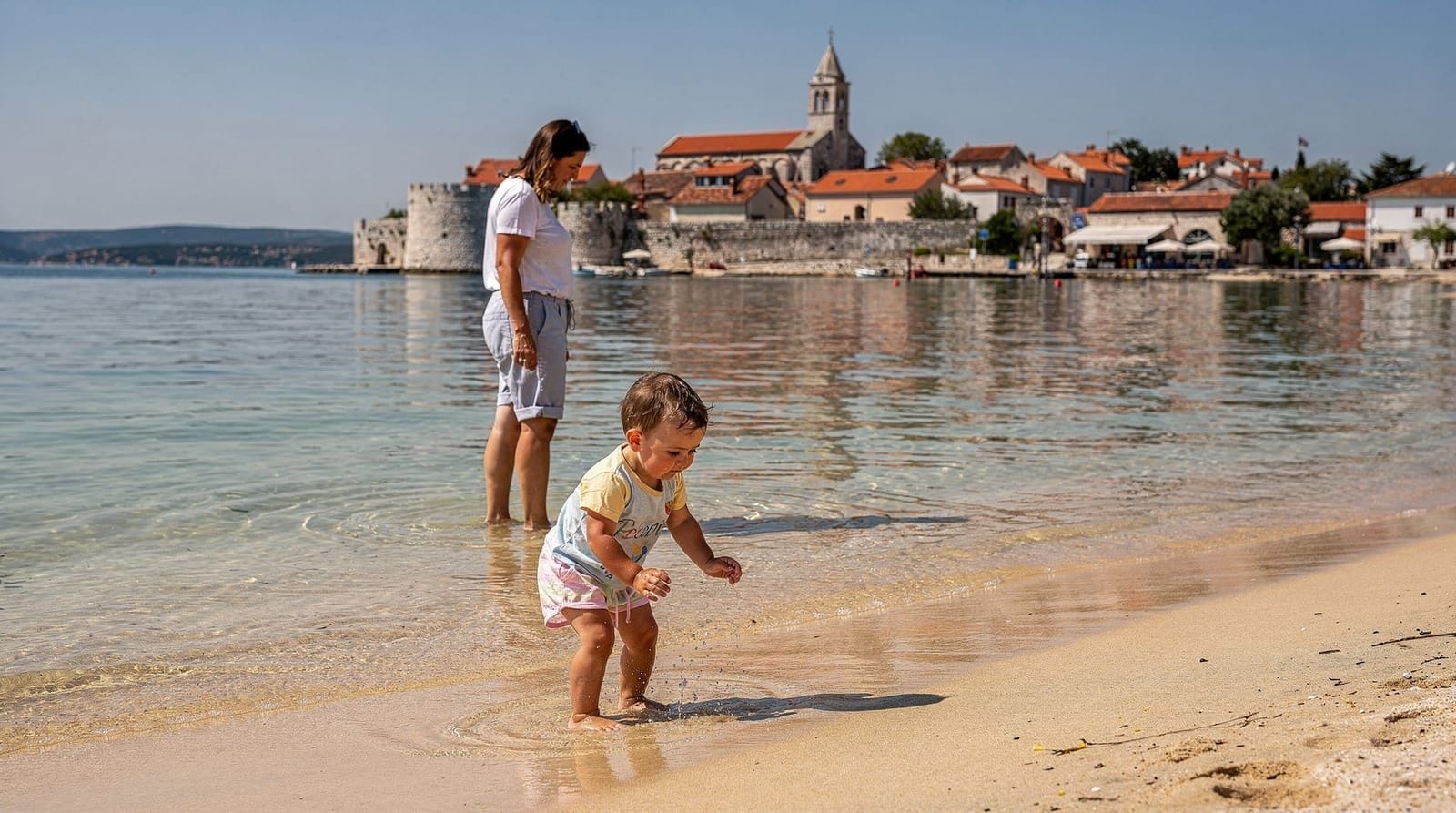
Croatia is an excellent family destination — predictably safe, warm, with shallow sandy beaches, clear water and a culture where children are genuinely welcomed at restaurants and in public spaces. The challenge is managing the distance between sights and the summer heat. This itinerary has been designed with families in mind: no multi-hour daily drives, beaches close to bases, and daily activities that children can genuinely engage with.
Age-appropriate reality check: Toddlers under 3 need mostly beach time and short walks — Croatia delivers. Children 4–10 are best engaged by boat trips, Plitvice’s boardwalks, and (carefully) the fortress climbs. Teenagers tend to enjoy the Old Town exploration and night-time harbour walks. Dubrovnik’s cobblestones and steep alleys are challenging with buggies; Split’s palace is more manageable.
When to go: Late May–June or September are strongly recommended for families. July–August means intense heat (30–35°C midday), crowded beaches and packed attractions. Plitvice in summer heat with young children is a endurance test. The shoulder months keep everything more comfortable.
| Bases | Plitvice area (1–2 nights), Split (3), Hvar (2), Dubrovnik (3) |
| Cost | around €200–300/day for a family of four, mid-range |
| Car needed | Yes, for Plitvice; optional for Split |
| Best time | late May, June or September |
| Toughest stretch | Dubrovnik’s Old Town — steep, buggy-unfriendly lanes |
For more family-specific planning beyond this route, see our Croatia family guide and family-friendly islands overview. Travelling with toddlers specifically has its own considerations — see Croatia with toddlers.
Day 1–2: Plitvice Lakes National Park
Fly into Zagreb or Split and drive directly to Plitvice Lakes (1.5 hours from Zagreb, 3.5 hours from Split). The park is the most child-friendly major sight in Croatia: wooden boardwalks right over the turquoise water, waterfalls at every turn, and enough variety to keep even restless children engaged for 3–4 hours.
Day 1: Check in to a hotel near the park (there are several within 5 minutes of the entrance) and do the Lower Lakes in the late afternoon — less crowded after 15:00, and the light is beautiful. The boat across the large lake (Kozjak) is included in the park ticket and children love it.
Day 2: The Upper Lakes in the morning. The shuttle train to the upper entrance is included in the ticket; ride it both ways if small children need rest. Exit by 12:00 and drive to Split (3.5 hours via the A1 motorway).
Plitvice practical: Entry €25–40 per adult, reduced for children under 7 (free) and 7–18 (discounted). Buggies: manageable on paved sections but impractical on the wooden boardwalks — bring a carrier for small children.
Where to sleep (Plitvice area, 1–2 nights): Hotel Jezero (directly adjacent to the park, basic but convenient), Hotel Plitvice (similar), or private rooms in the village of Mukinje.
Day 3–5: Split base — palace, beaches, boat trips
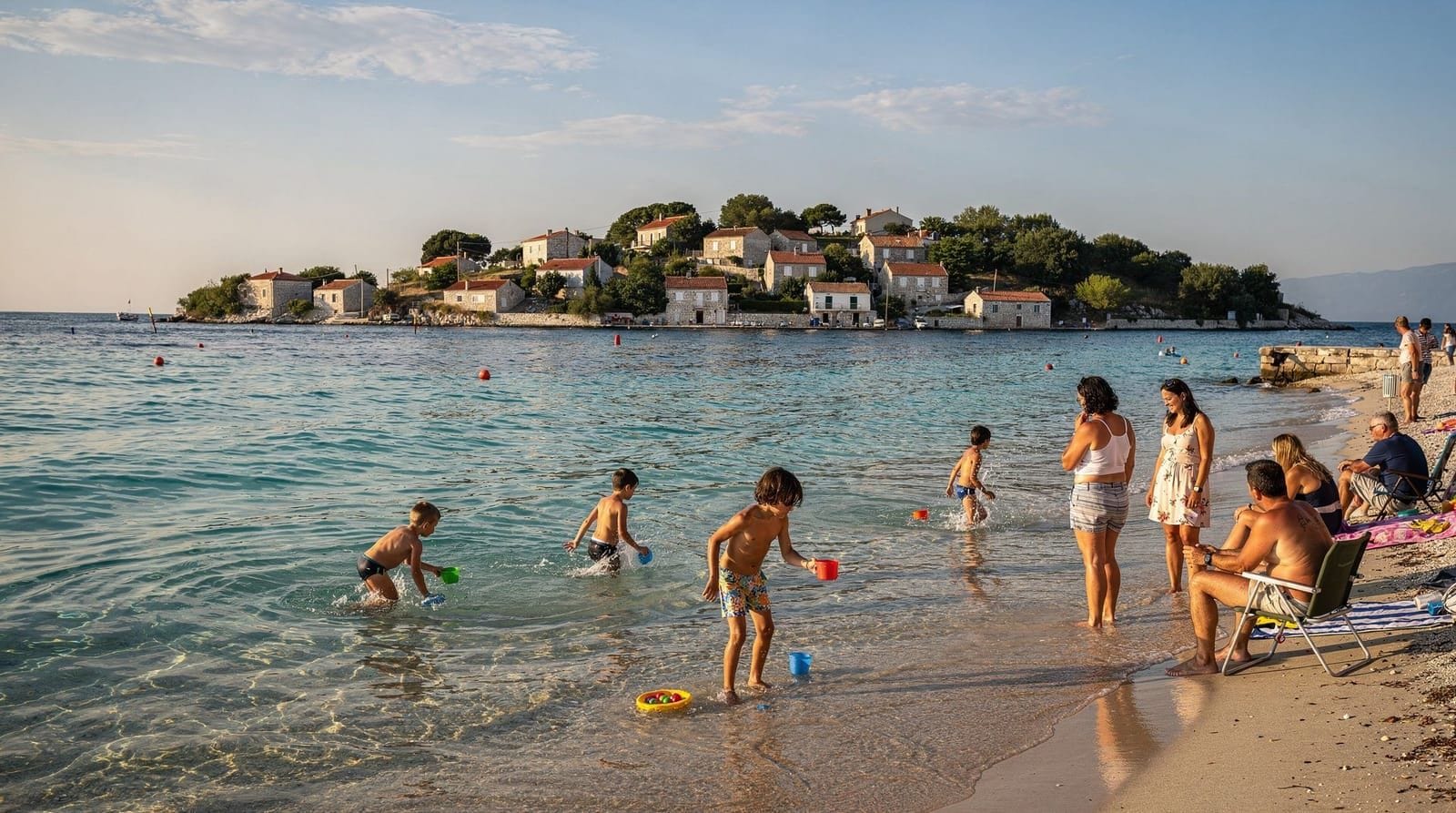
Split with children works well. The Diocletian’s Palace area is compact and walkable; the Riva waterfront is flat and child-friendly. Bačvice beach — a sandy(ish) beach 10 minutes east of the old town — is excellent for small children (gentle sloping entrance, shallow for a long distance). This is also where Croatians play picigin, a unique ball game in ankle-deep water, which children love to watch and attempt.
Day 3: Arrive Split, check in (2–3 nights is the right amount). Afternoon light walk through the palace cellars and along the Riva.
Day 4: Morning: Diocletian’s Palace with a guided tour adjusted for families.
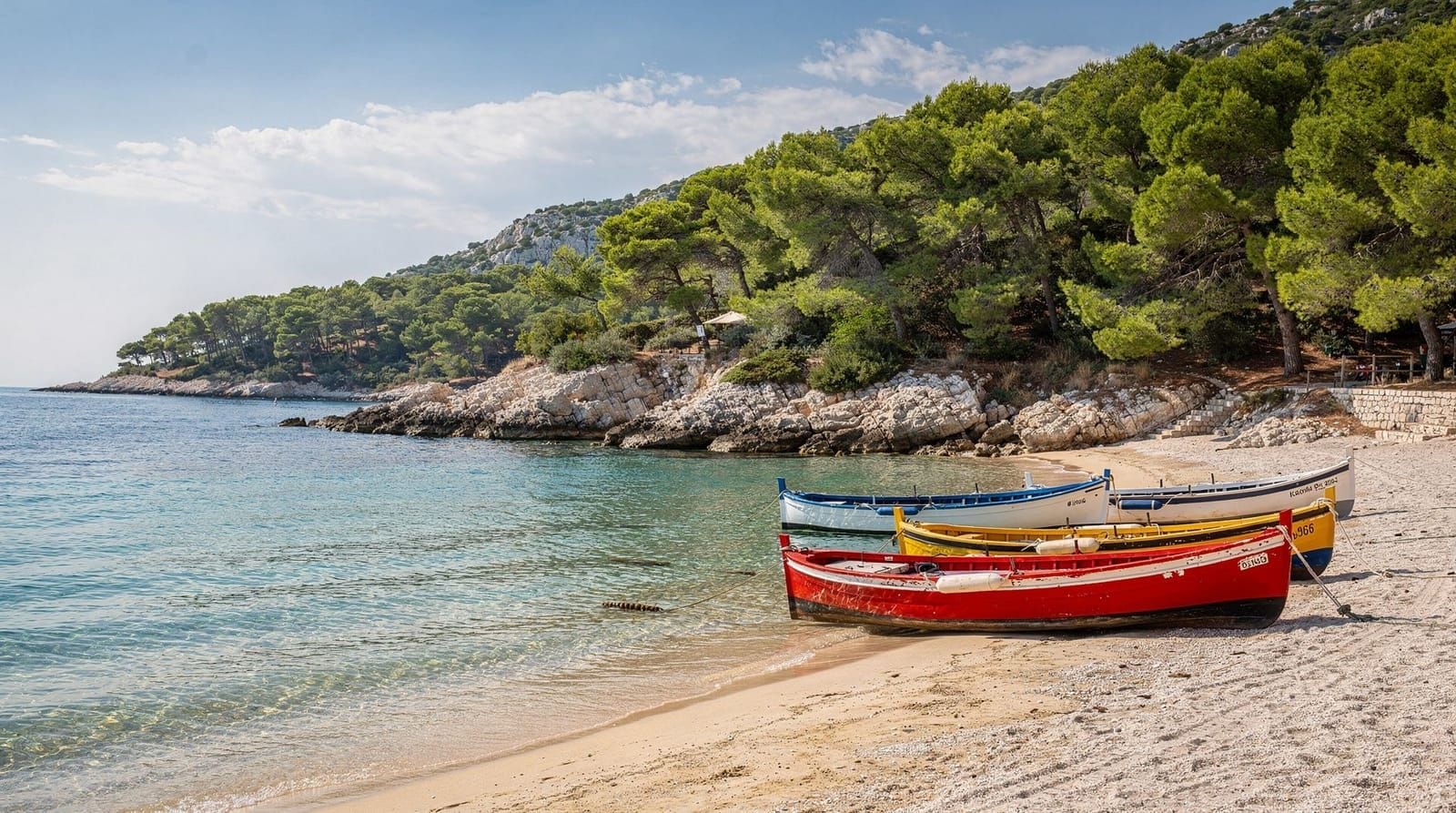
Afternoon: half-day boat tour to the Blue Lagoon, Čiovo Island and Trogir. Trogir’s old town is compact and rewarding. Children find the boat trip the highlight; the Blue Lagoon is excellent for swimming.
Day 5: Beach day from Split. Options include Bačvice (town beach), Kasjuni (pebble, sheltered, 4 km west), or the ferry to Brač for the famous Zlatni Rat beach at Bol (1 hour by catamaran). Zlatni Rat is the most Instagram-familiar Croatian beach; it is beautiful and swimmable, though the pebble-and-sand composition is not as soft as the photos suggest.
Where to sleep (Split, 3 nights): For families, apartments are far better than hotels — space for children, a kitchen for breakfast. Look for apartments in the old town perimeter or the Meje neighbourhood (close to Kasjuni beach). For a hotel with a pool: Radisson Blu Resort Split.
Day 6–7: Hvar with kids — boat trips and beaches
The catamaran from Split to Hvar Town takes 1 hour. With children, Hvar Town works best as a day-trip or brief overnight — the nightlife reputation is earned and the town can feel overwhelming in peak season. Two nights maximum.
Hvar’s real appeal for families is on the water. The Pakleni Islands are best reached by water taxi from Hvar harbour and offer excellent swimming in sheltered bays. Palmižana has a beach restaurant suitable for lunch; other islets have clearer, calmer water than the main town beaches.
Day 6: Hvar Town exploration and afternoon at Pakleni Islands. Day 7: Morning speedboat tour of the area (book through local operators in Hvar harbour), then catamaran to Dubrovnik (4–5 hours via Split, or check for direct service). Alternatively, return to Split and drive to Dubrovnik (3.5–4 hours).
Day 8–10: Dubrovnik with kids
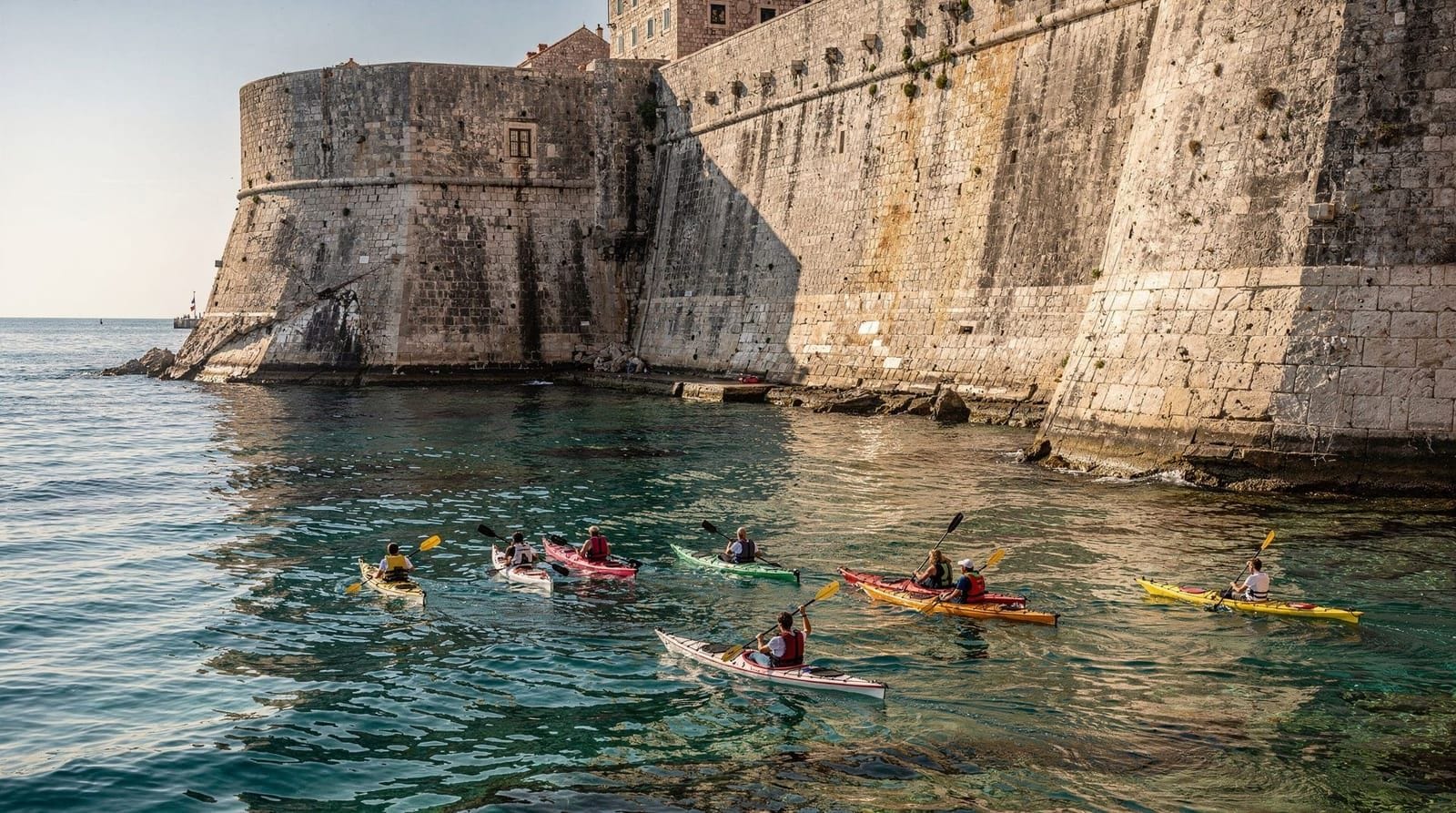
Dubrovnik with children requires some planning. The Old Town’s marble streets are beautiful but steep and slippery; buggies are very difficult in the old town. The City Walls (2 km walk, steps throughout) are manageable for children 5+ but require good footwear and water in summer.
Day 8: Arrive Dubrovnik. The cable car to Mount Srđ is the best first activity with children — the ride up is exciting, the view is superb, and there is enough space at the top to run around. Book ahead in summer.
Evening: the Stradun promenade at dusk. Children enjoy the gelato and the performers; parents enjoy the atmosphere. Dinner early (18:00–19:00) before the restaurant crush.
Day 9: Elaphiti Islands boat cruise — the car-free islands of Koločep, Lopud and Šipan are perfect for a family day out. Lopud has a sandy beach (Šunj beach, 15 minutes walk from the harbour) that is exceptional for children: shallow, calm water and soft sand.
Day 10: Morning walk inside the Old Town, including Rector’s Palace and the Dominican Monastery (both child-friendly with enough variety to engage). Afternoon airport transfer. Dubrovnik Airport (DBV) is 20 km south.
Where to sleep (Dubrovnik, 3 nights): Lapad peninsula is the most family-friendly area — good beaches nearby (Copacabana beach, Lapad bay), good restaurants, and 20 minutes by bus from the Old Town. Hotels with pools in Lapad are well-suited to families: Hotel Lapad, Hotel Kompas, Hotel More.
Day-by-day summary
| Days | Base | Highlight |
|---|---|---|
| 1–2 | Plitvice area | Lower and Upper Lakes, boat and shuttle train |
| 3–5 | Split | Palace, Bačvice beach, Blue Lagoon boat trip |
| 6–7 | Hvar | Pakleni Islands swimming, boat trip |
| 8–10 | Dubrovnik | Cable car, Elaphiti Islands, Old Town |
Which day is best to drop if you only have a week
If ten days isn’t possible, cut the Hvar leg (days 6–7) first — it is the most logistically demanding stretch with young children (a catamaran there, a catamaran onward or back through Split) and Split’s own beaches deliver similar swimming without the extra transfers. That leaves a tighter but still comfortable week: Plitvice, Split, Dubrovnik. If beach time matters more than Dubrovnik’s Old Town for your family, the reverse trade works too — see family beaches in Croatia for alternatives closer to Split that avoid the Hvar crossing.
Kid-friendly tours worth booking ahead
Organised boat trips are genuinely the easiest way to keep children engaged mid-itinerary, since they combine movement, swimming and a clear structure to the day. Our kid-friendly tours in Croatia roundup covers more options beyond the two built into this route.
Krka National Park all-sites entry ticketIf your dates allow a short detour from Split, Krka National Park’s boardwalks are flatter and shorter than Plitvice’s, making it a good half-day option for families who found the two full Plitvice days enough already, or who want a shorter waterfall stop nearer the coast.
Health, safety and practical family logistics
Pharmacies (ljekarna) are common in Split and Dubrovnik and stock familiar children’s medicines; carry a basic kit for minor cuts and sunburn regardless, since sun exposure is the most common issue on this route. Tap water is safe to drink throughout Croatia. Croatian entry requirements for children are the same as for adults — check current visa rules on our entry requirements guide before booking flights, particularly for non-EU families.
FAQ
Is Croatia a good destination for young children, not just older kids? Yes. Shallow, gently sloping beaches (Bačvice in Split, Šunj on Lopud near Dubrovnik) suit toddlers well, and Plitvice’s boardwalks and boat rides work for most ages. The main challenge is heat management in peak summer and Dubrovnik’s steep, buggy-unfriendly Old Town lanes.
Should I rent a car for this whole family itinerary? Only for the Plitvice section (days 1–2) and, optionally, getting between Zagreb or Split and the park. From Split onward, ferries, catamarans and local buses handle the route comfortably, and a car becomes a genuine hindrance once you reach Dubrovnik.
Practical information for this family Croatia itinerary
Car: Needed for days 1–2 (Plitvice). A car is useful but not essential for Split (city buses and taxis work well). For Dubrovnik, a car is a hindrance — parking is expensive and the Old Town is not driveable.
Strollers: Essential for toddlers. Pack a baby carrier for Plitvice, the City Walls and Split’s old town. Strollers work well on the Riva and in Lapad.
Heat: Midday (12:00–15:00) in July–August is very hot (30–35°C). Structure days around early morning and late afternoon activities; rest or swim during the hottest hours. Reusable water bottles, sun cream SPF50+, and hats are non-negotiable.
Restaurants: Croatian restaurants are very family-friendly. Pizza is ubiquitous and usually good. Pašticada (beef stew) and risotto with seafood are crowd-pleasers for older children. Child portions can usually be requested even where not on the menu.
Budget: Families pay more per person on average due to accommodation (needing a family room or apartment) and extra boat tickets. Budget €200–300 per day for a family of four at mid-range; €120–180 at budget end.
Top experiences
Bookable activities with verified prices and instant confirmation on GetYourGuide.