Dubrovnik Long Weekend: 4-Day City Break Itinerary
Dubrovnik: City walls walking tour
Four days in Dubrovnik: what the city actually requires
Dubrovnik is a long-weekend destination that punches above its size. The old town is compact — barely 2 km wall to wall — but it is one of the most beautifully preserved medieval cities in Europe, a UNESCO World Heritage Site since 1979 and a Game of Thrones filming location that has put it on the radar of an entirely new audience.
Four days allows you to cover all the essential sights, do one day trip, and still have an afternoon to simply sit at a café on the Stradun with no agenda. Rushing Dubrovnik is the most common mistake visitors make.
Crowd management is the key to enjoying Dubrovnik. In July and August, the old town receives up to 10,000 visitors daily; cruise ships dock in Gruž port and their passengers pile through the Pile Gate between 09:00 and 17:00. The city is working to manage this; passenger limits on cruise ships have been introduced. But the reality is: July and August are busy. If you visit then, go early (08:00 or before) and late (17:00 onward) for the Old Town; schedule midday activities at Lokrum or the cable car where crowds thin out. Off-season (October–May), the experience is transformed.
Budget: Dubrovnik is the most expensive city in Croatia and one of the pricier short-break destinations in Europe. Budget €150–250 per person per day at mid-range (accommodation, meals, transport and the City Walls entry fee). Shoulder season brings this down 30–50%.
| Where | Dubrovnik Old Town, with a day trip to the Elaphiti Islands |
| Cost | Around €150–250 per person per day (mid-range) |
| Time needed | 4 days is comfortable; 3 is tight, 5+ adds Cavtat or Mostar |
| Getting there | Dubrovnik Airport (DBV), 20 km south — airport bus around €8 |
| Best time | May, June or September for lighter crowds and warm sea |
Day-by-day at a glance
| Day | Focus | Pace |
|---|---|---|
| 1 | Arrival, orientation walk along the Stradun | Relaxed |
| 2 | City Walls circuit, Old Town depth | Full day |
| 3 | Lokrum Island, sea kayaking or cable car | Full day |
| 4 | Elaphiti Islands day trip, departure | Full day |
Day 1: Arrive — orientation evening walk
Fly into Dubrovnik Airport (DBV), 20 km south of the city. The Atlas airport bus runs directly to Pile Gate (€8, 30 minutes); a taxi costs €30–40.
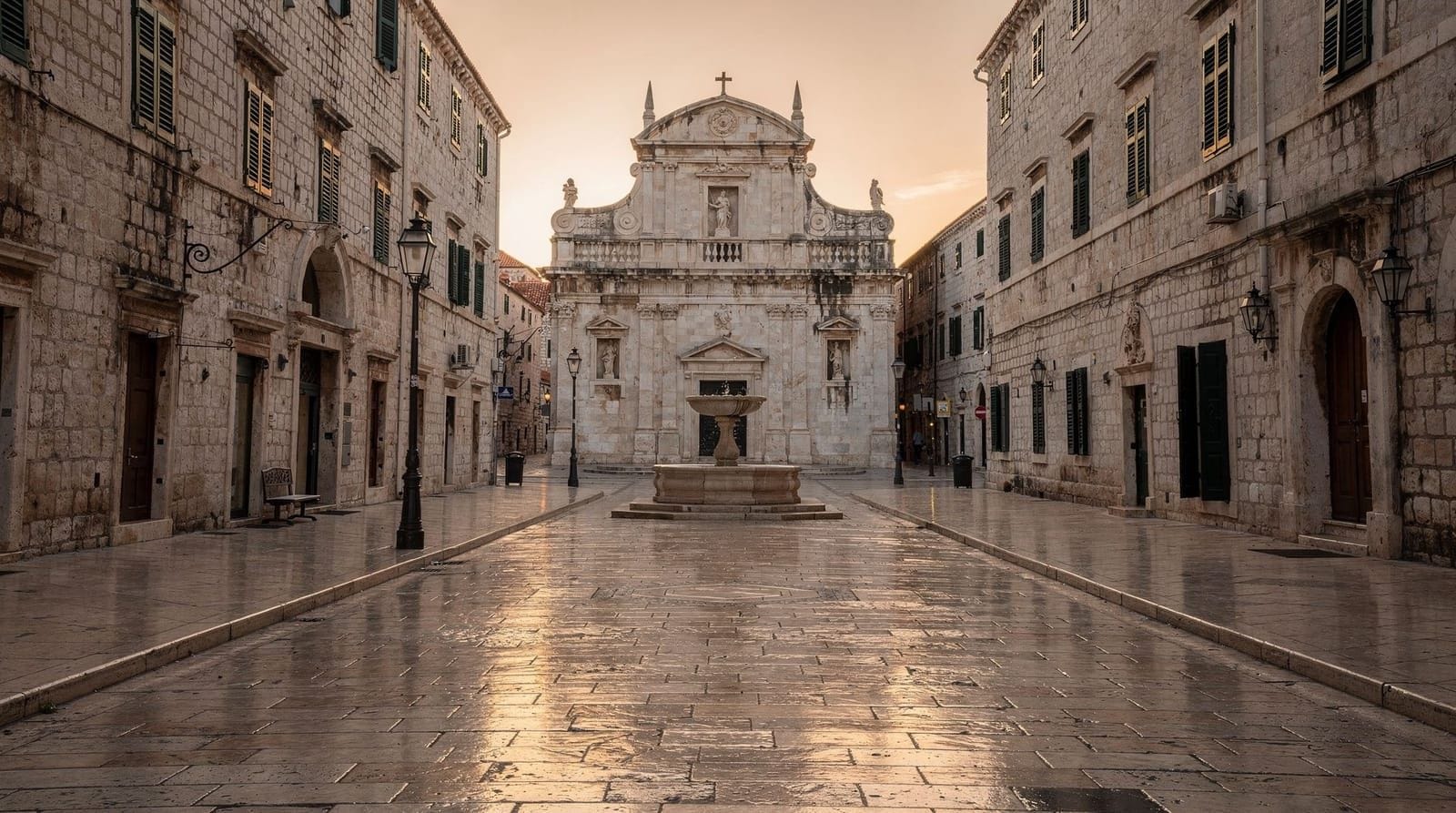
Check in and resist the urge to cram in sights. This first evening is for orientation: walk through the Pile Gate into the Old Town, turn left onto the Stradun, and walk its 300-metre limestone length to the Ploče Gate at the east end. Do not rush. The Stradun after sunset, when the stone glows under warm lights and the day’s heat lifts, is one of the most beautiful streets in the Mediterranean.
Have dinner in the old town. Avoid the most obviously tourist-trap places on the main square — the best restaurants are one or two streets back. Bota Šare oyster bar (near the Pile Gate, specialises in Pelješac oysters) and Restaurant 360° (spectacular terrace above the walls, expensive but unrivalled) are both worth knowing about.
Where to sleep (Dubrovnik, 4 nights): Old Town accommodations for maximum immersion (expensive but worth it for one trip): Hotel Stari Grad, Pucić Palace, or apartments within the walls. Lapad peninsula (20 minutes by bus, much more affordable): Hotel Dubrovnik Palace, Hotel Kompas, or guesthouses in the Lapad bay area.
Day 2: City Walls and Old Town in depth
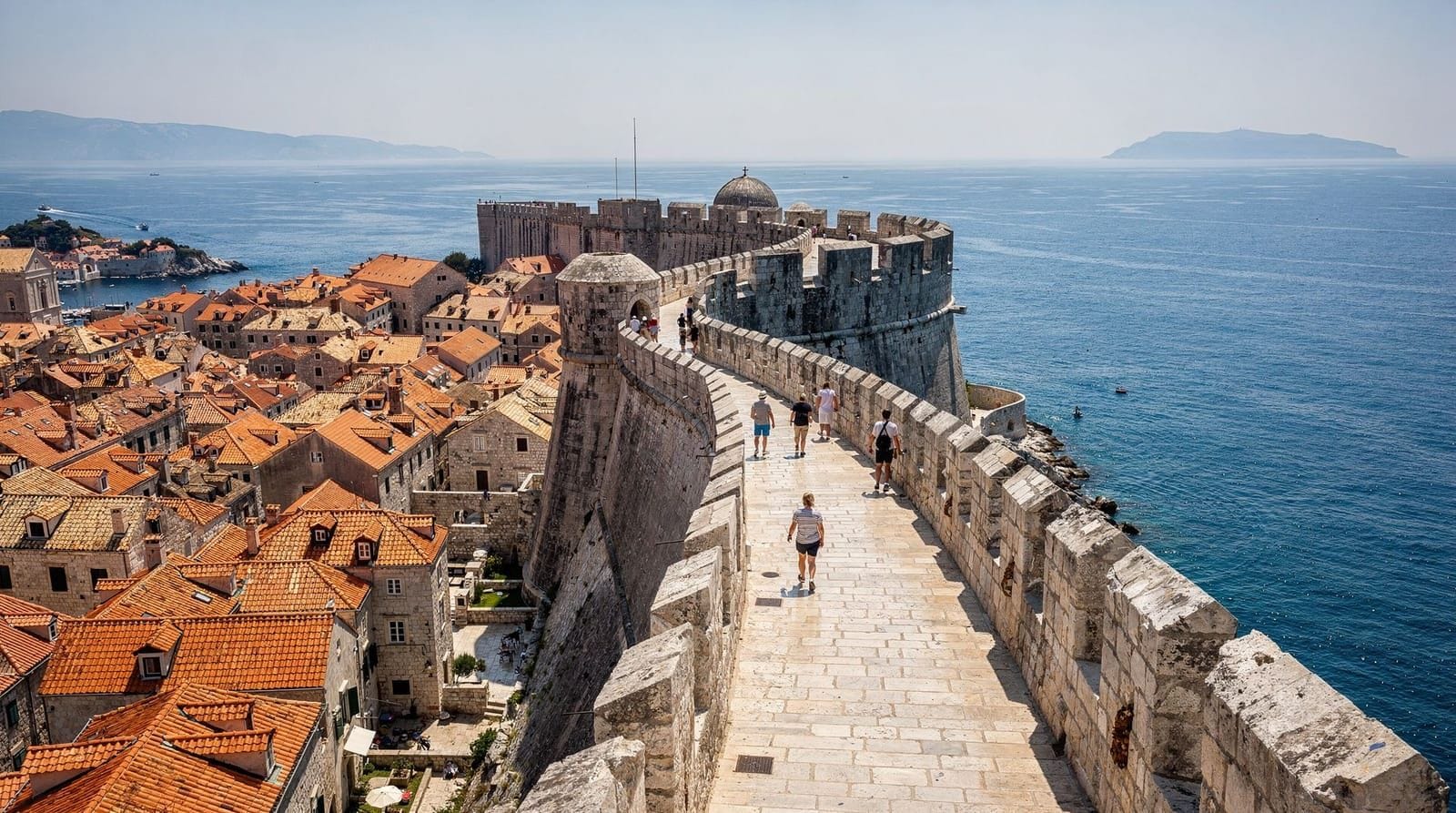
The City Walls are the essential first full-day activity. The 2 km circuit of the walls takes 1.5–2 hours at a leisurely pace. The views are extraordinary in every direction: the Adriatic to the south, Lokrum Island directly offshore, the orange rooftops and church towers of the old town below, and Mount Srđ rising above.
Go as early as the walls open (08:00) to beat the crowd and the heat. Entry is around €35 in 2026. The ticket also covers Fort Lovrijenac — the isolated fortress on the western promontory that was used as the Red Keep in Game of Thrones — and this is well worth the extra 20-minute walk down and back.
After the walls: the Dominican Monastery on the east side of the old town has one of the finest Gothic cloisters in the Adriatic and an excellent small museum. The Rector’s Palace opposite the Cathedral has good exhibits on Ragusan history.
Late afternoon: the narrow alleys above and behind the Stradun (especially the lanes between the walls and the Prijeko street) reward aimless wandering. Pop into any small church; many are still in daily use and entry is free or minimal.
Evening: the sunset from the Buža bar — a clifftop bar embedded in the seaward walls, accessed by a gap in the stones marked by a hand-painted sign. The bar itself is basic; the view is exceptional.
Day 3: Lokrum Island and Cable Car
A day that balances two very different Dubrovnik experiences.
Morning: Lokrum Island. The ferry from the Old Harbour (near the Clock Tower) takes 10 minutes and costs around €20 return; it runs every 30–60 minutes in season. Lokrum is a car-free island of botanical gardens (established by Archduke Maximilian of Austria in the 19th century), a medieval Benedictine monastery, a saltwater lake (Mrtvo More, or Dead Sea) perfect for swimming, and rocky coastline with clear water. The island is also a Game of Thrones filming location: the Qarth court scenes used the monastery cloister.
Spend 2–3 hours on Lokrum. Bring swimming gear; the lake and the rocky shore are excellent.
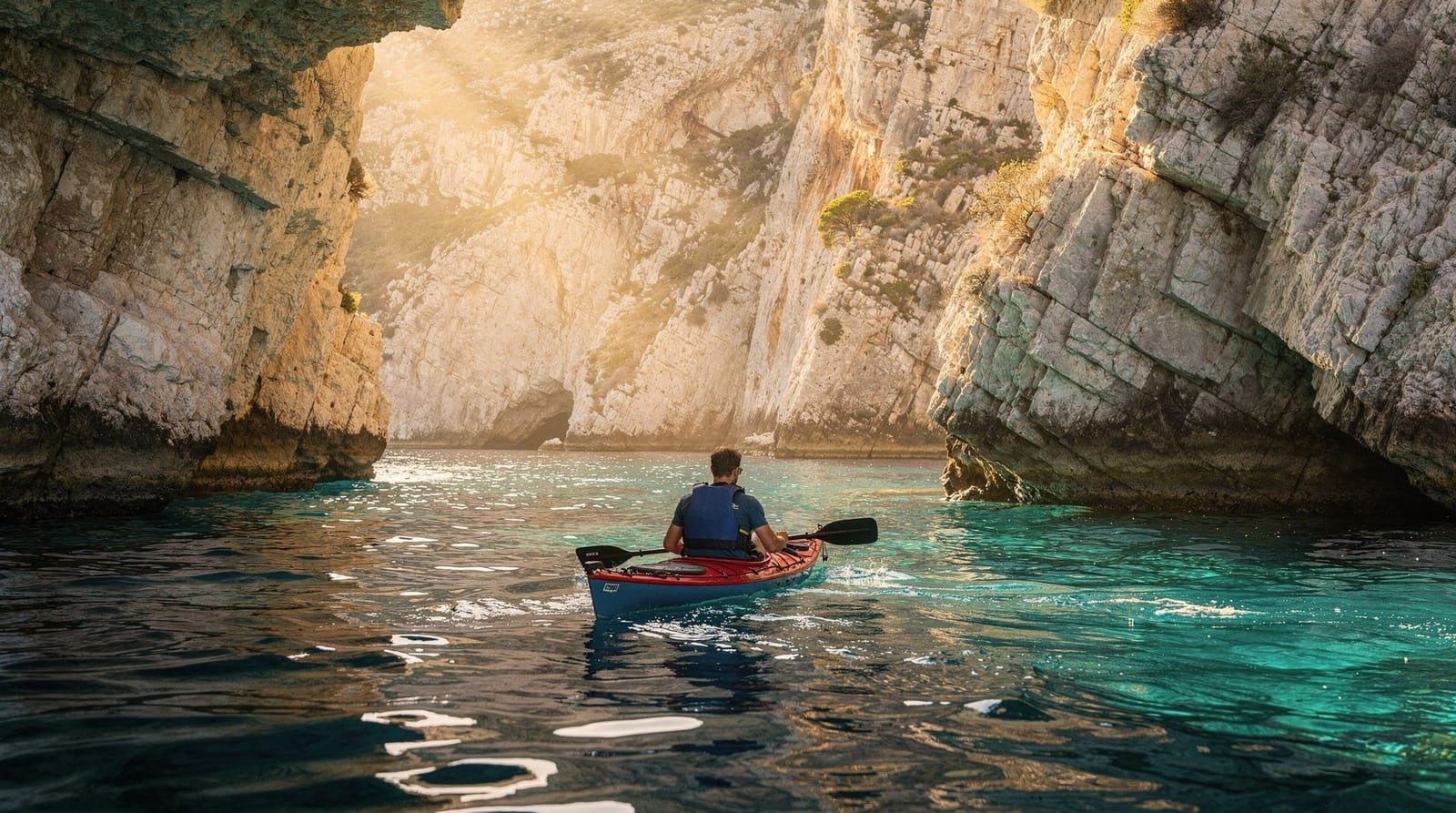
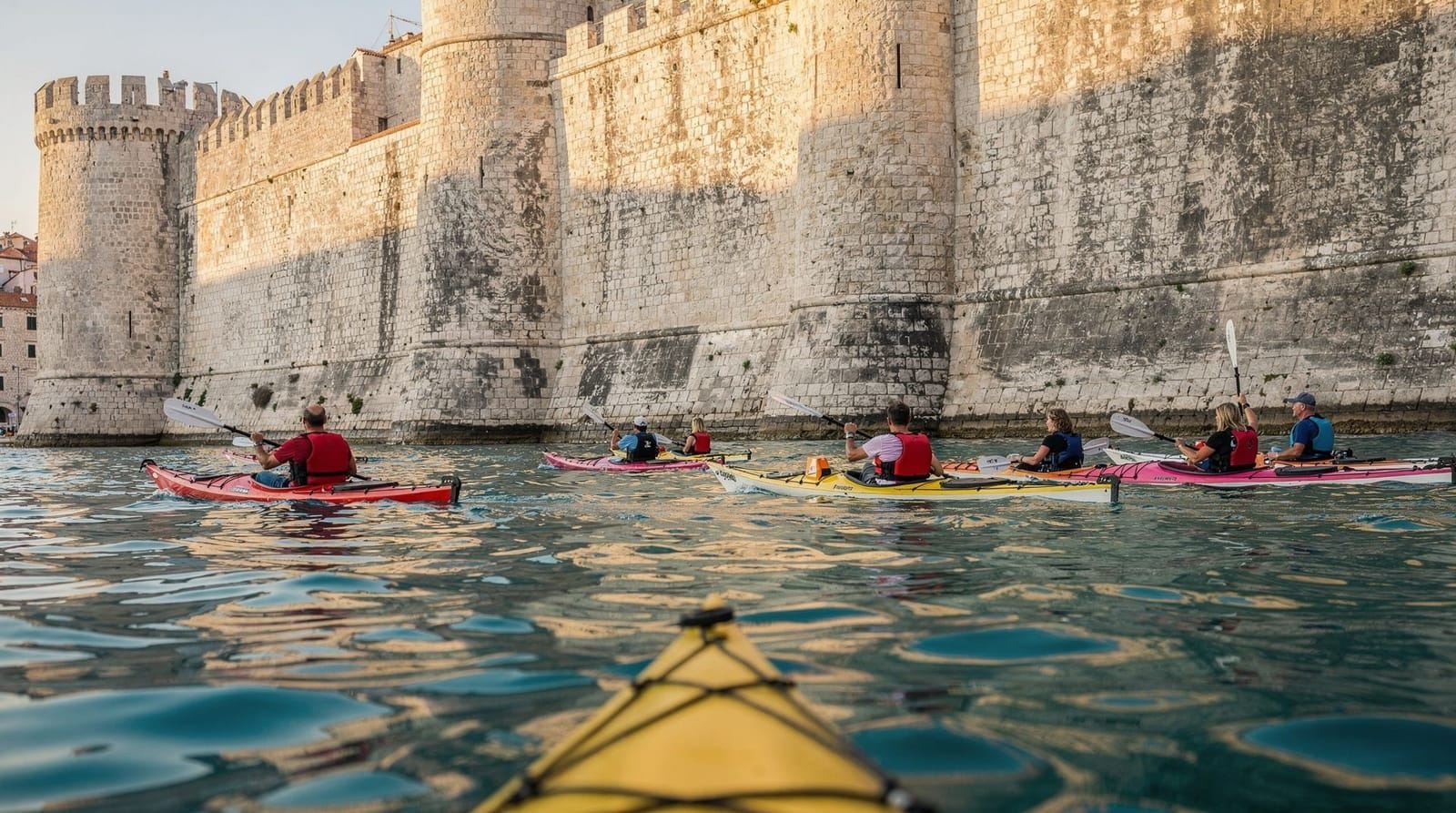
Afternoon: Sea kayaking or afternoon rest. Dubrovnik’s sea kayaking excursions are among the best uses of time on the water here — paddling along the base of the city walls with the old town rising above is genuinely dramatic. Half-day tours depart in the morning and late afternoon.
Late afternoon/evening: Cable car. The cable car from just outside the Buža Gate rises 400 m to Mount Srđ in 4 minutes. The viewing platform at the top gives 360-degree views: the old town, the coast, Lokrum, the Pelješac peninsula, the Elaphiti Islands, and on very clear days the outlines of Italy on the horizon. The sunset from here is the best you will see from Dubrovnik. Book the cable car ticket in advance in summer to avoid queues.
Day 4: Elaphiti Islands day trip and depart
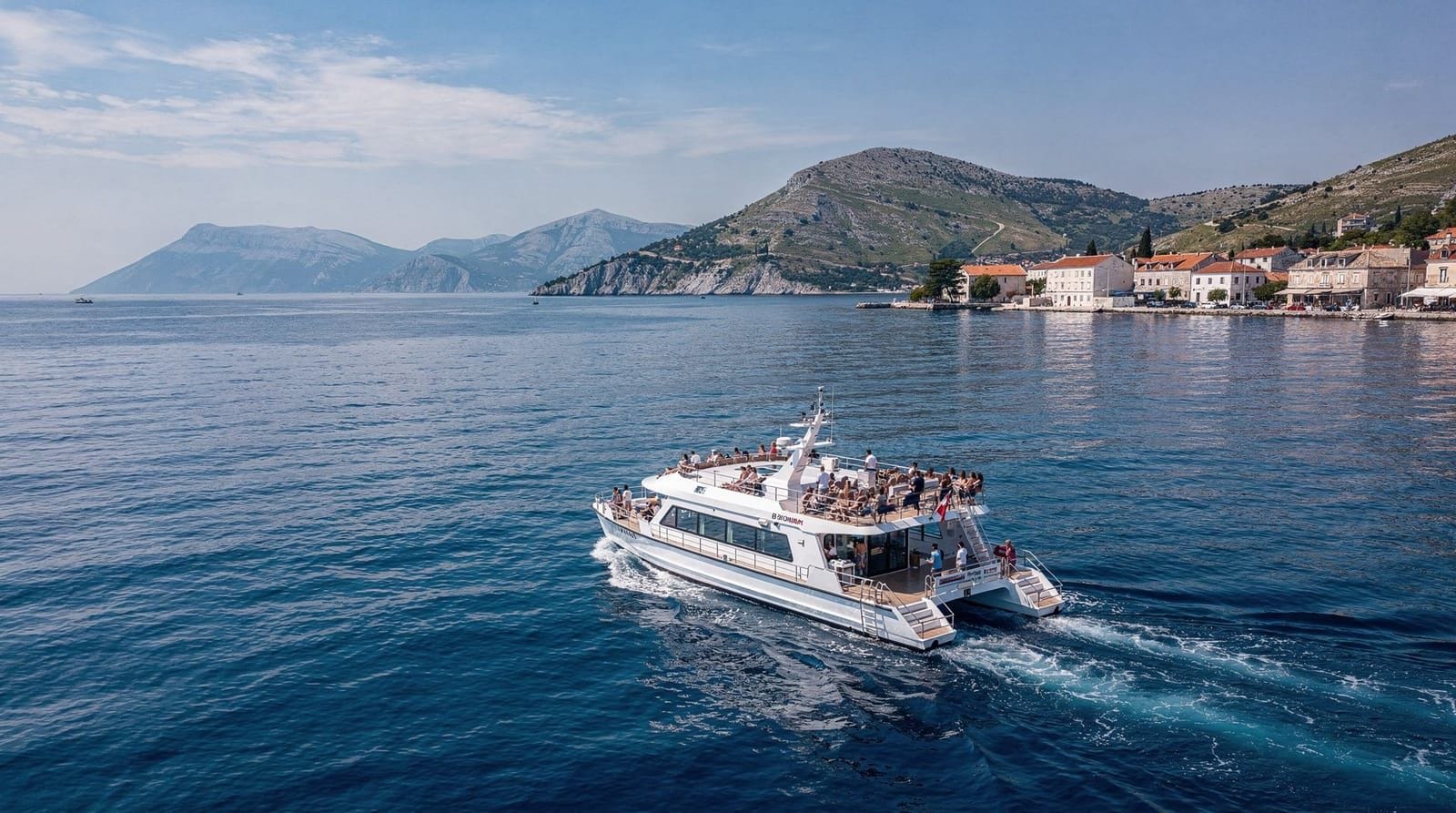
The Elaphiti Islands — Koločep, Lopud and Šipan — are three small car-free islands accessible by boat from Dubrovnik’s Old Harbour. A full-day cruise (typically 8–9 hours) visits all three, with swimming stops, lunch, and a different pace of island life compared to the old town bustle.
Lopud is the most popular stop: its main village has a Franciscan monastery, a small Renaissance-era summer palace, and the extraordinary Šunj Beach on the far side of the island (15 minutes walk from the harbour) — one of Croatia’s few genuinely sandy beaches, in a sheltered bay with crystal-clear water perfect for swimming.
If your flight is in the early evening, a full-day Elaphiti cruise (returning by 17:00–18:00) leaves just enough time for an airport transfer. Dubrovnik Airport is 20 km south (30–40 minutes by bus or taxi). The Atlas airport bus runs from Pile Gate.
If your flight is midday: replace the Elaphiti cruise with a half-day option, or spend a final morning walking the old town at the quieter morning hour.
Practical information for this Dubrovnik long weekend
Getting to the Old Town from the airport: Airport bus to Pile Gate (€8, 30 min) or taxi (€30–40). The airport bus is the sensible choice; it drops at Pile, the main entrance to the old town.
Getting around Dubrovnik: The old town is walkable from any accommodation within 20 minutes of Pile Gate. From Lapad, city bus routes 4, 5 and 6 run frequently to Pile Gate (€2 per journey, tickets also available for multi-day). No Uber in Croatia (as of 2026); licensed taxis available at the main rank near Pile Gate.
City Walls entry: Around €35 in 2026 for the walls circuit + Fort Lovrijenac. Tickets can be bought at the entrance kiosks. Go at opening (08:00) to avoid queues and crowds.
Tipping: 10% in sit-down restaurants is the norm; rounding up for drinks. Not obligatory but appreciated.
Currency: Euro (EUR) since January 2023. Cards universally accepted; carry some cash for small purchases.
Extending or shortening this itinerary
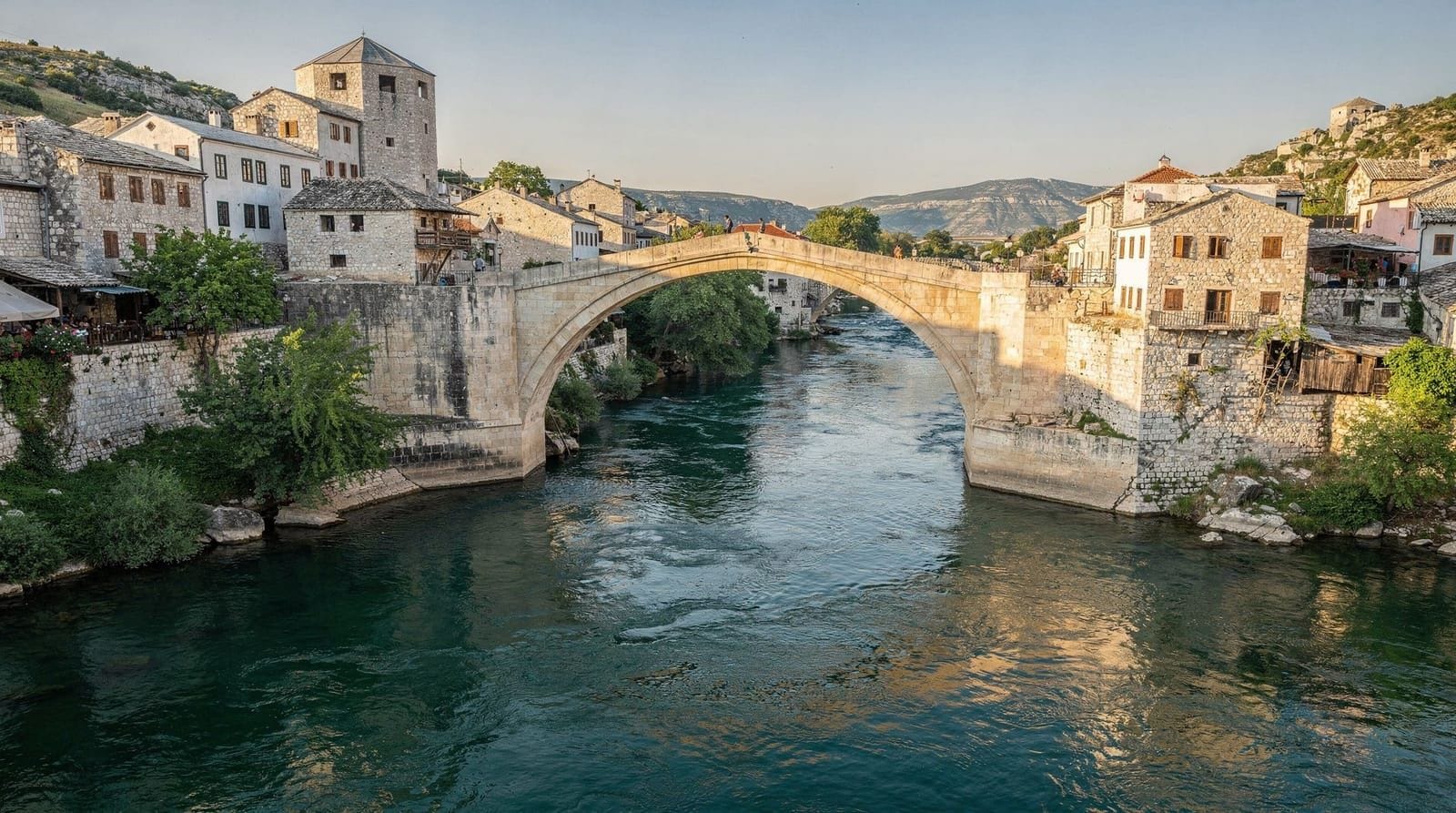
Four days is the comfortable minimum for Dubrovnik, but it isn’t the only option. With 3 days, drop the Elaphiti Islands cruise and keep the City Walls, Old Town and Lokrum — you will leave feeling you’ve covered the essentials, if not luxuriously. With 5 or more days, add a half-day trip to Cavtat, the elegant seaside town 20 minutes south of Dubrovnik with its own harbour promenade and none of the crowds, or extend into a wider Dubrovnik–Mostar–Kotor circuit that pairs the city with Bosnia and Montenegro. Travellers chasing Game of Thrones filming locations specifically will find a dedicated Game of Thrones trail covers Dubrovnik’s King’s Landing sites in more depth than this general itinerary can.
Where to eat beyond day one
Dubrovnik’s old town is full of tourist-trap restaurants on the main thoroughfares, but a short walk uncovers better food at fairer prices. Beyond Bota Šare and Restaurant 360° mentioned for day one, look for Nishta (excellent vegetarian, tiny and popular — book ahead), Lady Pi-Pi (grilled meat and seafood on a terrace above the walls, no written menu, cash-friendly prices for the location), and the Gundulić Square morning market for fruit, honey and lavender products before the day’s activities. For a splurge outside the walls, restaurants along the Lapad Bay promenade offer sea-view dining at roughly half the old-town price. See the day trips from Dubrovnik guide for how to fold in a meal stop if you extend beyond the Elaphiti Islands.
Beaches if you want an extra swim
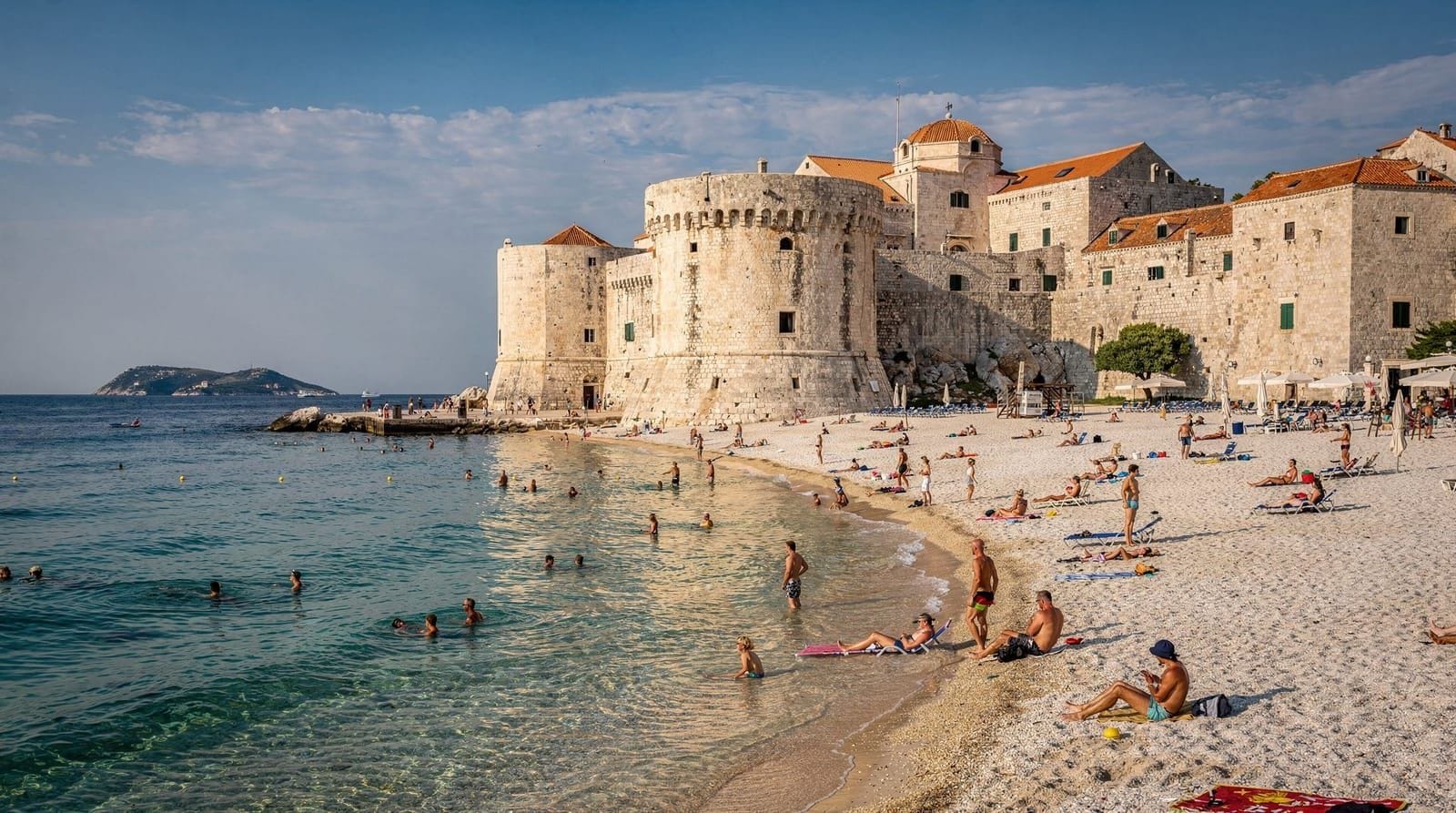
Four days built around sightseeing still leaves room for the sea. The closest proper swimming spots to the old town are the rocky beaches just outside the Ploče Gate and Banje Beach (pebble, café bar, views of the walls). For a wider spread of options — including quieter coves reachable by bus or water taxi — the best beaches near Dubrovnik guide is worth a look before you finalise which afternoon to keep free.
Frequently asked questions about Dubrovnik Long Weekend
Is four days too long for Dubrovnik? No — most visitors find four days comfortably fills the City Walls, Old Town, Lokrum and one boat day trip without feeling rushed, and leaves at least one unscheduled afternoon. Three days is workable if you drop the Elaphiti cruise; two days means seeing the Old Town and Walls only, with no day trip.
Should I visit Dubrovnik before or after Split? Either order works logistically, since both have airports and are linked by road and ferry, but many travellers prefer finishing in Dubrovnik as the more atmospheric closing stop. If comparing the two cities directly, see Split vs Dubrovnik for how they differ in pace and cost.
Top experiences
Bookable activities with verified prices and instant confirmation on GetYourGuide.