Croatia sea temperatures
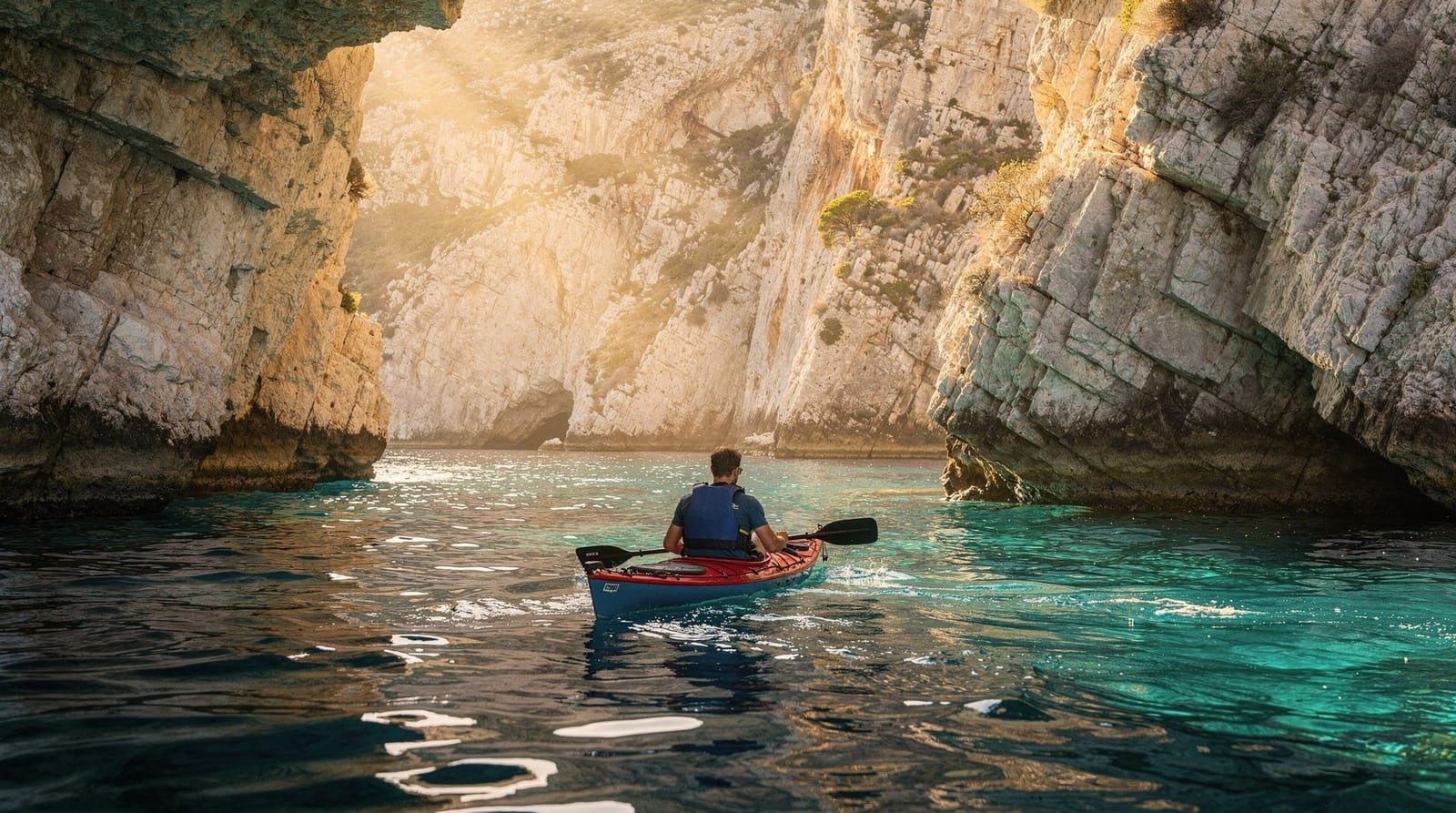
Dubrovnik: Sea kayaking and snorkeling tour
When is the sea warm enough to swim in Croatia?
The Adriatic is comfortably swimmable from mid-June through early October. Sea temperatures rise from around 18°C in May to a peak of 25–26°C in August, remaining at 23–24°C through September. October drops to 19–21°C — still swimmable for the acclimatised.
Whether the Adriatic is “warm enough” depends entirely on where on the coast you are standing and which week you’re checking — a question this guide answers precisely, month by month and region by region, so you can plan a swim (or accept a wetsuit) with confidence rather than guesswork.
| Swim season | Mid-June through early October |
| Warmest month | August (25–27°C) |
| Warmest region | South Dalmatia (Dubrovnik, Hvar, Korčula) |
| Coolest region | Istria / Kvarner (1–2°C cooler year-round) |
| Best value swim window | September (23–24°C, thinning crowds) |
Understanding the Adriatic’s temperature cycle
The Adriatic is a relatively enclosed sea — long and narrow, with warm Mediterranean water flowing in from the south and limited connection to the open Atlantic. This gives it a more extreme seasonal range than the Atlantic coast: colder in winter, warmer in summer, and a longer comfortable swimming season than northern European seas.
The temperature cycle follows a simple logic. The sea absorbs heat slowly through spring and summer, peaks in August, and then releases that stored heat gradually through autumn. The result is that September and early October often feel warmer for swimming than June — the surface water has had months to warm up, and the cooling process takes time.
Month-by-month sea temperature table
| Month | South Dalmatia | Central Dalmatia | Istria/Kvarner |
|---|---|---|---|
| January | 12–13°C | 12–13°C | 11–12°C |
| February | 12°C | 12°C | 10–11°C |
| March | 12–13°C | 12–13°C | 11–12°C |
| April | 14–16°C | 13–15°C | 13–14°C |
| May | 18–19°C | 17–18°C | 16–17°C |
| June | 21–23°C | 20–22°C | 19–21°C |
| July | 24–26°C | 23–25°C | 22–24°C |
| August | 25–27°C | 25–26°C | 23–25°C |
| September | 24–25°C | 23–24°C | 22–23°C |
| October | 20–22°C | 19–21°C | 18–20°C |
| November | 16–18°C | 16–17°C | 15–16°C |
| December | 13–15°C | 13–14°C | 12–13°C |
Note: These figures represent typical surface temperature ranges for coastal beaches and sheltered bays; conditions vary with depth, currents, and local geography.
When is the sea warm enough to swim?
This depends significantly on individual tolerance, but here is a general framework:
Cold-water swimmers (regular open-water swimmers, wetsuit users): Viable year-round. The Adriatic never gets genuinely dangerous in terms of cold; it just becomes uncomfortable below about 15°C without a wetsuit.
Acclimatised swimmers (used to European sea swimming): From May (17–19°C) through November (16–18°C). May and October–November require mental fortitude on entry.
Casual swimmers: June through October is the practical window. June at 20–22°C is warm; August at 25–26°C is genuinely Mediterranean; September at 23–24°C is perfect; early October at 19–21°C is still pleasant on a sunny day.
Children: Most families find June onwards comfortable; July and August are ideal for children who need extra warmth.
North vs south: the regional difference
The Adriatic runs over 800km from Trieste in the north to the Albanian coast in the south. Croatia’s coastline spans roughly 550km of this, from Istria at the top to Dubrovnik in the south.
Why is southern Dalmatia warmer? The northern Adriatic (near Trieste, Istria) is shallower — as little as 30m deep in places — and therefore cools more in winter and takes longer to warm in spring. The central and southern Adriatic is deeper, retaining summer heat better and losing it more slowly in autumn.
Practically: if you are choosing between visiting Rovinj in Istria or Dubrovnik in May for swimming, Dubrovnik’s sea is 1–2°C warmer. In August, the difference narrows to around 1°C. In September and October, southern Dalmatia stays warmer longer.
Spring: warming from cold
March–April (12–16°C): The sea is cold. Only dedicated cold-water swimmers or wetsuit users will find this comfortable. The landscape is beautiful — flowering coastline, vivid spring colour — but beach swimming is not part of the picture.
May (17–19°C): The inflection point. The sea begins to feel swimmable. Whether 18°C is “fine” or “too cold” is genuinely personal — the Atlantic coast of Ireland is often similar and attracts committed swimmers. In Croatia, many northern European visitors start swimming in May; southern Europeans tend to wait for June. The shock on entry passes quickly once you are in.
Early June (19–21°C): Most people’s threshold. A sea temperature of 20–21°C is warm enough for a pleasant, relaxed swim without requiring a heroic mental effort on entry. By mid-June, 21–22°C feels consistently comfortable.
Summer: the peak
July (23–26°C depending on location): The swimming season is at full capacity. The water is clear and warm. Snorkelling, paddleboarding and sea kayaking are all at their best. Visibility in the Adriatic in clear weather can reach 25–30m.
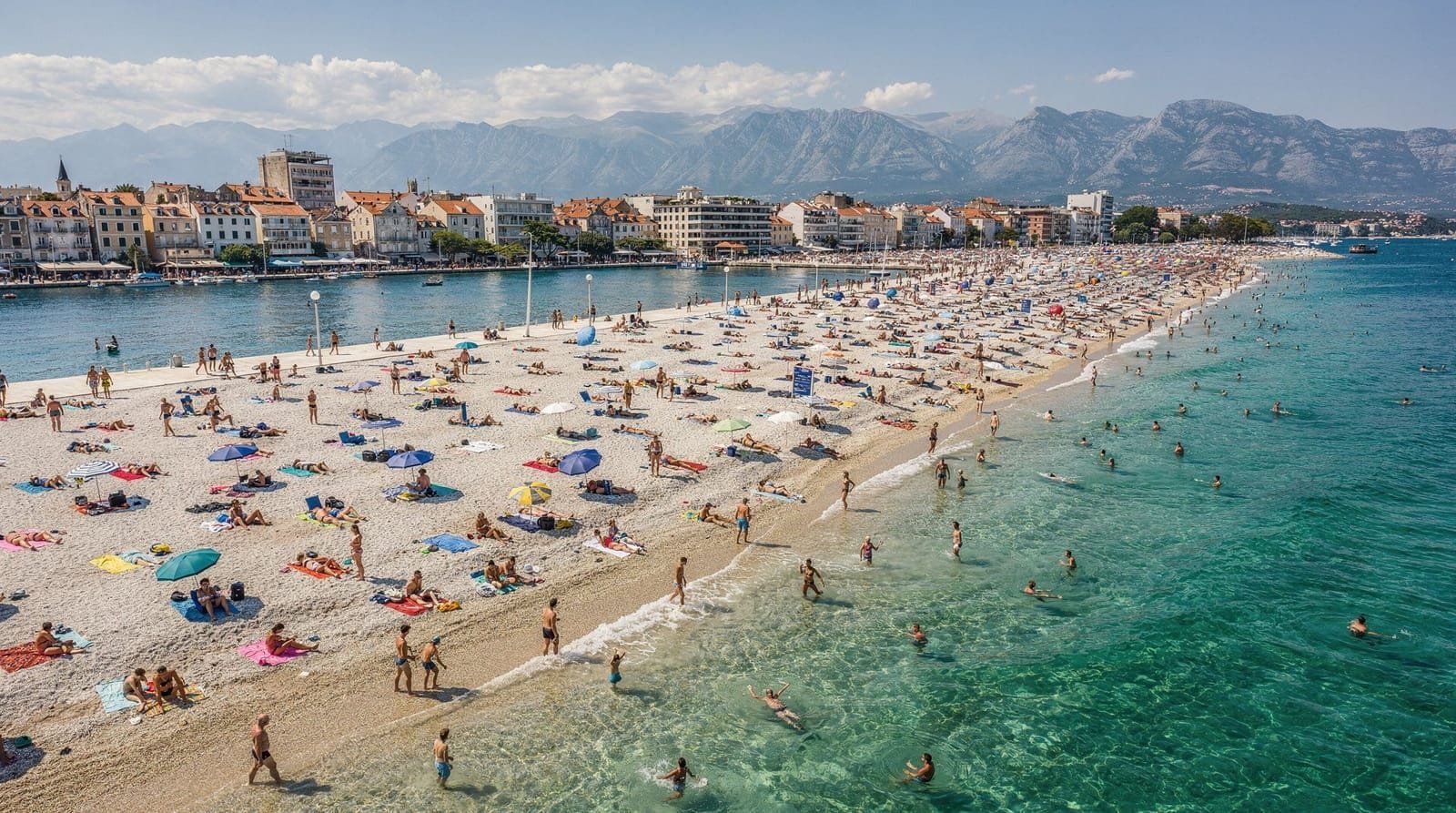
August (25–27°C): The warmest swimming of the year. The sea in Dubrovnik’s sheltered bays or in the Pakleni Islands off Hvar can feel almost bathwater-warm in the shallows on a calm August afternoon. This is the month when the beach experience is at maximum intensity — and when the beaches are at maximum capacity.
The Bura (cold northeast wind) occasionally blows through in summer, temporarily disrupting surface temperatures by mixing cooler deep water into the shallows. It usually passes within a day.
September: the sweet spot
September sea temperatures — 23–24°C in central Dalmatia, 24–25°C in the south — represent the sweet spot for experienced travellers. You get peak summer water warmth combined with mid-September air temperatures that are pleasant rather than scorching (24–27°C), and crowds that have thinned significantly from August.
The physics of it: the sea accumulates heat from April to August, and the surface layer can reach 26–27°C in sheltered southern bays by late August. In September, the air cools faster than the sea. So the experience of stepping from a 24°C air into 24°C water on a September morning feels more comfortable than in July, when the contrast between midday sun and the sea surface is more dramatic.
This is why September consistently ranks as the favourite swimming month for travellers who have been to Croatia multiple times.
October and the autumn tail
Early October (19–21°C): Still genuinely swimmable in southern and central Dalmatia. Sunny October days on the coast with 21°C sea and 20°C air, virtually no crowds and dramatically lower accommodation prices — this is a serious proposition for anyone without school-age children.
Late October (17–19°C): Getting cold for casual swimming. A wetsuit extends the season. The sea remains beautiful for coastal walking, boat trips and scenic ferry journeys.
November (15–18°C): Only for hardy or wetsuit-equipped swimmers.
Water clarity and marine life
The Adriatic is notable for its clarity. Even in summer, visibility frequently exceeds 15m in open water and can reach 25–30m in the clearest conditions. The coastline around Vis, the Kornati archipelago and the Elaphiti Islands consistently ranks among the clearest in the Mediterranean.
Sea urchins: Common on rocky shores. Wear water shoes or reef sandals on rocky beaches. If you step on one, soak the foot in warm water and use tweezers or a needle to remove spines; see a pharmacist if inflamed.
Jellyfish: Occasional and seasonal, most common in late summer (August–September) in certain years. Mauve stingers are the most problematic species — their sting causes localised pain and redness. Rinse with seawater (not fresh water), apply antihistamine cream from a pharmacist (ljekarna).
Marine life: The Adriatic hosts colourful fish, octopus, cuttlefish and occasional larger species. Dolphins are spotted occasionally, particularly around Lošinj and the open-water crossings. The sea is generally safe; no dangerous species of note.
Sea temperature vs. air temperature: why September feels warmer than June
A common surprise for first-time visitors: a 24°C sea in September feels warmer to swim in than the same 24°C sea in June. The reason is the air-to-water contrast, not the water itself. In June, air temperatures are already climbing toward 28–30°C at midday, so a 21–22°C sea feels like a genuine shock on entry. In September, air temperatures have cooled to a gentler 24–27°C, so stepping into 23–24°C water feels like a much smaller drop. If your priority is comfort on entry rather than the highest number on a thermometer, September consistently outperforms June — even though June’s sea can occasionally read only 1–2°C cooler. For the wider picture on when to travel, see our best time to visit Croatia guide and the month-by-month breakdown in Croatia weather guide.
Swimming with kids: temperature thresholds that matter
Families planning a coastal trip around small children should treat the numbers above with an extra margin of comfort. Most parents find:
- Below 20°C: Too cold for young children to enjoy; adults may manage briefly.
- 20–22°C (June, early October): Workable for older children (8+) who acclimatise quickly; younger children often resist.
- 23°C+ (July–September): The genuinely comfortable range for toddlers and young children, with no coaxing required.
This is one of the practical reasons family trips cluster around July and August despite the crowds — the sea temperature removes the friction of persuading a reluctant five-year-old into the water. Families willing to trade a slightly cooler sea for empty beaches should look hard at the second half of June or the first two weeks of September, when 21–23°C is common and crowds are a fraction of peak. The island-hopping guide and the sailing guide both cover family-friendly planning for these shoulder windows.
Dubrovnik sea kayaking and snorkelling tourPractical sea temperature tips
Check local conditions. The temperatures above are typical ranges; local conditions vary. A sheltered south-facing bay on Hvar will be warmer than the open sea at the same time of year. Deeper channels between islands run cooler. Spring upwelling of colder deep water can temporarily lower surface temperatures even in summer.
Freshwater springs. Some Dalmatian beaches have underwater freshwater springs that create surprising cold patches even in summer — a common experience at some Dubrovnik-area beaches. Not dangerous, just startling.
Sea kayaking and snorkelling. Both are excellent throughout the main season (May–October). A wetsuit or lycra rash guard extends comfort for snorkelling in May and October.
Frequently asked questions about Croatia sea temperatures
What is the Adriatic temperature in July?
July sea temperatures along the central and southern Dalmatian coast typically reach 23–25°C. The northern Adriatic (Istria, Kvarner) runs 1–2°C cooler at the same time of year.When is the Adriatic warmest?
August is the peak month for sea temperatures, reaching 25–26°C in southern Dalmatia (Dubrovnik area) and slightly lower (23–24°C) in Istria and the Kvarner Gulf.Is the sea warm enough in May?
May sea temperatures run 17–19°C — cold enough to make entry brisk, but swimmable for the acclimatised. Most visitors begin comfortable swimming from June (21–22°C).How warm is the sea in September?
September is excellent for swimming: 23–24°C in central and southern Dalmatia. The surface water has absorbed all summer's heat and the cooling has barely begun. Many swimmers consider September the sweetest swimming month.Is Dalmatia warmer than Istria?
Yes. Southern Dalmatia (Dubrovnik area, Hvar, Korčula) consistently runs 1–2°C warmer than Istria and the Kvarner coast at comparable times of year. The difference is most pronounced in spring and autumn.What temperature is the sea in October?
Early October: 19–21°C in central Dalmatia. Still swimmable, particularly on calm sunny days. By late October, temperatures drop to 17–18°C — cold for casual swimming but manageable in a wetsuit.Does the Adriatic get very cold in winter?
Sea temperatures reach their annual minimum of 12–13°C in February and March. No recreational swimming in winter without serious cold-water tolerance or a wetsuit.
Top experiences
Bookable activities with verified prices and instant confirmation on GetYourGuide.
Top experiences
Best-rated activities across GetYourGuide and Viator.

Mostar and Herzegovina Tour with Kravica Waterfall from Split & Trogir
- Viator

3Hour ALL-INCLUSIVE Sunset Dolphin Watching from Medulin onSandra
- Viator

Dolphin Watching & Sunset Boat Tour With Drinks & optional Dinner
- Viator

Fantastic DOLPHIN & SUNSET TOUR with dinner ( Pula-NP BRIJUNI )
- Viator

Medulin :All-Inclusive Pirate Boat Dolphin Watching Sunset Cruise
- Viator

Mostar & Kravice waterfalls full-day guided tour from Split
- Viator