Solo travel in Croatia: practical guide and best destinations
Zagreb: Walking tour with funicular ride
Is Croatia safe for solo travelers?
Yes — Croatia is one of the safer European destinations for solo travel. Violent crime affecting tourists is rare. The main risks are petty theft in crowded areas (Split market, Dubrovnik's Stradun) and practical inconveniences like single supplements at hotels. The hostel network in Split, Dubrovnik, Zagreb, Hvar, and Zadar is excellent and genuinely social. The ferry culture naturally encourages meeting people.
Croatia is one of Europe’s better destinations for solo travel. It’s safe, well-connected by ferries, has an excellent hostel network, and the social dynamics of the ferry culture and group sailing tours mean isolation is the exception rather than the rule. The main practical challenge — the single supplement at hotels — is easily solved by choosing hostels and private apartments instead.
This guide covers everything a solo traveler needs: safety realities, best bases, accommodation strategy, the social scene, budgeting honestly, and the things worth avoiding when you’re on your own.
| Best solo base | Split (ferries, hostels, walkable old town) |
| Safety level | High — petty theft is the main risk |
| Solo budget | €45–200/day depending on style |
| Easiest social wins | Hostel bars, ferries, group sailing tours |
| Booking lead time | A few key nights only; stay flexible |
Safety for solo travelers in Croatia
Croatia’s violent crime rate is low by European standards. The risk to solo travelers is primarily petty theft — pickpocketing in the busiest tourist areas at peak times. The main hotspots are Split’s Pazar (open-air market), the Stradun in Dubrovnik, and the main harbor area in Hvar town in summer evenings.
Standard precautions are sufficient: money belt or inside pocket for valuables, phone in a front pocket, don’t leave bags unattended. Nothing about the risk level warrants anxiety — it’s comparable to Barcelona or Prague, not somewhere requiring constant vigilance.
Solo female travelers: Croatia has low rates of street harassment compared to many Southern and Eastern European destinations. Night safety in the tourist towns is generally good — these are well-monitored areas with a large tourist presence. The usual independent-travel precautions apply: stick to lit areas at night, use official (metered or app-based) taxis, let someone know your itinerary. Solo female travelers consistently report positive experiences in Croatia.
At sea: Wear water shoes in rocky cove areas (sea urchins are common in the Adriatic). Cliff-jumping is a popular activity but carries obvious injury risk — judge each location carefully. Drink water steadily in July–August; heat exhaustion is a real risk for people underestimating the sun on white stone.
Emergency number in Croatia: 112. English is spoken by most tourist-area staff and most emergency services.
Best destinations for solo travelers
Split: the best solo base
Split is the ideal solo travel base for the Croatian coast. Its hostel scene is excellent and genuinely social — rooftop bars, organized pub crawls, common rooms that function as meeting places. It has the best ferry connections for island-hopping. The old town (Diocletian’s Palace) is compact and easy to navigate. And it’s significantly cheaper than Dubrovnik.
Split Old Town walking tour (small group)Spending 3–4 nights in Split, meeting people at the hostel, doing a day trip to Krka or Plitvice, then catching a ferry to one of the islands is the classic and well-justified solo itinerary structure.
Zadar: underrated and genuinely affordable
Zadar gets overlooked in the Instagram version of Croatia, which means it’s better value and easier to navigate solo. It has its own excellent old town (the Roman Forum, Cathedral of St. Anastasia, the Sea Organ), a smaller but solid hostel scene, and proximity to the Plitvice Lakes (a 1.5-hour bus). Ferry connections head north to Pag and the Kornati archipelago.
If budget matters — and it often does for solo travelers, who pay for everything alone — Zadar is consistently 20–30% cheaper than Split for accommodation and eating out.
Zagreb: excellent for culture, overrated as a base for coast
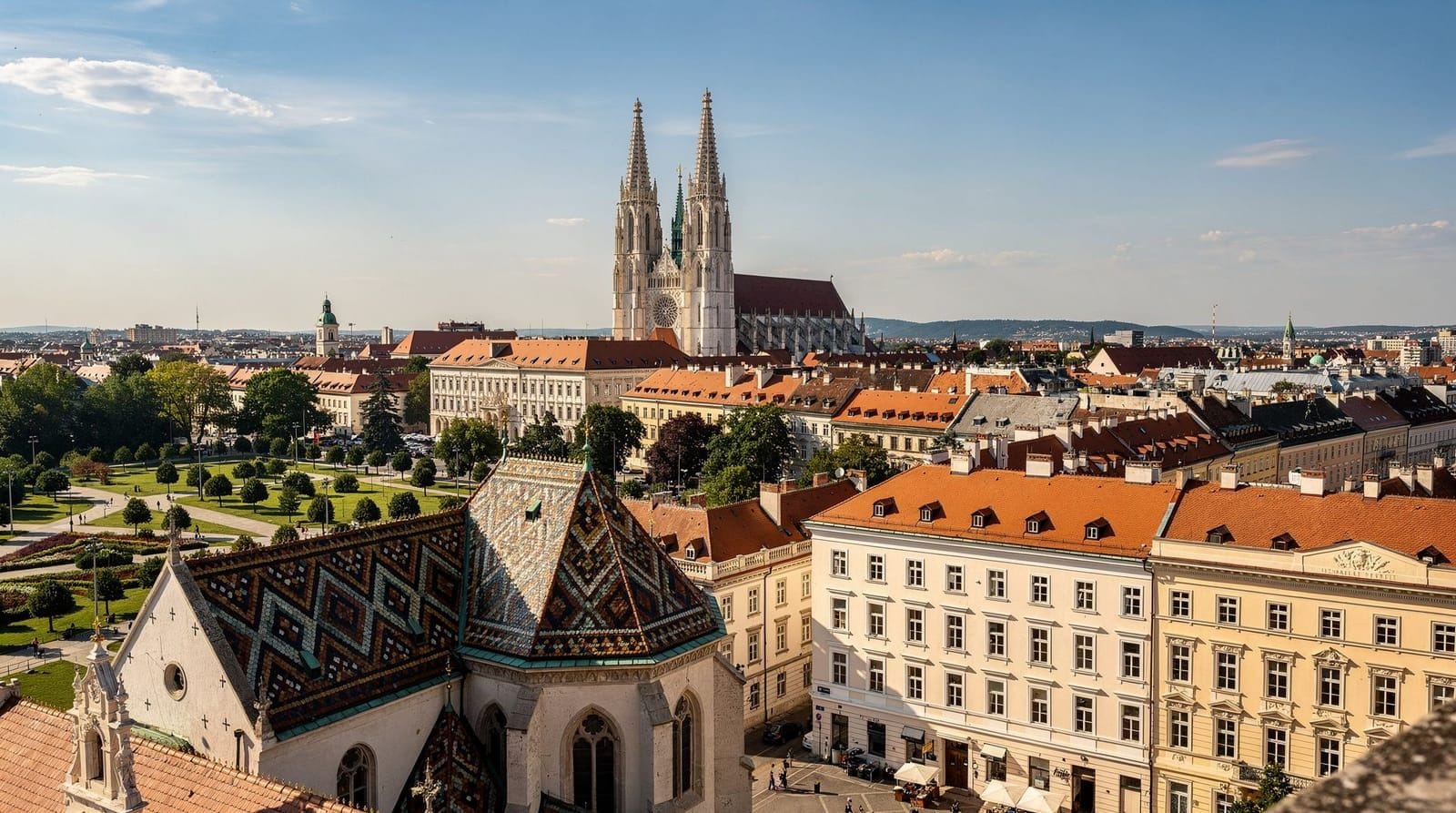
Zagreb is Croatia’s most undervisited city by international tourists. Its Upper Town, museums, café culture, and restaurant scene are genuinely worthwhile for 2–3 days. The hostel network is excellent and the city is walkable. Zagreb is interesting without being overwhelming.
The caveat: Zagreb is not a base for the coast. The Dalmatian coast is 3–4 hours away by bus, and Zagreb has no ferry connections. Treat it as a city break unto itself, ideally at the start or end of a coastal trip.
Zagreb walking tour with funicular rideHvar: the social capital
Hvar town is Croatia’s most social destination. Its piazza, beach bars, and hostel scene attract a younger international crowd, and the dynamics are explicitly social. Solo travelers find it easy to join groups of people on the beach, at hostel-organized events, or on one of the many Pakleni Island boat trips. The downside: it’s expensive in peak season, and the party atmosphere doesn’t suit everyone.
Dubrovnik: solo but expensive
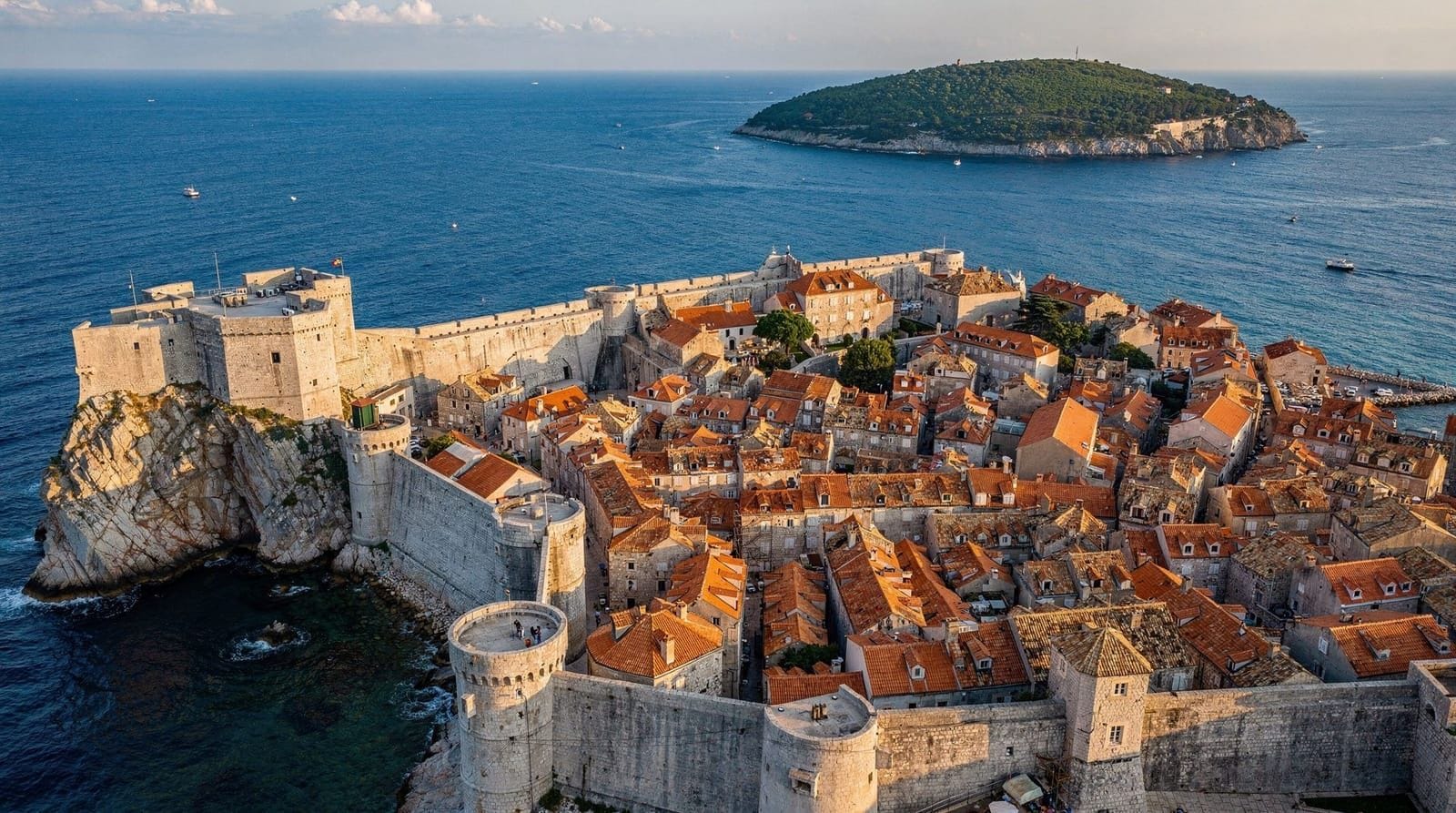
Dubrovnik is spectacular and safe but expensive for solo travel. The Old Town hostel options are limited; the better hostels are in Lapad. Two or three nights in Dubrovnik fits a solo itinerary well — one of those days for the walls, one for a day trip to Mostar or Kotor. More than three nights in Dubrovnik solo gets expensive without adding much.
Accommodation strategy for solo travelers
Hostels: The best option in most Croatian cities for meeting people and managing costs. Split, Dubrovnik, Zagreb, Hvar, and Zadar all have well-reviewed hostels with organized social programs. Private en-suite rooms at hostels typically cost €40–80/night — competitive with budget hotels without the single supplement and with the social infrastructure.
Private apartments: The single supplement problem disappears. A small apartment for one person typically costs €55–100/night in peak season and offers far more independence and kitchen access than a hotel. Booking.com and Airbnb both have good options. This suits the independent solo traveler who wants their own space in the evenings.
Family-run guesthouses: Often the sweet spot in smaller towns and on islands. A room at a family-run guesthouse is personal, often includes local recommendations, and doesn’t charge the hotel single supplement premium.
Camping: Croatia has good campsites, particularly in Istria and on some islands. This suits budget solo travelers who don’t mind social camping dynamics — or who prefer privacy. Costs run €15–35/night for a tent pitch, eating into some of the budget advantage.
The social scene for solo travelers
Croatia’s social infrastructure for solo travelers is better than most visitors expect.
Hostel bars and organized events: The best Split and Dubrovnik hostels run regular pub crawls, walking tours, and social dinners. These are explicitly designed to connect solo travelers. Join at least one — the worst that happens is you find out it’s not your thing and go back to your room.
Group sailing tours: This deserves emphasis. Croatia’s 7-night sailing tours from Split — island-hopping through Hvar, Vis, Korčula, and Mljet — are one of Europe’s most social travel experiences. Most participants are solo or traveling in pairs. You spend a week on a boat with 12–20 people sharing meals, anchorages, and island evenings. Friendships formed on these tours are a consistent trip highlight for solo travelers. See the sailing week itinerary and the island-hopping guide for more.
Ferry culture: Croatian ferries are sociable in a way that airlines never are. Foot passengers share decks, buy coffee, and end up in conversation. Solo travelers consistently mention meeting other travelers on ferries as an unexpected highlight of their trip.
Walking tours: Group walking tours in Split, Dubrovnik, and Zagreb are consistently good and always include other solo travelers. They’re a reliable day-one social activity when you arrive somewhere new.
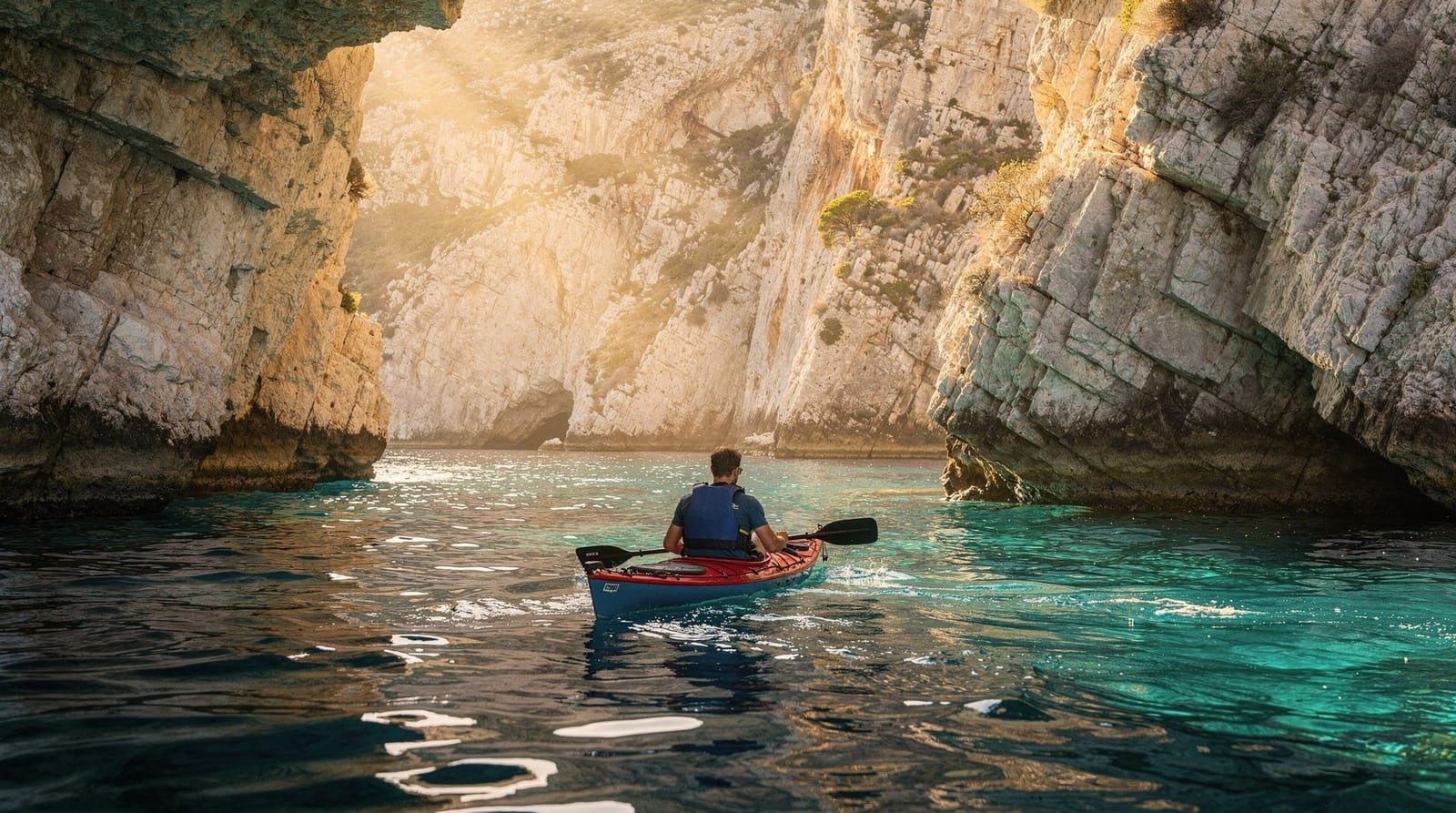
Dubrovnik morning sea kayaking and snorkeling (3 hours)Budgeting as a solo traveler in Croatia
The solo travel budget penalty in Croatia is real but manageable. Here’s what honest solo budgets look like:
Backpacker/hostel (€45–65/day):
- Hostel dorm: €18–28
- Meals: €15–25 (konoba lunch, supermarket snack, cheap dinner)
- Transport: €5–10 (ferries, buses)
- Activities: €5–10 (free beaches, minimal tours)
- This requires Zadar or inland Croatia rather than Dubrovnik/Hvar in peak season.
Mid-range solo (€80–130/day):
- Hostel private room or apartment: €50–80
- Meals: €20–35 (restaurant lunch, decent dinner)
- Transport: €5–10
- Activities: €10–20 (occasional tour or ferry)
- Achievable across most of Croatia outside peak Dubrovnik and Hvar.
Comfortable solo (€130–200/day):
- Private apartment or budget boutique: €80–120
- Meals: €30–50 (good restaurant dinners, wine)
- Activities: €20–40 (snorkeling tours, sailing excursion)
- Comfortable across all destinations in shoulder season.
Eating and drinking solo: Most Croatian restaurants are solo-friendly — it’s not a heavily couple/group-oriented dining culture. Sitting at the bar or a small table is normal. Budget tip: the daily fixed menu (ručak) at local restaurants — typically a starter, main, and drink for €10–15 — is one of Croatia’s best kept values and works solo better than sharing-format meals.
Things to avoid solo in Croatia
Driving alone on unfamiliar island roads at night: Island roads are often narrow, unlit, and sometimes without guardrails on cliff-side sections. If you’re renting a scooter or car on an island, avoid unfamiliar mountain roads after dark, especially after drinking.
Isolated hiking without proper preparation: Paklenica and the Velebit trails are serious mountain hiking requiring boots, water, a map, and ideally a partner or group. If you’re doing these alone, tell someone your route, bring more water than you think you need, and have a working phone with offline maps.
Leaving bags unattended on beaches: Particularly at busy beaches near towns (Dubrovnik’s Banje Beach, Hvar harbor area). Keep valuables in your accommodation or a lockable bag.
Single-room hotel booking in peak season without comparing alternatives: Always check private apartments on Booking.com against hotel prices. You will almost always find comparable comfort for less money without the single supplement.
Solo travel by trip length
A long weekend (3–4 nights): Pick one base rather than trying to move around. Split works best for this — enough to see the old town, do a day trip to Krka, and get a feel for the ferry culture without the stress of packing and unpacking. Dubrovnik also works for a short trip but eats more of the budget per day.
One week: The classic structure — 3 nights in a mainland base, 2–3 nights on one island, with a day trip built in. See the 7-day itinerary for a base structure to adapt.
Ten days to two weeks: Enough time to combine the coast with either Zagreb/Istria or a full Dalmatian sweep including Dubrovnik and Mostar or Kotor as a day trip. This is where the 10-day itinerary or 14-day itinerary earns its keep — enough slack to slow down without feeling rushed.
A month or more: Solo long-stay travelers increasingly base themselves in one city (Split or Zadar are popular) for a few weeks, using it as a hub for shorter island trips rather than constantly repacking. This also reduces accommodation costs significantly compared to moving every 2–3 nights.
Common solo traveler questions answered honestly
Will I feel like the odd one out at restaurants? Rarely. Croatian dining culture is not couples-only or group-only; solo diners at a konoba bar or small table are unremarkable. The exception is the most romantic waterfront restaurants in Dubrovnik at sunset, which can feel slightly conspicuous solo — not because anyone will say anything, but because the ambience is built around couples. A konoba one street back has no such dynamic.
Is it awkward to book a private tour alone? No — most group tours and walking tours are priced per person and explicitly designed for mixed groups, including solo travelers. You will typically be grouped with other travelers rather than get a private experience, which is usually the more social and cheaper outcome anyway.
What’s the single best thing a solo traveler can do in Croatia? Book at least one multi-day group experience — a sailing week from Split, or a few nights at a highly social hostel in Hvar or Dubrovnik. The single biggest driver of a good or lonely solo trip is not the destination but whether you deliberately put yourself in a situation designed for meeting people at least once during the trip.
Building your solo Croatia itinerary
The Croatia itinerary planning guide covers the structural decisions in detail. For solo travelers specifically, the most effective frameworks are:
7-day coast-and-islands: 3 nights Split + 2 nights Hvar + 2 nights back to Split with a Krka day trip. Straightforward ferry connections, excellent social mix, good introduction to Croatian islands.
10-day full Dalmatia: 2 nights Split + 3 nights island (Hvar, Vis, or Korčula) + 3 nights Dubrovnik + day trips to Mostar or Kotor. Classic, well-trodden, genuinely excellent. See the 10-day itinerary.
7-day sailing tour: Consider replacing the island-hopping self-navigation with an organized sailing week. The social payoff is significant and the islands-per-day ratio is hard to match independently. See the sailing week from Split.
7-day Istria + Zagreb: Zagreb 2 nights + Rovinj 3 nights + Pula 2 nights. Excellent for solo travelers who want culture and food over beach tourism, and who want to avoid peak-season Dalmatian crowds entirely.
Solo travel and phone connectivity
Staying reachable and able to navigate independently matters more solo than in a group, where someone else often handles logistics by default. EU residents can use their home data allowance under EU roaming rules; UK, US, Canadian and Australian travelers should sort a local SIM or eSIM before or immediately on arrival. See the Croatia SIM and eSIM guide for the specifics — a working data connection is particularly valuable solo for checking ferry times on the move, sharing your live location with someone at home, and translating menus without relying on anyone else.
Solo travelers should also let someone — a friend, family member, or even just your accommodation host — know your rough plan for the day when heading out on a hike, a solo boat trip or an unfamiliar island road. It costs nothing and materially reduces the consequences if something does go wrong.
Day-by-day solo travel rhythm in Croatia
Understanding the daily rhythm of solo travel in Croatia helps you get the most from the trip without feeling like you’re always catching up.
Arrival days: Arrive, drop luggage, walk the immediate area. Croatia’s old towns are excellent for a first evening walk — no agenda, just getting a feel. Split’s Peristyle square at dusk is a natural gathering point. Zadar’s Sea Organ at sunset is worth doing on day one. Zagreb’s Dolac market is best on a Saturday morning arrival.
Ferry days: Allow a full day. A ferry crossing from Split to Hvar to Vis takes the whole morning if you’re changing boats. Ferry days are transit days, not exploration days — keep expectations appropriate.
Full days at destination: Structure the morning for the main sight or activity (Plitvice early before crowds, Old Town walls at opening time), rest or beach in the afternoon heat (12pm–4pm in July–August), explore and eat in the evening. This is the Croatian rhythm and it works well solo.
Social days: Pick one organized activity per destination — a walking tour, a kayak excursion, a boat trip. These guarantee human interaction and structure without requiring any prior coordination. Do one per 2-day stop and the trip never feels lonely.
Practical solo logistics
Phone and data: Croatia uses the EU roaming framework. EU residents can use their home plan’s data allowance in Croatia without extra charges. UK travelers should check their specific carrier’s roaming terms post-Brexit — most UK carriers include EU roaming but not always at no extra cost. US/Australian travelers should buy a Croatian SIM (available at the airport or any Konzum supermarket) or use an eSIM. See the Croatia SIM and eSIM guide for specifics.
Cash vs. card: Croatia adopted the euro in January 2023. Cards are widely accepted in tourist areas. Smaller konobas, market stalls, and island establishments sometimes prefer cash. Carry €50–100 in cash as a buffer. Use bank ATMs (Erste, Zaba, OTP) rather than Euronet machines. Decline dynamic currency conversion (DCC) — always pay in EUR.
Luggage: Ferry travel is easier with a backpack than rolling luggage. Croatia’s old towns have a lot of stairs and cobblestones. A 35–45 litre pack suits 1–2 week solo trips well. If you’re moving between destinations frequently (island-hopping, multiple bases), lighter is better.
Eating solo: Croatian restaurants are generally comfortable for solo diners. The bar at most konobas works well for one person. Lunch specials (ručak) at local restaurants — typically €10–15 for a full meal — are the best value option and don’t feel awkward dining alone. Many solo travelers eat lunch properly at a restaurant and keep dinner light (supermarket, bakery, or street food).
Planning your route: The Croatia itinerary planning guide covers the structural decisions. For solo travelers specifically, flexibility is the main advantage — if you love a place, stay longer; if something isn’t working, change plans. Don’t over-book accommodation in advance (a few key nights, especially in Hvar in peak season); leave some nights flexible to respond to what you find.
Frequently asked questions about Solo travel in Croatia
Is Croatia good for solo female travelers?
Yes. Croatia has low rates of harassment compared to many Mediterranean destinations. The busy tourist areas are well-lit and monitored. Solo female travelers report generally positive experiences. The usual precautions apply — not accepting drinks from strangers in bars, using official taxis rather than unlicensed drivers, and being aware of your surroundings at night. The hostel network provides a safe social environment.What's the single supplement situation like in Croatia?
Standard hotel single supplements in Croatia can add 30–60% to the per-person cost of a double room. This makes hotels poor value for solo travelers. Private apartments (sobe), booked via Booking.com or direct, don't charge supplements and often work out cheaper per night for one person than a hotel double. Hostels with private rooms are the best of both worlds.Is it easy to meet other travelers in Croatia?
Yes, very. The hostel bars in Split and Dubrovnik are among the most social in Europe in peak season. Ferries create natural conversations between travelers going the same direction. Group sailing tours, the Hvar social scene, and organized walking tours all put solo travelers in contact with others. Solo travel in Croatia is rarely isolating.Is it worth joining a group sailing tour solo?
Absolutely. Group sailing tours from Split — typically 7 nights, 12–20 people per boat, island-hopping through Hvar, Vis, Korčula, and Mljet — are one of Croatia's most popular products precisely for their social aspect. Most participants are solo travelers or traveling in pairs. They're one of the best ways to do Croatia's islands alone without paying solo premiums.Can I do Croatia on a tight budget as a solo traveler?
Yes, with adjustments. Budget solo in Croatia runs €45–65/day — achievable if you stay in hostels, use ferry foot-passenger tickets rather than car ferries, eat at local konobas rather than harbor-front restaurants, and travel in May, June, or September rather than peak July–August. Zadar is notably cheaper than Split or Dubrovnik.How do I navigate the ferries alone?
Very easily. Jadrolinija and Krilo ferry bookings are straightforward online or at port ticket offices. As a foot passenger, you don't need to book most routes in advance outside July–August — turn up, buy a ticket, board. The exception is the busy Split–Hvar fast catamaran in peak season, where advance booking is recommended.
Top experiences
Bookable activities with verified prices and instant confirmation on GetYourGuide.
Top experiences
Best-rated activities across GetYourGuide and Viator.

From Zadar: Plitvice Lakes with Boat Ride & Zadar Old town tour
- Viator

Mostar and Herzegovina Tour with Kravica Waterfall from Split & Trogir
- Viator

3Hour ALL-INCLUSIVE Sunset Dolphin Watching from Medulin onSandra
- Viator

Dolphin Watching & Sunset Boat Tour With Drinks & optional Dinner
- Viator

Fantastic DOLPHIN & SUNSET TOUR with dinner ( Pula-NP BRIJUNI )
- Viator

Medulin :All-Inclusive Pirate Boat Dolphin Watching Sunset Cruise
- Viator