Croatia in 14 Days: Full Coast from Istria to Dubrovnik
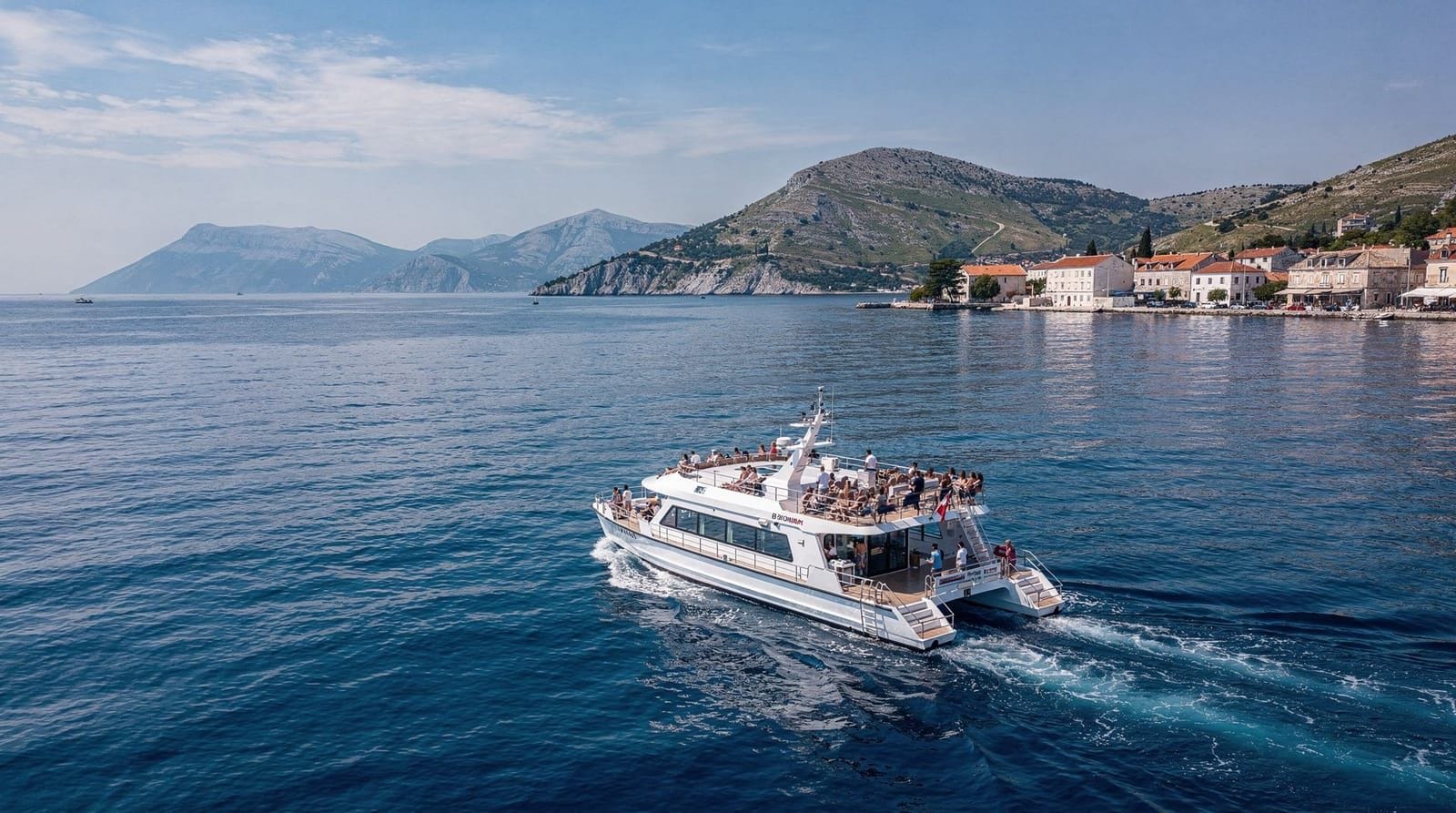
Split: Blue cave and 5 islands tour
Two weeks, the whole coast
Fourteen days allows you to see Croatia properly — not just the Dalmatian postcard but also the Italianate north: Istria’s hilltowns, Pula’s Roman amphitheatre, and the extraordinary waterfall landscapes of Plitvice. This is a road trip; you will need a car for the Istria-to-Plitvice stretch. Ferry connections handle the islands in the south.
The route runs north to south: arrive Zagreb or Pula, end in Dubrovnik. Alternatively reverse it (fly into Dubrovnik, out of Zagreb), but north-to-south tends to feel more natural as you get the culture-heavy north out of the way before the beach-heavy south.
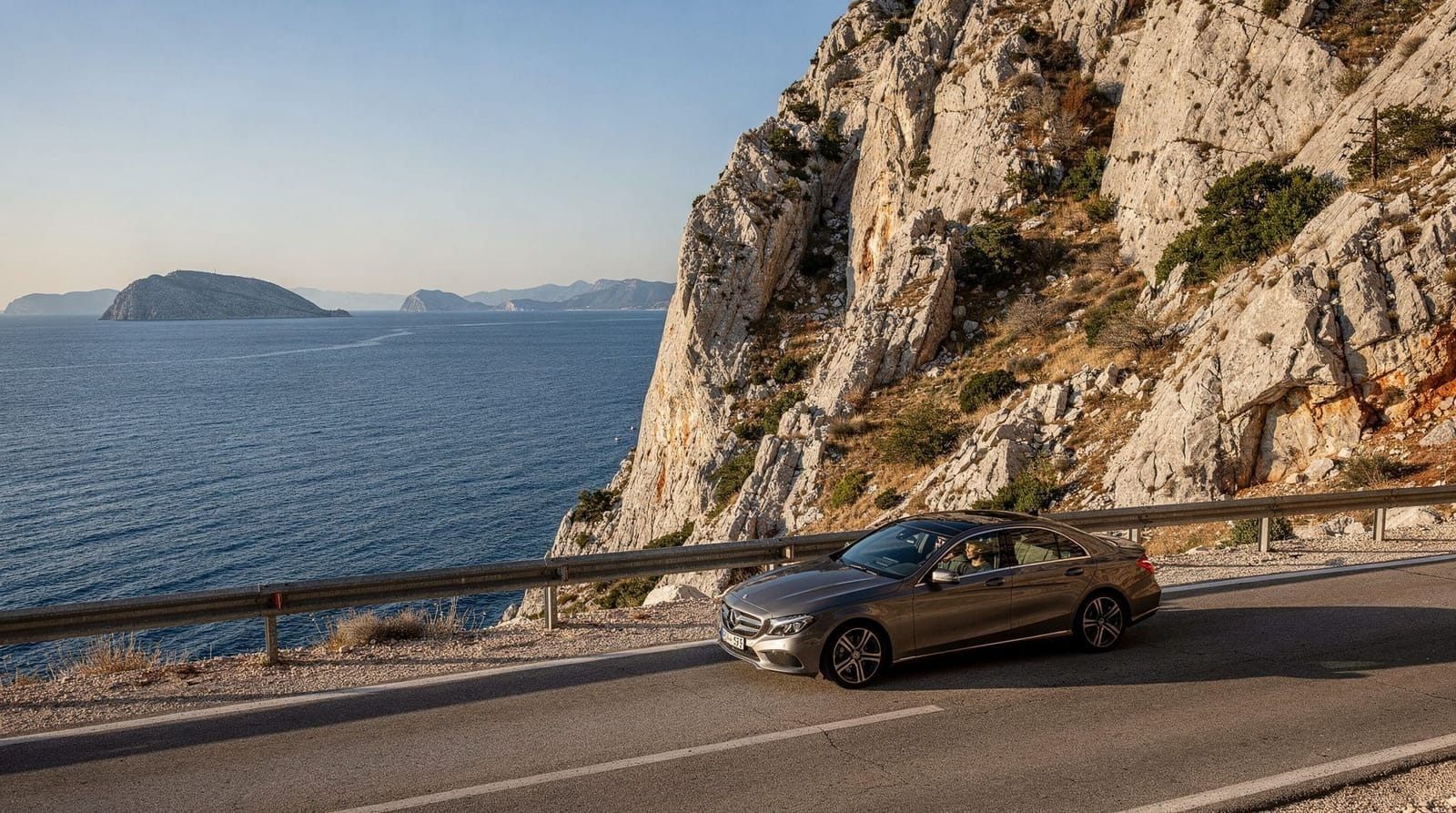
Important logistics: Car rental is straightforward in Croatia, but confirm that cross-border driving is permitted if you plan the Dubrovnik → Mostar or Kotor add-on (see the dubrovnik-mostar-kotor-circuit for a dedicated itinerary). Drop the car in Split and use ferries for the islands; picking up a car in Dubrovnik is expensive due to one-way fees.
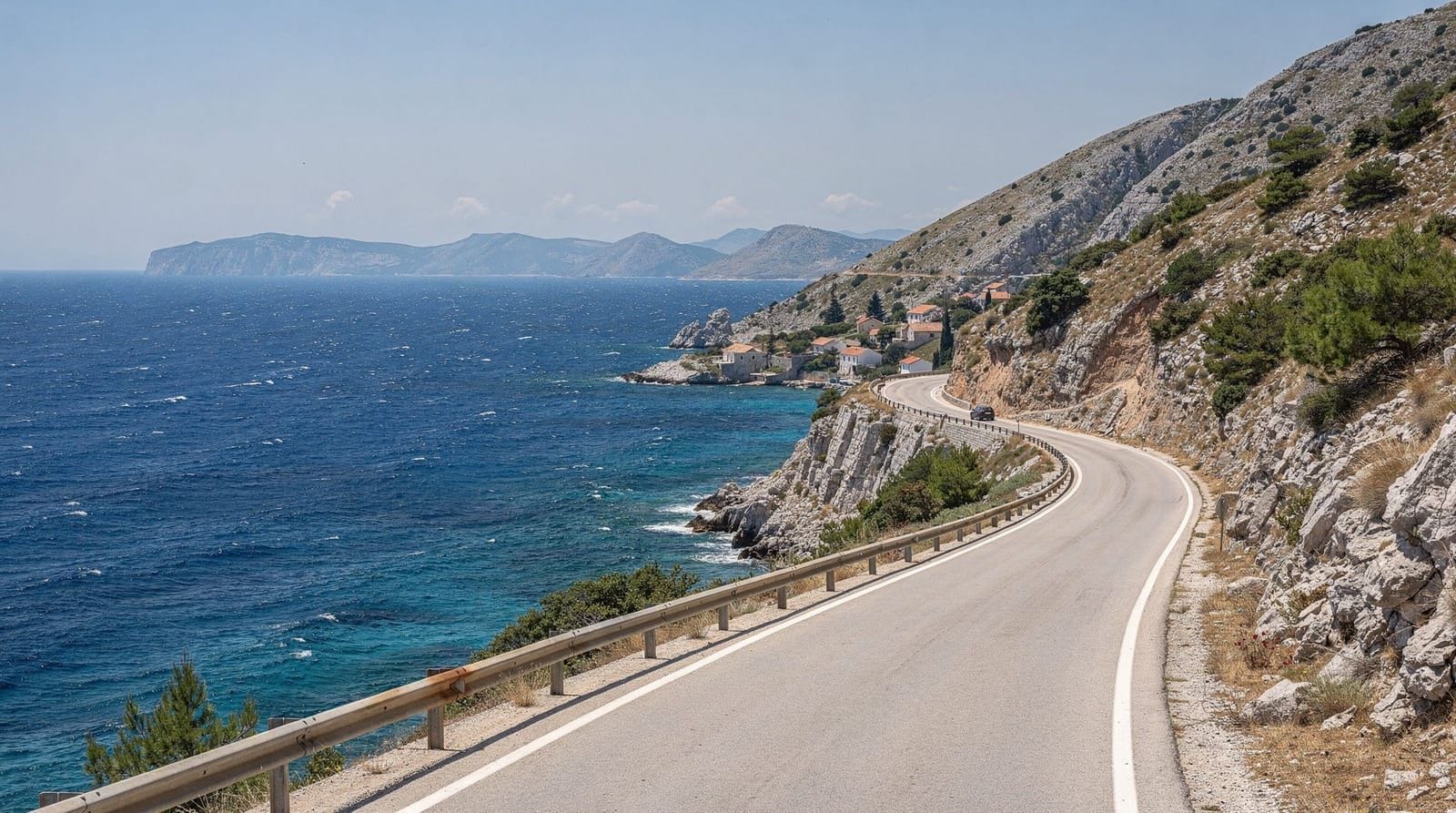
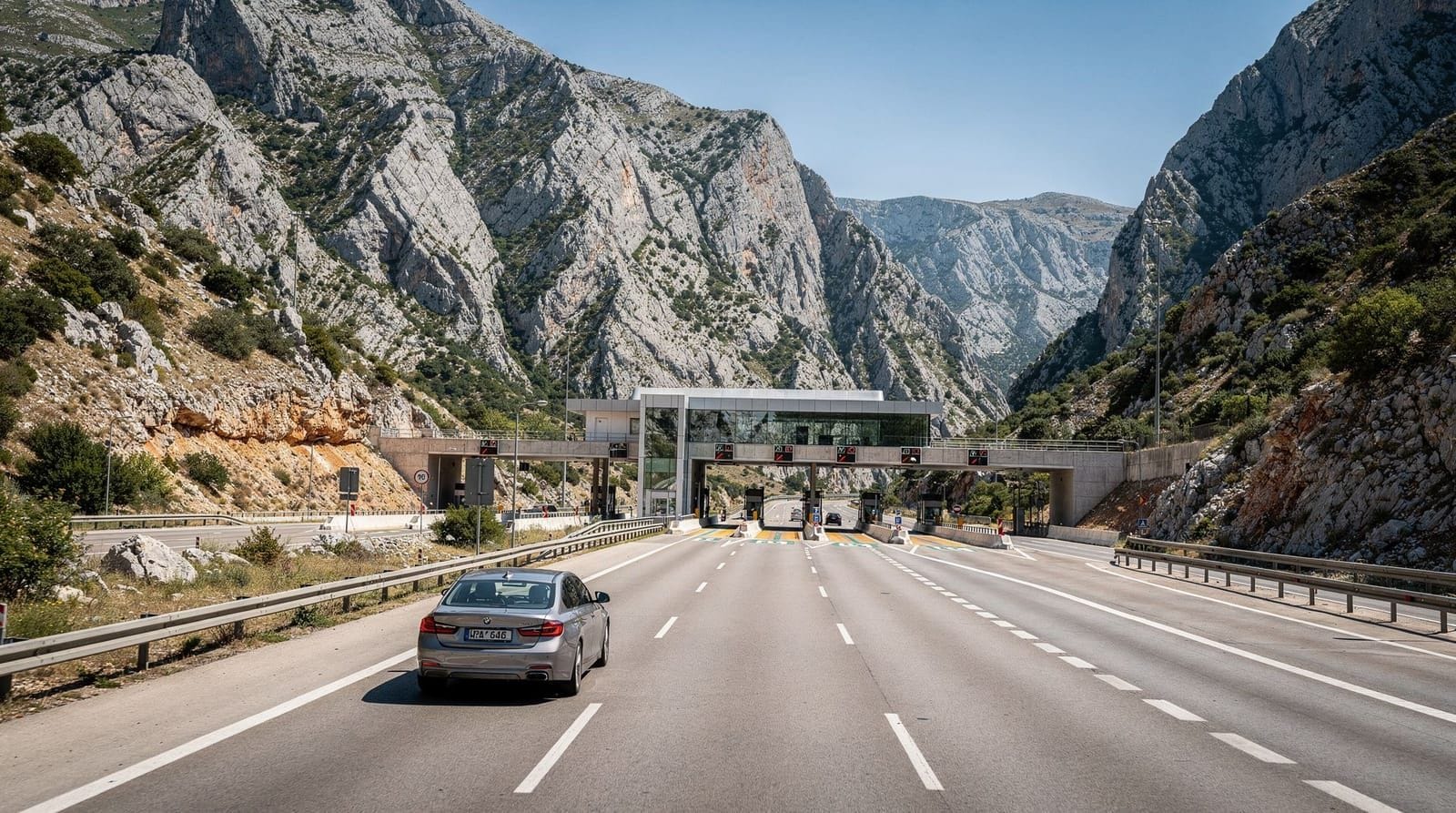
Driving distances and times: Zagreb to Pula 230 km (2.5 hours on A1/A8 motorway); Zagreb to Plitvice 130 km (1.5 hours); Zadar to Split 160 km (1.5 hours coastal road or motorway). Use the toll system: take the ticket on entry, pay on exit. Zagreb–Split costs around €26 toll. Full toll and road advice is in our Croatia tolls explained guide.
| Route | Pula → Rovinj → Plitvice → Zadar → Split → Hvar → Korčula → Dubrovnik |
| Car needed | Yes, days 1–7 only; drop in Split |
| Cost | around €1,600–2,400 per person, flights extra |
| Best time | May–June or September |
| Book ahead | Plitvice entry in summer, Dubrovnik accommodation |
Fourteen days is the full-coast version of this trip. If you only want Dalmatia, the 10-day itinerary covers Dubrovnik to Split without the northern loop and without needing a car at all. For driving specifics beyond this route, see driving in Croatia and renting a car in Croatia.
Day 1–2: Pula and southern Istria
Fly into Pula (PUY) or Zagreb (ZAG, then drive to Pula in 2.5 hours on the motorway). Pula is a city most visitors underestimate. Its Roman Arena — one of the six largest surviving amphitheatres in the world, still used for concerts — sits right in the centre and is extraordinary in the early morning before tour groups arrive.
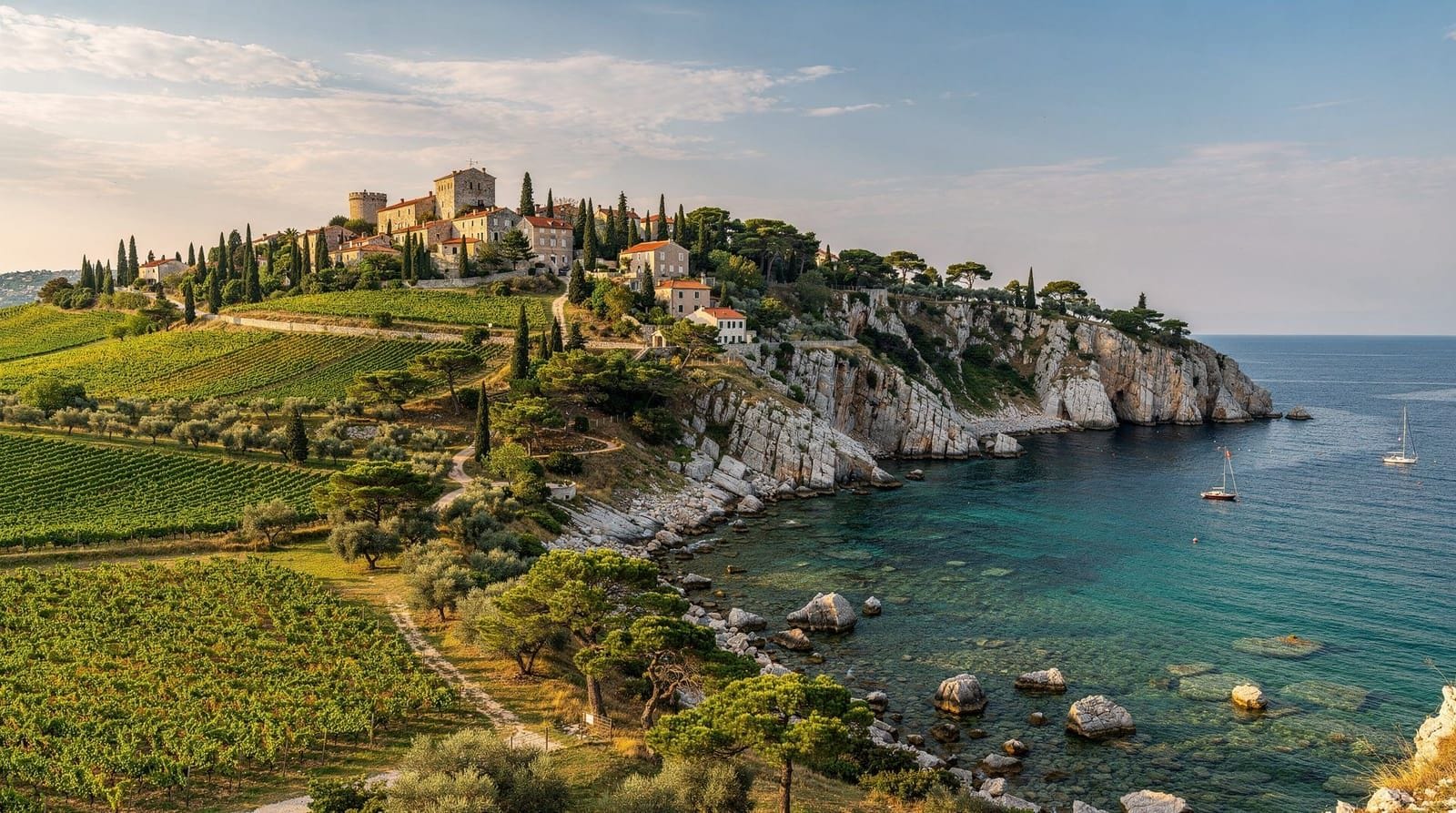
Day 2: explore Pula’s Roman forum, the Arch of the Sergii, and the Temple of Augustus. Drive 40 km north to Rovinj, one of Istria’s most photogenic towns — a peninsula of coloured houses topped by the Church of St. Euphemia, with the Adriatic on three sides.
Where to sleep: Pula — Hotel Scaletta or apartments near the Arena. Rovinj — Hotel Lone (design hotel, splurge), Hotel Amarin, or guesthouses in the old town.
Day 3: Rovinj and the Lim Fjord
Devote the morning to Rovinj — climb to St. Euphemia’s bell tower, wander the lanes, and have coffee at a canalside café. In the afternoon, take a boat tour into the Lim Fjord (Limska Draga), an 11 km-long karst inlet that looks entirely unlike the rest of the Croatian coastline, flanked by steep cliffs and oyster farms.
If you have time and are passionate about truffles, consider a detour to Motovun — a hilltop village in the Istrian interior 50 km east of Rovinj, surrounded by oak forests where white and black truffles are hunted from October to January (and black truffles year-round). Read our Istrian truffles guide for context.
Day 4: Drive to Zadar via Plitvice Lakes
This is a transitional day and a long one. Leave Rovinj early. Drive east to Plitvice Lakes National Park (about 2.5 hours from Rovinj on the A8/A1 motorway junction via Rijeka, or slightly shorter via the inland roads through Pazin).
Plitvice Lakes is Croatia’s most visited attraction: 16 terraced lakes connected by waterfalls, on wooden boardwalks over turquoise water. Arrive by 08:00 to beat the worst crowds; summer queues at midday are serious. Plan 4 hours inside the park. Entry is €25–40 depending on season.
After Plitvice, drive south 130 km to Zadar (1.5 hours). Check in; dinner in Zadar. The city is small, walkable and significantly cheaper than Split or Dubrovnik.
Where to sleep (Zadar, 1 night): Hotel Bastion (boutique, mid-range), or apartments in the old town.
Day 5: Zadar old town and Sea Organ
Zadar deserves more than passing through. The old town sits on a Roman-grid peninsula. The Forum is partially excavated; the 9th-century Church of St. Donatus is one of the most distinctive pre-Romanesque buildings in Europe. At sunset, the Sea Organ on the western waterfront — Nikola Bašić’s installation of perforated steps where wave action pushes air through underwater pipes — produces genuinely beautiful sounds.
The Greeting to the Sun, a circular solar-powered installation next to the Sea Organ, lights up at dusk. Alfred Hitchcock reportedly called the Zadar sunset the most beautiful in the world. Hyperbole, but the light here is excellent.
Drive to Split in the afternoon (160 km, 1.5 hours on the motorway or the slower but spectacular coastal road).
Day 6–7: Split — palace, old town and day trip to Krka
Split is the gateway to the islands and deserves two days. Day 6: immerse yourself in Diocletian’s Palace — the cellars, the Cathedral, the Peristyle. The Split old town guide has more detail.
Day 7: Drive or take a day tour to Krka National Park (75 km north, 1.5 hours). The Skradinski Buk waterfall sequence is the highlight; the boat to Visovac Island is a lovely add-on.
If you prefer islands to parks, take the morning catamaran to Trogir instead — the UNESCO-protected medieval town 30 minutes from Split.
Where to sleep (Split, 2 nights): Inside the palace walls is unmissable if budget allows — Hotel Peristil, Studio Luxe. For mid-range outside the walls: Radisson Blu Resort (Stari Grad) or apartments in Veli Varoš.
Drop your car before departing Split — park at the secure car parks near the bus station. You will not need it for the island section.
Day 8: Split to Hvar by catamaran
The Krilo or Jadrolinija catamaran from Split to Hvar Town takes 1 hour. Arrive, settle in, and spend the afternoon in Hvar town. The Španijola fortress viewpoint, the main square, and the waterfront promenade. In the evening, the Hvar scene gets lively; book dinner early at any good restaurant.
Where to sleep (Hvar, 2 nights): Hotel Riva (right on the harbour), Pharos Hvar, smaller family guesthouses in the lanes above the square.
Day 9: Pakleni Islands and beach day
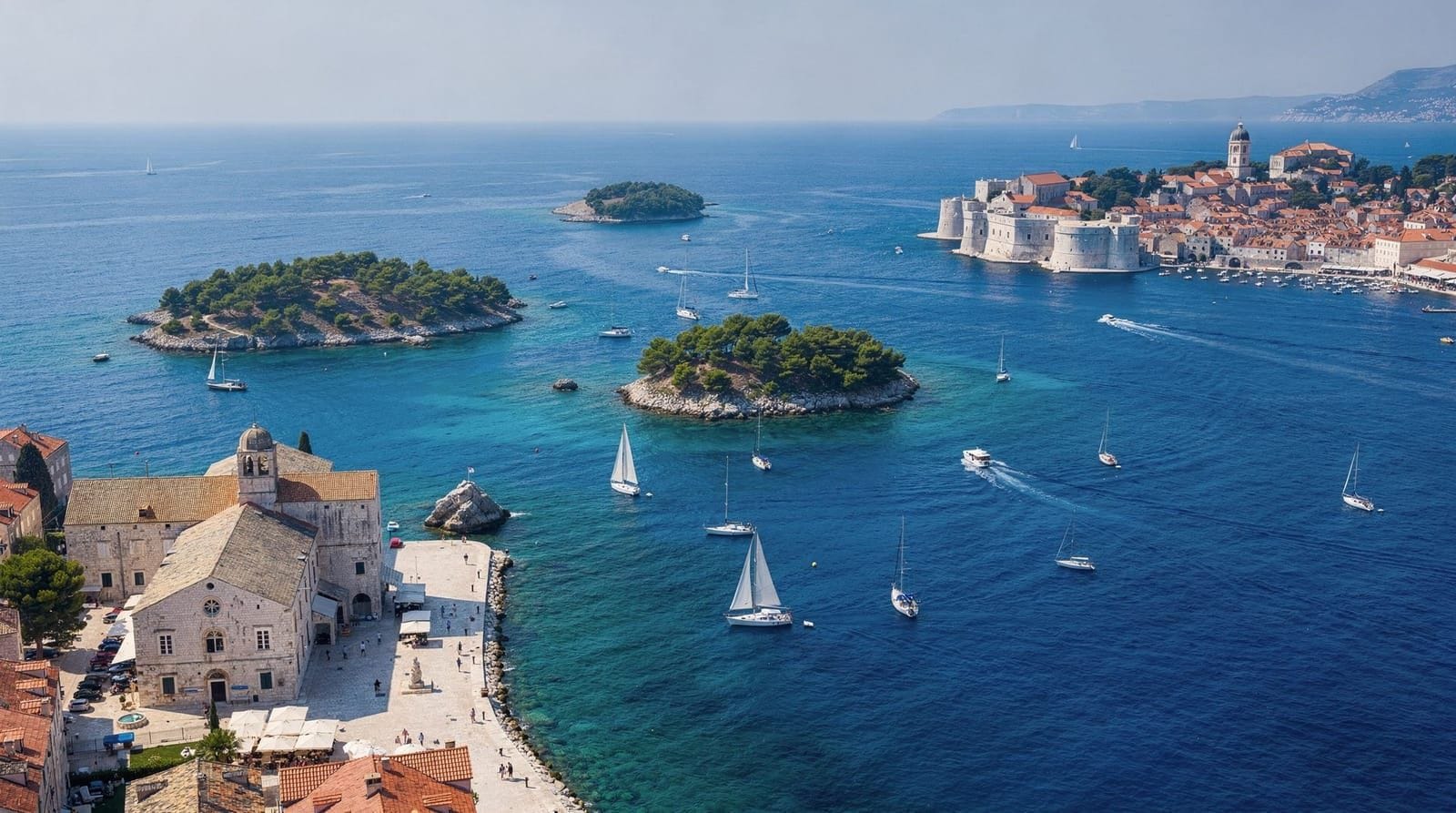
Take a water taxi to the Pakleni Islands — Pine-covered islets 10 minutes from Hvar Town where the crowd thins out and the water is exceptional. Palmižana and Sveti Klement are the main stops, with beach restaurants. A full day of swimming, lunch, wine, and sun.
In the evening, consider a sunset boat cruise from Hvar harbour.
Day 10: Hvar to Korčula — catamaran
Move on to Korčula, typically 1.5–2 hours by catamaran from Hvar Town (check Jadrolinija/Krilo timetables; connections vary). Korčula Town’s medieval centre and excellent wine — Pošip white and Grk — make this a highlight of the southern route. Slower, quieter, more local than Hvar.
Afternoon wine tasting and old town exploration; evening meal at a waterfront konoba.
Where to sleep (Korčula, 1 night): Korčula de la Ville (mid-range), Guesthouse Depolo.
Day 11–13: Dubrovnik — three days in the pearl of the Adriatic
The catamaran from Korčula Town to Dubrovnik takes about 2 hours (Jadrolinija or Krilo). Arrive Dubrovnik; settle in for three nights.
Three days in Dubrovnik allows you to see it properly without feeling rushed. Structure it:
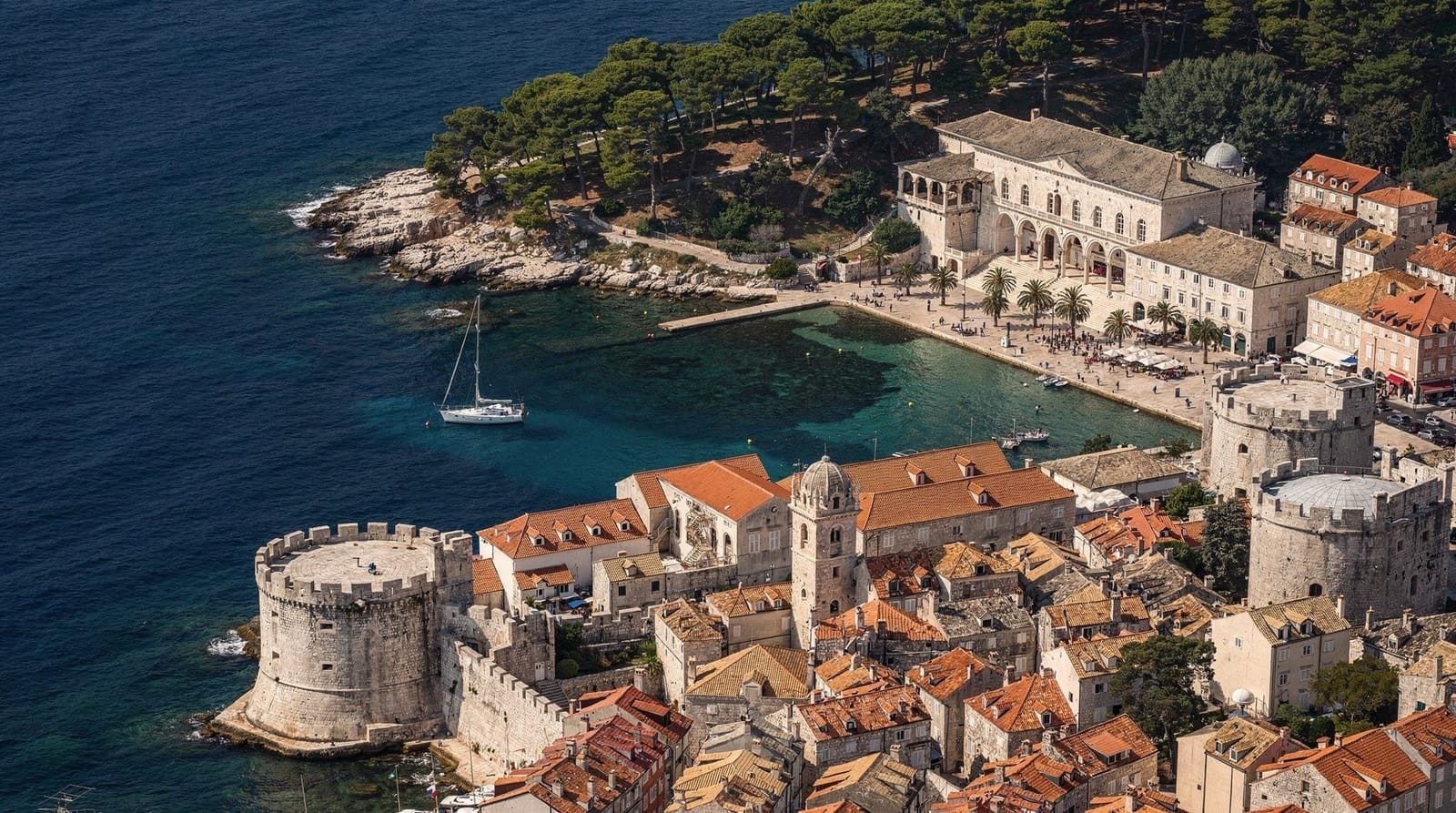
- Day 11: City Walls walk, Old Town exploration, cable car sunset.
- Day 12: Lokrum Island morning (ferry from Old Harbour, 10 minutes, ~€20 return); afternoon Game of Thrones filming locations in the city; evening food tour.
- Day 13: Elaphiti Islands boat cruise — the Elaphiti Islands (Koločep, Lopud, Šipan) are car-free and perfect for a day of low-key island-hopping.
Where to sleep (Dubrovnik, 3 nights): Lapad peninsula for value; Old Town for experience. Hotel Dubrovnik Palace (Lapad, luxury) and Hotel Stari Grad (Old Town, boutique mid-range) are reliable choices.
Day 14: Depart Dubrovnik
Final morning coffee on the Stradun, a last walk along the walls if you missed anything, then transfer to Dubrovnik Airport (DBV). The bus from Pile Gate runs regularly and costs €5; taxi is €30–40.
If your flight is late, consider the Elaphiti Islands as a morning excursion — or just revisit your favourite konoba for lunch.
Day-by-day summary
| Days | Base | Highlight |
|---|---|---|
| 1–2 | Pula | Roman Arena, drive to Rovinj |
| 3 | Rovinj | Old town, Lim Fjord boat, Motovun option |
| 4 | Zadar | Drive via Plitvice Lakes |
| 5 | Zadar → Split | Sea Organ, drive south |
| 6–7 | Split | Diocletian’s Palace, Krka day trip |
| 8–9 | Hvar | Catamaran from Split, Pakleni Islands |
| 10 | Korčula | Catamaran, old town and wine |
| 11–13 | Dubrovnik | City Walls, Lokrum, Elaphiti Islands |
| 14 | Dubrovnik | Depart |
Istria versus Dalmatia: is the north worth the driving?
The two halves of this itinerary feel like different countries. Istria and Plitvice are Italianate hilltowns, truffle forests and freshwater waterfalls reached by car; Dalmatia from Split south is islands, ferries and limestone old towns. Both are genuinely worthwhile, but the driving between them (roughly a full day, Rovinj to Zadar via Plitvice) is the price of seeing both in one trip. If you would rather not drive at all, skip Istria and take the ferry-only 10-day Dalmatia itinerary instead. Our Istria vs Dalmatia comparison goes deeper on which suits your travel style.
Combining this route with Slovenia or Bosnia
Because you already have a car for the northern half, it is straightforward to extend Day 4 with a detour into Slovenia — Lake Bled and Ljubljana are both within 2–3 hours of Rovinj or Zadar’s route. A dedicated version of this idea exists as the Istria–Zagreb–Slovenia circuit, which restructures the northern week around a Slovenia loop instead of heading straight to Zadar. Further south, once you reach Dubrovnik, the Dubrovnik–Mostar–Kotor circuit is a popular add-on for travellers with an extra 2–3 days at the end of the trip, since the Bosnian and Montenegrin borders are both within day-trip range.
Pula Brijuni National Park island tourIf you have any flexibility on Day 1–2 in Pula, the Brijuni Islands national park makes a rewarding half-day add-on before the drive to Rovinj — a former Tito retreat with Roman ruins, safari-style grounds and a genuinely different island character from anything further south.
FAQ
Do I need a car for the whole 14 days? No. A car is essential for days 1–7 (Pula, Rovinj, Plitvice, Zadar, Split) but becomes a liability from Split onward — drop it there and use ferries and catamarans for the island and Dubrovnik half of the trip.
Can I do this itinerary in reverse, starting in Dubrovnik? Yes, and it works logistically the same way, but you would need to pick up a car in Split rather than Dubrovnik (Dubrovnik pickups carry higher one-way fees), so the route as written — flying into Pula or Zagreb and out of Dubrovnik — is usually the more cost-effective direction.
Practical information for this 14-day itinerary
Transport summary: Car for days 1–7 (Pula/Rovinj → Plitvice → Zadar → Split). Drop car in Split. Ferry/catamaran for days 8–14 (islands to Dubrovnik).
Driving tolls: Istria motorway + A1 Zagreb–Split: approximately €40–60 total.
Car drop: Split has several rental drop-off points (Sixt, Hertz, Budget near the ferry terminal). One-way fee from Zagreb/Pula is usually included in most bookings; confirm before reserving.
Best months: May–June or September for this full route. The north (Istria, Plitvice) is accessible year-round; the islands thin out in October–April.
Top experiences
Bookable activities with verified prices and instant confirmation on GetYourGuide.