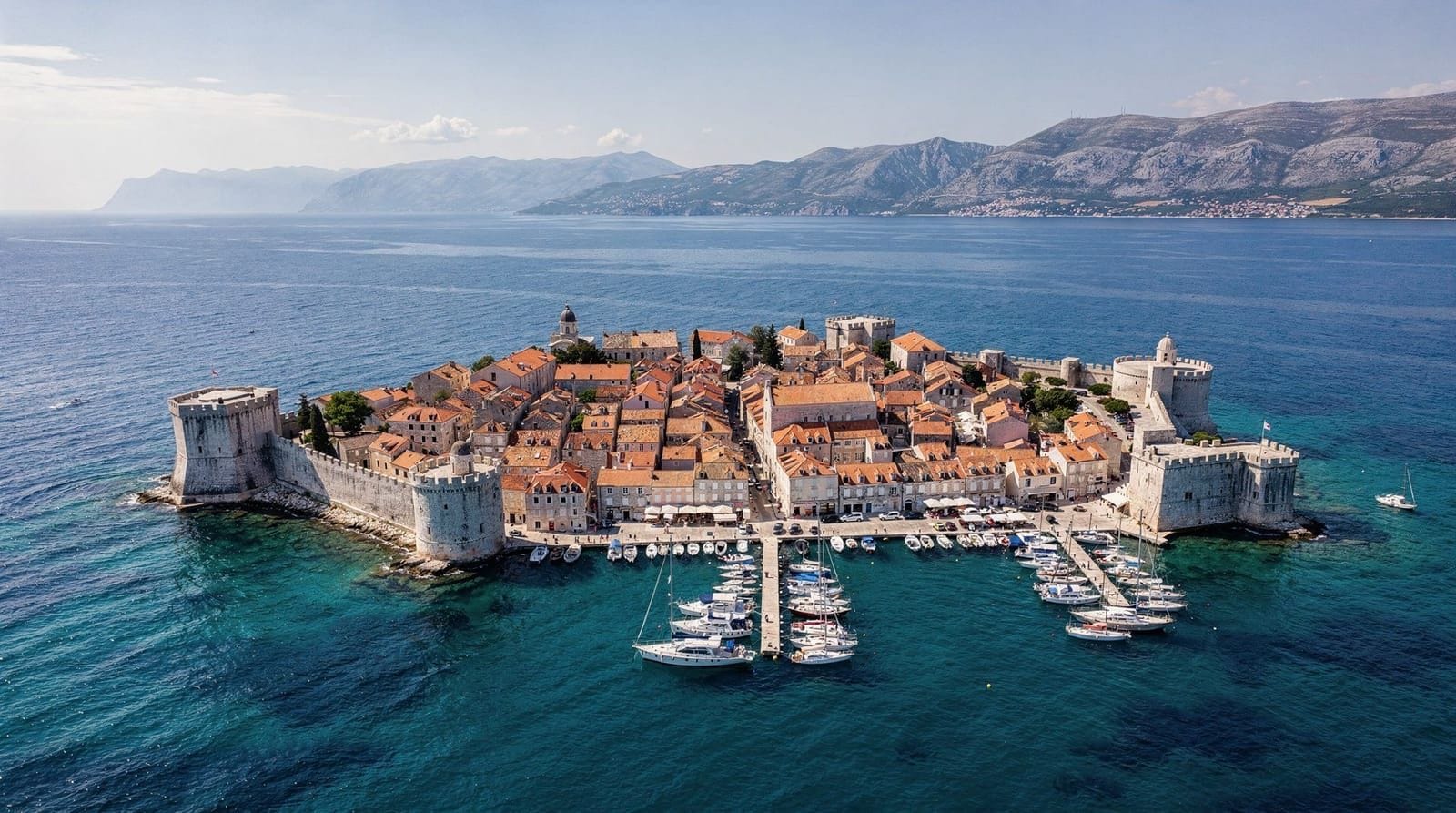
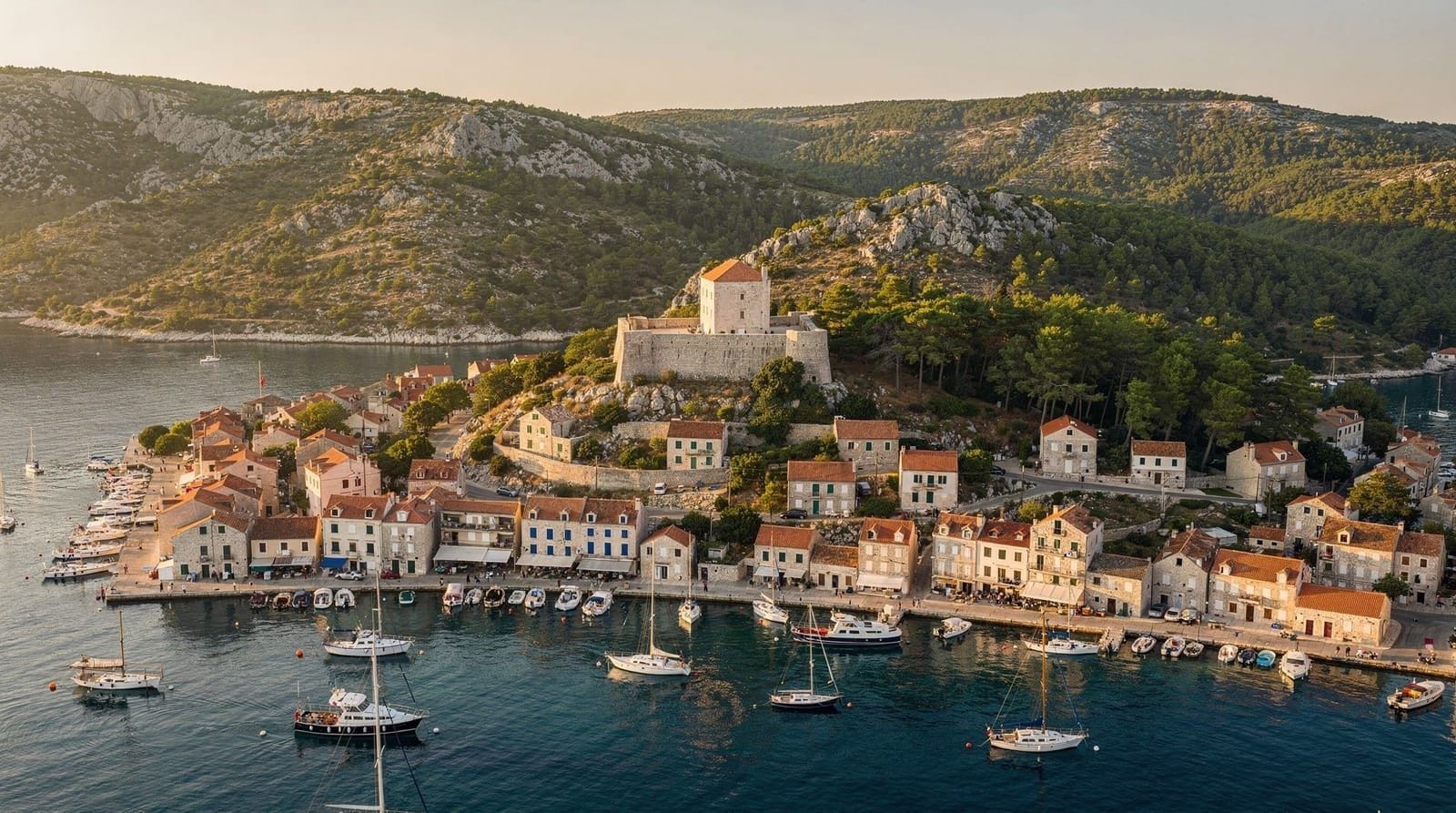
Croatia itinerary planning: how to structure your trip
Split: Plitvice Lakes day tour
How should I plan a Croatia itinerary?
Start with the geography: Dubrovnik is at Croatia's southern tip — a dead end. Don't base yourself there for island flexibility. Split, in the middle of Dalmatia, is the best hub. Plan north-to-south (Zagreb/Istria → Split → Dubrovnik) or south-to-north with one-way flights to avoid backtracking. Give yourself at least 10 days to see both Split and Dubrovnik without rushing. One week forces difficult choices.
Planning a Croatia itinerary is where most trips go wrong before they begin. The country is geographically unusual — a long, thin coastal strip with hundreds of islands, a landlocked capital, and two major tourist hubs that sit at opposite ends of a 600 km coastline. Understanding the geography first saves an enormous amount of backtracking and frustration.
| Minimum for a real trip | 7 days |
| Sweet spot | 10 days |
| Best hub for islands | Split |
| Avoid as a base | Dubrovnik alone (it’s a dead end) |
| Car needed? | Only for Istria, national parks, road trips |
| Book ahead in summer | car ferry slots, Plitvice tickets, accommodation |
Understanding Croatia’s geography first
Croatia isn’t a country you can cover from a single base. The main components:
Dalmatia (the coast and islands): Stretches from Zadar in the north to Dubrovnik in the south. This is where most tourists spend most of their time. The two anchors are Split (central) and Dubrovnik (southern tip).
Istria (northwest peninsula): Rovinj, Pula, Poreč, Motovun — Venetian-influenced, food-forward, cooler and greener than Dalmatia. Does not connect to the Dalmatian ferry network. Requires separate logistics.
Zagreb and the inland (central/north): Zagreb, Plitvice Lakes, Zagorje region, Samobor. Connected by good roads and bus services to the coast.
Kvarner Gulf and northern islands: Rijeka, Krk, Lošinj, Rab — less visited than Dalmatia, cooler sea, excellent for quieter island experiences.
The critical planning insight: Dubrovnik is a geographic dead end. It sits at Croatia’s southern tip with Bosnia-Herzegovina and Montenegro on its land borders. To get from Dubrovnik to Split without a car, you take a 4.5-hour bus or the coastal catamaran (Split–Dubrovnik via Hvar, Korčula, Mljet — beautiful but not fast). To drive from Split to Dubrovnik, the Pelješac Bridge (opened 2022) now bypasses the old Neum Bosnia corridor, making the drive a clean ~3.5 hours.
The one-way flight strategy
The single most impactful itinerary improvement for most visitors is booking different airports for arrival and departure. Croatia has five main airports: Zagreb (ZAG), Split (SPU), Dubrovnik (DBV), Zadar (ZAD), and Pula (PUY).
The classic strategy:
- Fly in Zagreb (ZAG), out Dubrovnik (DBV): Zagreb 2 nights → bus/drive to Split → ferry island-hopping → Dubrovnik. Covers the country north-to-south without any backtracking.
- Fly in Split (SPU), out Dubrovnik (DBV): Direct to the coast. Split 2–3 nights → islands 2–4 nights → drive/bus/catamaran to Dubrovnik.
- Fly in Pula (PUY), out Dubrovnik (DBV): Istria start → drive or train to Zagreb → bus to Split → Dubrovnik. The most comprehensive Croatia circuit.
One-way flights within Europe are often barely more expensive than round-trips to a single city, especially if booked reasonably ahead.
Car vs ferries: the core decision
This is the most important logistical choice in Croatia planning.
Car advantages: Freedom on the mainland, easy access to national parks (Plitvice, Paklenica), ability to stop at coastal overlooks on the D8 highway, flexibility for Istria and inland destinations, easier for families with luggage.
Car disadvantages: Islands are tight. Parking in Split, Dubrovnik, Hvar, Trogir, and Šibenik old towns is difficult, expensive, and sometimes impossible near your accommodation. Taking a car on a ferry costs €35–50+ per crossing (vs. €6–14 foot passenger). Narrow island roads require attention. Drink-drive enforcement in Croatia is strict.
Ferry advantages: Relax on the crossing, no parking problem, cheaper per crossing, social experience, allows island-hopping without vehicle logistics.
The practical solution for most visitors: Drive to Split, park the car there (Split has several multi-day parking garages), and use the ferry network as a foot passenger for the islands. Return to Split to collect the car. This gives you road freedom for the mainland and ferry freedom for the islands.
For Istria specifically, a car is the right tool — the Istrian interior (truffle country, hilltop villages like Motovun, wine estates near Umag) is difficult to access without one.
How many days per destination
This is the most common planning question and the most frequently underestimated.
Split: 2 nights minimum, 3 recommended. The old town is endlessly walkable; Trogir is 30 minutes by bus for an easy half-day. Salona ruins add depth. Day 3 suits a Krka or Plitvice day trip.
Hvar: 2 nights minimum, 3 comfortable. Hvar town itself fills half a day; the Pakleni Islands fill a full day by boat; the island interior and Stari Grad can fill a morning.
Vis: 3–4 nights. Further away (2.5h ferry from Split), rewards slower exploration. One day Vis town/Komiža, one day beaches (Stiniva cove, Srebrena), one day rented scooter around the island.
Korčula: 2–3 nights. The old town can be done in a day; the surrounding island and wine estates extend it.
Dubrovnik: 2–3 nights for the core experience. Day 1 walls and Old Town; Day 2 Mostar or Kotor day trip; Day 3 departure or Elaphiti Islands cruise. More than 3 nights in Dubrovnik for a first-time visitor is rarely necessary.
Zadar: 1–2 nights as a stop or base. More if you’re doing the northern Dalmatian islands.
Zagreb: 2–3 nights for a city break. More if you’re combining with Plitvice (1.5h by bus from Zagreb).
Istria (Rovinj/Pula): 3–4 nights for the peninsula. Rovinj 2 nights + Pula 1–2 nights.
Building a trip around islands: key principles
Island-hopping in Croatia is excellent but requires more planning than mainland travel.
Check ferry schedules before building the itinerary: Ferries between islands are less frequent than ferry-to-mainland services. The Split–Hvar–Vis route is good. Hvar–Korčula is doable. But Vis–Korčula direct doesn’t exist as a daily route — you typically route back via Split or take the coastal catamaran.
Don’t try to visit more than 2–3 islands per week: Each island takes a morning just to arrive and settle in. Rushing island to island — Brač one night, Hvar one night, Vis one night — means you see none of them properly. Give each island at least 2 nights.
Foot passenger is almost always the right choice for ferries: Unless you have very specific need for the car on the island, leave it on the mainland.
The coastal catamaran (Split–Dubrovnik via islands): Jadrolinija runs a daily coastal catamaran in summer connecting Split → Hvar town → Korčula → Mljet → Dubrovnik. Takes roughly 7–8 hours total. This is an outstanding way to island-hop while making progress toward Dubrovnik — you can disembark on any island and catch a later catamaran to continue.
Itinerary length at a glance
| Length | Covers | Best for | Limitation |
|---|---|---|---|
| 5 days | Split + 1 island | Short breaks, tight schedules | No Dubrovnik, no national park |
| 7 days | Split + Hvar + Dubrovnik | Most first-time visitors | Tight; little buffer time |
| 10 days | Zagreb/Split + 2 islands + Dubrovnik + 1 national park | The sweet spot for most trips | — |
| 14 days | Full circuit incl. Istria or a sailing week | Slower pace, more islands | Requires more vacation time |
First-timer vs returning-traveller itineraries
A first Croatia trip should stay simple: Split, one or two islands, Dubrovnik, in that order, with a Plitvice or Krka day trip if time allows. Trying to add Istria, Zagreb, and Montenegro to a first 10-day trip usually means seeing less of each place rather than more. Returning travellers tend to specialise — a dedicated sailing week, an Istria-only food-and-wine trip, or a slower exploration of the lesser-known Kvarner islands (Krk, Rab, Lošinj) that a first-timer would reasonably skip in favour of the headline sights.
Sample itinerary frameworks
5-day coast-only (fly in/out Split)
Day 1: Arrive Split, Diocletian’s Palace evening walk.
Day 2: Split old town fully; sunset at Meštrović Gallery.
Day 3–4: Ferry to Hvar; Pakleni Islands boat day.
Day 5: Return to Split; depart.
Limitations: tight, no national parks, no Dubrovnik.
7-day Split + Dubrovnik (fly in SPU, out DBV)
Days 1–2: Split.
Days 3–4: Hvar (catamaran from Split).
Day 5: Return to Split, drive or bus to Dubrovnik (3.5h with car; 4.5h bus).
Days 6–7: Dubrovnik — walls, Mostar or Kotor day trip.
This is the most popular Croatia week. Works but is tight.
Dubrovnik to Mostar full-day guided trip10-day classic (fly in ZAG, out DBV)
Days 1–2: Zagreb.
Day 3: Bus/drive to Split (4.5h or 1h flight).
Days 3–4: Split, including Trogir half-day.
Days 5–6: Hvar or Vis.
Day 7: Return to Split; Krka or Plitvice day trip.
Day 8: Drive Split to Dubrovnik.
Days 9–10: Dubrovnik — walls, day trip to Montenegro (Kotor).
See the full 10-day Croatia itinerary.
Plitvice Lakes day tour from Split14-day comprehensive (fly in ZAG, out DBV)
Days 1–3: Zagreb + Plitvice day trip.
Days 4–5: Drive/bus to Split; explore.
Days 6–7: Hvar.
Days 8–9: Vis.
Day 10: Return Split; Šibenik day.
Days 11–12: Dubrovnik.
Day 13: Kotor or Mostar.
Day 14: Depart.
See the 14-day Croatia itinerary.
Sailing week (7-day, from Split)
Replace island-hopping logistics with an organized sailing trip. Split → Brač → Hvar → Vis → Korčula → Mljet → back to Split. Most tours are 7 nights and include skipper, boat, and shared provisions. Ideal for solo travelers, couples, or groups of friends. See the sailing week itinerary and the island-hopping guide.
National parks circuit (7 days, car required)
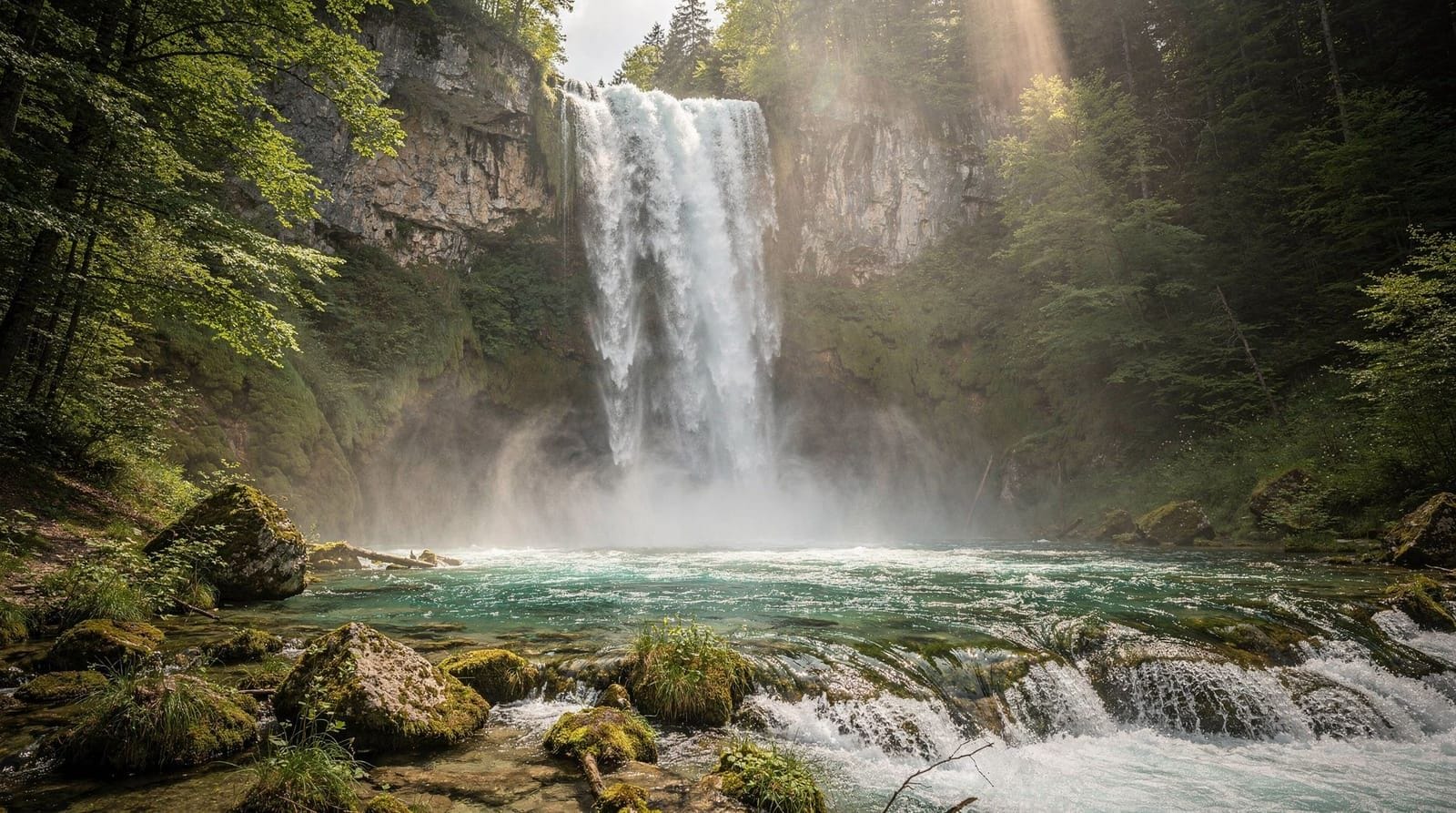
Zagreb → Plitvice Lakes → Šibenik (for Krka) → Zadar (for Kornati boat tour) → Paklenica day hike → back to Zagreb. Stunning and underused itinerary that avoids peak Dalmatian crowd concentrations. See the national parks and waterfalls route.
Krka Waterfalls day tour from SplitBuilding in buffer time
July and August require buffer days. Mechanical issues, weather, and sheer volume mean ferry delays and even cancellations happen in peak season. If you have a fixed flight departure, do not schedule your last ferry crossing the same day as your flight without a buffer of at least one night in the departure city. A missed connection costs more than an extra night’s accommodation.
Bus connections between Split and Dubrovnik: The direct bus takes 4.5–5 hours in peak season (longer with summer traffic on the coastal road). The Pelješac Bridge removed the Neum border crossing that used to add time, but the route is still slower than it looks on a map.
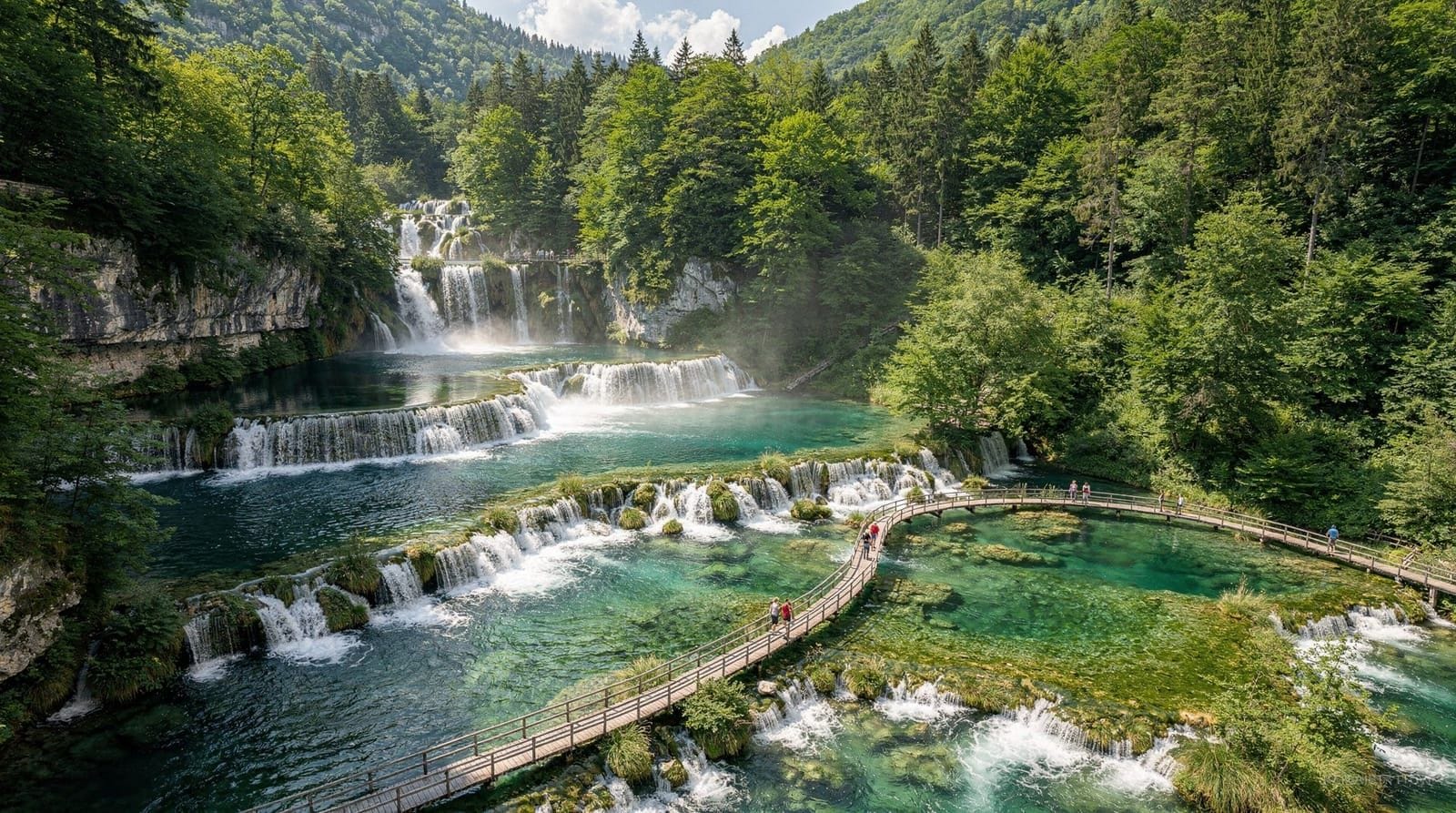
Plitvice Lakes: The most visited national park in Croatia draws enormous crowds in July–August. Go very early (before 8am when it opens) or in shoulder season. If you’re doing it as a day trip from Split, that’s an early morning start — doable but long. See the Plitvice Lakes guide for practical timing advice.
Combining Croatia with neighbouring countries
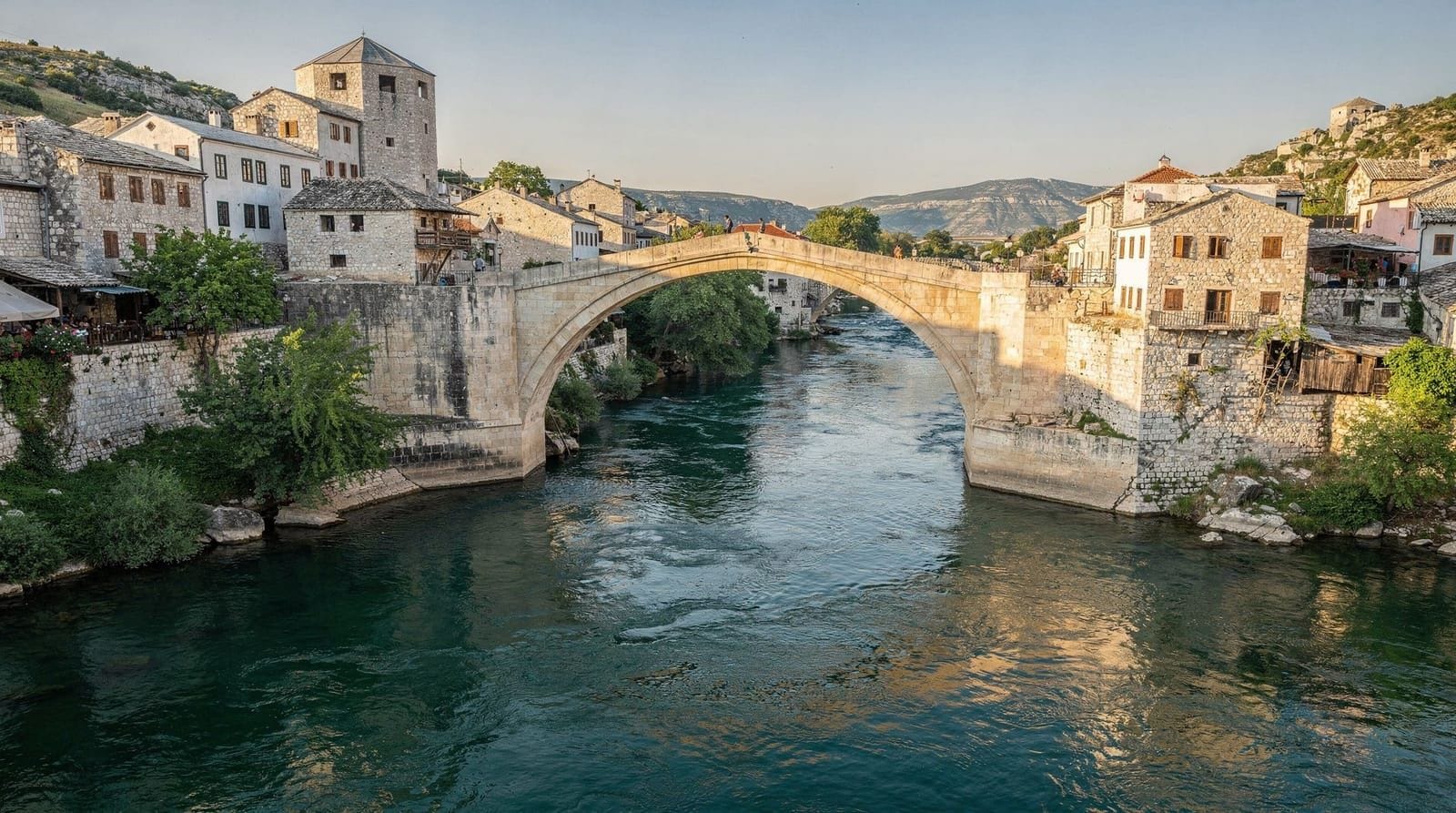
Croatia’s borders make several short cross-border extensions genuinely worthwhile rather than gimmicky add-ons. Montenegro: Kotor is about 2 hours from Dubrovnik — a well-paved, scenic drive along the coast, easily done as a day trip or extended to an overnight if the Bay of Kotor’s fjord-like scenery draws you in. Bosnia and Herzegovina: Mostar, with its Ottoman-era bridge and old town, is 2.5–3 hours from Split and about 3 hours from Dubrovnik, making it accessible as a day trip from either base. Slovenia: Ljubljana and Lake Bled sit naturally at the northern end of a trip that starts or ends in Zagreb or Istria — roughly 2 hours from Zagreb, they suit travellers flying into or out of that end of the country rather than a Dalmatia-only itinerary. None of these require a separate visa process for most nationalities, but check entry requirements for your passport before planning border crossings, since Bosnia sits outside the EU and Schengen area.
Montenegro day trip from DubrovnikBudget itinerary vs comfort itinerary
The same broad route through Croatia can cost dramatically different amounts depending on choices that have little to do with where you go. A budget version of the classic 10-day Split-islands-Dubrovnik route uses private accommodation (sobe/apartments) over hotels, foot-passenger ferries over car ferries, self-catered lunches from supermarkets, and group boat tours over private charters — realistically €60–100 per person per day outside peak season. A comfort version of the identical route — boutique hotels, occasional private transfers or boat charters, restaurant meals throughout — runs €150–300+ per person per day. The itinerary structure barely changes between the two; the spending does. See Croatia daily costs and Croatia on a budget for the detailed breakdown behind these numbers.
Practical transport tips for building your itinerary
Bus vs. car between Split and Dubrovnik: The direct bus takes 4.5–5 hours with luggage stops. It’s the most practical option if you don’t have a car and want a direct connection. The Pelješac Bridge (opened 2022) removed the old Neum (Bosnia) border stop, making the drive and bus route cleaner. Buses are operated by FlixBus and several Croatian carriers — book online. Alternatively, the coastal catamaran via Hvar, Korčula, and Mljet is slower (7–8 hours total) but beautiful.
Renting a car: when it makes sense: A car in Croatia is most valuable for Istria (the interior is not well-served by public transport), for driving the coastal highway D8 at your own pace, and for reaching national parks from base cities. A car is least useful if you’re island-hopping — you either leave it on the mainland (and pay parking for several days) or pay ferry surcharges per crossing.
Booking ferry tickets: Foot passengers can generally turn up and buy at the port for most Dalmatian routes outside peak season. In July–August, online booking is recommended for the fast Split–Hvar catamaran. Car spaces on ferries sell out days ahead in peak season — book as soon as you’ve confirmed your itinerary.
Internal flights: Croatia Airlines operates Split–Dubrovnik (40 min) and Zagreb–Split routes. Prices vary widely. Worth checking if you’re pressed for time and don’t want to do the 4.5h bus or catamaran. Book early — capacity is limited and prices rise sharply close to departure.
Train travel in Croatia: Croatia’s rail network is best suited to Zagreb connections. Zagreb–Rijeka (2h) and Zagreb–Osijek are useful. There is no coastal rail line — trains don’t reach Split, Dubrovnik, or Zadar. This means bus or car is the standard for coastal travel.
Ride-hailing and taxis: Uber and Bolt operate in Zagreb, Split and Dubrovnik, and are generally cheaper and more transparent than hailing a street taxi, particularly for airport transfers. Coverage thins out considerably on the islands, where a pre-arranged transfer or your accommodation host’s recommendation is usually the more reliable option.
Itinerary mistakes to avoid
Spending a full week in Dubrovnik: Dubrovnik is extraordinary for 2–3 nights. A week is too long for most travelers — you’ll exhaust the main experiences and feel trapped in a very crowded, expensive bubble.
Trying to do Dubrovnik → Split as a round trip: Dubrovnik to Split and back is 7–9 hours of travel minimum. Structure your itinerary to go through them in sequence, not as a round trip from either base.
Island-hopping by car: Theoretically possible (car ferries exist), but parking on islands is expensive, island roads are narrow, and the per-crossing cost with a car adds up fast. Leave the car in Split.
Forgetting Croatia’s interior entirely: The Zagorje region (Trakošćan castle, thermal spas), Samobor, Slavonia (Osijek), and the Dalmatian hinterland are all interesting and essentially devoid of mass tourism. If you’re looking for authentic Croatia and want to avoid peak-season coastal crowds, these are worth knowing about.
Not checking what’s open in October: Most island accommodations and restaurants are open through September and into early October. Mid-October is the transition point when smaller operations begin closing. Check your specific accommodation’s open dates if traveling after September 15.
Frequently asked questions about Croatia itinerary planning
How many days do I need in Croatia?
7 days is the minimum for a meaningful Dalmatian trip covering Split and Dubrovnik with one island stop. 10 days is the sweet spot for most travelers: two or three island nights, a national park day trip, and time in both major cities. 14 days allows you to add Istria, Zagreb, or a sailing week without rushing.Should I base in Split or Dubrovnik?
Split is the better base for island flexibility — it connects to more islands and is geographically central. Dubrovnik is better if you specifically want to day-trip to Mostar or Kotor. The ideal solution for 10+ day trips is to stay in both, treating each as a base for different activities. Use a one-way flight approach (fly into ZAG or SPU, out of DBV) to avoid repeating ground.Is a car necessary in Croatia?
It depends on your itinerary. A car is useful for Istria, the Zagreb region (Zagorje, Plitvice), the Pelješac Peninsula, and driving the coastal highway (D8). For island-hopping in Dalmatia, a car is more burden than benefit — island roads are tight, parking is expensive, and the ferry network handles foot passengers extremely well. Many travelers do a car trip to Split, park it, and ferry from there.What are the biggest Croatia itinerary mistakes?
Treating Dubrovnik as a central hub (it isn't — it's a dead end geographically). Trying to visit too many islands in one week. Underestimating travel times — ferry crossing + waiting time + driving across an island adds up. Booking non-refundable accommodation before knowing the ferry schedule. Not building buffer days for July–August ferry delays.Can I do Croatia and Montenegro in one trip?
Yes — Kotor in Montenegro is only about 2 hours from Dubrovnik and makes an excellent day trip or one-night extension. The Dubrovnik–Mostar–Kotor circuit is a well-established 3-day add-on to a Dalmatia trip. Bosnia (Mostar) is similarly accessible from both Split (2.5–3h) and Dubrovnik (3h).What's the best one-week Croatia itinerary structure?
Fly into Split (SPU), spend 2 nights exploring the city and Diocletian's Palace, take a ferry to Hvar for 2 nights, return to Split, then either a Plitvice or Krka day trip, then fly out. This covers Croatia's highlights without overreaching. Alternatively, fly in Split, out Dubrovnik, add 2 nights Dubrovnik at the end — but that requires a 5h bus or car transfer between Split and Dubrovnik.
Top experiences
Bookable activities with verified prices and instant confirmation on GetYourGuide.
Top experiences
Best-rated activities across GetYourGuide and Viator.

From Zadar: Plitvice Lakes with Boat Ride & Zadar Old town tour
- Viator

Mostar and Herzegovina Tour with Kravica Waterfall from Split & Trogir
- Viator

3Hour ALL-INCLUSIVE Sunset Dolphin Watching from Medulin onSandra
- Viator

Dolphin Watching & Sunset Boat Tour With Drinks & optional Dinner
- Viator

Fantastic DOLPHIN & SUNSET TOUR with dinner ( Pula-NP BRIJUNI )
- Viator

Medulin :All-Inclusive Pirate Boat Dolphin Watching Sunset Cruise
- Viator