Honest Croatia advice: what the travel brochures don't tell you
What do most Croatia travel guides get wrong?
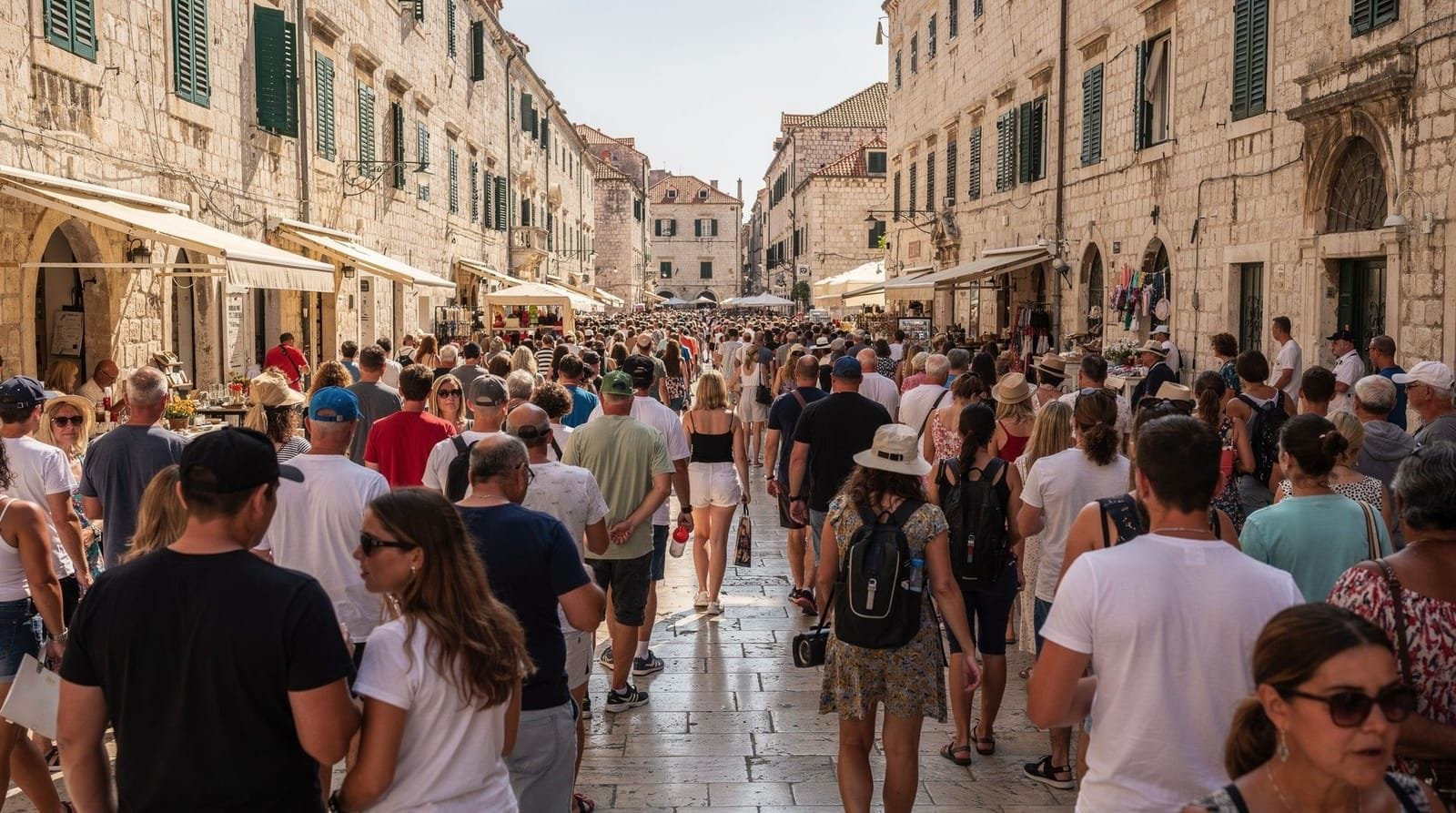
They underestimate distances (Croatia's long thin shape makes moving between regions far slower than maps suggest), overstate the affordability (Dubrovnik and Hvar now cost as much as Paris in July), understate the crowds in peak season (Dubrovnik Old Town in August is genuinely difficult), and rarely acknowledge that some of the country's best experiences require a car and willingness to go slightly off the standard route.
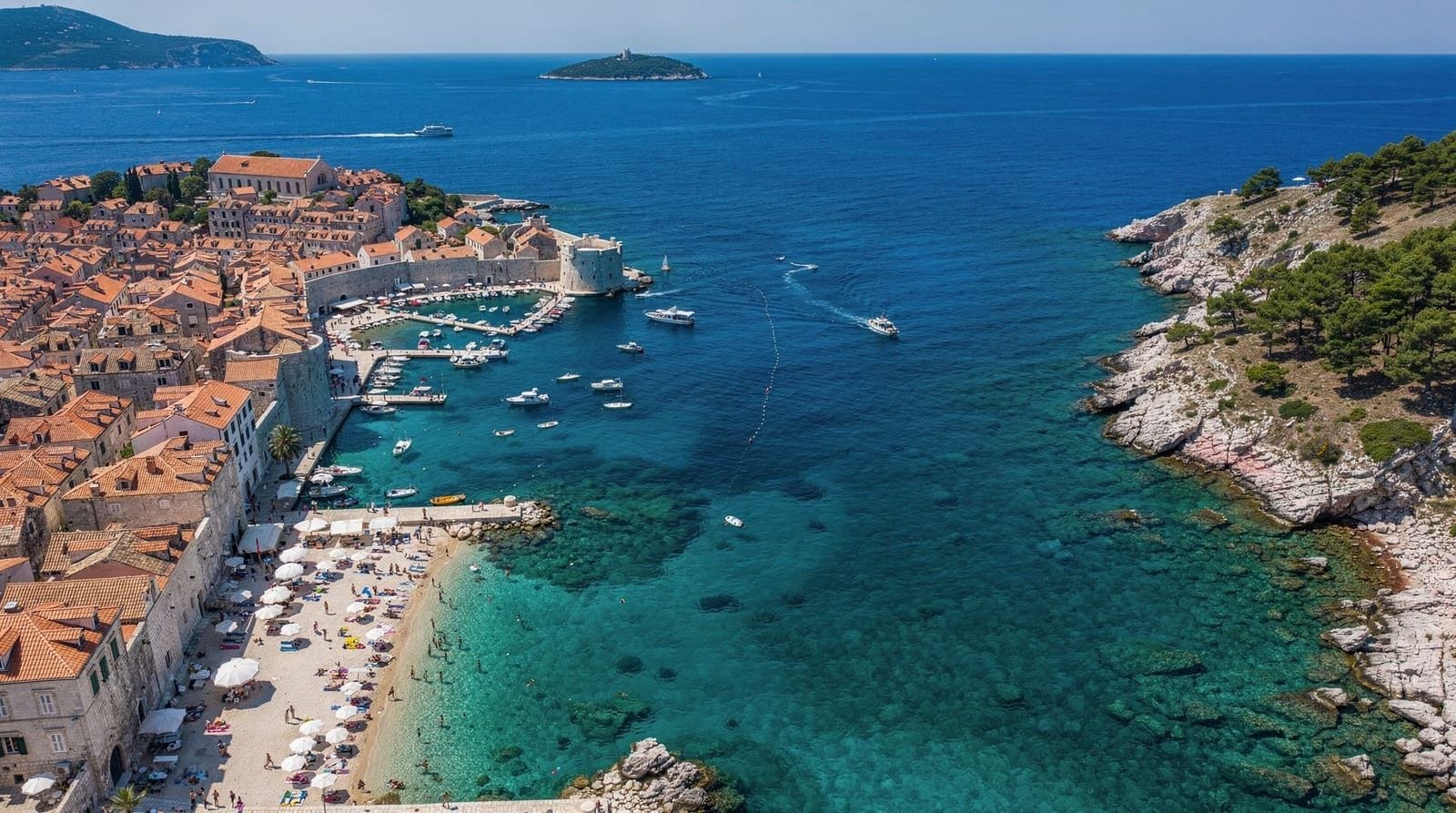
Croatia is genuinely one of Europe’s best travel destinations. The coastline is as beautiful as the photographs suggest, the food and wine are excellent when you find the right places, and the historical depth of its cities — Roman Diocletian’s Palace, medieval Dubrovnik, the Venetian-influenced towns of Istria — is extraordinary. None of that requires exaggeration.
What requires more honest treatment is the gap between the brochure version and the reality — the distances that are much larger than the map suggests, the prices in peak season that genuinely shock first-time visitors, and the crowds at certain sites that make the experience significantly different from the travel photography that attracted you in the first place.
| Biggest planning error | Underestimating distances — Dubrovnik–Split is 4–5hrs in summer |
| Biggest cost shock | Dubrovnik/Hvar peak-season prices rival the French Riviera |
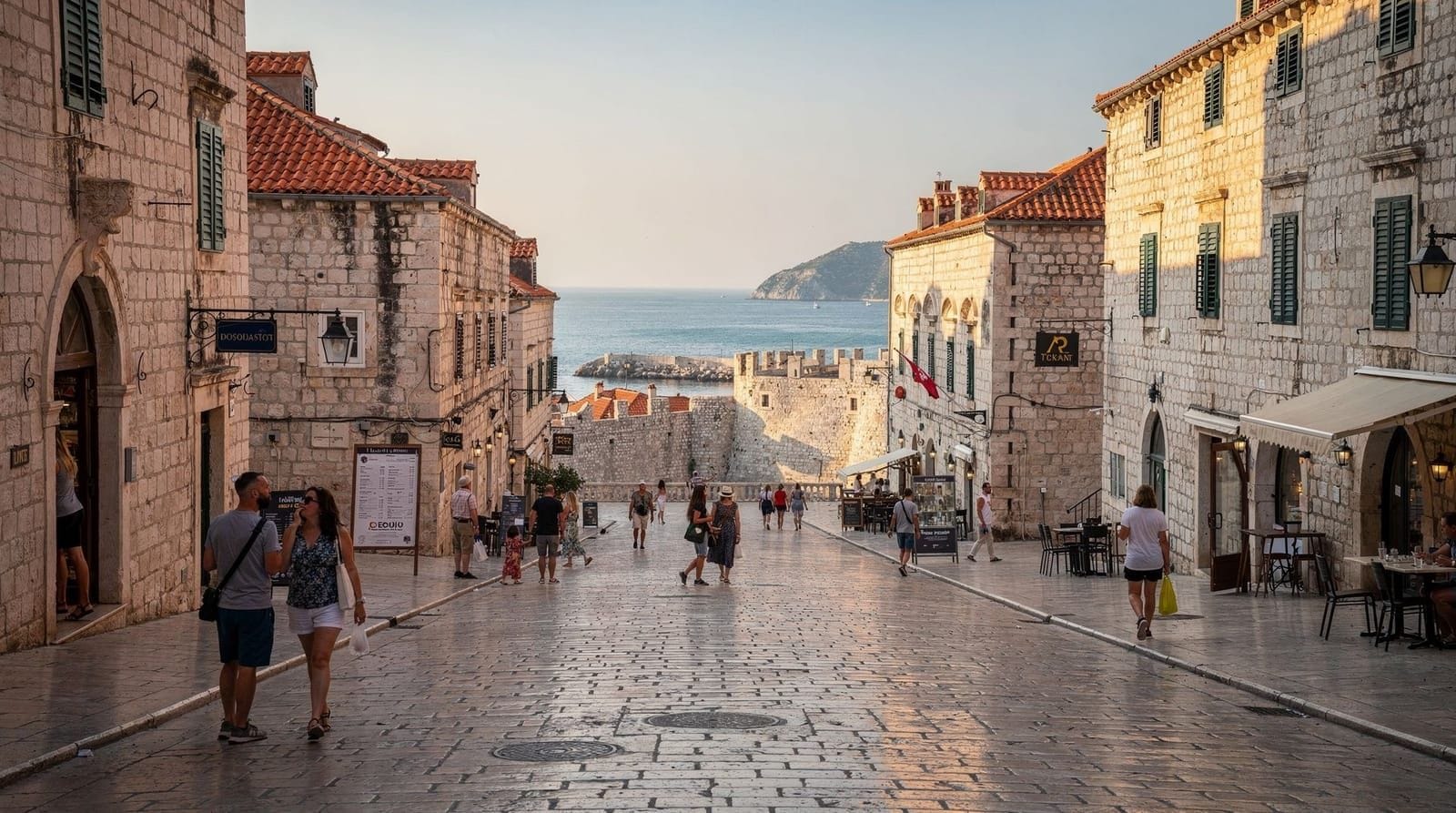
| Worst crowd window | Dubrovnik Old Town, 10:00–16:00, cruise-ship hours |
| Cheapest reliable escape valve | Šibenik, Zadar, September dates |
| One booking that ruins trips | Car ferry space to Hvar/Vis, unbooked in July–August |
The distance problem
Croatia is a long, thin country. The shape that makes the coastline so varied also means that moving between regions takes far longer than a map suggests. Some reality checks:
Dubrovnik to Split: 220 km by road. Sounds manageable. In July, on the coastal road, it takes 4–5 hours because the D8 coastal route narrows, the villages create bottlenecks, and tourist traffic is continuous. The motorway route via the interior is faster (about 3 hours in normal conditions) but misses the coastal scenery.
Dubrovnik to Plitvice Lakes: 4.5–5 hours by car on a good day. Almost never done as a day trip successfully.
Zagreb to Dubrovnik: 600 km, 5.5–6+ hours by car. Not a casual day’s driving.
Split to Rovinj (Istria): 4–5 hours. Different world.
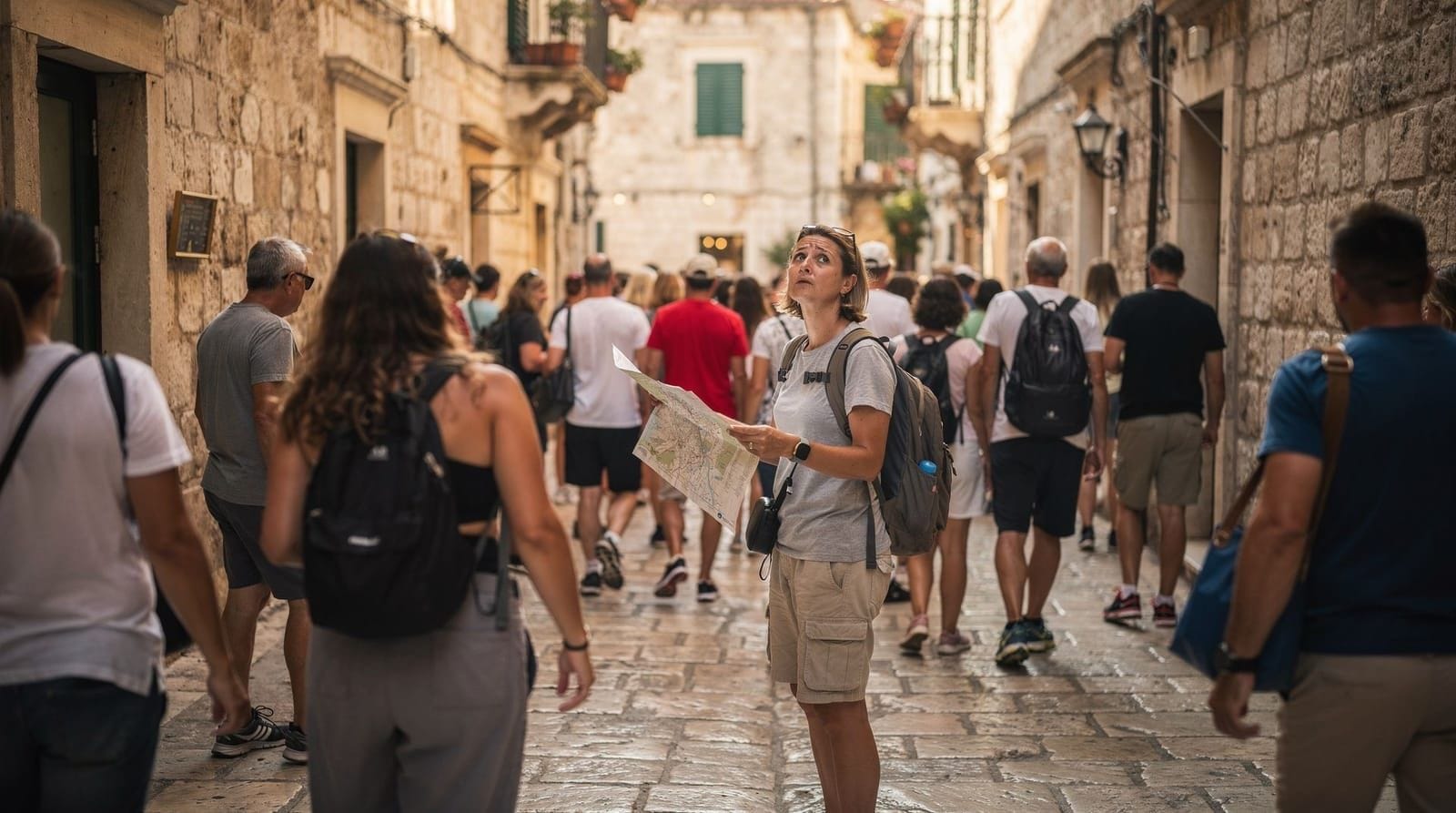
The implications for planning: people who try to see Dubrovnik, Split, Hvar, Plitvice and Zagreb in seven days spend four of those days in transit. The country rewards depth over breadth. Pick a region and explore it properly rather than treating Croatia as a highlight reel.
The price reality
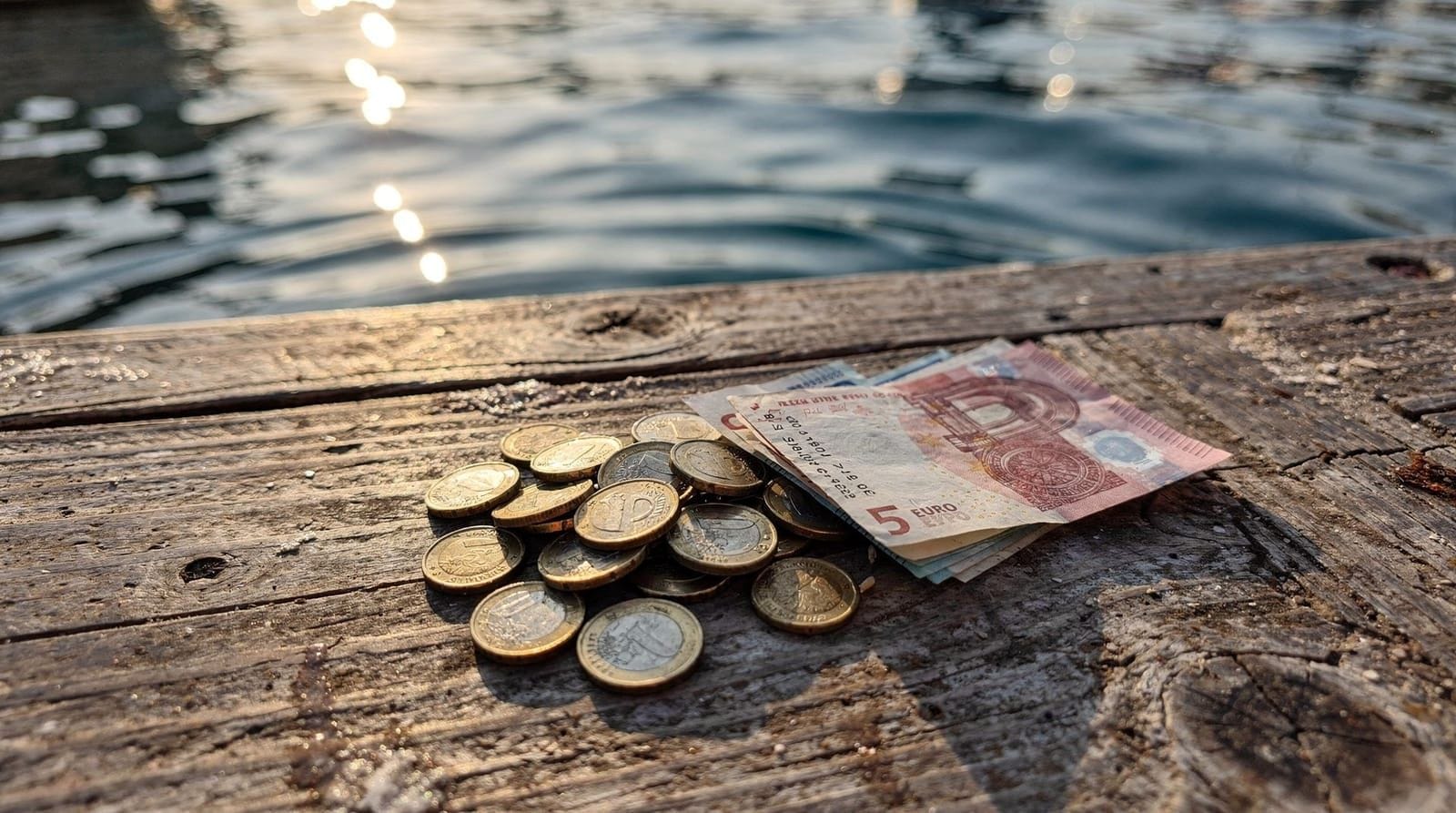
Croatia adopted the euro in January 2023. Prices in tourist areas adjusted upward sharply and have not come down. Some honest numbers for 2026:
Dubrovnik: a mid-range dinner in the Old Town (two courses, wine, water) runs €50–80 for two. A decent hotel room in the Old Town in July is €250–500 per night. A taxi from the Old Town to the airport: €40–60. The city is expensive by any European standard, not just by “developing destination” standards.
Hvar town: a cocktail in one of the main harbour bars: €15–20. A bed in a decent private room in July: €100–200. Restaurant meals on the harbour: comparable to Dubrovnik.
Split: cheaper than Dubrovnik but not dramatically so. A good restaurant dinner: €35–60 for two. Mid-range hotel: €100–200 in July.
The escape valves: Šibenik, Trogir, Omiš, Makarska, Zadar and the northern islands all run 20–40% cheaper than Dubrovnik and Hvar for equivalent experiences. Istria outside Rovinj, the Kvarner islands and any inland destination are all materially better value. September across the board is 20–30% cheaper than August.
The practical advice: if budget is a genuine constraint, your itinerary should centre Zadar rather than Dubrovnik, September rather than August, and a konoba two streets from the waterfront rather than any restaurant on it. The quality of food and experience at the cheaper option is invariably higher.
Crowd management: the actual tools
Dubrovnik’s crowds are real, but they are manageable with specific strategies that travel guides often mention but undersell:
Cruise ship effect: Dubrovnik receives cruise ships between approximately 08:00 and 18:00. The ships dock at Gruž harbour (3 km from the Old Town) and passengers arrive by shuttle bus. The maximum congestion is 10:00–15:00. After 18:00 the cruise passengers have almost all returned to the ships and the Old Town becomes dramatically calmer. Evening in Dubrovnik in peak season is genuinely pleasant; midday is not.
The cap reality: Dubrovnik has daily visitor limits for the Old Town and caps on cruise ships. The limits have reduced the worst-case scenarios. But on peak days in July and August, the allowable visitor numbers are still substantial enough to create genuine congestion on the Stradun.
Early morning non-negotiability: a 07:00 arrival at the Pile Gate for the first entry slot of the city walls (opening at 08:00) gives you a fundamentally different Dubrovnik experience than arriving at 10:00. The photographs that show empty streets and walls are taken before most tourists have had breakfast. This is not a secret; it is a commitment that most visitors choose not to make.
Alternative bases: staying in Cavtat (15 km south of Dubrovnik, connected by ferry and bus) and day-tripping to Dubrovnik, or staying in Slano or Ston (north of Dubrovnik) and driving in, allows you to visit the city for the early morning hours without paying Old Town hotel prices.
Ferry booking: the one that ruins holidays
The biggest logistical failure in Croatia is visitors who assume they can get a car onto a ferry to Hvar or Vis in July without advance booking. They cannot. Car ferries to the islands — particularly Hvar — fill their vehicle capacity for the busiest periods weeks in advance. A family that arrives at the Split ferry terminal in August expecting to put their car on the next boat to Hvar and discovers there are no vehicle spaces until the following day has a ruined itinerary.
The solution: book car ferry vehicle spaces the moment you have a firm itinerary. Jadrolinija’s website allows advance booking. For popular routes (Split–Hvar in July, Split–Vis) book 2–4 weeks ahead at minimum. Foot passenger places on the same ferry are usually available without advance booking; the vehicle spaces are the constraint.
The catamaran option: high-speed passenger catamarans (Krilo, KSC) take foot passengers only — no cars. They are faster than the car ferries on some routes. If you are not bringing a car to the island (staying a few days and leaving your car in Split), catamarans are the better choice for most travellers.
ATMs: the Euronet problem
Euronet ATMs — bright yellow standalone cash machines — are common at Croatian airports, tourist areas and harbours. They offer poor exchange rates, high fees, and use dynamic currency conversion (DCC) by default, which means they charge you in your home currency at an unfavourable rate rather than in EUR.
Always: use bank-branded ATMs (Privredna banka, Erste, Raiffeisen, ZABA) rather than Euronet. When any ATM asks whether to charge in your home currency or in EUR, always choose EUR.
See the money in Croatia guide for the full breakdown. This one piece of advice can save €20–50 on a typical trip.
Restaurant pricing: what you are paying for
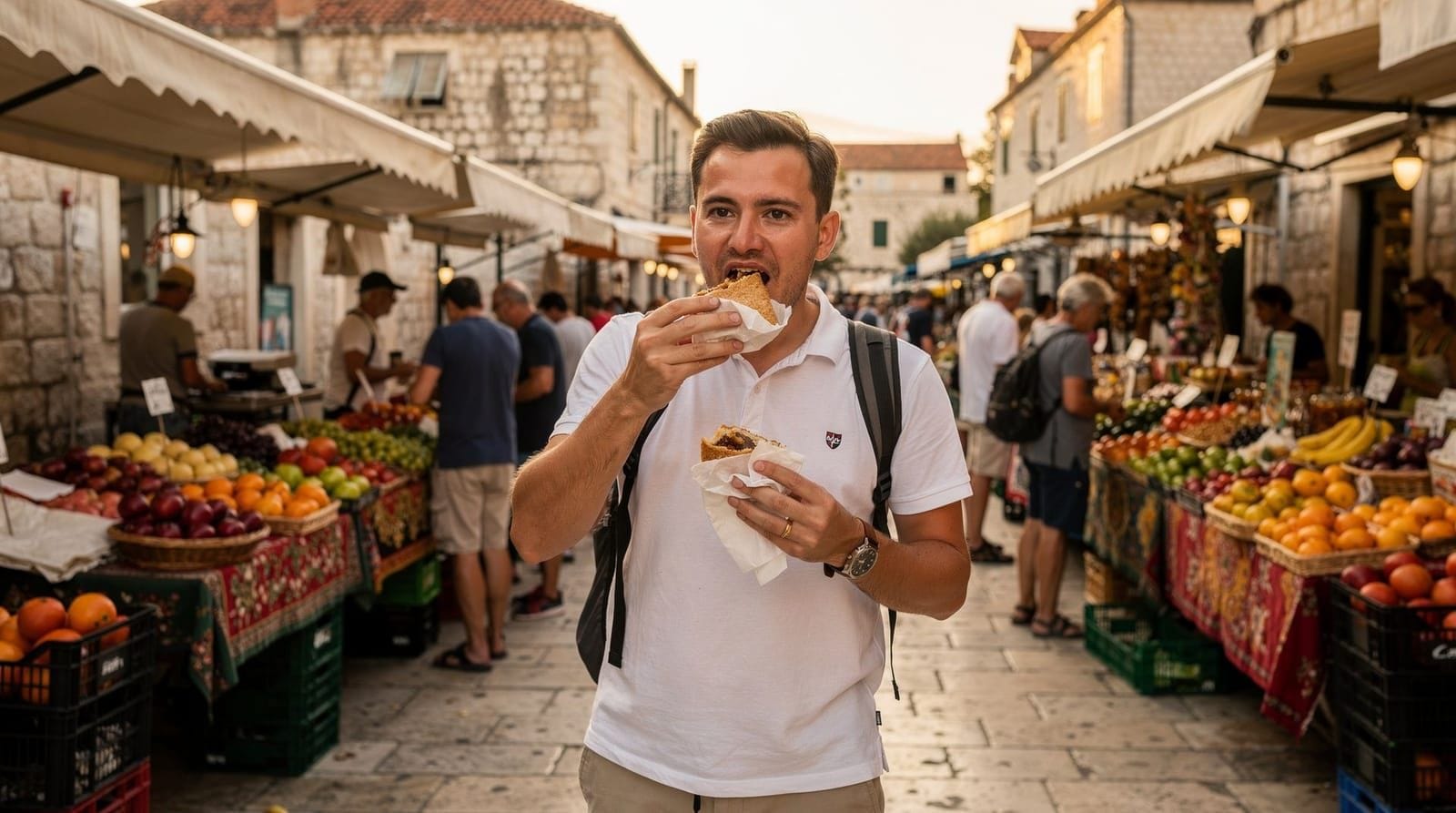
The waterfront restaurant rows in every Croatian coastal town — Stradun in Dubrovnik, the harbour in Hvar, the Riva in Split — are tourist infrastructure rather than local food culture. The prices are high, the menus are identical, and the quality rarely justifies the premium over what is available one or two streets back.
Fish pricing by weight: fresh fish in Croatian restaurants is almost always priced per kilogram, not per plate. A menu item showing €35/kg for sea bass requires you to mentally calculate the size of the fish before you know what you will pay. A 600g fish at that price is €21 — reasonable. A 1.2kg fish is €42 — still reasonable but surprise-inducing if you didn’t check. Always confirm the size and approximate total price when ordering fresh fish.
The tourist menu problem: fixed-price “tourist menus” (two courses for €20–25) at waterfront restaurants represent neither good value nor interesting food. The ingredients are generic, the cooking is volume-production and the price is not actually lower than a proper konoba meal when quality is considered. Skip them.
Where to actually eat: ask your accommodation host. This advice appears in many guides and is almost universally correct. The place the family running your apartment goes for Sunday lunch is almost certainly better and cheaper than anything on the Stradun. It works especially well in smaller towns, where hosts often have a genuine personal stake in where their guests eat and will steer you away from the places aimed purely at passing tourists.
What the “must-see” lists miss
Most Croatia travel guides are built around the same set of headline experiences: Dubrovnik city walls, Plitvice Lakes, Hvar, Diocletian’s Palace. These are all genuinely excellent. What they miss:
Šibenik: receives a fraction of Dubrovnik’s visitors despite having Croatia’s most architecturally significant cathedral (UNESCO World Heritage, built entirely in stone without mortar between 1431 and 1535), a well-preserved old town and excellent food. Often dismissed as a transit point between Split and Zadar. It is much more than that.
Ston and Pelješac: the world’s second-longest city walls (after the Great Wall of China), Ston oysters pulled from the bay that morning, the Dingač and Postup wine vineyards. Essentially unknown to visitors who don’t specifically research it.
The Elaphiti Islands: three small islands (Koločep, Lopud, Šipan) reachable by a short ferry from Dubrovnik’s Old Town. No cars, no mass tourism, genuine Adriatic calm. Most visitors to Dubrovnik never discover them. Day trips from Dubrovnik are easy; the Elaphiti day trip guide covers the logistics.
Korčula: positioned in most itineraries as “the Marco Polo island” with a pleasant old town. Worth a visit specifically because it is significantly less crowded than Hvar despite being similarly beautiful and similarly accessible.
The pattern across all of these: the well-known headline sites earn their reputation, but the second tier of destinations — one notch less famous, requiring slightly more effort to reach or research — routinely delivers a better ratio of experience to crowd level. This is not a controversial insight, but very few guides act on it, because the headline sites are what generate clicks and bookings.
The summer compromise
If you must visit in July or August — family school holiday commitments, or simply because that is when you can go — the experience can still be excellent. The tools:
- Start every day very early (before 08:00 for key sites)
- Do sea-based activities (swimming, kayaking, island ferries) in the hottest midday hours when touring is least enjoyable
- Accept that some headline spots will be crowded and plan your photography and walking for the early morning and evening
- Base yourself in slightly less-popular locations (Cavtat instead of Dubrovnik, Jelsa instead of Hvar town, Šibenik instead of Split) and day-trip to the main sites
- Book everything weeks in advance — accommodation, ferry vehicle spaces, popular tours
The shoulder months of May, June and September deliver 80–90% of the summer experience at meaningfully lower prices and crowd levels. If you have flexibility, use it.
The honest bottom line on regions
Not every region rewards the same effort. Dalmatia (Split, Dubrovnik, the islands) delivers the postcard version of Croatia but at the highest prices and crowd levels; Istria delivers a genuinely different, calmer country at similar quality but without the Dubrovnik-specific congestion; the northern islands (Krk, Rab, Pag) and inland Zagorje are where the “old Croatia” prices from a decade ago still largely hold. If your priority is value over headline sights, weight your itinerary toward the second and third categories rather than assuming Dalmatia is mandatory. The Croatia vs Greece guide and overrated/underrated Croatia guide both go deeper on which specific places earn their reputation and which don’t.
For readers building an actual day-by-day plan around this advice, the Croatia itinerary planning guide and how many days in Croatia guide translate these honest constraints into realistic schedules rather than wish lists. And if the budget conversation above is the deciding factor, the Croatia on a budget guide has the line-by-line breakdown.
Frequently asked questions about Honest Croatia advice
Is Croatia still good value for money in 2026?
It depends entirely where and when. Dubrovnik in July–August rivals the French Riviera for prices. Split is expensive but less so. Inland towns, Istria outside Rovinj, and the northern islands (Krk, Rab) remain significantly cheaper. September in Dalmatia offers nearly identical conditions at 20–30% lower prices. The bargain Croatia of a decade ago no longer exists in the headline destinations.How bad are the crowds in Dubrovnik really?
In July and August, particularly when cruise ships are in, the Stradun and the area around the Pile Gate are genuinely uncomfortably crowded between 10:00 and 16:00. The city has daily visitor caps and limits on cruise ship arrivals, but it still gets very busy. The practical solutions are real: early morning, late evening and shoulder season all produce a completely different experience of the same city.Is Hvar actually worth the hype?
The island is beautiful. Hvar town in July and August is extremely crowded and expensive. The nightlife reputation is real but concentrated in specific bars and is not representative of the wider island. Away from the town — the Pakleni Islands, the interior villages, the wine routes — Hvar is excellent. Manage expectations about Hvar town in peak season.Is Croatia overpriced for what you get?
In the headline locations in peak season, yes — prices have risen sharply since euro adoption in 2023 and are no longer justified by local wage levels. In practical terms this means Stradun restaurants charging €25 for pasta that a local would never eat there. One street back from the tourist infrastructure, quality improves and prices drop significantly. The overpricing is concentrated and avoidable.Do I need to book everything in advance for Croatia?
For July and August: yes, essentially everything — accommodation (weeks to months ahead for Dubrovnik and Hvar), popular tours, car ferries to the islands, some restaurants. For May, June and September: advance booking of accommodation and key ferry crossings is advisable but less critical. Off-season (October–April): rarely necessary for most things.Is it safe to drive in Croatia?
Yes, Croatian roads are generally in good condition, the motorway network is well maintained, and traffic discipline is reasonable by European standards. The coastal road (D8) between Split and Dubrovnik is scenic but narrow with slow-moving tourist traffic in summer. Mountain passes in winter can be icy. Drinking and driving limits are strict (0.05% BAC, lower than UK and US). The main issue for visitors is misjudging distances and journey times.What is the biggest mistake first-time visitors make in Croatia?
Trying to cover too much in too little time. Croatia looks compact on a map but travel between regions is genuinely slow — Dubrovnik to Zagreb is 5+ hours by car, Dubrovnik to Plitvice Lakes is 4+ hours. Visitors who plan Dubrovnik + Split + Hvar + Plitvice + Istria in seven days end up spending most of their time in transit. One or two regions properly explored is invariably better than five regions glimpsed.
Top experiences
Best-rated activities across GetYourGuide and Viator.

Mostar and Herzegovina Tour with Kravica Waterfall from Split & Trogir
- Viator

3Hour ALL-INCLUSIVE Sunset Dolphin Watching from Medulin onSandra
- Viator

Dolphin Watching & Sunset Boat Tour With Drinks & optional Dinner
- Viator

Fantastic DOLPHIN & SUNSET TOUR with dinner ( Pula-NP BRIJUNI )
- Viator

Medulin :All-Inclusive Pirate Boat Dolphin Watching Sunset Cruise
- Viator

Mostar & Kravice waterfalls full-day guided tour from Split
- Viator