Overrated and underrated Croatia: an honest destination assessment
Dubrovnik: Day trip to 3 Peljesac wineries with tastings
What is genuinely overrated and underrated in Croatia?
Most overrated: Dubrovnik at midday in August (genuinely extraordinary city, genuinely unpleasant experience at that time), Hvar town's party scene (excellent island beyond the town). Most underrated: Šibenik (rivals Dubrovnik historically, fraction of the crowds), Ston oysters and the Pelješac Peninsula, Korčula town, and any Croatian destination in September versus August.
Honest destination assessment requires distinguishing between a place that genuinely fails to live up to its reputation and a place that is excellent but experienced under the wrong conditions. Most of what gets called “overrated” in Croatia falls into the second category: the destination is good; the timing, pricing or crowd management around it is bad.
This guide makes the distinction carefully. A few things in Croatia are genuinely overrated in the first sense — they have a reputation that exceeds their merit. More are excellent things experienced poorly. And a significant number of genuinely exceptional Croatian destinations are severely underrated, passed over in favour of the headline attractions.
| Genuinely overrated | Peak-August midday Dubrovnik, Hvar town nightlife, harbour-view restaurants |
| Genuinely underrated | Šibenik, Ston/Pelješac, Korčula, Vis, the Elaphiti Islands, September |
| Correctly rated | Plitvice, the islands overall, Dubrovnik’s Old Town itself |
| Best fix | Shoulder season (Sept) + early/late timing at the headline sights |
Quick reference: overrated vs underrated
| Category | Overrated pick | Underrated alternative |
|---|---|---|
| Old towns | Dubrovnik at midday, August | Šibenik, Korčula |
| Islands | Hvar town’s party scene | Vis, Mljet |
| Food & wine | Stradun harbour-view restaurants | Ston oysters, Dingač wine |
| Day trips from Dubrovnik | Crowded city-wall queues | Elaphiti Islands |
| Timing | Peak August | September (see Croatia in September) |
Overrated: the honest cases
Dubrovnik at midday in peak season
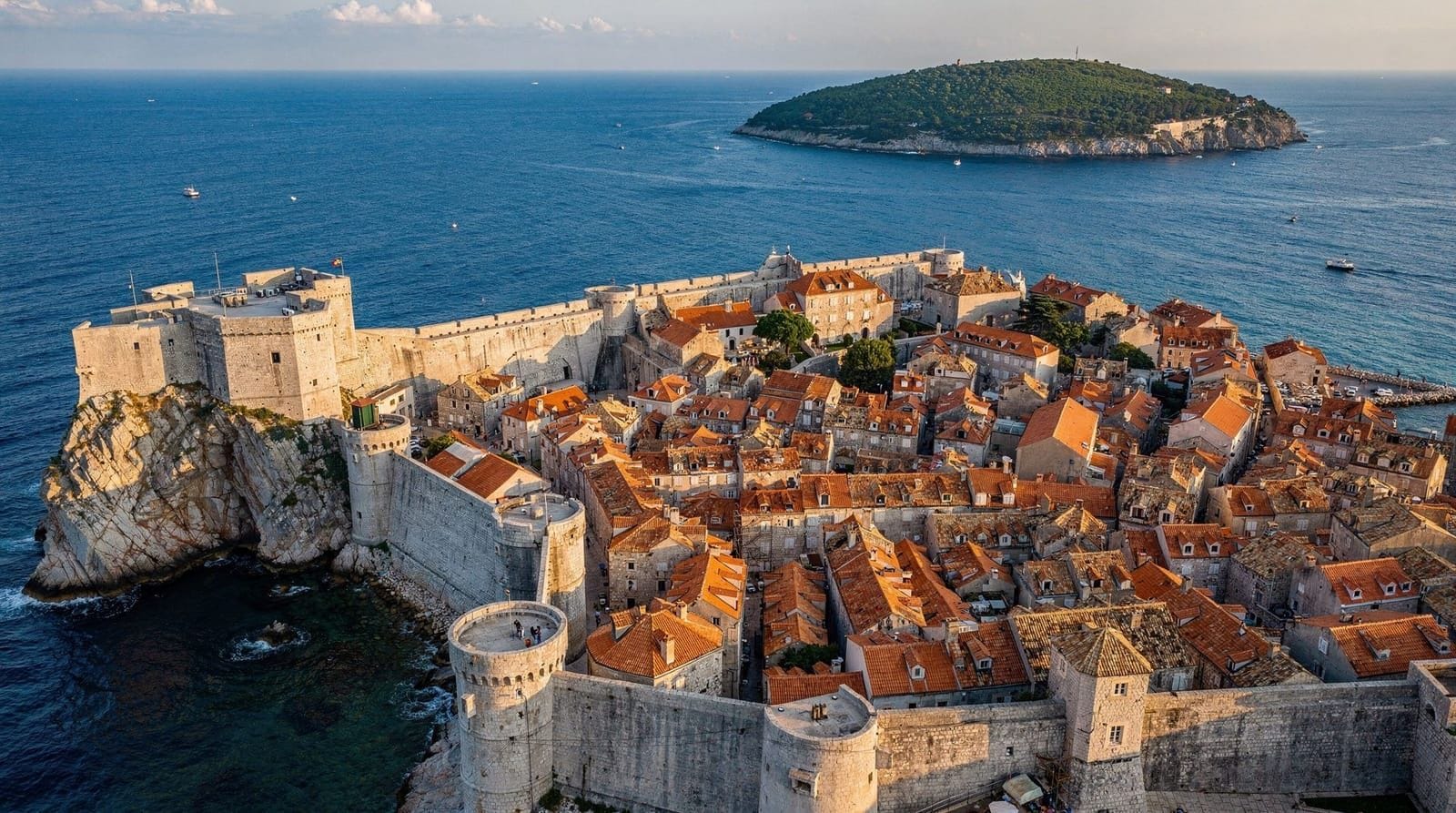
Let’s separate the city from the experience conditions. Dubrovnik’s Old Town is genuinely extraordinary — one of the finest pieces of medieval urban preservation in Europe, built with a quality of craftsmanship and maintained with a consistency that makes it unique. This is not exaggeration; it is correct assessment.
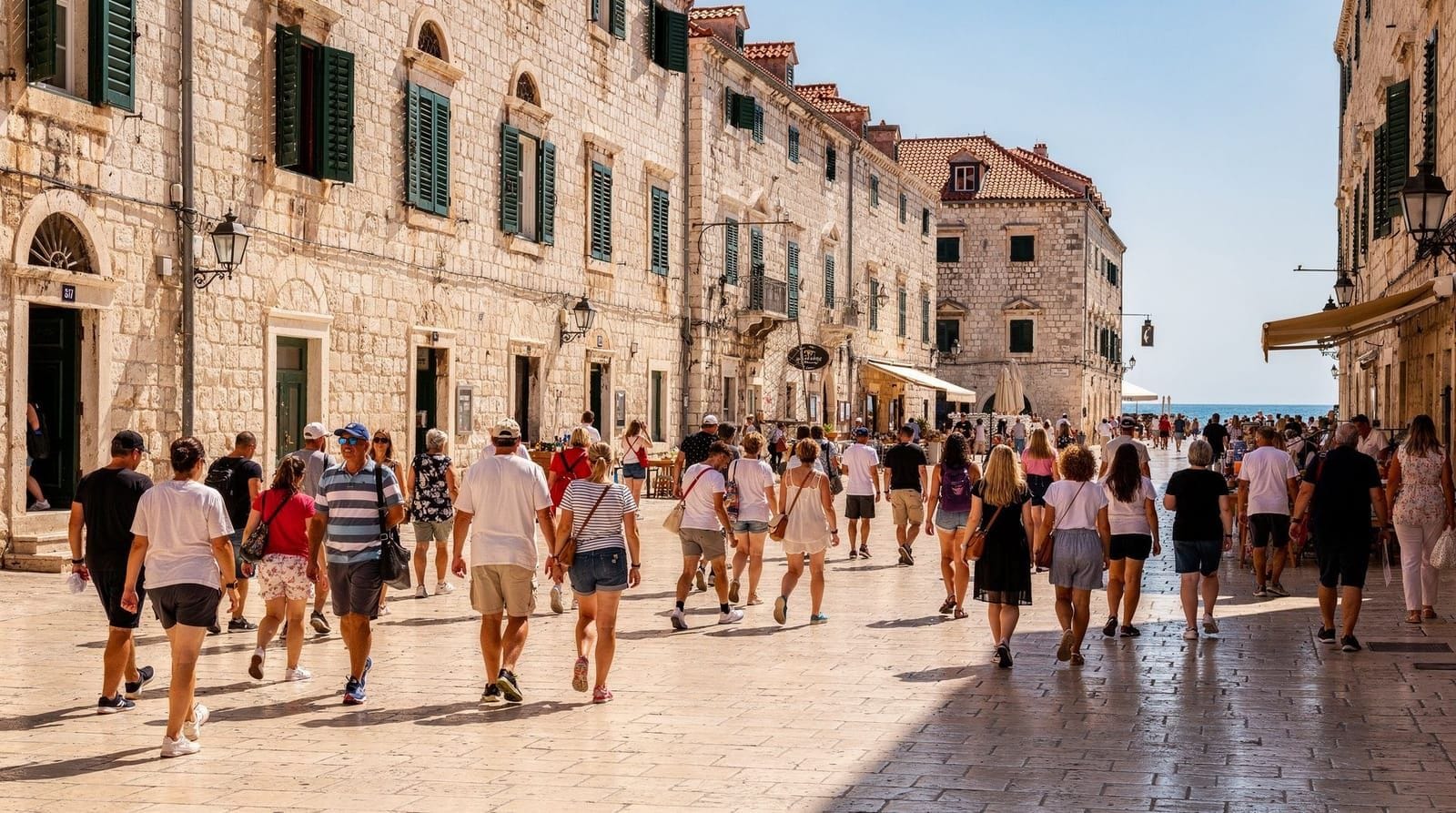
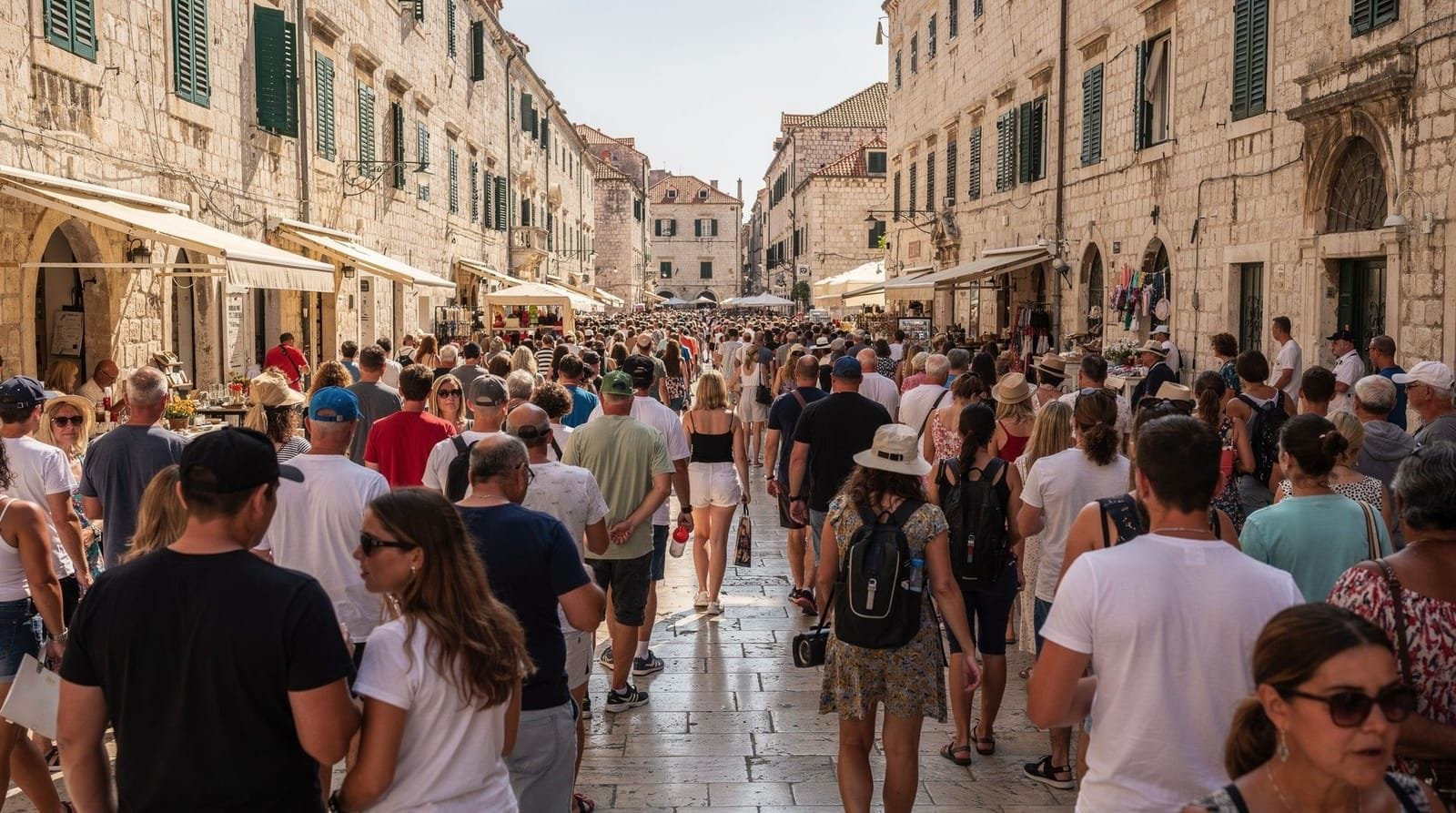
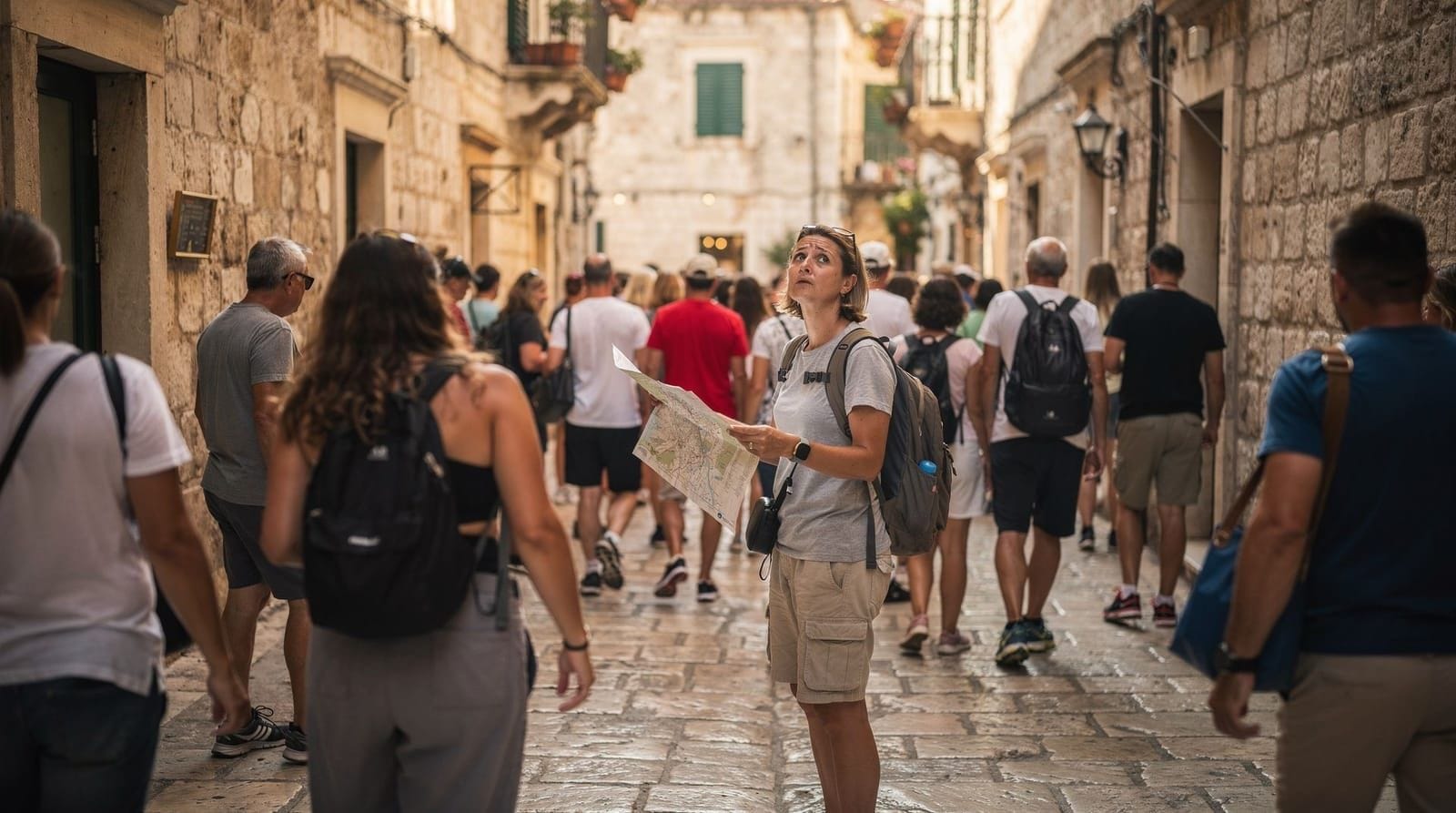
What is overrated: visiting Dubrovnik at 11:00 on a Wednesday in August. The Stradun is genuinely wall-to-wall people. The city walls are a slow shuffle rather than a walk. The restaurants are packed with people eating generic food at luxury prices. The atmosphere — which in the early morning or evening is intimate, atmospheric and genuinely beautiful — has become a theme park.
The verdict: Dubrovnik is not overrated. The standard way that the majority of peak-season visitors experience Dubrovnik is overrated as an experience. The solution is not to skip Dubrovnik but to arrive early, stay late, eat off the main strip and consider a shoulder-season visit.
Hvar town’s nightlife reputation
Hvar island is genuinely lovely. Hvar town’s reputation as Croatia’s party capital attracts visitors who arrive expecting Ibiza or Mykonos and find… a pleasant medieval harbour town with some late bars and a nightclub scene that is lively but not especially exceptional by European standards.
The party reputation is real enough — the Hvar bar scene exists and is genuinely active in peak season. But it is specifically a 20s-to-early-30s scene concentrated in a few venues. For visitors not in that demographic or not specifically seeking that experience, the party framing of Hvar is at best irrelevant and at worst a reason to choose Korčula or Stari Grad instead.
The verdict: Hvar town’s nightlife is somewhat overrated. Hvar island as a whole is not — the Pakleni Islands, the lavender interior, Stari Grad’s history and the wine routes are genuinely excellent.
The Adriatic “party island” framing generally
The marketing of Croatian islands as party destinations has somewhat inflated expectations about a scene that is real but not the defining feature of any of them. Vis, Korčula, Mljet and most of the smaller islands have no meaningful party scene and are much the better for it.
Plitvice as a “summer swimming paradise”
Plitvice is extraordinary. But the historical image of swimming in turquoise pools at the falls — which circulated for years and drove significant visitor expectations — no longer represents reality. Swimming at Skradinski Buk in Krka has been prohibited since 2021; swimming was never permitted at Plitvice. See the Krka guide and Plitvice guide for current rules. The parks are magnificent as walking and viewing experiences; the swimming expectations are misplaced.
Split Old Town at cruise-ship hours
The same honest split applies to Split. Diocletian’s Palace is not a reconstruction or a themed old town — it is a genuine late-Roman imperial palace with a living city built into and around its walls, unique in Europe. That part of Split’s reputation is entirely earned.
What is overrated is Split’s Riva and Peristyle at the hour when two or three cruise ships have emptied simultaneously — a wall of tour groups following raised umbrellas through streets built for a fraction of the traffic. Visit the Palace basement halls and Peristyle before 9am or after 6pm and the same streets feel completely different. See Split vs Dubrovnik for how the two compare on crowding.
Game of Thrones photo-tours as the main reason to visit
Dubrovnik and Split’s Game of Thrones filming-location tours are popular and, for genuine fans, worthwhile. But treating them as the primary reason to visit either city is a mismatch of expectations: most of what’s shown is a handful of recognisable staircases and walls, not immersive set pieces. Fans get real value; casual visitors sold the tour as a “must-do” often find it thin. The GoT tours compared guide is worth reading before booking one, to pick the version that actually matches your interest level.
Expensive restaurants with harbour views
The restaurants along the Dubrovnik Stradun, Hvar harbour and Split Riva are consistently overrated for food quality relative to price. The location premium is real; the cooking quality rarely matches it. This does not mean avoiding restaurants with views — it means understanding that the view is what you are primarily paying for, not the food.
Underrated: the places worth adding to your itinerary
Šibenik
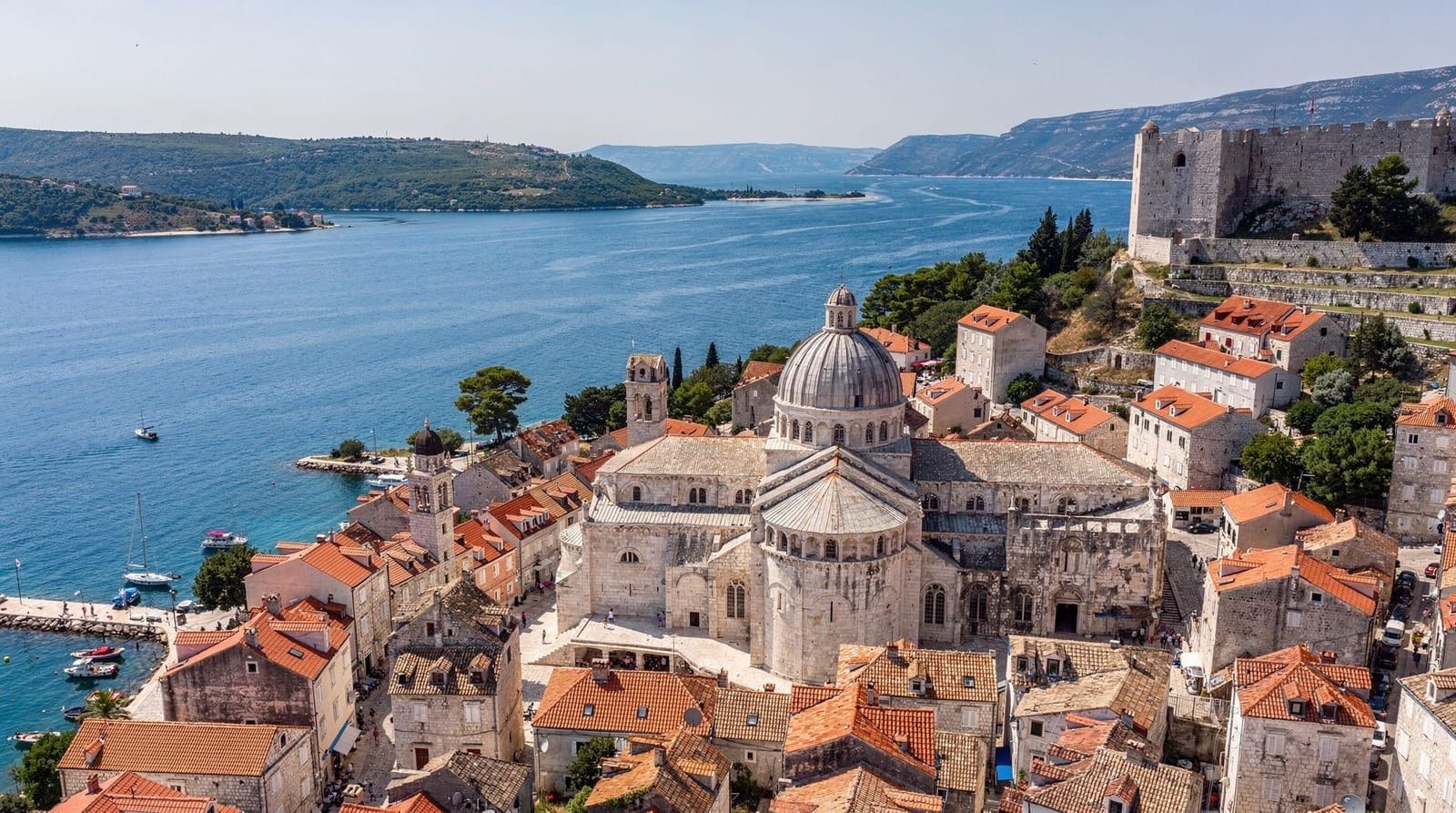
Šibenik receives a small fraction of Dubrovnik’s visitors despite having Croatia’s most architecturally significant cathedral — the Cathedral of St James, a UNESCO World Heritage site built entirely of stone between 1431 and 1535 without mortar, by architect Juraj Dalmatinac. The cathedral’s exterior apse carries a frieze of 71 sculpted portrait faces of real 15th-century Šibenik citizens. The interior is lit by the light coming through the stone barrel-vaulted ceiling.
Beyond the cathedral, Šibenik’s old town is compact, well-preserved and genuinely used by a local population that hasn’t been entirely displaced by tourism. The city’s position between Split and Zadar makes it an easy stop or a base for Krka National Park.
Why it is underrated: it is positioned between two more famous destinations and often treated as a transit point. The cathedral’s quality is not easily communicated in photographs. The city lacks the beach or the party scene that dominate Dalmatian marketing.
Ston and the Pelješac Peninsula
The town of Ston on the Pelješac Peninsula has two things that are genuinely exceptional and rarely well-described in standard travel writing:
The walls: Ston’s defensive walls are the second-longest medieval walls in the world after the Great Wall of China. They run for about 5.5 km across the hills above the town, connecting Ston to Mali Ston on the other side of the peninsula. They are in excellent condition and freely walkable.
The oysters: Ston produces some of the best oysters in the Mediterranean, cultivated in the clear, nutrient-rich waters of the Malostonski Bay since the 15th century. They are pulled from the sea that morning and eaten within metres of where they grew. The experience of eating Ston oysters by the bay in a small konoba is one of the most specific and memorable food experiences in Croatia — and almost no standard itinerary includes it.
The Dingač and Postup wine regions on Pelješac produce some of Croatia’s finest Plavac Mali — deep, tannic reds that deserve far more attention than they receive internationally.
Pelješac wine and oyster day trip from DubrovnikKorčula
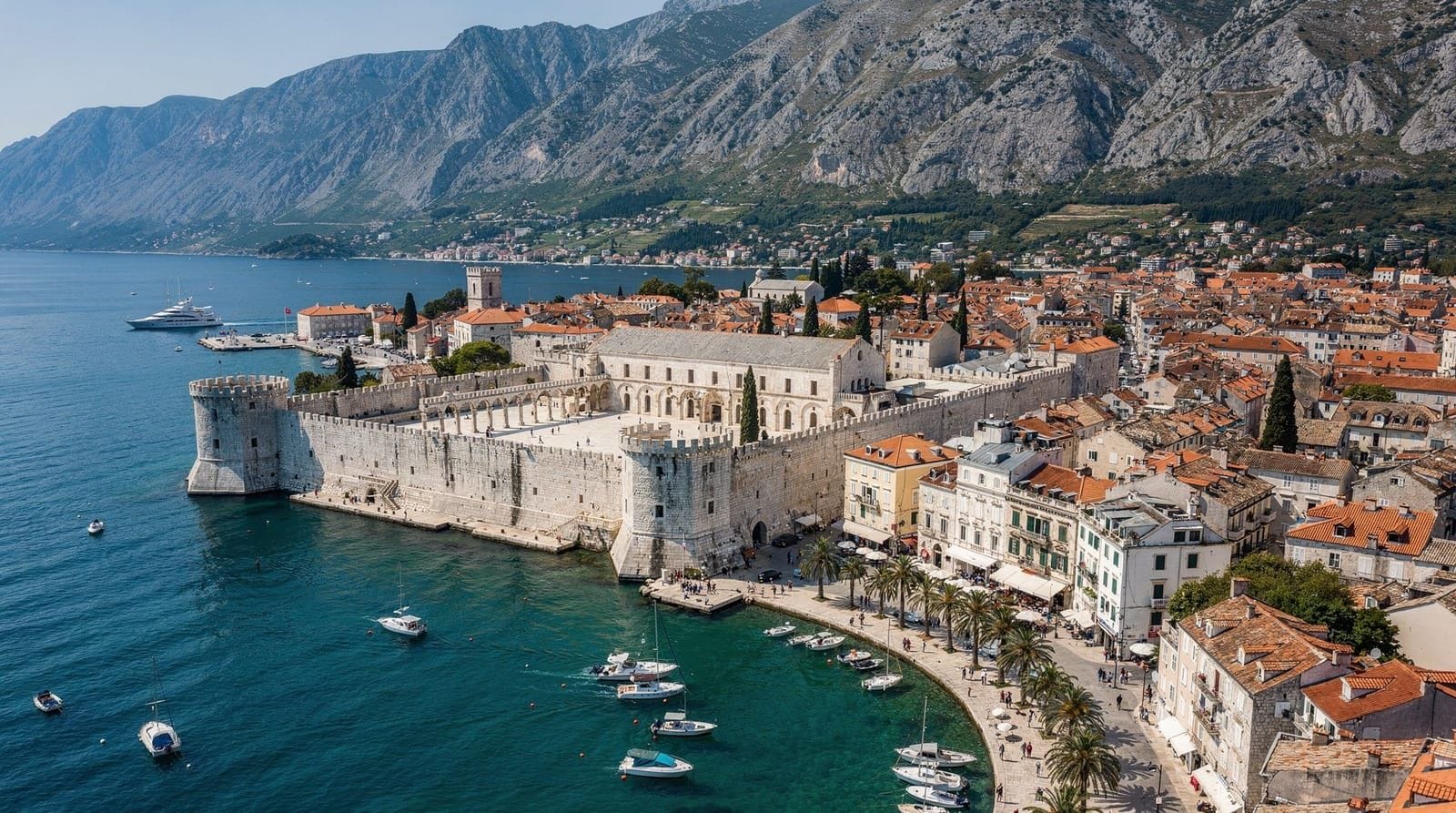
Korčula town is frequently described as “little Dubrovnik” — a fortified peninsula old town with towers, medieval streets and a historic centre. It receives a fraction of Dubrovnik’s visitors, is significantly cheaper, and has a genuinely local character that Dubrovnik’s tourist saturation has eroded.
Marco Polo is claimed by the town as a native son (the claim is disputed; it makes no difference to the town’s quality). The Cathedral of St Mark, the Revelin Tower and the city walls are all excellent. The wines of the Korčula region — Grk and Pošip from the island’s vineyards — are worth seeking out.
Why it is underrated: it is positioned in the same archipelago as Hvar but without the party marketing that drives Hvar’s profile. Visitors choosing between the two almost always choose Hvar without adequate research into Korčula.
Vis island
Vis was a Yugoslav navy base until 1989 and was closed to foreign visitors during that period. The delayed opening to tourism has left it with a quality of authenticity — a working fishing culture, local restaurants that have not been entirely remade for international tourists, and a pace of life — that is increasingly hard to find in Dalmatia.
Vis town is genuinely lovely. Komiža, on the western side, is smaller and more photogenic in the fishing-village sense. Stiniva Cove (a narrow sea-canyon beach accessible by boat or on foot) is one of the most beautiful spots in the Adriatic. The island’s wine — Vugava, a native white — is made only on Vis and is worth seeking.
Why it is underrated: longer ferry journey from Split (2.5 hours versus 50 minutes to Hvar), reduced name recognition, and lower total accommodation capacity mean Vis never appears in the headline lists despite deserving to.
September as a travel month
September is probably the single most underrated thing in Croatian tourism. The conditions:
- Sea temperature peaks in September (24–26°C — warmer-feeling than the August surface temperature because the thermocline has mixed)
- Crowds drop noticeably after the first week of September
- Prices fall 20–30% across accommodation and tours
- The Istrian truffle season begins (first white truffles from late September)
- Long evenings and warm days persist through the month
September in Croatia is genuinely better than August by almost every measure except total tourist infrastructure (some boat schedules reduce in late September). It is consistently underrated because the peak season marketing for Croatia is overwhelmingly summer-focused.
The Elaphiti Islands
Three small islands — Koločep, Lopud and Šipan — reachable by ferry from Dubrovnik’s Old Town harbour. No cars are permitted on Koločep or Lopud; Šipan has limited vehicle access. The atmosphere is what the Adriatic islands were before mass tourism: quiet villages, empty paths, clear water, konobas serving what was caught that morning.
Lopud’s Šunj Bay is a sandy beach (rare in Dalmatia, which is predominantly pebble) and is genuinely beautiful. Koločep has easy coastal walking. The islands make an excellent full-day excursion from Dubrovnik and are included in the Elaphiti day trip guide and Elaphiti Islands guide.
Why underrated: they require taking a ferry rather than walking out of the Old Town gate. That small additional effort is enough to filter out the majority of visitors.
Elaphiti Islands full-day boat tour from DubrovnikThe Istrian interior
Most visitors to Istria stay on the coast — Rovinj, Pula, Poreč. The interior hill country is essentially unknown outside specialist food-travel circuits despite being one of the most distinctive regional landscapes in Croatia: red-soil valleys, hilltop villages, vineyards, olive groves and the truffle forests around Motovun.
Motovun in September or October — with the Mirna valley mist below, the white Malvazija wine on a terrace and the smell of truffle season in the air — is one of Croatia’s genuinely special experiences. Almost no standard Croatia itinerary includes it.
Mljet National Park
Mljet is a long, forested island south of Korčula with a national park at its western end that contains two saltwater lakes connected to the sea. The lakes are warm enough to swim in from June through September. The island is car-accessible from the ferry; within the park, bicycles and electric carts are the main transport.
Mljet is genuinely peaceful — one of the few Croatian islands that has maintained a sense of undisturbed nature. The monastery on an islet in the larger lake, the walking trails through Mediterranean forest and the swimming in the lake are all exceptional. The Mljet Island guide covers visiting details.
Krka in the shadow of Plitvice
Plitvice gets the international fame; Krka National Park gets a fraction of the visitors despite offering a genuinely different and, for many travellers, more convenient experience. Krka is closer to the coast (an easy day trip from Split or Zadar rather than a dedicated inland detour), has fewer of Plitvice’s crowd-management bottlenecks, and its Skradinski Buk waterfall system is spectacular in its own right even though swimming there has been prohibited since 2021. Our Plitvice vs Krka comparison sets out exactly which to choose depending on your route. Neither is overrated; Krka is simply underrated relative to how well it fits a Dalmatian coastal itinerary.
Zagreb Advent
International visitors overwhelmingly plan Croatia as a summer coastal trip, which makes Zagreb’s Advent market — repeatedly voted Europe’s best Christmas market in the years it competed — one of the most underrated things the country offers. Ice rinks, mulled wine stalls, and a genuinely festive Central European city centre run from late November into January, almost entirely missed by the beach-focused Croatia itinerary most visitors plan.
The balanced verdict
Croatia’s most visited destinations — Dubrovnik, Split, Hvar, Plitvice — are popular for reasons that reflect genuine quality. None of them is a fraud. What overrating does is create specific expectations (Dubrovnik in August as a relaxing wander through quiet medieval streets; Hvar as a non-stop party) that the reality doesn’t match.
The underrated destinations offer an escape from those crowd and expectation problems, often with experience quality that rivals or exceeds the headline attractions. The Ston oyster meal beats a Stradun restaurant meal on any honest assessment. September beats August by almost every metric. Šibenik’s cathedral is as significant as Dubrovnik’s walls.
A well-balanced Croatian itinerary combines one or two headline destinations (visited at the right time, early morning in summer or shoulder season) with at least one genuinely underrated place — whether that is the Pelješac Peninsula, Vis, Korčula, the Istrian interior or the Elaphiti Islands. The headline attractions justify the hype. The underrated ones are what makes the trip excellent rather than merely Instagram-complete.
Frequently asked questions about Overrated and underrated Croatia
Is Dubrovnik overrated?
The city itself is not overrated — the Old Town genuinely is one of Europe's finest pieces of medieval preservation. Visiting in July–August midday is overrated as an experience. The solution is not to skip Dubrovnik but to time your visit correctly: early morning, evening, or shoulder season.Is Hvar as good as people say?
Hvar island is excellent. Hvar town in July–August is overrated for the majority of visitors who are not specifically seeking a party-resort atmosphere. The island's real attractions — the Pakleni Islands, Stari Grad's Hellenic history, the wine routes, the lavender — are significantly underrated relative to the town's party reputation.Is Plitvice Lakes worth the crowds and price?
Yes. Plitvice is one of the very few destinations in Croatia where the photographs are not an exaggeration — the real thing is as beautiful as the images suggest. The entry fee and the crowd management required are worth the effort. It is not overrated.What Croatian destination is most underrated by international visitors?
Šibenik. It has Croatia's most architecturally significant cathedral, a genuinely intact medieval old town, proximity to the Šibenik archipelago, and receives a fraction of Dubrovnik's visitors. The combination of historical quality and low visitor density is unusual in Dalmatia.Is Zagreb worth visiting?
Yes and no. Zagreb is a good Central European city with excellent museums, a strong café culture and some of the country's best restaurants. But it is genuinely a Central European city, not a Mediterranean coastal destination — visitors expecting a beach break will be disappointed. As a city break or as a gateway to Plitvice and Istria, it is underrated.Are the Croatian islands overrated generally?
No — the islands are one of Croatia's genuine strengths and several are genuinely underrated. Vis is less visited than Hvar despite being more beautiful and more interesting. Korčula is underrated relative to Hvar. Mljet is an excellent national park island rarely mentioned in standard itineraries. The headline islands (Hvar, Brač's Zlatni Rat) are correctly rated; the secondary islands are underrated.Is the Pelješac Peninsula worth a detour?
Yes, strongly. The combination of Ston's walls and oysters (genuinely excellent, genuinely undervisited), the Dingač and Postup wine region (some of Croatia's best red wines), and the quiet coastal character of the peninsula makes it one of the most rewarding detours in Croatia. Most visitors pass through without stopping.
Top experiences
Best-rated activities across GetYourGuide and Viator.

Mostar and Herzegovina Tour with Kravica Waterfall from Split & Trogir
- Viator

3Hour ALL-INCLUSIVE Sunset Dolphin Watching from Medulin onSandra
- Viator

Dolphin Watching & Sunset Boat Tour With Drinks & optional Dinner
- Viator

Fantastic DOLPHIN & SUNSET TOUR with dinner ( Pula-NP BRIJUNI )
- Viator

Medulin :All-Inclusive Pirate Boat Dolphin Watching Sunset Cruise
- Viator

Mostar & Kravice waterfalls full-day guided tour from Split
- Viator