Visiting Croatia's National Parks: Practical Tips for Each
Croatia’s Eight National Parks: An Overview
Croatia has eight national parks, and they represent some of the most biologically and geographically diverse protected land in Europe. For a country the size of West Virginia, that is a remarkable density. From the UNESCO-listed karst lakes of Plitvice to the archipelago of Kornati and the coastal forest of Mljet, the parks span completely different ecosystems and require different approaches.
This guide is about practicalities — what to book in advance, when to visit, how long to spend, and what to expect. For detailed descriptions of each park’s attractions, we cover those in dedicated guides: Plitvice Lakes guide and Krka National Park guide go deeper on those two specifically.
| Park | Type | Book ahead? | Half-day feasible? |
|---|---|---|---|
| Plitvice Lakes | Lakes and waterfalls | Yes, essential in summer | No, needs 4+ hours |
| Krka | River canyon, waterfalls | Recommended | Yes |
| Kornati | Island archipelago | Via boat tour | No, full day |
| Paklenica | Gorge, hiking, climbing | Recommended | Yes for the main trail |
| Mljet | Island forest, lakes | Not required | No, needs a full day |
| Risnjak | Mountain forest | Not required | Yes for lower trails |
| Brijuni | Islands, wildlife, history | Via organised tour | Yes |
| North Velebit | Mountain wilderness | Not required | No, remote and demanding |
Plitvice Lakes National Park
Category: Karst lakes and waterfalls
Location: Central Croatia (Lika region), 2–2.5 hours from Zagreb or Split
UNESCO World Heritage Site since 1979
What it is
Sixteen terraced lakes connected by waterfalls and wooden boardwalk trails through dense beech and spruce forest. The lakes range from bright turquoise to deep emerald depending on light and mineral content. The boardwalks cross directly over the water in places, giving a perspective unlike most natural parks.
Practical tips
Book tickets in advance. Plitvice operates a daily entry quota — tickets sell out, especially in July and August. Buy online at the official website at least several days ahead in peak season, and ideally further ahead for summer weekends.
Arrive early. The park opens at 7:00 in summer. The first two hours have dramatically fewer people. If you are doing a day trip from Split or Zagreb, this means a pre-dawn start — it is worth it.
Choose your route. The park offers several marked routes ranging from 3–8 hours. Route H (the longest, full-day circuit) covers both upper and lower lakes. Shorter routes are appropriate for those with less time or mobility limitations. The lower lakes and Veliki Slap (the tallest waterfall in Croatia) can be seen on routes A, B, and C.
Season matters. Spring (April–May) brings the highest water levels and most dramatic waterfalls; the park is green and the crowds are manageable. Autumn (September–October) offers golden light and warm temperatures with fewer people. Winter closes some routes but the frozen lakes are otherworldly. Summer is the peak for visitors and the most expensive entry tier.
Entry prices: Tiered by season — cheapest in winter, most expensive in summer (roughly EUR 10–40 depending on season and route). Children’s rates apply.
Visit Plitvice Lakes on a guided day trip from ZagrebKrka National Park
Category: River canyon, waterfalls, cultural sites
Location: Near Šibenik, northern Dalmatia
Closest city: Šibenik (30 minutes), Split (90 minutes)
What it is
The Krka River canyon with a series of waterfalls, the most visited being Skradinski Buk — a wide travertine cascade surrounded by mill houses and nature trails. The park also includes the island monastery of Visovac (accessible by boat) and the Roški Slap waterfall further upstream.
Practical tips
Swimming: This is a changing situation. Swimming was historically permitted in designated areas at Skradinski Buk but has been restricted multiple times in recent years for conservation reasons. Check the current rules on the official Krka NP website before visiting — assume swimming may not be allowed and treat it as a bonus if it is permitted.
Entry: Can be purchased online or at the gate. Less quota-restricted than Plitvice, but queues at the gate in peak summer can be significant. Online purchase saves time.
Boat to Visovac: The island monastery is accessible only by boat tour. Tours depart from the Skradinski Buk area and last about 2 hours. Highly recommended if you have a full day.
Combining with Šibenik: Šibenik has one of Croatia’s finest medieval cathedral (UNESCO-listed Cathedral of St James) and a compact old town. A half-day at Krka and a late afternoon in Šibenik works well.
Avoid the gates at noon in August. The park entrance points get extremely crowded mid-day in high summer. Arrive at opening (8:00) or visit in late afternoon.
Kornati National Park
Category: Archipelago, marine life, karst islands
Location: Northern Dalmatia, accessible by boat from Zadar or Šibenik
What it is
89 islands and islets in the northern Dalmatian sea, characterised by stark limestone terrain with almost no fresh water, minimal vegetation, and extraordinary marine biodiversity. The Kornati islands are among the most unusual landscapes in the Adriatic — nothing like the green, inhabited islands of the Kvarner or the wine islands of the south.
Practical tips
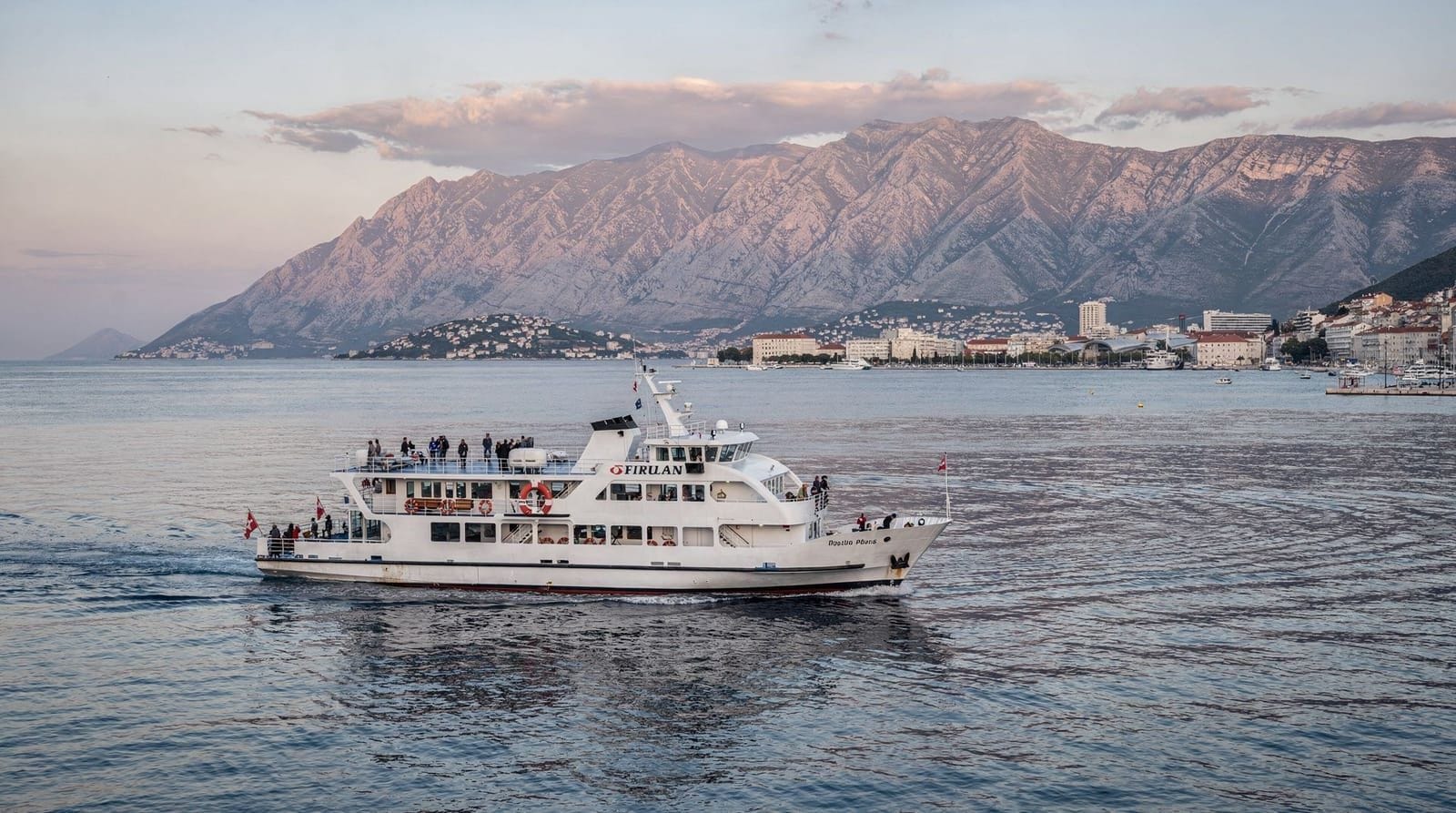
No independent access without a boat. Kornati is only reachable by private vessel or organised boat tour. Tours from Zadar and Šibenik are the most common approach for visitors without their own boats.
Day tours: Most day tours from Zadar cover 5–8 hours, including navigation between islands, swimming stops in coves, and usually lunch on board (grilled fish, local wine). The quality of the operator matters significantly — compare what is included.
Weather dependency: Kornati tours can be cancelled or modified due to sea conditions. This is more likely in shoulder season. Have a flexible itinerary if visiting in spring or autumn.
Combine with a stay in Zadar: Zadar deserves more time than most itineraries give it — the Roman Forum, the Sea Organ, and Greeting to the Sun are distinctive attractions, and the restaurant scene is excellent for the price.
Explore Kornati National Park on a boat tour from ZadarPaklenica National Park
Category: Gorge, hiking, rock climbing
Location: Velebit mountain, near Starigrad, northern Dalmatia
Closest city: Zadar (50 minutes by car)
What it is
Two limestone gorges — Velika Paklenica and Mala Paklenica — cutting into the southern Velebit mountain range. The main gorge leads to a system of marked hiking trails ranging from family-friendly walks to multi-day routes along the Velebit ridge. The rock faces are among the most important sport climbing destinations in Croatia.
Practical tips
Not like Plitvice. Paklenica is not primarily a lake and waterfall destination — it is a hiking and climbing park. Expect rugged terrain, rocky paths, and significant elevation gain on longer routes.
Hiking guide: The main gorge trail from the entrance to Lugarnica is suitable for most walkers (about 2.5 kilometres). Beyond that, trails become more demanding. The summit of Vaganski vrh (the highest point in the Velebit) requires a full day and good fitness.
Climbing: Paklenica has some of Croatia’s best sport and trad climbing. The Anica Kuk and Anića Kuk faces are known routes. Bring your own gear; no rental on-site.
Military shelter: A Cold War-era command shelter inside the park can be visited — an unusual addition to a national park itinerary.
More detail in our hiking in Croatia guide covering routes across multiple parks.
Mljet National Park
Category: Island forest, lakes, monastery
Location: Mljet Island, accessible from Dubrovnik or Split
Closest city: Dubrovnik (60–90 minutes by ferry)
What it is
The western third of Mljet Island is a national park covering dense Mediterranean forest and two saltwater lakes connected to the sea by a narrow channel. The Benedictine monastery on a small island in the larger lake (Veliko Jezero) has been operating since the 12th century.
Practical tips
Easiest to access from Dubrovnik: Catamaran services run from Dubrovnik to the port of Polače, which is inside the park. Journey time approximately 90 minutes. Car ferry runs to Sobra (not inside the park).
Bike hire: The most enjoyable way to navigate the park is by bicycle. Hire is available at Polače and Pomena. The circuit around the lakes takes 2–3 hours at a relaxed pace.
Swimming in the lakes: Swimming in Malo and Veliko Jezero is permitted and excellent — the water is sea-connected but calmer than the open sea, and the forest setting makes it unusual.
Monastery island: Reached by small boat from the southern shore of Veliko Jezero. The short crossing and the monastery café are part of the experience.
Overnight option: Staying on Mljet significantly improves the experience — evening and early morning when day-trippers are gone is the best time in the park. The village of Pomena has accommodation and a small marina.
Risnjak National Park
Category: Mountain forest, wildlife
Location: Gorski Kotar region, 80 kilometres southeast of Rijeka
What it is
Risnjak is Croatia’s wildest national park in the sense that it receives the least tourist infrastructure and the most actual wildlife — it is the only Croatian park where lynx (ris) are confirmed residents. It also sees significant snowfall and can be cold even in summer at higher elevations.
Practical tips
Not for casual visitors: Risnjak is a hiking destination, not a sightseeing circuit. Without good footwear, layers, and navigation skills, the park is not appropriate.
Day trip from Rijeka: About 90 minutes by car from Rijeka. Few organised tours; this is genuinely independent territory.
Season: June–October for hiking. Winter for snowshoeing.
Brijuni National Park
Category: Island complex, wildlife, historical sites
Location: Off the Istrian coast, accessible from Fažana (near Pula)
What it is
An archipelago of 14 islands with a complex history: Roman villas, Byzantine fortress, Austro-Hungarian resort, and — most notably — the private estate of Marshal Tito from 1947 until his death in 1980. Brijuni has deer, peacocks, and exotic animals given to Tito as diplomatic gifts.
Practical tips
Only accessible on organised tours: Independent access is not permitted. Tours depart from Fažana and include a train safari around the main island, visits to the Roman ruins, and the Tito exhibition.
Most interesting for history and Tito-era Yugoslavia interest: The natural attractions are pleasant but not exceptional. The historical context is the main draw.
North Velebit National Park
Category: Mountain wilderness
Location: Northern Velebit range, between Senj and Karlobag
What it is
The least-visited and most remote of Croatia’s eight national parks, covering the northern section of the Velebit massif. It includes the Premužić Trail — a hiking path built in the 1930s that contours along the ridge without significant elevation change, offering some of the widest views in Croatia over both the Adriatic and the karst interior — plus the Lukina Jama cave system, one of the deepest in the world, which is not open to casual visitors.
Practical tips
Genuinely remote. There is no public transport into the park and mobile signal is patchy on the ridge. A car and a full tank are non-negotiable, and this is not a park to attempt without proper hiking gear and daylight to spare.
Best paired with the coast road. Access points are a short detour from the Adriatic road trip route between Senj and Karlobag, making it feasible as a day stop for travellers already driving that stretch.
Season: Late May to October for the ridge trails; snow can linger into early summer at higher points.
General Tips for All Parks
Buy tickets online: All major parks (Plitvice, Krka, Paklenica) now offer online booking. Use it — gate queues in summer are significant.
Shoulder season for value: Entry prices are tiered. Visiting in April–May or September–October means lower prices, fewer crowds, and often better conditions (greener for lakes, warmer sea for Kornati/Mljet).
Pack appropriately: Water, sunscreen, and sturdy footwear for all parks. Parks with hiking trails require actual hiking shoes, not sandals.
Photography permits: Some parks have specific policies about drone use. Croatia has strict drone rules — check before bringing equipment.
National park pass: Croatia does not currently offer a combined pass for all eight parks. Each must be purchased separately.
For itineraries that build multiple parks into a single route, our national parks and waterfalls route and Croatia with kids guides offer specific trip structures.