Croatia in Spring: Why April and May Are Worth Considering
Spring in Croatia: What the Season Actually Delivers
There is a specific version of Croatia that most visitors never see — green, unhurried, with waterfalls running at full volume and temperatures that make hiking and old town exploration genuinely comfortable. This is the spring version, and it occupies roughly the window from mid-April through early June.
Visitors who go in spring tend to be either seasoned Croatia travellers who have graduated from peak-season tourism, or first-timers who could not get summer dates and discover, sometimes to their surprise, that they have accidentally chosen the better season. This guide covers what spring actually offers, what the trade-offs are, and how to structure a trip around April or May.
| Where | Whole coast plus Plitvice and Krka national parks |
| Cost | Around 30–50% below August peak on accommodation |
| Sea temperature | 14–16°C (April), 19–21°C (late May) — cool for swimming |
| Best for | Hiking, national parks, old towns, photography |
| Booking | Advance recommended only around Easter |
Weather and Sea Temperatures in Spring
April: Temperatures along the Dalmatian coast range from 15–22°C during the day, dropping to 10–14°C at night. Rain is possible, particularly in early April — the Adriatic spring is not uniformly dry and sunny. Inland (Zagreb, Plitvice) is cooler: 10–18°C.
May: More reliable. Coastal temperatures reach 20–26°C, and sunshine becomes the norm rather than the exception. This is excellent hiking and sightseeing weather — warm enough to be comfortable outdoors but not the exhausting heat of July.
Sea temperature: The Adriatic takes time to warm up. In April, sea temperatures hover around 14–16°C — too cold for most people to swim. By late May, temperatures approach 19–21°C, which is manageable for determined swimmers. If swimming is the primary goal, spring is probably not the right season. If it is one of many goals, the slightly cool sea is a minor inconvenience.
Shoulder season note: The Mediterranean spring weather pattern means that some days will be overcast or briefly rainy. A spring trip built around beach days may include frustrating grey days. A spring trip built around old towns, national parks, hiking, and food is remarkably well-suited to the conditions.
Plitvice Lakes in Spring: The Peak Experience
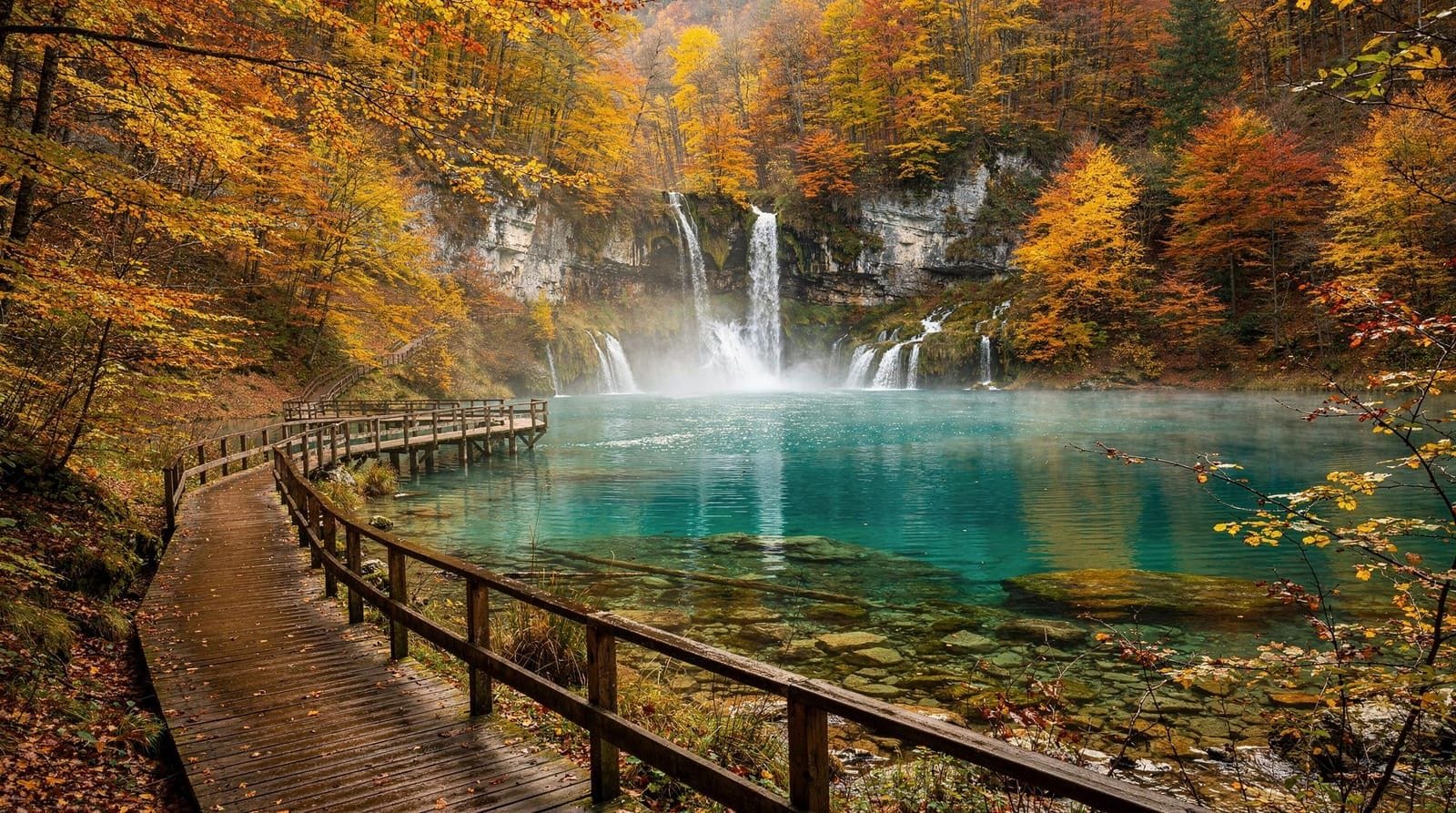
Plitvice Lakes is the clearest argument for visiting Croatia in spring. The waterfalls are at their most powerful in April and May, fed by winter snowmelt from the mountains above. The lakes are at full level, the vegetation is intensely green, and the turquoise-to-emerald colour spectrum of the water is at its most vivid.
Compare this to August, when water levels are lower, the flow is reduced, and the boardwalks are packed with thousands of people navigating the circuit simultaneously. The national park imposes daily entry quotas regardless of season — but in spring, getting a ticket does not require booking three weeks in advance.
April and May entry prices are lower than the peak summer tiers. There are no queues at the park entrance. And the experience of walking through the park — which at its best is genuinely meditative, with the sound of water and birdsong — is available without competition from tour groups.
Visit Plitvice on a full-day guided tour from Zagreb in springThe same argument applies to Krka National Park. Spring brings the river to full flow, the Skradinski Buk waterfall is at peak volume, and the surrounding vegetation is at its greenest. Crowds are minimal compared to summer.
Islands in Spring: Uncrowded and Functional
Spring island visits are a specific kind of experience. The infrastructure is open — hotels, restaurants, ferries — but not overwhelmed. You can actually get a table at the restaurant you want, book accommodation with reasonable notice, and walk Hvar town’s main square without navigating around large group tours.
Vis in May is particularly rewarding. The island is the furthest inhabited island from the Dalmatian mainland and receives a fraction of the visitors that Hvar does even in peak season. In May, the lavender fields around Komiža are beginning to bloom, the fishing boats are out, and the waterfront restaurants are operating on a human scale.
Brač and Zlatni Rat beach in early May: the beach is one of the most famous in the Adriatic (for the promontory that shifts direction with wind and current). In summer, it is lined with sun loungers and extremely crowded. In May, you can walk the full beach at your own pace and find stretches that are nearly empty.
Ferry logistics in spring: Much less complicated than summer. Jadrolinija runs its standard schedule with no guaranteed queuing for walk-on passengers. Car space reservation is still useful on peak summer routes (Brač, Hvar) but not urgent in spring. The Croatia ferries guide explains the network in detail.
Easter in Croatia: Worth Planning Around
Easter is a significant cultural event in Croatia, which is overwhelmingly Catholic. In towns like Hvar, Easter processions have been held continuously for over 500 years — the Za Krizen (Following the Cross) procession on Hvar involves an all-night walking circuit of six villages. It is listed by UNESCO as intangible cultural heritage.
In Dubrovnik, the Easter program includes concerts and religious ceremonies in the old town. In Zagreb, flower markets and a livelier city atmosphere mark the season.
Easter timing varies each year (April 5 in 2026). If your trip falls in the Easter period, check local event calendars — the programming is genuine and interesting, not manufactured for tourists.
Practical note: Accommodation books faster around Easter than other spring periods. Book a few weeks ahead if your dates include the holiday weekend.
Istria in Spring: The Quiet Season for the Peninsula
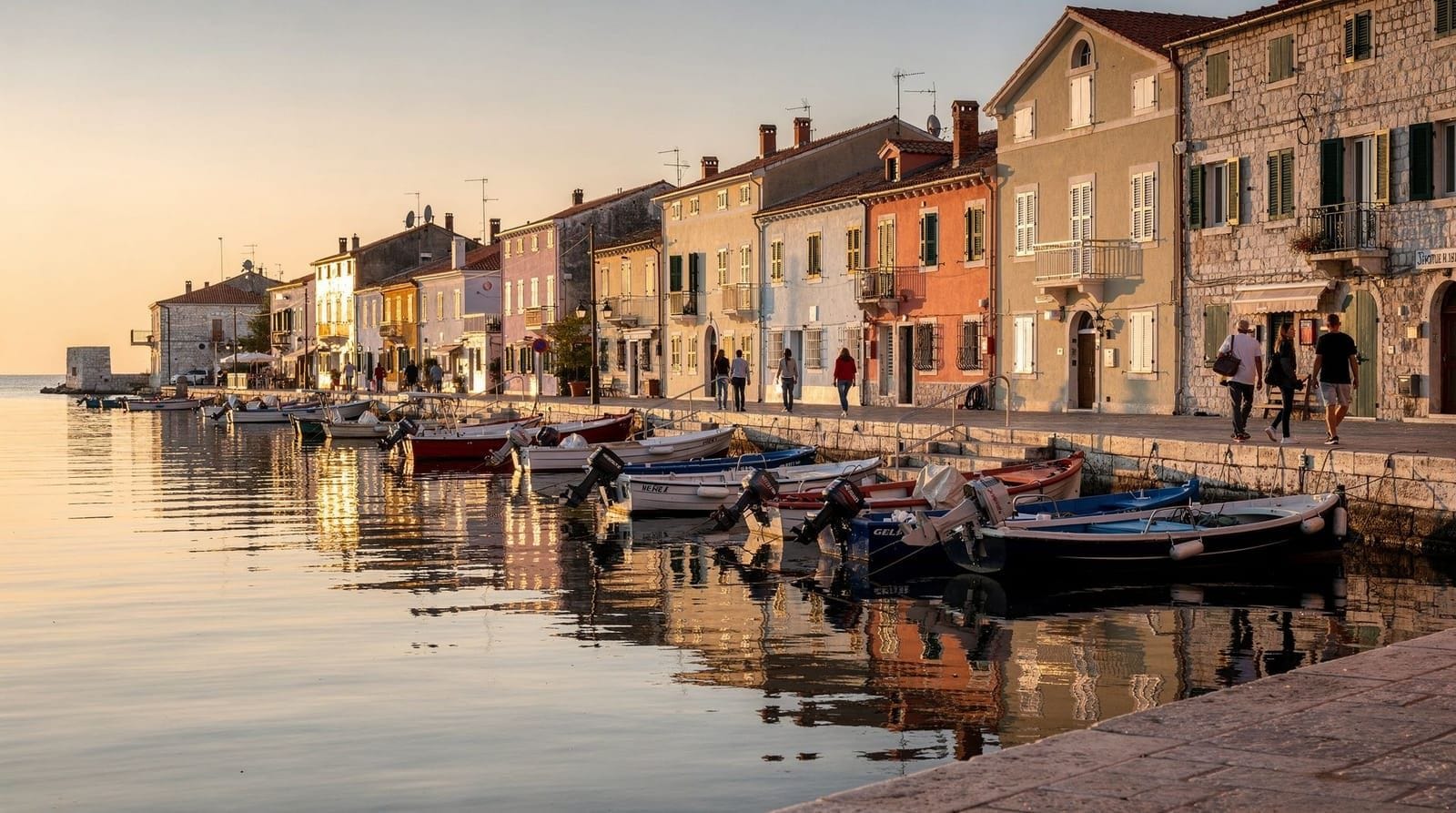
Istria runs on a slightly different clock from Dalmatia. Rovinj and Poreč in April and May have their harbours largely to themselves — the coloured facades and the harbour reflections that define Rovinj photographs are far easier to compose without a crowd of boats and tour groups in the frame. Pula’s Roman amphitheatre is comfortable to explore at midday, unlike the July heat that makes an afternoon visit genuinely unpleasant.
Inland Istria is arguably the bigger spring draw. The hill towns around Motovun are surrounded by vineyards and oak forest that are green rather than parched, and the wine roads connecting small producers are quiet enough to visit without appointments in most cases. Asparagus season (wild, foraged) runs through April and shows up on menus across the peninsula — a genuinely regional spring specialty worth seeking out at a konoba.
Hiking and Nature in Spring
Spring is the best hiking season in Croatia for conditions. The temperatures are ideal (cooler than summer, not cold), the vegetation is at its most impressive, and the trails are not yet dusty and parched.
Biokovo mountain (above Makarska): The mountain road and trails above the coast offer panoramic views of the islands. The alpine meadows above 1,000m are carpeted in wildflowers in May. Hiking up from Makarska or driving to the Biokovo Skywalk is excellent in this window.
Paklenica National Park (near Zadar): Paklenica receives much less attention than Plitvice or Krka, but it is a serious hiking destination with dramatic gorge scenery and excellent rock climbing. Spring conditions are ideal — not too hot, plenty of water, green vegetation on the canyon walls.
Velebit mountain: The trail network on the southern Velebit, accessible from the coast road north of Zadar, passes through some of the most undisturbed landscape in Croatia. Parts of the Premužić Trail, one of Croatia’s most celebrated long-distance paths, are accessible as day sections.
For a broader overview of hiking options across the country, the hiking in Croatia guide covers the main routes and difficulty levels.
What’s Open (and What Isn’t)
Spring does involve some trade-offs with services:
Open in April–May: National parks (though Plitvice operates reduced routes in early April if water levels have caused infrastructure issues), most restaurants in tourist towns, ferry services on main routes, most hotels and guesthouses.
May not be open or operating fully: Some beach clubs and outdoor bars, certain island ferries on secondary routes (check Jadrolinija’s seasonal schedule), some smaller island restaurants and accommodation in the very early season.
The May transition: Mid-May is when most tourist businesses shift to near-summer operation. May is a good sweet spot — the tourist season is properly open but the crowds and prices have not hit their summer peak.
Costs in Spring
Spring prices represent a significant saving over summer across almost all categories:
Accommodation: Typically 30–50% lower than August peak. A hotel room that costs EUR 200/night in July often runs EUR 100–130 in May.
Tours: Same price or lower, but not sold out. National park tickets are in the lower seasonal tier.
Restaurants: No premium pricing for tables — restaurants want customers, not the reverse. The rushed service of summer is absent.
Flights: Spring shoulder season typically offers better prices than July–August, with more availability across more routes.
The Croatia budget hacks guide covers the full cost picture, but spring timing is one of the most effective levers for reducing total trip cost.
Cities in Spring
Zagreb: April and May are lovely in Zagreb. The café terraces open, the parks fill with blossom, and the Dolac market is at peak produce abundance. The city has significantly more character than a transit stop and genuinely rewards a couple of days. The Zagreb walking food tour is a good way to get oriented.
Split: The Diocletian’s Palace neighbourhood is pleasant without summer crowds. The restaurants in the alleys of the palace are actually bookable. The Marjan forest park above the city is green and pleasant for morning walks.
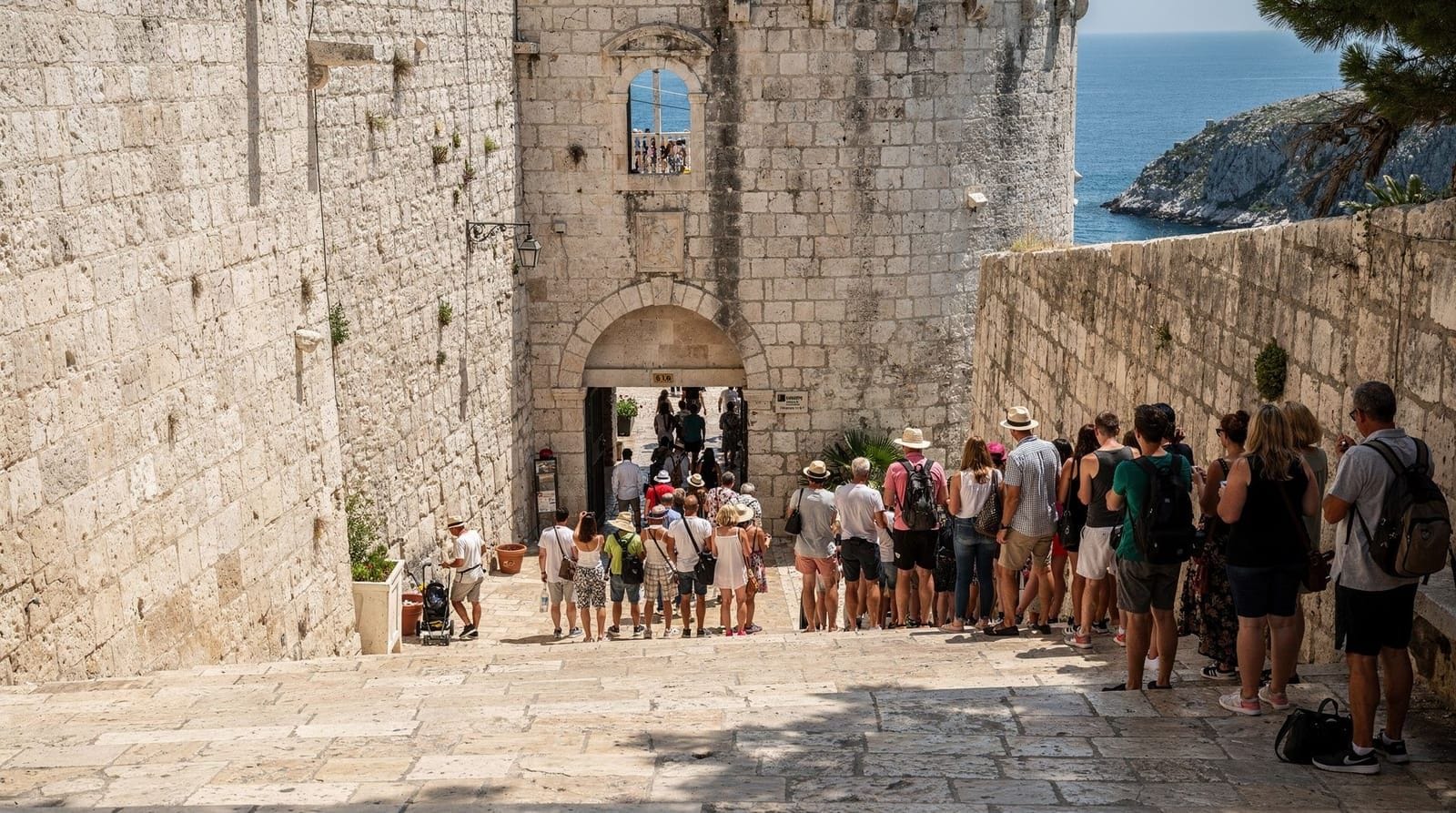
Dubrovnik: This is probably where the spring advantage is most pronounced. The walls in May are walk-at-your-own-pace, not a shuffling queue. The views are the same; the experience is dramatically different.
Who Spring Is Best For
Best suited to spring: Hikers, national park visitors, culture-focused travellers, photographers, food and wine enthusiasts, couples who want a romantic atmosphere rather than a party scene, and anyone who has been to Croatia before in summer and wants to see it differently.
Less suited: Those whose primary goal is beach and swimming (sea temperature is not yet at peak), party travellers (nightlife on the islands picks up in June–July), and anyone who needs guaranteed beach weather every day.
The honest assessment is that spring is better than summer for almost everything except swimming. For the specific experience of Croatia’s national parks, old towns, and culinary culture, April and May may be the optimal window.
Explore Rovinj’s medieval streets on a guided walking tour in springFor the autumn alternative — which shares many of spring’s advantages with the added benefit of warm swimming water — read our Croatia in autumn guide.