Croatia in summer
Is Croatia worth visiting in summer?
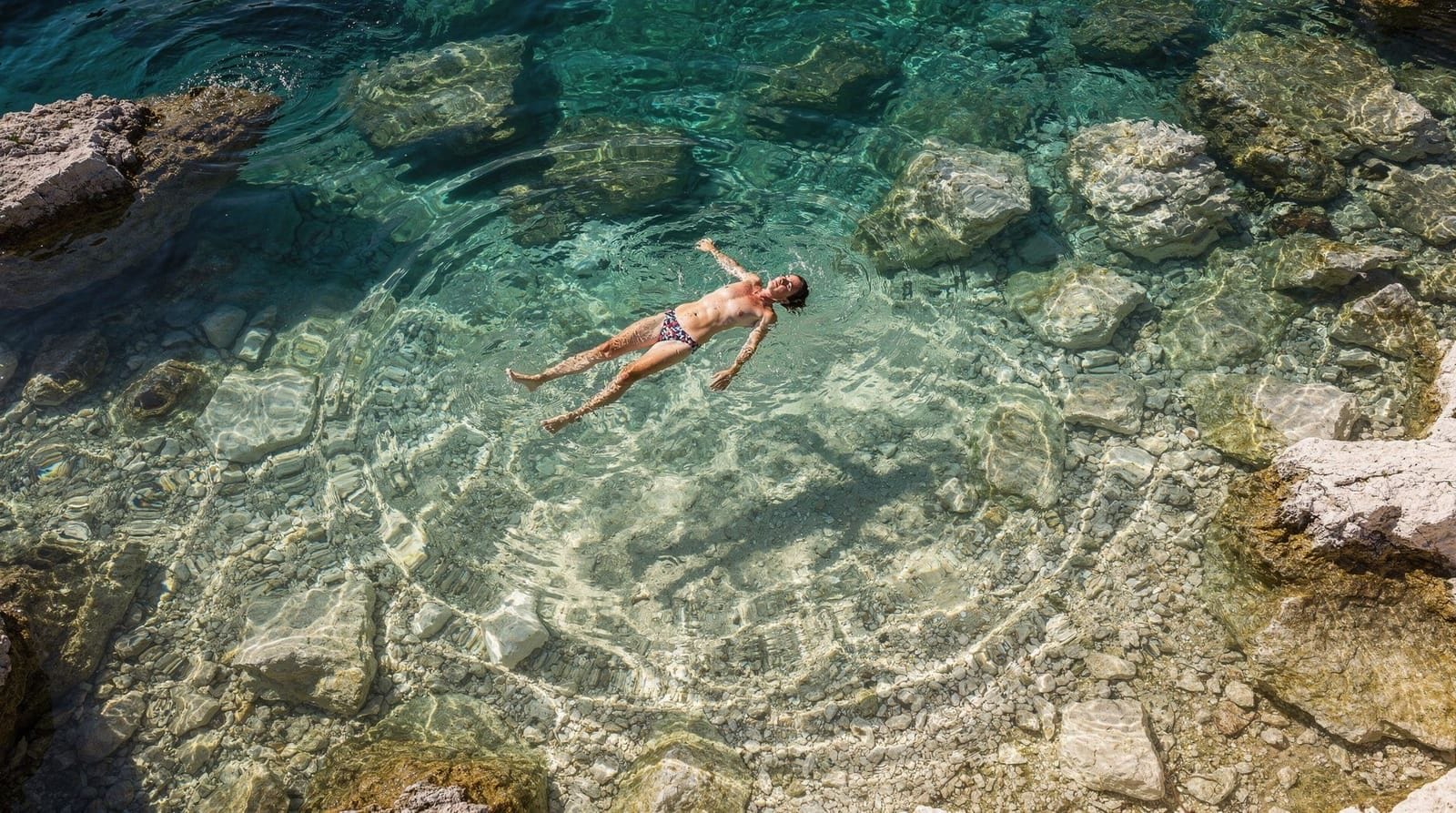
Yes, but with realistic expectations. The Adriatic hits 25–26°C and the islands are at their most beautiful and lively. The trade-offs are real: Dubrovnik and Hvar become heavily congested, prices peak, and popular sights require early booking and early-morning timing.
| Air temp (coast) | around 28–33°C, heatwaves to 37–40°C |
| Sea temp | around 24–26°C, warmest in August |
| Crowds | heaviest of the year, worst mid-July to mid-August |
| Prices | peak; Dubrovnik/Hvar 40–70% above May |
| Book ahead | accommodation by March, ferries as soon as dated |
| Best for | swimming, island energy, long daylight |
The honest summer picture
Croatia in summer is one of Europe’s iconic beach experiences and one of its most logistically demanding. The Adriatic coast in July and August is brilliant in both senses: dazzling to look at, and intense to navigate. Understanding what you are walking into is the difference between a memorable holiday and a frustrating one.
Here is the honest version.
The upsides are real. The Adriatic at 24–26°C is genuinely magical. The islands — Hvar, Vis, Korčula, Brač — are at their most alive. Long daylight hours (sunset around 9pm in July) give you remarkable amounts of time. The konoba tables are full, the fish is fresh, and the nights on Hvar’s main square have a real electric charge.
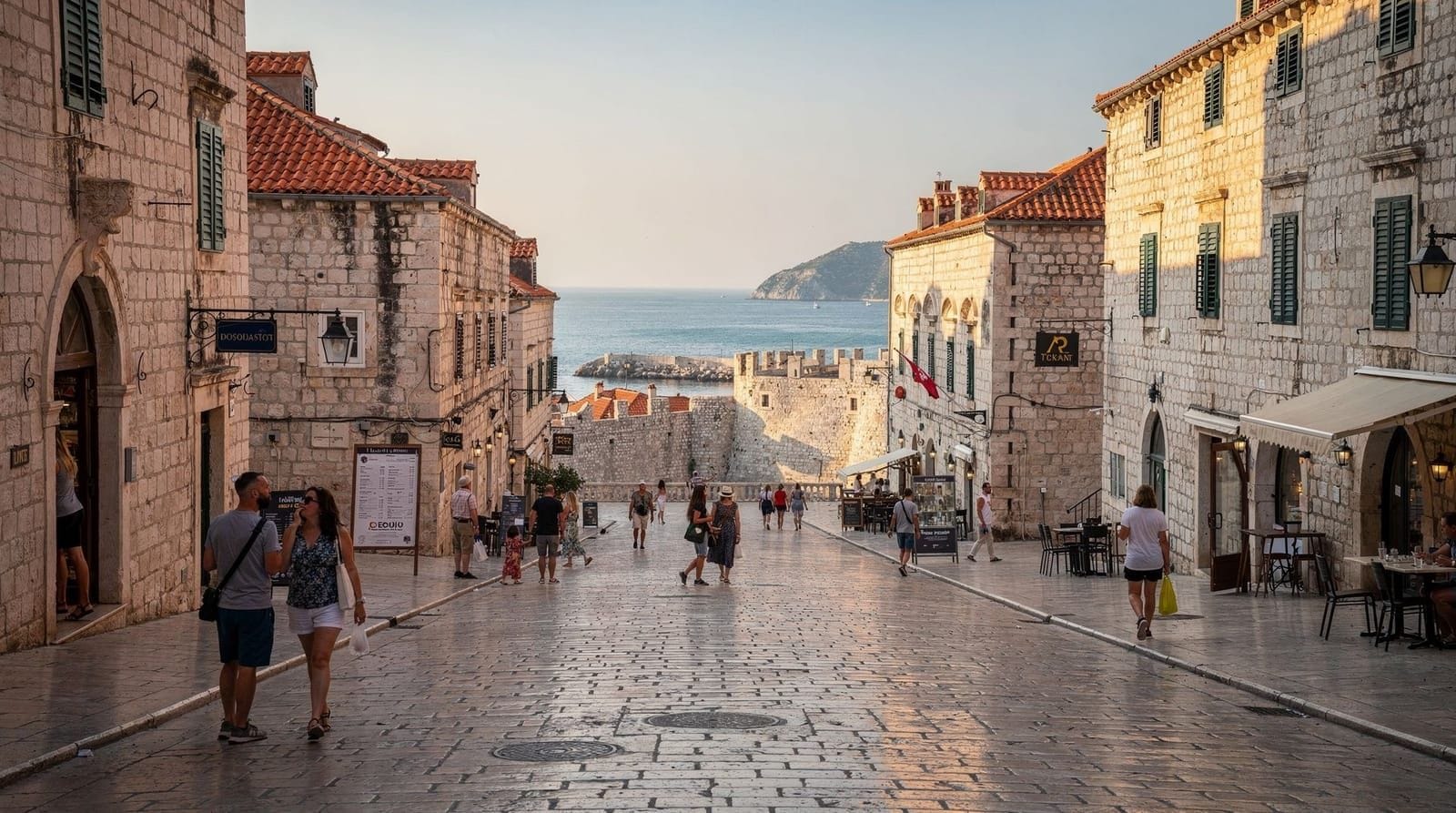
The challenges are also real. Dubrovnik receives cruise ships stacking 6,000–10,000 passengers on top of its hotel guests. The Old Town walls can feel like a slow-moving queue by 10am. Cars ferries to Hvar sell out days in advance. Accommodation in peak spots costs two to three times what it does in May.
Plan for both realities.
June vs July vs August at a glance
| June | July | August | |
|---|---|---|---|
| Sea temp | ~21–22°C | ~23–25°C | ~25–26°C |
| Air temp | ~25–28°C | ~28–32°C | ~28–33°C |
| Crowds | Building, manageable | Full capacity | Peak, worst mid-month |
| Prices vs August | ~25% cheaper | ~10–15% cheaper | Peak |
| Best fit | Flexible travellers wanting summer without the worst crowds | Families tied to school holidays | Committed peak-season travellers, festival-goers |
What summer actually looks like on the coast
June: the overlooked peak
Many people conflate “summer” with July–August and miss the fact that June is excellent and meaningfully less stressful. The sea is 21–22°C — warm enough for most swimmers. Temperatures sit at a comfortable 25–28°C. Full ferry schedules are operating. And you are paying roughly 25% less than the August peak.
If you have any flexibility, June beats July for the islands without sacrificing the swimming season.
July: full capacity
From the first week of July, Croatia’s coastal tourism machine is running at maximum. Everything is open, boats are running, restaurants are busy and accommodation is expensive. The islands are lively in an appealing way if you are social; overwhelming if you are not.
The key tactical points:
- Walk city walls, visit archaeological sites and buy ferry tickets before 9am
- Base yourself in a destination that is one tier below the tourist headline — Trogir rather than Split, Korčula rather than Hvar, Cavtat rather than Dubrovnik
- Pre-book all tours, ferry tickets and restaurant tables for anywhere popular
August: peak of the peak
August is the busiest and hottest month. Mid-August to late August is when Dubrovnik’s congestion is most acute — cruise ships compound the hotel population. Sea temperatures reach their annual maximum of 25–26°C. Prices peak.
That said, August has devotees for good reason. The open-air atmosphere, the swimming at dusk, the summer markets and festivals — there is an energy to Croatia in August that the shoulder season cannot fully replicate.
For a broader view of when summer fits into the year, see best time to visit Croatia.
Heat management
Average July–August temperatures: 28–33°C on the Dalmatian coast. Heat waves (stufa) can push inland temperatures to 37–40°C; the coast benefits from the Maestral sea breeze, which typically arrives in early afternoon and makes the heat more bearable.
Practical heat management:
- Sightsee between 7–10am and again after 5pm; avoid midday in the stone cities
- The Bura (cold northeast wind) occasionally brings relief; the Jugo from the south-east brings humidity and should be waited out
- Carry water; the Dalmatian sun is intense
- Stone towns like Dubrovnik and Trogir channel narrow alleyways that stay cool even at midday — seek them out
Summer island hopping
Island hopping in summer is one of Croatia’s great pleasures, with the caveat that it requires planning that does not exist in shoulder season.
Car ferries: The main routes (Split–Hvar, Split–Brač, Split–Korčula, Split–Vis) operate up to 10–18 sailings a day on some routes in peak summer. Car ferry spaces book out. Buy online through Jadrolinija or an approved vendor as soon as your dates are set.
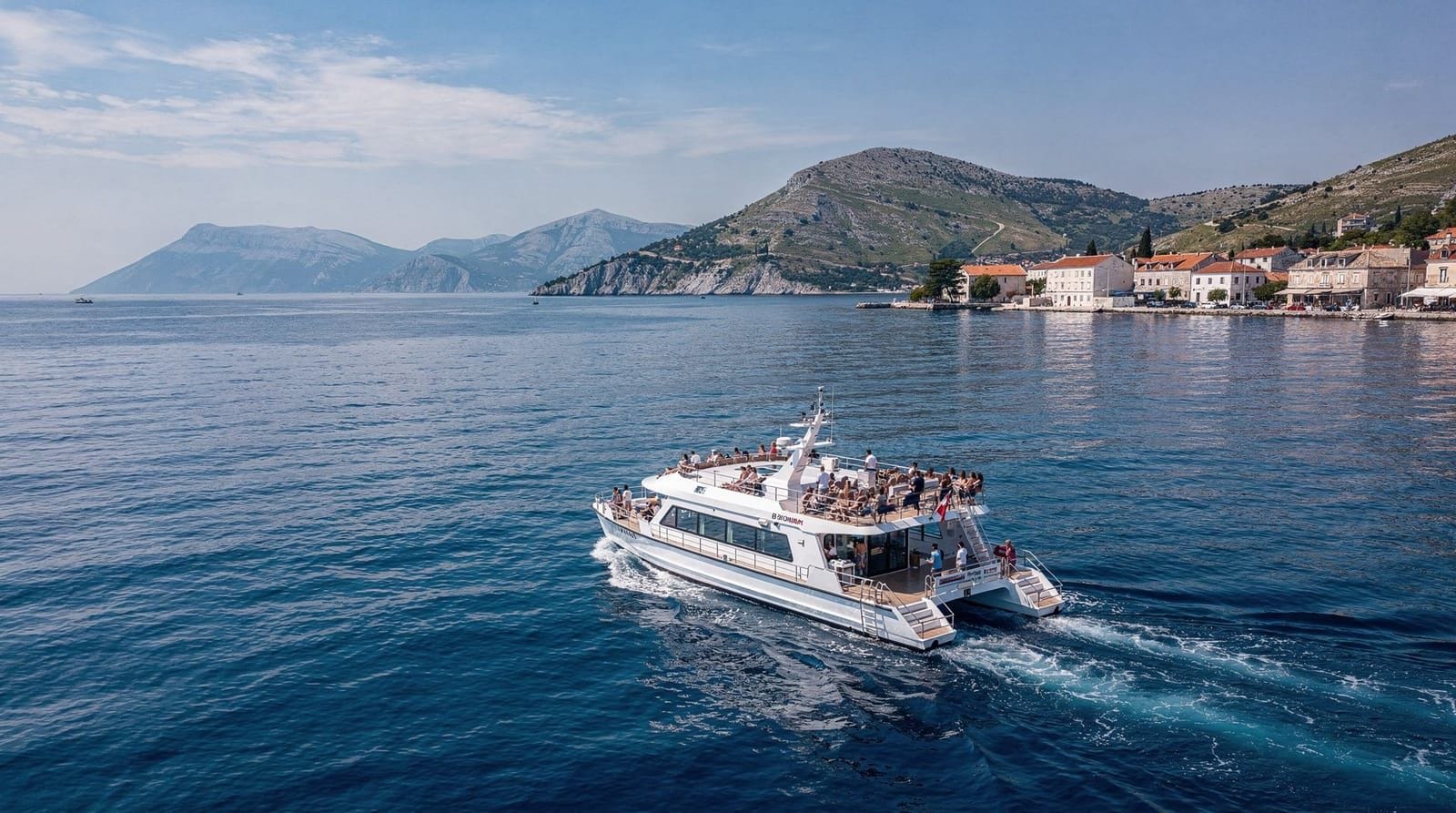
Passenger catamarans: No car spaces, but foot passengers generally find space more easily. Krilo and TP-Line run fast modern catamarans on southern Dalmatian routes.
Speedboat and private boat tours: If the ferry timings do not suit or you want flexibility, private boat tours departing from Split make the Blue Cave, Vis, Hvar, Pakleni Islands and multiple smaller stops accessible in a day.
For a full breakdown of routes, operators and booking tips, see the Croatia ferries guide.
Where to go in summer by travel style
Beach and swimming
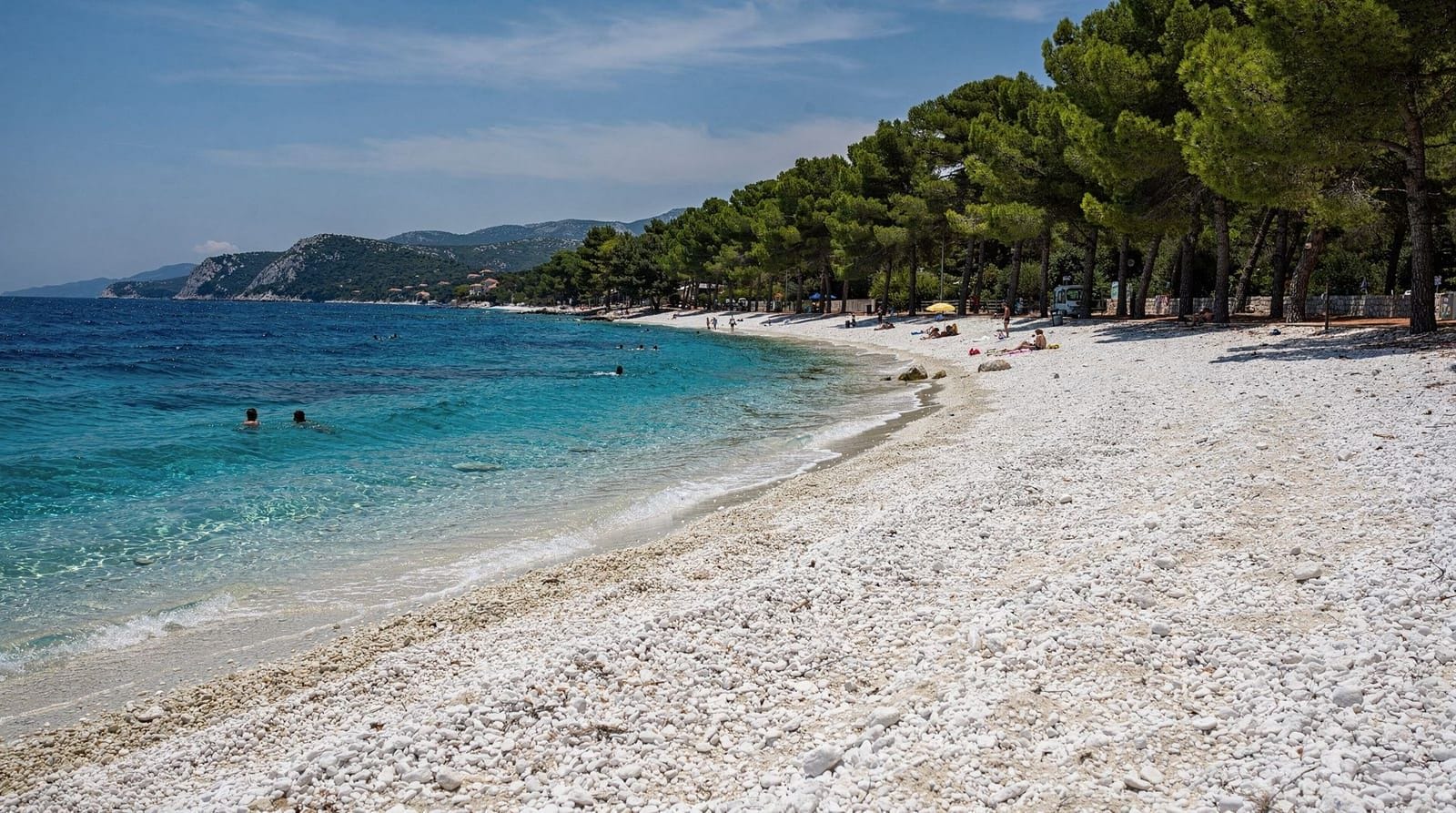
The beaches that justify the hype in summer:
Zlatni Rat (Brač) — Croatia’s most photographed beach, a distinctive horn-shaped shingle spit near Bol. Busy in summer but the setting is undeniably special. Good swimming on both sides; the western side is slightly calmer.
Stiniva (Vis) — A narrow pebble cove accessible only by boat or a steep path; sheltered and crystalline. Arrive early or come by boat from the main Vis town to avoid the worst of the midday crowds.
Pakleni Islands (Hvar) — A short water taxi ride from Hvar town, this string of small islands offers sheltered coves, pine trees and summer beach bars. The swimming is excellent.
Pag — A quieter alternative to the main Dalmatian islands, particularly well known for its beaches on the southern end of the island and its summer festival scene.
Culture and heritage in summer
The crowds at the major UNESCO sites are at their worst in summer, but the following tactical adjustments work:
Dubrovnik walls: The ticket office opens at 8am. Being on the walls at 8.15am, before the tour groups arrive, transforms the experience.
Diocletian’s Palace (Split): Much of the palace is woven into the living city — streets, shops, cafés. The underground cellars (Vestibule and basement chambers) are cooler and spectacular. Visit midday when most tourists are at the beach.
Šibenik Cathedral and Trogir Old Town: Both are UNESCO sites that see a fraction of Dubrovnik’s summer crowds. Worth slotting in between island stops.
Sea kayaking
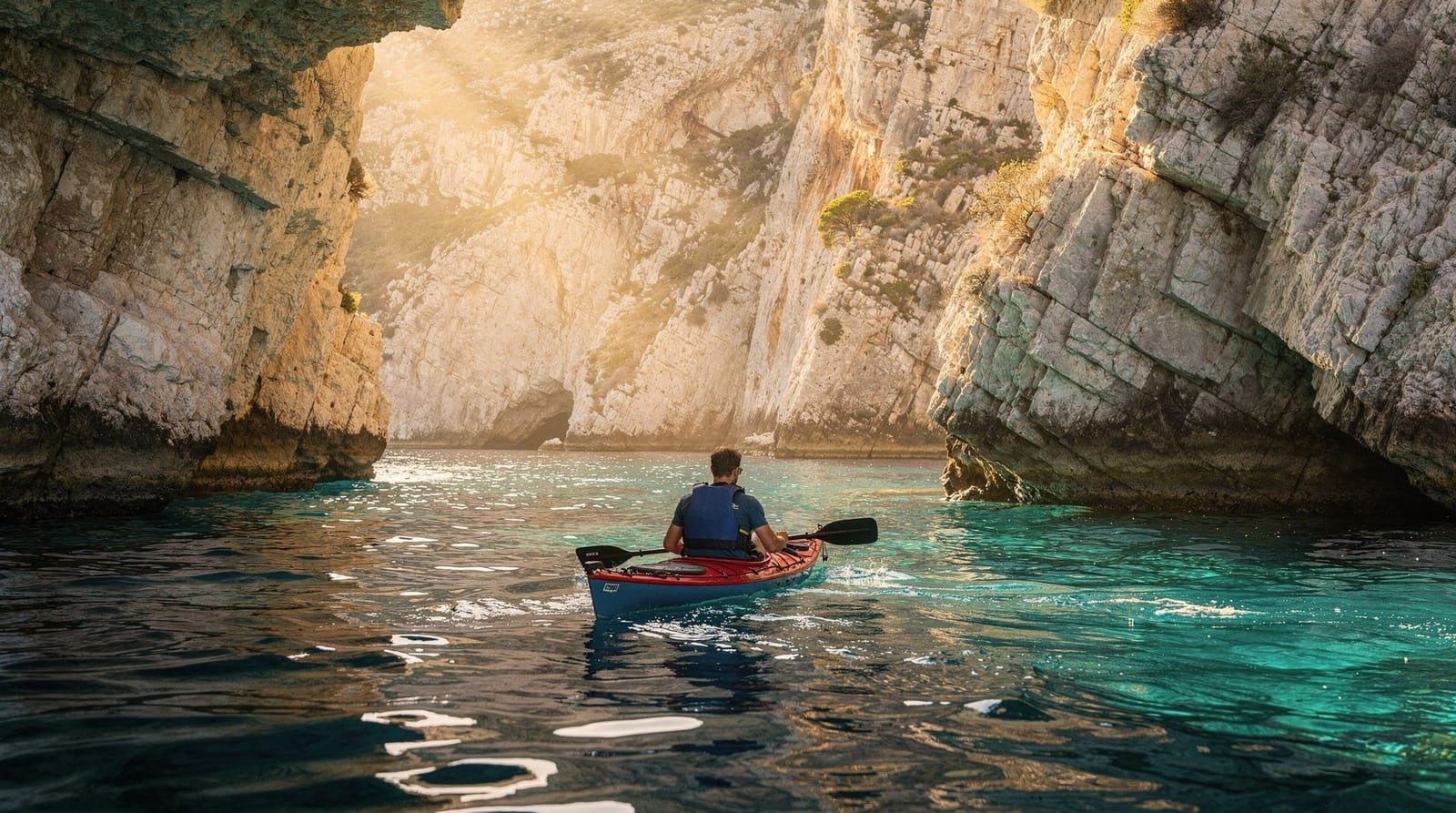
Sea kayaking around the Elaphiti Islands from Dubrovnik or along the Hvar coastline is one of the most satisfying summer activities — you access coves inaccessible by road or ferry, and the early-morning kayak is cool enough to be genuinely pleasant.
Summer with kids
Croatia in summer works well for families with the right pacing: warm, shallow-entry beaches on Brač and Pag, long daylight hours that suit late dinners, and boat trips that double as entertainment. The trade-off is heat and crowds at exactly the times children find hardest — midday and queues. Build in pool or shaded downtime from noon to 4pm, do the big sights (walls, Diocletian’s Palace) at opening time, and consider basing on a calmer island like Korčula rather than the busiest hubs. See the Croatia with kids guide and family-friendly islands for base-specific advice.
Avoiding the worst of it: alternative bases
If the headline destinations feel like too much, Croatia’s summer has quieter equivalents that deliver a similar experience with less pressure. Zadar and Šibenik offer old-town charm and coastal energy without Dubrovnik’s cruise-ship intensity. Vis and Mljet give island beauty with a fraction of Hvar’s crowds. Istria — Rovinj, Poreč, Pula — runs its own summer season, generally calmer than the Dalmatian island hubs, with excellent food and cycling alongside the beach time.
Practical summer planning checklist
Book early:
- Accommodation in Dubrovnik, Hvar, Split: by March for July–August
- Car ferry slots: as soon as dates are confirmed
- Plitvice entry tickets: online at np-plitvicka-jezera.hr at least 2–4 weeks ahead
- Popular restaurants in Hvar and Dubrovnik: same day or day before for terrace tables
Transport tips:
- Driving along the Dalmatian coast in August is slow — the coastal road (D8/D8a) is a bottleneck; allow extra time
- Parking in Dubrovnik Old Town is essentially impossible in peak season; use the cable car parking and descend on foot or use the D8 bus service
- Renting a car makes most sense for exploring Istria, inland areas or multi-day road trips; the islands are better done by ferry
Budget reality check:
- A sea-view room in Dubrovnik in August costs €200–€500+; the same room in May is €90–€150
- Restaurant meals in the Old Town carry a significant tourist premium; the best quality-to-value spots are a 10–15 minute walk from the main sights
- Supermarkets (Konzum, Spar) are excellent for picnic provisions
For full cost breakdown, see Croatia trip cost and Is Croatia expensive?
Frequently asked questions about Croatia in summer
How hot does Croatia get in summer?
July–August air temperatures on the Dalmatian coast typically reach 28–33°C at peak. Heat waves can push temperatures to 35–38°C for short periods. Evenings cool to around 20–22°C. The interior (Zagreb) runs similar temperatures but with more humidity.Is Croatia overcrowded in summer?
Dubrovnik, Hvar and Split are genuinely very crowded in July–August, particularly when cruise ships are in port. Lesser-known destinations like Korčula, Vis, Zadar and Šibenik see fewer visitors but are still lively.How warm is the Adriatic in summer?
Sea temperatures peak at 24–26°C in August along the Dalmatian coast. The central and south Dalmatian coast (Hvar, Vis, Dubrovnik area) tends to be slightly warmer than Istria and Kvarner in the north.When should I book for a Croatia summer holiday?
Book accommodation in Dubrovnik and Hvar for July–August by March at the latest — many properties sell out earlier. Car ferry slots on popular routes (Split–Hvar, Split–Korčula) also need to be reserved well ahead.What are the best summer destinations in Croatia?
For beaches: Brač (Zlatni Rat), Hvar, Vis and Korčula. For a quieter coastal experience: Zadar, Šibenik and the Kornati islands. For pure energy: Hvar town. For heritage: Dubrovnik (early morning) and Split (evenings).Is summer expensive in Croatia?
Peak summer prices in Dubrovnik and Hvar can be significantly higher than shoulder season — 40–70% more for accommodation, with restaurant prices also elevated. Zadar, Šibenik and the interior are better value alternatives.Can I visit Plitvice Lakes in summer?
Yes, but you must book tickets in advance — the park enforces daily entry caps and sells out on peak days. Arrive at opening time (8am) to beat the worst of the heat and queues. Spring and autumn visits are much more comfortable.
Top experiences
Bookable activities with verified prices and instant confirmation on GetYourGuide.
Top experiences
Best-rated activities across GetYourGuide and Viator.

Mostar and Herzegovina Tour with Kravica Waterfall from Split & Trogir
- Viator

3Hour ALL-INCLUSIVE Sunset Dolphin Watching from Medulin onSandra
- Viator

Dolphin Watching & Sunset Boat Tour With Drinks & optional Dinner
- Viator

Fantastic DOLPHIN & SUNSET TOUR with dinner ( Pula-NP BRIJUNI )
- Viator

Medulin :All-Inclusive Pirate Boat Dolphin Watching Sunset Cruise
- Viator

Mostar & Kravice waterfalls full-day guided tour from Split
- Viator