Croatia First-Timer Mistakes: What Most Visitors Get Wrong
Why Croatia Has So Many Repeat Visitors
Croatia has one of the highest visitor return rates in the Mediterranean. People come once, make some predictable errors, spend more than they intended and see less than they hoped, and then come back knowing what they are doing. The second trip is usually significantly better.
This guide exists to compress that learning curve. The mistakes below are not obscure edge cases — they are patterns that appear repeatedly. Most can be fixed at the planning stage.
| #1 mistake | Visiting only in August |
| #2 mistake | Over-investing time/budget in Dubrovnik alone |
| Easiest fix | Shift dates to May–June or September–October |
| Biggest hidden cost | Dubrovnik dining and cable car/taxi prices |
| Most regretted skip | Plitvice Lakes, out of “too tired” logic |
1. Going in August Without Understanding What That Means
This is the root of most Croatia disappointments. July and August bring enormous volumes of tourists — many via cruise ships in Dubrovnik’s case — that transform popular destinations into something quite different from what photographs suggest. Crowds on the Dubrovnik walls, restaurants with two-hour waits, parking lots full from 8:00 AM, ferries that require booking weeks in advance, and prices that have been adjusted accordingly.
None of this means you cannot visit in summer — millions do, and many enjoy it. But going in August expecting the quiet, photogenic Croatia of travel photography is setting yourself up for frustration.
What to do instead: If summer dates are fixed, manage expectations and book everything in advance (accommodation, ferry tickets, national park entries, popular tours). If dates are flexible, May and September–October give the same climate with dramatically better logistics. The sea is still warm enough for swimming in October.
2. Treating Dubrovnik as the Main Event
Dubrovnik is extraordinary and deserves its reputation. It is also the most crowded, most expensive city in Croatia, and it is in the geographic extreme south of the country — which means using it as a base for exploring Croatia broadly means covering large distances.
First-timers often over-invest in Dubrovnik (three to four nights, expensive waterfront restaurant meals, multiple wall tickets) and then have insufficient budget or time for Split, the islands, Istria, or Šibenik — which many regular visitors consider more rewarding for extended time.
What to do instead: Two nights in Dubrovnik is enough for the city walls, old town, and a sunset. Then move north. The Split vs Dubrovnik comparison is worth reading before fixing your itinerary.
3. Underestimating Ferry Logistics
Croatia’s ferry system is genuinely good — but it is also the thing that most confuses first-timers, often at inconvenient moments.
Key ferry facts that surprise people:
- Car ferries (Jadrolinija) and fast catamarans (Krilo) are different services with different routes and booking systems
- Fast catamarans do not carry cars — if you have a rental car and want to take it to an island, you need the car ferry
- In July and August, car ferry queues can be several hours long. Booking a car space in advance is essential for islands like Brač and Hvar in peak season
- Some catamarans run between Hvar, Korčula, and Dubrovnik — making island hopping possible without backtracking, but schedules change seasonally
What to do instead: Spend 30 minutes on the Jadrolinija website and the Krilo website before finalising your itinerary. Understand which islands your route requires car ferries versus catamaran-only access. Our Croatia ferries guide and Jadrolinija vs Krilo comparison go into detail.
4. Booking Only Tourist Restaurants
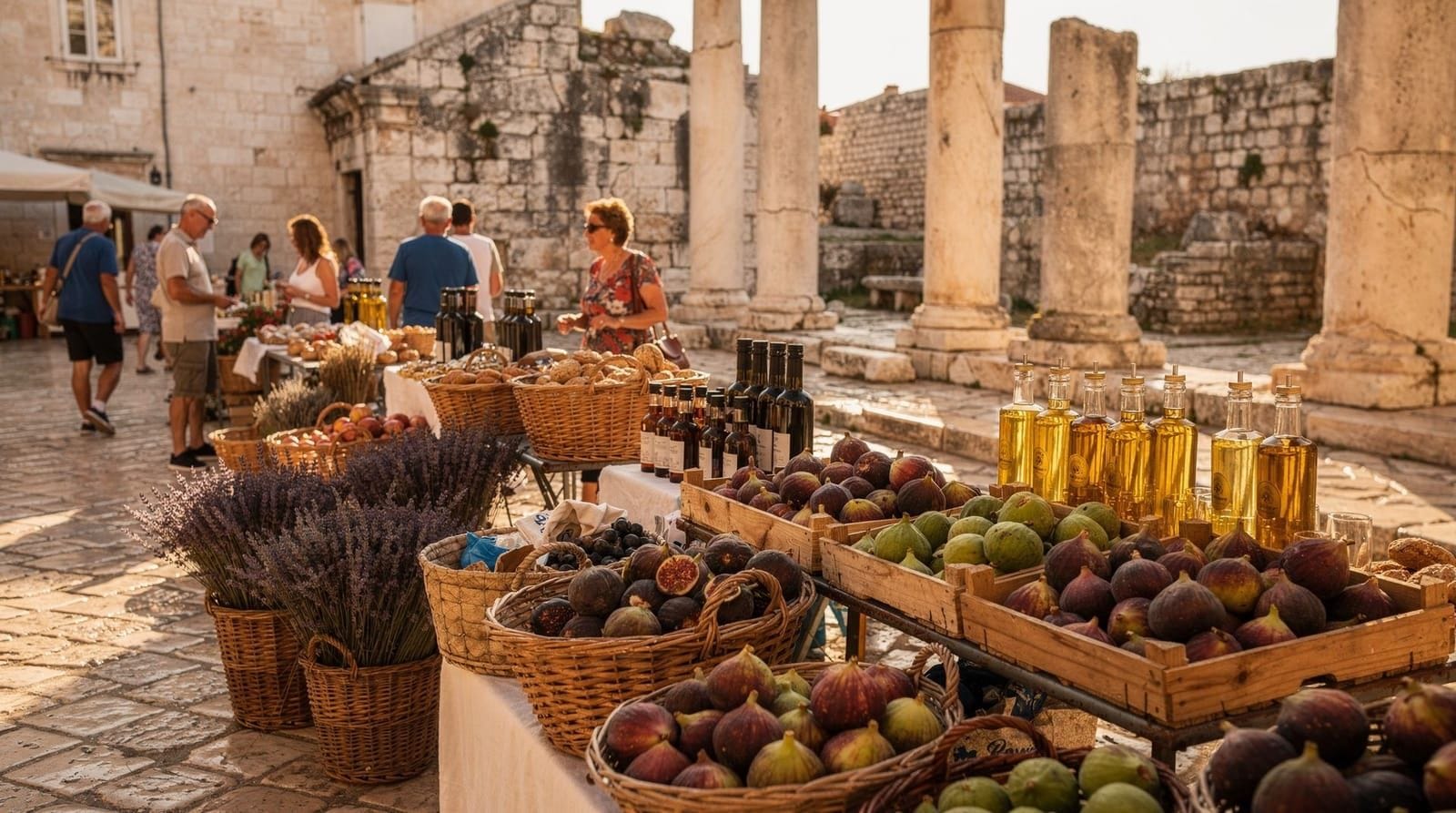
The waterfront restaurants in Hvar, Dubrovnik, and Split are convenient and often mediocre at their price point. They operate at high volume and their food is calibrated to tourist expectations, not Croatian culinary tradition. Paying EUR 30 for a grilled sea bream in a tourist restaurant on the harbour is a different experience from paying EUR 18 for the same fish at a konoba two streets back.
Croatia’s most interesting food is not primarily on the waterfront — it is in family-run konobas in residential streets, at market stalls, and in agriturismos in Istria. The Croatian food guide and the dalmatian cuisine guide explain what to look for and where.
What to do instead: Walk one street back from any waterfront and look for the restaurant where locals are actually sitting. Ask your guesthouse or apartment host for their recommendation — they invariably know the right konoba and will often make a reservation for you.
5. Over-scheduling the Islands
A common first-timer mistake: booking three or four islands into a week-long trip and spending most of that time on ferries rather than on islands. The island-hopping fantasy often collides with the reality of ferry schedules and transit time.
Hvar, Brač, Korčula, and Vis are all worth visiting — but each benefits from at least two nights to get past the initial arrival and settle into the pace. The first-timer who spends one night on Hvar, one on Korčula, and one on Vis ends up exhausted from logistics and never actually rests on any of them.
What to do instead: Choose one or two islands per trip and stay long enough to find the quiet coves, the good evening konoba, and the rhythm that makes islands feel like islands and not just transit points. For more on this, read Hvar vs Brač vs Korčula.
6. Skipping the Interior and North
Most first-time itineraries involve flying into Dubrovnik, moving up the coast via Split and the islands, and departing from Split or Zagreb. The result is an experience entirely of Dalmatian coast tourism — which is beautiful but incomplete.
Croatia’s interior — Zagreb, the Zagorje region, Slavonia, and the roads between the coast and the inland lakes — is a different country culturally and aesthetically. Istria (Rovinj, Pula, Motovun) is an entirely distinct region with different food (truffles, wine, prosciutto), architecture, and atmosphere.
What to do instead: Build at least a day or two in Zagreb, or route through Istria. The Croatia road trip and Istria-Zagreb-Slovenia circuit itineraries show how to do this without adding excessive distance.
7. Renting a Car and Underestimating Parking
Croatia is genuinely better explored with a car — for Istria, the national parks, and moving between coastal towns. However:
- Parking in old towns is often impossible (cars not permitted) or extremely expensive
- Dubrovnik old town has almost no parking within walkable distance; the Pile gate parking garage fills early and is expensive
- In summer, popular beaches have parking that fills by 9:00 AM
- Narrow coastal roads, particularly in Istria and on some islands, require patience
What to do instead: Base yourself in a city or town, park the car at the accommodation (or a nearby garage), and use buses or ferries for day trips. Do not try to drive through old towns — they are almost universally pedestrianised. Our driving in Croatia and renting a car in Croatia guides cover practical logistics.
8. Missing Plitvice or Krka Out of Tiredness
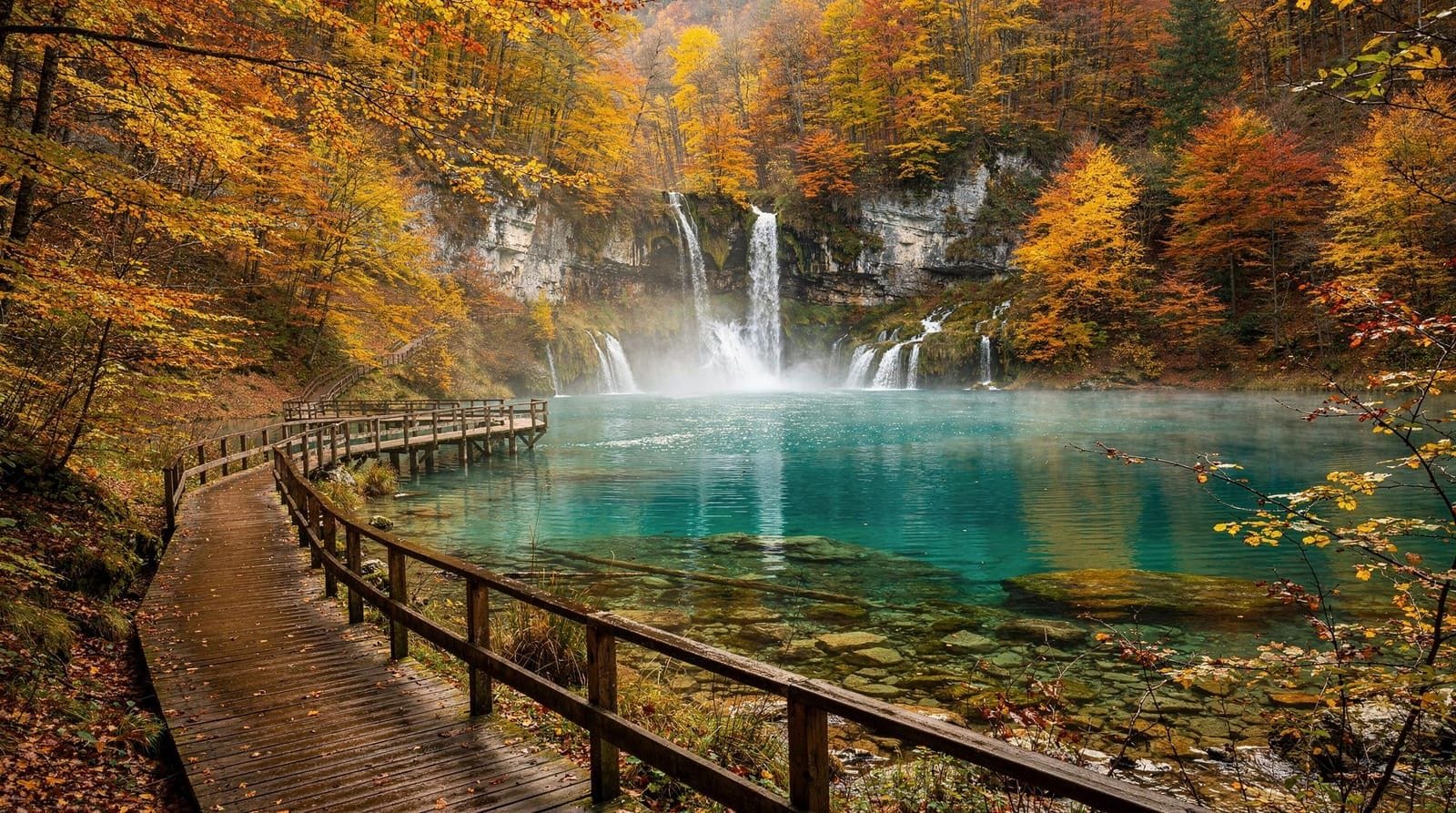
The national parks require some effort — they are not directly on the coast, and visiting properly means an early start. A common mistake is deciding the morning before that it is “too far” or “too hot” and skipping Plitvice in favour of another beach day.
Plitvice Lakes is one of the genuinely unmissable things in Croatia. Its UNESCO World Heritage Status is deserved. Skipping it to spend another day on a beach that looks identical to the previous beach is a decision most first-timers regret.
What to do instead: Book the national park tickets in advance (mandatory in summer), commit to an early departure, and go. The investment is worth it. The Plitvice Lakes guide explains what to expect and how to plan the visit.
9. Ignoring the September Option
A disproportionate number of people say Croatia was disappointing — and when you ask when they went, the answer is almost always mid-August. A disproportionate number of people who say Croatia exceeded expectations went in September or October.
This is not a coincidence. Autumn in Croatia is genuinely excellent: the sea is still warm, the prices drop significantly, crowds thin out, the food (truffles, wine harvest, autumn seafood) is at its best, and the light is extraordinary. If you have any flexibility, this is the time to go.
10. Not Budgeting Properly for Dubrovnik
Dubrovnik is in a different cost category from the rest of Croatia. This is not speculation — it is well-documented and reflects the city’s position as one of Europe’s most popular cruise ship destinations.
Expecting to spend the same per day in Dubrovnik as in Split or Zadar leads to budget shock. A mid-range dinner for two in Dubrovnik’s old town easily reaches EUR 80–120. The city walls entry is EUR 35 per adult. A taxi from the cable car costs EUR 15 for a 10-minute journey.
What to do instead: Understand the costs in advance, stay slightly outside the old town to save on accommodation, eat one meal per day at a local bakery or market, and budget an extra EUR 30–50/day compared to the rest of Croatia. The Croatia trip cost guide has specific breakdowns.
11. Taking the Game of Thrones Trail Too Seriously (or Not Seriously Enough)
Dubrovnik is globally known as the filming location for King’s Landing in Game of Thrones. There are two types of first-timers: those who are exhausted by the GoT references everywhere and refuse to engage, and those who invest heavily in official Game of Thrones experiences that disappoint because the locations look almost nothing like their on-screen versions.
The middle ground: A walking tour that covers the filming locations alongside actual Dubrovnik history and architecture is both informative and genuinely interesting. The walls walk does double duty. You do not need to book the elaborate themed experience to tick this box.
Walk Dubrovnik’s Game of Thrones filming locations with a guide12. Not Learning Any Croatian
You do not need Croatian to visit. English is widely spoken in tourist areas and among working-age adults. However, a few words — hvala (thank you), molim (please), dobar dan (good day) — are received warmly and signal respect. Croatia is not a place where locals are hostile to tourists, but acknowledging that you are a guest in someone’s country rather than assuming universal English service goes a long way in smaller towns and konobas.
13. Underestimating Tolls and Driving Distances
Croatia’s coastal geography is deceptive on a map — the country is long and thin, and the coastal A1 motorway covers real distance even though everything looks close together. First-timers often plan a driving itinerary that looks reasonable on paper (Zagreb to Dubrovnik in a day, say) and then discover motorway tolls add up fast and that the scenic coastal road (the Adriatic Highway) is far slower than the inland motorway, however much prettier.
What to do instead: Budget realistic driving times, not straight-line distances, and check toll costs before committing to a route. Our Croatia tolls explained guide has current pricing, and driving in Croatia covers the practical differences between the motorway and coastal route options.
14. Assuming Every Beach Has Sand
Croatia’s beaches are overwhelmingly pebble, not sand — a genuine surprise for visitors expecting a Mediterranean sand beach experience. This affects footwear (water shoes help), towel choice, and expectations, especially if travelling with young children who find pebbles harder going than sand.
What to do instead: If sand specifically matters, target Sakarun on Dugi Otok or Rajska Plaža on Rab rather than assuming any beach will do. The best beaches roundup breaks down which beaches are sand versus pebble.
The Honest Summary
Croatia rewards realistic expectations and penalises wishful thinking. Come in August to a busy tourist destination expecting quiet authenticity: disappointment. Come in October to a coastal town that has exhaled after summer, with warm evenings and honest food: one of the better travel experiences in Europe.
The Croatia travel guide and our first time Croatia guide provide the broader planning framework. This article covers the specific pitfalls — knowing them in advance is half the work.