Croatia in Autumn: September and October Are the Secret Season
The Season That Regular Visitors Keep Quiet
Ask someone who has been to Croatia four or five times when they prefer to go, and the answer is almost always September. Occasionally October. Rarely August. The repeat visitors have learned something that first-timers typically discover by accident: the autumn shoulder season is when Croatia operates at its best.
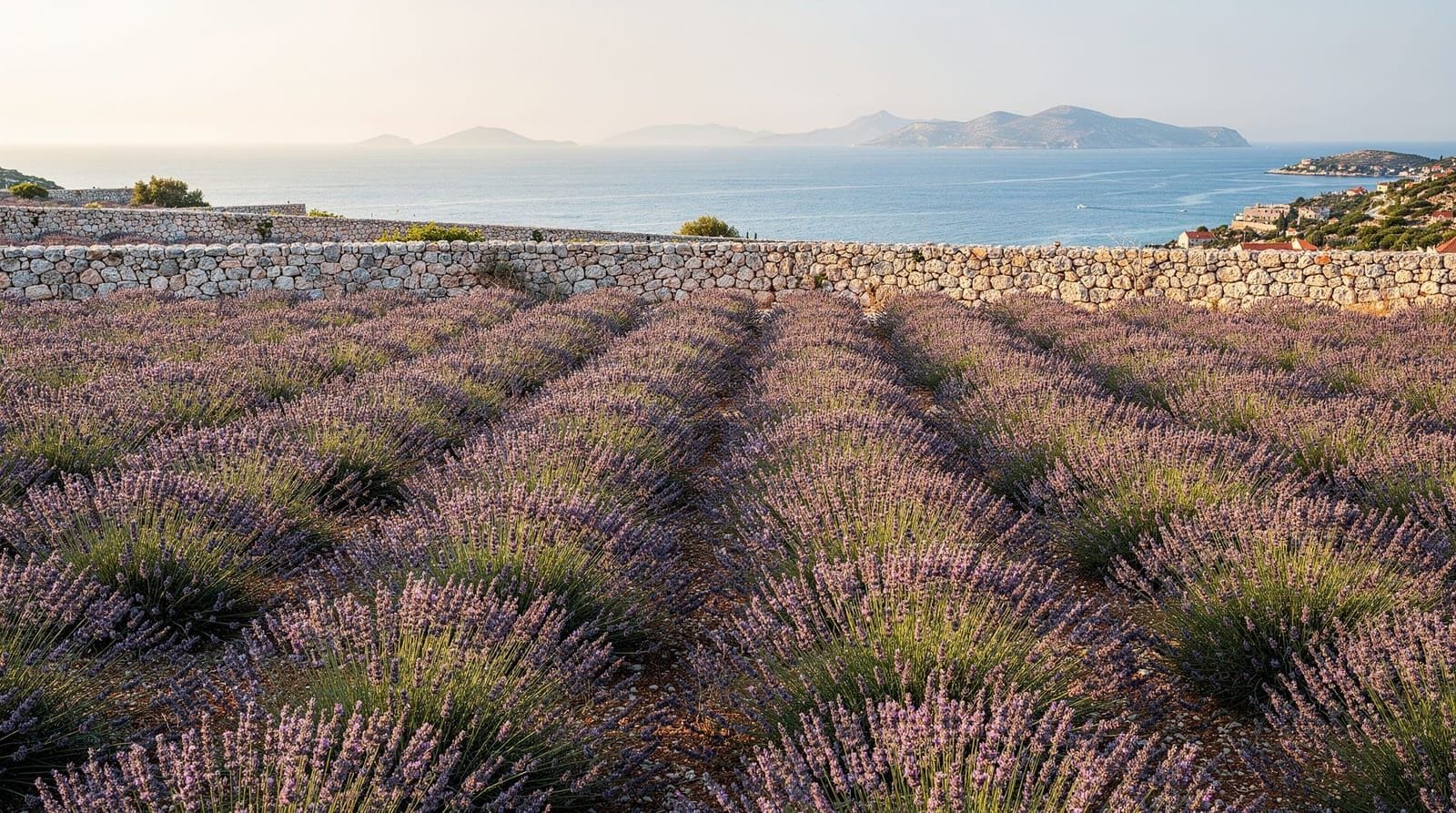
This is not a contrarian position. The evidence is consistent — sea temperatures still warm enough for swimming, crowds that have thinned without vanishing entirely, food and wine at the peak of the harvest cycle, prices that have retreated from summer maximums, and a light quality on the Adriatic coast that photographers specifically plan trips around.
This guide covers what you actually get in September and October, which regions benefit most from autumn timing, and what changes compared to summer.
| Sea temp (Sept) | Around 23–26°C, often warmer than June |
| Sea temp (Oct) | ~20–22°C early, cooling through the month |
| Best for | Beaches into Sept, wine/truffles/hiking in Oct |
| Prices vs August | 20–40% lower |
| Book ahead | September accommodation in Hvar/Dubrovnik, 4–6 weeks |
Weather and Sea Temperatures
September: Coastal temperatures average 24–28°C during the day, dropping to a comfortable 18–22°C at night. The Adriatic sea temperature is typically 23–26°C — often warmer than June, because the sea has been absorbing heat all summer. Rain becomes more likely toward the end of September, but most of the month is dry and sunny.
October: Temperatures cool noticeably as the month progresses. Early October still sees 20–24°C days with sea temperatures around 20–22°C — perfectly swimmable. By late October, daytime temperatures along the coast are typically 16–20°C, still pleasant for sightseeing and walking, though swimming is moving toward optimistic.
The inland picture is different: Zagreb and the interior are noticeably cooler, with October bringing genuine autumn weather — fog in the mornings, golden trees, wood fires in the evenings. Not beach weather, but excellent for the city, wine country, and national parks.
The Sea in September: The Genuine Selling Point
The single most important thing to know about autumn in Croatia is that the Adriatic sea in September is not cold. It is approximately as warm as the Mediterranean sea in July. The sea simply does not cool as fast as the air temperature, which means the swimming conditions persist well past the summer crowds.
Beaches in September are not empty — many Europeans specifically plan beach holidays in September for this reason — but they are dramatically less crowded than August. On popular beaches like Zlatni Rat on Brač or the coves around Hvar, the difference between a weekend in August and a weekend in September is visible and meaningful.
The key beaches you can access without logistical effort: the hidden coves of Vis, the north shore beaches of Mljet, and the shallow bays of Pag are all at their most accessible in September. The best beaches near Split and best beaches near Dubrovnik guides cover options across the region.
Truffle Season in Istria: A Primary Reason to Visit
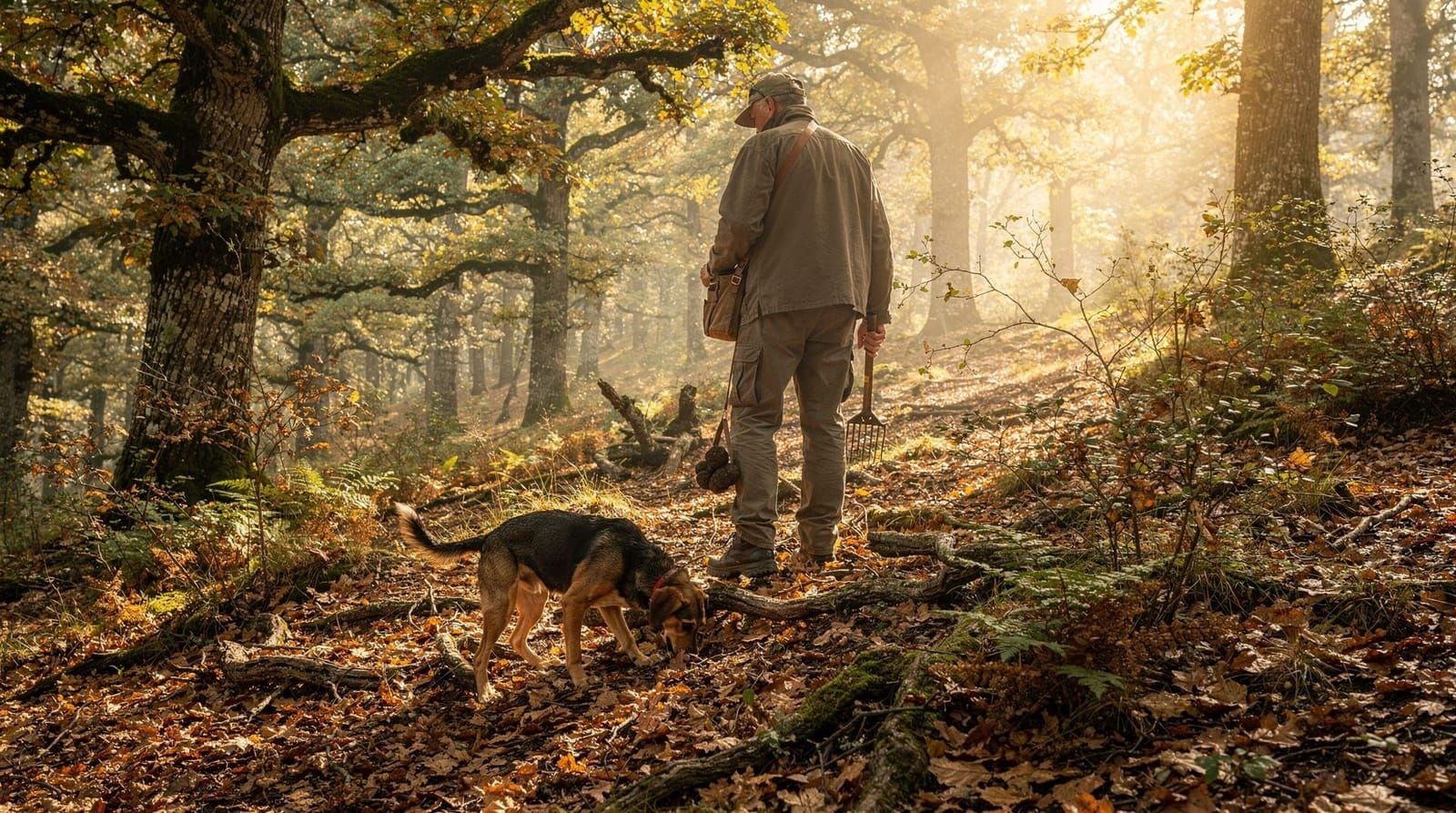
September through December marks truffle season in Istria, and if you have any interest in food, this changes the calculus for autumn travel significantly. Istrian truffles — both white (September–January) and black (throughout the year, peak in November–December) — are among the finest in Europe, and the industry around them is built on genuine quality rather than tourist theatre.
Truffle hunts involve a guide, trained dogs, and forested terrain in the interior around Motovun and Buzet. The experience includes the hunt, a farm visit, and a meal where the truffles you have found (or the guide has found, with you watching) are incorporated into the food. This is not a zoo experience — the dogs work genuinely, and finding a truffle involves real soil and real uncertainty.
Book a private truffle hunt in Istria this autumnThe wine harvest in Istria runs through September and October. If you visit a Malvazija producer during this window, the cellar is active and the experience of seeing the harvest in process is a different kind of visit than the usual tasting room encounter.
Our Istrian truffles guide covers the practical details of truffle hunting, season timing, and which areas to visit.
Wine Harvest Across the Country
September is harvest time across Croatia’s wine regions. In Pelješac (Plavac Mali), the steep Dingač vineyards are picked by hand in September. In Istria, the Malvazija harvest runs through mid-October. In Slavonia (Osijek region), the Graševina harvest brings the local wine co-operatives to life.
Visiting wine producers during harvest is a qualitatively different experience from visiting during the tasting season. Cellars are full of activity, winemakers are busy but often willing to show visitors what is happening, and the atmosphere is particular to this specific annual moment. Some estates offer harvest participation experiences — picking for a morning, then lunch at the cellar.
For wine touring specifically, our Croatia wine roads guide covers the main regions, producers, and practical logistics.
National Parks in Autumn
The national parks in autumn are arguably at their most beautiful. Plitvice Lakes in October sees the surrounding forest turn amber and gold, reflecting in the turquoise water. The combination of autumn colour and the distinctive lake palette is different from anything the park offers in spring or summer.
Water levels at Plitvice are lower in autumn than in spring (the waterfalls are not at full spring volume), but still impressive, and the crowds are significantly reduced. Entry tickets are in the lower seasonal price tier.
Krka National Park is similarly beautiful in autumn — the canyon vegetation turns colour, and the park is significantly quieter than the summer months. Paklenica in October offers excellent hiking conditions: cooler temperatures, no risk of heat exhaustion on the ascent, and the rock faces in autumn light.
Visit Krka National Park with wine tasting on a day trip from SplitCities in September and October
Dubrovnik in September: This is the best time to visit Dubrovnik. The summer crowds have eased — particularly the cruise ship day-trippers, which peak in July and August. You can walk the city walls in the early morning without queuing. The restaurants have recovered from the summer volume and the service is better. The famous evening light on the limestone of the old town is particularly warm in September.
Split in autumn: Split in September–October loses the aggressive summer party atmosphere (particularly around the waterfront bars) while retaining all its cultural and historical appeal. The Diocletian’s Palace neighbourhood is easier to navigate, and the local population — which partly evacuates Split in August to escape the tourists — has returned.
Zadar: Zadar is generally underrated and in autumn becomes even more pleasant. The Sea Organ and Greeting to the Sun installations on the promenade are particularly appealing at sunset in October — the crowds watching are a fraction of summer.
Zagreb in October: Zagreb transitions fully into autumn mode by October — the café culture shifts indoors, the Saturday morning market (Dolac) is at peak vegetable and mushroom abundance, and the city has a particularly Central European autumn feel. For Zagreb specifically, this is an excellent time to visit before the weather becomes genuinely cold.
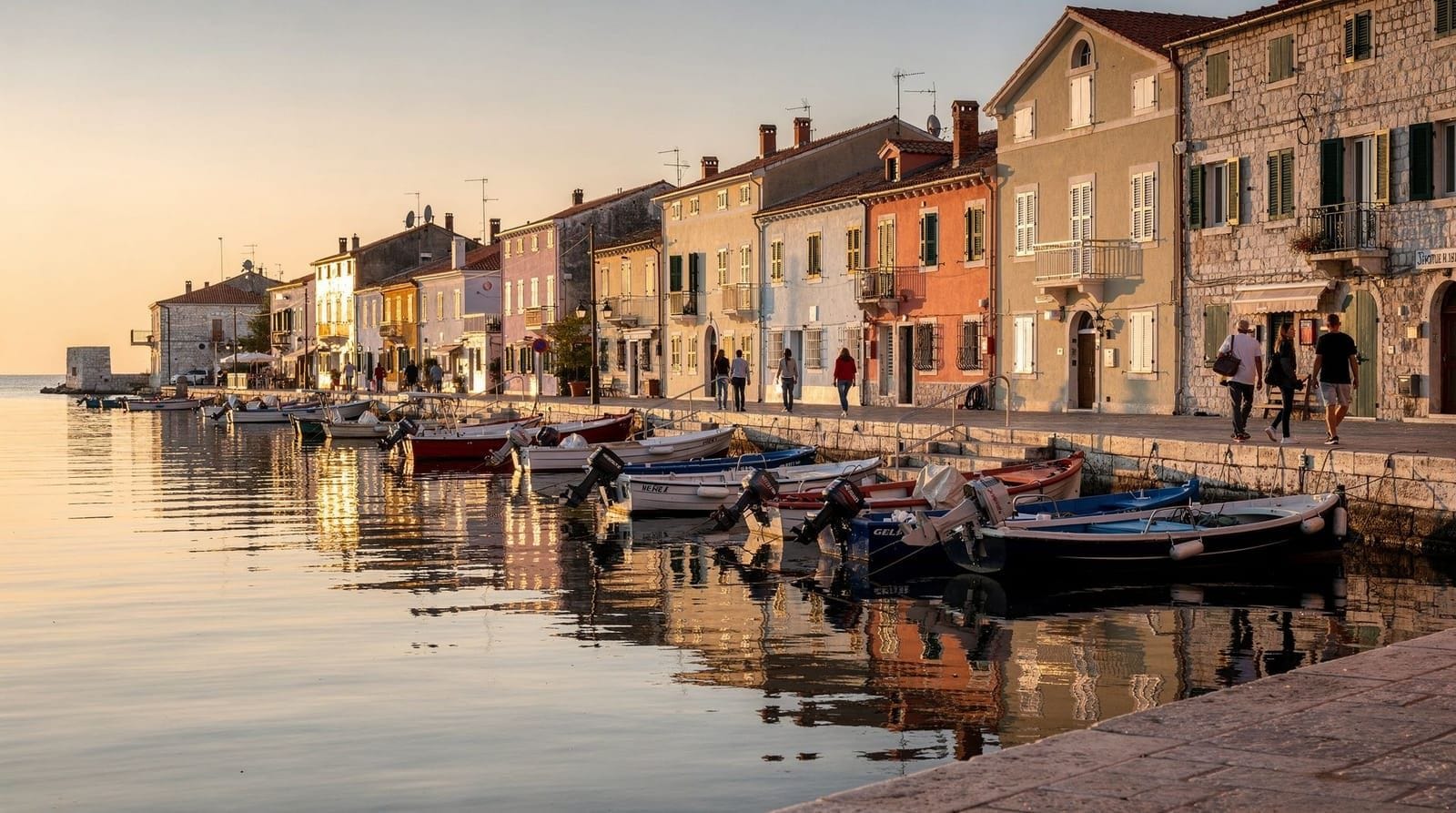
Rovinj and Istria in autumn: With the summer sailing and beach crowds gone, Rovinj’s harbour and old town return to something closer to how locals experience it year-round. Autumn is also when Istria’s food identity is most visible — truffle markets, olive harvest, and wine cellars all active within a short drive of the coast.
Islands in Autumn: What Changes
The islands feel noticeably different once the ferries thin out and the day-trip crowds disappear. Hvar town, so dominated by nightlife in summer, becomes a genuinely pleasant place to walk and eat by late September. Korčula’s old town empties of cruise-adjacent day-trippers, and the island’s wine cellars — busiest during the September harvest — are at their most interesting to visit. Ferry frequency does drop from October onward, so island-hopping in late autumn requires more schedule-checking than a summer trip would.
Food in Autumn
Autumn is Croatia’s best food season. The harvest means:
Seafood: The first weeks of September bring the return of fish that moved to deeper water in summer heat. Octopus (hobotnica), which features heavily in dalmatian cuisine, is at its best in autumn. Oysters from Ston — which we cover in the oysters of Ston guide — are at peak quality from September through April.
Peka cooking: The slow-cooking method under an iron bell (peka) is better suited to autumn dining — rich meat stews and octopus cooked slowly under embers, served in the evening when the temperature makes a heavy dish welcome.
Mushrooms: Inland Croatia and Istria see a significant mushroom season in October. Restaurants in the interior serve mushroom-forward dishes that do not appear on coastal summer menus.
Wine and cheese: Autumn produces freshly pressed olive oil (notably in Istria), young wine, aged cheese, and the general abundance of the harvest season. The food tour in Zagreb includes many of these autumn products.
What Changes Compared to Summer
What gets better: Everything mentioned above. Prices, crowds, food quality, temperature for walking and hiking, cultural access, restaurant service.
What is less available:
- Some island ferries reduce to off-season schedules after early October — check Jadrolinija’s autumn schedule
- Some beach clubs and outdoor bars close in October
- Some smaller island accommodations close after mid-October
- Night swimming becomes less appealing (water still warm but evenings cooler)
September vs October: September is essentially an extension of summer with fewer people — the full infrastructure is operating, the sea is warm, prices are still slightly elevated compared to October but significantly below August. October is more definitively autumn — conditions for swimming shrink to the first two weeks, some services start winding down, but prices drop further and the nature and food experiences are at their peak.
Most visitors will find September the better all-round option. Travellers specifically interested in wine, truffles, mushrooms, and hiking may prefer October.
Practical Considerations
Booking: September accommodation in popular spots (Hvar town, Dubrovnik old town area) books out. October is much more available. Book September at least 4–6 weeks ahead for quality accommodation in the main destinations.
Ferry schedules: Check autumn schedules on Jadrolinija’s website — the summer frequency does not continue in October. Some routes that run daily in summer switch to fewer weekly departures.
Clothing: September is genuinely warm and light clothing suffices. For October, add a layer for evenings and a rain layer for walks — the coastal bora wind can make evenings cool even when daytime temperatures are pleasant.
Insurance: Croatia travel insurance is worth considering for shoulder season bookings — the increased likelihood of weather disruption affecting ferry services or outdoor plans makes coverage more useful.
The Bottom Line
September and October represent the best risk-adjusted time to visit Croatia. Not the most dramatic weather guaranteed, not the longest daylight hours, not the warmest sea temperatures — but the best combination of all factors. The people who come back again and again tend to do so in autumn, and once you have seen what the country looks like without summer’s pressure on it, the summer version becomes harder to justify.
The Croatia in spring guide offers an alternative shoulder season option for those with spring availability. Both seasons share the fundamental advantage of visiting Croatia when it is operating for residents rather than for capacity. For the full seasonal picture across all twelve months, the Croatia month by month breakdown and the broader Croatia shoulder season guide put September and October in context against the rest of the year.