Croatia's Wine Roads: Pelješac, Istria, Slavonia and Beyond
Croatia’s Wine Scene: More Than a Side Note
Croatian wine has been quietly earning international respect, and visitors who spend time beyond the beaches often discover it by accident — a glass of something deep and tannic at a konoba in Ston, or a crisp white in a hilltop Istrian village that tastes completely different from anything available in a European supermarket.
Croatia has over 130 indigenous grape varieties, many of which are found nowhere else. The wine industry is fragmented into small family producers rather than industrial estates, which means quality is uneven but discoveries can be extraordinary. This guide covers the four main wine regions worth building a trip around — Pelješac, Istria, Korčula, and Slavonia — plus practical advice on how to taste, buy, and get the most out of a wine-focused visit.
| Main regions | Pelješac, Istria, Korčula, Slavonia |
| Best season | September–October, harvest time |
| Getting around | Car essential; tours cover the driving |
| House wine cost | Around EUR 8–15 per litre in a konoba |
| Booking | Appointment recommended outside July–August |
Pelješac: The Home of Plavac Mali
Ston and the Pelješac peninsula are the spiritual home of Plavac Mali, Croatia’s most celebrated red grape variety. The wine produced in the Dingač and Postup sub-zones is dense, alcohol-forward (often 14–16%), and deeply tannic — built for grilled lamb and aged cheeses, not casual afternoon drinking.
Dingač is the most prestigious: the first protected wine origin in Yugoslavia (1961), and still the benchmark for what Plavac Mali can achieve. The vineyards on the southern slope of Pelješac face the sea directly, and the gradient is severe enough that grapes were historically transported by donkey. Some producers have reverted to monorail systems; others still work by hand.
Postup produces a slightly softer style from the peninsula’s northern slopes. Less famous than Dingač but often more approachable for everyday drinking.
Key producers to seek out: Miloš (benchmark), Saints Hills, Bartulović, Bura-Mrgudić. Many offer cellar door tastings, though appointment-only visits are increasingly common outside July–August.
Getting to Pelješac from Dubrovnik takes about 90 minutes by car via the Pelješac Bridge (opened 2022, connecting the peninsula to the mainland without passing through Bosnia). The bridge has changed logistics significantly — what was once a detour requiring a border crossing is now a straightforward drive.
Join a guided full-day Pelješac wine tour from DubrovnikYou can also do this route from Dubrovnik as a day trip that combines Korčula Island and Pelješac wine tasting. The peninsula’s oyster beds at Mali Ston are excellent — oysters from Ston are among the best in the Mediterranean and a natural pairing with local Pošip white.
Istria: Malvazija and Truffles
Istrian wine is dominated by Malvazija Istarska, a white grape that produces wines ranging from light and aromatic (young, unoaked) to complex and textured (barrel-aged, extended skin contact). The best examples have a characteristic mineral salinity and can age well. Paired with Istrian truffles, it creates one of the more compelling food-and-wine combinations in the country.
The Istrian wine road (Vinska Cesta Istre) is a marked route through the interior, connecting producers in the hill towns around Motovun, Buje, Grožnjan, and Poreč. This is genuine wine country: the landscape of red soil, olive groves, and medieval hilltop villages is as much part of the experience as the wine itself.
Red wines in Istria: Teran is the indigenous red variety — high acid, low tannin, earthy and rustic. It pairs well with pršut (air-dried ham) and game meats. Some producers make a serious Teran that deserves attention; much of it is produced for local consumption.
Key producers: Roxanich (Malvazija specialist, biodynamic approach), Coronica (benchmark Teran and Malvazija), Trapan, Giorgio Clai (natural wine, sought-after allocations), Matošević.
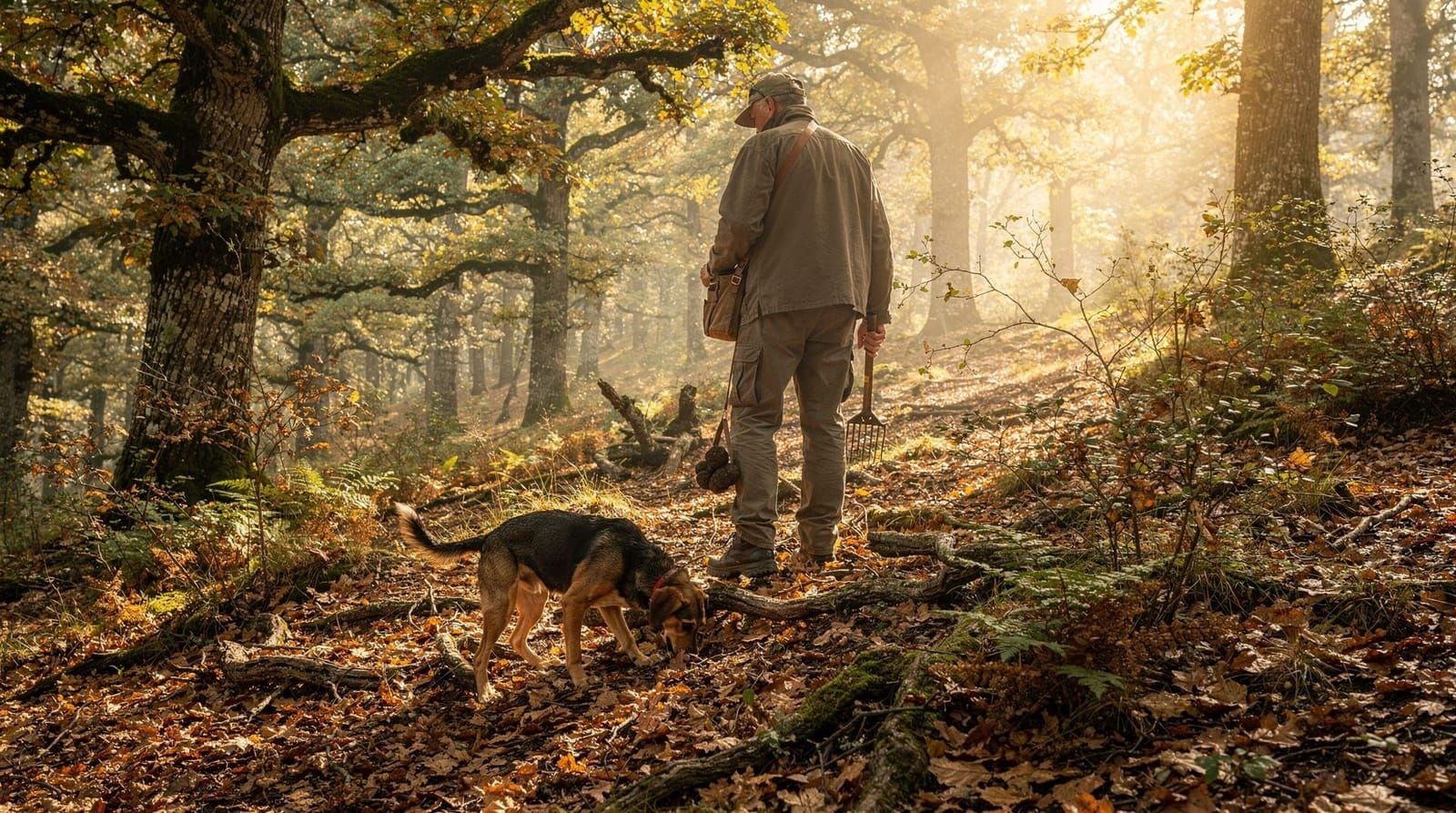
Truffle season in autumn (September–December) coincides with the best weather for wine touring in Istria. The combination of truffle hunting and winery visits is genuinely worth planning around.
Book a private truffle hunt in IstriaRovinj makes a good base for coastal access with easy day drives inland to wine producers. Pula has better infrastructure. If you are driving the interior, Poreč or Umag work as coastal bases. The wine road takes 3–4 days done properly, with meals at agriturismo farmhouses along the way.
Korčula: Pošip and the White Wine Tradition
Korčula is almost always discussed in the context of Marco Polo’s alleged birthplace and its medieval old town. Less frequently mentioned is that it produces some of Croatia’s finest white wine — specifically Pošip, a thick-skinned indigenous variety that yields wines of real depth and structure.
Pošip is not a delicate white. The best examples are full-bodied, slightly waxy in texture, with stone fruit aromas and enough acidity to age for four to six years. Čara and Smokvica, in the island’s interior, are the main production areas. The grape thrives in Korčula’s particular combination of stone-heavy soil and Mediterranean climate.
Look for: Bire Winery (small family producer in Čara), Toreta, PZ Čara cooperative. The cooperative produces reliable, affordable Pošip that represents good value.
Getting wine-focused time on Korčula requires a couple of nights on the island. Day-trippers from Dubrovnik rarely venture far beyond the old town. Spend a day driving the island’s interior, stopping at producers, before heading to a waterfront konoba for dinner.
Grk on Lastovo: For the truly curious, the nearby island of Lastovo produces Grk (literally “Greek”) — an unusual white variety with a high female-to-male vine ratio that requires cross-pollination from other varieties. It produces wines of striking concentration and is rarely found outside the island. Worth seeking out if you are travelling through the southern islands.
Hvar and Vis: Island Vineyards Beyond the Beach Crowd
Hvar is better known for cocktail bars than cellars, but the island’s interior — away from the harbour — has a serious winemaking tradition. The Plavac Mali grown on Hvar’s terraced hillsides is a lighter, more approachable style than the Pelješac benchmarks, and several producers around Jelsa and Vrboska offer tastings paired with local olive oil. A Hvar island tour with wine and olive oil tasting is the easiest way to reach the interior producers without arranging a rental car for a single afternoon.
Vis, further offshore and historically closed to outside visitors under Yugoslavia, grows Vugava — a rare indigenous white found almost nowhere else — alongside its own take on Plavac Mali. The island’s isolation kept its vineyards small-scale and largely untouched by industrial expansion, and tasting here feels closer to visiting a family’s private cellar than a commercial stop.
Dalmatian Hinterland: Crljenak and Tribidrag
The connection between Croatian wine and international varieties runs deeper than many realise. DNA analysis has confirmed that Zinfandel (California) and Primitivo (Puglia, Italy) are genetically identical to the Croatian variety Crljenak Kaštelanski (also called Tribidrag). The variety originates from the Kaštela area between Split and Trogir.
This is less a wine road and more a piece of wine history you can explore around Split and Trogir. The local wines made from this grape are not widely exported, which makes tasting them on-site particularly worthwhile. The wines tend toward riper, more alcoholic styles given the region’s heat.
Slavonia: Graševina and the Continental Tradition
Slavonia, in Croatia’s northeast, is the largest wine-producing region by volume but receives very little tourist attention. The dominant variety is Graševina (Welschriesling) — a white grape capable of producing wines ranging from thin and forgettable to remarkably complex sweet and late-harvest styles.
The Kutjevo and Đakovo areas around Osijek are the main wine towns. This is a different Croatia entirely: flat agricultural land, a Central European culinary tradition, and a slower pace than the coast. Wine tourism here is underdeveloped compared to Istria or Pelješac, but producers like Kutjevo d.d., Iločki Podrumi (near the Serbian border, Croatia’s oldest winery), and Galić (biodynamic, premium wines) offer serious tastings.
If you are combining wine with culture, a circuit through Slavonia makes sense around Osijek. It is not a side trip from Dubrovnik — it is a separate part of the country requiring a dedicated visit.
Practical Wine Touring Tips
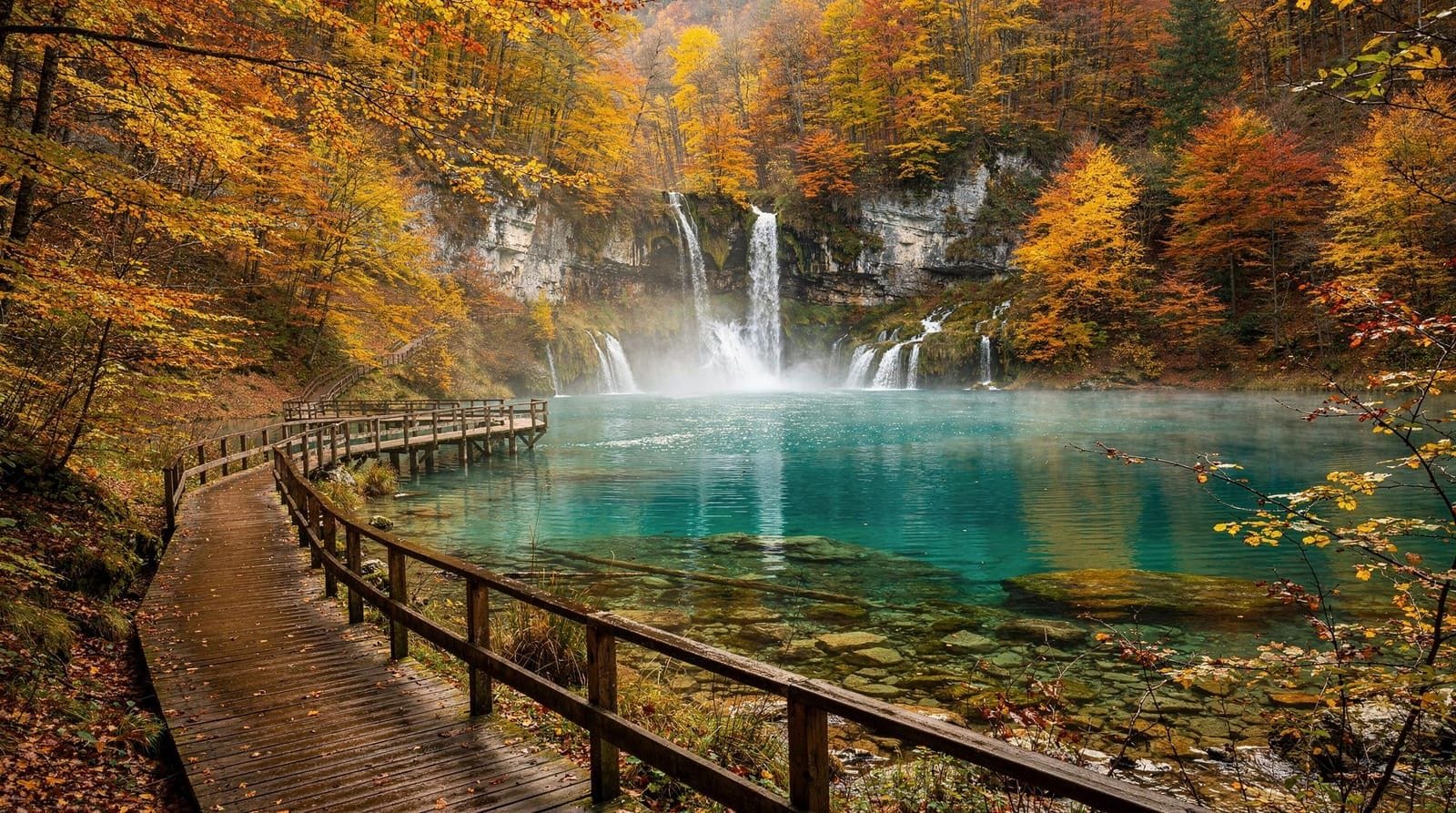
When to go: September and October are the best months. Harvest is underway, cellars are active, and the landscape is at its most beautiful. Autumn in Croatia is dramatically underrated — read our guide to Croatia in autumn for the full picture.
Getting around: Driving is essentially mandatory for wine touring outside Dubrovnik. Public transport does not connect smaller wine villages. Designate a driver or use organised tours for the actual tasting days. The roads in Istria and Pelješac are manageable but narrow in places — a smaller car is practical.
Buying wine to take home: Most producers sell direct. Prices are significantly lower than retail in Western Europe. Check your home country’s import limits carefully. Most EU countries allow 90 litres for personal use; the UK allows 18 litres duty-free.
Language: Wine labels are in Croatian; menus increasingly include English descriptions. At smaller family producers, English may be limited — having a phone translation app helps.
Pairing with food: Croatian wine is not designed to be consumed in isolation. It is built around food — grilled lamb, peka dishes, oysters, truffles, pršut. The best wine experiences in Croatia happen at a table, not at a tasting counter.
A Note on Wine Prices
Croatian wine is reasonably priced by European standards:
- Basic konoba house wine: EUR 8–15 per litre
- Mid-range restaurant bottle: EUR 15–35
- Premium bottle (Dingač, aged Malvazija): EUR 25–60
- Collector/natural wine: EUR 50–100+
Supermarkets sell decent local wine from EUR 5–12 per bottle. Stocking up at a producer is always better value than buying from tourist-facing shops.
The Bigger Picture
Croatian wine rewards the curious. It is not a country where you can rely on recognising the varieties from previous experience — almost everything here is indigenous, and the styles reflect specific microclimates and traditions that do not translate easily to international comparisons.
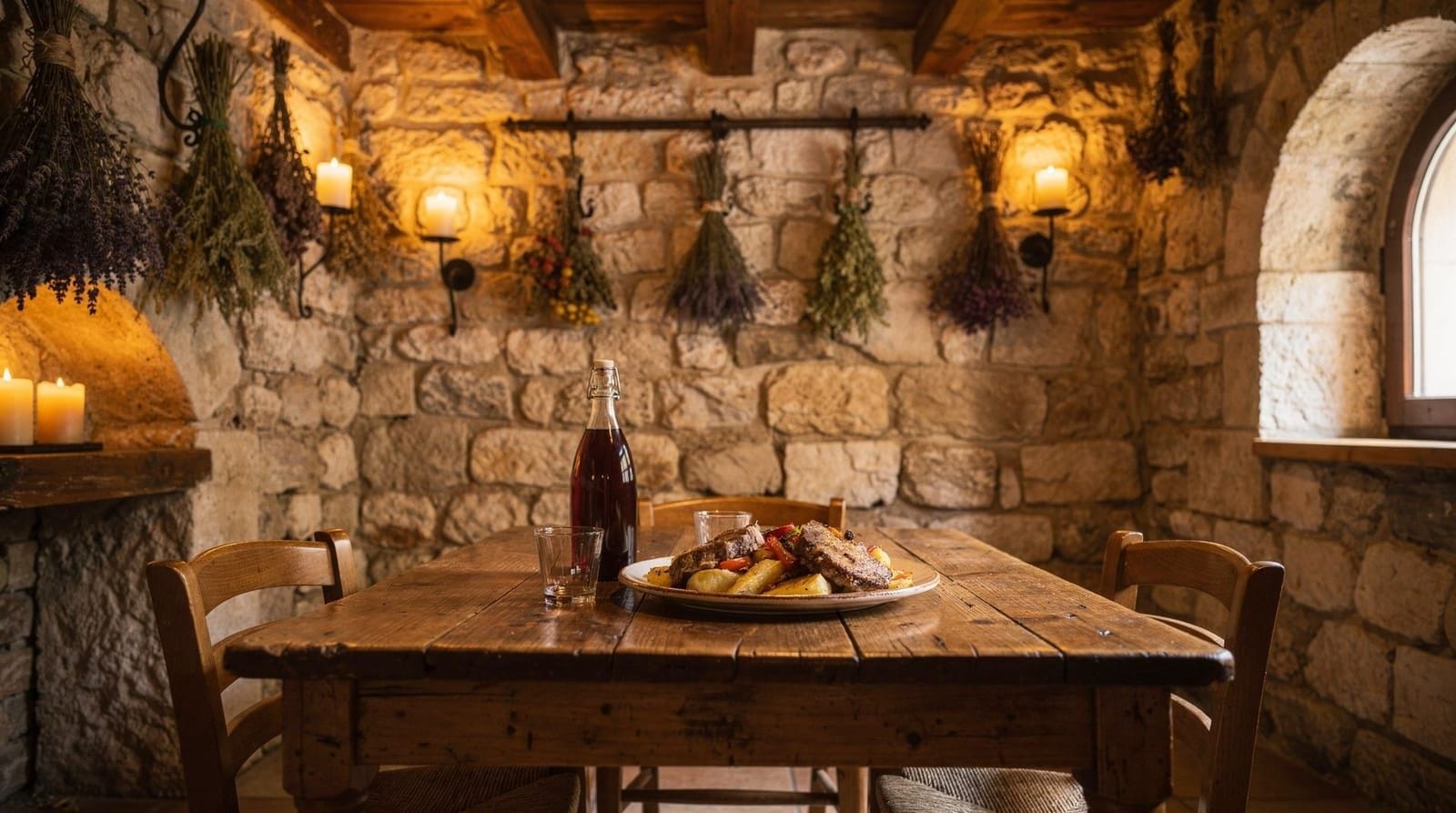
The most memorable wine experiences in Croatia tend to happen unexpectedly: a glass of something unlabelled poured by the owner of a konoba in a stone-walled room, or a tasting at a family cellar where the winemaker speaks no English but communicates perfectly through the progression of glasses. Plan the framework, but leave space for the unexpected.
Taste Dingač and Postup wines on a Pelješac wine tour from DubrovnikFor those pairing wine with island exploration, the combination of Korčula and Pelješac in a single itinerary — covered in our Dalmatian island hopping guide — represents one of the best wine and food routes in the Adriatic.