Croatian food guide: what, where, and how to eat across every region
Split: Small group food tour with private option
What is Croatian food like and what are the must-try dishes?
Croatian cuisine divides sharply by region. Dalmatia runs on grilled fish, octopus, slow-cooked lamb and veal under the peka bell, and wine-soaked mussels. Istria leans Italian — truffles, fuzi pasta, prosciutto, malvazija wine. Slavonia in the east is heavier: kulen sausage, freshwater fish paprikash, and walnut pastries. Zagreb and the continental north have strukli (baked cheese pastry), mlinci (flatbread), and rich stews. Everywhere you go, the olive oil is serious, the bread is fresh, and portions are large.
In brief: Croatian food is not one cuisine — it is four or five, shaped by geography as much as culture. The Adriatic coast runs on fish and olive oil; Istria looks toward Italy with truffles and pasta; Slavonia’s flatlands produce spiced cured meats and paprika-heavy stews; Zagreb sits somewhere between Central European and Mediterranean. All of them are good.
| Must-try dish | Peka (slow-cooked under an iron bell, order ahead) |
| Average konoba meal | EUR 25–45/person incl. wine |
| Best food markets | Dolac (Zagreb), Pazar (Split), Rovinj harbour market |
| Vegetarian-friendly? | Easier in cities/Istria; harder in rural Dalmatian konobas |
| Order ahead | Peka needs 2–4 hours’ notice |
Regional flavors: why Croatia has four cuisines, not one
The clearest explanation for Croatian food’s diversity is a map. Croatia wraps around Bosnia, with a narrow coastal strip running over 1,700 km along the Adriatic and a continental interior that shares borders with Hungary and Slovenia. The mountains behind the coast — the Velebit, the Dinaric Alps — separate these worlds as effectively as any political border. What grows and what can be shipped differs entirely between a village in Slavonia and a konoba in Hvar.
The result is that ordering “Croatian food” tells you almost nothing. You need to know which part of Croatia you are in.
Dalmatia: fire, oil, and the sea
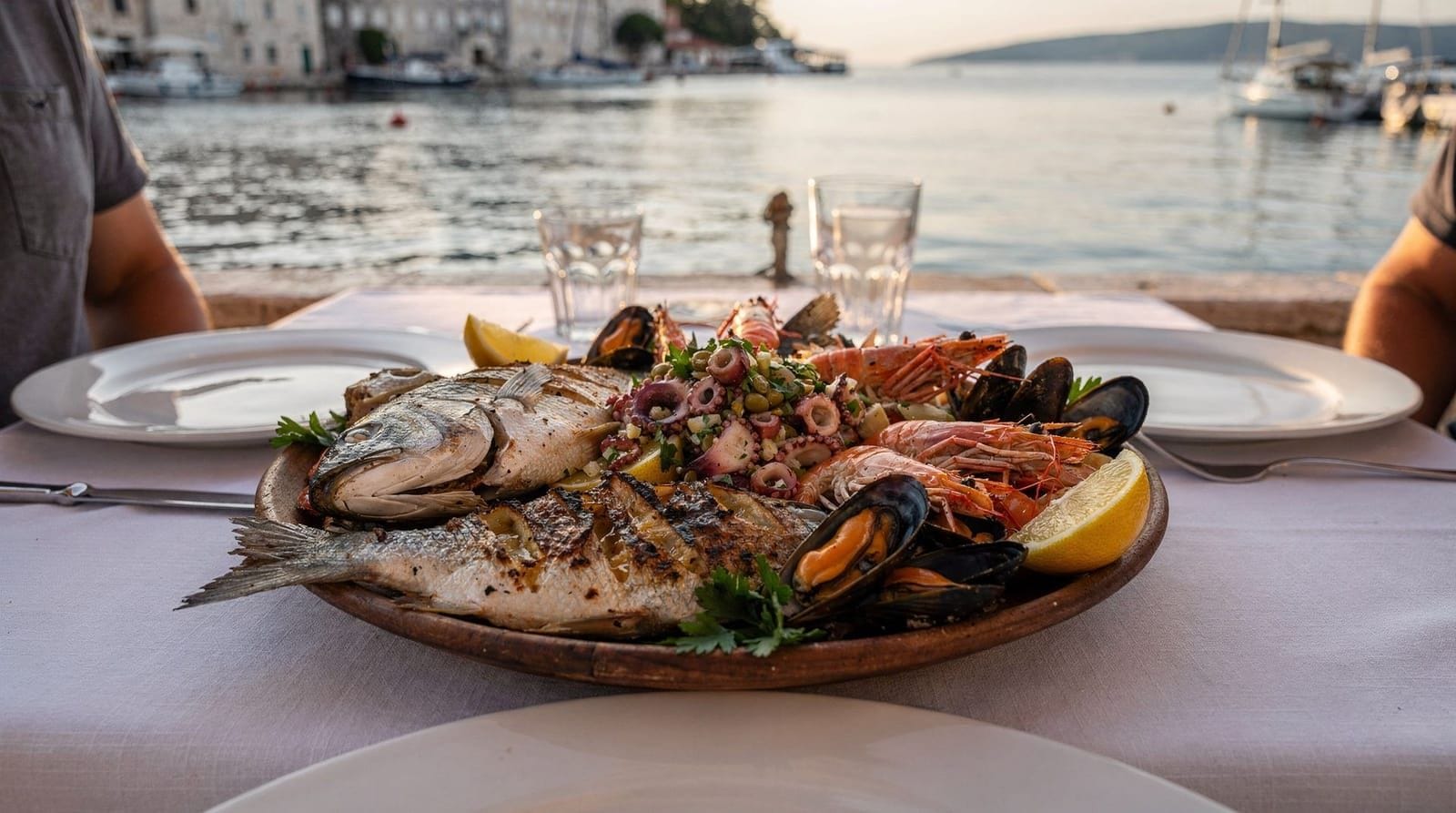
Dalmatian cuisine is the one most visitors encounter, and it is built on three things: olive oil, open fire, and the Adriatic. The fish comes in daily from small boats; the lamb grazes on rocky karst slopes where wild herbs — rosemary, sage, lavender — grow between the stones and flavor the meat without any human intervention. The olive oil from the islands (particularly Brač and Hvar) is cold-pressed and grassy, poured generously over everything from salads to grilled vegetables.
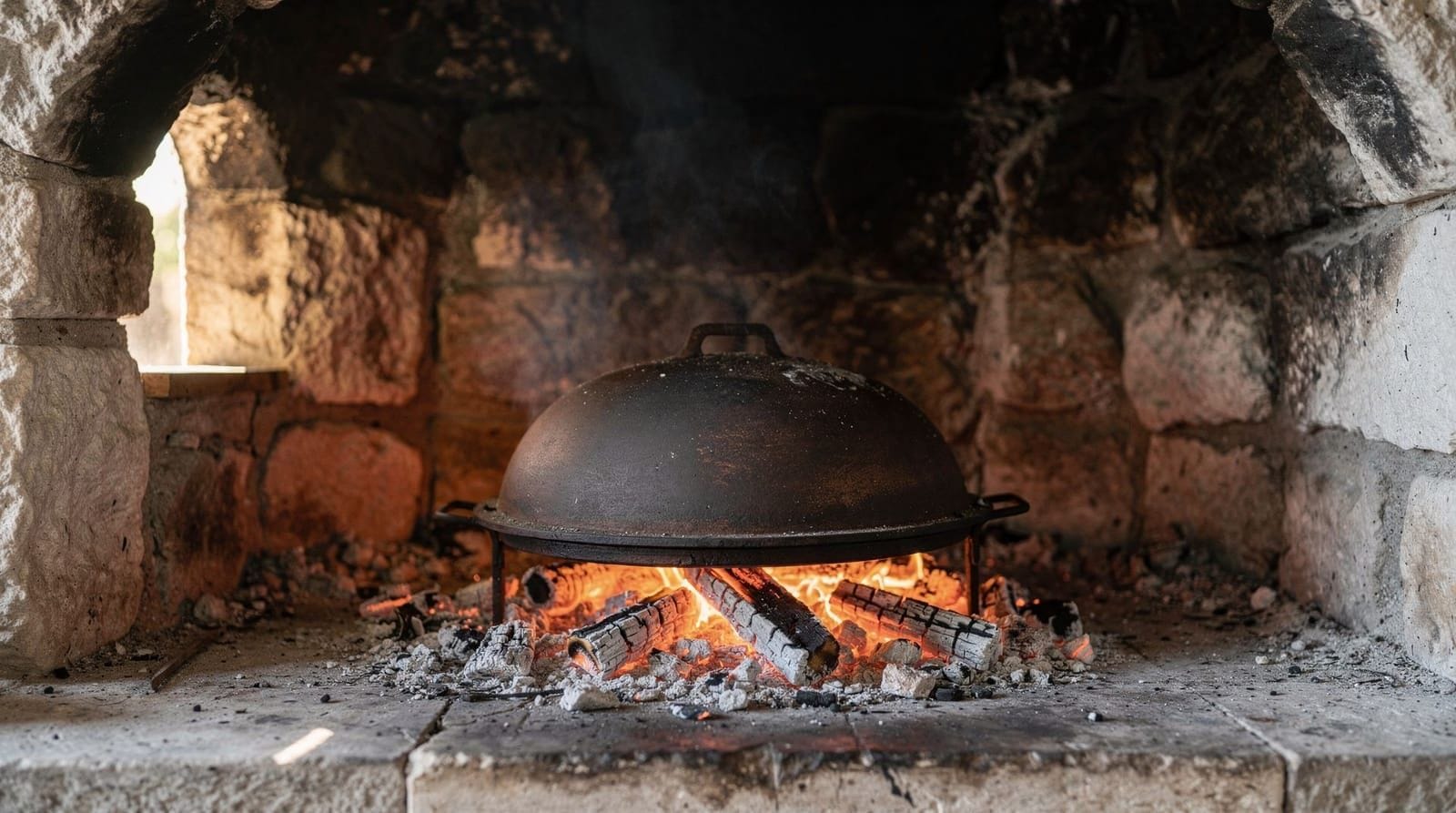
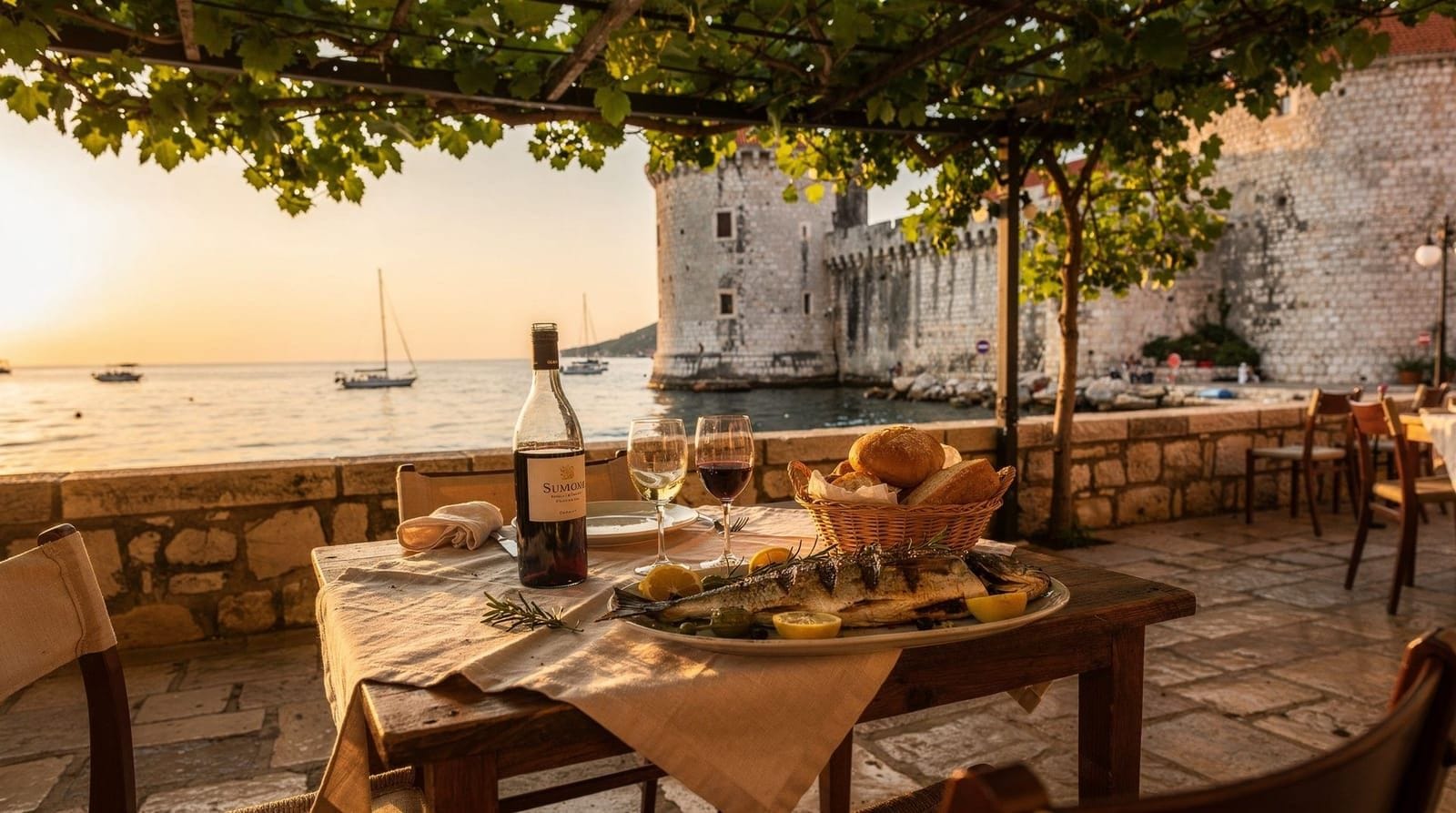
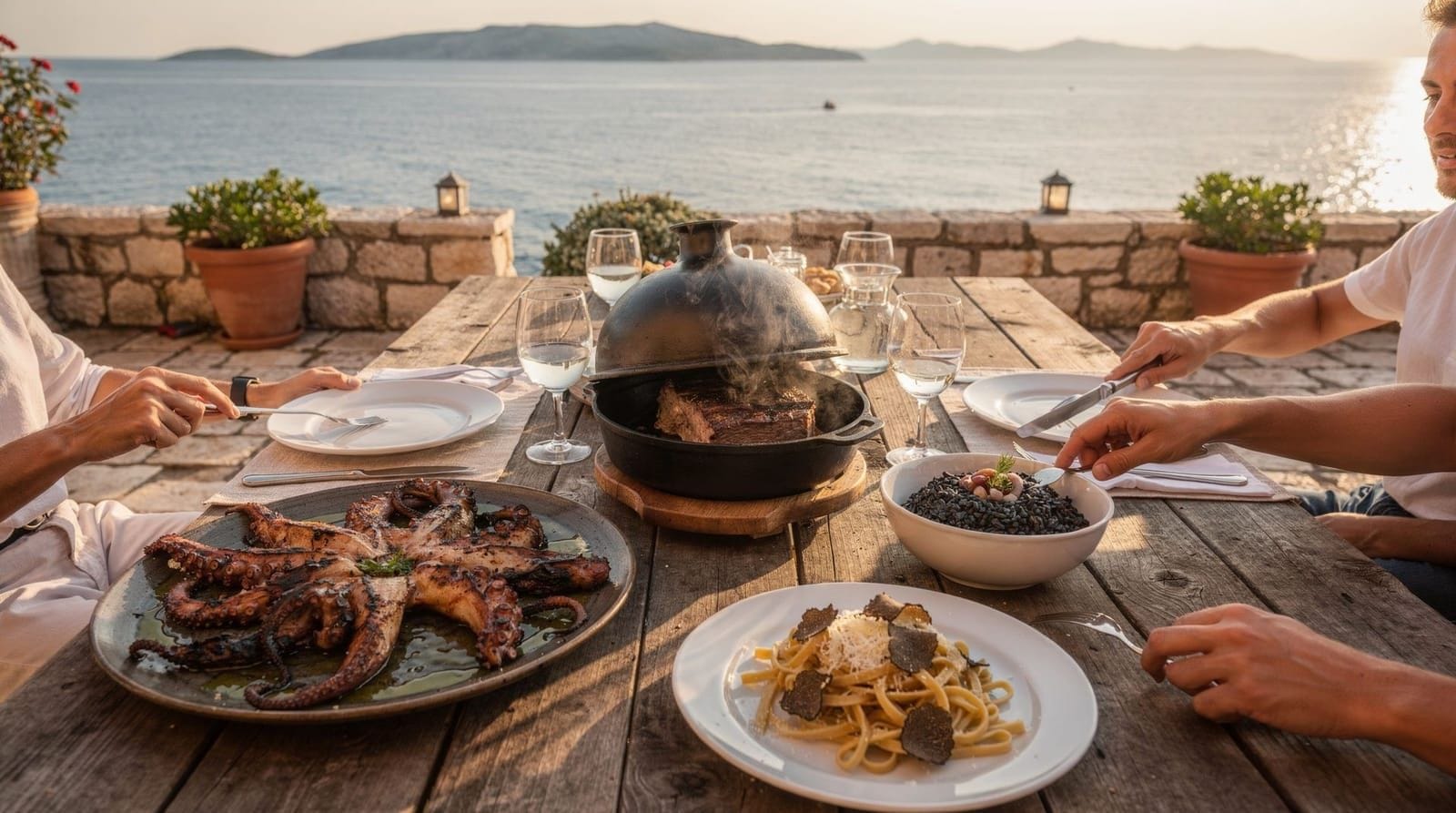
The central technique is cooking on open fire — na žaru, meaning “on the grill” — or under the peka, the iron bell that sits over embers for two hours while lamb or octopus slow-cooks inside. Both methods produce food that is simple on paper but depends entirely on ingredient quality. A grilled brancin (sea bass) with olive oil and Swiss chard at a konoba on Vis or Korčula costs €18–25 and needs nothing else.
Dalmatian starters center on cured ham (prsut), local cheese, olives, and pickled vegetables. The main dishes rotate around: grilled fish sold by the kilo (typically €25–50 per kg depending on species), crni rizot (black risotto with cuttlefish ink), brudet (fish stew with polenta), pasticada (braised beef marinated in vinegar, red wine, prunes, and spices — the festive dish of Split and the coast), and peka for those who plan ahead.
Istria: Italy with a Croatian accent
Istria was Venetian territory for centuries and then part of Italy until 1947. The food memory is Italian, but the ingredients are local. Fuzi is the defining pasta — quill-shaped, hand-rolled, made with eggs — served with truffles in season, with wild boar ragu, or simply with butter. Pljukanci is another handmade shape, thicker and twisted, also typical of the peninsula.
Istrian truffles from the forests around Motovun are genuinely world-class — the white truffle (Tuber magnatum pico) found here rivals Alba, and restaurants in Motovun shave it generously over pasta for €25–40 a plate. Black truffle is available year-round and is more affordable at €12–18 for a truffle pasta dish.
Istrian prosciutto (prsut istriano) is air-dried for 12–18 months, lighter and less salty than its Dalmatian cousin. Bosman (a local sheep’s milk cheese) and the harder sheep-cow blend called sir from local farms appear on every antipasto plate. Olive oil from Vodnjan and Rovinj has won international prizes. And Istrian malvazija — the white wine of the peninsula — is crisp, herbaceous, and made for food.
Slavonia and the continental east
The food of Slavonia — Croatia’s eastern region bordering Hungary and Serbia — is heavier, spicier, and largely unknown to tourists who stay on the coast. Kulen is the essential product: a paprika-spiced, slow-cured sausage made from quality pork, traditionally produced in autumn when pigs are slaughtered. Good kulen takes 6–9 months to cure and is peppery and deeply savory. The best comes from Baranja and around Osijek.
Slavonian cooking is fish-heavy too, but freshwater fish: catfish, carp, and pike-perch from the Drava and Sava rivers cooked as fiš paprikaš (a rich paprika fish stew) or grilled simply. The stews here — goulash, bean soups — are Central European in character, rich with lard and paprika.
Zagreb and the north: strukli and café culture
Zagreb’s food identity spans both worlds. The continental north (Zagorje, Medimurje) runs on mlinci (dried flatbread soaked in turkey drippings), zagorski strukli (cheese-filled pasta dumplings, baked or boiled), and turkey with mlinci as the Sunday roast. Strukli is so tied to Zagreb that it has EU Protected Designation of Origin status.
Zagreb has Croatia’s best restaurant scene for sheer variety — from formal fine-dining along Ilica to market-side taverns around Dolac. The city’s café culture is particularly strong: coffee here is not rushed, and the “coffee break” lasting 2 hours is a genuine social institution.
Key dishes to know by name
Peka — Lamb, veal, or octopus slow-cooked under an iron bell with vegetables. Must be ordered 2–4 hours in advance. Costs €15–20 per person. The most celebrated Croatian dish. Full guide: peka in Croatia.
Pasticada — Dalmatia’s signature meat dish: beef marinated for 24 hours in vinegar, then braised for 4+ hours with red wine, prunes, figs, and spices until it falls apart. Served with gnocchi. Expect €18–25 at a decent konoba.
Brudet (brodet) — A communal fish stew with multiple fish species cooked in wine, tomato, and onion, served with polenta. Each family and each konoba has their own version. Cheaper than whole grilled fish, and often better.
Crni rizot — Black risotto, colored and flavored with cuttlefish ink. Standard in every Dalmatian restaurant, variable in quality. Good versions use fresh cuttlefish and proper rice (arborio or carnaroli); bad versions taste of little. Judge a restaurant by its crni rizot.
Fuzi — Hand-rolled Istrian pasta, best with truffle sauce or white meat ragu. You will not find it on the Dalmatian coast — it belongs to Istria.
Manestra — A thick soup of seasonal vegetables (broad beans, corn, kale, potato) that varies by region. The Istrian version (manestra od bobica) with dried meat and beans is a full meal. Winter food, though you can find it year-round.
Strukli — Zagreb’s answer to the dumpling. Cheese filling, boiled or baked. Peceni strukli (baked, with cream) is the version to order. The restaurant Stari Fijaker 900 in Zagreb has served them for decades.
Kulen — Slavonian paprika sausage, deep red, intensely flavored. Buy it at Zagreb’s Dolac market or any Slavonian deli. A good kulen costs €15–25/kg.
Croatia’s food markets
Dolac, Zagreb
Dolac is Croatia’s most famous market, operating daily since 1930 on the terrace above Ban Jelacic Square in the heart of Zagreb’s Upper Town. It runs on two levels: the upper open-air terrace for vegetables, fruit, eggs, and herbs; the covered hall below for meat, dairy, and fish. Weekday mornings (7–11 am) are best. Come here for fresh cottage cheese (svjezi sir), kajmak (a cream cheese similar to clotted cream), locally grown vegetables, dried figs, and whatever honey is in season. Bring cash; most vendors do not take cards.
Pazar, Split
Split’s daily open-air market occupies the ground in front of the eastern walls of Diocletian’s Palace — the same site it has occupied since Roman times. Vegetable and fruit vendors set up early (6–7 am); the market winds down by 1 pm. This is the place in Split to buy olives, oil, homemade wine (ask before you buy; quality varies), lavender sachets, and local produce. A small section of covered stalls inside sells cheese, cured meats, and herbs.
Rovinj market, Istria
The daily market in Rovinj near the harbor is the Istrian equivalent — smaller than Dolac, but with excellent local produce: asparagus in spring, wild mushrooms and truffles in autumn, local sheep’s milk cheese year-round, and the peninsula’s olive oil. The morning truffle vendors sell small portions of fresh black truffle for €5–10 — enough to shave over pasta at home or in a rented apartment.
When to eat what: Croatian food seasons
Croatian food is seasonal in a way that genuinely matters. Eating by the calendar gives you the best version of everything.
Spring (April–May): Prstaci (date mussels, now legally protected — if offered, it is illegal), wild asparagus in Istria (scrambled eggs with wild asparagus is a spring obsession), young lamb for Easter, fresh broad beans, artichokes. Dalmatian lambs have been grazing on rocky hills for 3–4 months and are at their most flavorful.
Summer (June–August): Grilled fish season — the Adriatic is active, the catch is daily, and every konoba is setting up tables outside. Octopus salad (hobotnica salata), šugo (tomato sauce with shellfish), figs fresh from trees. This is the tourist peak; book konobas with peka in advance and eat dinner late (8–9 pm) to miss the worst crowds.
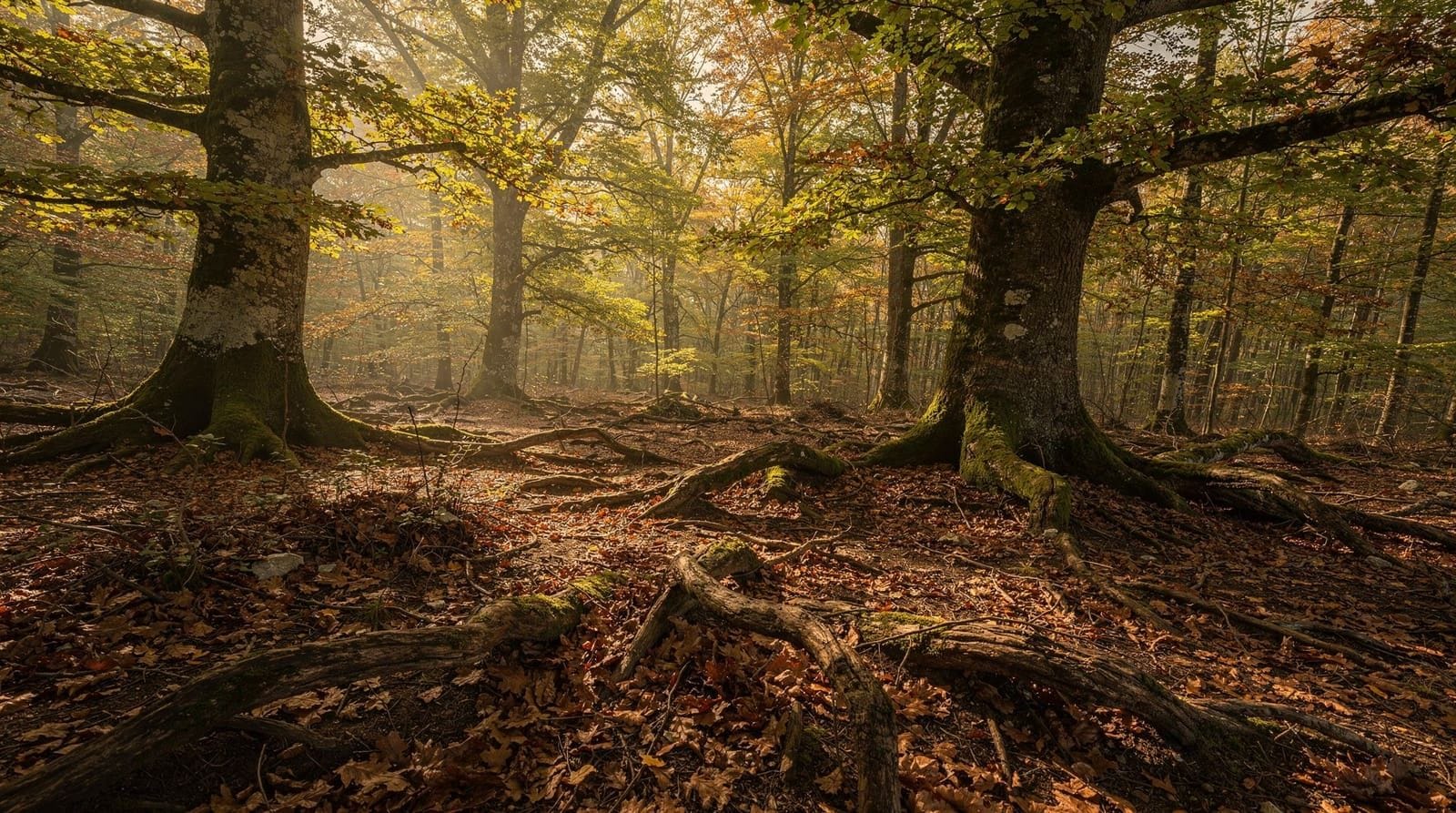
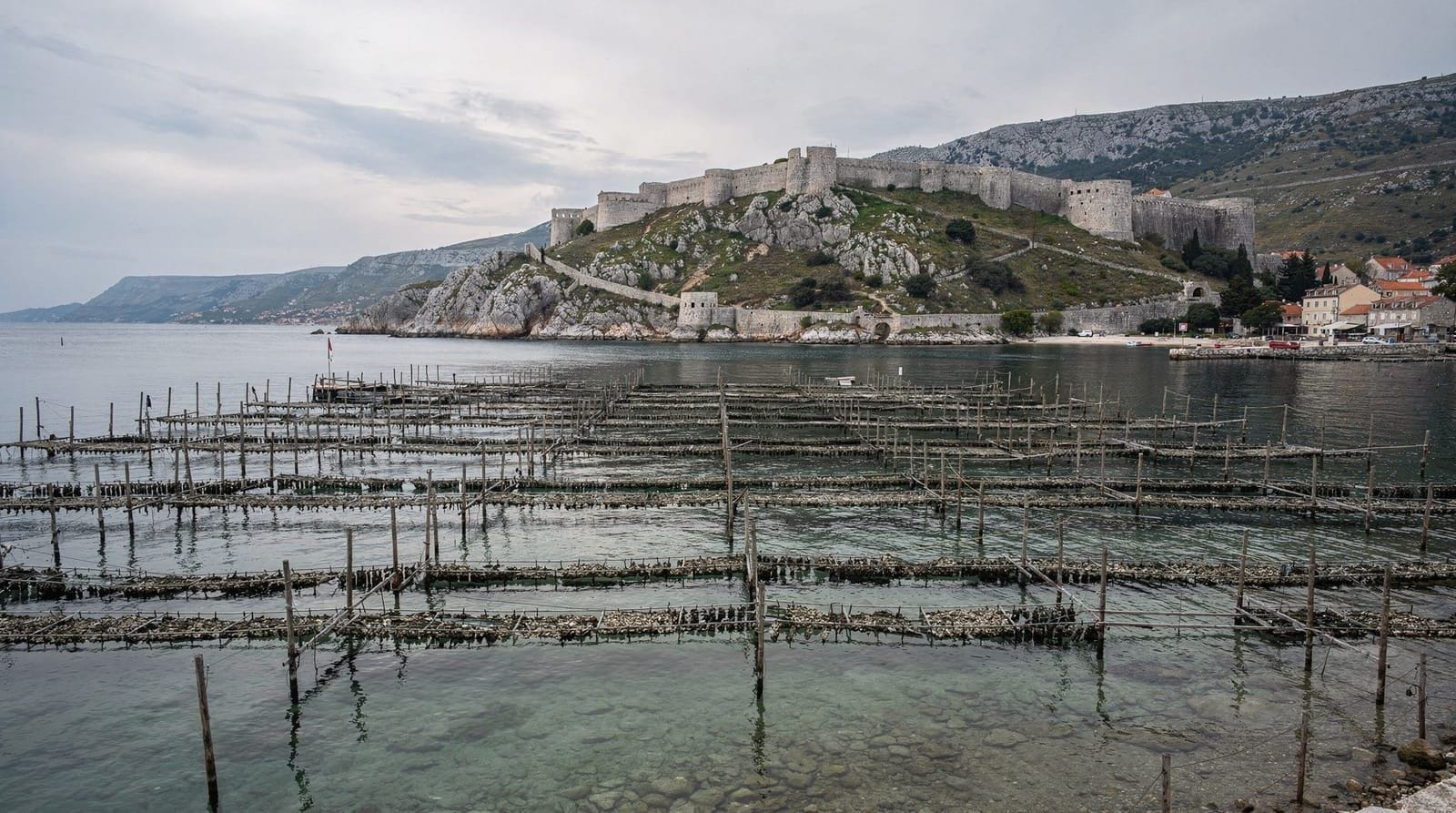
Autumn (September–November): Truffle season in Istria — the white truffle peaks October–December. Wild mushrooms everywhere: porcini (vrganj), chanterelles (lisičica). Grape harvest (berba) means fresh must (mošt) and new wine. Oyster season from Ston ramps up. Game: venison, wild boar.
Winter (December–March): Kulen, manestra soups, strukli in Zagreb, baked goods. Christmas brings fritule (fried dough balls with brandy and citrus), kroštule (fried pastry), and makovnjača (poppy seed roll). Fewer tourists, better prices, warmer food.
Eating in practice: what to know before you sit down
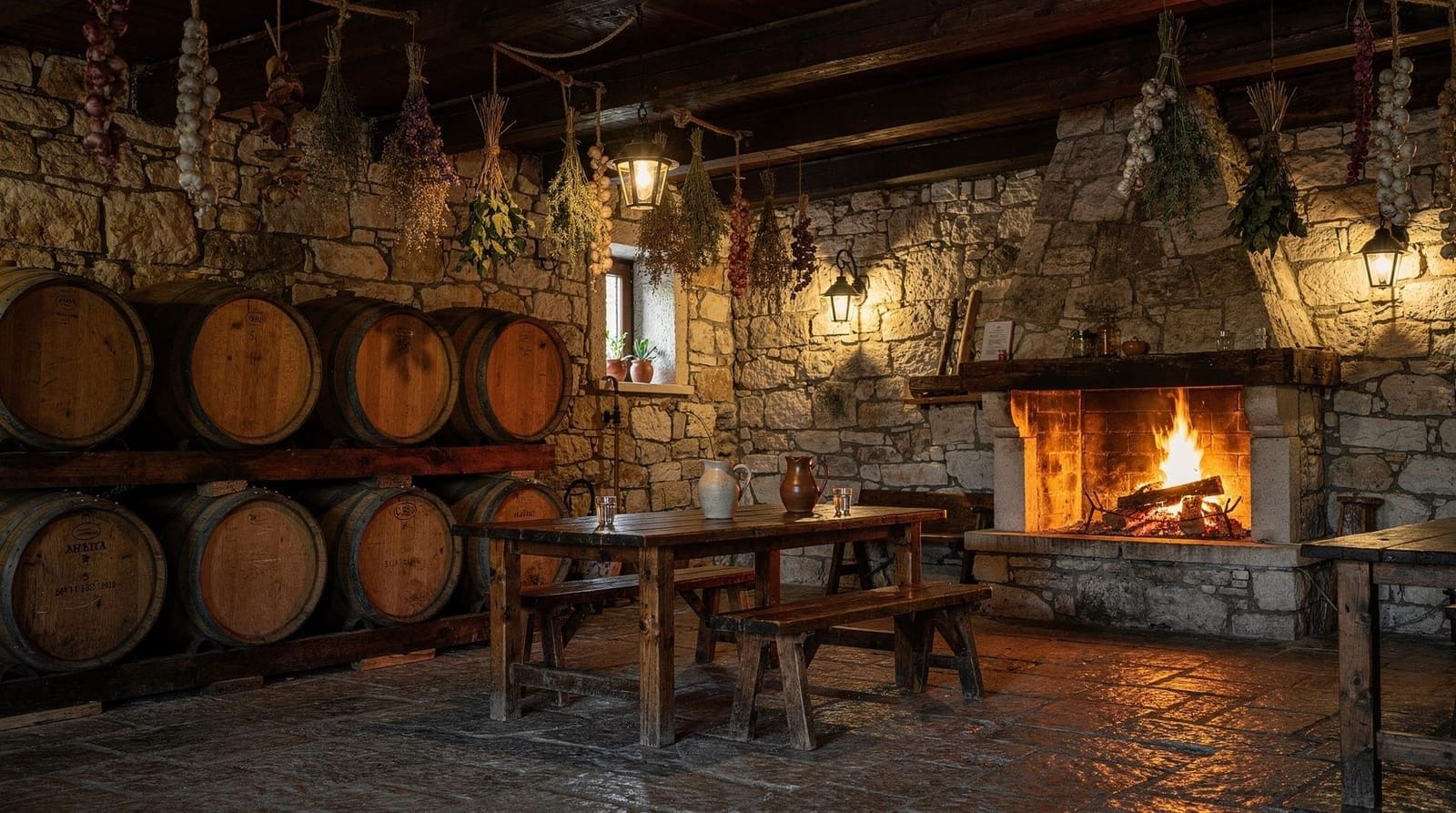
The konoba system. A konoba is the Croatian equivalent of a trattoria — a family-run tavern, often with a terrace, limited menu written on a chalkboard, house wine measured in decilitres. The best ones are not on TripAdvisor. Ask your accommodation host, the local at the market, the petrol station attendant. The rule: the further from the main tourist drag, the better the konoba.
Fish pricing. Whole fish in Dalmatia is priced by weight (po kili — per kilogram). A brancin (sea bass) for one person typically weighs 350–500g; at €35–50/kg, that is €12–25 for the fish alone before sides, bread, and wine. Always ask the price before confirming your order. Some restaurants will show you the fish first — this is normal. Farmed fish (uzgojeni) is cheaper and less interesting than wild (divlji); ask.
Bread and olive. Bread is almost always brought automatically and charged separately (€1–2 per basket). Olive oil for dipping is standard on the Dalmatian coast. Do not skip it — good Dalmatian olive oil, cold-pressed and grassy, is one of the simple pleasures of eating here.
Ordering wine by decilitre. House wine at konobas is poured in small carafes: 1 dl (decilitre), 2 dl, or 0.5 L. A 2 dl pour is roughly a large glass. White house wine in Dalmatia is usually local posip or grk; red is plavac mali. In Istria, malvazija dominates.
Tipping. Not mandatory in Croatia, but rounding up is appreciated. A 10–15% tip is the norm at sit-down restaurants with table service; round to the nearest €5 at konobas. No tip required at market stalls or bakeries.
Food tours and guided experiences
The easiest way to eat well on arrival — before you know the lay of the land — is a guided food tour. They pay off most in cities (Zagreb, Split) where the geography can be confusing and the quality varies widely.
In Split, a food tour takes you through Pazar market at opening time, into a konoba for peka and local wine, and often includes a hands-on element like olive oil tasting. The small-group format keeps it personal:
The Real Split food tour is particularly well-regarded for getting beyond tourist traps into genuine neighborhood eating:
In Dubrovnik, where eating well is genuinely harder amid the tourist infrastructure, a guided tour is worth the investment:
Zagreb’s morning food tour runs before the crowds arrive at Dolac and combines market browsing with a sit-down breakfast of traditional dishes:
Drinks alongside the food
Croatian wine is a serious subject. On the coast: plavac mali from Pelješac and the islands is the dominant red — full-bodied, high-alcohol, excellent with lamb and fish. Posip from Korčula is the white of choice in Dalmatia. Istria produces malvazija, the workhorse white of the peninsula, and teran, a tannic red that pairs with prosciutto and game.
Beer: Ozujsko and Karlovacko are the main Croatian lagers — drinkable cold, nothing special. Craft beer is growing, particularly in Zagreb and Split, with a handful of local breweries producing IPAs and wheat beers.
Coffee: Croatia takes coffee seriously. An espresso is kava; a macchiato is kava s mlijekom; ordering just “kava” gets you a small black shot. Coffee is never rushed — ordering one and sitting for 90 minutes is normal and acceptable everywhere.
Rakija: The local fruit brandy, offered before and after meals. Accept the glass. It is part of Croatian hospitality.
Regional food itineraries: pairing eating with a trip plan
Food is regional enough in Croatia that where you base yourself genuinely determines what you’ll eat most of. A Dalmatian island-hopping trip means grilled fish, peka and Pošip or Plavac Mali wine at nearly every meal; an Istria–Zagreb–Slovenia circuit shifts the emphasis toward truffles, fuzi pasta and Malvazija, with a detour into strukli and Central European stews around Zagreb. Neither is more “authentically Croatian” than the other — they’re simply different regional cuisines under one national label.
If your trip covers multiple regions, plan food highlights by location rather than trying to find, say, good peka in Zagreb or excellent kulen on the coast — both exist but are working against local supply chains and tradition. For seafood specifically, the Croatian seafood guide goes deeper into species, pricing and preparation than this overview does; for the sweet side of the country’s food culture, see Croatian desserts.
Ordering with confidence: a short survival guide
At a konoba with no printed menu: Ask “sta imate danas?” (what do you have today?). This is completely normal — many of the best konobas cook from what arrived at the market that morning rather than a fixed menu.
When fish pricing feels opaque: Always confirm the price per kilo before agreeing, and don’t be shy about asking to see the fish first — restaurants routinely bring it to the table before cooking, and it’s expected practice, not an imposition.
When you don’t recognise a dish name: Croatian menus mix regional dialect words freely; asking the waiter to describe a dish rather than guessing from the name saves disappointment, particularly with the more obscure Slavonian and Istrian names.
When ordering for a group with different appetites: Sharing is normal and expected at a konoba — order a few starters, a couple of mains, and split rather than each person ordering a full individual meal, which often produces more food than anyone can finish.
Budgeting for food across a Croatia trip
Food costs vary more by location than by dish type. A grilled fish dinner at a genuine neighbourhood konoba in Vis or inland Istria can run half the price of the identical dish on Dubrovnik’s Stradun or Split’s Riva — the ingredients and preparation are often comparable; the rent and footfall are not. Budget-conscious travellers get the best value by eating market food for lunch (burek, fresh fruit, cheese from Dolac or Pazar) and saving a proper sit-down konoba meal for dinner, rather than paying restaurant prices for every meal of the day.
As a rough daily benchmark: €15–25 covers a frugal day of market food, bakery pastries and one modest konoba meal; €40–60 covers comfortable eating with a proper sit-down lunch and dinner most days; €80+ per day moves into destination-restaurant and fine-dining territory, more common in Zagreb and Dubrovnik than on the smaller islands. For a fuller breakdown of costs beyond food, see Croatia daily costs and is Croatia expensive.
Frequently asked questions about Croatian food guide
What is the most famous Croatian dish?
Peka is probably the most iconic — meat or octopus slow-cooked under an iron bell (also called peka) covered with embers. It requires 2 hours of cooking and must be ordered in advance at most konobas. Pasticada (braised beef in a prune and wine sauce) is a close second in Dalmatia and is the traditional wedding dish.How much does a meal cost in Croatia?
A konoba lunch — starter, main of grilled fish or meat, house wine, bread — runs €25–45 per person in Dalmatia and Istria, slightly less in Zagreb. Touristy restaurants in Dubrovnik Old Town push €50–70 per person easily. Fish markets and delis offer cheap snacks: grilled fish sandwiches for €4–6, pastries for €1.50. Budget travelers can eat well on €20/day if they use markets and bakeries.What are the best food markets in Croatia?
Dolac in Zagreb is the reference: a two-tiered covered and open-air market open daily (best on weekday mornings) with vegetables, dairy, honey, and dried fig products. Pazar in Split, just outside the Diocletian's Palace east gate, is the best Dalmatian market for local produce, olives, and homemade rakija. Rovinj's daily market near the port is the Istrian equivalent.Is Croatia good for vegetarians?
Better than you might expect in cities; harder in rural Dalmatia. Istria has strong vegetable and truffle-based pasta dishes. Zagreb has a growing vegetarian restaurant scene. In Dalmatia, seafood-free options are limited on konoba menus — brudet, buzara, and peka dominate. Markets everywhere sell excellent cheese (paski sir from Pag island), olives, and seasonal vegetables. Ask specifically at konobas — most can prepare a cheese or vegetable plate.What should I eat for breakfast in Croatia?
Most Croatians eat light — coffee (espresso-based, always strong) and a kroasan (croissant) or burek (flaky pastry filled with cheese or meat, eaten standing at a pekara/bakery). Hotel buffets exist but most locals skip them. In Dalmatia, a fresh fig with goat cheese or a plate of cured ham at a market is a better start than any hotel breakfast.What is burek and where do I find it?
Burek is a flaky filo pastry baked in large coils, filled with cheese (sir burek) or minced meat (meso burek). Every town has at least one pekara (bakery) open by 6 am that sells it freshly baked for €1.50–2.50 per portion. Split's Pazar market area has several; Zagreb's Upper Town neighborhood has good ones on Ilica street. Eat it hot.What is rakija and should I drink it?
Rakija is fruit brandy — Croatia's national spirit, made at home by virtually every family. Loza (grape marc), sljivovica (plum), travarica (herb), medica (honey), and biska (mistletoe, an Istrian specialty) are the main types. It is offered before meals as an aperitif and after as a digestif. Accept it. It is usually homemade and much better than commercial versions. A small glass at a konoba is free or €2–3.
Top experiences
Bookable activities with verified prices and instant confirmation on GetYourGuide.
Top experiences
Best-rated activities across GetYourGuide and Viator.

Krka National Park Tour with tour Guide & Wine tasting from Split & Trogir
- Viator

Dolphin Watching & Sunset Boat Tour With Drinks & optional Dinner
- Viator

Fantastic DOLPHIN & SUNSET TOUR with dinner ( Pula-NP BRIJUNI )
- Viator

Dubrovnik Guided Group Tour with Ston Oyster tasting from Split & Trogir
- Viator

Zadar Highlights: Old Town, Sea Organ & Local Tastings
- Viator

Zadar: Luxury Island Boat Tour, Snorkeling & Unlimited Wine
- Viator