Is Croatia worth visiting? an honest assessment
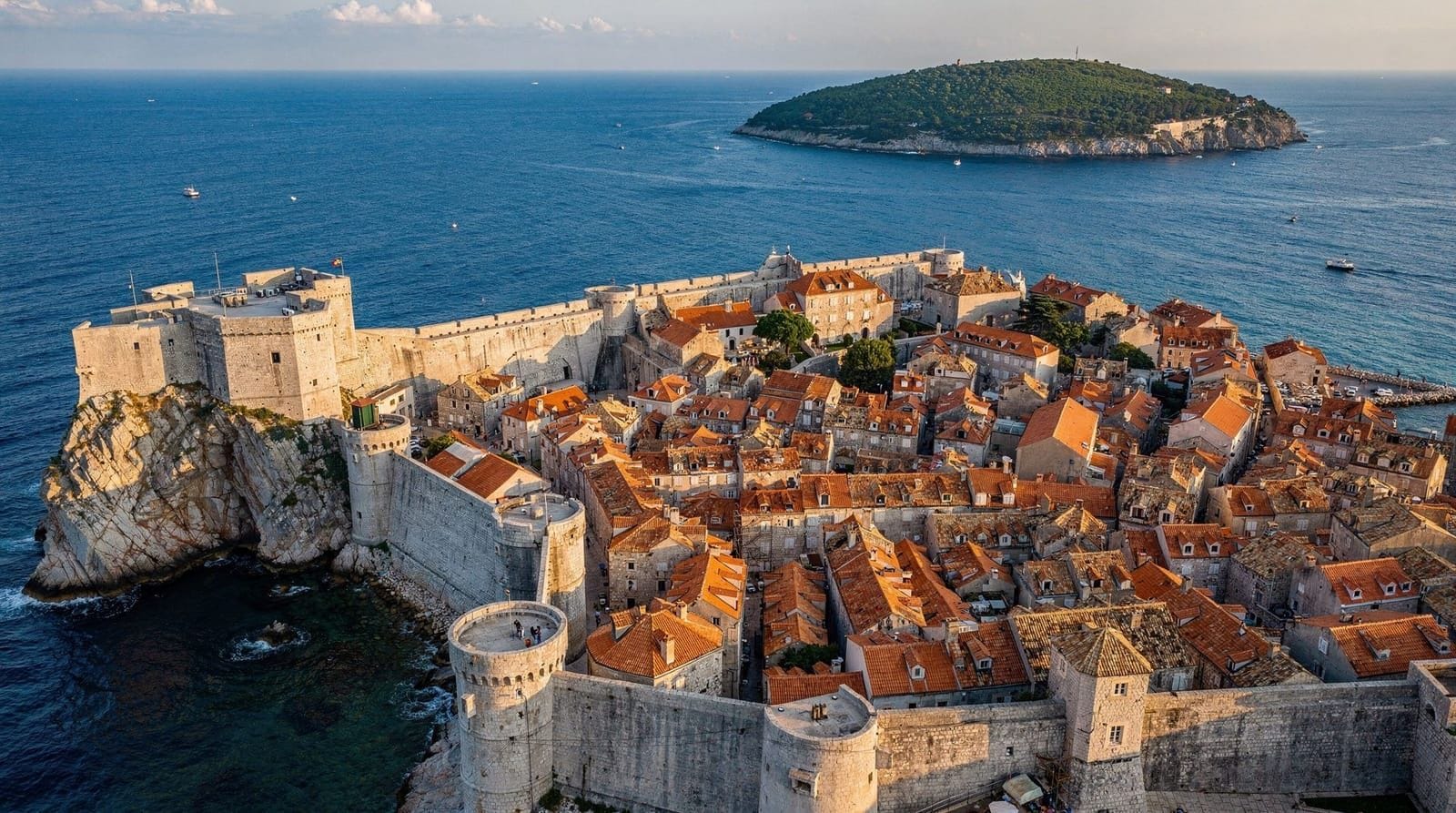
Dubrovnik: City walls walking tour
Is Croatia worth visiting?
Yes — but the version you get depends heavily on when you go and where you base yourself. Croatia in late May, June or September is one of Europe's great travel experiences: warm sea, stunning coastline, UNESCO heritage, excellent food and wine, and manageable crowds. The same trip in late July or August costs significantly more and involves significantly more people. Dubrovnik in peak season has genuine overtourism problems. Know what you're booking into.
Let’s be direct: Croatia is genuinely worth visiting. The coastline, the islands, the food, the history — these are not exaggerated in the marketing. What the marketing does tend to smooth over is that the experience varies enormously depending on when you go, where you base yourself, and how you engage with the country beyond its most famous postcards.
This guide gives you the honest version. The pros are real. The cons are real. The verdict is nuanced.
| Best time to go | Late May–mid-June or September |
| Avoid if crowd-averse | Dubrovnik/Hvar, mid-July–August |
| Sandy beaches | No — pebble/rock, exceptionally clear water |
| First-timer base | Split or Dubrovnik |
| Minimum trip length | 7 days to see the coast properly |
What Croatia gets genuinely right
Coastline and islands
The Dalmatian coast is objectively extraordinary. Over a thousand islands — most uninhabited, some barely touched by tourism — sit in some of the clearest, warmest water in the Mediterranean. The sea temperature reaches 25–26°C in August and stays comfortable for swimming through most of September. The clarity of the water even in busy areas is remarkable.
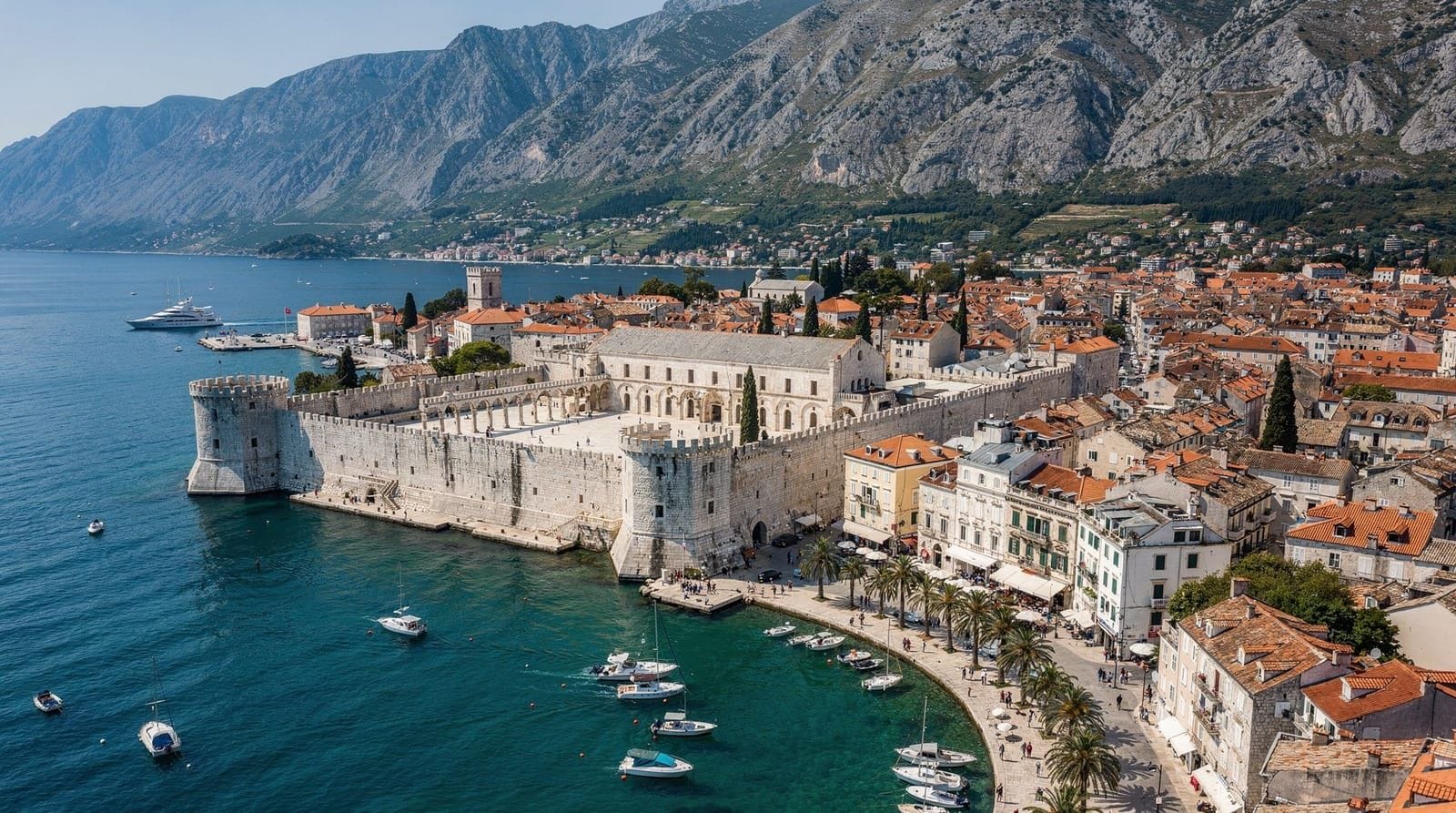
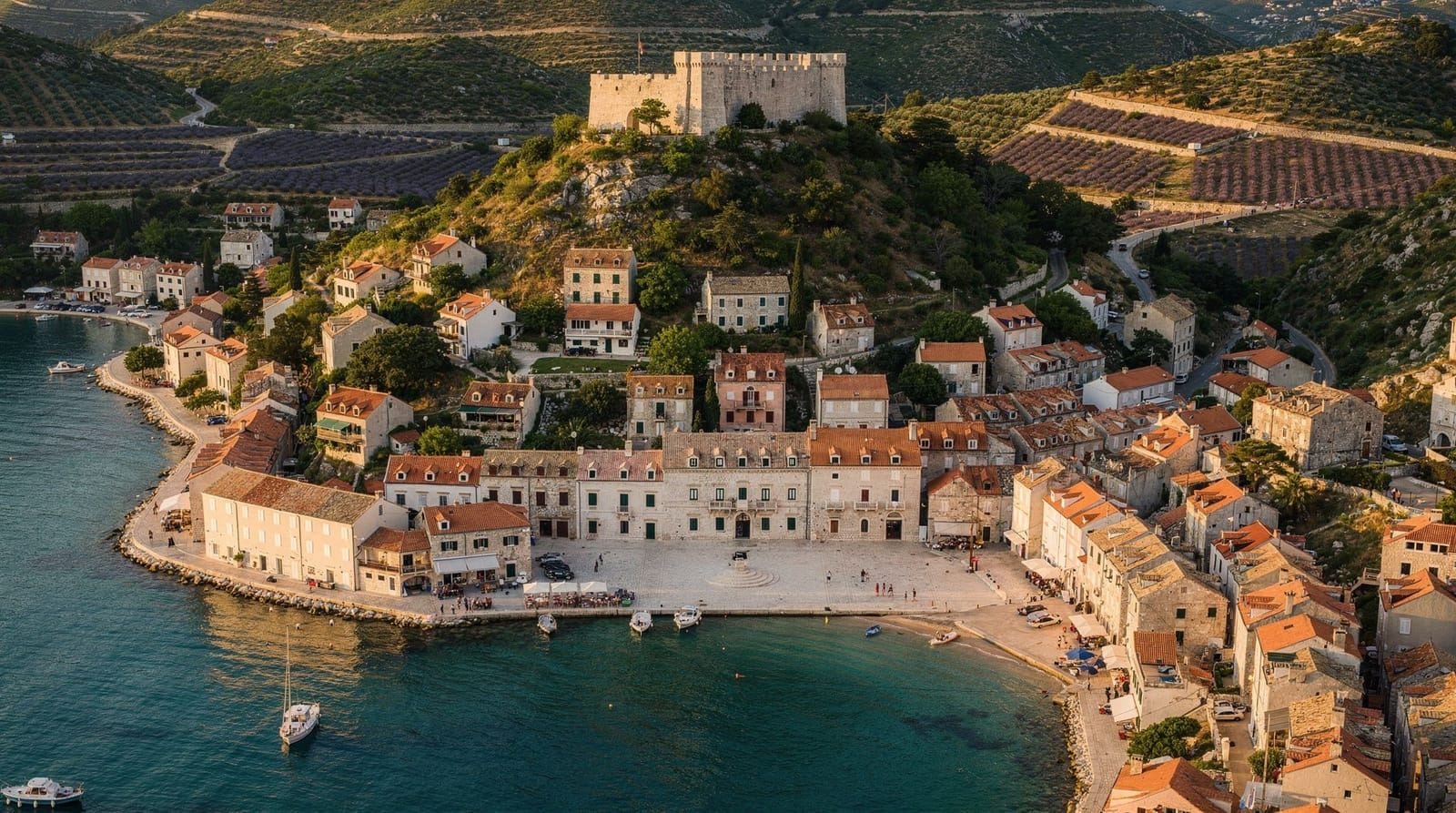
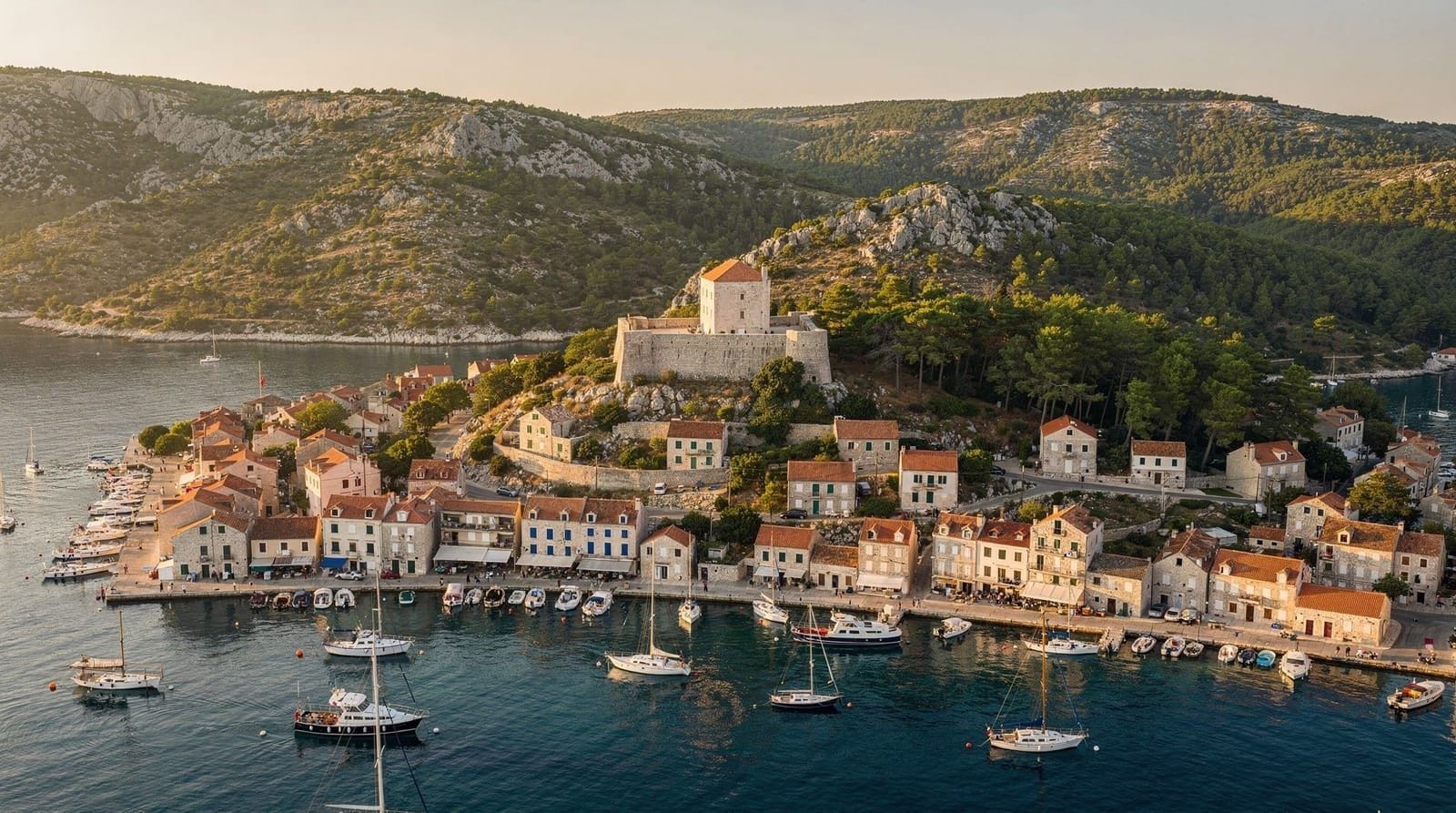
Vis is the most striking example of what Croatia can be: a large island with two small towns, no mass tourism, excellent wine, extraordinary beaches (Stiniva cove, Srebrena), and a genuine local culture. Korčula town has a walled old city that rivals Dubrovnik for atmosphere at a fraction of the crowd levels. Mljet has a saltwater lake with a tiny island monastery and almost no people. These places exist in the same country as the overcrowded Stradun in Dubrovnik in August.
UNESCO heritage and history
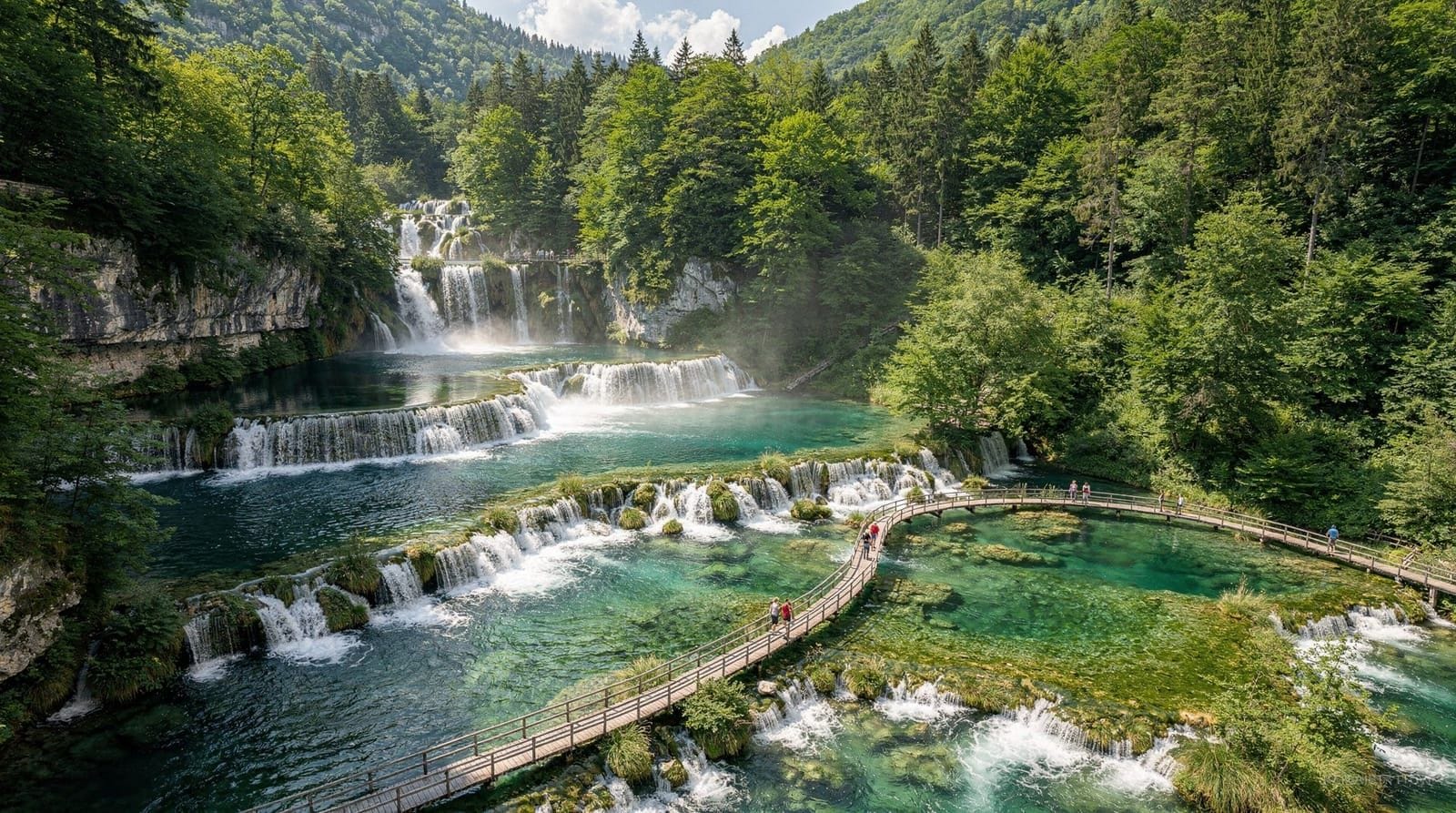
Croatia punches above its weight on UNESCO sites: Dubrovnik’s Old City, Split’s Diocletian’s Palace (a Roman emperor’s retirement home that became an entire city), Šibenik’s Cathedral of St. James, Plitvice Lakes national park, and Stari Grad Plain on Hvar. Diocletian’s Palace in Split deserves particular mention — it’s not a roped-off museum but a functioning urban neighborhood where people live, work, and eat inside ancient Roman walls. Walking it early in the morning before the tour groups arrive is one of the best experiences in Europe.
Dubrovnik City Walls tourFerry network and island-hopping infrastructure
Croatia’s ferry system — primarily operated by Jadrolinija, with fast catamarans from Krilo — makes island-hopping genuinely accessible without a private boat. Split connects to Brač in 50 minutes, Hvar in 1 hour, Vis in 2.5 hours. The coastal catamaran from Split to Dubrovnik stops at Hvar, Korčula, and Mljet — you can island-hop along the whole Dalmatian coast on one continuous journey. Few Mediterranean countries make island access this straightforward.
Food and wine
Croatian food has become genuinely excellent over the past decade, particularly in Istria and Dalmatia. Istrian truffles are world-class and significantly cheaper than the Italian equivalent found just across the border. Dalmatian seafood — grilled fish, octopus peka, black risotto (crni rižot) — is outstanding when prepared well. Plavac Mali wine from Pelješac is worth discovering, as is Pošip white wine from Korčula and Graševina from Slavonia in the east.
The caveat: the tourist corridor in Dubrovnik and Hvar serves a lot of mediocre food at high prices. Locals don’t eat on the Stradun. Eating one street back from the tourist thoroughfare typically halves the price and doubles the quality.
Safety
Croatia is consistently rated among the safer European destinations. Violent crime affecting travelers is extremely rare. The emergency number is 112. Hospitals in Split, Dubrovnik, and Zagreb handle tourists routinely. Tap water is safe throughout the country. The main petty crime — pickpocketing — concentrates in the most crowded tourist areas in July–August and is entirely preventable with basic precautions.
Genuine suitability for multiple travel styles
Croatia works for:
- Couples (romantic islands, excellent food and wine, sailing)
- Families (calm sea, Plitvice Lakes, beach infrastructure)
- Solo travelers (excellent hostel network, social ferry culture, safe)
- Adventure travelers (rafting, diving, hiking, sailing)
- City break travelers (Zagreb, Split, Dubrovnik)
- Culture enthusiasts (Roman, Venetian, Byzantine, medieval heritage)
Few European countries serve this range of styles this effectively.
Split Old Town walking tourWhat Croatia gets wrong: the honest cons
Dubrovnik’s overtourism problem
This is real and has been worsening for years. Dubrovnik attracted roughly 1.5 million visitors in 2023 to a city with a permanent population of around 42,000. Cruise ships dock in Gruž harbor and release several thousand passengers per vessel into the Old Town on a single morning. The city has implemented visitor caps on the City Walls and cruise ship numbers, but the impact of peak-season crowds on the Old Town experience is significant.
Between mid-July and late August, the Stradun at midday is extremely crowded, cafés charge premium tourist prices, and the “experiencing a medieval city” feeling is difficult to sustain. The solution is not to avoid Dubrovnik — it’s genuinely beautiful — but to visit in late May, June, September, or October, and to stay in the city rather than visiting as a day-tripper.
Parking and old town access
Most of Croatia’s most beautiful towns have old centers that are pedestrianized or have very restricted vehicle access. This is architecturally correct but logistically frustrating if you have a car. Dubrovnik, Split, Hvar town, Trogir, Šibenik, Rovinj — all of them make parking difficult, expensive, or impossible within walking distance of the historic center. This isn’t unique to Croatia (it’s the same in Dubrovnik, Santorini, or Cinque Terre), but it’s worth knowing before you rent a car and assume you’ll park by your accommodation.
Peak season prices
Croatia is no longer cheap in peak season. Late July and August in Dubrovnik or Hvar is comparable in price to Santorini or the Amalfi Coast. A mid-range double room in Dubrovnik’s Old Town in peak season: €200–400/night. A sunset boat cruise from Hvar: €60–120 per person. Cocktails in Hvar’s Carpe Diem beach bar: €15–20 each.
This is not a problem if you expect it. It is a problem if you’ve been told Croatia is a budget destination (it was, 10 years ago).
The antidote is timing: May, June, and September offer 30–50% lower prices for accommodation, shorter queues, and nearly identical weather. The sea is warm enough to swim comfortably from June through September. This is the single most impactful decision you can make.
The tourist-trap seafood circuit
Every major tourist area has restaurants selling mediocre grilled fish and overpriced seafood platters to people who don’t know better. The most concentrated versions of this are along the Stradun in Dubrovnik, the main harbor in Hvar town, and the waterfront in Makarska. A “mixed seafood platter for two” on the Stradun can cost €80–120 and be disappointingly average.
The fix is straightforward: walk one or two streets inland, look for restaurants that feel local, check that the menu has Croatian names alongside English translations, and avoid anywhere with photographs of every dish. The honest restaurants are there — you just have to walk slightly further to find them.
Smaller islands off-season: limited services
Vis, Lastovo, and some parts of Korčula close significantly in winter. Many restaurants and hotels shut from November through March or April. Ferry frequency drops to one or two services per day. If you have a medical emergency on a small island in February, the nearest serious hospital is a ferry ride and a drive away. This matters if you’re planning an extended off-season stay — it’s less of an issue for the main tourist season.
The verdict by season
Late May – mid-June: Arguably the best time to visit Croatia. Sea warming up (22–23°C by mid-June), crowds manageable, prices not yet peak, wildflowers on the islands, everything open. If you can only go in one window, make it this one.
Late June – early July: Still excellent. Busier but not overwhelmed. Prices beginning to rise.
Mid-July – August: Beautiful but expensive, crowded in the main tourist areas, accommodation should be booked months ahead. Avoid Dubrovnik and Hvar town if crowds affect your enjoyment. Vis and Mljet remain relatively calm.
September – mid-October: Another sweet spot. The sea is at its warmest (24–26°C in early September), crowds have thinned, prices drop, and the autumn light is extraordinary. Arguably better than June for swimming.
November – April: Off-season. Island services minimal, many accommodations closed. Suitable for Zagreb city breaks and inland Croatia year-round. Not recommended for first-time visitors seeking beaches.
Plitvice Lakes day tour from SplitIs Croatia worth it compared to alternatives?
vs. Greece: Croatia and Greece are genuinely comparable — both have outstanding islands, clear water, great food, and significant tourist infrastructure. Greece has more islands and more diversity in culture and archaeology. Croatia has a more intact Old Town network and arguably better mainland infrastructure. Cost: roughly similar in peak season. Preference is personal.
vs. Italy: Italy has more cultural depth, better food diversity, more UNESCO sites. Croatia is cleaner coastwise, has clearer water, and is less chaotic. Italy is more expensive in general; Croatian islands are more accessible than Italian islands (Sardinia, Sicily).
vs. Montenegro: Montenegro is cheaper and less developed, with Kotor offering a beautiful bay but less infrastructure. Many visitors do a Dubrovnik–Kotor circuit as a combined trip, which solves the comparison problem entirely.
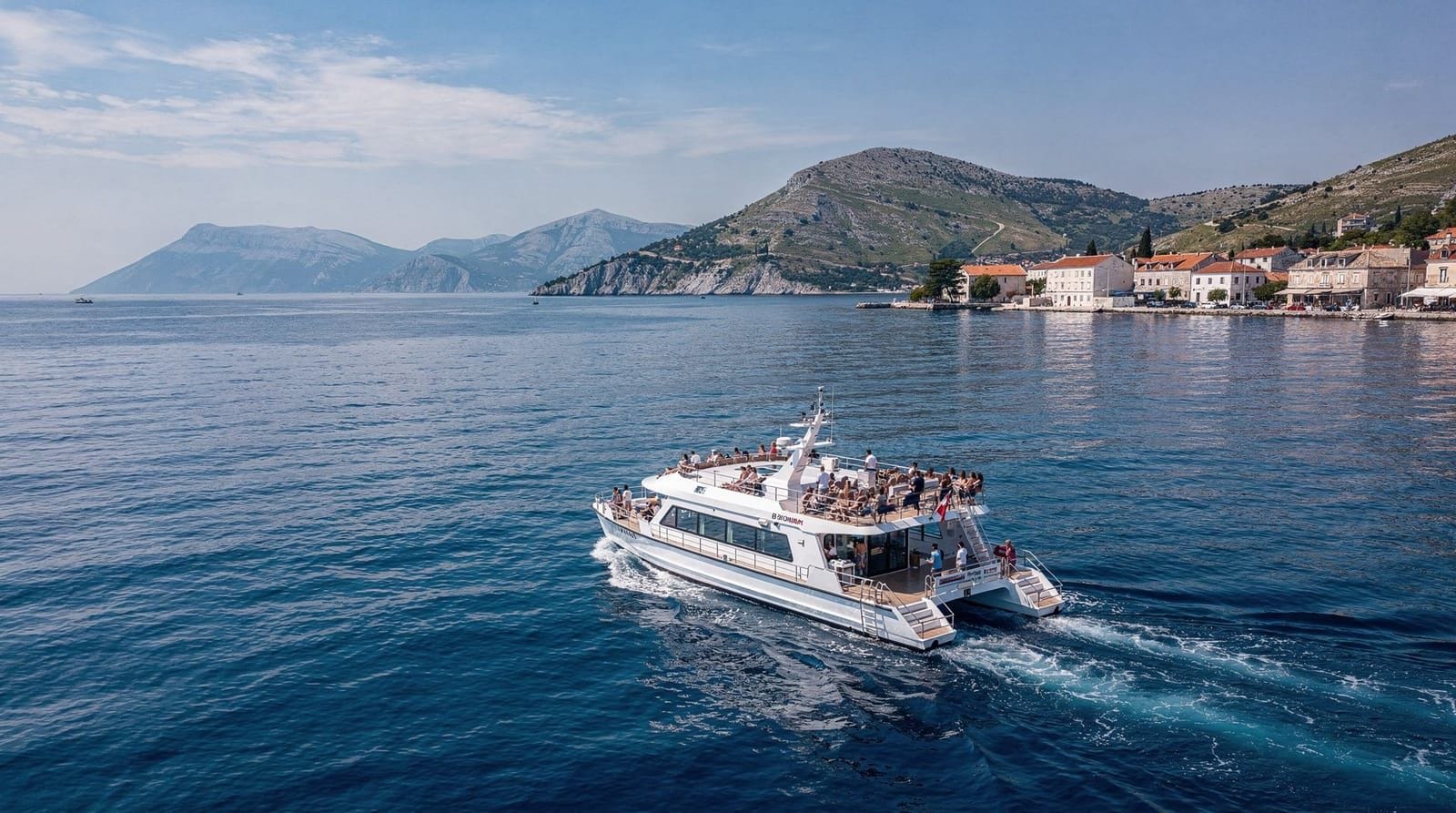
Private boat tour: Hvar south and Pakleni IslandsCroatia by travel style: is it worth it for you specifically?
The honest answer to “is Croatia worth it” varies significantly by who’s asking.
For beach lovers: Yes, with a caveat. Croatian beaches are almost universally pebble or rock, not sand. The water clarity and color are exceptional — better than most Mediterranean alternatives — but if you specifically need a sandy beach, Croatia will disappoint. Zlatni Rat on Brač is the closest to a sand beach Croatia has (it’s actually a pebble spit that changes shape with currents). If you’re flexible on pebble, Croatia’s beaches are world-class.
For culture and history enthusiasts: Unambiguously yes. The density of UNESCO sites, Roman ruins, Venetian-era architecture, and medieval walled towns along a relatively compact coastline is remarkable. Split’s Diocletian’s Palace, Dubrovnik’s walls, Šibenik’s cathedral, Trogir’s Old Town — these are genuine first-tier European heritage sites, not minor attractions.
For food and wine travelers: Very much yes, especially if you include Istria. The truffle country around Motovun and Rovinj produces world-class truffles at a fraction of Italian prices. The Pelješac Peninsula wines, Korčula’s Pošip, Hvar’s Plavac Mali, and the šibenik-area maraschino liqueur culture are all genuinely interesting. Zagreb’s restaurant scene has emerged as one of the better value fine-dining cities in Central Europe.
For families: Croatia is a strong option for families. The sea is calm (limited Atlantic swell, no rip currents in most areas), very clean, and warm enough for children to enjoy from late May through September. National parks are well-suited to mixed-age groups. The food is good and broadly accessible. The limitation: childcare facilities, playgrounds, and specifically child-oriented activities are less developed than in northern European destinations.
For budget travelers: Possible but harder than it used to be. Hostel dorms in Zadar and Zagreb remain genuinely affordable. Peak-season Hvar and Dubrovnik are not budget destinations by any measure. The key is timing (shoulder season) and base selection (Zadar over Dubrovnik, Split over Hvar). See the Croatia on a budget guide and the Croatia daily costs breakdown for specifics.
For adventure travelers: Croatia is underutilized as an adventure destination. White-water rafting on the Cetina near Omiš, rock climbing at Paklenica, hiking in the Velebit mountains, sea kayaking around Dubrovnik and Hvar, diving around Vis and Lastovo — these are excellent experiences that most visitors walk past on the way to the wall or the beach.
What makes Croatia specifically better than the alternatives
Better than Italy (coastwise): Italian coastal destinations — Cinque Terre, Amalfi Coast — are more scenic in the dramatic cliff-and-village sense, but they’re also more crowded, more expensive, and harder to access independently. Croatia’s island ferry network is genuinely more user-friendly than Italian island transport.
Better than Greece (island-hopping logistics): Greek island-hopping requires more planning and more ferry time to cover equivalent distances. Croatia’s islands are closer together, the ferries are more frequent, and the ferry booking system is straightforward. Croatia wins on island-hopping convenience.
Better than Montenegro (infrastructure): Montenegro is cheaper and has the spectacular Bay of Kotor, but its tourist infrastructure is less developed and its accommodation quality is less consistent. Croatia is the better destination for a first Adriatic trip; Montenegro makes an excellent add-on day trip from Dubrovnik or a short extension.
Better than Slovenia (coast): Slovenia has a tiny Adriatic coast (46 km) around Piran and Koper. It’s beautiful but can’t compete with Croatia’s island network or beach options. Slovenia is better for mountains and lakes (see Lake Bled); Croatia is better for the Adriatic.
Common regrets and how to sidestep them
There’s a difference between what looks good in photos and what actually makes a trip worthwhile, and Croatia has both in abundance — the trick is knowing which is which before you plan around the wrong one. Talk to enough returning visitors and the same handful of regrets come up repeatedly. Only doing Dubrovnik. It’s the headline city, but travellers who stop there miss the islands, which is where Croatia’s best experiences actually live — see the best Croatian islands guide for where to add on. Renting a car for the whole trip. A car is genuinely useful in Istria or for the Plitvice–Zagreb corridor, but it’s dead weight in old-town-heavy Dalmatia where parking is a headache; ferries and buses cover the coast better. Not booking City Walls or Plitvice tickets ahead in summer. Both sell out or force long queues on the day. Treating a week as “enough” for the whole coast. A week suits one region properly (Dalmatia or Istria); trying to cover both in seven days means a lot of transit and not much time anywhere.
Croatia for a second or third trip
First-time visitors default to Dubrovnik–Split–Hvar–Plitvice, and that’s a reasonable introduction. Repeat visitors tend to gravitate toward the parts that don’t make the postcards: Vis for a genuinely quiet island; the Istrian interior around truffle country for food; Krka National Park as a calmer alternative to Plitvice with swimming allowed in designated areas; and the Elaphiti Islands as an easy half-day escape from Dubrovnik’s crowds without a long ferry commitment. If your first trip was coastal, a second trip built around Zagreb, the Zagorje hills and inland Istria shows a genuinely different side of the country that most tourists never see.
Combining Croatia with neighbouring countries
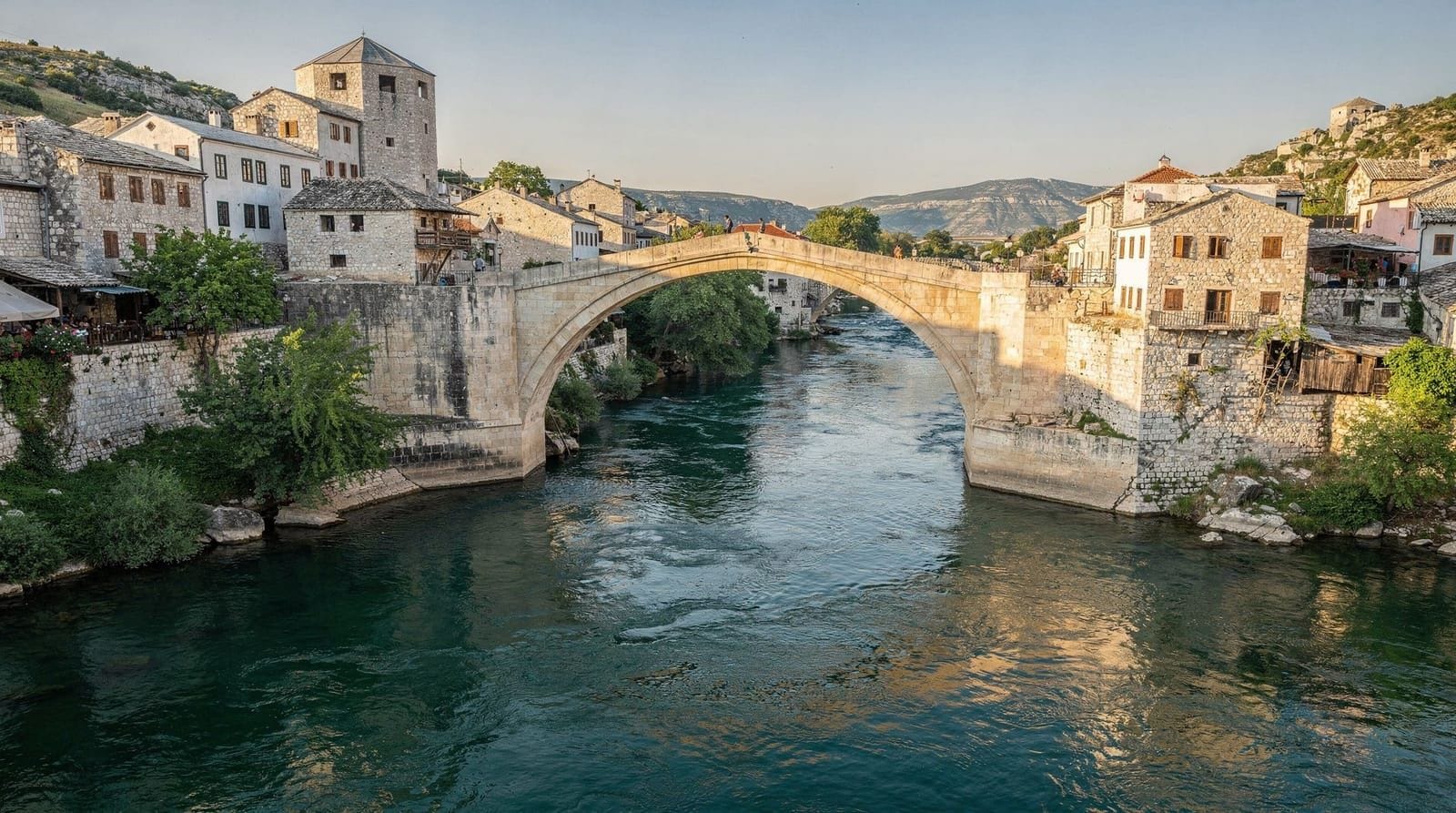
Croatia’s geography makes it a natural hub. Dubrovnik sits close enough to Montenegro and Bosnia and Herzegovina that a Dubrovnik–Mostar–Kotor circuit is a popular and logistically easy add-on — Mostar’s Old Bridge and Kotor’s bay are both under three hours from Dubrovnik. In the north, Istria connects easily to Slovenia, making an Istria–Zagreb–Slovenia circuit a sensible way to see three countries without excessive driving. Neither addition requires giving up time in Croatia itself — they extend the trip rather than compete with it. Both border crossings are straightforward for most nationalities with a passport, and organised day trips handle the logistics if you’d rather not self-drive across a border.
Dubrovnik: private day trip to Bosnia and HerzegovinaFor specific itinerary structures, see:
- Croatia 7-day itinerary
- Croatia 10-day itinerary
- Dalmatian island-hopping 7 days
- Best Croatian islands guide
- Croatia tourist traps guide
Frequently asked questions about Is Croatia worth visiting? an honest assessment
Is Croatia too touristy now?
Dubrovnik's Old Town in July–August is legitimately overwhelmed — the daily cap on wall visitors exists for a reason, and the Stradun can feel like a theme park. But Croatia is a large country. Vis, Mljet, Lastovo, the Istrian interior, the Zagorje region near Zagreb — these see a fraction of the crowds. Croatia is too touristy in specific places in specific months. It's not too touristy as a whole.Is Croatia expensive compared to Greece or Italy?
Croatia is now roughly comparable to popular Greek island destinations and cheaper than coastal Italy in peak season. It's no longer the bargain it was a decade ago, especially after euro adoption in January 2023. Mid-range travel costs €85–150/day per person. Budget travelers managing on €45–65/day will find it tighter than the pre-2020 reputation suggests.What is Croatia genuinely world-class for?
The Dalmatian coast and islands, specifically: the walled city of Dubrovnik, Diocletian's Palace in Split, the Plitvice Lakes, the island of Vis (unspoiled), Korčula Old Town, and the food-and-wine circuit of Istria and Pelješac. These experiences justify the trip. Croatia's beaches are also excellent — pebble and rock rather than sand, but incredibly clear water.What is genuinely overrated about Croatia?
The Stradun in Dubrovnik (Dubrovnik's main street) at peak season: it's beautiful architecture surrounded by enormous crowds. Expensive seafood restaurants on tourist thoroughfares that serve mediocre food at premium prices. Some boat-tour operators on the Hvar circuit that pack far too many people onto party boats. The 'hidden gems' that have been featured in every travel article for ten years and are no longer hidden.Is Croatia safe?
Croatia is one of the safer European destinations. Violent crime affecting tourists is very rare. Petty theft (pickpocketing) happens in the busiest tourist areas in peak season. Traffic in old town areas can be challenging. The sea has no dangerous marine life apart from sea urchins near rocky shores.When is Croatia not worth visiting?
Very few times. Winter on the islands (November–March) means many restaurants and accommodations close, ferry services reduce, and the weather is cold and sometimes stormy. This suits people who want complete peace and very low prices, but it's not a conventional holiday. Otherwise, Croatia is worth visiting in essentially every month from April through October.
Top experiences
Bookable activities with verified prices and instant confirmation on GetYourGuide.
Top experiences
Best-rated activities across GetYourGuide and Viator.

From Zadar: Plitvice Lakes with Boat Ride & Zadar Old town tour
- Viator

Mostar and Herzegovina Tour with Kravica Waterfall from Split & Trogir
- Viator

3Hour ALL-INCLUSIVE Sunset Dolphin Watching from Medulin onSandra
- Viator

Dolphin Watching & Sunset Boat Tour With Drinks & optional Dinner
- Viator

Fantastic DOLPHIN & SUNSET TOUR with dinner ( Pula-NP BRIJUNI )
- Viator

Medulin :All-Inclusive Pirate Boat Dolphin Watching Sunset Cruise
- Viator